When Insurance Will Total Your Roof
Dealing with roof damage can be incredibly stressful, especially when it's severe enough that you're wondering if your insurance will even bother with repairs or just declare it a total loss. That gut-wrenching feeling of uncertainty, coupled with the thought of navigating complex insurance policies, is something no homeowner wants to face. This comprehensive guide will walk you through exactly what it means for your asphalt shingle roof to be "totaled" by your insurance company, the factors they weigh, and what steps you can take to get your home back to normal.
What "Totaled" Really Means for Your Roof and Your Policy
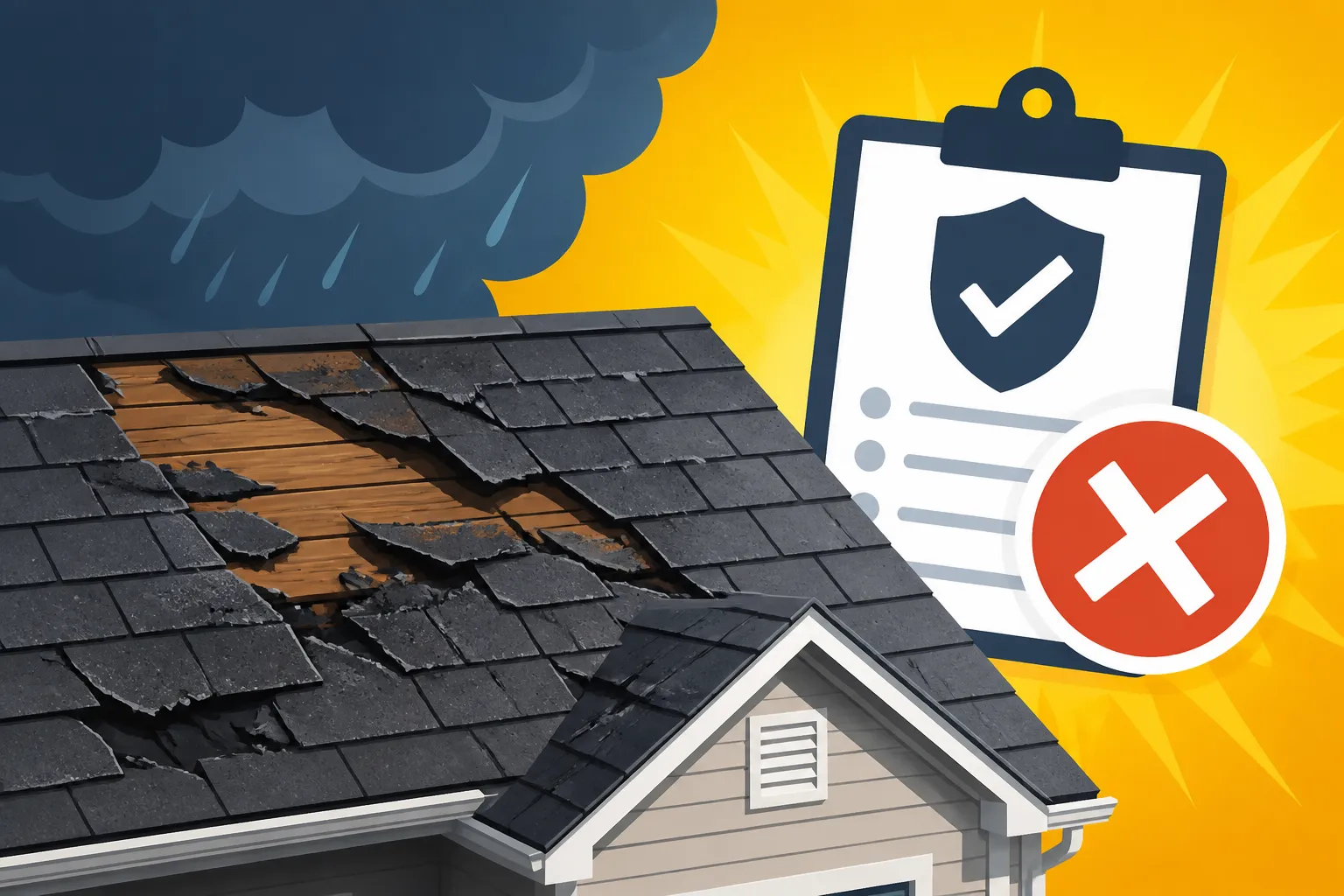
When an insurance company declares your roof "totaled," it's not necessarily because the roof is completely gone or destroyed. Rather, it means that the cost of repairing the damage to your asphalt shingle roof is so extensive that it approaches or exceeds the cost of replacing the entire roof. This can often be a relief, as it means you'll likely get a completely new roof, but it can also feel daunting to embark on such a large project.
Beyond Just "Gone": Understanding the Damage Threshold
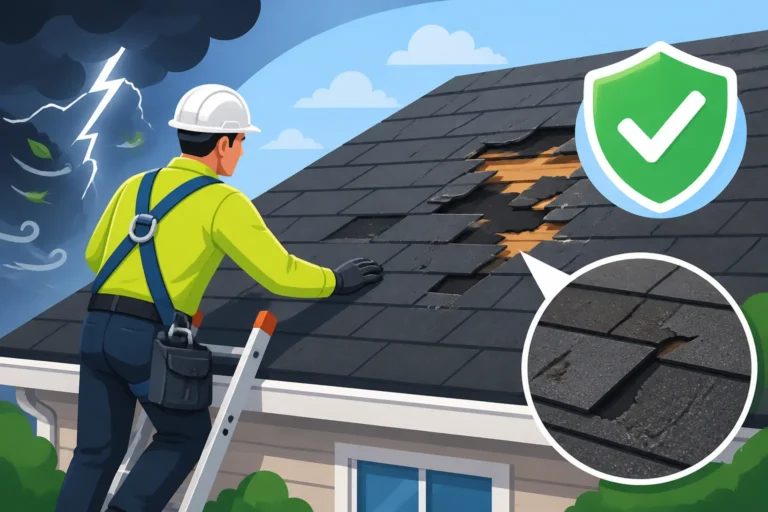
The concept of a "totaled" roof is primarily an economic one, not just a visual assessment of utter destruction. Your roof might still appear mostly intact from the ground, yet a closer, professional inspection by an adjuster or a qualified roofing contractor can reveal widespread damage that compromises its fundamental ability to protect your home. This could include widespread granule loss, bruising, fractured fiberglass mats, or compromised shingle seals across multiple slopes. These issues might not cause an immediate leak, but they drastically shorten the roof's lifespan and make it highly susceptible to future failures.
Insurance companies operate on the principle of restoring your property to its pre-loss condition. If repairing a portion of the roof would leave the remaining sections vulnerable or create an aesthetically unappealing patchwork that affects the overall property value, they might lean towards a full replacement. For example, if a large section of shingles on one slope is damaged, but matching those shingles is impossible due to age or discontinuation, a partial repair might not be considered a true restoration to pre-loss condition. This is a common situation for homeowners trying to decide between Signs You Need a New Roof and repairs.
Think of your roof much like a car in an accident: a minor dent might be a simple repair, but if the structural frame is bent, or the repair costs exceed a certain percentage of the vehicle's market value, it's declared a total loss. For a roof, this means when scattered but significant damage, such as from widespread hail or severe wind, affects a large percentage of the roof's surface area, it often pushes the repair cost beyond the insurer's internal threshold for replacement.
The Financial Equation: Repair Cost vs. Replacement Cost
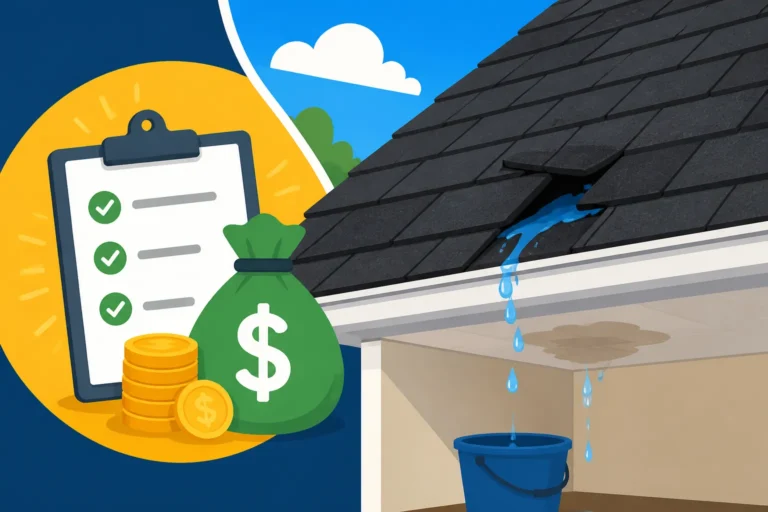
The core of the "totaled" decision hinges on a financial calculation. Insurance companies will compare the estimated cost of repairing the damaged areas to the estimated cost of completely replacing the entire roof system. While there isn't one universal percentage that applies across all insurers or policies, a common guideline is that if repair costs hit somewhere between 50% and 75% of the total replacement cost, the roof is likely to be totaled. This threshold can also be influenced by state regulations and the specific language within your policy.
This financial assessment goes beyond just the cost of new shingles. It meticulously factors in all components: the expense of removing and disposing of the old roofing materials, the cost of new underlayment, flashing, ventilation components, and any necessary repairs to the roof decking beneath the shingles. If you have extensive damage that impacts multiple slopes, or if specific components crucial to the roof's integrity need substantial work, the cumulative cost of these repairs can quickly add up, making a full replacement a more economically sensible option for the insurer.
To ensure you're on solid ground when discussing these figures with your insurance company, it's absolutely crucial to obtain detailed estimates from reputable roofing contractors. These estimates should not only itemize potential repair costs but also provide a comprehensive quote for a full roof replacement. Having these concrete numbers in hand allows you to compare them directly with your insurer's assessment and advocates for your position, ensuring you're comparing "apples to apples" in the financial equation. If multiple professional contractors recommend a full replacement due to the sheer scope of damage, it strengthens your argument significantly regarding the How Much Does an Asphalt Shingle Roof Cost.
Key Factors Insurance Companies Consider
Insurance companies don't just look at the visible damage; they evaluate a confluence of factors to determine if your roof should be totaled. Understanding these elements can help you better prepare for the claims process and advocate for a fair settlement.
Age and Condition of Your Existing Roof
The age of your asphalt shingle roof is a primary determinant in the insurance company's decision. A relatively new roof, say 5 to 10 years old, with substantial damage is far more likely to be totaled under a Replacement Cost Value (RCV) policy because its depreciated value is still high. Conversely, a roof that is nearing the end of its typical lifespan (often 20-25 years for standard asphalt shingles) will have a significantly lower depreciated value, especially if your policy is Actual Cash Value (ACV), making a full replacement less financially attractive to the insurer.
Beyond mere age, the pre-storm condition of your roof is critically examined. Was your roof meticulously maintained, or was it already exhibiting signs of significant wear and tear, such as widespread granule loss, curling, cracking, or blistering, before the recent damaging event? Insurers will often scrutinize the roof to distinguish new damage from pre-existing deterioration. It's incredibly beneficial to have documentation like maintenance records or dated photos of your roof's condition from prior years, as this can support your claim and validate that the damage is indeed recent and storm-related. Knowing How Long Does an Asphalt Roof Last for your specific shingle type can also inform these discussions.
If your roof is, for example, 18 years old and a severe hailstorm causes significant, widespread damage, an insurer might conclude that repairing it would only extend its life by a year or two. In such cases, replacing the entire roof becomes a more logical and cost-effective long-term solution for both the homeowner and the insurance company, particularly if the policy allows for replacement cost. The remaining useful life of the existing roof is a pivotal point in these calculations, influencing whether a repair is deemed a temporary fix or a lasting solution.
Local Building Codes and Regulations
Local building codes are dynamic and constantly updated to enhance structural integrity, safety, and resilience against environmental factors. What might have been compliant when your roof was initially installed years ago may no longer meet current standards. If your damaged roof requires repairs that would not bring it up to current code, or if current codes demand a complete system overhaul, this can strongly influence the decision to total the roof.
For instance, many regions, especially those prone to severe weather, have updated codes requiring specific types of underlayment, such as ice and water shield in cold climates, or enhanced fastening patterns for shingles to resist high winds. If your existing roof was installed before these codes were in effect, simply patching it might not be permitted by local authorities unless it's brought up to current compliance. In such scenarios, the cost of upgrading various components to meet code during a repair could become prohibitive, making a full replacement the more straightforward path.
A knowledgeable roofing contractor is an invaluable resource in understanding how local codes in your area, be it hurricane-prone coastal Florida or hail- Alley regions in Colorado, impact your potential roof replacement. They can identify instances where repairs would be insufficient to meet current regulations, providing crucial evidence to your insurer. Many insurance policies include a "code upgrade" clause specifically designed to cover the additional costs of bringing your roof up to current standards during a covered loss, which often tips the scales towards a full replacement. Being aware of Roofing Building Codes: What to Know for your area is essential.
Your Specific Policy Coverage and Deductibles
The type of homeowners insurance policy you carry is perhaps the most significant factor in determining your payout and how easily your roof might be totaled. Primarily, this boils down to whether you have an Actual Cash Value (ACV) policy or a Replacement Cost Value (RCV) policy. An ACV policy pays out the depreciated value of your roof, meaning it subtracts money for its age and wear and tear, potentially leaving you with a substantial out-of-pocket expense even if your roof is totaled.
An RCV policy, on the other hand, typically covers the full cost of replacing your roof with new materials of similar quality, up to your policy limits, without deducting for depreciation. This is the more favorable coverage for homeowners, as it ensures you can replace your roof without bearing the heavy burden of depreciation. Most RCV policies pay out in two stages: an initial payment based on ACV, and then a second payment (the depreciated amount) once the new roof is installed and documented. This distinction is paramount, as explained in Actual Cash Value vs Replacement Cost Roof Claims.
Your deductible also plays a role in the overall financial equation. If the estimated repair cost (especially under an ACV policy after depreciation) is only slightly more than your deductible, the insurer might simply offer a repair settlement, making a full replacement less likely. However, for a roof that is truly "totaled," the costs involved are typically far beyond your deductible, making the claim financially significant for the insurance company. It's crucial to understand your specific policy, including any separate wind or hail deductibles, which can sometimes be a percentage of your home's insured value rather than a flat dollar amount.
Common Types of Damage Leading to a Total Loss Claim
While any severe damage can lead to a totaled roof, certain types of incidents are far more likely to trigger a full replacement than a simple repair. These usually involve widespread, systemic damage that compromises the entire roofing system.
Severe Hail or Wind Damage
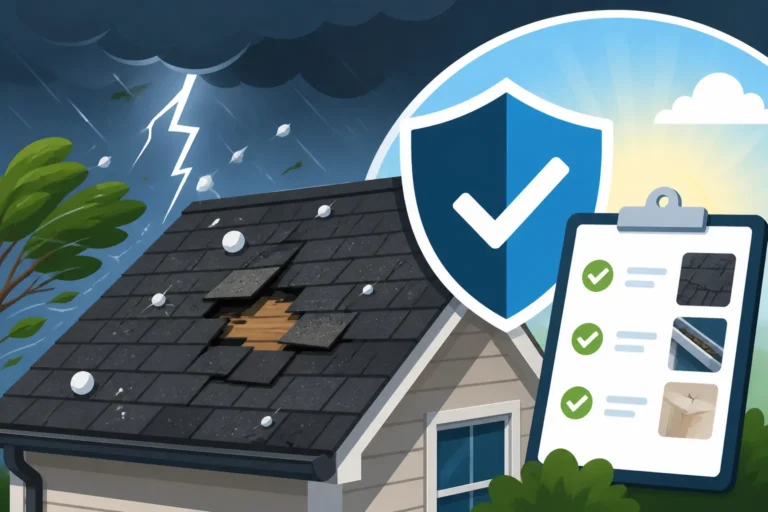
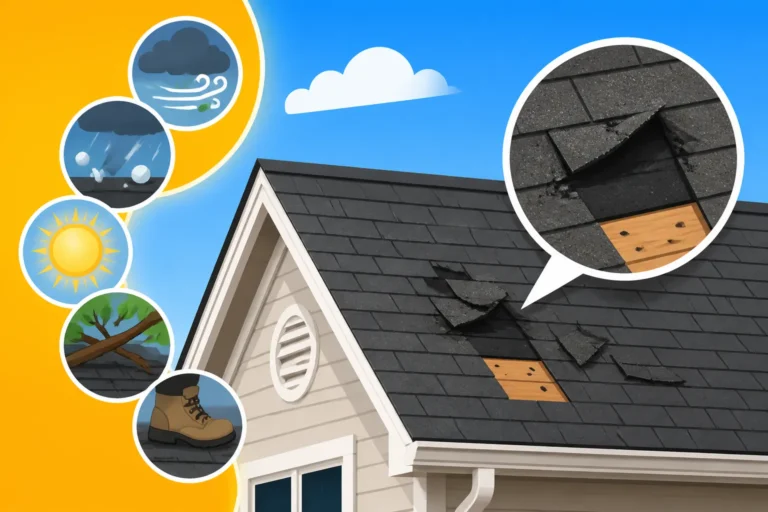
Severe hailstorms are one of the most common causes of asphalt shingle roof total losses. Hailstones, especially those one inch or larger in diameter, can inflict widespread damage across the entire roof surface. This damage can manifest as significant granule loss, which protects the shingle from UV rays, bruising where the shingle's fiberglass mat is fractured but not punctured, and even small pockmarks or cracks. When this type of damage is consistently scattered across multiple slopes, it critically compromises the roof's protective integrity and significantly shortens its remaining useful life.
Similarly, high winds, often associated with severe thunderstorms or tornados, can wreak havoc on an asphalt shingle roof. Strong gusts can lift, tear, or completely blow off large sections of shingles, leaving the vulnerable underlayment and decking exposed to water intrusion. Even if shingles aren't visibly missing, powerful winds can break the adhesive seals between shingles, leaving the entire roof susceptible to future wind damage and leaks. This kind of extensive, uniform damage, particularly if it affects the majority of the roof's surface, makes a spot repair an inadequate, short-term fix.
When an insurance adjuster inspects your roof after a hail or wind event, they are not just looking for isolated damage. They meticulously search for patterns and consistency. If hail impacts or wind damage are sporadic and limited to a small area, a repair might be considered. However, if there’s a consistent pattern of damage that covers 50% or more of the roof, indicating a systemic compromise to its weatherproofing capabilities, it's a very strong indicator that the roof will be declared a total loss. This is especially prevalent in regions regularly battered by intense weather systems, turning simple damage into a Storm Damage: Repair or Replace dilemma.
Tree Falls and Other Catastrophic Events
While less frequent than widespread storm damage, a large tree falling on your roof is almost a guaranteed scenario for a total loss declaration. The immense impact force from a significant tree or a substantial branch can do far more than just damage shingles. It can crush sections of the roof decking, snap or splinter rafters and trusses, and even compromise the structural integrity of your home's framing. Such an event is rarely a simple repair; it typically necessitates extensive carpentry work, re-framing, and the installation of an entirely new roofing system.
Other catastrophic events, though thankfully rare, can also lead to a totaled roof. For instance, extensive fire damage can melt, warp, and char asphalt shingles, compromise the underlying underlayment, and weaken the roof decking and structural components. The heat alone can cause irreversible damage to the shingle's composition. While a direct lightning strike might only cause localized damage, it can sometimes ignite a fire or cause electrical damage that necessitates a comprehensive roof replacement if the damage spreads.
In these extreme scenarios, the damage extends well beyond the surface and into the core structure of your home. The financial and logistical hurdles involved in properly repairing such comprehensive structural and material damage, and ensuring the roof system's long-term safety and stability, almost invariably outweigh the cost of a complete replacement. For insurers and homeowners alike, replacing the entire roof becomes the most logical and safe course of action.
Widespread Water Damage or Structural Compromise
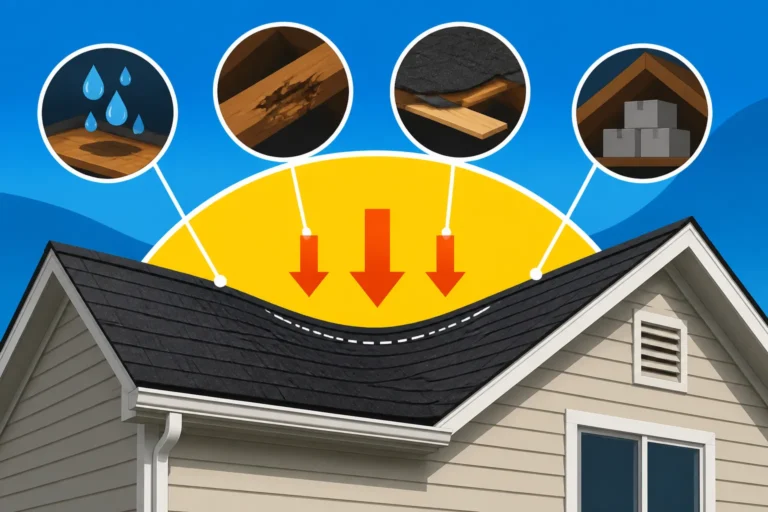
While a minor, isolated leak can often be addressed with a simple repair, widespread or prolonged water intrusion due to a failing roof can be a definitive trigger for a total loss claim. If water has penetrated the attic space for an extended period, it can lead to extensive mold growth not only on the roof decking but also on insulation, rafters, and even interior ceilings and walls. The cost of professional mold remediation combined with repairing significant wood rot in the decking or framing can quickly escalate, often surpassing the cost of a full roof replacement.
A visibly sagging roof is another critical indicator that points towards a total loss. A sag often signals severe structural weakness, typically caused by widespread wood rot in the roof decking, rafters, or trusses. This kind of foundational problem cannot be remedied by merely replacing shingles; it implies a deeper, pervasive issue that requires a complete tear-off of the existing roof system, significant structural repairs or replacements to the underlying framework, and then the installation of an entirely new roof.
When the very foundation of your roof system—the decking and support structure—is compromised due to long-term water damage, rot, or structural failure, it’s a clear signal that a full replacement is not just recommended, but absolutely necessary. Attempting to install new shingles over a rotten or compromised deck would be like building a house on a sinking foundation; it's a waste of resources and creates an unsafe environment. Insurers understand that a comprehensive, ground-up approach is required to restore safety and longevity, making it a clear case for total roof replacement, often including Roof Decking Replacement Cost.
The Insurance Claim Process for a Totaled Roof
Navigating an insurance claim for a totaled roof can feel overwhelming, but understanding each step can empower you to manage the process effectively and ensure a fair outcome.
Initial Reporting and Documentation
The first, and arguably most critical, step is to immediately report the damage to your insurance company. Most policies stipulate a timeframe for reporting claims, so prompt action is essential. Even before an adjuster arrives, begin thoroughly documenting all visible damage. Take numerous clear, well-lit photos and videos from various angles, both of the roof (only if it's safe to do so) and any interior damage, such as water stains on ceilings or walls. This visual evidence is invaluable to your claim.
Gather all pertinent roofing documents you possess, including the original installation contract, any warranty information, and invoices for past repairs or maintenance. These records help establish the age and pre-loss condition of your roof. Make a detailed note of the date and time the damaging event occurred. If you've had to implement temporary repairs, such as tarping to prevent further water intrusion, keep all receipts, as these emergency measures are often reimbursable under your policy.
While awaiting your insurance adjuster, it's highly advisable to seek a preliminary damage assessment from a trusted, local roofing contractor. Many offer free inspections for storm damage. Their professional opinion and initial estimates can be a significant advantage in your discussions with the insurance adjuster. Remember, your chosen contractor serves your best interests, whereas the adjuster works for the insurance company. This crucial step is often where reputable companies like Modernize can help homeowners connect with local pros who deeply understand the complexities of the claims process and can assist with How to Document Roof Damage for Insurance.
The Adjuster's Inspection and Report
Your insurance company will dispatch a professional adjuster to your property to physically assess the damage. Their primary role is to evaluate the extent of the loss, confirm it falls within your policy's coverage, and estimate the cost for either repairs or a full replacement. It is strongly recommended that you, or your chosen roofing contractor, are present during this inspection. A contractor can adeptly point out subtle or less obvious damage, especially those elusive hail impacts or lifted shingles that an untrained eye might miss.
During their visit, the adjuster will diligently take their own photographs, measurements, and detailed notes. They utilize specialized tools to assess hail impact sizes, categorize wind damage, and determine the overall condition and estimated remaining life of your roof. Their comprehensive report will form the bedrock of the insurance company's ultimate decision regarding whether to declare your roof totaled or approve a repair. Don't hesitate to engage them with questions during this process; clarity is key.
Once the adjuster has completed their inspection and submitted their findings, the insurance company will review the report. This review period can vary significantly, ranging from a few days to several weeks, depending on the severity and complexity of your claim, as well as the volume of claims the company is processing, particularly after widespread severe weather events. While patience is necessary, consistent, polite follow-up on your end is also important to ensure your claim progresses smoothly, following the Roofing Insurance Claim Process Step by Step.
Receiving the Settlement Offer
Eventually, you will receive official communication from your insurance company outlining their decision and the proposed settlement amount. If your roof has been deemed totaled, this offer will include an itemized estimate for a full roof replacement. Typically, this settlement will be structured in two payments: an initial payment (representing the Actual Cash Value of your roof at the time of loss, minus your deductible) and a depreciated amount that will be released to you once the full replacement work is completed and validated with receipts, assuming you have a Replacement Cost Value (RCV) policy.
It is absolutely vital to meticulously review this settlement offer. Compare their itemized estimate line-by-line with any independent estimates you've procured from your own roofing contractors. Do the material costs align? Have they accurately accounted for all necessary components, including the specific type of underlayment, flashing around penetrations, adequate ventilation, and the often-significant cost of debris disposal? Crucially, does the estimate include the costs of any required code upgrades, if applicable in your area? If you identify significant discrepancies or omissions, you have every right to dispute their offer.
Never feel compelled or pressured to accept the first offer if you believe it is insufficient to properly replace your roof. This is precisely where a knowledgeable, experienced contractor, often one recommended by trusted services like Modernize, can prove invaluable. They can scrutinize the insurance company's estimate, highlight any missing items, challenge underestimated costs, and help you effectively negotiate for a fair and comprehensive settlement that truly covers the expense of properly replacing your roof. This critical step ensures you are not left out of pocket due to a lowball offer, making it important to know How to Read and Compare Roofing Estimates.
Navigating the Aftermath: What to Do When Your Roof is Totaled
Once your insurance claim for a totaled roof has been approved, you've moved past the initial hurdle. Now comes the work of rebuilding, which requires careful planning and smart decisions to ensure your new roof is installed correctly and efficiently.
Choosing a Reputable Contractor
After the relief of your insurance claim being approved for a full roof replacement, the next, and arguably most critical, step is to select the right roofing contractor. This decision should never be made in haste. Prioritize local, well-established companies with a proven track record, stellar reputations, and the proper licensing and comprehensive insurance (both liability and workers' compensation) required in your state. Always ask for recent references and thoroughly check online reviews on independent platforms like Google, the Better Business Bureau, or industry-specific sites.
A truly reputable contractor goes beyond simply installing new shingles. They will conduct their own detailed inspection, often confirming the adjuster's findings and sometimes identifying additional, subtle damage that might have been overlooked, which can be crucial for supplemental claims. They should maintain complete transparency about the quality of materials they intend to use, the specifics of their installation process, and the comprehensive warranties they offer on their workmanship, in addition to manufacturer warranties.
It's wise to obtain multiple, detailed bids from different contractors. While the allure of the cheapest option can be strong, remember that quality, durability, and reliability are paramount for an investment as vital as your roof. A contractor with extensive experience in navigating insurance claims can be an enormous asset, helping to ensure that all necessary work is accurately covered by the settlement and that the entire project unfolds as smoothly as possible. Finding the right professional is key, and resources like Modernize can help connect you with vetted local experts who understand the nuances of insurance-totaled roofs and can assist in explaining How to Choose a Roofing Contractor.
Permits, Project Management, and Payment
A full roof replacement is a significant construction project, and as such, it almost invariably necessitates obtaining a building permit from your local municipality. A professional and reputable contractor will proactively handle the entire permit application process on your behalf, ensuring that all work strictly adheres to the latest local building codes and successfully passes any required inspections. Never agree to work with a contractor who suggests bypassing the permit process; doing so can lead to significant legal complications, fines, and issues when you eventually sell your home.
Your chosen contractor should provide you with a clear and comprehensive project timeline. This schedule should outline key milestones, such as when materials are expected to be delivered, the projected start date for the work, and the estimated duration of the entire installation process. Clear and consistent communication from the contractor is essential throughout the project. Be prepared for potential, unavoidable delays caused by adverse weather conditions or unexpected material availability issues, but your contractor should always keep you informed of any changes. They should also detail the measures they will take to protect your landscaping and property during the tear-off and installation phases.
Payment schedules for insurance-related roof replacements are typically structured. This often involves an initial deposit to secure materials and schedule the crew, followed by progress payments at various stages of completion, and a final payment released only upon satisfactory completion of the entire project and after the depreciation funds have been released by your insurer. It is imperative that all payment terms, including amounts and triggers, are explicitly detailed in a signed, written contract. Under no circumstances should you ever pay the full amount upfront before any work has even begun. A reliable contractor will also clarify the difference between material and labor costs, as some parts of your insurance payout might be staggered.
Considerations for Upgrades and Future Protection
While a totaled roof situation can be stressful, it also presents a unique opportunity to enhance and upgrade your roofing system beyond what was originally there. If your insurance payout covers a standard asphalt shingle replacement, you might consider investing a modest additional amount out of pocket to upgrade to a more durable or aesthetically pleasing option. This could include architectural shingles with an extended lifespan, impact-resistant shingles (Class 4 rated for hail), or even cool-roof shingles designed to reflect more sunlight. Such upgrades can often lead to tangible benefits, including potential reductions in your homeowners' insurance premiums or superior protection against future severe weather.
Engage in a detailed discussion with your contractor about potential upgrades to the underlying components of your roofing system. Consider enhancements such as improved attic ventilation, which is crucial for prolonging roof life and improving energy efficiency, or a higher quality synthetic underlayment instead of traditional felt. You might also explore upgrading flashing around critical areas like chimneys, skylights, and pipe vents. While your insurance policy typically covers "like for like" replacement, many of these component upgrades are relatively inexpensive when integrated into a full roof replacement project and can significantly boost your roof's overall performance, durability, and longevity, making it a sound long-term investment.
Don't overlook the importance of warranties. A full system warranty, often provided by leading manufacturers like GAF, Owens Corning, or CertainTeed when their certified contractors install an entire roofing system using all their proprietary components, offers comprehensive protection for both materials and the contractor's workmanship. This elevated level of warranty coverage, which often extends for many decades or even a lifetime, provides invaluable peace of mind after experiencing a total loss. Understanding the benefits and costs of an extended warranty is a crucial aspect of considering Is an Asphalt Shingle Roof Worth the Money in the long run.
Understanding Your Policy: Actual Cash Value vs. Replacement Cost Value
The financial outcome of a totaled roof claim hinges almost entirely on the type of homeowners insurance policy you hold. The distinction between Actual Cash Value (ACV) and Replacement Cost Value (RCV) coverage for your roof is absolutely critical and directly impacts how much your insurer will pay out and, consequently, your own out-of-pocket expenses.
Actual Cash Value ACV Explained
An Actual Cash Value (ACV) policy typically features lower premiums, making it an attractive option for budget-conscious homeowners. However, this cost-saving comes with a significant caveat when your asphalt shingle roof is totaled. Under an ACV policy, your insurance company will pay you only the depreciated value of your roof at the time of the loss. Depreciation accounts for the roof's age, wear and tear, and overall condition. For example, if your asphalt shingles have a 20-year lifespan and are 15 years old when damaged, the insurer will factor in that 15 years of usage, reducing the payout significantly from the cost of a brand new roof.
This means that the settlement you receive from an ACV policy is often substantially less than the actual cost required to replace your damaged roof with new materials. For instance, if a brand new asphalt shingle roof would cost $25,000 to install, but your 15-year-old roof has depreciated by 70%, an ACV payout might only be $7,500 (minus your deductible). This scenario leaves you responsible for covering a massive portion of the replacement cost, potentially tens of thousands of dollars, directly out of your own pocket.
While ACV policies offer the benefit of lower monthly or annual premiums, they can impose an immense financial burden when a major event necessitates a full roof replacement. Homeowners with ACV coverage, especially those with older roofs, must be acutely aware of this potential gap between their payout and the true cost of replacement. It's imperative to understand this limitation so you can either financially prepare for a significant out-of-pocket expense or consider upgrading your policy coverage proactively.
Replacement Cost Value RCV Explained
Replacement Cost Value (RCV) policies are widely considered the superior and more comprehensive option for homeowners, offering significantly greater financial protection in the event of a total roof loss. With an RCV policy, if your roof is deemed totaled, your insurer commits to paying the full cost of replacing it with a new roof of comparable quality and type, up to your policy limits, crucially without deducting for depreciation. This distinction provides tremendous peace of mind and financial security for homeowners facing such an extensive and costly project.
The typical process for an RCV claim usually involves a two-stage payout. Initially, the insurance company will issue a payment based on the Actual Cash Value (ACV) of your damaged roof, subtracting your deductible. This first payment allows you to begin the replacement process. Once the new roof has been completely installed and you've submitted verified proof of completion, such as paid invoices and completion certificates from your contractor, the insurance company then releases the remaining "depreciation" amount. This second payment brings your total reimbursement much closer to the true, full cost of your new roof.
Although RCV policies generally carry higher premiums than their ACV counterparts, the profound financial security and vastly reduced out-of-pocket expenses in the face of a total roof loss often make them a highly worthwhile investment. It eliminates the worry of covering a large depreciation gap. It is always wise to thoroughly review your homeowner's insurance policy to confirm that your roof specifically has RCV coverage, as some policies might apply ACV to the roof while covering other parts of your home at replacement cost.
Impact on Your Payout
The fundamental difference between ACV and RCV coverage directly and profoundly impacts the total amount of money you will ultimately receive from your insurance company, and, consequently, the extent of your personal financial responsibility. With an ACV policy, you are perpetually liable for the substantial gap between your roof's depreciated value and the actual, higher cost of installing a brand new roofing system. This gap can easily amount to thousands, or even tens of thousands, of dollars, especially if your roof is older.
Conversely, an RCV policy dramatically minimizes your financial burden. Your primary out-of-pocket expense will typically be limited to your policy's deductible, plus any additional costs for upgrades or enhancements you specifically choose to make beyond the "like for like" replacement covered by the policy. This significantly alleviates financial stress during what is already a challenging and disruptive period. Grasping this critical distinction before a catastrophic event occurs is an essential aspect of proactive homeownership and financial planning.
It's highly recommended to periodically review your homeowners' insurance policy with a trusted agent, ideally every few years or as your roof ages significantly. Engage in a candid discussion about whether your current coverage provides adequate protection for such a substantial investment. You might discover that upgrading from an ACV policy to an RCV policy, even with a modest increase in premiums, is a remarkably smart long-term financial decision, particularly when considering the potential high cost of a new roof and the overwhelming financial implications of a total loss scenario.
| Feature | Actual Cash Value (ACV) | Replacement Cost Value (RCV) |
|---|---|---|
| Payout Basis | Depreciated value of the roof at the time of loss | Cost to replace with new, similar quality materials |
| Age & Condition | Significant factor; older roofs receive less payout | Less significant factor for payout amount; covers new replacement |
| Out-of-Pocket Cost | Deductible + depreciation gap between ACV and new roof cost | Deductible + cost of any chosen upgrades beyond "like-for-like" |
| Premium | Generally lower | Generally higher |
| Claim Payout Process | Single payment for depreciated value | Two-stage payout: ACV initially, then depreciation released after replacement |
| Financial Burden | High, especially for older roofs | Low, primarily deductible |
| Best For | Homeowners with very new roofs or tight budgets who understand risk | Most homeowners seeking full protection and peace of mind |
Disclaimer
This guide provides general information and should not be considered legal or financial advice. Insurance policies vary widely, and it's essential to consult your specific policy documents or speak with your insurance agent for personalized advice regarding your coverage.