Blistering Shingles Explained
It's incredibly frustrating, isn't it, to look up at your roof and see these little bumps or blisters forming on your otherwise perfectly good shingles? You start to wonder if it's a minor cosmetic issue, a sign of impending disaster, or something in between. Homeowners often feel a knot in their stomach, fearing the worst and unsure how to decipher these mysterious bubbles. This comprehensive guide is here to shed light on what blistering shingles truly mean, why they appear, and what steps you can take to address them effectively, bringing you peace of mind.
What Exactly Are Blistering Shingles?
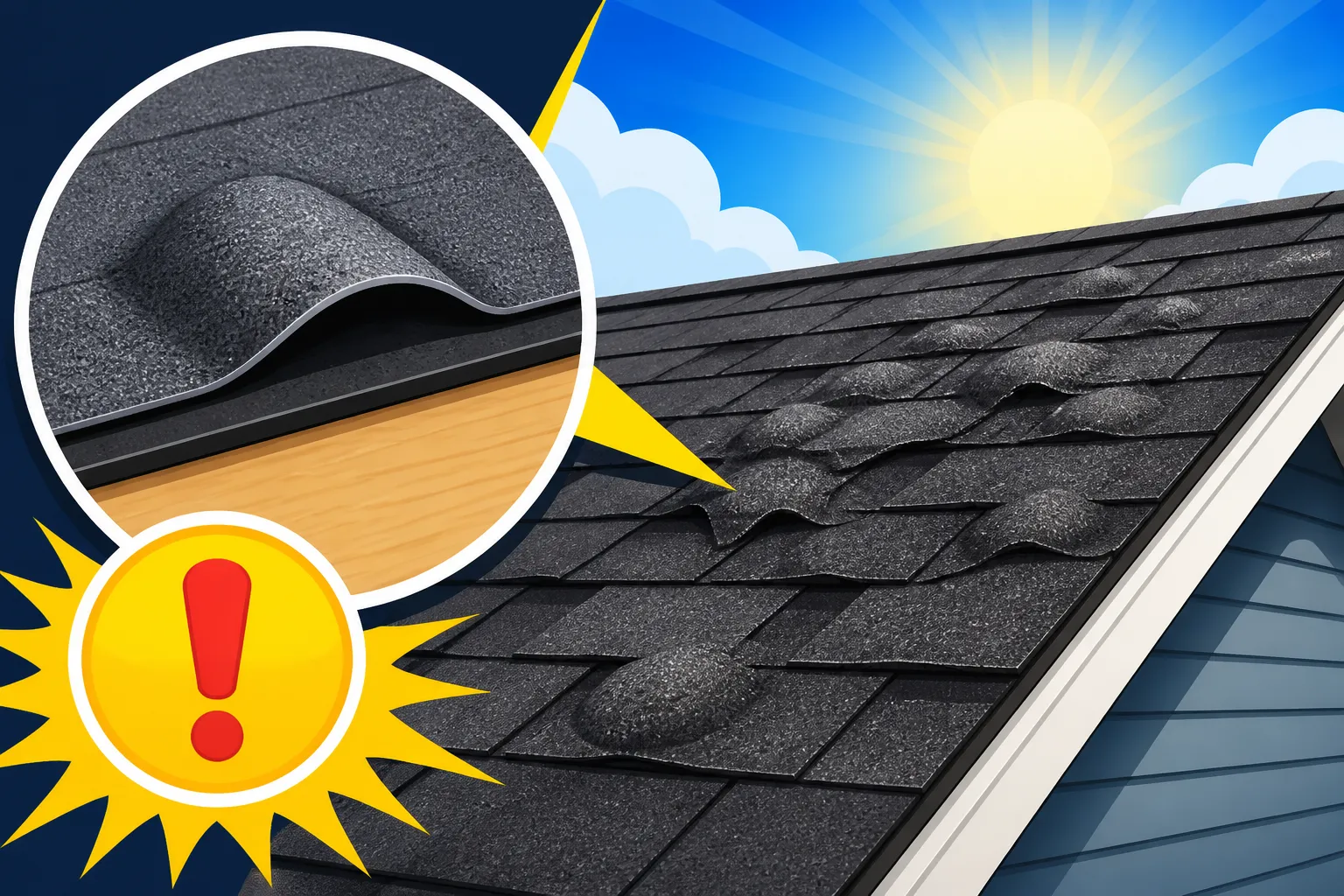
When you notice your asphalt shingles developing what look like small, raised bubbles or pimples on their surface, you're likely observing blistering. It's a common, yet often misunderstood, phenomenon that can leave homeowners scratching their heads. These aren't just aesthetic imperfections; they're indicators that something is happening within or beneath your roofing materials. Understanding their appearance is the first step toward figuring out the underlying cause and the best course of action.
The Visual Signs of Blistering
Blisters typically manifest as small, raised bumps ranging from the size of a pinhead to a quarter, or even larger in severe cases. They often have a somewhat uniform, rounded shape. Initially, they might just look like slight bulges on the shingle's surface, almost as if something is pushing up from underneath. Over time, as these blisters are exposed to the sun's UV rays and the elements, they can become brittle and eventually break open. When a blister breaks, it exposes the asphalt below, leading to a loss of the protective granules that give your shingles their color and provide crucial UV protection. This exposed asphalt is then more vulnerable to further degradation, speeding up the aging process of your roof.
Imagine a sunny afternoon, and you're out in the yard, noticing these tiny, uniform bumps reflecting the light differently. You might initially dismiss them, but upon closer inspection, you realize they’re not dirt or debris. They are actual raised spots on the shingle itself. Sometimes, the granules over the blister might look slightly lighter or more worn due to the stretching and thinning of the shingle surface over the bump.
Blisters vs. Granule Loss and Other Damage
It's easy to confuse blistering with other common roofing issues, but distinguishing them is key to proper diagnosis and repair. Granule loss, for instance, often accompanies blistering once the bubbles pop, but significant granule loss can also occur due to general wear and tear, hail, or improper installation. If you see bald spots where granules are missing, but no underlying bubble or raised area, it's more likely general granule loss.
Similarly, "fishmouthing" or "curling" shingles are distinct from blistering. Curling typically involves the edges of the shingles lifting or rolling upwards, often due to aging, moisture absorption, or excessive heat. Blistering, in contrast, occurs on the flat surface of the shingle, presenting as distinct raised bumps. Hail damage creates impact marks, often appearing as random, circular indentations where granules are dislodged, sometimes with a bruise in the shingle mat, rather than a uniformly raised bubble. Understanding these differences is crucial for any homeowner trying to assess their roof's health. For a broader overview of how to spot issues, you might find our guide on Roof Damage Assessment: A Homeowner's Guide quite helpful.
The Primary Causes of Shingle Blistering
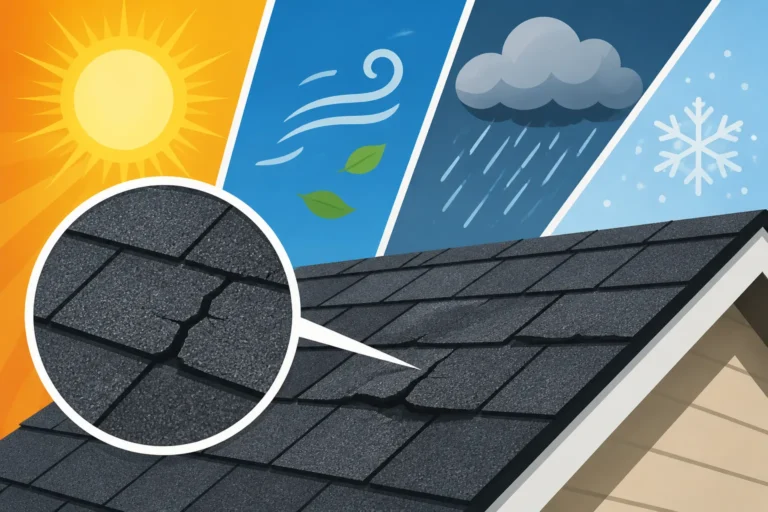
Blistering on asphalt shingles isn't usually a random occurrence. It's almost always a symptom of specific underlying issues, primarily related to the manufacturing process, moisture, or heat. Understanding these root causes can help you prevent future problems or accurately address existing ones. It's not just about the appearance; it's about the very integrity of your roofing system.
Manufacturing Defects and Quality Control
Sometimes, the culprit behind blistering can be traced back to the manufacturing plant. Asphalt shingles are made by embedding ceramic granules into a fiberglass mat coated with asphalt. If during this process, moisture or volatile materials get trapped within the asphalt mixture, or if there's an issue with the asphalt's consistency, it can lead to problems later on. When these shingles are then installed on a roof and exposed to solar heat, the trapped moisture or volatiles expand, creating gas pockets that push up on the shingle's surface, forming blisters.
While modern manufacturing processes have significantly improved quality control, older shingles or those from lesser-known manufacturers might be more susceptible to this. A widespread pattern of blistering, especially on a relatively new roof, could point to a manufacturing defect. Reputable brands like GAF, Owens Corning, and CertainTeed invest heavily in quality assurance, making such widespread issues less common, but not entirely impossible, especially with certain batches. This is why understanding your Roofing Warranty: Workmanship vs Manufacturer is so important; a manufacturer's warranty would cover defects in the product itself.
Trapped Moisture and Poor Ventilation
One of the most common reasons for shingle blistering is inadequate attic ventilation combined with trapped moisture. Your attic needs to "breathe" to regulate temperature and humidity. If warm, moist air gets trapped in your attic – perhaps from bathrooms, kitchens, or laundry rooms without proper exhaust, or simply from exterior humidity – it can rise and become trapped directly beneath the roof deck. This warm, moist air then transfers heat and moisture to the underside of your shingles.
The asphalt in the shingles acts as a barrier, and when the moisture tries to escape or the heat causes the asphalt to expand, it creates pressure that pushes up, forming blisters. This effect is especially pronounced during hot, sunny days when the sun heats the outer surface of the shingles, and the trapped hot, moist air heats the underside. It's a double whammy for your roof. Proper attic ventilation, including both intake (soffit vents) and exhaust (ridge vents or box vents), is crucial to prevent this. Our article on How Roof Ventilation Works provides a deeper dive into this critical aspect of roof health.
Excessive Heat Exposure
Even without significant trapped moisture, intense heat alone can contribute to shingle blistering. Asphalt is a thermoplastic material, meaning it softens when heated and hardens when cooled. On extremely hot days, especially in regions with prolonged sun exposure like Arizona or Florida, the surface temperature of asphalt shingles can soar. This intense heat can cause the lighter, more volatile oils within the asphalt to vaporize. As these vapors attempt to escape, they create small pockets of gas, leading to blisters.
Roofs with dark-colored shingles absorb more heat, making them more susceptible to this phenomenon. Similarly, roofs with a steep pitch facing direct south, receiving maximum sun exposure throughout the day, might show more blistering. While shingles are designed to withstand significant temperatures, a combination of manufacturing issues and relentless sun can push them past their limit. This intense heat can also accelerate other forms of damage and ultimately shorten the overall lifespan of your asphalt roof.
The Impact of Blistering on Your Roof's Longevity
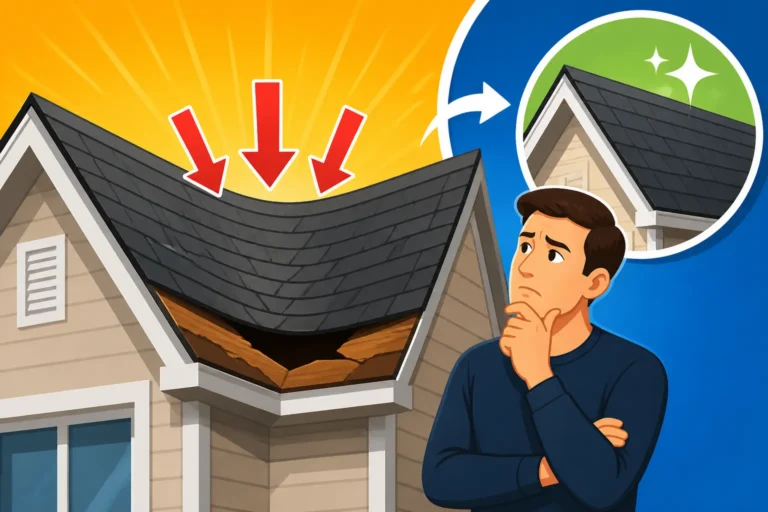
It's tempting to think of blisters as purely cosmetic, especially when they're small and infrequent. However, ignoring them can have serious long-term consequences for your roof's durability and protective capabilities. Each blister represents a point of vulnerability that, if left unaddressed, can compromise the entire roofing system.
Accelerated Granule Loss
One of the most direct and detrimental impacts of blistering is accelerated granule loss. The ceramic granules embedded in asphalt shingles are not just for aesthetics; they are the first line of defense against UV radiation, physical impact, and weather erosion. When blisters form, they stretch and thin the shingle's asphalt surface, causing the granules to become dislodged more easily. Once a blister pops, it creates a completely bald spot where granules are completely gone, exposing the underlying asphalt directly to the elements.
This exposed asphalt quickly degrades under UV light, becoming brittle and cracking prematurely. Think of it like a sunburn on your skin – without protection, the damage accelerates. The more widespread the granule loss due to blistering, the faster your roof will age, making it more prone to leaks and requiring repairs or even a full replacement sooner than anticipated. For more on this, you might check out Granule Loss: Should You Worry.
Increased Vulnerability to Elements
Beyond granule loss, blistering shingles significantly increase your roof's overall vulnerability to weather elements. A shingle with blisters has a compromised surface. When a blister breaks open, it creates a small crater that can collect water, rather than allowing it to shed efficiently. This standing water prolongs moisture exposure to the asphalt, further weakening it.
Moreover, these weakened spots become entry points for wind-driven rain. During strong winds or hailstorms, the areas around popped blisters are much more susceptible to tearing, lifting, or further granule loss. Even temperature fluctuations, with repeated cycles of expansion and contraction, will exacerbate the damage around these compromised areas. What might start as small, innocent-looking bubbles can, over time, become weak points that allow water intrusion into your home, leading to costly interior damage.
Warranty Implications
Homeowners often rely on their roofing warranty for peace of mind, but blistering can complicate claims. Most manufacturer warranties cover defects in materials, so if blistering is proven to be a manufacturing fault, you might be covered. However, if the blistering is due to poor attic ventilation or improper installation – issues that fall under workmanship – the manufacturer's warranty might not apply. In such cases, you'd need to refer to your contractor's workmanship warranty, if they provided one.
It's critical to document any blistering promptly and have a professional assessment. Delaying can make it harder to prove the cause. If blistering is widespread due to inadequate ventilation, some warranties might even be partially or fully voided, as proper ventilation is often a condition for maintaining warranty coverage. Always review your specific warranty documents thoroughly and consult with a certified roofing contractor to understand your options. Finding a reputable contractor through services like Modernize can help ensure proper installation that keeps warranties intact.
Differentiating Blistering from Other Common Roof Issues
It's easy to look at a roof problem and think "damage," but pinpointing the exact type of damage is crucial for effective treatment. Blistering often gets mistaken for other issues, which can lead to misdiagnosis and unnecessary repairs or even premature replacement. A good eye and a little knowledge can save you a lot of headache and expense.
Curling and Cupping Shingles
Curling and cupping shingles are very distinct from blistering, though both are signs of an aging or stressed roof. Curling occurs when the edges of individual shingles lift and curl upwards, creating a U-shape. This is typically due to natural aging, prolonged exposure to the sun's UV rays which dry out the asphalt, or improper installation techniques where nails are overdriven or underdriven. When shingles curl, the granule surface remains intact on the main body of the shingle, but the edges are no longer flat against the roof deck.
Cupping, on the other hand, is when the center of the shingle lifts, creating a concave shape, while the edges remain somewhat flat. This often happens due to uneven moisture absorption – the bottom layer of the shingle absorbs moisture, causing it to swell and push the center upward. Both curling and cupping expose the shingle's underside and make it more vulnerable to wind uplift and water penetration, but they don't involve the raised bubbles characteristic of blistering. Our article on Curling Shingles: What They Mean delves deeper into this issue.
Hail Damage vs. Blisters
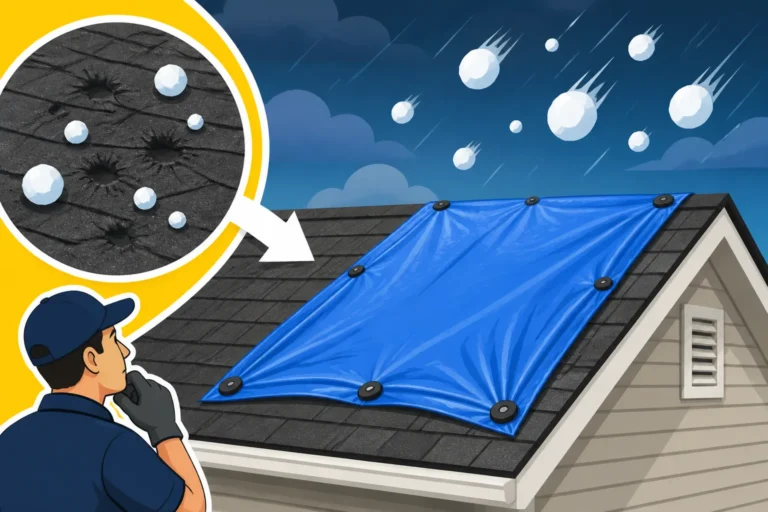
Hail damage is a very common concern, especially in storm-prone areas, and it can sometimes be confused with blistering, particularly after a recent storm. However, their appearances are fundamentally different. Hail damage typically leaves behind random, often circular or irregular indentations on the shingle surface. These impacts crush the ceramic granules into the asphalt mat, often leaving a soft spot or bruise that may or may not expose the fiberglass mat underneath. The key is that hail damage is an indentation or depression, caused by external impact.
Blisters, conversely, are raised bumps pushing outwards from within the shingle. While a severe hailstorm could potentially strike and break open a pre-existing blister, the initial cause and appearance are opposite. If you suspect hail damage, you'll be looking for signs of impact, sometimes with a "splatter" pattern of granule displacement, whereas with blistering, you're looking for bubbles that have formed. This distinction is vital, especially when dealing with insurance claims, as How to Spot Roof Hail Damage explains.
Surface Bubbles vs. Substrate Problems
It's also important to differentiate between superficial blisters on the shingle surface and more significant issues with the roof's underlying structure or substrate. True blistering is a problem with the shingle material itself. However, sometimes homeowners might observe what looks like blistering but is actually an issue with the roof decking. If the plywood or OSB decking beneath the shingles has delaminated or warped due to excessive moisture, it can create raised areas that might be mistaken for shingle blisters.
To discern the difference, a professional roofing contractor will inspect the texture and firmness of the raised area. Shingle blisters are usually smaller and localized to the shingle. Substrate problems tend to be larger, more irregular, and can feel soft or spongy if the decking is water-damaged or rotted. Identifying genuine Roof Decking Replacement Cost issues can be significantly more involved and expensive than addressing shingle-specific problems, making accurate diagnosis critical.
What to Do When You Spot Blistered Shingles
Discovering blisters on your roof can be unsettling, but don't panic. The good news is that not all blistering automatically means a total roof replacement. There are steps you can take to assess the situation and determine the best course of action. Being proactive is always better than waiting for the problem to escalate.
Self-Assessment and Initial Steps
First things first: safety. If you're comfortable and have the necessary safety equipment, a visual inspection from the ground or a ladder can give you a lot of information. Look for patterns: Is the blistering isolated to one area, or is it widespread? Are the blisters small and unbroken, or have many popped and exposed the asphalt? Note the location – is it on the south-facing slope that gets the most sun, or is it evenly distributed?
Also, take a peek in your attic if you can safely access it. Look for signs of moisture, mold, or mildew on the underside of your roof deck. Check for proper ventilation: Are your soffit vents clear? Is there an adequate ridge vent or other exhaust vents? Are they obstructed by insulation or debris? Any signs of moisture or poor airflow in the attic could strongly indicate a ventilation issue contributing to the blistering. Even just getting three to five quotes from different roofing contractors can give you a good sense of the extent of the damage. For more advice on how to get started, you might find our guide on How to Get Multiple Roofing Estimates Fast helpful.
Professional Inspection and Diagnosis
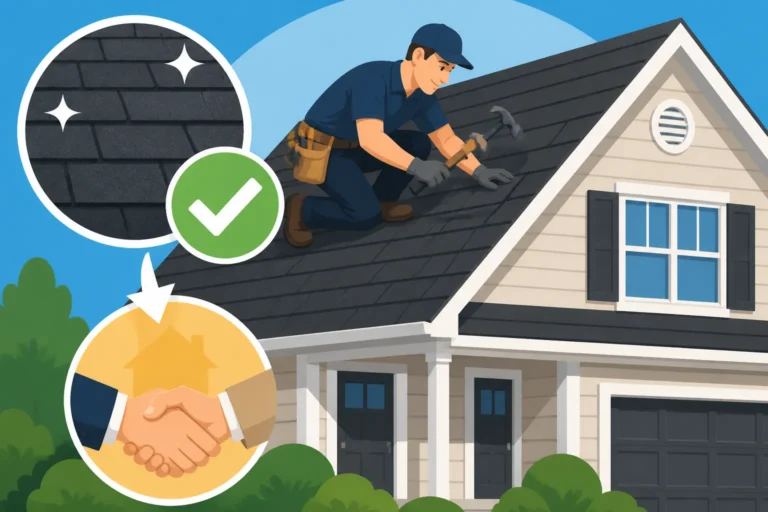
While a self-assessment provides valuable initial insights, a professional roofing inspection is almost always necessary to accurately diagnose the cause and extent of blistering. A certified contractor has the experience and tools to safely get on your roof, examine the shingles up close, and investigate your attic ventilation system thoroughly. They can distinguish between minor cosmetic blistering and more severe, systemic problems. They'll also be able to tell if the issue is a manufacturing defect, a ventilation problem, or simply a sign of an aging roof nearing its end of life.
Look for a contractor who offers detailed reports and isn't quick to recommend a full replacement unless it's truly warranted. A good contractor will explain their findings, show you photographic evidence, and provide clear options. Services like Modernize can help connect you with reputable local roofing professionals who can provide these essential inspections and estimates. This kind of expert evaluation is indispensable, especially if you think there might be underlying issues with the roof deck or if you're considering making an insurance claim.
Repair Options for Minor Blistering
If the blistering is minor, localized, and hasn't led to widespread granule loss or exposed the shingle mat, repairs might be a viable option. For small, unbroken blisters, some roofing professionals might apply a roofing sealant or specialized patching compound to seal the blister and prevent it from popping or worsening. If a blister has popped, and the exposed area is small, a similar sealant or asphalt cement can be used to protect the exposed area and re-adhere loose granules if they're still present.
However, it's crucial to understand that these are often temporary fixes, especially if the underlying cause (like poor ventilation) isn't addressed. Repairing individual blisters won't stop new ones from forming if the conditions that created them persist. If the blistering is due to localized manufacturing defects on a few shingles, those specific shingles can be carefully removed and replaced. Always consult with a professional to understand the long-term effectiveness of any repair recommendation and to ensure any repairs don't void existing warranties.
When Blistering Warrants a Full Roof Replacement
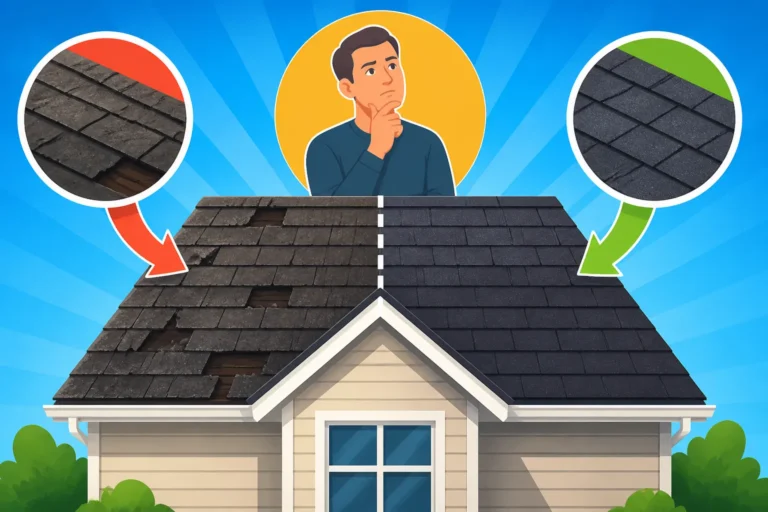
While minor blistering can sometimes be repaired, there comes a point where the extent of the damage or the underlying systemic issues make a full roof replacement the most cost-effective and sensible solution. Deciding to replace your entire roof is a significant investment, and it's important to know when blistering crosses that threshold.
Widespread and Severe Blistering
If blistering is extensive, covering a large percentage of your roof's surface, or if many of the blisters have popped, leading to significant granule loss and exposed asphalt, a full replacement is likely necessary. At this stage, the protective capabilities of your shingles are severely compromised. Trying to patch countless individual blisters would be akin to putting a band-aid on a gaping wound – it's not going to solve the core problem, and the cost of numerous repairs can quickly approach the cost of a new roof.
Widespread blistering indicates a systemic failure, whether it's a significant manufacturing defect across an entire batch of shingles, or a severe, long-standing issue with attic ventilation. In such cases, the structural integrity and weather resistance of the entire roof are at risk, making it susceptible to leaks, mold growth in the attic, and further deterioration. This is often one of the clear Signs You Need a New Roof.
Underlying Ventilation Problems
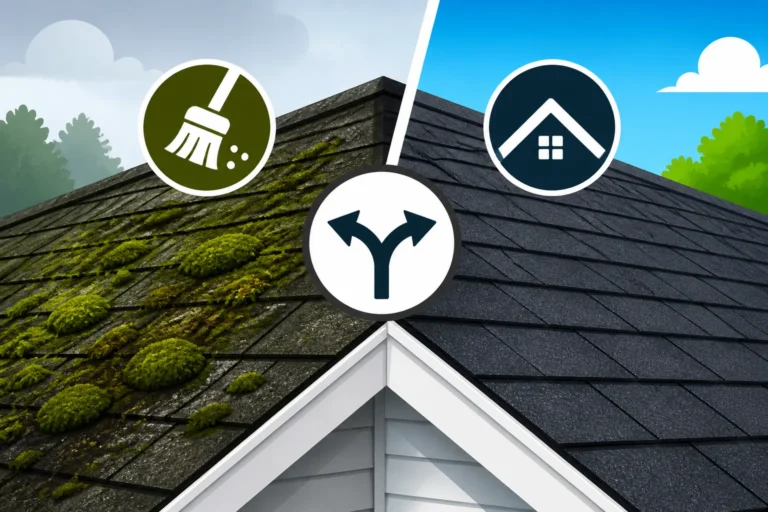
As discussed, poor attic ventilation is a major contributor to shingle blistering. If a professional inspection reveals that your attic ventilation system is severely inadequate – perhaps lacking proper intake, exhaust, or both – and this has led to widespread blistering, addressing only the shingles won't solve the problem. Installing a new roof without rectifying the ventilation issues is simply setting yourself up for the same problems to recur with your brand-new shingles.
In these scenarios, a full roof replacement provides the perfect opportunity to upgrade and optimize your entire roofing system. This includes ensuring proper insulation, adding or improving soffit vents, and installing effective exhaust vents like ridge vents. This comprehensive approach tackles both the symptom (blistering) and the cause (poor ventilation), ultimately extending the life of your new roof and improving your home's energy efficiency. Our piece on Cost of Roof Ventilation Upgrades might offer some valuable insights here.
Considering the Age of Your Roof
Finally, the age of your roof plays a significant role in the repair vs. replace decision for blistering shingles. If your asphalt shingle roof is already approaching the end of its typical lifespan (generally 20-30 years, depending on shingle type and climate), and you start seeing widespread blistering, it's often more economical to opt for a replacement. Even if the blistering isn't catastrophic, it indicates that the shingles are weakening and likely exhibiting other signs of aging, such as widespread granule loss, curling, or brittleness.
Investing in extensive repairs on an old roof that's already failing in multiple areas might only buy you a few more years, making the repair cost a poor return on investment. In contrast, a new roof will provide decades of protection, enhance curb appeal, and often comes with a robust new warranty. If your roof is past its prime, and blistering is the latest in a series of problems, it’s a strong signal that it’s time to budget for a new one. Understanding How Long Asphalt Shingles Last can help you make an informed decision.
| Roof Issue | Key Visual Characteristic | Primary Cause | Severity Implication | Common Action |
|---|---|---|---|---|
| Blistering | Small, raised bubbles on shingle surface; may pop, exposing asphalt. | Trapped moisture/volatiles (manufacturing or attic ventilation), excessive heat. | Can lead to accelerated granule loss, compromised weather protection. | Repair small areas, replacement for widespread or underlying ventilation issues. |
| Curling | Shingle edges lift or roll upwards. | Aging, UV degradation, moisture absorption, improper nailing. | Reduces wind resistance, exposes shingle underside. | Repairs for minor, isolated curling; replacement for widespread. |
| Hail Damage | Random, circular indentations, crushed or missing granules. | Impact from hailstones. | Compromises shingle mat, can lead to leaks, often covered by insurance. | Repair specific impacts or replacement if widespread (insurance claim). |
| Cupping | Shingle center lifts, edges stay flat (concave shape). | Uneven moisture absorption, material defects, poor attic ventilation. | Similar to curling, reduces wind resistance. | Address moisture/ventilation, replacement if severe. |
| Granule Loss | Bald spots where ceramic granules are missing. | Aging, foot traffic, hail, blistering, manufacturing defect. | Exposes asphalt to UV, accelerates shingle degradation. | Monitor, repair or replace depending on extent and underlying cause. |
Disclaimer
The information provided in this article is intended for general guidance and educational purposes only, and does not constitute professional roofing advice. Always consult with a qualified and licensed roofing contractor for specific assessments, diagnoses, and recommendations regarding your individual roofing needs. Roofing work can be dangerous and should only be undertaken by experienced professionals.