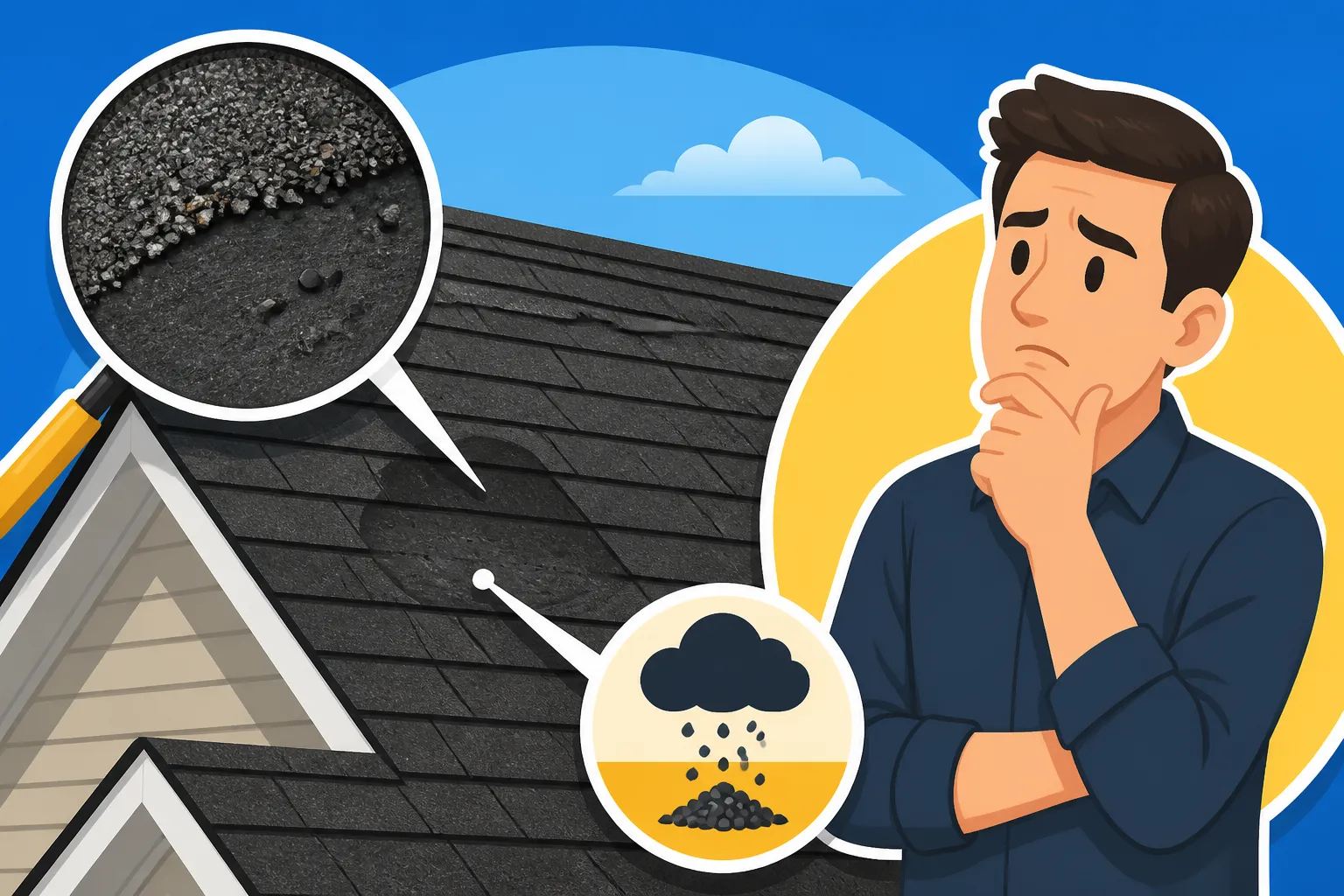
Granule Loss: Should You Worry
That moment you peer into your gutters after a heavy rain or a windy spell, and instead of just leaves and twigs, you see a significant pile of what looks like coarse sand or tiny pebbles? It's a common sight that sends a little jolt of worry through many homeowners. That "sand" is actually shingle granules, and finding them isn't always a dire emergency, but it definitely warrants a closer look. This guide is here to demystify granule loss, help you understand what's normal versus what's concerning, and outline the steps you can take to protect your roof.
What Exactly Are Shingle Granules and Why Are They Important?
Before we dive into why they might be leaving your roof, let's talk about what these little granules actually are. They're far more than just decorative bits; they're a vital component of your asphalt shingles, working tirelessly to protect your home.
The Anatomy of an Asphalt Shingle
Think of an asphalt shingle as a layered defense system, and the granules are its outermost shield. At its core, you have a fiberglass mat, which provides strength and stability. This mat is then saturated and coated with asphalt, making it waterproof and flexible. Finally, on the exposed surface, a layer of ceramic-coated mineral granules is embedded into the asphalt. These aren't just random bits of rock; they're specifically engineered. The ceramic coating helps them retain their color and resist UV degradation, while the minerals themselves provide durability. You might also find other specialized granules in some shingles, like those designed to resist algae or reflect solar energy for "cool roof" applications.
The Critical Role of Granules in Roof Longevity
These seemingly small particles play an outsized role in how long your asphalt roof will last. Their primary job is to protect the underlying asphalt from the sun's relentless ultraviolet (UV) rays. Without this granular protection, the sun would quickly degrade the asphalt, causing it to dry out, become brittle, and crack prematurely. This accelerated aging would drastically shorten your roof's lifespan, leaving it vulnerable to leaks and severe damage.
Beyond UV protection, granules offer other crucial benefits. They provide a protective layer against physical impacts from hail, falling debris, and foot traffic, absorbing some of the force that could otherwise damage the asphalt. They also contribute to the shingle's fire resistance rating, an important safety feature. Plus, let's be honest, they're what give your roof its color and aesthetic appeal! When these granules start to disappear, you're not just losing aesthetics; you're losing critical protection. Understanding How Shingles Protect Against Water begins with appreciating the role of every component, especially the granules.
Common Causes of Granule Loss
Granule loss isn't a single phenomenon; it can stem from several different sources, each with its own implications for your roof's health. Identifying the cause is the first step toward figuring out the solution.
Natural Aging and Weathering
This is perhaps the most common reason you'll see granules in your gutters, and to a certain extent, it's completely normal. As your roof ages, the asphalt itself goes through natural cycles of expansion and contraction with temperature changes. Over decades of exposure to sun, wind, rain, and snow, the asphalt can gradually soften and then harden, loosening its grip on the granules. Wind and rain then act like natural sandblasters, gently eroding and washing away these loosened particles.
Think of it like a well-worn path: over time, even the most durable materials show wear. A tiny bit of granule loss on an older roof, especially one that's been through 15-20 years of hot summers and cold winters, is typically just a sign that your roof is nearing the end of its natural life cycle. However, a sudden or excessive amount of loss, even on an older roof, could indicate a more serious issue that needs immediate attention. If you're wondering How Long Does an Asphalt Roof Last, granule loss is a key indicator of its remaining life.
Storm Damage and Mechanical Wear
While gradual aging is expected, sudden and significant granule loss often points to storm damage or other mechanical stresses.
- Hail Impact: Hailstones, even small ones, can act like tiny hammers, dislodging granules when they strike the shingle surface. Larger hail can even fracture the shingle mat underneath. After a hailstorm, you might notice concentrated spots of granule loss, often circular or irregular, where the hail made contact. Sometimes, the damage is subtle and hard to see from the ground, looking like dark spots or shiny areas where the asphalt is exposed.
- High Winds: Strong winds can lift, tear, and scour shingles, causing widespread granule loss, especially along edges, ridges, and around roof protrusions. The constant whipping action of wind-blown debris can also abrade the shingle surface. If you have older, brittle shingles, even moderate winds can cause more granule loss than expected.
- Foot Traffic and Debris: Walking on your roof, especially improperly, can dislodge granules. Tree branches scraping across the roof during a storm or even constant rubbing from nearby trees can also wear down the granular surface. Even something as seemingly harmless as pressure washing your roof (which, by the way, is generally not recommended for asphalt shingles!) can blast off granules, severely compromising your roof's protection.
If you suspect storm damage, it's crucial to get a professional roof inspection. A qualified roofer can differentiate between normal wear and actual storm damage, which is important for potential insurance claims. Understanding Storm Damage: Repair or Replace can save you a lot of headache and money.
Manufacturing Defects and Installation Issues
While less common, sometimes granule loss can be attributed to problems with the shingles themselves or how they were installed.
- Manufacturing Defects: In rare cases, shingles might have a manufacturing defect where the granules weren't properly adhered during production. You might see this on a relatively new roof, appearing as excessive granule shedding soon after installation, even without severe weather. Reputable shingle manufacturers like GAF, Owens Corning, and CertainTeed have rigorous quality control, but no process is foolproof. If this happens, your manufacturer warranty should cover it, but you'll need documentation and proof of the defect.
- Installation Issues: Improper installation can also contribute to premature granule loss. If shingles aren't nailed correctly (e.g., nails are overdriven or underdriven), they can be more susceptible to wind uplift and movement, which causes granules to shed. If the shingles weren't properly "activated" (the sealant strip that bonds them together under solar heat), they might lift and flap in the wind, leading to granule erosion. A trusted roofing contractor understands How Asphalt Shingles Are Installed: Step by Step and ensures proper granule adhesion during installation.
It's important to differentiate between a small amount of "startup" granules (a normal phenomenon where a new roof sheds a minimal amount of loose granules that didn't fully adhere during manufacturing or shipping) and persistent, heavy granule loss on a new roof. The former is fine; the latter is a red flag.
How to Assess Granule Loss: Is It a Minor Issue or a Major Red Flag?
Seeing granules can be alarming, but it's important not to panic. The key is to assess the extent and nature of the loss to determine if it's a normal part of aging or a sign of serious trouble.
Performing a Visual Inspection
Your first line of defense is a thorough visual inspection, ideally from the ground with binoculars, or safely from a ladder if you're comfortable. Never get on a roof if you're not experienced or if it's wet or slippery.
Start by checking your gutters and downspouts. A small, consistent amount of granules, especially if your roof is older, is often just normal wear and tear. However, if you see large piles, clogs, or a sudden increase in the amount of granules after a storm, that's a signal to investigate further. Next, examine the roof surface itself. Look for:
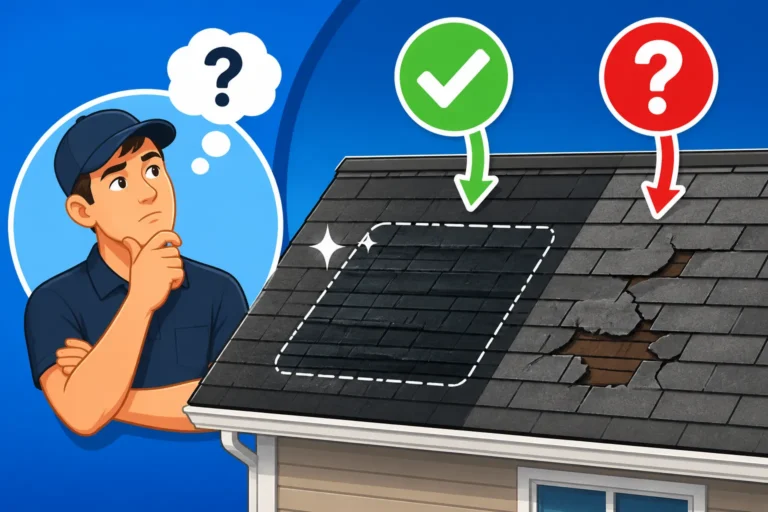
- Bald Spots: These are areas where the black asphalt mat is clearly exposed. These spots are highly vulnerable to UV radiation and can quickly degrade, leading to cracks and leaks.
- Dark Streaks or Patches: These might indicate areas of heavy granule loss where the underlying asphalt is becoming visible. Often, these areas will appear darker or shinier than the surrounding shingles.
- Discoloration: While algae can cause dark streaks, actual shingle discoloration can also signify areas where granules have worn away, altering the shingle's original color.
- Consistency: Is the granule loss localized to one area, or is it widespread across multiple slopes of your roof? Widespread loss is generally more concerning.
- Shingle Condition: Are the shingles themselves curling, cracking, or blistering? These are additional Signs You Need a New Roof and can accompany significant granule loss.
A professional Roof Inspection: What They Check will involve a closer look at these and other details, often including drone footage or hands-on examination, which is much safer and more accurate than a DIY inspection.
Understanding the Severity Scale
Not all granule loss is created equal. It exists on a spectrum, and knowing where your roof falls on that scale will help you decide on the appropriate action.
- Minimal Loss (Normal): This is typically what you'd expect. A small amount of granules in the gutters, especially after a new roof installation (those "startup" granules we talked about) or a few years into its life, is perfectly fine. It's often just the loose particles settling out. If your roof is approaching its typical lifespan of 20-30 years, you'll naturally see more of this as the shingles gently wear. This isn't usually a cause for immediate worry, but it means you should keep an eye on things.
- Moderate Loss (Indicator of Aging): You might notice more granules accumulating in the gutters over time, and perhaps some slightly "thinned" areas on the roof where the granules aren't as dense, but the asphalt isn't yet fully exposed. This is common for roofs in their middle to later stages of life. It indicates that the protective layer is diminishing, and the roof is starting to show its age. While not an emergency, it's a sign to start budgeting and planning for a future roof replacement, as the roof's protective capabilities are slowly declining.
- Severe Loss (Exposed Asphalt, Urgent Attention Needed): This is the serious stuff. If you see large patches where the black asphalt mat is clearly visible and exposed to the elements, or if granule loss is occurring uniformly and heavily across a significant portion of the roof, it's a major red flag. This can significantly accelerate the deterioration of the underlying asphalt, making your roof vulnerable to leaks, cracking, and structural damage. In this scenario, immediate action is crucial.
Consider this table to help you gauge the situation:
| Symptom | Granule Amount/Appearance | Causes | Action Required |
|---|---|---|---|
| Minimal Granule Loss | Small, scattered granules in gutters | Normal aging, initial shedding from new shingles | Monitor annually, routine maintenance |
| Moderate Granule Loss | Consistent granule accumulation, slight thinning on roof | Advanced aging, minor weathering, minor impacts | Plan for future replacement, consider a Roof Damage Assessment: A Homeowner's Guide |
| Severe Granule Loss | Large piles, bald spots on roof, exposed asphalt | Storm damage (hail/wind), severe aging, defects | Immediate professional inspection, prepare for repair/replacement |
Remember, when in doubt, it's always best to consult with a reputable roofing professional. They have the experience and tools to provide an accurate assessment.
The Potential Consequences of Ignoring Granule Loss
Ignoring significant granule loss is akin to ignoring the check engine light in your car – it might seem okay for a bit, but it’s going to lead to bigger, more expensive problems down the road. The protective layer of granules serves a critical function, and its absence leaves your roof vulnerable.
Accelerated Deterioration of the Shingle Mat
The most immediate and severe consequence of widespread granule loss is the accelerated degradation of the asphalt shingle itself. Without those granules acting as a shield, the underlying asphalt is directly exposed to the sun's powerful ultraviolet (UV) radiation.
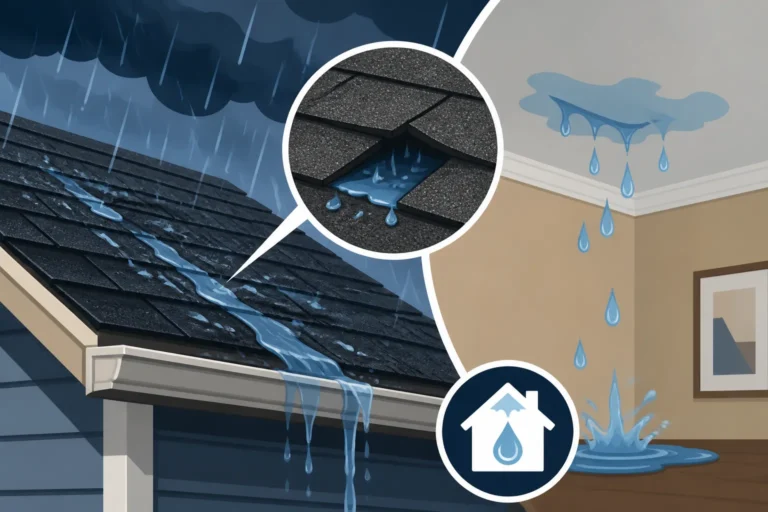
Think about what happens to a piece of plastic left out in the sun for years; it becomes brittle, discolored, and eventually cracks. The same process occurs with your shingles. The UV rays break down the asphalt's chemical bonds, causing it to dry out, lose its flexibility, and become brittle. This leads to cracking, blistering, and eventual breakdown of the shingle's waterproofing capabilities. Once the asphalt mat cracks, water can easily penetrate, leading to leaks into your attic, ceiling, and walls. These leaks can cause mold, rot, and extensive damage to your home's interior structure, far exceeding the cost of addressing the roof issue proactively. This is why knowing When to Repair a Roof Leak vs Replace the Roof is so important.
Diminished Performance and Aesthetics
Beyond structural integrity, granule loss has other negative impacts that affect your home's daily performance and curb appeal.
- Reduced Energy Efficiency: Some modern asphalt shingles, especially lighter-colored or "cool roof" options, are designed with granules that reflect solar energy, helping to keep your attic and home cooler. When these granules are lost, the dark asphalt is exposed, absorbing more heat. This can lead to a noticeable increase in your home's cooling costs during warmer months, working against your energy-saving efforts.
- Unsightly Appearance and Lower Curb Appeal: Let's face it, a roof with prominent bald spots and streaks of exposed asphalt doesn't look great. It can make your home appear neglected and significantly detract from its curb appeal. If you're planning to sell your home, a roof in this condition can be a major turn-off for potential buyers and may even lead to lower offers or demands for a roof replacement as part of the sale. A failing roof, indicated by severe granule loss, can significantly impact your home's overall value.
In essence, ignoring granule loss isn't just about delaying a repair; it's about inviting a cascade of problems that can compromise your home's protection, comfort, and value.
What Are Your Options When You Have Granule Loss?
Once you've assessed the situation, you'll need to decide on the best course of action. Your options range from minor repairs to a full roof replacement, depending on the severity and extent of the granule loss.
Repairing Minor Granule Loss and Bald Spots
For localized, minor granule loss, especially if it's due to isolated damage or a few specific bald spots, repairs might be a viable and cost-effective solution.
- Spot Repair or Shingle Replacement: If only a few shingles in a specific area have lost their granules, a roofing contractor can often replace those individual shingles. This is usually feasible if the surrounding shingles are in good condition and a close match for color and style can be found. It's important to replace entire shingles rather than just trying to patch the bald spots, as the integrity of the whole shingle is compromised. This kind of spot repair is much less disruptive and costly than a full replacement.
- Roof Coatings (with caveats): In some very specific situations, usually for roofs that are nearing the end of their life but don't have severe structural issues, a reflective roof coating might be considered. These coatings can offer a temporary layer of protection against UV rays and help extend the roof's life by a few years. However, they are not a substitute for a new roof, and their effectiveness is debated. They don't typically re-adhere granules or restore the structural integrity of severely degraded shingles. Always get professional advice before considering a roof coating, as it's not suitable for all roof types or conditions.
It's crucial to understand that repairs are best for localized issues. If granule loss is widespread, even if individual bald spots are small, trying to repair every single affected shingle becomes impractical and often more expensive in the long run than a full replacement.
When a Full Roof Replacement Becomes Necessary
Unfortunately, there comes a point when repairs are no longer a smart investment. This is often the case when granule loss is pervasive.
- Widespread Granule Loss: If you're seeing extensive granule loss across multiple slopes of your roof, or if large bald spots are appearing everywhere, it's a clear sign that the roof system as a whole is failing. At this point, trying to patch individual areas is like putting a band-aid on a gaping wound; it won't address the systemic issue. The underlying asphalt throughout the entire roof is likely degraded, making it susceptible to further damage and leaks.
- Signs of Underlying Structural Damage: Severe granule loss often goes hand-in-hand with other signs of a failing roof, such as widespread cracking, curling, blistering, or even a sagging roof deck. If you notice these symptoms in addition to heavy granule loss, it indicates that the roof's structural integrity is compromised, making a full replacement the only truly effective solution.
- Cost-Benefit Analysis: While a full roof replacement is a significant investment, it often provides the best long-term value when granule loss is extensive. Repeated, costly repairs on a failing roof can add up quickly, sometimes exceeding the cost of a new roof. A new roof offers a fresh start, renewed protection, and a new warranty, providing peace of mind for decades to come. Many homeowners grapple with the decision of Roof Repair vs Replacement: How to Decide, and often, severe granule loss tilts the scales heavily towards replacement.
When it's time for a full replacement, finding a qualified and reputable roofing contractor is paramount. You want a team that understands not just how to install a roof, but how to do it right, ensuring your new shingles are properly adhered and protected. Companies like Modernize can help you connect with local, vetted roofing professionals who can provide accurate estimates and guidance. They can help you understand the full process of How a Roof Replacement Works: The Full Process and manage the complexity of finding the right contractor.
Preventing Excessive Granule Loss and Maximizing Roof Life
While some granule loss is inevitable over time, there are proactive steps you can take to minimize premature or excessive shedding and help your roof last as long as possible.
Regular Maintenance and Inspections
Being proactive about roof care is your best defense. Just like you maintain your car, your roof benefits from regular attention.
- Annual Checks: Make it a habit to inspect your roof annually, ideally in the spring and fall. You don't necessarily need to climb up there yourself; a good pair of binoculars from the ground can reveal a lot. Look for any new bald spots, excessive granule accumulation in gutters, or signs of physical damage like curling or cracked shingles. After any severe weather event—a heavy hailstorm, strong winds, or an ice storm—do an immediate post-storm check.
- Keeping Gutters Clean: Clogged gutters don't just lead to water overflowing; they can also exacerbate granule loss by trapping moisture and debris against the roof edge, accelerating shingle deterioration. Regularly clearing leaves, twigs, and accumulated granules from your gutters ensures proper drainage and reduces wear on the roof's edge.
- Trimming Overhanging Branches: Trees are beautiful, but their branches can be a roof's worst enemy. Branches that constantly rub against shingles, especially in windy conditions, act like sandpaper, stripping away granules. Even worse, falling branches can cause significant impact damage. Keep trees trimmed back so that branches are at least 6-10 feet away from your roof surface.
- Gentle Cleaning Methods: Avoid pressure washing asphalt shingles at all costs. The high-pressure spray will blast off granules, severely damaging your roof. If you have moss or algae growth, use a soft brush and a roof-safe cleaning solution, or consult with a professional who specializes in gentle roof cleaning. The key is to be gentle and preserve that crucial granular layer.
Choosing Quality Shingles and Professional Installation
The foundation of a long-lasting roof starts with the materials you choose and, crucially, who installs them.
- Importance of Reputable Brands and Warranties: Investing in high-quality shingles from well-known manufacturers like GAF, Owens Corning, or CertainTeed can make a significant difference. These brands typically offer advanced shingle technologies, better granule adhesion, and comprehensive warranties that protect your investment. Understand the specifics of your chosen shingles, including their wind ratings and impact resistance, especially if you live in an area prone to severe weather. Make sure you understand What Voids a Shingle Warranty before making any DIY repairs.
- The Role of Certified Installers: Even the best shingles are only as good as their installation. A professional, manufacturer-certified roofing contractor knows the exact specifications and best practices for installing your chosen shingles to maximize their performance and longevity. They use proper nailing patterns, ensure correct flashing around penetrations, and activate the shingle's sealant strip correctly, all of which contribute to better granule retention and overall roof durability. Choosing a contractor who is certified by the shingle manufacturer (e.g., GAF Master Elite, Owens Corning Platinum Preferred) often grants you access to enhanced warranties that wouldn't be available otherwise. When it comes time for a new roof, take the time to How to Choose a Roofing Contractor wisely. Get multiple bids and don't be afraid to ask for references.
Disclaimer
Please remember that this article is intended for informational purposes only and should not be taken as professional advice. Roofing work can be dangerous and complex. Always consult with a qualified and licensed roofing professional for specific assessments, recommendations, and services related to your roof's condition.