How Long Does an Asphalt Roof Last
The lifespan of your asphalt roof is probably one of those nagging worries that keeps you up at night, especially when you hear a strange drip or see a few granules washing down the gutter. It’s not just a roof; it’s the primary protector of your most valuable asset, your home. Trying to figure out if it’s time for a repair, or if you’re staring down the barrel of a full replacement, can feel overwhelming. This guide is here to shed light on exactly how long you can expect your asphalt shingle roof to last, demystifying the many factors that play a role in its longevity and helping you plan for the future with confidence.
Understanding the Typical Lifespan of Asphalt Shingles
When you first get a new asphalt roof, whether it's on a brand-new build or a replacement, it's easy to think it's a "set it and forget it" kind of deal for decades. While asphalt shingles are incredibly durable and widely used, their lifespan isn't a fixed number. It's more of a range, influenced by so many variables that it can feel like trying to hit a moving target. Generally speaking, most asphalt shingle roofs are designed to last anywhere from 15 to 30 years, with some premium options even pushing past the 40-year mark. But that's a pretty big range, isn't it? Let's dive into what makes that number fluctuate so much.
The Role of Shingle Type
Not all asphalt shingles are created equal, and their construction plays a huge part in how long they stand up to the elements. The market offers a few main types, each with its own expected durability.
3-Tab Shingles
These are often considered the most economical choice, and they were the standard for many years. You can recognize them by their distinct, uniform cutouts that make them look like three separate tabs, hence the name. They are typically thinner and have a single layer of asphalt and granules. While they are a cost-effective option, their lighter weight and simpler construction mean they usually have the shortest lifespan among asphalt shingles, often ranging from 15 to 20 years. They're also less resistant to strong winds and hail compared to their heavier counterparts, which can shorten their life further, especially in storm-prone areas. If you're looking at a home with a 3-tab roof that's approaching the 15-year mark, it's definitely time to start thinking about its remaining life.
Architectural or Dimensional Shingles
Architectural shingles, also known as dimensional shingles, are a huge step up in both aesthetics and durability. They're constructed with multiple layers of asphalt and granules, fused together to create a thicker, more textured, and visually appealing look that mimics natural wood shakes or slate. This multi-layered design isn't just for looks; it significantly enhances their performance. Their added weight and thickness make them much more resistant to wind uplift and hail impact. Consequently, architectural shingles boast a much longer lifespan, typically lasting between 25 and 30 years. Many homeowners find that the slightly higher initial cost is well worth it for the extended durability and improved curb appeal. When discussing options for a new roof, or understanding your current one, you might hear about the increased wind ratings and impact resistance these shingles offer.
Designer or Luxury Shingles
At the top tier of asphalt roofing, you'll find designer or luxury shingles. These are essentially enhanced architectural shingles, often thicker, heavier, and designed to replicate the appearance of premium roofing materials like natural slate or cedar shakes even more precisely, but without the associated maintenance or extreme cost. They often feature specialized blends of asphalt and advanced granule technologies for superior performance. Because of their robust construction and often specialized materials, luxury shingles offer the longest lifespan in the asphalt category, often lasting 30 to 50 years, and sometimes even longer with proper care. They are an investment, no doubt, but for homeowners seeking maximum longevity, exceptional aesthetics, and often superior warranties, these are the go-to.
Key Factors That Accelerate or Extend Roof Deterioration
Beyond the type of shingle you choose, countless other factors are constantly working to either help or hinder your roof's longevity. It’s like a silent battle happening above your head every single day. Understanding these influences is crucial for homeowners trying to assess their roof’s health and estimate its remaining useful life.
Climate and Weather Extremes
Your geographical location and the kind of weather your roof endures annually play a monumental role in how quickly it ages. A roof in sunny, humid Florida faces very different challenges than one in snowy Minnesota or hail-prone Colorado.
UV Radiation and Heat Exposure
The sun, while essential for life, is a formidable enemy of asphalt shingles. Intense ultraviolet (UV) radiation breaks down the asphalt binder over time, causing it to become brittle and lose its elasticity. This is particularly true in regions with high sun exposure, like the southern states. Think about how a plastic item left in the sun for years becomes chalky and fragile; asphalt shingles undergo a similar process. Constant thermal expansion and contraction from extreme temperature swings – hot days followed by cool nights – also stress the shingles, leading to cracking and delamination. This is often seen as "curling shingles" where the edges start to lift. Areas like Arizona or parts of California experience significant heat, which can really accelerate this degradation.
Hail, Wind, and Storm Damage
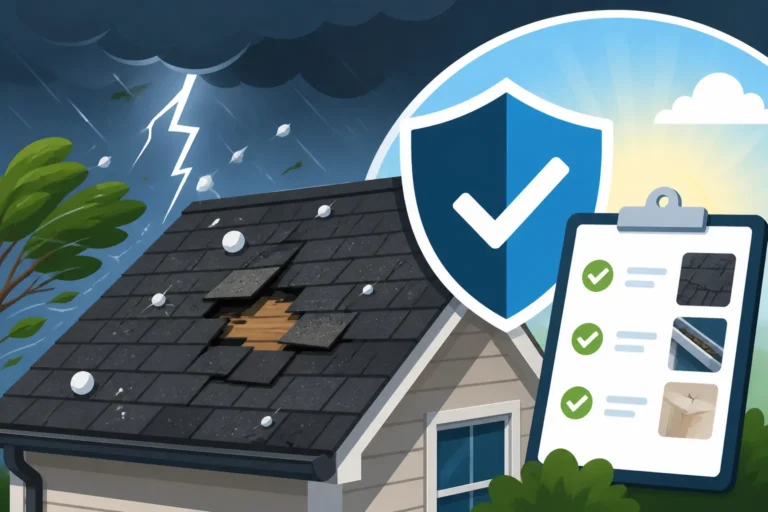
For many homeowners, especially those in the Midwest or parts of the South, severe weather events like hail and high winds are the biggest threats to roof longevity. Even small hailstones can dislodge protective granules, exposing the asphalt layer to further UV damage. Larger hail can bruise or crack the shingle mat, creating weak points that lead to leaks down the line. Strong winds, especially those exceeding a shingle's wind rating, can lift, tear, or completely blow off shingles, leaving your roof vulnerable. After a significant storm, it's essential to check for signs of roof wind damage, even if it's not immediately obvious from the ground. A single severe storm can shave years off your roof's life, sometimes necessitating replacement even if the roof is relatively young.
Moisture and Humidity
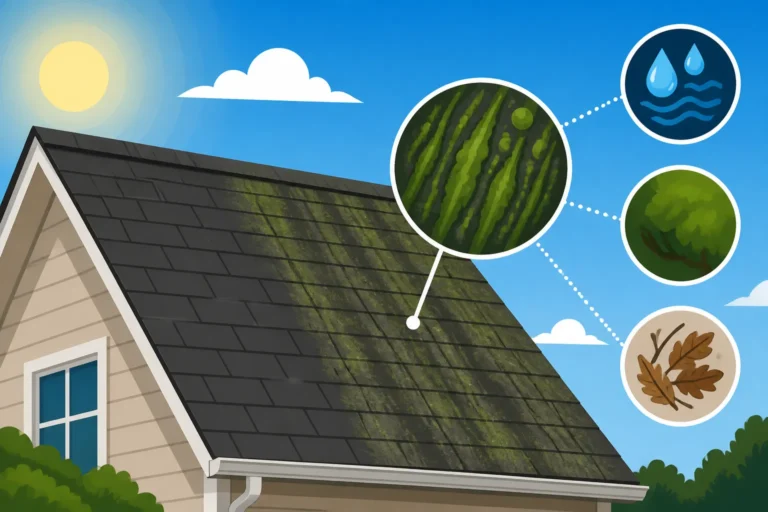
Constant moisture, whether from heavy rain, snow, or high humidity, also takes its toll. While shingles are designed to be waterproof, prolonged dampness can encourage the growth of moss, algae, and lichen. These growths, while often just an aesthetic issue, can hold moisture against the shingle surface and sometimes cause granular loss as they attach and grow. In extreme cases, especially with moss, they can even lift shingle edges, allowing water to get underneath. High humidity also contributes to the breakdown of the asphalt binder and can exacerbate issues if the attic isn't properly ventilated, leading to condensation and potential rot in the roof decking. This is why proper roof ventilation is so critical, especially in humid climates.
Installation Quality and Workmanship
You can buy the best, most expensive shingles on the market, but if they're not installed correctly, their lifespan will be dramatically cut short. The quality of installation is paramount, and it's often an overlooked factor until problems arise.
Improper Nailing
One of the most common issues stemming from poor installation is incorrect nailing. If nails are overdriven, they can cut through the shingle, compromising its integrity. If they're underdriven, they might not securely fasten the shingle, making it susceptible to wind uplift. Nails placed too high or too low on the shingle, outside the designated nailing strip, also weaken its attachment and can lead to leaks. An asphalt shingle is designed with a very specific nailing pattern for optimal performance, and deviating from this can void warranties and dramatically reduce the shingle's ability to withstand weather. This is why hiring a reputable roofing contractor is so important; they understand and adhere to these critical guidelines.
Insufficient Underlayment and Flashing
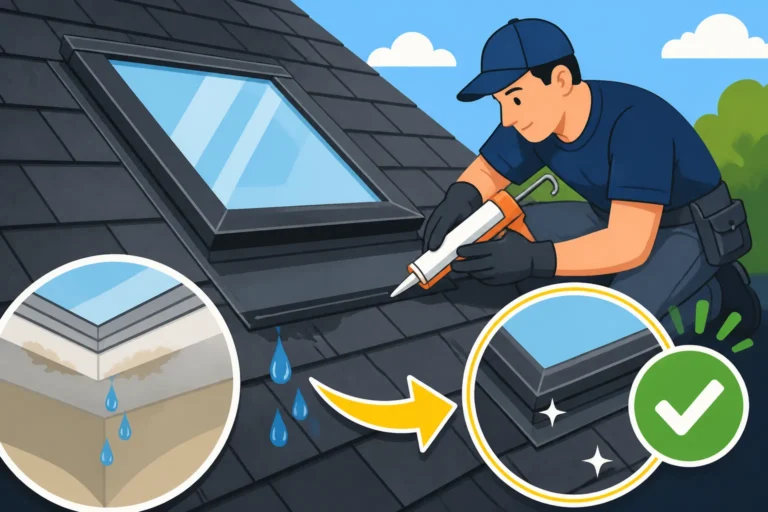
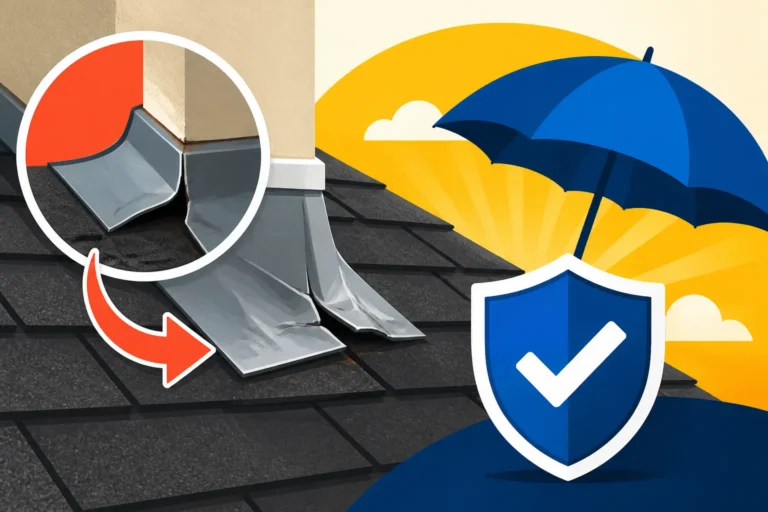
A roof isn't just shingles; it's a system. The underlayment, typically felt or synthetic, provides an extra layer of protection against moisture and acts as a barrier between the shingles and the roof deck. If the underlayment is skipped or installed improperly, any water that gets past the shingles has a direct path to your roof deck, leading to rot and leaks. Similarly, flashing – metal pieces installed around chimneys, skylights, vents, and in valleys – is crucial for diverting water away from vulnerable areas. Poorly installed or missing flashing is a leading cause of roof leaks. Without proper flashing, water can penetrate the roof structure, causing significant damage that may go unnoticed for years until extensive repairs or even a full roof replacement is needed. Learning about how a roof replacement works: the full process will show you just how many layers are involved in a truly protective roof system.
Lack of Proper Ventilation
This is a huge one, and often misunderstood. A properly ventilated attic allows hot, moist air to escape, drawing in cooler, drier air. This ventilation system does two critical things: it prevents heat buildup in the attic that can "cook" shingles from below, drastically shortening their life, and it reduces moisture accumulation that can lead to mold, mildew, and rot in the roof deck and structural components. In colder climates, good ventilation also helps prevent ice dams, which can cause water to back up under shingles. If your attic feels like an oven in the summer, or you notice excessive moisture, your roof might be suffering from a lack of proper ventilation. It’s not just about comfort; it’s about preserving your roof.
Maintenance and Care Practices
Just like your car or your garden, your roof benefits immensely from a little TLC. Neglecting regular maintenance can accelerate its decline, while proactive care can noticeably extend its life.
Regular Inspections and Minor Repairs
Many homeowners ignore their roof until there’s a problem. That’s a mistake. Regular, ideally annual, inspections can catch minor issues before they become major headaches. This means checking for loose or missing shingles, examining flashing around penetrations, looking for excessive granule loss, and ensuring gutters are clear. Catching a few loose nails or a small patch of moss early is much cheaper and easier than dealing with a widespread leak or rotted decking. If you're wondering how often to inspect your roof, aim for at least once a year, preferably in the spring or fall, and always after a major storm. Taking care of these small issues can really help extend the life of an asphalt roof.
Gutter Cleaning and Debris Removal
Blocked gutters are a silent killer of roofs. When gutters are clogged with leaves, twigs, and other debris, water can't drain properly. Instead, it backs up, saturating the roof edge, fascia, and even potentially wicking up under the shingles. This constant moisture promotes rot in the fascia and soffits, causes premature wear on the shingle edges, and can even contribute to ice dam formation in winter. Similarly, leaves and branches left sitting on the roof surface can trap moisture, lead to organic growth, and cause wear spots as they rub against shingles in the wind. A clear roof and functioning gutters are fundamental to keeping water flowing where it should and preventing unnecessary moisture damage.
Tree Overhang and Branches
While large trees can offer beautiful shade, they can also be detrimental to your roof if not managed. Overhanging branches can rub against shingles, wearing away granules over time. During storms, weak or dead branches can break off and fall onto the roof, causing significant damage. Falling leaves and needles contribute to gutter clogs and can trap moisture on the roof surface. Regularly trimming branches that are close to or overhanging your roof is a smart preventative measure. Ideally, there should be at least six feet of clearance between tree branches and your roof surface to minimize these risks.
Recognizing the Signs of an Aging or Failing Roof
So, how do you know if your roof is nearing the end of its life, or if it just needs a good repair? It's not always a sudden catastrophic event. More often, it's a gradual decline, with your roof sending out subtle (and not-so-subtle) signals that it's time for attention. Being able to read these signs can save you from bigger, more expensive problems down the road.
Visible Wear and Tear on Shingles
The shingles themselves are the most obvious indicators of your roof's age and condition. A quick glance from the ground can often reveal a lot, but a closer inspection (safely, or by a professional!) will tell you even more.
Curling, Cupping, and Clawing
This is one of the clearest signs your shingles are getting old and losing their flexibility. Curling shingles typically show edges that start to turn upwards, resembling little waves. Cupping occurs when the shingle edges turn downwards, making the middle part look like a small bowl. Clawing is a specific type of curling where the bottom edge of the shingle forms a claw-like curve, often because the asphalt felt in the shingle’s center shrinks unevenly. All of these conditions mean the shingles are drying out, becoming brittle, and are losing their ability to lie flat and provide uniform protection. They're also much more susceptible to wind uplift and cracking. Once widespread curling or cupping begins, it’s a strong indicator that the roof is nearing the end of its functional life.
Missing or Cracked Shingles
Finding a few missing shingles after a severe windstorm isn't necessarily an immediate call for a full replacement, especially if the roof is otherwise young. However, if you're regularly finding missing shingles, or seeing widespread cracking across the roof surface, that's a different story. Missing shingles leave the underlayment and roof deck exposed to the elements, making your home vulnerable to leaks. Cracked shingles, especially those with visible cracks extending through the shingle mat, allow water to penetrate beneath. These cracks are often a result of thermal cycling (repeated expansion and contraction) and UV degradation, signaling that the shingles have lost their elasticity and protective qualities. This is a clear indicator of a failing roof and often points to a larger underlying problem with the overall shingle condition.
Granule Loss and Bald Spots
Those tiny, gritty bits on the surface of asphalt shingles aren't just for color; they're your roof's first line of defense against UV rays and impact damage. They protect the asphalt from direct sun exposure and provide fire resistance. Over time, and with exposure to weather, it's normal to see some granule loss, especially in your gutters. However, if you notice significant amounts of granules in your gutters after every rain, or if you can see "bald spots" where the asphalt mat is exposed, your roof is in serious trouble. Exposed asphalt quickly deteriorates under the sun, leading to a much faster breakdown of the shingle. This is a very strong sign that your roof is at the end of its lifespan and needs attention. When considering a roof replacement, understand that Granule Loss: Should You Worry? is more than just an aesthetic issue; it's a critical indicator of compromised protection.
Internal and Structural Indicators
Sometimes, the signs of a failing roof aren't visible from the outside. You might have to step into your attic or look closely at your ceilings to find the evidence. These internal indicators often point to more severe issues that have been developing over time.
Leaks, Water Stains, and Mold in the Attic
Any water inside your home that isn't supposed to be there is a red flag, and water stains on your ceiling or walls are classic indicators of a roof leak. Even small, intermittent leaks can lead to significant problems. In the attic, look for water spots, streaks, or discoloration on the underside of the roof decking, rafters, or insulation. If you spot mold or mildew growing in the attic, it’s a sure sign of a moisture problem, which could be from a leaky roof or inadequate ventilation. Ignoring these signs can lead to structural damage, compromised insulation, and serious health hazards from mold. It's often difficult to pinpoint the exact source of a leak, as water can travel along rafters before dripping down, so a professional inspection is often needed.
Sagging Roof Decking
A sagging roof is a serious concern that indicates a structural issue, not just a shingle problem. If you notice any dips or depressions in your roofline, either from the ground or, more clearly, from inside your attic, it could mean the roof decking has become weak due to water damage and rot. This can also be caused by insufficient structural support. A sagging roof can compromise the integrity of the entire roofing system and potentially lead to a roof collapse if left unaddressed. This definitely warrants immediate professional assessment. This kind of damage usually means you'll need to deal with a significant Roof Decking Replacement Cost in addition to new shingles.
Unusually High Energy Bills
While not a direct sign of roof failure, persistently high energy bills, especially for heating or cooling, can be an indirect indicator of roofing problems, particularly inadequate ventilation or insulation issues tied to the roof. If hot air gets trapped in your attic in the summer, it heats your home from the top down, forcing your AC to work overtime. In winter, heat escaping through a poorly insulated or ventilated attic can drive up heating costs. While insulation is key, poor roof ventilation can prevent insulation from performing optimally and contribute to heat transfer, putting more stress on your HVAC system and indirectly on your shingles from heat buildup.
Practical Strategies to Maximize Your Asphalt Roof's Lifespan
Okay, so we've talked about what can shorten your roof's life and what signs to look for. Now, let's focus on the good stuff: what you can actually do to help your asphalt roof last as long as possible, ideally pushing it towards the upper end of its expected lifespan. A little proactive effort goes a long way!
Regular Professional Inspections
I know, I know, another expense. But truly, this is perhaps the single most important thing you can do to extend your roof's life. Think of it as preventative medicine for your house.
Why Annual Check-ups are Critical
A professional roofing contractor has the experience and eye to spot subtle issues that you might completely miss. They know exactly what to look for: loose or missing fasteners, minor flashing issues, early signs of granule loss, small cracks that aren't yet visible from the ground, or areas where water might be pooling. These small problems, if caught early, can often be repaired quickly and affordably. If left unaddressed, they compound over time, leading to more extensive and costly damage, potentially cutting years off your roof's life. A good roofer can also assess your ventilation system and advise on tree trimming. It’s an investment that saves you from major repair bills and premature replacement. Many homeowners find that a professional Roof Inspection: What They Check once a year can be the best protection plan for their roof. If you're looking for pros, services like Modernize can help you connect with qualified local roofing contractors for these essential check-ups.
Choosing a Qualified Inspector
Don't just pick any contractor from a flyer. Look for a reputable, licensed, and insured roofing company with good reviews. Ask for references and check their credentials. A qualified inspector won't try to immediately sell you a new roof; they'll provide a thorough assessment, photos of problem areas, and clear recommendations for repair or maintenance. Be wary of "storm chasers" who appear after bad weather, offering free inspections and pushing for immediate replacement. Take your time, get multiple opinions if you're unsure, and ensure the person on your roof knows what they're doing. A reliable contractor will also be transparent about the estimated remaining life of your roof.
Maintaining the Roofing System
Remember, your roof is a system, not just a layer of shingles. Every component plays a role in its overall health and longevity. Overlooking one part can undermine the whole.
Keeping Gutters and Downspouts Clear
This cannot be stressed enough. Clogged gutters are a primary culprit behind many roof-related problems. When water can't flow freely, it backs up, saturating the fascia, soffits, and the very edge of your roof deck. This creates a perfect environment for wood rot, mold growth, and premature shingle deterioration. In colder climates, blocked gutters are a major contributor to ice dams, which force meltwater under your shingles, often causing severe leaks and interior damage. Make it a routine to clean your gutters at least twice a year, especially after leaves fall in autumn and pollen season in spring. If you have tall trees, you might need to clean them more often. Consider gutter guards, but remember they still need occasional maintenance.
Addressing Moss, Algae, and Lichen Growth
While often just an aesthetic nuisance, significant moss, algae, or lichen growth can contribute to premature roof wear. Moss, in particular, holds moisture against the shingle surface and, as it grows, can lift shingles, making them vulnerable to wind and water penetration. Algae, those dark streaks you often see, can also indicate a moisture problem. While you can gently clean algae with a diluted bleach solution (check with a professional first to ensure you don't void your warranty or damage shingles), it’s often a sign that a longer-term solution like algae-resistant shingles or zinc strips might be needed if you're replacing your roof. For moss, gentle removal is key; never power wash your shingles, as this can strip away granules and significantly damage them.
Pruning Overhanging Branches
Trees are beautiful, but they need to be managed carefully when they're near your roof. Branches that touch or hang directly over your roof can cause several issues. They drop leaves and debris that clog gutters and retain moisture on the roof surface. They can also rub against shingles in the wind, wearing away the protective granules over time. Most dangerously, during storms, dead or weak branches can break off and fall onto your roof, causing anything from minor cosmetic damage to a full-blown structural breach. Aim to keep branches at least six feet away from your roof surface. Regular pruning by a professional arborist not only protects your roof but also helps maintain the health of your trees.
Ensuring Proper Attic Ventilation and Insulation
This hidden system underneath your roof is just as crucial as the shingles themselves. Proper ventilation and adequate insulation work together to create a healthy environment for your roof.
The Importance of Airflow
Your attic needs to breathe. Without adequate ventilation, hot, humid air gets trapped in the attic during summer. This heat literally bakes your shingles from below, accelerating the breakdown of the asphalt binder and causing them to age much faster than they should. In winter, poor ventilation can lead to condensation, moisture buildup, and ice dam formation. A well-designed attic ventilation system creates a continuous flow of air: cool air enters through soffit vents (at the eaves), flows up through the attic, and exits through ridge vents or other exhaust vents at the peak. This constant airflow helps maintain a consistent temperature, prevents moisture buildup, and significantly extends the life of your shingles by preventing thermal stress. If you're considering improvements, look into the Cost of Roof Ventilation Upgrades to protect your investment.
Optimal Insulation Levels
Insulation works hand-in-hand with ventilation. Proper insulation in your attic floor acts as a barrier, keeping your conditioned air inside your living space and preventing heat from escaping into the attic in winter, or hot attic air from radiating down into your home in summer. If your attic is poorly insulated, your conditioned air will try to escape into the attic, and the attic's extreme temperatures will penetrate your living space. This makes your HVAC system work harder, driving up energy bills. More importantly for your roof, insulation helps regulate the temperature difference between your attic and the outside, reducing the chances of ice dams and preventing excessive heat transfer that can degrade your shingles. Always ensure your insulation levels meet current building codes for your climate zone.
Making the Decision: Repair or Replace?
Even with the best maintenance, all roofs eventually reach the end of their life. Knowing when to simply patch a problem versus investing in a full replacement is one of the biggest dilemmas homeowners face. This decision often boils down to the age of the roof, the extent of the damage, and the overall cost-effectiveness.
Assessing the Age and Overall Condition
The age of your roof is a primary factor, but it's not the only factor. A 15-year-old roof in a mild climate with excellent maintenance might be in better shape than a 10-year-old roof in a hail-prone area with poor installation.
When a Roof is Truly "Old"
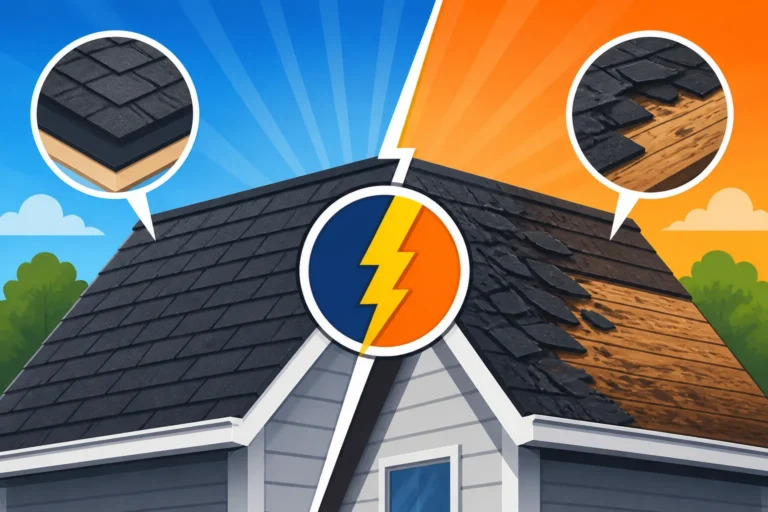
For 3-tab asphalt shingles, anything approaching or past 15-20 years is considered old. For architectural shingles, that benchmark shifts to 25-30 years. Luxury shingles can go even longer. Beyond these typical lifespans, the components of the roof—the asphalt, granules, and fiberglass mat—begin to break down. You'll see more widespread granule loss, significant curling or cracking, and the shingles will simply be less effective at shedding water and protecting your home. If your roof is within this "old" range and showing multiple signs of wear and tear, a full replacement is likely the most prudent and cost-effective long-term solution. Trying to repair an old roof often leads to a cycle of recurring problems and wasted money. Sometimes, a roof at its expected lifespan simply requires a full replacement rather than repeated, minor fixes. This brings up the question of Roof Repair vs Replacement: How to Decide.
Widespread vs. Isolated Damage
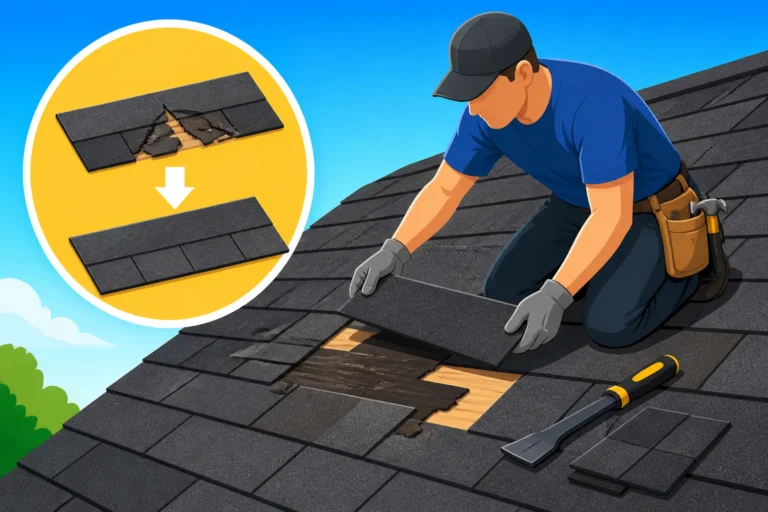
This is a critical distinction. If you have a relatively young roof (say, under 10-15 years for architectural shingles) and you find localized damage from a specific event—like a tree branch falling and damaging a small section, or a few shingles blown off in a localized high wind gust—then a targeted repair is often perfectly appropriate. A good contractor can replace the damaged section, ensuring proper integration with the existing roof. However, if you're seeing widespread granule loss, curling, cracking, or blistering across the entire roof surface, even if it's not actively leaking everywhere, that indicates systemic failure due to age and exposure. In such cases, patching one area will only be a temporary fix, as other areas are soon to follow suit. This is when the question of Can You Repair Just Part of a Roof? becomes less about practicality and more about delaying the inevitable.
Cost-Benefit Analysis for Repairs
It's tempting to opt for the cheaper repair, but sometimes, a repair is just kicking the can down the road, and in the long run, it costs more than a replacement.
The Point of Diminishing Returns
There comes a point where investing in repairs for an old, failing roof becomes a waste of money. Imagine you have a 25-year-old architectural roof with widespread granule loss, several cracked shingles, and some minor curling. You get a leak, and a roofer patches it for a few hundred dollars. Six months later, another leak springs up in a different spot. And then another. Each repair is a band-aid on a much larger problem. When the cumulative cost of ongoing repairs starts to approach or exceed the cost of a new roof, or when you find yourself constantly worrying about the next problem, you've reached the point of diminishing returns. At this stage, a full replacement is not only more effective but also provides peace of mind and a fresh warranty. This is often the case when trying to decide between Cost to Replace vs Repair an Old Roof.
Matching New Shingles to Old Ones
Another practical consideration for repairs is matching. If your roof is older, finding exact color and style matches for new shingles can be incredibly difficult, if not impossible. Shingle manufacturers update their lines, colors fade and change over time due to sun exposure, and even if you find the same brand and type, new shingles will often look conspicuously different from the weathered ones on your roof. While a perfect match might not be critical for a discrete patch on the back of the house, it can be an aesthetic nightmare for highly visible areas. This mismatch can also affect your home’s curb appeal if you're planning to sell. A patchwork roof can send a signal to potential buyers that there are underlying problems.
Understanding Your Roof Warranty and What It Covers
Warranties are often a source of confusion and frustration for homeowners. They sound like a solid guarantee, but the fine print can sometimes be baffling. Knowing what your asphalt roof warranty actually covers, and for how long, is crucial for managing expectations and protecting your investment.
Manufacturer Warranties vs. Workmanship Warranties
It's vital to understand that there are usually two distinct warranties at play when you get a new roof, and they cover different aspects.
What Manufacturer Warranties Protect
A manufacturer warranty, sometimes called a material warranty, comes directly from the shingle company (like GAF, Owens Corning, or CertainTeed). This warranty covers defects in the manufacturing of the shingles themselves. If, for example, your shingles start to delaminate prematurely due to a manufacturing flaw, or they lose an excessive amount of granules within a few years of installation without obvious storm damage, the manufacturer's warranty would theoretically cover the cost of replacement shingles. These warranties typically range from 20 years for 3-tab shingles up to 50 years or even "lifetime" (which often means for as long as you own the home, with specific terms) for architectural and luxury shingles.
It's important to note a few things: many manufacturer warranties are prorated, meaning the payout decreases over time as the shingles age. They often don't cover labor for installation or related costs like flashing or underlayment unless you have a higher-tier "system warranty" from a manufacturer-certified installer. Also, improper installation can void a manufacturer's warranty, which leads us to the next type of warranty. You can learn more about specific brand warranties, like how GAF Shingle Warranties Work, to understand the nuances.
The Importance of Workmanship Warranties
A workmanship warranty comes from the roofing contractor who installed your roof, and it covers the quality of their labor and installation. If your roof leaks because the roofer improperly nailed the shingles, failed to seal a penetration, or incorrectly installed flashing, the workmanship warranty is what protects you. These warranties typically range from 2 to 10 years, though some top-tier contractors offer longer periods, sometimes even 25 years. This warranty is incredibly important because, as we discussed earlier, even the best shingles will fail if installed poorly. When interviewing contractors, always ask about their workmanship warranty, get it in writing, and understand what it covers. If a roofer is unwilling to stand behind their work for a reasonable period, that's a major red flag. This directly relates to the importance of a Roofing Warranty: Workmanship vs Manufacturer.
Factors That Can Void Your Warranty
Warranties aren't ironclad; certain actions or inactions on your part can, unfortunately, render them useless. It's like having car insurance but then driving recklessly – the coverage can be denied.
Improper Repairs and DIY Work
One of the quickest ways to void both manufacturer and workmanship warranties is to perform DIY repairs or hire an unlicensed, unqualified person to work on your roof. If you try to patch a leak yourself, or hire a general handyman who isn't a roofing specialist, and their work inadvertently causes further damage or disrupts the shingle system, the warranty provider can deny a claim by stating the roof was improperly altered. Professional roofers are trained in specific techniques and use appropriate materials that align with warranty requirements. If you have a problem, always consult with a qualified roofing professional.
Inadequate Ventilation or Maintenance Neglect
As we've covered, proper attic ventilation is crucial for shingle longevity. If your roof was installed with inadequate ventilation, or if you make changes that restrict airflow (like blocking soffit vents), a manufacturer might argue that the excessive heat buildup caused premature shingle degradation and deny a warranty claim. Similarly, neglecting basic maintenance, such as not clearing gutters, allowing excessive moss growth, or letting tree branches abrade shingles, can be cited as reasons for warranty denial. Warranties typically assume reasonable care and maintenance by the homeowner. It's worth noting that some manufacturer warranties might even explicitly state requirements for attic ventilation to remain valid.
Multiple Layers of Shingles
While "roofing over" an existing layer of shingles is sometimes permitted by code, it can often impact warranties. Many manufacturers specify that their products perform optimally and meet warranty standards when installed on a clean, properly prepared roof deck. Adding a new layer over old, uneven shingles can lead to improper shingle adhesion, uneven wear, and even moisture trapping, all of which can compromise the new shingles' performance. Some warranties may be voided or significantly reduced if the new shingles are installed over an existing layer, especially if there's more than one existing layer. Before considering a roof overlay, always check both local building codes and your specific shingle manufacturer's warranty requirements. Your contractor should be able to provide guidance on this, and inform you about How Many Layers of Shingles Are Legal in your area.
Estimating Your Roof's Remaining Life
So, you've taken in all this information, looked at your roof, and maybe even had an inspection. Now the big question: how much longer do you realistically have with your current roof? While no one has a crystal ball, you can make a pretty educated guess by combining all the factors we've discussed.
The 80/20 Rule of Thumb
When trying to estimate your roof’s remaining life, a good rule of thumb is to consider the major factors. Think of it as an 80/20 split: 80% of your roof's longevity is dictated by the quality of materials, proper installation, and the harshness of your climate. The remaining 20% comes down to your diligent maintenance and addressing minor issues promptly.
Combining Age, Condition, and Environmental Factors
Start with your roof's age and shingle type. If you have 3-tab shingles that are 18 years old, and you live in a region with hot summers and hail storms, you’re likely on borrowed time. If you have architectural shingles that are 15 years old, in a mild climate, and showing very few signs of wear, you probably have another 10-15 years easily. Add in the condition: Are there widespread granules in the gutters? Is there extensive curling? Are you seeing frequent leaks? The more "yes" answers to these questions, the closer your roof is to needing replacement, regardless of its age relative to the maximum expected lifespan. A roof that has endured multiple severe weather events will inevitably age faster than one in a calmer environment. This holistic view gives you a much more accurate picture than just looking at a single factor.
When to Get a Professional Assessment
If you're unsure, or if your roof is nearing or past the typical lifespan for its shingle type, it's always best to get a professional assessment. A qualified roofing contractor can provide an objective opinion based on their expertise. They can walk you through the specifics of your roof, point out areas of concern, estimate its remaining functional life, and provide recommendations for repair or replacement. This assessment might even include a drone inspection for hard-to-reach areas. Getting multiple quotes for comparison is also a smart move, not just for price, but for different perspectives on your roof’s condition. This is where services like Modernize can be valuable in connecting you with local experts. This kind of assessment is crucial for long-term planning, and for understanding the Average Roof Replacement Cost This Year.
Planning for Future Replacement
Even if your roof has years left, it’s never too early to start thinking about its eventual replacement. Being prepared financially and logistically can alleviate a lot of stress when the time finally comes.
Budgeting for a New Roof
A roof replacement is a significant home improvement expense. By understanding your current roof's estimated remaining life, you can start saving accordingly. If you have 5-7 years left, you can set aside a certain amount each month or year to build up a fund. This foresight can prevent you from being caught off guard and having to scramble for financing or make rushed decisions when an emergency replacement is needed. Knowing the estimated Roof Cost Per Square: What You'll Pay can help you determine a realistic savings goal. This proactive approach ensures you can choose the best materials and contractor, rather than being forced to choose the cheapest option out of necessity.
Considering Upgrades and Material Choices
When the time for replacement approaches, you'll have the opportunity to upgrade. Do you want to switch from 3-tab to architectural shingles for better durability and aesthetics? Are you interested in impact-resistant shingles for hail protection or cool-roof shingles for energy efficiency? Perhaps a higher-tier manufacturer system that offers a more comprehensive warranty? This is the time to research different shingle types, their features, and their long-term benefits. Think about how these choices align with your budget, climate, and future plans for your home. Investing in a more durable or energy-efficient roof can pay dividends in the long run, not just in extended lifespan but also in reduced energy bills and potential insurance premium savings.
Final Thoughts on Your Asphalt Roof's Longevity
Ultimately, the lifespan of your asphalt roof isn't just about a number on a warranty or a marketing claim. It's a complex interplay of materials, environment, workmanship, and how diligently you care for it. By being informed, proactive, and discerning when it comes to inspections and repairs, you can ensure your roof protects your home for as long as possible. Don't let roof worries keep you up at night; arm yourself with knowledge and a plan, and you'll be well-prepared for whatever your roof throws at you.
Disclaimer
Please remember that the information provided in this article is for general guidance and educational purposes only. It is not a substitute for professional advice. Always consult with a qualified and licensed roofing contractor for specific assessments, recommendations, and services related to your roof. Roofing work can be dangerous and should be left to trained professionals.