How to Vet a Roofing Company
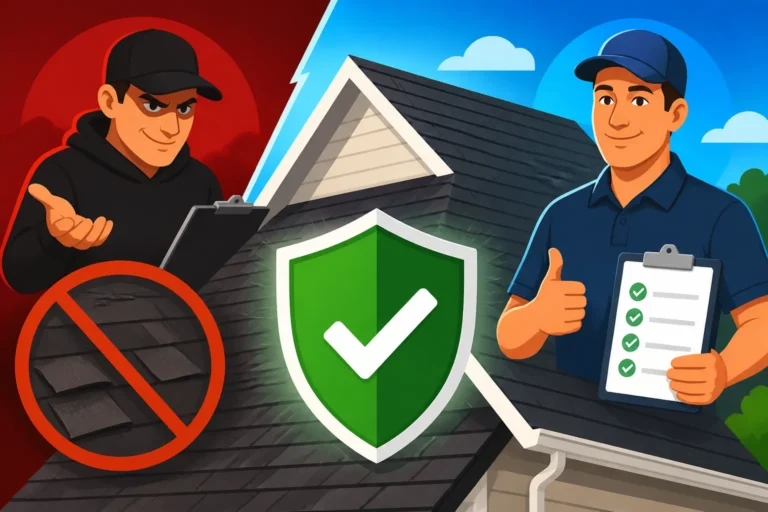
It’s a common scenario: you’re facing a roof repair or a full replacement, and suddenly you’re flooded with choices, often from companies you’ve never heard of. The thought of entrusting such a vital part of your home to the wrong hands, leading to shoddy workmanship, inflated costs, or endless headaches, can be incredibly stressful. This guide is designed to empower you with a robust framework for how to vet a roofing company, helping you confidently select a reliable professional and protect your biggest investment. Many homeowners begin their search for a reliable contractor on platforms like Modernize, known for connecting people with qualified professionals.
Why Vetting Matters So Much Beyond the Obvious
Finding a truly skilled and trustworthy roofing company isn't just about getting a decent price; it's about securing your home's most critical defense against weather for years, even decades, to come. When you neglect to properly vet a contractor, you're not just taking a minor risk; you're potentially opening your home to a cascade of problems, from inferior materials to outright improper installation. These issues can void warranties, lead to unexpected structural damage, and significantly shorten your roof's lifespan. We're talking about more than just shingles here; we're talking about your peace of mind and the long-term integrity of your home.
The Costly Consequences of a Bad Hire
Let's paint a picture of a worst-case scenario that, unfortunately, happens all too often. You chose a roofing company based primarily on a low bid, perhaps ignoring some subtle red flags during your initial interactions. They finished the job, took their payment, and everything seemed fine for a few months. Then, after a particularly harsh winter or a severe thunderstorm, you discover a leak. It starts as a small drip, then quickly escalates, staining your ceiling, saturating your attic insulation, and even threatening your electrical wiring. When you try to call the original contractor, their phone number is disconnected, or they simply vanish.
Now, you're not just dealing with the cost of a new repair; you're also facing extensive interior damage to drywall, paint, and potentially mold remediation, all stemming from that initial, faulty installation. This kind of situation demonstrates why trying to save a few dollars upfront by not properly vetting a contractor can lead to astronomical expenses down the line. A premium architectural shingle roof, for example, might be advertised to last 30 years, but if it's installed incorrectly with shortcuts on underlayment or nailing, it could fail in half that time, forcing you into another full replacement far sooner than anticipated. For a deeper understanding of what to watch out for, our detailed guide on Roofing Contractor Red Flags to Avoid can be incredibly helpful.
Protecting Your Investment and Peace of Mind
Your home isn't just a place to live; for most of us, it's our most significant financial asset. The roof, as its primary protective layer, plays a crucial role not only in shielding the structure from the elements but also in maintaining energy efficiency and enhancing curb appeal. By diligently vetting a roofing company, you're doing more than just hiring someone to perform a service; you're making a strategic investment in a long-term partnership with professionals who are committed to quality and accountability. This thorough due diligence is what ensures your investment will deliver lasting value, rather than becoming a source of ongoing financial strain.
A truly reputable and professional roofing company will always operate with transparency. They adhere strictly to local building codes, provide comprehensive warranties, and communicate openly throughout the entire project. This level of professionalism offers you genuine confidence and peace of mind. Knowing that your roof has been installed correctly, using high-quality materials, by a team that stands behind its work, allows you to relax, even when the weather outside is anything but calm. Furthermore, a well-maintained and expertly installed roof significantly boosts your home's resale value, making it an attractive feature for potential buyers who often prioritize a sound roof during inspections.
The Initial Screening What to Look for Online and Off
Before you even think about inviting a contractor to your home for an estimate, there are critical preliminary steps you can take. This initial screening process is all about gathering essential facts and assessing a company's fundamental professionalism from a distance, using readily available public information. It helps you quickly filter out less-than-reputable companies and focus your energy on those that demonstrate a solid foundation.
Checking Licenses, Insurance, and Bonding
This step is absolutely paramount and should never be skipped. Any legitimate roofing company must possess the appropriate licensing and insurance. Licensing isn't just a formality; it's a testament that the contractor meets the minimum competency standards set by state or local authorities. More importantly, robust insurance policies protect you from significant financial liability in the event of accidents or unforeseen damage during the project. Specifically, you need to verify they carry general liability insurance, which covers damage to your property, and workers' compensation insurance, which protects their employees should they suffer an injury on your job site. Without adequate workers' comp, for instance, if a roofer falls and gets hurt, you could potentially be held responsible for their medical bills and lost wages. This is a terrifying prospect that can be easily avoided with proper checks.
Licensing requirements can vary significantly by state and even by municipality. For example, in states like Arizona or New York, roofing contractors typically require a specific license issued by a state board, often involving rigorous examinations and proof of experience. You can usually confirm a contractor's license number directly through the relevant state or local licensing board's website. Bonding, while not universally mandated, provides an extra layer of financial assurance, guaranteeing that the contractor will fulfill their contractual obligations. Our comprehensive guide on Licensed and Insured Roofers: Why It Matters offers an in-depth explanation of these vital protections.
Digging Into Online Reviews and References
In our connected world, online reviews are incredibly powerful, but they require a discerning eye. Don't just glance at the overall star rating. Instead, delve deeper: look for consistent patterns in positive feedback, such as multiple mentions of excellent communication, adherence to timelines, and high-quality workmanship. Conversely, pay close attention to recurring complaints about issues like hidden fees, project delays, or unresolved problems. Platforms like Google Reviews, Yelp, and the Better Business Bureau (BBB) are excellent starting points for this research. Many homeowners also find it beneficial to use services like Modernize, which help connect them with pre-vetted, local professionals who have already undergone a degree of scrutiny.
While online reviews offer valuable public perception, they shouldn't be your only source of information. Always ask the company for a list of recent references – ideally clients they've worked with in the past 12 to 18 months. A confident, reputable company will readily provide these. When you contact these references, ask targeted questions: Was the project completed on schedule and within the agreed-upon budget? Were there any unexpected challenges, and how effectively did the contractor resolve them? Crucially, would they choose to hire the company again for future work? If feasible, driving by the reference homes to visually inspect the completed work can provide an invaluable firsthand assessment of their quality.
Physical Presence and Professionalism
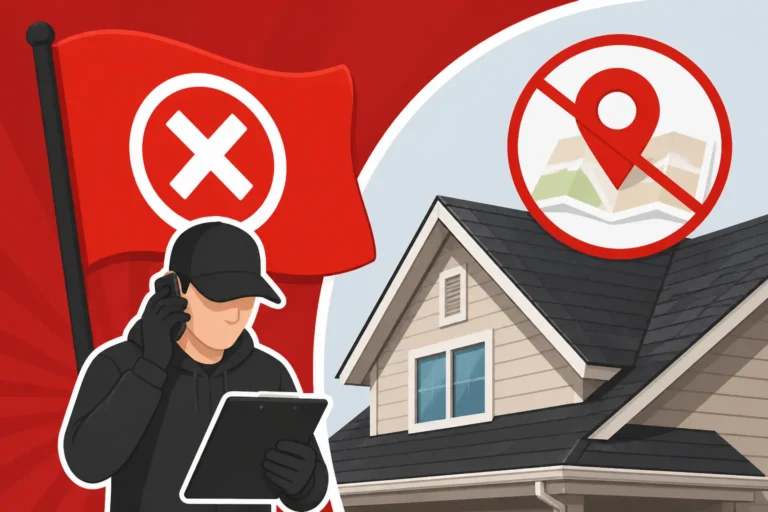
A strong indicator of a stable and reputable roofing business is a verifiable physical address, not merely a P.O. box or solely a mobile number. This suggests a more established operation with roots in the community. Take a moment to search for their office location online: Does it appear to be a professional space? While it’s true that some smaller, highly competent contractors might operate primarily from a home office, a dedicated business presence often signals a greater commitment to long-term operations and accountability. Observe their overall presentation in initial communications – this includes their website's quality, the condition of their company vehicles, and the professionalism of their staff during phone calls.
Professionalism extends far beyond a shiny website; it encompasses their communication style, their willingness to openly and patiently answer all your questions, and the clarity of the information they provide upfront. If their website is difficult to navigate, contains numerous errors, or if their office staff seems disorganized or unhelpful, these can be early warning signs. A company that genuinely prides itself on its work typically extends that pride to its overall brand presentation and customer service. This initial impression can offer significant insights into how they will manage your actual roofing project, from start to finish.
Getting Down to Business What to Ask During Consultations
Once you’ve successfully navigated the initial screening phase and have a shortlist of promising candidates, the next crucial step is the in-person (or sometimes virtual) consultation. This is your prime opportunity to engage directly with potential contractors, ask detailed questions, assess their specific expertise, and get a real feel for their operational approach. Think of this as your interview process for a major project; don't hesitate to ask probing questions to ensure you make the right choice.
Questions About Experience and Specializations
Understanding a contractor's specific background is absolutely vital. Beyond just asking how long they've "been in business," inquire about their experience specifically with asphalt roofing projects similar to yours. A company that primarily specializes in metal or flat roofs, for instance, might not possess the nuanced expertise required for intricate asphalt shingle installations, particularly if you're considering specialized products like impact-resistant shingles or specific brands such as GAF Timberline HDZ or Owens Corning Duration. A powerful question to ask is, "How many years of experience does your company have specifically installing architectural asphalt shingle roofs, and are your teams familiar with the installation requirements for the particular shingle model I'm interested in?"
Furthermore, delve into the experience of their actual crew. Are they in-house employees who regularly work together, or do they rely heavily on subcontractors? What is the average tenure of their lead roofers with the company? Staffing consistency can speak volumes about a company's stability, training protocols, and dedication to quality control. A well-established team often translates to greater efficiency and superior workmanship. Crucially, ask about manufacturer certifications! Leading shingle manufacturers like GAF, Owens Corning, and CertainTeed offer advanced certification programs (e.g., GAF Master Elite, Owens Corning Platinum Preferred, CertainTeed SELECT ShingleMaster). These certifications typically signify that the contractor has undergone specialized training, adheres to rigorous installation standards, and is often authorized to offer enhanced, extended manufacturer warranties that provide superior protection. This is a significant advantage for homeowners. For a deeper dive, read our article on Manufacturer-Certified Roofers Explained.
Understanding the Project Details and Materials
This is your opportunity to demand specifics about your particular roofing project. Don't accept vague assurances or generic descriptions. A professional contractor should be able to meticulously walk you through their proposed process, detailing each step they will take. This should include:
- Tear-off Procedure: How many existing shingle layers will they remove? What measures will they take to protect your landscaping, driveway, and other property elements during the tear-off?
- Roof Decking Assessment: What is their protocol for inspecting the underlying roof decking? What happens if they discover rotten or damaged sheathing, and what are the associated costs and procedures for replacement? Our guide on Roof Decking Replacement Cost can help you prepare for these potential expenses.
- Underlayment Choices: What type of underlayment do they propose (e.g., synthetic vs. felt)? Why do they recommend that particular type, and how will it be installed to provide maximum protection?
- Flashing and Drip Edge: Will they replace all existing flashing around critical areas such as chimneys, vent pipes, and roof valleys? Will new drip edge be installed along all roof perimeters? These components are vital for preventing water penetration.
- Ventilation Strategy: How will they assess your attic's current ventilation, and what solutions do they propose to ensure optimal airflow, which is critical for roof longevity and energy efficiency?
- Nailing Practices: Will they adhere strictly to manufacturer-specified nailing patterns and nail counts, especially important in regions prone to high winds?
- Post-Job Cleanup: What is their comprehensive cleanup process, including the crucial magnetic sweep for errant nails and debris?
A truly professional contractor will explain all these details clearly, patiently, and without making you feel rushed or uninformed. They should be able to articulate the rationale behind their material selections and explain why their chosen approach is the most effective for your home's specific design and your local climate. Be extremely cautious of any contractor who appears vague, avoids specific details, or seems unwilling to fully elaborate on their process.
Discussing Warranties and Post-Installation Support
Warranties are your ultimate safety net and a crucial component of your roofing investment. You should typically expect two distinct types of warranties: the manufacturer's warranty, which covers defects in the roofing materials themselves, and the contractor's workmanship warranty, which covers the quality of the installation. A reputable company will provide clear information on both. Don't hesitate to ask for copies or detailed summaries of the warranties they offer. How long is their workmanship warranty? What specific aspects of the installation does it cover, and what, if anything, is excluded? Are there any specific steps you, as the homeowner, need to take to keep the warranty valid, such as registering the product with the manufacturer?
It's worth noting that some leading manufacturers, particularly when working with their certified contractors, offer comprehensive "system warranties." These advanced warranties often cover both materials and labor for an extended period, sometimes for decades, and may even be non-prorated for a significant portion of their term. This can offer superior, long-term protection compared to standard warranties. Our guide on Roofing Warranty: Workmanship vs Manufacturer provides a thorough breakdown of these differences. Beyond warranties, inquire about their post-installation support. What is their procedure if you discover a leak a week after the job is completed? Who should you contact in an emergency, and what is their typical response time? A reliable company provides clear, accessible channels for communication and genuinely stands behind their work long after the final invoice has been paid. This transparency is fundamental for your enduring peace of mind and satisfaction.
Deciphering Estimates and Contracts Beyond the Bottom Line
Once you've had your consultations, the estimates will start rolling in. For many homeowners, this phase is the most perplexing, as bids can vary widely in both price and detail. Your objective here is to meticulously compare these proposals, understand every single line item, and ensure the final contract is comprehensive and protects your interests as a homeowner. It's a critical mindset shift: the lowest bid is very rarely the best long-term value.
Comparing Apples to Apples and Spotting Red Flags
It's incredibly tempting, almost instinctual, to zero in solely on the total price at the bottom of each estimate. However, making a decision based on this alone is a significant mistake. You absolutely must compare "apples to apples," meaning you need to ensure that each estimate outlines the exact same scope of work and proposes comparable quality materials. For instance, one contractor might present a bid for a high-end architectural shingle coupled with a synthetic underlayment and new flashing, while another's seemingly lower bid might specify a basic 3-tab shingle, felt paper, and might even omit crucial items like new flashing or proper ventilation. This disparity in detail is precisely why a thoroughly itemized estimate is so crucial.
Look for estimates that provide a clear, detailed breakdown, including:
- The cost associated with the tear-off and proper disposal of existing roofing materials.
- A precise listing of all new materials, specifying brands, types, and colors (e.g., specific shingle model, type of underlayment, drip edge, flashing, and vents).
- Separate line items for labor costs.
- Any applicable permit fees (which should typically be pulled by the contractor).
- A transparent explanation or contingency plan for unexpected discoveries, such as rotten roof decking. This is also where you should be on the lookout for Hidden Costs in a Roof Replacement.
If an estimate is vague, merely presenting a single lump sum, or lacks specific detail, consider it a significant red flag. Such ambiguity makes a true comparison impossible and frequently leads to unexpected, additional costs down the line. Furthermore, be extremely wary of bids that are substantially lower than all the others you've received. While a low price might initially appear attractive, it often indicates that the contractor is cutting corners on material quality, skimping on labor (perhaps using inexperienced crews), operating without proper insurance, or simply lacks the experience to accurately price the project. Our in-depth guide on How to Read and Compare Roofing Estimates offers a comprehensive walkthrough of this critical process. Reputable platforms like Modernize can also assist you in connecting with contractors who are committed to providing detailed and transparent estimates.
Payment Schedules and Lien Waivers
The method and timing of payment are common concerns for homeowners, and understanding them is crucial for your financial protection. Generally, reputable roofing companies will not demand full payment upfront. A standard and fair payment schedule usually involves a reasonable down payment (typically between 10-30%) to cover initial material procurement, followed by progress payments tied to specific project milestones (e.g., after tear-off is complete, or once materials have been delivered), with the final payment made only upon satisfactory completion of all work. If a contractor insists on 50% or more upfront, especially without a significant amount of materials already delivered, this should be viewed as a major red flag, a topic further explored in our guide, Should You Pay a Roofer Upfront.
Another vital document you must understand and request is a lien waiver. After you make any payment to your contractor, you should proactively request a lien waiver for that specific amount. This document legally confirms that the contractor (and, ideally, their subcontractors and suppliers) have been paid for the work or materials up to that point, thereby waiving their right to place a mechanic's lien on your property. This protects you from the nightmare scenario where a subcontractor or material supplier, unpaid by your general contractor, could legally come after you for payment. It's a critical safeguard, especially for substantial projects, and any professional contractor will be familiar with and willing to provide these.
The Importance of a Detailed Contract
Your signed contract is your legal protection and the definitive roadmap for your entire roofing project; it must be as detailed and comprehensive as possible. Never, under any circumstances, agree to significant work based solely on a verbal agreement. The contract should precisely mirror the detailed estimate you’ve approved and include, at a minimum, the following critical elements:
- Explicit Scope of Work: Every single task, material, and component to be included should be listed in detail (e.g., "complete tear-off of single existing layer of asphalt shingles," "installation of GAF Timberline HDZ architectural shingles in charcoal grey," "replacement of all pipe boots and step flashing").
- Specific Materials: Clearly specify the brand, type, color, and quantity of all major components, including shingles, underlayment, drip edge, and ventilation products.
- Total Project Cost: The exact, agreed-upon total price, inclusive of all taxes, fees, and charges.
- Payment Schedule: A clearly defined schedule outlining payment amounts, due dates, and the specific milestones triggering each payment.
- Start and Completion Dates: While roofing projects can be weather-dependent, a firm start date and a reasonable estimated completion timeline should be provided.
- Comprehensive Warranty Information: Details on both the manufacturer's material warranty and the contractor's workmanship warranty, including their durations and specific coverage.
- Proof of Insurance: Include the contractor's general liability and worker's compensation insurance policy numbers, along with their effective dates.
- Permit Responsibility: A clear statement indicating who is responsible for obtaining all necessary building permits (this should always be the contractor).
- Cleanup Procedures: Specific measures the contractor will take to protect your property during the job and ensure a thorough cleanup afterward.
Read every single word of the contract carefully. If anything is unclear, ambiguous, or feels incorrect, ask for immediate clarification and insist that any changes or agreements be put in writing before you sign. Do not sign until you fully understand and are in complete agreement with every aspect of the document. A well-written, comprehensive contract serves to protect both you and the contractor and is the best defense against misunderstandings or disputes later on. For more guidance on this crucial document, consult our article on What to Include in a Roofing Contract.
The Human Element Trust, Communication, and Gut Feelings
Beyond all the necessary paperwork, technical specifications, and comparative analyses, it's absolutely vital not to underestimate the power of human connection, clear communication, and your own intuition. You are, after all, inviting these individuals onto your property for a significant period to perform a critical job on your home. A strong, positive working relationship built on trust and mutual respect can genuinely transform the entire roofing experience, significantly influencing both the process and the final outcome. Our guide on How to Choose a Roofing Contractor also emphasizes this balance.
Assessing Communication Style and Responsiveness
The way a company communicates from your very first interaction offers profound insights into their operational style and customer service ethos. Are your phone calls promptly returned? Do they provide thorough and clear answers to your emails? Do they take the time to explain complex roofing terminology and processes in a way that you, as a homeowner, can easily understand, or do they overwhelm you with jargon? A truly exceptional contractor recognizes that you are not a roofing expert and will patiently educate you, addressing your concerns with empathy and clarity.
Consider this: if you have a pressing question or an unexpected concern mid-project, how accessible will they be? Will they listen attentively to your feedback and concerns? A pattern of unresponsiveness, dismissive attitudes, or vague answers during the initial vetting phase should be a significant warning sign. It's highly likely that such communication issues will only worsen once they have your deposit and the project is underway. Look for a contractor who establishes clear, dedicated lines of communication, perhaps by assigning a specific project manager who will serve as your primary point of contact throughout the entire installation process. Effective communication is the cornerstone of managing expectations, fostering trust, and smoothly resolving any issues that may arise.
What to Do If Something Feels Off
Sometimes, despite diligently going through all the checklists and verification steps, you simply get a lingering feeling that something isn't quite right. Perhaps the contractor is excessively aggressive or pushy, attempting to pressure you into signing a contract immediately. Or maybe they show reluctance to provide essential documentation, such as current proof of insurance or a list of recent references. It could be that their answers to your questions seem evasive, or they spend an inordinate amount of time disparaging other local roofing companies. These subtle cues, while not always definitive red flags on their own, are collectively significant indicators that you should heed. Always trust your gut instincts. If you feel uneasy, pressured, or uncertain about any aspect of the interaction, it is absolutely within your right to politely decline their services and walk away.
There are numerous highly qualified, reputable, and trustworthy roofing companies available who will genuinely appreciate the opportunity to earn your business through transparent practices and respectful engagement. Do not allow a "limited-time offer" or a "special discount if you sign today" to coerce you into making a hasty decision you might profoundly regret. Investing a little more time upfront to find the right fit for your project is infinitely preferable to enduring the stress, cost, and potential damage resulting from a poorly chosen contractor. Should you find yourself needing more options because a particular contractor doesn't feel right, reputable platforms like Modernize can help you connect with additional vetted professionals who better align with your expectations. Remember, it's your home, your significant investment, and your peace of mind that are at stake.
| Vetting Criteria | What to Look For | Why It Matters | Red Flags |
|---|---|---|---|
| Licensing & Insurance | Valid state/local license, general liability, workers' comp. | Protects you from liability & ensures competency. | No proof, expired documents, "self-insured" claims. |
| Online Reviews & References | Consistent positive patterns, specific testimonials, readily provided references. | Insights into customer satisfaction & quality of work. | No reviews, only vague reviews, refusal to provide references. |
| Physical Presence | Professional office/yard, well-maintained vehicles, established online presence. | Indicates stability, accountability, & investment in their business. | P.O. box only, no website, inconsistent branding. |
| Experience & Certifications | Years in asphalt roofing, manufacturer certifications (GAF Master Elite, Owens Corning Platinum Preferred). | Ensures specialized skill, access to better warranties, and current knowledge. | General handyman, no specific roofing experience, uncertified. |
| Detailed Estimates | Itemized breakdown of materials, labor, permits, cleanup. | Allows for accurate comparison & prevents hidden costs. | Single lump sum, vague descriptions, "we'll figure it out." |
| Transparent Contracts | Clear scope of work, materials, costs, payment, warranty, timeline. | Legal protection, sets clear expectations, prevents disputes. | Verbal agreements, missing key details, pressure to sign fast. |
| Communication | Prompt responses, clear explanations, patient answers to questions. | Builds trust, ensures smooth project management, addresses issues proactively. | Unresponsive, vague answers, condescending tone. |
| Payment Schedule | Reasonable down payment (10-30%), progress payments, final payment upon completion. | Protects you from paying for incomplete/subpar work. | Demands 50%+ upfront, cash-only demands, no lien waivers. |
Disclaimer
Please remember that the information provided in this guide is intended for general informational purposes only and does not constitute professional advice. Always consult with qualified and licensed roofing professionals for specific guidance tailored to your individual needs and local regulations. Roofing projects can be complex, and local building codes and requirements vary significantly.