Roofing Red Flag: No Physical Address
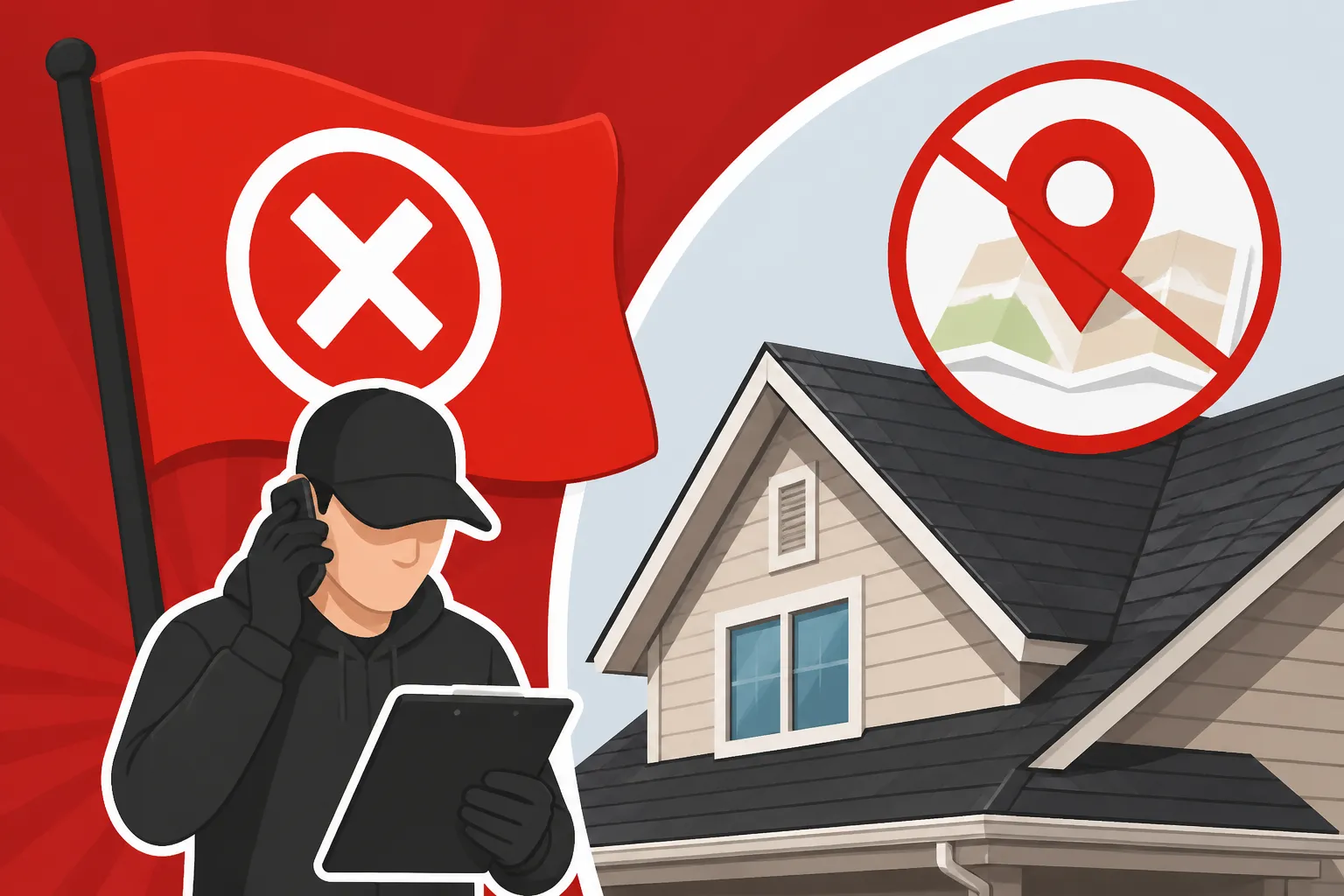
When you're facing a roof repair or replacement, the last thing you need is a nightmare contractor who leaves you high and dry. One of the sneakiest and most serious red flags to watch out for is a roofing company that can't, or won't, provide a legitimate physical address. This guide will walk you through why a lack of a physical address is such a significant warning sign, the myriad risks it poses, and how you can protect yourself and your home by thoroughly verifying a contractor's legitimacy.
Why a Physical Address is Non-Negotiable for Roofing Contractors
Imagine trying to find a restaurant that only lists a phone number and a P.O. Box. You'd probably be pretty hesitant to trust them with your dinner, let alone your home's most critical protection. In the world of roofing, a legitimate physical address is far more than just a line item on a business card; it's a foundational pillar of trust, accountability, and reliability. For homeowners, understanding why this detail is so important can save you from a world of headaches and financial woes.
Establishing Trust and Accountability
A permanent business address signals to you, the homeowner, that a roofing company has an actual, established presence. It means they're not just operating out of a pickup truck and a cell phone, ready to vanish into thin air once the job is "done" and the check clears. When a company has a physical office, warehouse, or even a consistent home-based office location that they openly share, it demonstrates a commitment to their business and their clients. It provides a tangible point of contact should any issues arise, whether it's a question about the warranty a year down the line or a concern about the quality of the work.
Think about it: if something goes wrong, where do you go? If a contractor only gives you a mobile number or an email address, and then stops responding, your options for recourse dwindle rapidly. A physical address provides a solid location for official correspondence, legal action if necessary, or simply a place where you can go to speak with someone face-to-face. This level of transparency is crucial when you're making such a significant investment in your home. It’s part of how you can discern a truly professional outfit from less scrupulous operations.
A Hub for Operations and Resources
For any legitimate roofing business, a physical location serves as a critical operational hub. This isn't just about appearances; it's about functionality. This is often where they store equipment, manage their administrative tasks, conduct meetings, and receive deliveries of materials. Consider a company like Owens Corning or GAF; their certified contractors usually have a dedicated space, even if it’s a home office, from which they coordinate their projects. A true roofing business requires more than just a truck and a ladder. They need space for tools, vehicles, and sometimes even a small inventory of common supplies.
Furthermore, a physical office typically houses the administrative team that handles crucial paperwork, scheduling, customer service, and warranties. Without a central location, maintaining organization and providing consistent support to clients becomes incredibly difficult, if not impossible. A contractor with no discernible business address might be cutting corners on these essential operational aspects, which could directly impact the quality and reliability of the service you receive. This also ties into how transparent they are about their entire operation, which is a major factor when you're trying to figure out how to choose a roofing contractor.
Local Presence and Community Ties
A physical address often implies a local presence, and for roofing, local matters a great deal. A contractor with a long-standing address in your community or a neighboring town is typically more invested in their local reputation. They rely on word-of-mouth referrals, positive online reviews from local customers, and maintaining good standing within the community. This intrinsic motivation often translates into higher quality work and better customer service.
Local roofers understand the specific weather patterns, building codes, and architectural styles prevalent in your area. They often have established relationships with local suppliers and may be more readily available for follow-up questions or emergency repairs. A transient contractor, on the other hand, might not care as much about their reputation in an area they plan to leave quickly. They might just be passing through, perhaps following a storm, making it much harder to hold them accountable. This is why checking references and local reviews is so important.
The Hidden Dangers of Hiring a "Ghost" Roofer
Choosing a roofing contractor is a big decision, and it’s tempting to go with the lowest bid. But if that low bid comes from a company with no discernible physical address, you could be opening yourself up to a world of unforeseen problems. The dangers range from shoddy workmanship with no recourse to potential legal headaches that could cost you far more in the long run than any initial savings.
No Recourse for Bad Workmanship
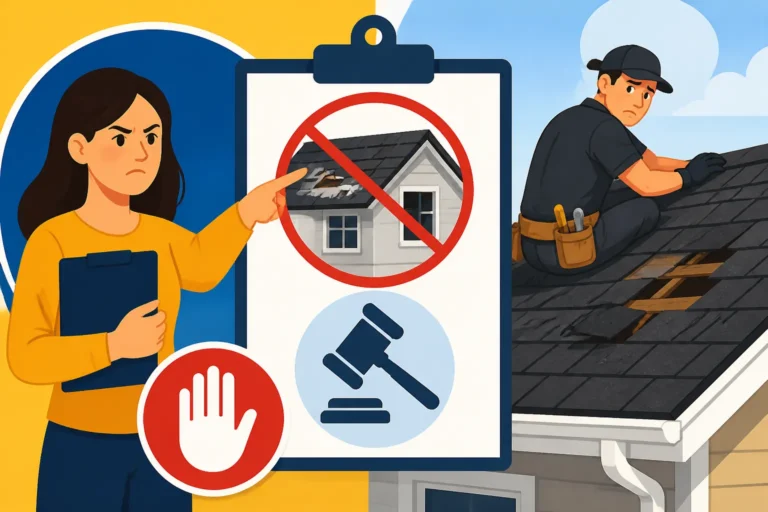
Imagine your new roof starts leaking just weeks after installation, or shingles begin blowing off in the first strong gust of wind. This is a homeowner's worst nightmare, and it becomes even more terrifying if the company that did the work has no fixed address. You call the number on the business card, and it goes straight to voicemail, or worse, it’s disconnected. You email, and your messages bounce back. You realize you have absolutely no way to contact them.
Without a physical location, it becomes nearly impossible to track down a contractor who has performed substandard work. They can simply disappear, leaving you with a damaged roof and the added expense of hiring another reputable company to fix their mistakes. This is a common tactic among fly-by-night operators or "storm chasers" who quickly move from town to town after severe weather events. They swoop in, offer tempting prices, do a quick and often poor job, and then vanish before anyone can complain or demand corrections. It’s a classic example of why choosing the cheapest roofer can sometimes be the most expensive mistake.
Warranty Woes and Disappearing Acts
Most reputable roofing manufacturers, like GAF or CertainTeed, offer excellent warranties on their materials, and certified contractors often provide additional workmanship warranties. These warranties are a huge selling point and a critical layer of protection for your investment. However, these guarantees are only as good as the company backing them. If your contractor has no physical address, their workmanship warranty might as well be written on thin air.
If a problem arises that should be covered under their workmanship warranty – say, improper nailing or flashing that leads to a leak – and you can’t locate the contractor, that warranty is useless. You’ll be left to pay for repairs out of pocket. Even if the manufacturer's warranty is still valid for materials, you might struggle to get a different contractor to perform the warranty work without the original installer involved, or you might incur significant costs for their labor. This is a particularly frustrating scenario that often prompts homeowners to learn more about Roofing Contractor Red Flags to Avoid after it's too late.
Insurance and Legal Liabilities
This is perhaps the most serious and often overlooked danger. A legitimate roofing company will carry general liability insurance and workers' compensation insurance. General liability protects your property from damage caused by the roofing crew, while workers' comp covers their employees if they get injured on your property. If a contractor without a physical address (which often means they're not a legitimate, insured business) is working on your roof and an accident occurs, you, the homeowner, could be held liable.
Imagine a worker falls off your roof and sustains a serious injury. If the contractor doesn't have workers' compensation insurance, that injured worker could potentially sue you, the homeowner, for medical expenses and lost wages. Similarly, if their crew accidentally damages your landscaping, breaks a window, or punctures your pool liner, and they don't have general liability insurance, you'll be left to cover those repair costs yourself. Always verify a contractor's insurance and licensing. You can learn more about why it matters to hire Licensed and Insured Roofers. It’s a risk simply not worth taking for the sake of a few dollars saved upfront.
How to Thoroughly Vet a Roofing Company
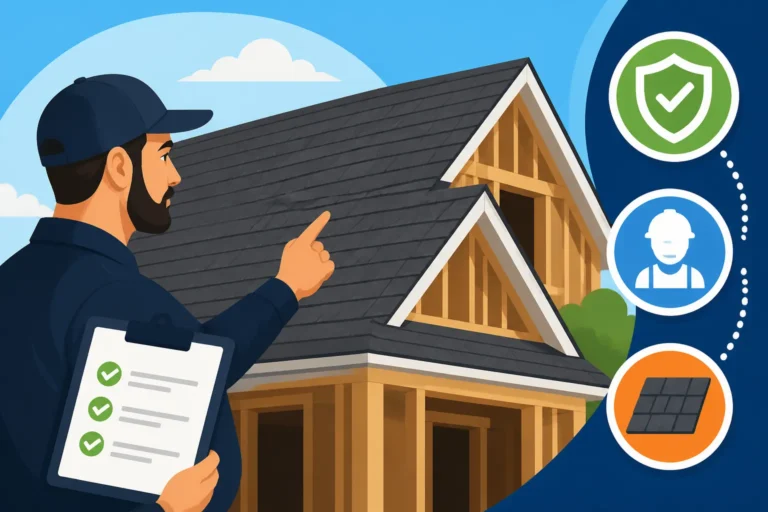
So, how do you make sure you’re hiring a trustworthy professional and not a "ghost" roofer? The good news is there are several proactive steps you can take to vet a roofing company thoroughly and protect your investment. It requires a bit of detective work, but it's well worth the effort for peace of mind.
Beyond the Business Card: Digging Deeper
When you receive an estimate or meet a contractor, don't just take their word for it. Always ask for their full business name and physical address. Then, verify it.
- Google Maps and Street View: Plug their address into Google Maps. Does it show an actual business location, or is it a residential house, an empty lot, or a P.O. Box? A legitimate business might operate from a home office, which isn't necessarily a red flag if they are transparent about it and provide a consistent address. The key is consistency and verifiability. Use Street View to see what the location looks like. If it’s just a random residential home and they're claiming it's their "main office" but seem shady, that's a warning.
- State Business Registry: Every state has an online business registry where you can search for registered companies. In states like Florida or California, you can look up their corporate filings. This will confirm if the business is officially registered and active. This step can often reveal if the company name they're using is even legally tied to a valid entity.
- Licensing and Insurance Verification: Beyond the address, ask for proof of their general liability and workers' compensation insurance. Don't just accept a certificate they hand you; call the insurance provider directly to verify coverage and ensure it's current. Also, confirm their state or local contractor's license, if required in your area, through the relevant government agency. This is a critical step in verifying their legitimacy. You can usually find state-specific license lookups on your state's contractor licensing board website.
- Phone Numbers: Call their listed phone number. Does it connect to a professional voicemail or a general cell phone? Is there a receptionist or an automated system? These small details can offer clues about the size and professionalism of the operation.
Leveraging Online Resources and Reviews
The internet is a powerful tool for consumer protection, and it's your best friend when vetting contractors. Don't skip these crucial steps:
- Online Review Platforms: Check reviews on Google, Yelp, the Better Business Bureau (BBB), and industry-specific sites like Angi or HomeAdvisor. Look for a pattern of positive reviews over several years. Be wary of companies with only a handful of reviews, especially if they're all glowing and recent. Also, pay attention to how the company responds to negative feedback; a professional contractor will try to resolve issues publicly and professionally.
- BBB Accreditation: While not mandatory, BBB accreditation shows a commitment to ethical business practices and customer satisfaction. Check their rating and any customer complaints filed against them.
- Website Presence: Does the company have a professional, informative website? A well-maintained website often lists their services, testimonials, portfolio of past projects, contact information, and yes, often their physical address. A lack of a website, or a poorly designed, sparse one, can be another subtle indicator of a less established or less serious business.
- Social Media: While social media presence isn't as critical as a physical address, a company's engagement on platforms like Facebook or Instagram can offer insights into their community involvement and customer interaction.
This table highlights key differences between a potentially risky contractor and a reliable one, making it easier for you to spot the red flags.
| Feature | Red Flag Contractor (No Physical Address) | Reputable Contractor (Verified Physical Address) |
|---|---|---|
| Physical Address | None, P.O. Box, or random residential address | Clearly listed, verifiable business office or local hub |
| Contact Info | Mobile phone only, no email, goes to voicemail | Professional phone system, email, responsive |
| Business Registration | Not registered, or registered under a different name | Registered and active with state business registry |
| Licensing | No license, expired, or unable to verify | Valid, current license, easily verifiable |
| Insurance | No proof, or proof with lapsed/fake policies | Current General Liability & Workers' Comp (verified by you) |
| Online Presence | No website, sparse social media, few/fake reviews | Professional website, active social media, consistent reviews |
| References | Reluctant to provide, or provide suspicious ones | Eager to provide multiple local references |
| Payment Terms | Demands cash, large upfront deposit, no detailed invoice | Clear payment schedule, detailed contract, accepts various methods |
| Contract | Verbal agreement, vague or incomplete paperwork | Detailed, written contract with scopes, timelines, warranties |
The Power of Multiple Estimates
Never settle for just one estimate, especially if you have any lingering doubts. Contact at least three different roofing companies. This not only allows you to compare pricing for your project, such as the total asphalt roof replacement cost, but also gives you an opportunity to compare their professionalism, communication style, and the thoroughness of their evaluations.
When you're trying to figure out how to get roofing quotes and compare them, pay close attention to how they handle the initial consultation. Did they arrive on time? Did they conduct a thorough inspection of your roof and attic? Did they provide a detailed written estimate outlining materials, labor, and project timelines? These interactions are mini-interviews, and a legitimate contractor will strive to make a good impression. Using a platform like Modernize can connect you with several pre-screened, local contractors, streamlining this process and giving you more options to compare. They understand the importance of connecting homeowners with reliable professionals who meet essential criteria, including having an established presence.
What to Do When You Spot This Red Flag
Discovering a roofing contractor lacks a physical address can be unsettling, especially if you've already invested time or even a small deposit. But recognizing this red flag early is your best defense. It's crucial to know how to react and how to pivot to finding a reputable professional who will truly protect your home.
Trust Your Gut and Walk Away
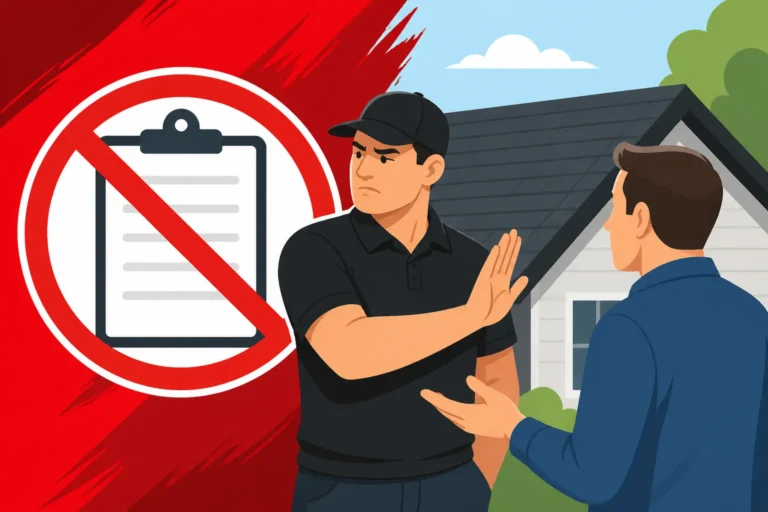
This might sound simple, but it’s powerful. If a contractor can't provide a verifiable physical address, or if their explanation for its absence sounds vague or suspicious, it’s a massive red flag. Your gut feeling is often right in these situations. It's almost always better to err on the side of caution and walk away, even if you feel like you're starting the search over again. The potential cost of dealing with a problematic contractor—financially, emotionally, and in terms of damage to your home—far outweighs the inconvenience of finding a new one.
Don't let pressure tactics sway you. If a contractor tries to rush you into signing a contract, demands a large upfront payment in cash, or insists you can't get this "deal" anywhere else, these are all additional Roofing Contractor Red Flags to Avoid. Combine these with a missing physical address, and you have a clear sign to politely decline their services and move on. Remember, a trustworthy contractor will respect your need to make an informed decision.
Reporting Suspicious Operators
If you encounter a roofing company that appears to be operating without a legitimate physical address, especially if they exhibit other signs of being a scam or performing deceptive practices, consider reporting them. Your actions could prevent other homeowners from falling victim.
- Better Business Bureau (BBB): You can file a complaint with the BBB, even if the company isn't accredited. They track businesses and their practices.
- State Attorney General's Office: Consumer protection divisions within your state's Attorney General's office investigate business fraud and deceptive practices.
- Local Licensing Boards: If roofing contractors are licensed in your municipality or state, report unlicensed activity or suspicious conduct to the relevant licensing board. For instance, if you're looking for a roofer in Florida, the state's Department of Business and Professional Regulation oversees contractor licenses and can investigate complaints.
- Online Review Sites: Leave an honest review on platforms like Google, Yelp, and other industry sites to warn others about your experience, clearly stating the issues you faced, including the lack of a verifiable address.
Finding Reputable Alternatives
Once you've wisely decided to avoid a contractor with a missing physical address, the next step is to refocus your search on genuinely reputable professionals. This is where your vetting process truly shines.
Start by asking for referrals from neighbors, friends, and family who have recently had roofing work done and were happy with the results. These personal recommendations are invaluable. Then, use online platforms again, but with a more discerning eye. Look for contractors who have a strong presence, clear contact information, and a history of positive interactions. Services like Modernize can be a great starting point for finding vetted local contractors who are established in your community and happy to provide all the information you need, including their physical address, licensing details, and insurance certificates.
When interviewing new contractors, make sure to ask them all the essential Questions to Ask a Roofing Contractor Before Hiring. This includes inquiring about their experience, their specific process for your type of roof, their insurance coverage, and of course, their physical business location. Ensure you receive a detailed, written contract that outlines every aspect of the project, from materials to warranties and payment schedules. A reputable contractor will be transparent and forthcoming with all this information, giving you confidence in your choice.
By being diligent and looking for these fundamental signs of legitimacy, you can avoid the headache of a "ghost" roofer and secure a quality roof replacement that stands the test of time, giving you peace of mind for years to come.
Disclaimer
The information provided in this article is intended for general guidance and informational purposes only and does not constitute professional advice. Always consult with a qualified and licensed roofing contractor for specific advice regarding your roof. Roofing costs, regulations, and best practices can vary significantly based on location, materials, and specific project requirements.