Cost to Reroof a Split-Level Home
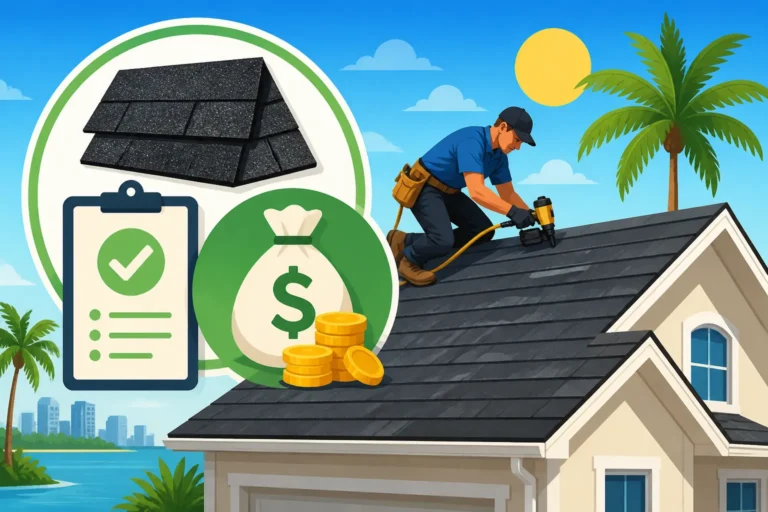
If you own a split-level home, you know they come with a unique charm, but when it's time for a new roof, that charm often translates into a more complex, and thus more expensive, project. The intricate architecture of these homes means homeowners often face higher labor and material costs. This guide will meticulously break down the factors that influence the cost to reroof a split-level home, helping you understand every line item in your estimates.
The Unique Challenges of Reroofing a Split-Level Home
Split-level homes are loved for their distinctive, staggered floor plans and often their mid-century modern aesthetic. However, what makes them architecturally interesting also makes their roofing a more involved undertaking. You're not just dealing with one continuous, easy-to-access plane, and that's where the costs start to climb.
Understanding the Multiple Roof Planes and Valleys
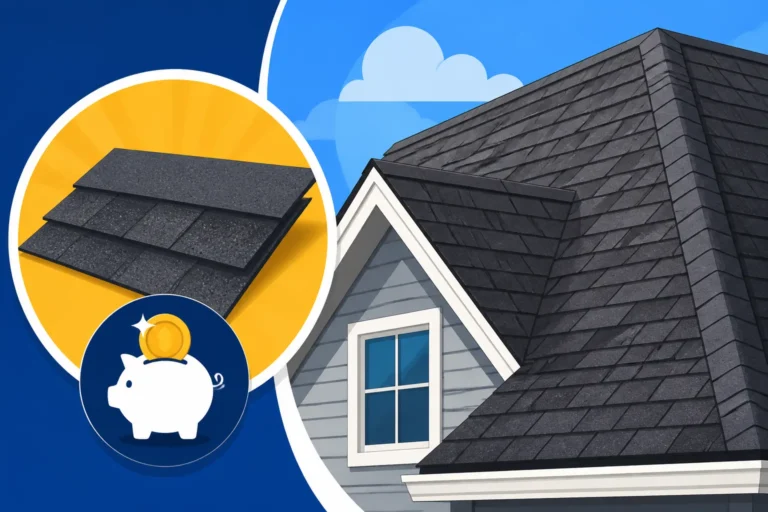
Unlike a simple ranch or colonial home with a relatively straightforward roof, split-level homes feature multiple roof sections at different elevations, connected by complex intersections. Imagine three or four distinct smaller roofs all joining together. Each of these junctions, known as valleys, hips, or wall-to-roof transitions, requires meticulous attention and specialized flashing to ensure watertight seals.
This complexity directly impacts labor. Roofers need to spend more time measuring, cutting shingles, and installing flashing at these critical points. They can't just run long, continuous rows of shingles. Each transition is a potential weak spot if not installed perfectly, demanding higher skill and greater precision from the roofing crew. More cuts also mean more material waste, which, unfortunately, adds to your overall material cost. Think of it like tailoring a complex garment versus a simple sheet – the intricate cuts and seams are more demanding and thus, more expensive.
The Impact of Varied Pitches on Installation
Another defining characteristic of split-level homes is their varied roof pitches. You might have one section that's a gentle slope, easy for roofers to walk on and work, while an adjacent section might be a steep, almost vertical pitch. This dramatically changes the logistics of the job. Steep sections require specialized safety equipment like harnesses, ropes, and often scaffolding, which isn't always needed for a single-story, low-pitch roof. The slower pace of work on steep sections, due to safety precautions and the physical demands on the crew, directly translates into increased labor hours. This is why you often see a higher price reflected in the line item for Steep Roof Cost Premium on your estimate.
Consider a crew working on a relatively flat section versus one clinging to a 8/12 pitch. The latter takes more time, more effort, and carries a higher risk, all of which are factored into the labor bid. Experienced roofers know these challenges well, and they price their services accordingly to cover the additional time, equipment, and insurance risks associated with such projects. This variation in pitch also means more strategic staging of materials and debris removal, as access points might differ for each roof section.
What Drives the Cost of a Split-Level Roof Replacement
When you're trying to figure out the How Much Does an Asphalt Shingle Roof Cost, especially for a unique structure like a split-level, it's easy to feel overwhelmed. Several factors contribute to the final price tag, and understanding them can help you make informed decisions.
The Size and Complexity of Your Roofline
It's not just the literal square footage of your house that matters; it's the total surface area of your roof, measured in "squares" (a roofing square is 100 square feet). For a split-level, even if your house is, say, 1,800 square feet, the actual roof surface area can be significantly larger due to the multiple planes, hips, valleys, and dormers. Each of these architectural features adds to the total "effective" area that needs to be covered and, more importantly, adds to the complexity of installation.
Think about it: a simple gable roof might have only two large planes, making it efficient to install shingles. A split-level, however, can have half a dozen or more smaller planes, each requiring careful measurement and shingle cuts. These intricate cuts and transitions mean more material waste and considerably more time spent by the roofing crew. This is a crucial element of What Drives Asphalt Roofing Costs Up or Down on a split-level. When you're comparing bids, always look at the number of squares quoted, not just the square footage of your home. You'll likely find that your split-level's roof has a higher Roof Cost Per Square: What You'll Pay than a simpler home.
Material Choices and Their Price Tags
The type of asphalt shingle you choose plays a massive role in the overall cost. For split-level homes, homeowners often gravitate towards certain types of shingles that not only offer superior protection but also enhance the distinct architectural style.
- 3-Tab Shingles: These are the most basic and economical option. They offer a flat, uniform look and generally have a shorter lifespan (15-20 years) and lower wind resistance compared to other options. While they save money upfront, they might not be the best long-term choice for homes in areas prone to severe weather, or for homeowners looking to elevate their home's curb appeal. The 3-Tab Shingle Roof Cost is typically the lowest.
- Architectural Shingles (Laminated or Dimensional): These are the most popular choice for homeowners today. They are thicker, heavier, and provide a multi-dimensional look that mimics natural wood shakes or slate, without the high cost. They offer better wind resistance and a longer lifespan (25-30 years or more) than 3-tab shingles. For a split-level, the varied textures and shadow lines of Architectural Shingle Roof Cost can beautifully complement the different roof planes. Brands like GAF Timberline HDZ or Owens Corning Duration are very popular in this category.
- Designer (Luxury) Shingles: These are the premium option, often mimicking the look of real slate or cedar shakes with unparalleled aesthetics and durability. They are the thickest and heaviest, offering the longest warranties and superior protection against the elements. While they come with a significantly higher price tag, they can dramatically boost your home's curb appeal and resale value.
Choosing between these options isn't just about aesthetics; it's about balancing budget, desired lifespan, and local weather conditions. A good contractor, perhaps found through services like Modernize, can help you weigh these options against your home's specific needs and your budget. They can also ensure that the materials chosen are suitable for the varied pitches and complex transitions typical of a split-level design.
Labor Costs and Installation Nuances
Labor is often the largest component of a roofing estimate, and for a split-level home, it's almost always higher due to the inherent complexity. The specialized skills required to navigate multiple roof planes, varying pitches, and numerous valleys and hips demand more time and expertise from the roofing crew.
Consider a multi-story split-level: roofers might need to haul materials to several different roof sections, some of which are only accessible by ladder or specialized equipment. This logistical challenge adds to the overall time spent on the job. Furthermore, the meticulous cutting and fitting of shingles around dormers, skylights, and vent pipes, all common on split-level designs, are labor-intensive tasks. Each valley needs a perfectly installed ice and water shield, followed by carefully cut and sealed shingles or metal flashing to prevent leaks. This intricate work requires experienced professionals, which directly influences your Asphalt Roof Labor Cost Explained. When you use a platform like Modernize to find roofing professionals, you'll be connected with contractors who have experience with these kinds of complex installations, ensuring a quality job, even if it comes with a higher labor component.
Breaking Down the Components of Your Reroofing Estimate
Understanding the various line items in your roofing estimate can feel like deciphering a foreign language. For a split-level home, there are several key components that can significantly impact the overall cost. Let's peel back the layers and see what you should expect.
Tear-Off, Disposal, and Decking Inspections
Before any new shingles go down, the old ones typically need to come off, especially on a split-level where multiple layers might add unnecessary weight and void warranties. The Cost of Roof Tear-Off and Disposal includes the labor to remove existing shingles and underlayment, as well as the fees for disposing of the debris. This can be higher for split-level homes simply because there might be more layers or harder-to-reach sections, making the removal process more labor-intensive. A good contractor will also protect your landscaping and property during this messy phase.
Once the old roof is stripped down to the roof decking (the plywood or OSB sheathing beneath the shingles), a thorough inspection is crucial. This is particularly important for split-levels, where varying pitches and intersections might be more prone to water damage over the years. If the decking is found to be rotted, soft, or damaged by moisture, it will need to be replaced. Roof Decking Replacement Cost will be an additional charge, often billed per sheet. While this is an unexpected expense, addressing it during the reroofing process is far more cost-effective than discovering rot and leaks later.
Critical Underlayment, Flashing, and Ventilation Elements
Beneath your shingles lies a crucial defense system that protects your home from moisture, and for a split-level, these components are even more vital due to the complex roof geometry.
- Underlayment: This protective layer, usually synthetic or felt, is installed over the roof decking before the shingles. It provides an extra barrier against water penetration and helps protect the roof during installation if it rains.
- Ice and Water Shield: In colder climates, or at critical points like valleys, around chimneys, and along eaves, an ice and water shield is essential. This self-adhering membrane offers superior waterproofing, preventing ice dams and heavy rain from seeping into your home. Given the numerous valleys and wall-to-roof intersections on a split-level, you'll likely need more of this material, adding to the Cost of New Flashing and Drip Edge.
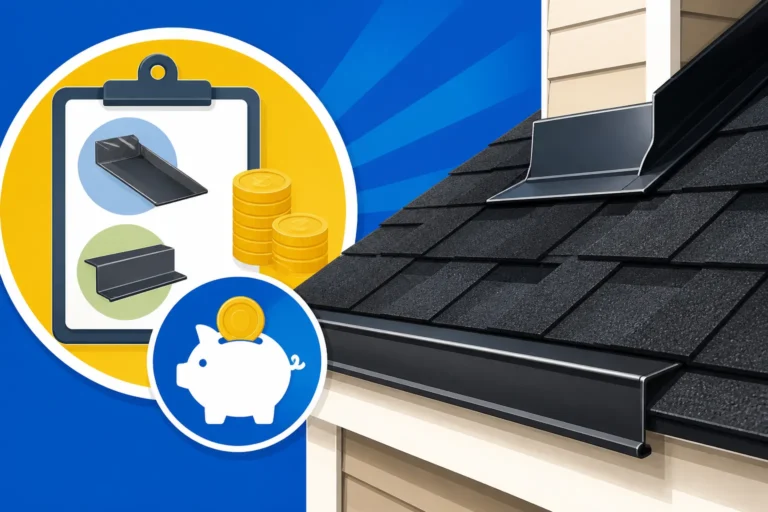
- Flashing: Metal flashing is strategically installed around any penetration or transition point on your roof – chimneys, skylights, vent pipes, and especially in valleys and where a lower roof meets a wall. This is a non-negotiable component for preventing leaks, and the sheer number of these features on a split-level home means a significant amount of flashing will be required. Quality installation here is paramount.
- Ventilation: Proper attic ventilation is critical for extending the life of your roof and improving your home's energy efficiency. Ridge vents are a popular, aesthetically pleasing option that runs along the peaks of your roof, working with soffit vents to create continuous airflow. Given the multiple peaks and varied rooflines of a split-level, strategic placement of ventilation, possibly including the Cost of Ridge Vent Installation or other vent types, is essential. An adequately ventilated attic prevents heat and moisture buildup, which can prematurely age your shingles and lead to mold or mildew.
These elements might not be as visually exciting as the shingles themselves, but they are the unsung heroes of your roofing system, particularly on a complex split-level. Skimping here can lead to costly problems down the line.
Permits, Warranties, and Unexpected Costs
Navigating the administrative side of a roof replacement, especially for a split-level, involves several important steps that contribute to the overall project cost and ensure its legitimacy and longevity.
First, roofing permits are almost always required for a full roof replacement. The specific requirements and costs vary significantly by municipality, but obtaining one ensures that your new roof meets local building codes and standards. The contractor should handle pulling the permit, and its cost will be included in your estimate. If a contractor tries to bypass this, it's a major red flag, potentially leading to issues with inspections, insurance claims, or even resale of your home. You can learn more about Do You Need a Permit to Replace a Roof for your area.
Next, warranties are crucial for peace of mind. You'll typically get two types: a manufacturer's warranty on the shingles and a workmanship warranty from your contractor. For a complex split-level roof, a comprehensive warranty that covers both material defects and installation errors is invaluable. Many manufacturers, like GAF or Owens Corning, offer enhanced warranties when their entire roofing system (shingles, underlayment, flashing, ventilation) is installed by a certified contractor. These extended warranties can offer better protection for 25-50 years, often transferable to a new homeowner.
Finally, while a good contractor aims for transparent pricing, unexpected costs can sometimes arise. Discovering extensive rotten decking, unforeseen structural issues, or even changes to local codes during the project can add to the bill. This is where a contingency fund or a clear understanding with your contractor about how such surprises will be handled is essential. A detailed contract that outlines Hidden Costs in a Roof Replacement scenarios is a must-have. Always ensure your contract covers exactly what happens if additional work is needed.
Navigating the Estimation Process for a Split-Level Home
Getting a new roof for a split-level home is a significant investment, and the estimation process can feel daunting. With their unique architectural features, it's even more crucial to approach estimates with a discerning eye. The goal is not just to find the cheapest option, but to find the best value, quality, and expertise for your specific home.
Why Multiple Bids are Non-Negotiable
For a complex structure like a split-level, getting multiple bids is absolutely paramount. No two contractors will approach your specific roof challenges in exactly the same way, nor will they necessarily quote the same price for the same scope of work. What one contractor might see as a standard procedure, another might identify as requiring specialized equipment or more time, impacting their How Much Does an Asphalt Shingle Roof Cost figure.
By securing at least three to four detailed estimates, you gain several advantages:
- Price Comparison: You can immediately see the general range of costs for your project. If one bid is significantly lower than all others, it's a major Roofing Contractor Red Flags to Avoid. It might indicate corners being cut, inferior materials, or missing crucial elements like permits and proper insurance. Conversely, an outlier high bid might indicate a contractor who doesn't specialize in your type of home or is simply overpriced.
- Scope of Work Comparison: This is where the real value lies for a split-level. Do all contractors include the same amount of ice and water shield in the valleys? Are they all addressing potential ventilation issues unique to multiple roof planes? Do they detail the flashing requirements around every chimney and wall? Comparing these specifics ensures you're getting a complete and apples-to-apples comparison.
- Contractor Communication and Expertise: The estimation process is also your chance to vet potential contractors. How quickly do they respond? How thoroughly do they inspect your roof? Do they answer your questions clearly and confidently, demonstrating experience with split-level homes? A contractor who takes the time to explain the intricacies of your roof and their proposed solution is likely a more reputable choice. Platforms like Modernize can be incredibly helpful here, connecting you with multiple local contractors who are pre-vetted and experienced, streamlining the process of gathering these bids.
What to Look For in a Comprehensive Estimate
Once you have your multiple bids, the real work of comparing them begins. A truly comprehensive estimate for a split-level roof replacement should leave very little to guesswork. It should be a detailed blueprint of the entire project, not just a single price. Here’s what to scrutinize:
- Detailed Material Breakdown: The estimate should specify the type, brand, and color of shingles (e.g., GAF Timberline HDZ in Charcoal), the type of underlayment, and the materials used for flashing and ventilation. It should also state the quantity of materials in "squares" or linear feet. This transparency is crucial for understanding How Much Do GAF Shingles Cost or whatever brand you choose.
- Labor Costs Itemization: While it might not be a per-hour breakdown, there should be a clear cost associated with labor for tear-off, installation, and cleanup. For split-level homes, look for any line items that specifically address the complexity, such as a "steep pitch premium" or "complex roofline labor."
- Permit and Inspection Fees: These should be clearly listed, and the contractor should confirm they will handle the permitting process.
- Cleanup and Disposal: Ensure the estimate includes the cost for daily cleanup and complete debris removal from your property. This is especially important for split-levels, which can generate a lot of waste due to extensive cutting.
- Warranty Information: The estimate should outline the manufacturer's warranty and the contractor's workmanship warranty. Make sure you understand the terms, duration, and what specifically is covered.
- Payment Schedule: A reputable contractor will have a clear payment schedule, usually with a reasonable upfront deposit and subsequent payments tied to project milestones. Be wary of contractors demanding full payment upfront. You can also explore Roof Financing Options Explained with your chosen contractor if needed.
- Proof of Insurance and Licensing: While not directly a cost on the estimate, reputable contractors will provide proof of general liability insurance and workers' compensation. This protects you from liability if an accident occurs on your property.
When you're reviewing estimates, don't hesitate to ask questions. If something isn't clear, get clarification in writing. Understanding How to Read and Compare Roofing Estimates thoroughly means you're empowered to make the best decision for your split-level home.
Here's a quick comparison of common factors that drive up split-level roofing costs:
| Cost Factor | Description | Impact on Split-Level Roofs |
|---|---|---|
| Roof Complexity (Labor) | Number of planes, valleys, hips, dormers, and transitions. | Significantly higher labor due to intricate cuts and flashing. |
| Roof Pitch Variation | Presence of both low-slope and steep-pitch sections. | Increased labor, specialized safety equipment (scaffolding), slower work pace. |
| Material Waste | More shingle cuts around complex features. | Higher material ordering, more disposal fees. |
| Accessibility | Multiple stories, hard-to-reach sections, landscape obstacles. | Increased labor time for material transport and debris removal. |
| Flashing Requirements | Numerous penetrations (chimneys, vents, skylights) and wall-to-roof lines. | Higher material and labor costs for meticulous waterproofing. |
| Ventilation Needs | Multiple attic spaces or complex roof designs. | May require more extensive or specialized ventilation solutions. |
| Tear-Off & Disposal | Removing old shingles from multiple, potentially steep sections. | More labor-intensive and potentially higher disposal costs. |
Disclaimer
Please remember that all cost estimates and advice provided in this article are for informational purposes only. Actual costs can vary significantly based on your specific location, the chosen materials, the complexity of your roof, local labor rates, and the individual contractor. Always obtain multiple detailed quotes from licensed and insured roofing professionals before making any decisions.