Class 4 Shingle Cost Per Square
The thought of replacing your roof can feel overwhelming, especially when you start diving into the specifics like Class 4 shingles and trying to figure out the cost per square. It's a common struggle for homeowners to get clear, consistent pricing, and understanding what truly goes into that number can feel like a guessing game. This guide is here to demystify the cost of Class 4 impact-resistant asphalt shingles, breaking down what you can expect to pay for materials and installation, so you can budget with confidence.
Understanding Class 4 Impact-Resistant Shingles
Before we talk numbers, let's get on the same page about what Class 4 impact-resistant shingles actually are. These aren't just your run-of-the-mill asphalt shingles; they're engineered to offer superior protection against one of roofing's most formidable foes: hail.
What Makes a Shingle Class 4?
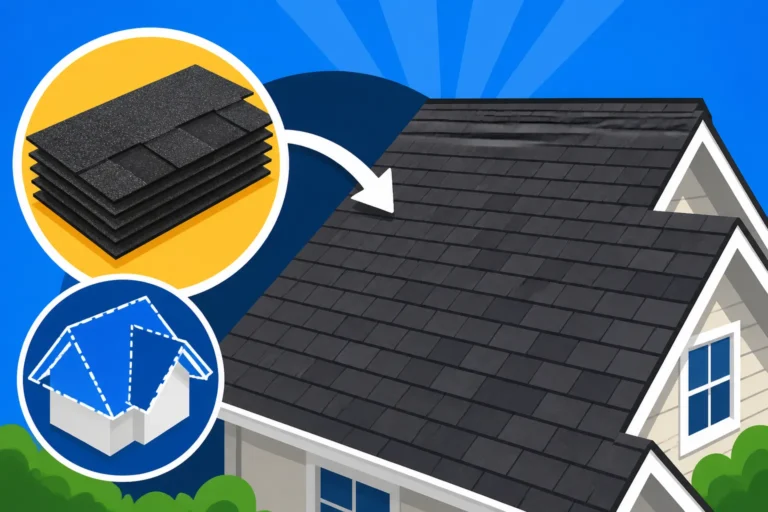
The "Class 4" designation comes from a rigorous test developed by Underwriters Laboratories (UL), specifically the UL 2218 Impact Resistance Test. During this test, a steel ball is dropped from varying heights onto a shingle to simulate hail impacts. To achieve a Class 4 rating, a shingle must withstand the impact of a 2-inch steel ball dropped from 20 feet twice in the same spot without cracking.
This isn't just a marketing gimmick; it signifies a significant leap in durability. What gives these shingles their incredible strength? It often comes down to their advanced composition. Many Class 4 shingles are made with SBS (Styrene-Butadiene-Styrene) polymer modified asphalt. This rubber-like additive makes the shingle more flexible and resilient, allowing it to absorb impact energy rather than cracking or fracturing. They often feature a thicker, heavier mat compared to standard shingles, providing an extra layer of defense. In contrast, a typical asphalt shingle might show significant damage or even crack under far less stress, leading to potential leaks and the need for premature repairs or even a full roof replacement. For homeowners in hail-prone regions like Colorado, Texas, Oklahoma, and parts of the Midwest, understanding this difference is paramount.
Benefits Beyond Impact Resistance
While hail protection is the star of the show for Class 4 shingles, their benefits extend far beyond just resisting dents and cracks. Opting for these advanced shingles brings a host of advantages that can save you money and headaches in the long run.
Firstly, their inherent durability means a longer lifespan for your roof. The same robust construction that fends off hail also helps them stand up better to other harsh weather conditions, including high winds and extreme temperature fluctuations. This increased resilience means you're less likely to see common issues that plague standard shingles, contributing to what makes shingles fail early. You can expect your roof to maintain its integrity and aesthetic appeal for many years, often extending the overall service life of your asphalt roof.
Perhaps one of the most compelling reasons homeowners choose Class 4 shingles is the potential for insurance premium discounts. Many insurance carriers, especially in areas frequently affected by severe weather, offer incentives for installing impact-resistant roofing. Because these roofs are less likely to be damaged by hail, they reduce the insurer's risk, and that saving can be passed on to you. It's always a good idea to check with your insurance provider to understand specific discounts in your area. This potential for savings directly addresses the question of whether Do Class 4 Shingles Lower Insurance Premiums. Beyond the practical benefits, Class 4 shingles are almost always architectural or designer styles, which inherently offer enhanced curb appeal compared to basic 3-tab shingles, often mimicking the look of wood shakes or natural slate.
Factors Influencing Class 4 Shingle Material Cost Per Square
When you're looking at the cost per square for Class 4 shingles, it's not a single, fixed number. Many variables come into play, even when you're just talking about the materials themselves. Understanding these can help you better interpret quotes and make informed decisions.
Shingle Manufacturer and Brand
Just like with cars or appliances, different manufacturers offer their own lines of Class 4 impact-resistant shingles, and their pricing can vary significantly. Premium brands often invest more in research and development, proprietary technologies, and robust warranty programs, all of which contribute to a higher price point.
For instance, you'll find Class 4 options from major players like GAF, Owens Corning, CertainTeed, Malarkey, and Atlas. Each brand has its flagship products and specific technologies. GAF offers their Timberline AS II or Grand Sequoia AS shingles, while Owens Corning features the Duration FLEX™ and TruDefinition® Duration STORM® lines. CertainTeed boasts its NorthGate ClimateFlex® and Presidential Shake® Impact Resistant shingles, and Malarkey is well-regarded for its Legacy® and Vista® series shingles, which often utilize rubberized asphalt for superior flexibility. These premium offerings from established manufacturers generally command higher prices but also come with strong reputations for performance and reliability. It's not uncommon for a square of CertainTeed NorthGate ClimateFlex to have a different material cost than a square of Malarkey Legacy XL, even though both are Class 4 rated.
Shingle Style and Aesthetics
The aesthetic design of your Class 4 shingle also plays a significant role in its material cost per square. While 3-tab shingles are the most basic and typically the least expensive, true Class 4 impact resistance is rarely found in this traditional style. The vast majority of Class 4 shingles fall into the architectural (also known as dimensional) or designer (luxury) categories.
Architectural shingles, with their multi-layered, dimensional look, are far more common for Class 4 applications. They provide a more robust appearance and better wind resistance, naturally lending themselves to the impact-resistant modifications. These are more expensive than 3-tab but offer a great balance of aesthetics and performance. Designer or luxury shingles take it a step further, often mimicking the high-end look of natural slate or cedar shakes with greater depth and texture. These are the most premium options and, consequently, carry the highest material cost per square. The intricate design and heavier construction required for luxury shingles contribute to their elevated price tag. Even within architectural styles, special color blends or "cool roof" technologies designed to reflect sunlight can add a slight premium.
Material Composition and Technology
The specific materials and manufacturing technologies employed by a shingle contribute directly to its Class 4 rating and, by extension, its cost. We've already touched on SBS polymer modified asphalt, which is a significant factor. Shingles incorporating this rubberized asphalt are inherently more expensive to produce than those made with standard oxidized asphalt. The SBS modifier makes the shingle more pliable and less prone to cracking upon impact or during extreme temperature changes.
Beyond SBS, manufacturers use various proprietary blends and construction methods. Some may include a robust fiberglass mat for added stability, while others might feature advanced granule adhesion technology to minimize granule loss – a common sign of a failing roof. The weight and thickness of the shingle are also indicators of material quantity and durability; heavier shingles generally mean more material and often a higher price point per square. For example, a heavy, premium designer Class 4 shingle that weighs significantly more per square will naturally cost more than a lighter, more basic architectural Class 4 option. This investment in advanced materials and manufacturing processes is what delivers the superior performance that justifies the Class 4 designation.
Regional Market Variations and Supply Chain
Just like pretty much everything else, the cost of Class 4 shingles can fluctuate based on where you live. Regional market variations are a real factor, driven by local demand, transportation costs, and the availability of specific products. If you're in a hail-prone state where Class 4 shingles are in high demand, suppliers might have larger inventories, potentially leading to more competitive pricing due to volume. Conversely, if these shingles need to be shipped long distances to a less frequently impacted area, those transportation costs will get factored into the price you pay.
Supply chain dynamics also play a role. Global events, raw material prices (like asphalt and fiberglass), and even fuel costs for shipping can all impact the ultimate price tag. We've certainly seen how roofing cost increases can ripple through the industry over the past few years. A roofing supplier in Dallas, Texas, a city known for its hailstorms, might have different pricing and availability for CertainTeed NorthGate shingles compared to a supplier in, say, Portland, Oregon, where hail is less of a concern. This is why getting local quotes is so vital.
Average Class 4 Shingle Material Cost Per Square (Materials Only)
When budgeting for a Class 4 impact-resistant roof, it's essential to understand that the "cost per square" often refers only to the shingles themselves, not the labor or other roofing components. This material-only figure is your starting point.
Generally, homeowners can expect the material cost for Class 4 asphalt shingles to range anywhere from $120 to $250 per square.
Let's break that down a bit:
- Entry-Level Architectural Class 4: On the lower end, you might find more basic architectural Class 4 shingles, perhaps from brands with slightly less extensive warranty offerings or simpler aesthetic profiles. These could run you closer to $120-$160 per square.
- Mid-Range Architectural Class 4: The sweet spot for many homeowners, offering a good balance of durability, aesthetics, and value. These often feature SBS modification and come from well-known brands. Expect to pay around $160-$200 per square for these materials.
- Premium Designer/Luxury Class 4: These are the heaviest, most aesthetically sophisticated Class 4 shingles, often mimicking slate or wood shakes with exceptional depth and texture. For these top-tier materials, the cost can easily push past $200 and even up to $250+ per square.
Keep in mind that a "square" in roofing terms is 100 square feet. So, if your roof is 2,000 square feet, you'd need 20 squares of shingles.
Here's a simplified table to give you a clearer picture of typical material costs, keeping in mind these are national averages and can fluctuate based on the factors we've already discussed:
| Class 4 Shingle Type | Material Cost Per Square (100 sq ft) | Key Features & Examples |
|---|---|---|
| Basic Architectural | $120 – $160 | Entry-level impact resistance, often with a standard asphalt base and a basic architectural profile. Less common, but available. |
| Standard Architectural | $160 – $200 | Most common Class 4 option, often SBS modified, good balance of durability and aesthetics. e.g., Owens Corning Duration STORM®, GAF Timberline AS II, Malarkey Vista®. |
| Premium Designer/Luxury | $200 – $250+ | Heaviest, most robust, multi-layered design mimicking natural materials, superior warranties. e.g., CertainTeed Presidential Shake® Impact Resistant, Malarkey Legacy® XL, GAF Grand Sequoia AS. |
Remember, this table is solely for the cost of the shingles themselves. It doesn't include the underlayment, starter shingles, hip and ridge caps, flashing, or, crucially, the labor to install them. This is why it's so important to get a comprehensive understanding of Asphalt Roof Replacement Cost: Complete Breakdown rather than just focusing on the shingle cost.
Total Installed Cost of Class 4 Shingles Per Square
Understanding the material cost per square for Class 4 shingles is a critical first step, but it’s only one piece of the puzzle. The true cost to you, the homeowner, is the total installed cost, which includes not just the shingles, but every component of the roofing system, labor, and project overhead. This holistic figure can range significantly, but generally, expect to pay between $450 and $800 per square installed for a Class 4 asphalt shingle roof.
Breaking Down the Components of Installation Cost
When you receive an estimate from a reputable roofing contractor, you'll see charges beyond just the shingles. These additional components are essential for a properly functioning and warrantied roof.
- Labor Costs: This is often the largest portion of the installation cost. Regional labor rates for roofing vary widely, influenced by the cost of living, local demand, and the availability of skilled workers. On average, roofers charge per hour between $45 and $75, but this figure is usually rolled into a per-square or per-project bid rather than itemized. The complexity of your roof (more on that in a moment) directly impacts the labor hours required. For a comprehensive look, explore How Much Roofers Charge Per Hour.
- Roofing Components: A roof is more than just shingles. It includes:
- Underlayment: A protective layer beneath the shingles. Synthetic underlayment, often preferred for its durability, adds to the cost.
- Starter Shingles: Specially designed shingles installed along the eaves to protect against wind uplift and water infiltration.
- Hip and Ridge Cap Shingles: These specialized shingles cover the peaks and hips of your roof, providing a finished look and crucial protection.
- Flashing: Metal (or sometimes synthetic) pieces installed around chimneys, skylights, vents, and wall intersections to prevent leaks. The cost of new flashing and drip edge is a non-negotiable expense for a quality installation.
- Ventilation: Proper attic ventilation, often including ridge vents, soffit vents, and sometimes static or powered vents, is vital for prolonging your roof's life and ensuring attic health. The cost of ridge vent installation is usually included.
- Ice and Water Shield: A membrane installed in vulnerable areas like eaves, valleys, and around penetrations to provide extra leak protection, especially in cold climates.
- Tear-Off and Disposal: If you're replacing an existing roof, the old shingles need to be removed and disposed of. The cost of roof tear-off and disposal varies based on the number of layers (you might have two or even three layers of old shingles, which increases the weight and disposal fees) and local landfill costs.
- Roof Decking Inspection and Replacement: While not always necessary, if your roof decking (the plywood or OSB sheathing beneath the underlayment) is found to be rotted, damaged, or insufficient, it will need to be replaced. This adds to the Roof Decking Replacement Cost and impacts the overall project.
These individual component costs, when added to the shingle materials and labor, create the total per-square installed price. The relationship between Roofing Material Cost vs Labor Cost is dynamic, but labor generally accounts for 40-60% of the total project.
Project Complexity and Roof Features
Beyond the basic materials and labor, the specific characteristics of your home's roof can significantly influence the total installed cost per square. No two roofs are exactly alike, and their unique features can drive up the price.
- Roof Pitch (Steepness): A steeper roof is inherently more difficult and dangerous to work on. Roofers need specialized equipment, more safety measures, and the work simply takes longer. This translates to a Steep Roof Cost Premium, which can add 10-30% or more to the labor costs per square. A low-slope roof, conversely, might be less expensive to install.
- Number of Stories: Homes with multiple stories (especially two-story or three-story homes) also present challenges for roofers. Hauling materials and debris up and down, setting up scaffolding, and ensuring safety all add to the labor and equipment costs. You'll often see a Multi-Story Roof Cost Premium reflected in quotes for taller homes.
- Roof Design Complexity: A simple, rectangular gable roof is the cheapest and easiest to re-roof. However, if your roof features multiple valleys, dormers, skylights, chimneys, or intricate angles, the complexity increases substantially. Each of these penetrations or breaks in the roofline requires meticulous flashing work and careful shingle cutting, adding to both material waste and labor time. This level of detail ensures proper waterproofing but certainly comes at an added cost per square.
- Accessibility: If your home is difficult to access, perhaps due to tight landscaping, fencing, or close proximity to other buildings, it can slow down the crew and increase costs for material delivery and debris removal.
A skilled contractor will factor all these elements into their initial bid, ensuring that the "per square" pricing they provide is comprehensive.
The Full Picture: Material + Labor + Other Costs
So, while the material cost for Class 4 shingles might be $120-$250 per square, the total installed cost will encompass all the elements discussed above. For an average asphalt roof replacement cost, including Class 4 shingles, you're likely looking at $450 to $800 per square.
Let's imagine a 2,000 square foot roof (20 squares).
- Lower end for Class 4 (basic architectural): $450/square * 20 squares = $9,000
- Mid-range Class 4 (standard architectural): $600/square * 20 squares = $12,000
- Higher end for Class 4 (premium designer/complex roof): $800/square * 20 squares = $16,000
These figures are generalized estimates and can vary significantly based on your specific location, the contractor you choose, and the exact shingles and system components selected. It's vital to remember that a Class 4 shingle alone isn't enough; the entire roofing system, from underlayment to ventilation, must be installed correctly according to manufacturer specifications and local building codes. This not only maximizes the performance benefits of your impact-resistant shingles but is also usually a requirement for the manufacturer's warranty to be valid. You want to ensure How a Complete Roof System Qualifies for Warranty.
Getting Accurate Estimates for Your Class 4 Roof
Navigating roofing estimates can be confusing, but getting accurate and comparable bids is crucial for understanding the true cost of your Class 4 shingle roof. This isn't a purchase you want to rush.
Importance of Multiple Bids
The single best piece of advice any veteran homeowner can give you is to get at least three to four detailed quotes from different reputable roofing contractors. Why so many? Because pricing can vary, and contractors may have different preferred brands, installation approaches, and overhead structures. One contractor might specialize in a particular brand like Malarkey, while another is a GAF Master Elite Contractor.
When comparing bids, it's absolutely vital to ensure you're comparing "apples to apples." This means that each estimate should clearly outline:
- The specific Class 4 shingle brand, line, and color. Don't just accept "Class 4 shingles" – know if it's Owens Corning Duration STORM or CertainTeed NorthGate.
- The type of underlayment. Is it standard felt or a more advanced synthetic option?
- All accessory components. Does it include new drip edge, ice and water shield, and ventilation?
- Scope of work. Does it include tear-off, disposal, and potential roof decking replacement?
- Warranty information. What kind of workmanship and manufacturer warranties are offered?
Don't hesitate to ask contractors to clarify anything that's unclear in their proposal. Resources like Modernize can be incredibly helpful in connecting you with local, vetted roofing professionals who understand the nuances of Class 4 installations. They can help streamline the process of finding contractors and getting multiple bids. Learning How to Read and Compare Roofing Estimates will empower you to identify discrepancies and make the best choice.
Questions to Ask Your Contractor
When you're speaking with potential roofing contractors, arm yourself with a list of targeted questions. These conversations are your opportunity to gauge their expertise, professionalism, and commitment to a quality Class 4 installation.
Here are some essential questions:
- "Can you provide proof of your Class 4 shingle certification and explain the specific product lines you recommend for my home?" This ensures they're knowledgeable about the materials and can help you select the best fit.
- "What manufacturer certifications do you hold (e.g., GAF Master Elite, Owens Corning Platinum Preferred, CertainTeed SELECT ShingleMaster)?" Manufacturer-certified roofers explained is a big deal because these certifications often unlock extended warranties and signify a contractor's commitment to high installation standards set by the shingle producer.
- "Do you have experience installing Class 4 shingles specifically in my area, and can you provide references from local homeowners?" Local experience is crucial, especially regarding regional building codes and common weather challenges.
- "Will you handle the necessary permits for the roof replacement?" Most roof replacements require permits, and a professional contractor should always take care of this.
- "Can you detail all the components of the roofing system you plan to install, beyond just the shingles?" This ensures you're getting a complete, high-performance system, not just shingles slapped on.
- "What are the payment terms, and what kind of warranty do you offer on your workmanship?" Understand the financial commitment and what protections you have after the job is done.
- "What measures will you take to protect my property during the installation, and how will debris be managed?" This shows their attention to detail and respect for your home.
- "Can you explain the potential insurance premium discounts I might qualify for with this Class 4 roof, and will you provide documentation for my insurer?" A good contractor will be familiar with this benefit and help you capitalize on it.
Asking these questions will not only help you find a reputable contractor but also give you a clearer picture of the total cost and value of your Class 4 roofing project. For more general advice, consult a guide on How to Choose a Roofing Contractor.
Is an Impact-Resistant Roof Worth the Investment?
When you see the higher per-square cost of Class 4 shingles compared to standard architectural shingles, it's natural to wonder: is it truly worth the extra investment? For many homeowners, especially in certain regions, the answer is a resounding yes.
Long-Term Savings and Protection
The primary draw of Class 4 impact-resistant shingles is, of course, their superior protection against hail damage. If you live in an area prone to hailstorms, the long-term savings can be substantial. A standard asphalt roof can be severely damaged by even moderate hail, leading to costly repairs or even a full roof replacement claim. Each claim can affect your insurance premiums or even your ability to renew your policy. By installing Class 4 shingles, you dramatically reduce the likelihood of needing these repairs. This translates directly into fewer out-of-pocket expenses and less hassle with insurance claims over the lifespan of your roof.
Beyond avoiding direct hail damage, the enhanced durability of Class 4 shingles means your roof is built to last longer. They tend to resist cracking, blistering, and granule loss better than conventional shingles, which are common signs of a failing roof that shorten its lifespan. This means your roof will likely remain in excellent condition for more years, extending How Long Does an Asphalt Roof Last and pushing back the timeline for your next major roofing expense. The peace of mind that comes with knowing your home is better protected is, for many, invaluable.
Considering Your Local Climate
The economic justification for a Class 4 roof largely hinges on your geographic location and local climate patterns.
- Hail-Prone Regions: If you reside in a "Hail Alley" state like Texas, Oklahoma, Colorado, Kansas, or Nebraska, or other regions that regularly experience severe hailstorms, the return on investment (ROI) for Class 4 shingles is often compelling. The upfront cost premium can be quickly offset by potential insurance premium reductions and, more importantly, by avoiding expensive deductibles and the inconvenience of repairs after multiple hail events. Your insurance company might even mandate or strongly recommend impact-resistant shingles in these areas.
- Areas with Infrequent Hail: If your home is in a region where significant hail is a rare occurrence, the immediate financial incentive for insurance premium reductions might be less pronounced, or even non-existent. In such cases, the decision might lean more towards the general enhanced durability and extended lifespan, which are still valuable benefits, but the payback period for the initial investment might be longer. However, even in areas with less frequent hail, unpredictable weather patterns are becoming more common, making the added protection a wise proactive choice for many homeowners.
Ultimately, a Class 4 impact-resistant roof is an investment in your home's long-term protection and value. While the cost per square is higher initially, the potential for significant savings on repairs, insurance premiums, and the extended lifespan of your roof often makes it a smart choice, especially if you live in an area exposed to severe weather.
Disclaimer
Please remember that the information provided in this article, including cost estimates, is intended for general guidance only. Roofing costs can fluctuate widely due to market conditions, material availability, labor rates, and specific project requirements. Always obtain multiple detailed quotes from qualified local professionals before making any decisions about your roofing project. Consult with your insurance provider to confirm potential discounts for impact-resistant roofing in your area.