Asphalt Roof Replacement Cost in Florida
It can feel daunting when your roof starts showing its age, especially here in Florida where our homes battle relentless sun, torrential downpours, and the ever-present threat of hurricanes. The thought of an asphalt roof replacement can bring on a wave of anxiety, mainly because of the unknown costs involved. This guide is here to demystify the expenses, helping you understand what goes into pricing a new asphalt roof in the Sunshine State, so you can plan effectively and make informed decisions.
Why Florida Roof Replacement Costs Are Unique
Replacing a roof in Florida isn't quite the same as in many other states. Our unique climate and regulatory environment mean that certain factors drive up costs and necessitate specific approaches that homeowners elsewhere might not encounter. It’s not just about aesthetics; it’s about serious protection.
The Impact of Severe Weather
Let's be real: Florida weather doesn't mess around. We experience some of the most intense conditions in the country, from scorching summer sun that bakes shingles day after day to sudden, violent thunderstorms that dump inches of rain in minutes. And, of course, there's hurricane season, which brings high winds and extreme moisture, putting immense stress on roofing systems.
This isn't just an inconvenience; it's a critical factor in roof replacement costs. The constant exposure to UV radiation from the sun accelerates the aging process of asphalt shingles, leading to granule loss and brittleness much faster than in cooler climates. Heavy rains can test every seam and flashing, while strong winds, especially from tropical storms or hurricanes, can lift and tear off shingles, compromise flashing, and even damage the underlying roof deck. Because of this, Florida homes often require roofing materials and installation methods that are specifically designed to withstand these harsh conditions. This includes higher-grade asphalt shingles with better wind resistance ratings, advanced underlayment systems, and often more robust fastening techniques. It’s not just about preventing leaks; it’s about keeping your entire home intact during a serious weather event.
Navigating Insurance and Building Codes
Another significant aspect of roofing in Florida is the intricate web of building codes and insurance requirements. Following Hurricane Andrew in 1992, Florida dramatically overhauled its building codes, making them some of the strictest in the nation, particularly concerning wind resistance. These codes dictate everything from the type of underlayment required to the nailing patterns for shingles and the installation of secondary water barriers. For instance, many areas require specific High-Wind Roofing Code Requirements in Florida to ensure roofs can withstand hurricane-force winds.
Meeting these stringent requirements often means higher material and labor costs compared to states with less demanding codes. However, these investments pay off in enhanced durability and, importantly, potential insurance savings. Homeowners who install roofs that meet or exceed certain wind mitigation standards can qualify for discounts on their insurance premiums. This often means opting for impact-resistant shingles or upgrading to a full roofing system that includes advanced underlayment and proper ventilation. You'll often hear discussions about Impact-Resistant Roofing Requirements in Florida and how they influence both upfront costs and long-term insurance savings. Understanding these nuances is crucial for any Florida homeowner considering a roof replacement. It’s not just about getting a new roof; it’s about getting a Florida-appropriate roof.
Breaking Down the Average Asphalt Roof Replacement Cost in Florida
When you're looking at replacing your asphalt roof in Florida, you're not just paying for shingles. There are several components that contribute to the final price tag, each influenced by our state's unique environment and regulations. Understanding these breakdowns can help you make sense of the quotes you receive.
Material Costs: Shingles Built for the Sunshine State
The type of asphalt shingle you choose will be a major driver of your overall cost. In Florida, simply picking the cheapest option might not be the wisest long-term decision. Our climate demands more robust materials.
- 3-Tab Shingles: These are the most basic and economical option. While they are lighter and less durable, they still meet minimum code requirements in some areas. However, their lower wind resistance often makes them less suitable for the high-wind zones common across Florida. You might pay less upfront, but you could face more repairs or an earlier replacement down the line.
- Architectural (Dimensional) Shingles: These are by far the most popular choice in Florida. They are thicker, heavier, and provide a multi-dimensional look that mimics natural wood shakes. Crucially, they offer superior wind resistance (often rated for 110-130 mph winds) and better granule adhesion, making them much more durable against Florida's intense sun and storms. Brands like GAF (e.g., GAF Timberline HDZ), Owens Corning (e.g., Owens Corning Duration), and CertainTeed (e.g., CertainTeed Landmark Pro) offer excellent architectural options designed for longevity. These often come with advanced features like wider nailing zones and enhanced sealant strips for better wind uplift resistance.
- Designer (Luxury) Shingles: These are the premium end of asphalt shingles, offering the highest level of durability, wind resistance, and aesthetic appeal. They are often much thicker, provide a more dramatic look, and can mimic slate or cedar shakes very convincingly. Many designer shingles also come with enhanced impact resistance, which can be a significant advantage in hail-prone areas of Florida and may even qualify you for further insurance discounts.
Beyond the shingle itself, you might also consider "cool roof" shingles. These are designed with reflective granules to reduce heat absorption, which can help lower attic temperatures and potentially reduce your cooling costs – a huge plus in Florida’s heat. While they might have a higher upfront cost, the energy savings over time can be substantial. When you're gathering quotes, especially through a service like Modernize, make sure to ask about the specific types of shingles they recommend for Florida's climate and how different options compare in terms of durability and warranty.
Here's a general idea of asphalt shingle material costs per square (100 square feet) in Florida, keeping in mind these are estimates and can fluctuate:
| Shingle Type | Estimated Material Cost Per Square (FL) | Key Feature for Florida |
|---|---|---|
| 3-Tab | $70 – $120 | Basic, Entry-Level |
| Architectural/Dimensional | $100 – $200 | Popular, Wind Resistant |
| Designer/Luxury | $250 – $400+ | Premium, Highly Durable |
| Cool Roof Shingles | $150 – $350 | Energy-Efficient, Reflective |
It's important to remember that these are just material costs. The total cost of How Much Does an Asphalt Shingle Roof Cost will also include labor, disposal, and other necessary components.
Labor Costs: Expertise for Hurricane Zones
Labor is another significant component of your asphalt roof replacement cost in Florida, and it tends to be higher here for several valid reasons. Firstly, the demand for skilled roofing professionals is consistently high, especially after major storm events. When a hurricane rolls through, thousands of homes need repairs or replacements, driving up labor rates due to sheer volume and urgency.
Secondly, installing a roof in Florida isn't just about putting shingles on a deck. It requires specialized knowledge and adherence to the state's rigorous building codes. Contractors need to be proficient in installing specific wind mitigation measures, such as enhanced nailing patterns, sealed roof decks, and proper flashing, all designed to protect against severe weather. This isn't beginner-level work; it demands experienced, often manufacturer-certified professionals who understand the nuances of Florida's climate and regulations. This expertise comes at a price. Generally, How Much Roofers Charge Per Hour in Florida can be higher than the national average, reflecting the specialized skills and the risks involved with working in a demanding climate.
Lastly, reputable roofers in Florida must carry substantial insurance – including liability and workers' compensation – to protect both their crews and you, the homeowner, in case of an accident. Given the inherent dangers of roofing work, and the potential for severe weather impacts, these insurance costs are higher, and those are naturally factored into their labor rates. It's why ensuring you hire a Licensed and Insured Roofers: Why It Matters is not just a recommendation but a necessity.
Other Essential Components and Hidden Costs
A new roof is a system, not just a layer of shingles. In Florida, several other components are absolutely crucial for your roof's performance and code compliance, and these add to the overall cost. Ignoring them would be a mistake, especially with our weather.
- Roof Tear-Off and Disposal: Almost every asphalt roof replacement in Florida involves a complete tear-off of the old roof down to the decking. This is because current building codes typically prohibit roofing over existing shingles, especially after hurricane seasons where old roofs may have hidden damage. The Cost of Roof Tear-Off and Disposal includes the labor to remove the old materials and the fees for hauling them away and disposing of them properly, which can be significant depending on the number of layers and the weight.
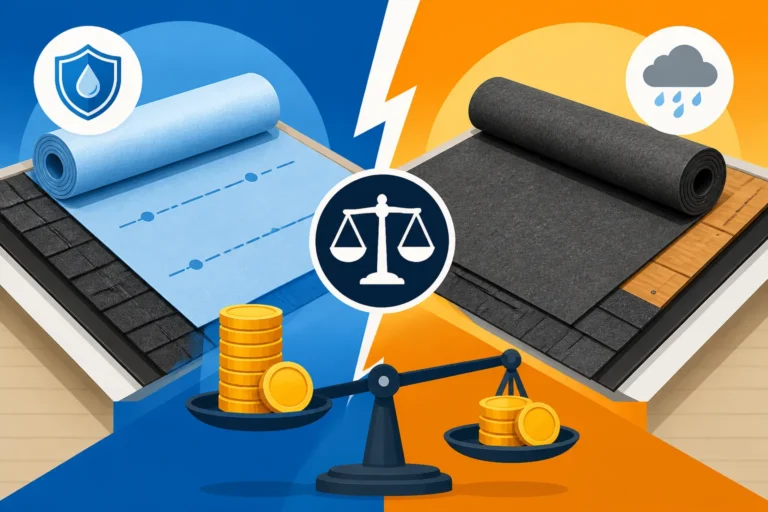
- Underlayment: This protective layer goes directly over your roof deck before the shingles are installed. While felt paper was traditional, synthetic underlayment is now the preferred choice in Florida due to its superior durability, water resistance, and resistance to tearing, especially during high winds. Some areas may require a secondary water barrier, like an Ice and Water Shield Explained, even in our warm climate, to provide an extra layer of protection against wind-driven rain.
- Drip Edge and Flashing: These components are vital for directing water away from your fascia and penetrations. Drip edge is installed along the roof's perimeter to prevent water from running back under the shingles, while various types of flashing (e.g., around chimneys, vents, skylights, and in valleys) create watertight seals where the roof plane is interrupted. Corroded or improperly installed flashing is a common source of leaks, so replacing these with durable materials like galvanized steel or copper is standard practice.
- Ventilation: Proper attic ventilation is critical in Florida to prevent heat and moisture buildup, which can prematurely age your shingles and lead to mold and mildew. Ridge vents, soffit vents, and other attic ventilation systems ensure continuous airflow. Investing in good ventilation isn’t just about comfort; it helps your roof last longer and can contribute to energy efficiency.
- Roof Decking Repair/Replacement: This is one of those potential Hidden Costs in a Roof Replacement that often only becomes clear once the old shingles are removed. If the underlying plywood or OSB roof decking is soft, damaged by water, or doesn't meet current code requirements (e.g., proper nailing patterns), it will need to be repaired or replaced. The Roof Decking Replacement Cost can add hundreds or even thousands to your project, but it's non-negotiable for a safe, sturdy, and code-compliant roof. Always ask your contractor about their process for inspecting the decking and how they'll communicate any necessary repairs.
Factors Influencing Your Specific Florida Roof Cost
While there are averages and typical breakdowns, your specific asphalt roof replacement cost in Florida will depend on several factors unique to your home and situation. No two roofs are exactly alike, especially in a state with such diverse architecture and geography.
Roof Size and Complexity
It might seem obvious, but the larger your roof, the more materials and labor it will require, directly impacting the total cost. However, it's not just about the raw square footage (which is usually measured in "squares," where one square equals 100 square feet). The complexity of your roof's design plays an equally significant role.
A simple, low-pitch gable roof on a ranch home will be much less expensive to replace than a multi-story home with a steep pitch, numerous dormers, valleys, skylights, and chimneys. Each change in roof plane, every penetration (like vent pipes or skylights), and every steep section adds to the labor time and requires more intricate flashing work, specialized equipment for safety, and more cuts and waste of material. For instance, you might find that the Cost to Replace a Roof on a 1,500 sq ft House with a straightforward design is less than a smaller, more complex roof on a two-story home. Roof Pitch and Slope Explained also highlights that steeper roofs inherently cost more due to increased safety measures and the slower pace of work for the crew. A roofing crew can install shingles much faster on a gently sloped roof than on one that requires harnesses and specialized scaffolding.
Geographic Location Within Florida
Just like real estate, roofing costs in Florida are highly dependent on location. The cost of labor, materials, and even disposal fees can vary significantly from one region to another. For example, homeowners in bustling metropolitan areas like Miami-Dade, Broward, or Palm Beach counties, as well as those in the popular Orlando or Tampa Bay areas, often face higher labor rates and permit fees due to a higher cost of living and increased demand.
Coastal areas, particularly those in hurricane-prone zones, might also see elevated costs due to stricter local building codes (requiring even higher-grade materials and installation methods) and potentially higher material transportation costs. Conversely, more rural parts of North Florida or the Panhandle might experience slightly lower labor costs, though they are still subject to statewide building codes. For example, the Asphalt Roof Replacement Cost in Florida will differ significantly if you're in Key West versus Gainesville. Always check with local contractors and your municipal building department for region-specific requirements and pricing.
Contractor Choice and Warranty Options
The roofing contractor you choose is more than just an installer; they're a partner in protecting your home. Their expertise, reputation, and affiliations can significantly impact your cost and the long-term value of your roof. It's tempting to go with the lowest bid, but in Florida, that can often be a costly mistake.
Reputable contractors, especially those who are factory-certified by major shingle manufacturers like GAF, Owens Corning, or CertainTeed, often offer enhanced warranty options that go beyond the standard material warranty. For example, a GAF Master Elite contractor can offer their Golden Pledge Warranty, which covers both materials and the contractor's workmanship for an extended period. These comprehensive warranties provide invaluable peace of mind, especially given Florida's demanding climate. While hiring a certified contractor might mean a slightly higher upfront cost, the added assurance of a strong warranty can save you headaches and expenses down the line. It ensures that if there's a problem with the materials or the installation, you have recourse.
When you're trying to figure out How to Choose a Roofing Contractor, remember that the cheapest isn't always the best. Look for contractors who are transparent about their pricing, provide detailed estimates, and can clearly explain how they comply with Florida's building codes. Don't hesitate to use platforms like Modernize to find reputable, local roofing professionals and get competitive quotes.
Smart Strategies for Managing Your Florida Roof Replacement Budget
Getting a new roof in Florida is a substantial investment, but there are smart ways to approach the process to ensure you get the best value without compromising quality or safety. You don't want to cut corners when it comes to protecting your home in this state.
Get Multiple Detailed Estimates
This cannot be stressed enough: always get at least three, and preferably more, detailed estimates from different roofing contractors. Simply asking for a "quote" isn't enough; you need a comprehensive breakdown. A detailed estimate should itemize everything, from the cost of tear-off and disposal, the type and quantity of shingles, underlayment, flashing, drip edge, and ventilation components, to the labor charges and any permit fees.
Comparing estimates side-by-side allows you to identify discrepancies and ask targeted questions. For instance, if one contractor's estimate for a GAF Timberline HDZ Roof Cost Installed is significantly lower, you need to understand why. Are they using inferior materials for certain components? Are they skipping a necessary step that aligns with Florida's building codes? Perhaps they haven't accounted for potential roof decking replacement. A service like Modernize can be incredibly helpful here, as it can connect you with several pre-vetted local contractors, streamlining the process of gathering these critical bids. This helps you understand not just the price, but the scope of work and the quality of materials being offered. For more tips, check out How to Read and Compare Roofing Estimates.
Explore Financing and Insurance Options
The upfront cost of a full roof replacement can be a significant burden, but you might have avenues to ease the financial pressure.
- Insurance Claims: If your roof damage is due to a sudden event like a hurricane, hail storm, or other covered peril, your homeowners insurance might cover a substantial portion of the replacement cost. It's crucial to understand your policy, including your deductible and whether you have actual cash value (ACV) or replacement cost value (RCV) coverage. In Florida, dealing with insurance claims can be complex, so it's wise to document all damage thoroughly and work with a reputable contractor who has experience assisting homeowners with the claims process. Learn more about Does Insurance Cover Roof Replacement in our detailed guide.
- Financing Options: Many roofing contractors offer various financing plans, sometimes with favorable interest rates, especially for homeowners with good credit. These can include unsecured personal loans, home equity loans, or contractor-specific financing programs. Exploring Roof Financing Options Explained can help you spread the cost over several months or years, making the project more manageable for your budget. Some utility companies or government programs might also offer incentives or financing for energy-efficient upgrades, like cool roof shingles, which could be worth investigating in Florida.
Prioritize Durability and Code Compliance
It’s easy to get caught up in the immediate cost, but in Florida, thinking long-term about your roof is paramount. While going for the cheapest option might save you money initially, it could cost you far more in the long run through frequent repairs, higher energy bills, or even premature replacement.
Investing in high-quality, durable materials and ensuring strict adherence to Florida’s building codes is not just about peace of mind; it’s an economic necessity. Choosing architectural or designer shingles with high wind ratings and robust underlayment systems means your roof is better equipped to withstand our state's harsh climate. This not only extends the lifespan of your roof but also protects the structural integrity of your entire home. Furthermore, a code-compliant, well-installed roof can translate into lower insurance premiums through wind mitigation discounts and can significantly increase your home’s resale value. In Florida, a reliable roof is a major selling point. Don't view these choices as added expenses, but as crucial investments in your home's resilience and your family's safety.
Disclaimer
Please note that the information provided in this article is intended for general guidance and informational purposes only. Roofing costs and regulations can vary significantly based on your specific location within Florida, the precise scope of your project, material choices, and the contractor you select. It is always recommended to consult with multiple qualified, licensed, and insured roofing professionals in your area for accurate, personalized estimates and advice tailored to your property's unique needs and local building codes. Prices are subject to change due to market fluctuations in materials and labor.