Cost to Replace a Roof on a 1,800 sq ft House
Facing the reality of a roof replacement on your 1,800 square foot home can feel like staring down a financial black hole. You're not alone in wondering how much this essential home improvement is truly going to set you back. It's a huge investment, and navigating the various costs, materials, and contractor bids can be utterly overwhelming. This guide is designed to demystify the process, giving you a clear, realistic understanding of what to expect when replacing an asphalt shingle roof on a house of this size, so you can plan effectively and confidently.
Understanding the Factors That Influence Your 1,800 Sq Ft Roof Replacement Cost
It's easy to think a roof is just a roof, but when it comes to pricing out a replacement, there are so many moving parts that can drastically shift the final bill. For an 1,800 square foot home, you're looking at a pretty standard size, but that doesn't mean the cost will be boilerplate. Several critical elements come into play, from the type of shingles you choose to where you live, and even the nuances of your roof's design.
Material Choices and Their Impact
The type of asphalt shingle you select is often the biggest driver of cost. It's not just about color anymore; modern shingles offer incredible durability, aesthetic variety, and performance features, all of which come with different price tags.
- 3-Tab Shingles: The Budget-Friendly Option: These are your most basic, flat-lying shingles, recognizable by their distinctive three tabs. They're typically the least expensive per square foot to purchase and install. While they get the job done, offering essential protection, they generally don't last as long or offer the same wind resistance as their more robust counterparts. For an 1,800 sq ft home, choosing 3-tab shingles would put you at the lower end of the cost spectrum, making them a good option if budget is your absolute top priority. You can learn more about specific pricing in our guide on the 3-Tab Shingle Roof Cost.
- Architectural Shingles: The Popular Mid-Range Choice: Also known as dimensional shingles, these are hands down the most popular choice for homeowners today. They're thicker, heavier, and have a multi-layered, textured look that mimics natural wood shakes or slate, without the hefty price tag. They offer better durability, wind resistance, and often come with longer warranties than 3-tab shingles. Brands like GAF Timberline HDZ and Owens Corning Duration are incredibly popular architectural options. Opting for architectural shingles on your 1,800 sq ft home will place you firmly in the middle of the cost range, offering an excellent balance of aesthetics, performance, and value. For a deeper dive, check out our comparison of 3-Tab vs Architectural Shingle Cost Compared.
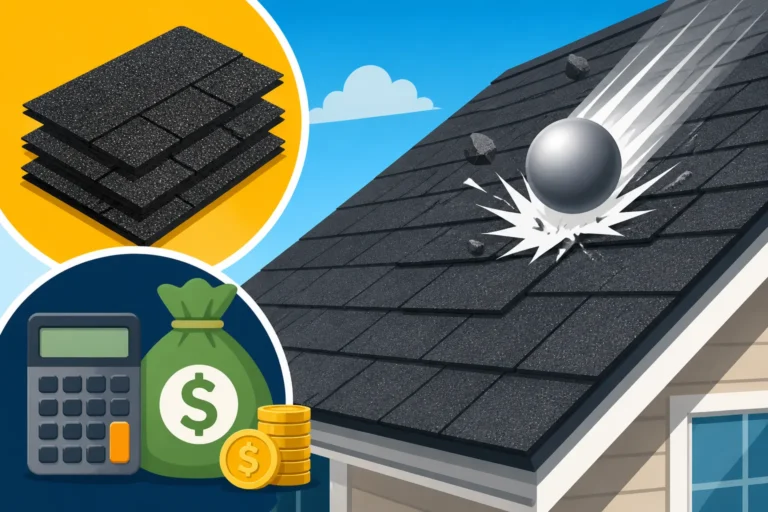
- Designer and Luxury Shingles: Premium Performance and Aesthetics: If you're looking for a truly distinctive look, or enhanced performance features, designer or luxury shingles are the way to go. These are often much thicker, heavier, and intricately designed to replicate high-end roofing materials like natural slate or cedar shakes with remarkable realism. They often come with superior impact resistance, algae protection, and extended warranties. While they definitely elevate your home's curb appeal and protection, they also come with a significantly higher price point. Choosing these for your 1,800 sq ft roof would put you at the upper end of the investment scale, but they can be incredibly worthwhile for certain architectural styles or in areas prone to severe weather, especially if you consider Class 4 Shingle Roof Cost.
Labor and Regional Pricing Variations
The cost of labor is a significant chunk of any roof replacement project, and it can vary dramatically based on where you live and the complexity of the job. It's not just the number of hours the crew works, but the prevailing wages, local regulations, and even the demand for skilled roofers in your area.
- Geographic Location Matters Immensely: Just like real estate prices, roofing labor costs fluctuate from one region to another, and even between neighboring cities. For instance, replacing a roof on an 1,800 sq ft house in a high-cost-of-living area like Los Angeles, California, or Long Island, New York, will undoubtedly be more expensive than in a more rural area of, say, Missouri or Alabama. These differences are due to variations in local economic conditions, cost of living for workers, and the demand for roofing services. A good starting point to understand this variable is our general guide on Asphalt Roof Labor Cost Explained.
- Roof Complexity and Crew Size: A simple, straightforward gable roof on a one-story house is much easier and quicker to roof than a multi-story home with numerous peaks, valleys, dormers, and skylights. More complex roofs require more time, more specialized skills, and sometimes a larger crew to manage the intricate cuts and flashing details. This increased labor time translates directly to higher costs. If your 1,800 sq ft home has a relatively simple roofline, you might catch a break on labor costs, but a more intricate design will naturally push that number higher. The complexity also influences How Long a Roof Replacement Takes.
- Seasonality and Demand: Believe it or not, the time of year you get your roof replaced can also affect labor costs. Spring and fall are typically peak seasons for roofing in many parts of the country, as the weather is mild and conducive to outdoor work. During these busy periods, contractors may have less flexibility on pricing. If you can schedule your replacement during the slower periods, like late winter or early summer (depending on your climate), you might find more competitive bids, though extreme weather conditions can present their own challenges.
Roof Complexity and Structural Needs
Beyond just the square footage, the actual structure and condition of your existing roof play a massive role in the overall cost. An 1,800 square foot home might sound straightforward, but the design and any underlying issues can add significant expenses.
- Pitch, Valleys, and Dormers: The Design Curveballs: A steep roof pitch not only makes the job more challenging and time-consuming for roofers (often requiring specialized safety equipment), but it also means more material is needed to cover the greater surface area. Multiple valleys, dormers, and skylights are beautiful architectural features but also create more intricate cutting, flashing, and sealing work, which adds to labor time and material waste. For example, a home with a complex roofline could take twice as long to roof as a simple ranch style home, even if both are 1,800 sq ft. This is where understanding Roof Replacement Cost by Pitch becomes crucial.
- Number of Existing Shingle Layers: If your home already has two layers of shingles, removal becomes a much bigger job. Building codes often dictate a maximum of two layers, meaning if you have two, the old layers must be completely torn off. This tear-off process adds significant labor, disposal fees, and time. If your current roof only has one layer, a contractor might offer to roof over it, which can save money, but many experts recommend a full tear-off for better performance and warranty coverage. Our guide on the Cost of Roof Tear-Off and Disposal breaks this down further.
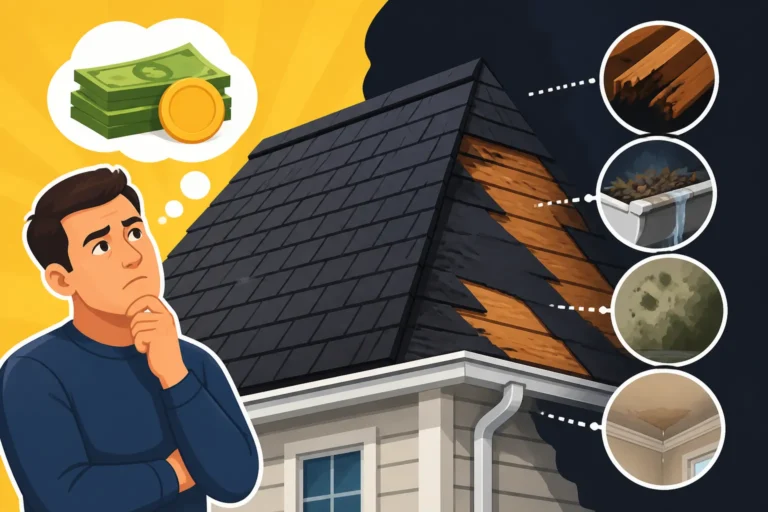
- Roof Decking Condition: Beneath your shingles lies the roof decking (usually plywood or OSB). If there's any water damage, rot, or structural weakness from years of leaks, sections of this decking will need to be replaced. This is an unexpected cost that can pop up during the tear-off phase. A thorough inspection by a reputable contractor should be able to identify potential decking issues, but sometimes the full extent isn't known until the old shingles are removed. Replacing decking can add a substantial amount to your overall budget, which is why it's wise to factor in potential Roof Decking Replacement Cost.
Deconstructing the Average Cost for an 1,800 Sq Ft Asphalt Roof
Let's get down to the numbers. When we talk about replacing an asphalt shingle roof on an 1,800 square foot house, we're typically referring to the footprint of the house, not the actual surface area of the roof. Roofers measure in "squares," with one square equaling 100 square feet of roof surface. Due to overhangs, pitch, and complexity, an 1,800 sq ft home might have anywhere from 20 to 27 "squares" of roofing surface. This distinction is critical for accurate pricing.
Typical Cost Range: What to Expect
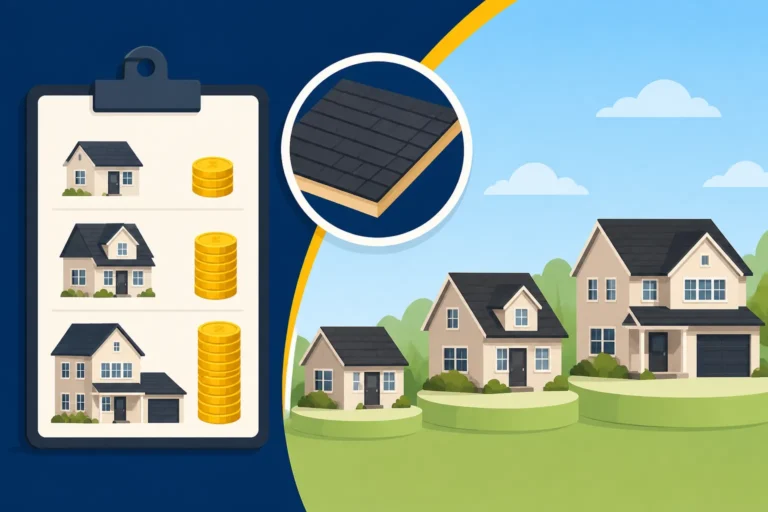
It's natural to want a single, clear number, but roof replacement costs are rarely that simple. For an 1,800 square foot home, you can generally expect a wide range, usually somewhere between $10,000 and $20,000 or more, depending heavily on the factors we've already discussed.
- Budget-Friendly Options (3-Tab Shingles, Simple Roof): At the lower end, perhaps $8,000 to $12,000, you might find options for a very basic 3-tab shingle installation on a relatively simple 1,800 sq ft roof, especially in areas with lower labor costs. This estimate assumes no major decking repairs, easy access, and a single layer tear-off.
- Mid-Range (Architectural Shingles, Average Complexity): Most 1,800 sq ft homes will fall into this category, with costs ranging from $12,000 to $18,000. This includes architectural shingles, a standard tear-off, and minor-to-moderate roof complexity (a few valleys, standard pitch, perhaps one or two dormers). This is where most homeowners find themselves, balancing aesthetics and durability.
- Premium Options (Designer Shingles, High Complexity, Additional Upgrades): For an 1,800 sq ft house with a complex roofline (steep pitch, multiple dormers, skylights), luxury or impact-resistant shingles, and potentially some decking repair, costs could easily climb to $18,000 to $25,000+. This range often includes enhanced ventilation, upgraded underlayment, and comprehensive warranties. Understanding the Average Roof Replacement Cost This Year can help you benchmark.
Keep in mind these are rough averages. Getting multiple, detailed quotes from local professionals is the only way to get a precise cost for your specific home.
Line-Item Breakdown: Materials, Labor, and Other Essentials
A comprehensive roofing estimate will break down the costs into several key components. Understanding what each line item covers helps you compare bids more effectively. For an 1,800 sq ft house, which might equate to roughly 22-24 "squares" of roof surface, here’s a generalized breakdown:
| Component | Typical Cost per Square (Materials + Labor) | Estimated Cost for 22 Squares (1,800 sq ft home) |
|---|---|---|
| Shingles (Architectural) | $250 – $450 | $5,500 – $9,900 |
| Underlayment | $25 – $50 | $550 – $1,100 |
| Ice & Water Shield | $30 – $70 (per linear foot, specific areas) | $300 – $800 (for valleys, eaves) |
| Flashing (step, pipe, chimney) | $100 – $250 (per penetration/area) | $500 – $1,500 |
| Drip Edge | $5 – $10 (per linear foot) | $300 – $600 |
| Ridge Vent/Ventilation | $15 – $30 (per linear foot, if applicable) | $200 – $500 |
| Tear-Off & Disposal | $50 – $100 | $1,100 – $2,200 |
| Labor (overall installation) | $150 – $300 (often included in above) | (Already partially accounted for above) |
| Permit Fees | Flat fee, varies by municipality | $100 – $500 |
| Dumpster/Waste Removal | Included in tear-off, or separate | $400 – $800 |
| Miscellaneous/Contingency | 5-10% of total | $500 – $1,500+ |
| Total Estimated Range | $450 – $800+ per square | $9,900 – $17,600+ |
- Shingles: This is the bulk of your material cost. The price per square depends heavily on the type and brand (e.g., GAF, Owens Corning, CertainTeed).
- Underlayment: Essential for an extra layer of protection, typically synthetic now, replacing traditional felt. Read up on Synthetic vs Felt Underlayment Cost for more details.
- Ice and Water Shield: A critical self-adhering membrane applied in vulnerable areas like eaves, valleys, and around penetrations, especially in colder climates to prevent ice dams.
- Flashing: Metal (or sometimes synthetic) pieces installed around chimneys, skylights, vent pipes, and wall intersections to prevent water intrusion. This is a critical component, and a detailed estimate should address Cost of New Flashing and Drip Edge.
- Drip Edge: Metal flashing installed along the edges of the roof to direct water away from the fascia and prevent damage.
- Ventilation: This includes ridge vents, soffit vents, and possibly attic fans, crucial for attic health and shingle longevity. Knowing the Cost of Ridge Vent Installation is helpful.
- Tear-Off & Disposal: The labor and cost involved in removing the old roof material and disposing of it properly. This can be substantial, especially if there are multiple layers.
- Labor: The actual cost of the crew performing the work. Sometimes broken out separately, sometimes integrated into the material and installation cost per square.
- Permit Fees: Most municipalities require a permit for roof replacement to ensure the work meets local building codes.
- Dumpster/Waste Removal: The cost of renting a dumpster and hauling away the old roofing debris.
Hidden Costs and Unexpected Surprises
Even with a detailed estimate, roof replacement projects can sometimes uncover unforeseen issues. It's smart to set aside a contingency fund, say 10-15% of the total estimate, for these potential surprises.
- Rotted Decking: This is perhaps the most common "hidden" cost. During the tear-off, contractors might discover sections of plywood or OSB roof decking that have deteriorated due to prior leaks. These must be replaced to provide a sound substrate for the new shingles. Each sheet of decking replaced adds material and labor costs. Our guide on Roof Decking Replacement Cost can give you an idea of these potential expenses.
- Damaged Fascia or Soffits: While primarily aesthetic, if the wooden fascia boards (where the gutters attach) or the soffits (under the eaves) are rotted or damaged, they often need to be replaced. This work is usually done by the roofing crew or a carpenter, adding to the overall expense.
- Code Upgrades: Building codes are constantly updated. An older home's roof might not meet current ventilation, fastening, or ice and water shield requirements. When you replace the roof, your contractor will need to bring it up to code, which can add to material and labor costs. For example, some areas require specific nailing patterns for increased wind resistance or additional ice and water shield coverage.
- Unseen Structural Damage: In rare cases, a more significant structural issue with the roof rafters or trusses might be discovered. While less common, this would require a specialized repair by a carpenter or structural engineer, which would be an additional cost.
- Complex Detailing: Things like custom flashing around unique architectural features, extra vents, or intricate valley work can sometimes be under-estimated or become more complex than initially thought, adding extra labor time.
These surprises aren't meant to scare you, but rather to prepare you. A truly reputable contractor will communicate any unexpected findings immediately and provide a change order for your approval before proceeding with additional work.
Navigating the Process and Saving Money on Your New Roof
Replacing a roof on an 1,800 sq ft house is a major undertaking, but with the right approach, you can manage the costs effectively and ensure you get a high-quality job. It's all about being informed, asking the right questions, and partnering with trustworthy professionals.
Getting Accurate Estimates and Vetting Contractors
This step is arguably the most crucial part of ensuring a successful and cost-effective roof replacement. Don't rush into signing the first bid you receive.
- Gather Multiple Quotes: Aim to get at least three detailed estimates from different local roofing companies. This allows you to compare not just the bottom-line price, but also the scope of work, material choices, warranties, and contractor professionalism. A great resource to help you find local contractors and get quotes is a platform like Modernize. They can connect you with pre-vetted professionals in your area. For a complete understanding, review our guide on How to Read and Compare Roofing Estimates.
- Detailed, Written Estimates: Insist on a written estimate that itemizes everything: shingle type, underlayment, flashing, drip edge, ventilation, tear-off, disposal, permit fees, and warranty information. A vague estimate is a red flag. Make sure it specifies the exact number of "squares" for your 1,800 sq ft roof, not just a general price.
- Vet Your Contractors Thoroughly: Check for proper licensing and insurance (liability and worker's compensation). This protects you from financial responsibility if there's an accident on your property. Ask for references and check online reviews. Look for certifications from shingle manufacturers (like GAF Master Elite or Owens Corning Platinum Preferred), as these often mean higher standards of installation and better warranty options. Our guide on How to Choose a Roofing Contractor is an excellent resource for this.
- Ask the Right Questions: Don't be afraid to grill potential roofers. Ask about their experience with homes similar to yours, their crew, their safety protocols, how they protect your landscaping, and their payment schedule. These insights are vital for your peace of mind. Consider reviewing our comprehensive list of Questions to Ask a Roofing Contractor Before Hiring.
Exploring Financing and Insurance Options
The upfront cost of a new roof for an 1,800 sq ft home can be a significant burden, but there are several ways to make it more manageable.
- Homeowners Insurance: If your roof damage is due to a sudden event like a severe storm (hail, high winds, fallen trees), your homeowners insurance policy might cover a substantial portion, if not all, of the replacement cost. Document any damage thoroughly with photos and contact your insurance provider immediately. Understand your policy's deductible and whether it covers "actual cash value" (depreciated value) or "replacement cost value." For a full breakdown, refer to our article, Does Insurance Cover Roof Replacement.
- Home Equity Loans or Lines of Credit (HELOCs): These allow you to borrow against the equity in your home, often at a lower interest rate than personal loans. Since a new roof increases your home's value, it's a sound investment to use equity for.
- Personal Loans: While interest rates can be higher, personal loans offer a quick way to secure funds without using your home as collateral.
- Contractor Financing: Many roofing companies partner with lenders to offer financing options, including interest-free periods or low-interest loans. Always compare these offers with what you can get from your bank or credit union.
- Savings and Emergency Funds: If you've been diligently saving, dipping into these funds can often be the most cost-effective option, avoiding interest payments altogether. Our guide on How to Budget for a New Roof offers more strategies.
Timing Your Roof Replacement for Optimal Value
While emergencies can't wait, if you have some flexibility, strategically timing your roof replacement can offer some advantages.
- Optimal Weather Conditions: Spring and fall generally offer the most ideal weather for roof installation in many regions. Mild temperatures mean materials adhere better, and crews can work efficiently without extreme heat or cold. This can lead to a smoother, quicker installation and potentially better workmanship.
- Avoiding Peak Seasons: In some areas, summer and late fall can be peak times due to storm seasons or homeowners rushing to get work done before winter. Scheduling outside these truly peak times might give you more leverage in negotiations or faster project completion, especially with popular local contractors.
- Energy Savings Considerations: Replacing an old, inefficient roof with modern, energy-efficient asphalt shingles can lead to noticeable savings on your heating and cooling bills. Some "cool roof" shingles, for instance, reflect more solar radiation, keeping your attic and home cooler. If your current roof is contributing to high energy costs, replacing it sooner rather than later could provide long-term savings.
- Pre-emptive Action: If your roof is nearing the end of its lifespan (typically 20-30 years for architectural asphalt shingles), planning its replacement before a major storm hits can save you from emergency repairs and potentially higher costs. Proactive replacement can also prevent water damage to your home's interior. You can find more details in our guide on Roof Age: When to Start Planning Replacement.
Replacing the roof on your 1,800 sq ft home is a significant undertaking, but with careful planning, thorough research, and a clear understanding of the costs involved, you can make an informed decision that protects your home and your budget for years to come.
Disclaimer
Please note that the cost estimates provided in this article are generalized averages and can vary significantly based on your specific location, the complexity of your roof, chosen materials, and the individual contractor. Always obtain multiple detailed quotes from licensed and insured roofing professionals for the most accurate pricing for your project. This article is for informational purposes only and does not constitute professional financial or construction advice.