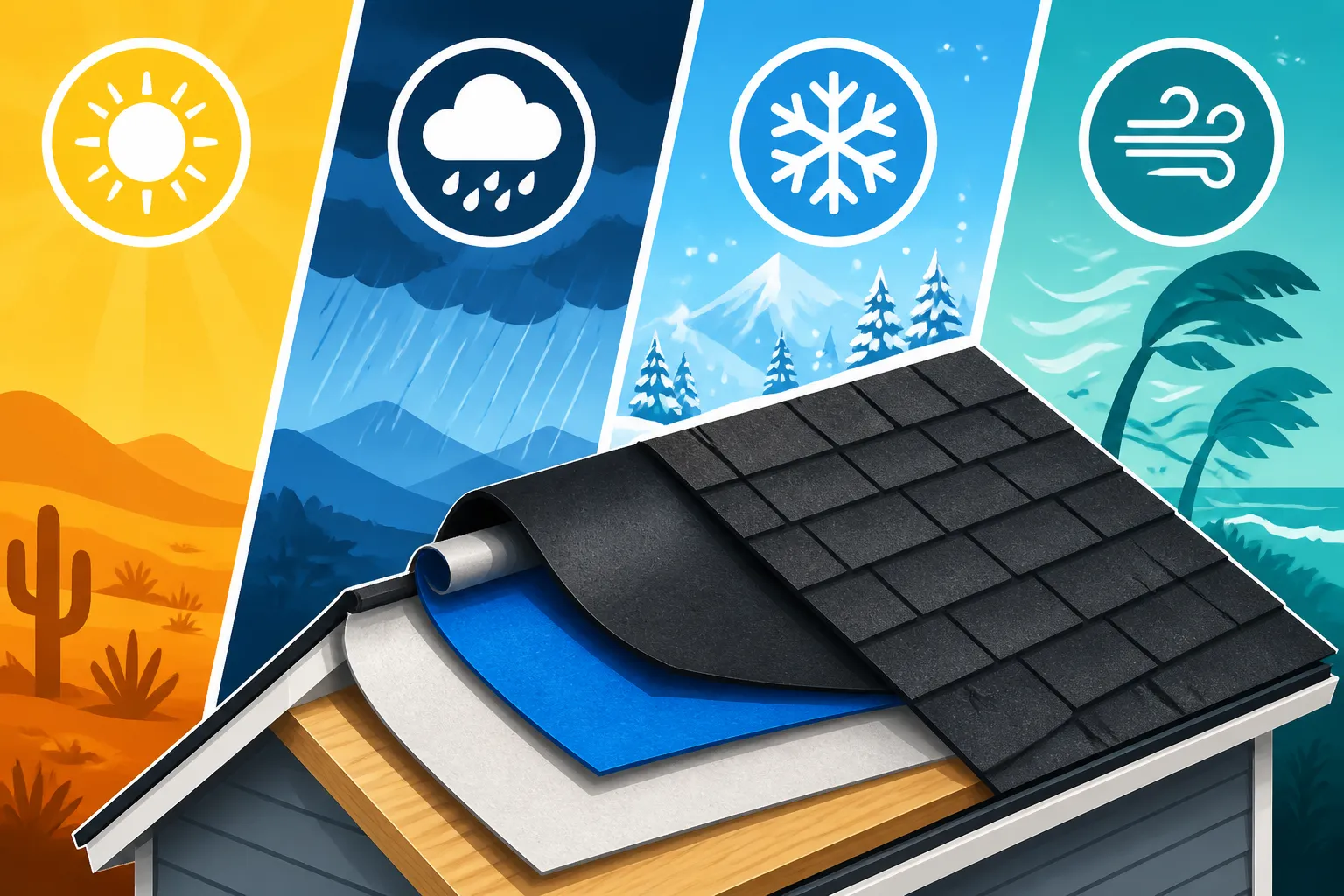
Underlayment Requirements by Climate Zone
Choosing the right roof underlayment for your home is often overlooked, with many homeowners assuming any basic barrier will do. But relying on the wrong type or an insufficient amount can lead to frustrating and costly problems down the line, especially when your home's climate isn't considered. This comprehensive guide will walk you through the critical underlayment requirements based on different climate zones, helping you make informed decisions to protect your home.
Understanding Roof Underlayment: More Than Just an Extra Layer
When you're thinking about a new roof, your mind probably jumps straight to the shingles – the color, the style, the brand. But underneath those beautiful shingles lies a vital component that often gets forgotten: the roof underlayment. It's not just an optional extra; it's a foundational element that plays a huge role in your roof's long-term performance and your home's protection. Ignoring its importance is like building a house on a shaky foundation – you just wouldn't do it!
What is Roof Underlayment and Why Do You Need It?
At its core, roof underlayment is a protective layer installed directly onto your roof decking before the shingles go on. Think of it as your roof's last line of defense, a secondary barrier that works tirelessly to keep moisture out, even if your primary shingles somehow fail. This can be a tough concept for many homeowners because they assume the shingles do all the heavy lifting. However, shingles are designed to shed water, not necessarily to be completely waterproof on their own under all conditions.
The reality is, underlayment provides crucial benefits. First, it offers an immediate layer of protection for your roof decking during installation, safeguarding it from weather exposure before the shingles are even laid. Secondly, it acts as a critical backup shield against wind-driven rain, especially during severe storms where water can get forced underneath your shingles. Imagine a torrential downpour in a hurricane-prone area like coastal Florida; without proper underlayment, that driving rain can easily breach your shingle layer, leading to leaks, attic damage, and costly repairs. Lastly, underlayment can help prevent ice dams in colder climates by creating a slick surface that helps water drain, and by providing a robust waterproof barrier against pooled water from melting snow and ice. This protection helps keep your roof decking dry and prevents moisture from seeping into your home's interior, which can lead to rot, mold, and structural damage over time.
Types of Roofing Underlayment
The world of roof underlayment isn't one-size-fits-all, and understanding the different types is key to making the right choice for your home and local climate. Each type has its own strengths, applications, and cost implications. Knowing the distinctions can truly help you in the process of replacing or repairing your roof.
The most traditional option is felt underlayment, often referred to as "tar paper." It's made from organic or fiberglass mats saturated with asphalt, giving it water-resistant properties. You'll typically find it in 15-pound and 30-pound weights, with the 30-pound being thicker and more robust. Felt underlayment is relatively inexpensive and has been used for decades, providing a breathable layer that allows some moisture vapor to escape from the attic. However, it can be prone to tearing during installation, and prolonged exposure to UV rays before shingle installation can cause it to degrade. In very humid environments, its breathability can be a double-edged sword, sometimes allowing moisture vapor into the attic from the outside if not properly managed.
Then we have synthetic underlayment, which has become incredibly popular in recent years. Made from polypropylene or polyethylene, these products are much lighter, stronger, and more tear-resistant than felt. They often come with a textured surface for better walkability for roofers, increasing safety during installation. Synthetic underlayment is typically hydrophobic, meaning it actively repels water, and many versions are engineered with advanced UV resistance, allowing them to be exposed to the elements for longer periods without degrading. For homeowners in areas with frequent heavy rains or high winds, such as the tornado alley in Oklahoma or the coastal areas of North Carolina, the superior tear strength and water resistance of synthetic underlayment can offer significantly enhanced protection. They also tend to lay flatter, creating a smoother surface for shingle application, which can improve the aesthetic and performance of the finished roof.
Finally, there's ice and water shield, a specialty underlayment that is absolutely critical in specific applications and climate zones. This self-adhering, rubberized asphalt membrane forms a watertight seal directly to the roof deck, providing unparalleled protection against water penetration caused by ice dams or wind-driven rain. It literally seals around fasteners (like nails), preventing water from entering through the tiny holes created during shingle installation. While it's more expensive than felt or synthetic, it's typically used in vulnerable areas of the roof, such as eaves, valleys, around chimneys, skylights, and vent pipes. In a snowy region like Michigan or Colorado, for example, the local building codes often mandate the use of this product along the eaves to prevent devastating damage from ice dams. You can learn more about its specific application in our guide on Ice and Water Shield Explained.
Here's a quick comparison of these types:
| Underlayment Type | Material | Key Benefits | Best For | Cost (Relative) |
|---|---|---|---|---|
| Felt (Asphalt-Saturated) | Asphalt-saturated paper | Breathable, traditional, low cost | Mild climates, budget-conscious projects, where codes allow | Low |
| Synthetic | Polypropylene/Polyethylene | Strong, lightweight, tear-resistant, UV-resistant | High-wind areas, steep-slope roofs, longer exposure times, enhanced protection | Medium |
| Ice and Water Shield | Rubberized asphalt | Self-adhering, seals around fasteners, watertight | Eaves in cold climates, valleys, around penetrations, high-risk areas | High |
How Climate Zones Impact Underlayment Choices
It might seem obvious, but the weather patterns and environmental conditions where your home is located should heavily influence your roofing decisions. What works perfectly in sunny Los Angeles isn't going to cut it in snowy Minneapolis, and your underlayment is a prime example of this critical distinction. Ignoring your climate zone is a common mistake that can lead to premature roof failure and headaches for homeowners.
Defining Climate Zones and Their Roofing Challenges
Climate zones are geographical areas characterized by similar weather conditions, temperature ranges, precipitation levels, and humidity. For roofing purposes, these zones present distinct challenges that dictate specific material and installation requirements.
In cold, snowy climates (think much of the Northeast, Midwest, and mountainous regions), the primary concern is the formation of ice dams. These occur when warm air from your attic melts snow on the upper parts of your roof, which then refreezes as it flows over colder eaves. The resulting ice ridge can cause water to back up under your shingles and seep into your home. High winds also play a factor, often driving snow and rain under shingles.
Hot, humid, and high-rainfall regions (like the Southeast, Gulf Coast, and Pacific Northwest) face different adversaries. Intense heat can degrade roofing materials faster, while high humidity can contribute to mold and mildew growth in the attic if ventilation isn't perfect. Frequent, heavy rainfall, often accompanied by strong winds, demands robust water shedding and penetration resistance. Hailstorms are also a common threat in many of these regions, particularly across the "Hail Alley" states like Texas, Oklahoma, and Colorado, requiring materials that can withstand severe impact.
Finally, mild or arid climates (such as parts of California or the desert Southwest) might have less extreme challenges, but they still have unique needs. High UV exposure can prematurely age some materials, and even occasional heavy rains or wind events can highlight weaknesses in an improperly installed roof. Understanding these specific challenges is the first step toward choosing the right underlayment.
Underlayment Requirements for Cold Climates and Snow Zones
For homes in areas that regularly experience freezing temperatures, heavy snowfall, and the dreaded ice dams, the underlayment strategy needs to be robust. The focus here is primarily on preventing water penetration caused by ice buildup.
The International Residential Code (IRC), which many local building codes are based upon, mandates the use of an ice barrier in specific climate zones. This isn't just a suggestion; it's a critical requirement to protect your home. Typically, this ice barrier must extend from the eave's edge to a point at least 24 inches inside the exterior wall line of the building. This means if you have a significant overhang, the ice barrier will extend well up the roof deck, past the exterior wall to ensure comprehensive protection. For regions like upstate New York, Michigan's Upper Peninsula, or Colorado's mountain towns, this is non-negotiable. Without it, you're practically inviting ice dams to cause structural damage and interior leaks. You can dive deeper into these specifics in our guide on Ice Barrier Code Requirements.
In these cold climates, ice and water shield is the superhero underlayment. It's applied along the eaves, in valleys where two roof planes meet, and around any roof penetrations like chimneys, skylights, and vent pipes. These are the areas most susceptible to water backup from ice dams or concentrated water flow. Beyond the eaves, it’s also a smart choice to use ice and water shield in critical areas like roof valleys. Even if code doesn't explicitly require it, a diligent roofer will often recommend applying a layer of this material in every valley before installing the primary shingles, recognizing the potential for heavy water flow and ice accumulation. For the rest of the roof, a high-quality synthetic underlayment is often recommended over felt. Its superior tear strength, water resistance, and ability to remain pliable in cold temperatures make it a much more reliable option to protect against wind-driven snow and rain. While the upfront cost might be a bit higher, the peace of mind and prevention of costly repairs down the road make it a worthwhile investment, especially considering the potential long-term expenses of dealing with roof damage in these areas. For more details on budgeting, check out Roofing Cost in Cold Climates.
Underlayment for Hot, Humid, and High-Rainfall Regions
Conversely, homes located in areas that contend with sweltering heat, oppressive humidity, and frequent torrential downpours require an underlayment strategy focused on heat resistance, durable water shedding, and managing moisture vapor. The challenges here are about preventing rapid material degradation and resisting the sheer volume and force of water.
In places like Florida, Louisiana, or coastal Texas, where hurricanes and tropical storms are a regular threat, the underlayment is crucial for high-wind resistance. While a high-quality synthetic underlayment is often the default choice due to its superior tear strength and water-shedding capabilities, specific code requirements might mandate enhanced systems. For instance, in many parts of Florida, self-adhered synthetic underlayments are often required by code, particularly in high-velocity hurricane zones (HVHZ) such as Miami-Dade and Broward counties. These peel-and-stick membranes offer excellent adhesion to the roof deck and create a secondary waterproof layer that can significantly mitigate damage if shingles are blown off during extreme wind events. These are essentially full-coverage ice and water shield products, though specialized for hot climates. This can have a notable impact on your roofing cost in Florida due to the enhanced material and labor.
For homes in intensely hot climates, such as Arizona or Nevada, underlayment can also play a role in roof temperature. While not its primary function, a lighter-colored synthetic underlayment can reflect some heat, potentially reducing attic temperatures slightly. The most critical factor, however, remains its durability under high temperatures and its ability to act as a secondary water barrier against sudden, intense monsoon rains that can occur in these regions.
Beyond the immediate water barrier, careful consideration must be given to moisture management in humid climates. Some advanced synthetic underlayments are designed to act as a vapor retarder, preventing moisture from migrating from the exterior into the attic cavity, which can be crucial in preventing mold and mildew growth. Proper attic ventilation, in conjunction with the right underlayment, forms a critical defense against moisture problems in humid environments. Be sure to discuss these specific regional requirements with your contractor, as local codes can vary significantly. Understanding High-Wind Roofing Codes in Florida or similar regulations in your state is paramount for lasting roof protection.
Specific Underlayment Requirements and Best Practices
Navigating the world of roofing can feel like a maze, especially when you start looking into the nitty-gritty details of underlayment. It's not just about picking a product; it's about adhering to established rules and standards that ensure your roof performs as it should for years to come. These rules come from various sources, and a good contractor will be well-versed in all of them.
Code Requirements and Manufacturer Specifications
The first place to look for underlayment requirements is your local building codes. These are typically based on national models like the International Residential Code (IRC) or the International Building Code (IBC) but can have significant local amendments. For example, a city in a high-wind zone might have stricter requirements for underlayment type and attachment than a neighboring county in a less exposed area. These codes often specify minimum requirements, such as the number of layers of felt underlayment, the use of synthetic underlayment on certain roof slopes, or, as we discussed, the mandated use of ice barriers in cold climates. Always confirm these with your local building department or a reputable roofing contractor, as failure to comply can lead to failed inspections, project delays, and even invalidate future insurance claims. Our guide on Roofing Building Codes: What to Know can provide a good starting point for understanding these regulations.
Beyond government regulations, manufacturer specifications are equally important. Reputable shingle manufacturers like GAF, Owens Corning, and CertainTeed design their roofing materials to work together as a complete system. They often have specific requirements for the type and installation of underlayment to qualify for their enhanced warranties. If you use a non-compliant underlayment or install it improperly, you could accidentally void your manufacturer's warranty, leaving you unprotected should a product defect arise. For instance, a manufacturer might require a specific brand of synthetic underlayment or the use of an ice and water shield in all valleys for their "lifetime" warranty to be valid. This is why working with a manufacturer-certified contractor is so beneficial; they are trained in these specific requirements and can ensure your entire roofing system meets the necessary criteria for the best warranty coverage. Don't forget to ask your contractor about Manufacturer Warranty Registration to ensure your investment is fully protected. Our article on Roofing Underlayment Code Requirements can offer more region-specific insights.
The Role of Underlayment in a Full Roofing System
It’s easy to view underlayment as a standalone product, but its true strength lies in how it integrates with every other component of your roof. Think of your roof not as a collection of individual parts, but as a meticulously engineered system where each piece supports the others. The underlayment is a critical player in this cohesive defense strategy, working hand-in-hand with components like the drip edge, flashing, and, of course, the shingles themselves.
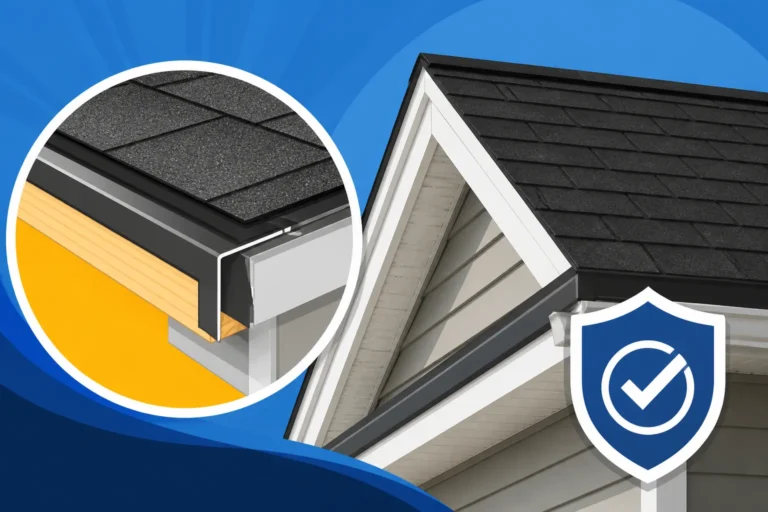
The drip edge, installed along the eaves and rake edges of your roof, ensures that water flowing off the roof is directed away from the fascia and into the gutters. The underlayment often overlaps the drip edge, creating a seamless transition that further prevents water from getting underneath the roofing materials at these vulnerable edges. Without this layered approach, water could easily wick back under the shingles and compromise the roof decking. You can read more about how this component functions in Drip Edge: What It Does.
Flashing, which are metal or sometimes composite pieces installed around chimneys, skylights, vents, and in valleys, is another area where underlayment provides essential backup. Even with expertly installed flashing, there's always a slight risk of water penetration at these complex points. A layer of ice and water shield installed underneath the flashing acts as a secondary seal, preventing any leaks from making it to your roof deck and into your home. This multi-layered defense is precisely how a robust roof system handles the most challenging areas.
Ultimately, the underlayment is the foundational layer upon which your shingles rest. It provides a smooth, uniform surface for the shingles, which helps them lay flat and seal properly. This smooth surface also helps with the flow of water. If your underlayment is wrinkled or improperly installed, it can create inconsistencies that affect how your shingles shed water, potentially leading to premature wear or leaks. The entire installation process, from the first layer of underlayment to the final shingle, is a carefully choreographed dance designed to create a watertight, durable barrier. For a deeper understanding of this process, check out How Asphalt Shingles Are Installed: Step by Step and our detailed explanation of a Full Roofing System Explained.
Practical Considerations and What to Ask Your Roofer
When it comes to your roof, the choices you make now can have significant long-term impacts, both on your home's integrity and your wallet. While it’s tempting to cut corners, especially on components like underlayment that you won't even see once the job is done, resisting that urge is one of the smartest decisions you can make.
Don't Skimp on Quality: Long-Term Savings vs. Upfront Cost
It's a common scenario: you're reviewing a roofing estimate, and you see options for different underlayments with varying price points. Naturally, the cheaper option looks appealing, especially when you're already budgeting for a substantial expense like a full roof replacement. However, this is one area where a slightly higher upfront cost almost always translates into significant long-term savings and peace of mind.
Think about it: the underlayment is what protects your roof deck from moisture penetration, which can lead to rot, mold, and structural damage that far exceeds the cost difference between a basic felt paper and a high-quality synthetic or ice and water shield. An inadequate underlayment, particularly in a climate prone to heavy rain or ice dams, can be a silent saboteur. You might not see the damage immediately, but slow, insidious leaks can cause tremendous damage to your attic insulation, ceiling, and even structural elements over several seasons. These are precisely the "hidden costs" that homeowners dread, turning a seemingly good deal into a very expensive problem. Our article on Hidden Costs in a Roof Replacement delves into these potential financial pitfalls.
For instance, investing in a premium synthetic underlayment that offers superior tear resistance means less chance of damage during installation or from high winds before your shingles are fully sealed. Opting for the required ice and water shield in cold climates directly prevents the destructive force of ice dams, saving you from interior water damage, peeling paint, and the need for costly repairs every winter. When you consider the average lifespan of an asphalt roof, which can be 20-30 years, that small extra investment for better underlayment becomes pennies per year compared to the potential cost of premature leaks and repairs. It reinforces the idea that sometimes, paying a little more upfront is absolutely Is an Asphalt Shingle Roof Worth the Money.
Key Questions for Your Roofing Contractor
Choosing the right underlayment isn't a decision you should make in a vacuum. Your roofing contractor is your expert guide, and asking the right questions can ensure you get the best protection for your home. Don't be shy about digging into the details; a reputable contractor will appreciate your diligence and be happy to explain their recommendations.
When getting estimates, always ask:
- "What type of underlayment do you plan to use, and why?" Don't just accept a generic answer like "standard underlayment." Press for specifics: felt (what weight?), synthetic (which brand/type?), or ice and water shield (where will it be applied?).
- "Does this underlayment meet or exceed local building codes for my climate zone?" This is critical for compliance and ensuring long-term protection. A good contractor will be well-versed in local regulations for your area, whether you're in a high-wind region or a snowy climate.
- "How does the chosen underlayment impact the manufacturer's warranty on my shingles?" Ensure their choice aligns with the shingle manufacturer's requirements to keep your warranty valid. Ask if there are any specific certification requirements for installers to uphold the warranty.
- "What are the pros and cons of using a different type of underlayment for my roof?" This gives them an opportunity to educate you on alternatives and justify their recommendation. It also shows you they understand the nuances of different products.
- "What is the total cost difference for upgrading to a higher-performance underlayment?" This helps you weigh the investment against the benefits. Sometimes, the price difference isn't as significant as you might think for a substantial boost in protection.
By asking these detailed questions, you'll not only gain a better understanding of your roofing project but also gauge your contractor's expertise and commitment to quality. A transparent contractor will walk you through these choices and provide clear explanations. For more advice on how to vet your roofing professional, check out our guide on Questions to Ask a Roofing Contractor Before Hiring and learn How to Read and Compare Roofing Estimates effectively.
Disclaimer
Please remember that this article provides general information and recommendations regarding roof underlayment requirements by climate zone. Building codes, regulations, and best practices can vary significantly by location and may be updated periodically. Always consult with a qualified, licensed, and insured roofing professional in your specific area to assess your home's unique needs, confirm local code requirements, and obtain precise recommendations and estimates for your roofing project. They can provide the most accurate and up-to-date guidance for your home.