Roofing Codes and Regulations in Texas
Navigating the world of roofing can feel like a labyrinth, especially when you're trying to understand all the local rules and regulations that govern a major home improvement project like a roof replacement. It's easy to get overwhelmed by conflicting information or feel frustrated by the sheer volume of details. This guide aims to cut through that confusion, providing clear, actionable insights into the roofing codes and regulations specifically in Texas, so you can approach your project with confidence and avoid costly mistakes.
Understanding Texas Roofing Codes – Why They Matter So Much
When you're looking at getting a new roof in the Lone Star State, it's not just about picking out the prettiest shingles or the most affordable contractor. Your roof is a crucial component of your home's structural integrity, safety, and energy efficiency, and because of this, its construction is heavily regulated. These regulations, often referred to as building codes, aren't just bureaucratic red tape; they're in place to protect you, your family, and your investment.
The Local Authority's Role in Roofing Regulations
One of the biggest misconceptions about roofing in Texas is that there's a uniform set of rules across the entire state. The truth is a bit more nuanced. While the state of Texas doesn't have a statewide roofing contractor licensing requirement, which can be a source of confusion for homeowners, individual cities and counties absolutely do enforce strict building codes and often require permits for roofing work. This means that the rules you follow in Houston might be different from those in Dallas, Austin, or San Antonio.
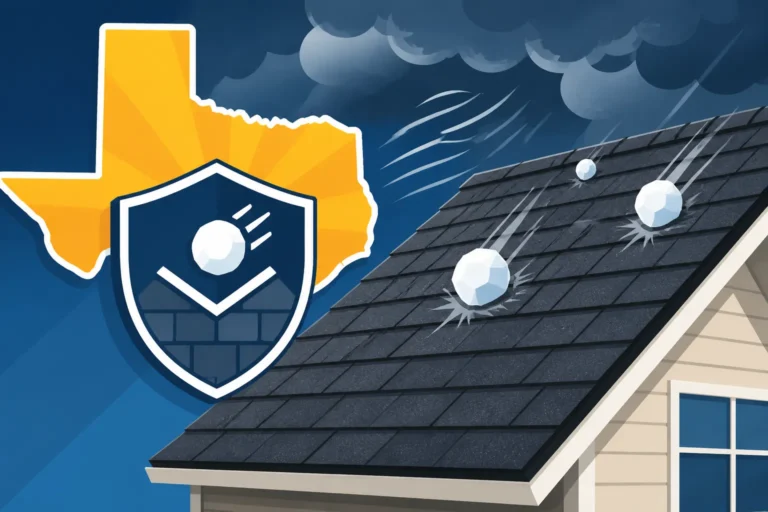
For instance, major metropolitan areas like Houston, with its susceptibility to hurricanes and tropical storms, will have very specific wind-resistance requirements that might not be as stringent in, say, Lubbock. Dallas, on the other hand, frequently experiences severe hail, leading to a strong emphasis on impact-resistant materials. It's up to your local jurisdiction to adopt and enforce building codes, and these codes often include amendments that cater to the unique climate and environmental challenges of that particular area. As a homeowner, understanding that this local variation exists is your first and most important step. Always check with your city's planning or building department, or ensure your chosen contractor handles this due diligence, to know exactly what applies to your property. This also means understanding things like Roofing Contractor License Requirements by State can be tricky when it's really down to the local level.
Protecting Your Investment and Safety
Adhering to roofing codes is about more than just legal compliance; it's about safeguarding your home and everyone in it. Think about it: a roof that isn't built to code could literally blow off in a strong storm, lead to extensive water damage from leaks, or even pose a fire hazard if incorrect materials are used. These codes ensure that your roof's structural integrity is sound, the materials used meet minimum quality standards, and the installation practices promote both the safety of the installers and the long-term durability of your home.
From a practical standpoint, a roof installed without adherence to local codes can become a massive headache down the line. If you ever need to file an insurance claim after a storm, your insurer will likely inspect the roof. If they find that it wasn't installed to code, they could deny your claim, leaving you to bear the full cost of repairs or replacement. Furthermore, when it comes time to sell your home, a pre-sale inspection will often flag non-code-compliant roofing, potentially delaying the sale or forcing you to undertake costly repairs before closing. Simply put, following these regulations helps ensure your home remains a safe, valuable asset and prevents untold stress and expense later on.
Key Roofing Codes and Regulations in Texas
Texas, like many states, generally adopts and modifies national building codes to suit its specific needs. The most prominent of these for residential construction is the International Residential Code (IRC). However, how each city or county interprets and amends this code can vary significantly, which is why understanding the core elements is so crucial.
International Residential Code (IRC) Adoption
Texas cities and counties typically adopt a version of the International Residential Code (IRC), often the 2018 or 2021 edition, sometimes with local amendments. The IRC provides a comprehensive set of guidelines for residential construction, and roofing is a major component of that. These guidelines cover everything from the minimum roof pitch allowed to specific requirements for roof decking, underlayment, and fastener schedules. For example, the IRC often specifies that roof decking must be a minimum thickness, usually 7/16-inch OSB or 1/2-inch plywood, and it details the nailing patterns and fastener types required to secure it properly.
When it comes to the shingles themselves, the IRC outlines proper installation methods, including how shingles should be offset, the number of nails per shingle, and requirements for starter shingles along the eaves and rake edges. It also dictates standards for flashing around chimneys, vents, and skylights to prevent leaks – critical details often overlooked by less scrupulous contractors. Without adhering to these specific IRC provisions, even the highest quality shingles might fail prematurely or leave your home vulnerable to the elements. This is why a thorough understanding of How Asphalt Shingles Are Installed: Step by Step in line with code is vital.
Wind Resistance and High-Wind Zones
Given Texas's geographic location, especially its long Gulf Coastline, wind resistance is a massive factor in roofing codes. The IRC includes provisions for wind design, but many Texas jurisdictions, particularly those in hurricane-prone areas, will have enhanced requirements. Along the coast, from Beaumont down to Brownsville, and extending inland for a certain distance, you'll often find mandates for stronger fastening methods, such as six nails per shingle instead of the standard four, or even specialized sealing applications. The Texas Department of Insurance (TDI) plays a significant role here, providing certifications for structures built to withstand high winds in designated windstorm areas. If your home is in one of these TDI-designated zones, adhering to their specific windstorm construction requirements is often necessary to obtain or maintain homeowners insurance.
Beyond the coast, even inland cities like Dallas, Fort Worth, and Austin experience powerful thunderstorms, derechos, and even tornadic activity, which bring their own intense wind loads. While not always requiring TDI certification, these areas still emphasize robust installation practices. For instance, enhanced nailing patterns or the use of specific high-wind rated shingles, like those that carry a Class H or Class F wind rating (withstanding winds up to 110 mph or 130 mph, respectively), might be part of local building codes. This is also where things like High-Wind Nailing Cost Premium might come into play, reflecting the extra effort and materials needed for a truly resilient roof.
Material Specifications and Fire Ratings
The type of roofing material you can use is also subject to code, especially concerning fire resistance. Most residential roofs in Texas are required to meet a Class A fire rating, which means the roof assembly has passed rigorous testing for fire exposure. Asphalt shingles, being the most common roofing material, generally meet this standard. However, the code doesn't just stop at fire rating; it also often specifies standards for material quality and durability.
For example, the thickness and composition of underlayment are regulated. While traditional asphalt-saturated felt paper might be permissible in some areas, many codes now recommend or require synthetic underlayment due to its superior durability and moisture resistance, especially under asphalt shingles. Additionally, in regions prone to heavy hail, codes might encourage or even mandate the use of Impact-Resistant Shingle Cost shingles, often rated Class 4. These shingles are designed to withstand significant hail impacts without sustaining damage, offering better protection for your home and potentially qualifying you for insurance discounts. The choice between materials like 3-tab vs. architectural shingles isn't just aesthetic; it can also be influenced by local codes or insurance requirements related to durability and wind resistance.
Ventilation and Energy Efficiency
In the scorching Texas heat, proper roof ventilation isn't just a comfort feature; it's a code requirement crucial for both the longevity of your roof and the energy efficiency of your home. Building codes often specify minimum requirements for attic ventilation, typically calculated as a ratio of net free ventilating area to the attic floor area. This usually means a balanced system of continuous soffit vents (intake) and ridge vents (exhaust) is required to ensure adequate airflow. Without proper ventilation, heat can build up in your attic, prematurely aging your shingles, making your HVAC system work overtime, and potentially leading to moisture issues that can cause mold or rot in your roof decking.
Many Texas municipalities adopt the energy efficiency chapter of the IRC, which includes provisions for attic insulation and ventilation. While not always directly mandating "cool roof" shingles, the emphasis on energy efficiency can certainly guide homeowners toward options like specific light-colored shingles or products designed to reflect solar radiation. Properly installed Cost of Ridge Vent Installation and other ventilation components are not just add-ons; they are fundamental elements of a code-compliant, long-lasting roof system, directly impacting your home's performance and comfort.
The Permit Process and Inspections in Texas
One of the most common pitfalls homeowners encounter when planning a roof replacement is overlooking the permit process. While it might seem like an extra step, securing the proper permits and undergoing inspections is a non-negotiable part of a code-compliant roofing project in most of Texas.
When a Roofing Permit is Required
While there isn't a blanket statewide requirement, the vast majority of incorporated cities and some counties in Texas do require a building permit for a full roof replacement. This typically extends to significant roof repairs as well. For example, if you're replacing more than a certain percentage of your roof (often 25-50% of the total surface area) or if you're changing the type of roofing material, a permit will almost certainly be needed. Smaller, cosmetic repairs like replacing a few missing shingles due to a localized issue generally do not require a permit.
Major cities like Dallas, Fort Worth, Houston, Austin, and San Antonio are very clear about their permit requirements. They want to ensure that any major work on your home, especially structural elements like your roof, adheres to current building codes. The permit acts as a record that the work was reviewed and approved before construction began, and that it will be inspected upon completion. Understanding Do You Need a Permit to Replace a Roof is a crucial first step, and it's always best to err on the side of caution and check with your local city's building department.
The Application and Inspection Process
The permit application process typically starts at your local city's building or planning department. Most contractors will handle this on your behalf, which is highly recommended, as they are familiar with the specific requirements and paperwork. You or your contractor will usually need to submit a completed application form, possibly a site plan, details about the materials being used, and pay a fee. Once the permit is issued, it must be displayed prominently at the job site.
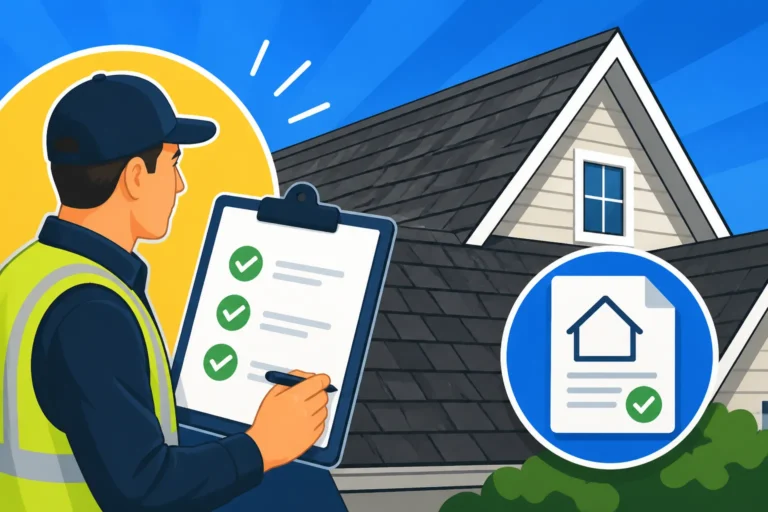
During the project, the city's building inspector will perform one or more inspections. For a full roof replacement, there are typically two main inspections:
- Decking Inspection: After the old shingles and underlayment have been torn off, and any damaged roof decking has been replaced, an inspector will check the condition of the exposed roof deck, ensuring it's solid, properly fastened, and any necessary repairs meet code. This is a critical step because the decking forms the foundation for your new roof.
- Final Inspection: Once the new roof is fully installed, including shingles, flashing, vents, and drip edge, a final inspection will be conducted. The inspector will verify that all components are installed correctly, materials meet specifications, and the entire system complies with local codes.
It's paramount that your contractor schedules these inspections at the appropriate times. Skipping an inspection can lead to delays, fines, or even a demand to remove newly installed roofing to allow for the decking inspection. This is why having a reputable contractor who understands and manages Roofing Permits: Who Pulls Them and the entire inspection process is so important.
Consequences of Skipping a Permit
Attempting to bypass the permit process might seem like a way to save a little time or money, but the potential consequences far outweigh any perceived benefits.
- Fines and Penalties: If your local municipality discovers unpermitted work, they can issue hefty fines. These can easily cost more than the permit fee itself.
- Stop Work Orders: The city can issue a stop-work order, halting your project midway, leading to delays and additional costs as your contractor might have to pull their crew from the job.
- Mandatory Removal and Reinstallation: In severe cases, particularly if the work is found to be non-compliant with codes, you could be ordered to remove the new roof and reinstall it properly, including getting a permit. This is a nightmare scenario, incurring immense expense and frustration.
- Insurance Issues: As mentioned, your homeowners insurance policy might not cover damage to unpermitted work. If a storm hits and damages a roof installed without a permit or proper inspections, you could be left with no coverage.
- Difficulty Selling Your Home: When you eventually sell your home, prospective buyers will likely have a home inspection, and unpermitted work will almost certainly be flagged. This can lead to buyers backing out, or demanding you fix the issue (at your expense) before closing.
Understanding What Happens If You Skip a Roofing Permit is essential for any homeowner. It's simply not worth the risk. Always ensure that the proper permits are obtained and all required inspections are performed.
Navigating Specific Local Regulations (Examples from Major Texas Cities)
Texas is a vast state, and as discussed, roofing codes can differ significantly from one municipality to another. While the International Residential Code serves as a baseline, local amendments and unique environmental challenges mean that what's acceptable in one city might not fly in another. Let's look at how some of Texas's largest cities approach roofing regulations.
Houston's Approach to Roofing Codes
Houston and the surrounding Gulf Coast region face specific challenges due to their proximity to the hurricane belt. As a result, Houston's building codes are particularly stringent when it comes to wind uplift and resistance. The city often adopts the latest version of the International Building Code (IBC) and International Residential Code (IRC) with local amendments that beef up requirements for roofing in wind-borne debris regions.
For homeowners in Houston, this means a few things: expect requirements for enhanced nailing patterns on shingles (often six nails per shingle instead of the standard four), stricter requirements for roof deck attachment (e.g., using ring-shank nails or screws to secure the decking to the rafters), and often a mandate for sealed roof decks. A sealed roof deck, which involves using an ice and water shield or a similar self-adhering underlayment across the entire roof deck, provides an extra layer of protection against water intrusion, even if shingles are blown off. This emphasis on robust wind resistance is a direct response to the city's history of hurricane damage and is often a key factor for maintaining homeowners insurance in coastal parts of the Houston metro area.
Dallas and Fort Worth: Inland City Nuances
While Dallas and Fort Worth are hundreds of miles from the coast, they are no strangers to severe weather, particularly intense thunderstorms, straight-line winds, and frequent, often destructive, hail storms. Consequently, roofing codes in these North Texas cities often place a significant emphasis on impact resistance. While not always mandated, many homeowners and insurers in Dallas and Fort Worth strongly prefer or require Class 4 impact-resistant shingles. These shingles are specially designed to withstand large hail without cracking or breaking, offering superior protection compared to standard asphalt shingles.
Dallas and Fort Worth also adopt versions of the IRC, implementing their own amendments. These often include specific requirements for roof ventilation to combat the intense summer heat and ensuring adequate attic airflow. Unlike the coastal areas where the Texas Department of Insurance (TDI) windstorm certification is paramount, in inland cities, the focus shifts more towards meeting general IRC standards for structural integrity and material durability, with an increased awareness of Impact-Resistant Shingle Requirements by State as a best practice for insurance and home protection.
Austin and San Antonio: Hill Country Considerations
Moving south to Austin and San Antonio, while still experiencing occasional severe weather, these cities present different sets of considerations. In Austin, for example, there's often a push for more environmentally conscious building practices. While not always directly reflected in mandatory roofing codes, homeowners might find incentives or preferences for lighter-colored "cool roof" shingles that reflect sunlight and reduce urban heat island effects. Additionally, parts of the Austin area, particularly those bordering the Hill Country, can be susceptible to wildfires, leading to potential additional requirements for fire-resistant materials or specific roofing assemblies in designated wildfire-prone zones.
San Antonio, with its rich history, also has specific regulations that can affect roofing, particularly in historic districts. If your home is in one of San Antonio's many historic neighborhoods, there might be aesthetic guidelines, often enforced by local historic preservation commissions, dictating the type, style, and even color of roofing materials you can use. This is to ensure the new roof blends seamlessly with the historical character of the home and neighborhood. Both Austin and San Antonio follow the IRC but may have specific amendments related to local environmental initiatives or historic preservation efforts, making it essential to consult local zoning and building departments.
Here's a quick comparison of some general roofing code aspects across these major Texas cities:
| Feature/Requirement | Houston | Dallas/Fort Worth | Austin/San Antonio |
|---|---|---|---|
| Primary Code Basis | IRC (with strong local amendments) | IRC (with local amendments) | IRC (with local amendments) |
| Key Focus Areas | High wind resistance, sealed roof deck (coastal), hurricane zones | Hail resistance, wind resistance, adequate ventilation | Energy efficiency (Austin), historic preservation (San Antonio), general IRC compliance |
| Permit Required | Yes, for replacements & major repairs | Yes, for replacements & major repairs | Yes, for replacements & major repairs |
| TDI Windstorm Certification | Required in coastal windstorm zones | Not typically required | Not typically required |
| Impact-Resistant Shingles | Recommended for enhanced protection | Highly recommended/often preferred by insurers | Recommended for enhanced protection |
| Ventilation Standards | Strict, to combat heat & moisture | Strict, to combat heat & moisture | Strict, to combat heat & moisture |
This table provides a snapshot, but remember, codes are dynamic and local specificities can change. Always verify the most current regulations with your local city's building department before embarking on any roofing project. To ensure you're getting a reliable quote that includes all these considerations, make sure you understand How to Read and Compare Roofing Estimates thoroughly. And if you're wondering about the overall cost impact of all these regulations, a good place to start is our guide on How Much Does an Asphalt Shingle Roof Cost.
Disclaimer
Please remember that building codes and regulations are subject to change and can vary significantly by specific city, county, and even within different zones of a single municipality. This guide provides general information and should not be considered legal advice. Always consult with your local building department or a qualified, licensed roofing contractor to confirm the exact requirements for your specific project and location in Texas before starting any work.