Do You Need a Roofing Permit in Texas
The thought of replacing your roof is daunting enough without adding a layer of bureaucratic red tape. Many homeowners in Texas find themselves utterly confused about whether they even need a permit for a roofing project, and it's a valid concern! The rules can seem like a moving target, changing from one county or city line to the next. This comprehensive guide is here to clear up that confusion, walking you through the ins and outs of roofing permits in the Lone Star State so you can approach your project with confidence.
The Big Question: Do You Need a Roofing Permit in Texas?
Let's cut right to it: in most major cities and populated areas across Texas, yes, you absolutely need a roofing permit for a full roof replacement or significant structural repairs. It's a common misconception that because Texas doesn't have a statewide residential roofing permit law, you can just forge ahead. The truth is, permitting authority is typically delegated to local municipalities – your city or county building department. These local entities have their own specific ordinances and building codes that govern construction, including roofing.
Imagine you're in Dallas, for example. The City of Dallas has its own development services department that mandates permits for most substantial construction projects, and roofing falls squarely under that. They want to ensure that any new roof meets current safety standards, can withstand local weather conditions, and is installed correctly by qualified individuals. It’s not about making your life harder; it's about protecting property values and ensuring the structural integrity and safety of homes throughout the community.
When a Permit is Absolutely Required
For homeowners undertaking a major roofing project, a permit is almost always a non-negotiable step. Think of it this way: if you're stripping off all the old shingles and installing a brand-new roof, or if the project involves altering the roof's structure in any way, a permit will be necessary. This includes situations like:
- Full Roof Replacement (Tear-Off and Re-Decking): This is the big one. If your project involves removing all existing roofing materials down to the roof decking and installing a completely new system, a permit is required. This ensures the new installation meets current building codes for things like wind resistance, fire safety, and proper materials. This also typically applies when the underlying roof decking needs replacement due to damage or age, which can add to your Roof Decking Replacement Cost.
- Roof Overlay (Roofing Over Existing Shingles): Even if you're not tearing off the old roof and simply installing a new layer of shingles over the existing ones (which is generally only permitted for one existing layer), a permit is usually required. Most cities want to track these projects to ensure the total number of shingle layers doesn't exceed code limits, which typically cap it at two layers. If you're considering this, it's wise to understand the Cost to Roof Over Existing Shingles and its implications.
- Structural Changes to the Roof: Any project that alters the underlying structure of your roof, such as adding dormers, changing the roof pitch, or extending roof lines, will definitely require a permit. These changes directly impact the structural integrity and load-bearing capacity of your home.
- Repairs Exceeding a Certain Percentage: Some cities specify that if the repair work affects more than a certain percentage of the total roof area (e.g., 25% or 50%), it triggers the need for a full permit. This is to prevent homeowners from doing piecemeal repairs that, in sum, amount to a full replacement without the proper oversight.
When a Permit Might Not Be Needed But Still Recommended
There are some situations where a permit might not be explicitly required by local ordinance, but it's still often a smart move, or at least requires careful consideration. These usually involve minor repairs that don't constitute a full replacement.
- Minor Patch Repairs: If you're simply replacing a few missing shingles or patching a small, localized leak that doesn't affect the structural components of the roof, many cities consider this "routine maintenance" and don't require a permit. For example, if a branch fell and just damaged a small section, a quick patch might not need a permit. However, even for minor repairs, if they are part of a larger issue or if you live in an area with strict HOA rules, it’s always best to double-check.
- Small Accessory Structure Roofing: Re-roofing a small shed or detached garage (depending on size and whether it's classified as an accessory structure) might not require a full permit in some jurisdictions. However, this varies wildly. A large detached garage that mirrors your home's construction might still need one.
- Cosmetic Changes Without Structural Impact: If you're only changing the color of your shingles, and this change doesn't involve tearing off the existing roof or any structural work, it might not need a permit from the building department. However, your homeowners' association (HOA) might have rules about HOA Shingle Color Approval or require approval for any exterior changes, so always check those covenants first.
Even if a permit isn't strictly required for a minor repair, it's often a good practice to consult with your local building department or a reputable roofing contractor. They can provide definitive guidance for your specific situation. Asking Questions to Ask a Roofing Contractor Before Hiring should definitely include permit requirements.
The Rationale Behind Texas Roofing Permit Requirements
You might wonder why all this red tape exists. It's not just to complicate your life! Local governments in Texas implement roofing permit requirements primarily for safety, structural integrity, and property value protection.
- Ensuring Safety and Code Compliance: Building codes, like those in the International Residential Code (IRC) which many Texas cities adopt with local amendments, exist to ensure structures are safe for occupants and built to withstand local environmental conditions. Permits trigger inspections where officials check if the work adheres to these standards, from the type of Underlayment Explained: Synthetic vs Felt used to the nailing patterns. This prevents shoddy work that could lead to leaks, collapse, or make your home vulnerable to high winds.
- Protecting Homeowners and Future Buyers: A permitted roof replacement gives you, the homeowner, a layer of protection. It means the work was inspected and approved by local authorities. This record is valuable if you ever sell your home, as it demonstrates that major work was done properly and legally. Imagine buying a home only to discover the roof was replaced without a permit, and now you're responsible for correcting violations!
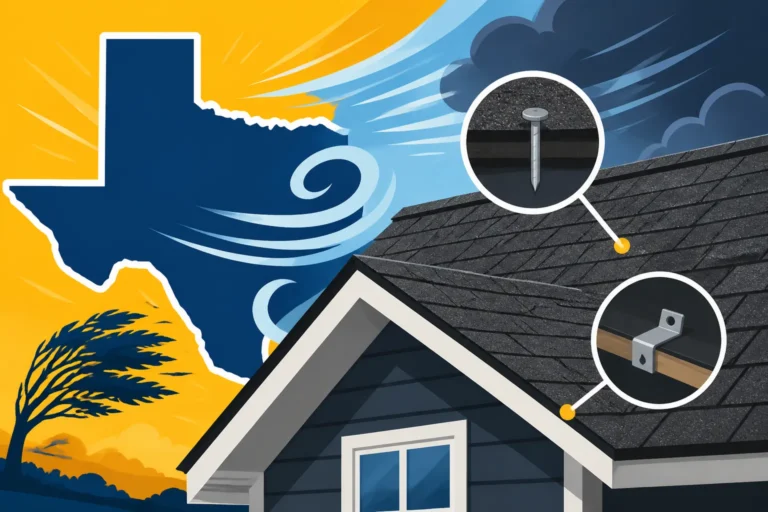
- Addressing Local Environmental Challenges: Texas is a huge state with diverse climates, from the humid Gulf Coast to the arid west. Many areas are prone to severe weather events like hurricanes, tornados, and hailstorms. Local codes often incorporate specific requirements for wind resistance, such as High-Wind Nailing Cost Premium or the use of impact-resistant shingles in hail-prone regions. Permits ensure these crucial local adaptations are followed, making your home more resilient. For example, coastal cities like Galveston or Corpus Christi have very strict wind-uplift requirements compared to, say, Amarillo.
Navigating the Local Landscape: Texas Cities and Their Rules
As we've touched upon, the key takeaway for roofing permits in Texas is that it's all about local jurisdiction. The requirements, fees, and processes can vary significantly even between neighboring cities. What applies in Plano might be different in Dallas, and what’s standard in Houston won’t necessarily be the same in San Antonio.
Major City-Specific Permit Details
Let's look at some of Texas's largest cities to give you a clearer picture, though remember, these are general outlines, and you should always verify current regulations with your specific city's building department.
- Houston: As one of the largest cities, Houston's Building Code mandates permits for most roof replacements. They typically require an application, architectural plans (for structural changes), and potentially a survey. Inspections are crucial post-installation. Their focus is often on ensuring compliance with windstorm requirements and proper flashing.
- Dallas: The City of Dallas Development Services department requires permits for re-roofing projects. They emphasize proper disposal of old materials and compliance with energy codes. The permit application typically asks for contractor information (they'll need to be licensed), project scope, and materials.
- Austin: Austin's Development Services Department is quite thorough. For roofing, they require permits for replacement or significant repair. Their codes might have specific requirements for cool roofs or energy efficiency, given Austin's green initiatives. They often streamline the process for licensed contractors.
- San Antonio: The Development Services Department in San Antonio also requires permits for roof replacements. They focus on structural integrity and adherence to the city's adopted building codes, which include provisions for high wind areas. They’ll want to see proof of contractor licensing and insurance.
- Fort Worth: Similar to its sister cities, Fort Worth's Development Services department enforces permit requirements for re-roofing to ensure compliance with the International Residential Code (IRC) and local amendments. Their process often involves an online application portal and subsequent inspections.
It's a lot to keep track of, right? This table offers a general comparison, but again, always check with your specific city.
| City/Area | General Permit Requirement | Typical Cost Range (Residential) | Key Focus/Notes |
|---|---|---|---|
| Houston | Yes (most replacements) | $100 – $300+ | Windstorm requirements, flashing, disposal. |
| Dallas | Yes (most replacements) | $100 – $250+ | Energy codes, contractor licensing, structural integrity. |
| Austin | Yes (most replacements) | $100 – $350+ | Energy efficiency, cool roof options, proper ventilation. |
| San Antonio | Yes (most replacements) | $80 – $200+ | High wind provisions, code compliance. |
| Fort Worth | Yes (most replacements) | $90 – $250+ | IRC adherence, proper installation. |
| Rural County TX | Varies greatly, often no | $0 – $100+ (if applicable) | Less stringent, but county rules may apply, especially for septic. |
(Note: Permit costs are estimates and can vary based on project scope, valuation, and specific city fees.)
Why Local Ordinances Matter More Than State-Wide Rules
The absence of a statewide mandate for residential roofing permits in Texas can be incredibly misleading. It leads many to assume no permit is needed at all. However, local control is a cornerstone of Texas governance. Cities and counties have the authority to adopt and enforce their own building codes and permitting processes.
This local control allows for customization based on specific geographic and climatic challenges. For instance, cities along the Gulf Coast, like Galveston or Port Aransas, are often in designated windstorm zones. They will have much more stringent requirements for roof construction and materials to withstand hurricane-force winds. This might include specific nailing patterns, stronger adhesives, or even requiring Impact-Resistant Shingle Cost or certain Class 4 shingles to be used, which can potentially lower your insurance premiums. A city further inland, say Waco, might have different concerns and thus different code interpretations.
So, while the state provides a framework, the granular details—the actual "do I need a permit?" question—are almost always answered at your city's building department. Ignoring this local nuance is a common and costly mistake.
How to Find Your Specific City's Permit Information
Finding the right information is easier than you might think. Don't rely on anecdotal evidence from your neighbor or what you read on a general forum. Go straight to the source!
- Visit Your City's Official Website: Most Texas cities have a dedicated "Development Services," "Building Permits," "Planning Department," or similar section on their official municipal website. A quick search for "[Your City Name] roofing permit" will usually lead you directly to the relevant page. For example, searching "Houston roofing permit" will take you to the City of Houston Public Works page.
- Look for Building Codes and Ordinances: On these department pages, you'll often find links to their adopted building codes (e.g., International Residential Code with local amendments) and specific ordinances related to roofing.
- Call or Visit the Building Department: If the website isn't clear, or you have a very specific question about your project, pick up the phone. Building department staff are there to help guide you through the process. A brief conversation can save you a ton of headaches later. This is especially useful if your project is unique or falls into a gray area.
- Consult with Your Roofing Contractor: A reputable and experienced roofing contractor who regularly works in your area will be very familiar with local permit requirements. In fact, most contractors will handle the permit application process for you as part of their service. This is one of the key reasons why choosing a How to Choose a Roofing Contractor who is local and knowledgeable is so important. They should know if you need a Roofing Permit for a Repair vs Replacement and handle all the paperwork.
The Permit Process: Steps and What to Expect
Once you've established that you need a permit, understanding the process can feel overwhelming. But it's actually quite straightforward, especially if your contractor is handling it. Still, as a homeowner, it's wise to know what to expect. This entire process is part of what makes up the overall Roofing Permit Cost and Process.
Gathering Necessary Documentation
Before you can even apply, there's usually some paperwork to round up. Don't worry, it's not typically a mountain of documents for a standard roof replacement.
- Application Form: This is standard, usually available online or at the building department. It will ask for basic information about your property, the scope of work, and the contractor.
- Property Information: You'll need your property address, legal description, and possibly a plat map or survey to clearly identify the property.
- Contractor Information: Most cities require that the roofing contractor be licensed and insured. You'll need their company name, license number, contact information, and proof of liability and worker's compensation insurance. This is why verifying that your prospective roofer is a Licensed and Insured Roofers: Why It Matters is so critical – it's often a permit requirement.
- Scope of Work Details: A brief description of what you're doing (e.g., "tear-off and replace asphalt shingles on a single-family residence"). Sometimes, they'll ask for specific material details, like the type of shingles (e.g., architectural shingles) and underlayment.
- Proof of Homeownership: A copy of your deed or a recent property tax statement might be requested.
For a typical roof replacement, your chosen contractor will usually gather and submit most of this documentation on your behalf. This is a common service that legitimate contractors provide. You can find more details on this in Who Pulls the Roofing Permit: You or the Contractor.
The Application and Review Process
With your documents in hand (or, more likely, your contractor's), the next step is applying and waiting for approval.
- Submission: The application and supporting documents are submitted to your city's building department. Many cities now offer online portals for this, like the City of Houston's Accela system, making the process much more convenient.
- Fee Payment: A permit fee will be due at the time of submission or upon approval. These fees vary widely by city and are often based on the estimated value of the project or a flat rate.
- Review: A plans examiner or building official will review your application to ensure it meets all local zoning ordinances and building codes. For a standard roof replacement, this review is usually quick. If there are structural changes, it will take longer.
- Approval and Issuance: Once approved, the permit is issued. You (or your contractor) will receive a permit card or document that must be prominently displayed at the job site. This is important because it shows that the work is authorized and allows inspectors to verify it easily.
The timeline for approval can range from a few days to a couple of weeks, depending on the city's workload and the complexity of your project. It's always a good idea to factor this time into your overall roofing schedule.
The Importance of Post-Installation Inspections
Getting the permit isn't the end of the story; inspections are a crucial part of the process. This is where the city verifies that the work was done according to the approved plans and local building codes.
- Mid-Process Inspections (less common for standard roofs): For some complex roofing projects involving structural changes, there might be an inspection during the installation process (e.g., after the decking is exposed but before new materials are laid).
- Final Inspection: For most standard roof replacements, a final inspection is required once the work is complete. An inspector will come to your home to check several key elements:
- Workmanship: Are shingles properly installed, adequately nailed, and sealed?
- Materials: Were the correct types of shingles and underlayment used as per code?
- Flashing: Is flashing around chimneys, vents, and valleys properly installed and watertight? Correct Roof Flashing Explained is critical to preventing leaks.
- Ventilation: Is the roof ventilation adequate and installed correctly?
- Debris Removal: Is the job site clean and free of construction debris? Proper Cost of Roof Tear-Off and Disposal often includes ensuring the site is clean post-job.
Once the final inspection passes, the permit is closed, and your new roof is officially sanctioned. This inspection process ensures quality and compliance, protecting your investment. For more on what inspectors look for, check out Roofing Inspection: What Inspectors Check.
Consequences of Skipping a Roofing Permit
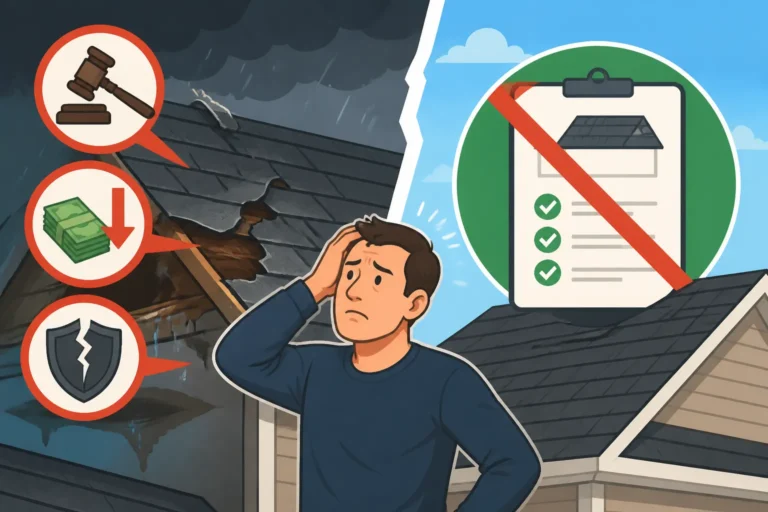
It might seem tempting to skip the permit process to save a little time or money, but in Texas, doing so can lead to a host of expensive and frustrating problems. It's truly not worth the risk.
Financial Penalties and Stop-Work Orders
The most immediate consequence of working without a permit is often a stop-work order and hefty fines.
- Stop-Work Orders: If a city official or inspector discovers unpermitted work, they can issue a stop-work order, halting your project immediately. This can delay your roofing project significantly, especially if you're in the middle of a tear-off and your home is vulnerable to the elements.
- Fines and Penalties: Cities in Texas impose fines for unpermitted work. These fines can be substantial, often double or triple the original permit fee, and can be assessed daily until the situation is resolved. For example, in a city like Dallas, fines can easily run into hundreds or even thousands of dollars, depending on the severity and duration of the violation. Plus, you’ll still have to pay for the permit itself.
- Demolition and Re-work: In extreme cases, if the unpermitted work doesn't meet code or poses a safety risk, the city could demand that the work be torn out and redone correctly, with a permit. This means paying for the same job twice, plus disposal costs, which can be an enormous financial blow. This is a serious example of What Happens If You Skip a Roofing Permit.
Insurance and Warranty Implications
Beyond city penalties, skipping a permit can severely impact your ability to claim insurance or warranty coverage.
- Voided Homeowners Insurance: Many insurance policies require that all major home improvements and repairs comply with local building codes and permitting requirements. If your roof was replaced without a permit and later suffers damage from a storm, your insurance company could deny your claim, arguing that the unpermitted work constitutes a violation of your policy's terms. This can turn a covered expense into an out-of-pocket disaster. It's a critical aspect of Roof Replacement and Insurance Claims.
- Voided Manufacturer Warranties: Leading shingle manufacturers like GAF, Owens Corning, and CertainTeed often stipulate that their enhanced warranties (beyond basic material defects) are only valid if the product is installed by a certified contractor and in compliance with all local building codes. If you skip the permit, you risk voiding these valuable warranties, leaving you without recourse if your shingles fail prematurely due to an installation issue. Understanding your Roofing Warranty: Workmanship vs Manufacturer is key here. A certified contractor usually handles warranty registration, which often requires proof of code compliance.
- Difficulty Getting Future Insurance: If your current insurer denies a claim due to unpermitted work, you might also find it difficult to get coverage from other insurance providers in the future, as you'll have a record of non-compliance.
Impact on Home Sale and Future Renovations
The ripples of unpermitted work can extend far into the future, affecting your ability to sell your home or undertake future renovations.
- Challenges During Home Sale: When you sell your home, the buyer's inspector will likely review past permits for major renovations. If a new roof isn't documented with a permit, it raises immediate red flags. Buyers might demand that you obtain a retroactive permit, which can be a drawn-out and costly process, or they might demand a price reduction. In some cases, it could even scuttle the sale entirely. Transparency about home improvements, especially big-ticket items like a new roof, is vital during a real estate transaction.
- Complications with Future Projects: Let's say you want to add solar panels in a few years, or build an addition that ties into the existing roof structure. The city will likely check for permits on previous work. If they find an unpermitted roof replacement, they could refuse to issue permits for your new projects until the old issue is resolved, creating bureaucratic nightmares.
Ultimately, while the permit process requires a little time and a modest fee, it's a small investment in comparison to the peace of mind and protection it provides. Always check with your local Texas municipality and work with a reputable contractor who understands and respects the permit requirements.
Disclaimer
Please remember that this guide provides general information and insights into roofing permit requirements in Texas. Local ordinances and building codes are subject to change, and requirements can vary significantly by city and county. Always consult your specific municipal building department or a qualified, local roofing contractor for the most accurate and up-to-date information regarding your particular project and location.