What Voids a Shingle Warranty
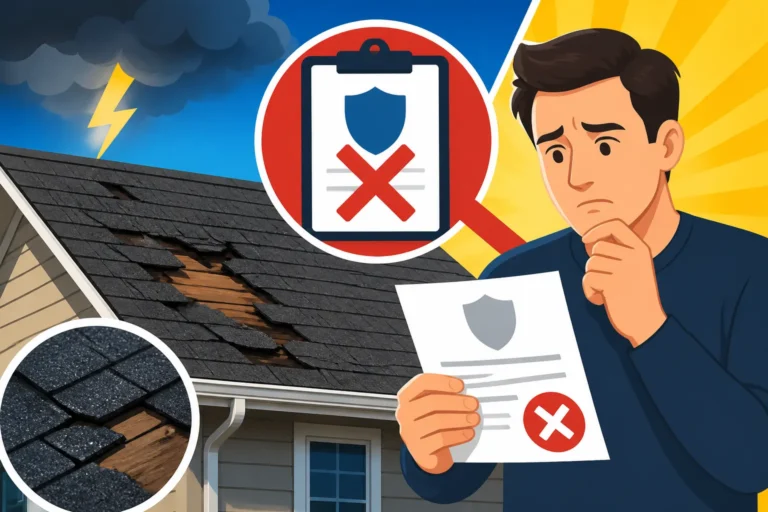
One of the biggest worries for any homeowner looking at a new roof is making sure that substantial investment is protected. You shell out thousands of dollars for a beautiful new asphalt shingle roof, expecting it to last for decades, only to hear whispers of warranties being "voided." It's a frustrating, often confusing topic that can leave you feeling powerless. What exactly can cause your shingle warranty to become null and void, leaving you on the hook for future repairs? This guide is here to unravel those mysteries, helping you understand the common pitfalls and how to steer clear of them, so your roof stays covered.
The Foundation: Understanding Your Shingle Warranty
Before we dive into what can void a warranty, it's crucial to understand what a shingle warranty actually is and how it's typically structured. Many homeowners mistakenly believe a single warranty covers everything from the day the roof is installed until it needs replacing. In reality, it's a bit more nuanced than that.
Manufacturer vs. Workmanship Warranties
When you get a new roof, you're generally dealing with two distinct types of warranties, and understanding the difference is paramount.
First, you have the manufacturer's warranty. This is issued by the company that actually makes the shingles – think of brands like GAF, Owens Corning, or CertainTeed. This warranty covers defects in the materials themselves. For example, if your shingles start losing granules prematurely due to a manufacturing flaw, or they don't seal properly when they should, the manufacturer's warranty is what you'd typically turn to. These warranties often cover the cost of new materials and, sometimes, a portion of the labor to reinstall them, for a specified period, which can range from 20 years to a lifetime. They often have different tiers, like basic coverage, which might be prorated over time, and enhanced coverage, which could offer non-prorated material and labor coverage for a longer period.
Then, there's the workmanship warranty. This warranty comes from the roofing contractor who installed your roof. It covers issues arising from improper installation – essentially, if the roof fails because the contractor didn't put it on correctly. For instance, if shingles were nailed incorrectly, or flashing around your chimney wasn't sealed right, leading to a leak, that falls under the workmanship warranty. The length of this warranty can vary widely, from a couple of years to 10 or even 25 years, depending on the contractor and their confidence in their work. Some manufacturers also offer enhanced system warranties (like GAF's Golden Pledge or Owens Corning's Platinum Protection) that include extended workmanship coverage, but only when installed by their certified contractors. This distinction is critical because if you have an issue, you need to know whether to call the shingle manufacturer or your roofing contractor. It’s also important to understand that your Roofing Warranty: Workmanship vs Manufacturer coverage can be dramatically different.
The Critical Step of Warranty Registration
You'd be surprised how many homeowners overlook this seemingly simple step, only to find themselves in a tough spot later. Many manufacturer warranties are not automatically active upon installation. Instead, they require you to register your roof within a specific timeframe – often 30 to 60 days post-installation.
Think of it like buying a new appliance. You get the warranty card, fill it out, and send it in or register online. For a roof, it's often the same process, but with higher stakes. If you don't register your warranty as required, the manufacturer might deny your claim entirely, arguing that you never formally activated the coverage. Even if they don't deny it outright, you might be relegated to a much more basic, less comprehensive version of the warranty – perhaps only covering materials for a shorter period, and prorated from day one. This is especially true for the more robust, non-prorated "system" warranties that often cover labor and materials for many years. Missing that registration deadline can mean losing out on thousands of dollars of potential protection. So, make sure you or your contractor handle this essential paperwork promptly after installation.
Diving into the Fine Print: What You Agreed To
Let's be honest, who actually reads all the fine print on contracts and warranties? Most of us skim, sign, and hope for the best. But when it comes to your roof – a massive investment – neglecting the details in your shingle warranty document can be a costly mistake.
Every manufacturer's warranty is a legal document, and it outlines precise conditions, limitations, and exclusions. It's not just about how long the shingles are guaranteed; it details specific installation requirements, maintenance expectations, and what you can't do without potentially voiding the coverage. For example, some warranties might specify the acceptable methods for cleaning algae, or require certain ventilation levels in your attic. They might exclude damage from severe weather unless you've purchased a specific upgrade. If you don't know these terms, you might inadvertently violate them. This document is your rulebook. It's the guide that tells you exactly How Shingle Warranties Work and what's expected of you, the homeowner, to keep it valid. Take the time to read it, highlight key clauses, and don't hesitate to ask your contractor to explain anything that isn't clear.
Installation Errors: The Silent Warranty Killer
One of the most frequent reasons a shingle warranty is voided has nothing to do with the shingles themselves, but with how they were put on your house. Even the highest quality shingles can fail if installed incorrectly, and manufacturers are very strict about their installation guidelines.
Incorrect Nailing Techniques and Patterns
You might think nailing a shingle is straightforward, but there's an art and a science to it. Manufacturers specify precise nailing patterns and locations to ensure optimal wind resistance and shingle integrity.
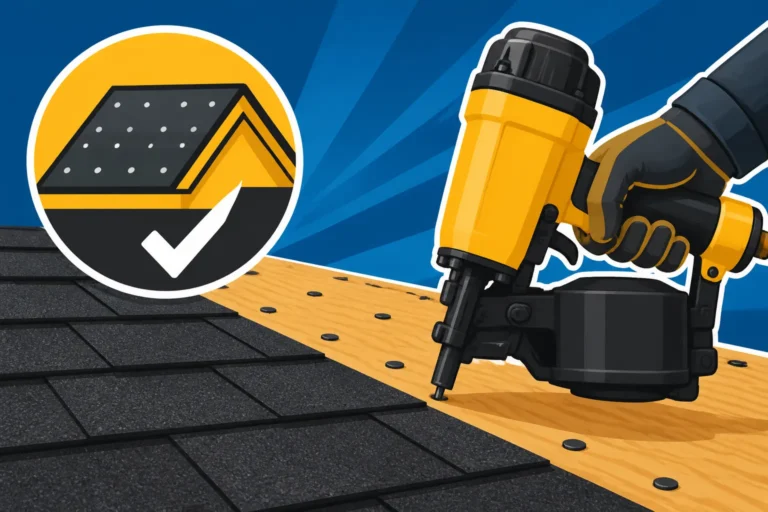
Improper Nailing Location: If nails are driven too high on the shingle (known as "high nailing"), they might miss the underlying shingle, allowing the shingle above it to lift easily in wind. If nails are driven too low, they could be exposed to the elements, leading to leaks and faster deterioration. Both scenarios compromise the shingle's ability to seal and hold fast, and both can be grounds for a warranty claim denial. Manufacturers are very specific about the "nailing strip" or "fastener zone" on each shingle.
Too Many or Too Few Nails: Equally problematic is using an incorrect number of nails. Most architectural shingles require 4 nails per shingle under normal conditions, but in high-wind zones, this often increases to 6 nails per shingle. Using too few nails drastically reduces the shingle's wind resistance, making it prone to blow-offs. Using too many nails, or driving them too close together, can also weaken the shingle and create stress points, making it susceptible to cracking or tearing around the fasteners. A good contractor understands these nuances, but an inexperienced or careless one can make mistakes that quietly sabotage your roof's longevity and warranty.
Improperly Driven Nails: Nails need to be driven flush with the shingle surface, neither underdriven (sticking up) nor overdriven (sunk too deep, tearing through the shingle). Underdriven nails can prevent the overlying shingle from laying flat and sealing correctly, creating pressure points that can puncture the shingle over time. Overdriven nails damage the shingle's mat, weakening its hold and making it vulnerable to leaks and tear-offs. These details, though seemingly minor, are crucial to the shingle's performance and are closely inspected during a warranty claim. This is a common issue that signifies Signs of a Bad Roofing Job.
Skipping or Substituting Key Roofing Components
Modern asphalt shingle roofs are designed as integrated systems, not just a collection of shingles. Manufacturers develop specific starter strips, underlayments, ridge cap shingles, and ventilation products that are engineered to work together.
Underlayment and Starter Shingles: For instance, using a generic or low-quality underlayment when the manufacturer specifies a premium synthetic one might seem like a cost-saving measure, but it can negate parts of your warranty. Similarly, starter shingles, which are installed along the eaves to protect against wind uplift and provide proper shingle alignment, are a critical component. If a contractor uses cut-up regular shingles as makeshift starter strips, or skips them entirely, your roof's wind resistance is compromised. Manufacturers like Owens Corning and GAF design their systems for optimal performance and warranty coverage only when their specified components are used.
Ridge Caps and Ventilation: The same goes for ridge cap shingles and attic ventilation. Many manufacturers offer specially designed ridge caps that match their shingles and provide superior protection at the roof's peaks. If a non-approved or improperly installed ridge cap is used, or if the attic ventilation system isn't up to code or manufacturer specifications, it can lead to excessive heat and moisture buildup in the attic. This can cook the shingles from below, causing them to blister, crack, and age prematurely, all of which the manufacturer could argue voids the warranty because their system wasn't properly installed. Getting Cost of Ridge Vent Installation right is key here.
Failure to Adhere to Manufacturer’s Installation Instructions
Every box of shingles comes with detailed installation instructions, and for a good reason. These instructions are the manufacturer's blueprint for ensuring their product performs as intended and qualifies for warranty coverage.
Ignoring Specific Details: Whether it's the specific offset pattern for shingles, the amount of overhang at the eaves and rakes, or the way flashing is installed around penetrations like chimneys and vents, any deviation from these instructions can be problematic. If you have a leak, and the cause is traced back to a contractor failing to follow a specific flashing detail, the manufacturer can reasonably claim that the warranty is void due to improper installation.
Importance of a Certified Contractor: This is where hiring a manufacturer-certified contractor becomes incredibly valuable. These contractors have undergone specific training directly from the shingle manufacturer, understand the product's nuances, and are committed to adhering to precise installation standards. In fact, many enhanced warranties are only available if your roof is installed by one of these certified professionals, like a GAF Master Elite or Owens Corning Platinum Preferred contractor. They are the ones who truly understand How Asphalt Shingles Are Installed: Step by Step, reducing the risk of installation errors that could void your warranty down the line.
Neglect, Damage, and Unauthorized Modifications
Beyond initial installation, how you care for your roof and what happens to it over time can also impact your warranty. Neglecting maintenance or making unapproved changes can swiftly void your coverage.
Lack of Regular Maintenance and Debris Accumulation
A roof isn't truly "maintenance-free," and neglecting basic upkeep can lead to issues that void your warranty.
Clogged Gutters and Standing Water: One of the most common problems is the accumulation of leaves, pine needles, and other debris in gutters and on the roof surface, especially in valleys or around dormers. Clogged gutters prevent proper water drainage, leading to water backing up under shingles or pooling on the roof. Prolonged standing water, even for a short time, can saturate shingles, accelerate granule loss, and encourage moss and algae growth. Manufacturers design shingles to shed water, not to withstand prolonged submersion. If a roof fails due to persistent water damage from unaddressed clogs, the manufacturer might consider it a maintenance issue, not a material defect.
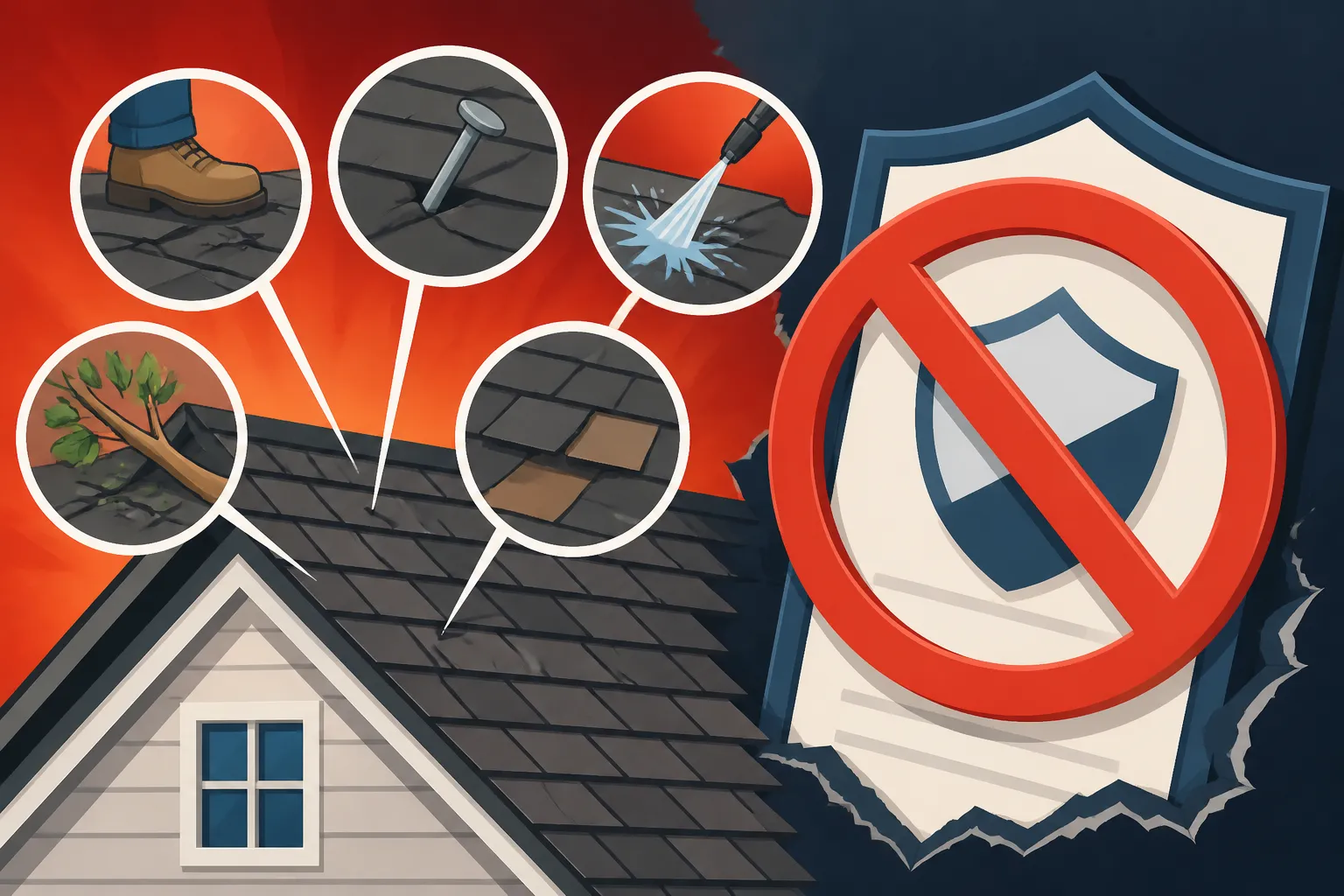
Overhanging Branches: Trees with branches directly over your roof can also cause problems. Falling leaves and twigs contribute to debris buildup, while branches rubbing against the shingles can abrade granules over time, leading to premature wear. Plus, in storms, these branches become a direct threat, potentially causing punctures or impact damage. Keeping your roof clean and your gutters clear is a simple but essential step in How to Keep a Roof Warranty Valid.
Improper Cleaning Methods or Harsh Chemicals
While a little moss or algae growth might be unsightly, how you address it matters greatly to your warranty.
Power Washing and Wire Brushes: High-pressure washing is a big no-no for asphalt shingles. The force of the water can blast off the protective granules, which are essential for UV protection and shingle longevity. Stripping these granules exposes the asphalt mat beneath to the sun, leading to rapid deterioration. Similarly, using stiff wire brushes or harsh scraping tools can cause irreparable damage. If a warranty claim is made and inspection reveals widespread granule loss consistent with improper cleaning, it will likely be denied.
Unapproved Chemical Treatments: Even chemical treatments need to be used with caution. While some mild, roof-safe cleaning solutions are available for algae or moss, using strong, unapproved chemicals can damage the shingle's asphalt composition, sealant strips, or cause discoloration, which can void the warranty. Always check your shingle manufacturer's guidelines for recommended cleaning methods or consult with a professional who specializes in roof cleaning for asphalt shingles to ensure you're not doing more harm than good.
DIY Repairs, Unqualified Work, and Unauthorized Penetrations
This is a tricky one because as homeowners, we often want to save money or fix small issues ourselves. However, attempting repairs or making alterations without professional expertise can have serious warranty implications.
DIY Repairs: Let's say you have a few missing shingles after a windstorm. If you decide to climb up and nail new ones on yourself, and you don't use the correct nails, nailing pattern, or even the right type of shingles, any future issues stemming from that repair could void your warranty. Manufacturers require repairs to be done in a manner consistent with their installation specifications. If a non-professional repair causes further damage or exacerbates a problem, the manufacturer won't cover it. It's often better to call a qualified roofing professional for even small repairs, especially if you want to keep your warranty intact. For serious issues, it's always best to engage a reputable contractor. If you're wondering When to Call a Pro for Roof Repair, the answer is usually "sooner rather than later" if warranty preservation is a concern.
Unauthorized Penetrations/Modifications: Thinking of adding a new skylight, installing solar panels, or mounting a satellite dish? These all involve penetrating your roof. If these installations are not done by a licensed, insured, and often manufacturer-certified professional, and in accordance with manufacturer guidelines for sealing penetrations, any leaks or damage resulting from them will likely void your shingle warranty in that area. Many manufacturers require specific flashing techniques or even their own proprietary sealants around such penetrations. Always check with your roofing contractor and the shingle manufacturer before undertaking any project that involves cutting into or attaching things to your roof. Roof Replacement Cost with Solar Panels is a good place to start understanding the complexities involved.
External Factors and Administrative Pitfalls
Sometimes, factors beyond direct installation or maintenance can come into play regarding warranty validity. These often involve severe environmental conditions or administrative oversights.
Severe Weather Damage and the Nuance of Coverage
This is where many homeowners get confused. Standard asphalt shingle warranties typically do not cover damage caused by severe weather events, often referred to as "Acts of God." This includes things like hail, tornadoes, hurricanes, extreme winds, or significant fallen debris (like a tree limb).
Insurance vs. Warranty: Damage from these types of events is generally covered by your homeowner's insurance policy, not the shingle manufacturer's warranty. The shingle warranty covers defects in the material, meaning the shingle itself failed under normal or expected conditions. If a powerful hailstorm creates impact craters on your shingles, that's external damage, not a manufacturing defect. However, this isn't always black and white. Some premium or upgraded shingles come with enhanced wind resistance ratings (e.g., Class F for up to 130 mph) or Class 4 impact resistance for hail. If you have such a shingle and it fails below its rated capacity (e.g., 90 mph winds cause blow-offs on a 130 mph rated shingle), then the manufacturer might be liable under that specific enhanced warranty. Still, it's crucial to understand that your primary recourse for storm damage is almost always your homeowner's insurance, not the shingle warranty. Learning How to Get Insurance to Pay for a Roof can be invaluable after a storm.
Transferability Issues When Selling Your Home
Life happens, and people move. If you sell your home, you might assume your shingle warranty automatically transfers to the new owners. However, this is rarely the case, and failing to follow specific transfer procedures can effectively void the warranty for the next homeowner.
Specific Requirements: Most manufacturer warranties are initially issued to the original homeowner. To transfer them, you often need to meet several conditions:
- Notification: You typically have a limited window (e.g., 30 or 60 days) after the sale of the home to notify the manufacturer in writing.
- Fee: Many manufacturers charge a transfer fee.
- Documentation: You may need to provide proof of the sale and the original warranty documentation.
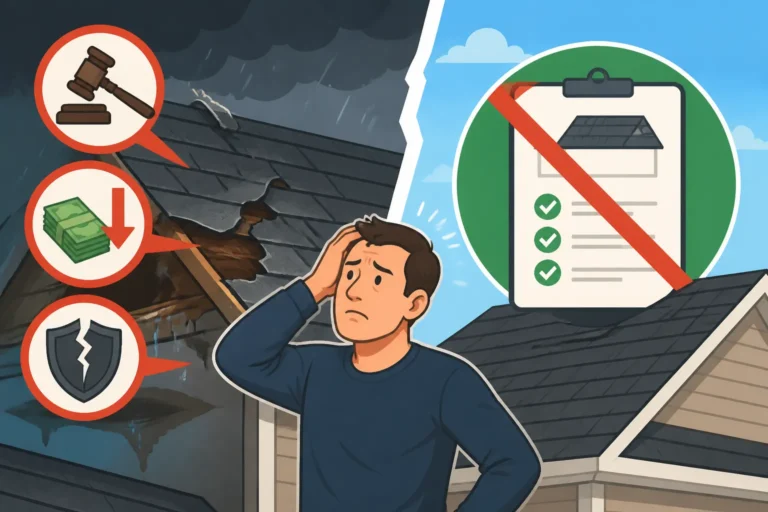
If these steps aren't followed precisely, the new homeowner could inherit a roof with no warranty coverage, or a significantly downgraded version (e.g., a limited, prorated warranty instead of the full non-prorated coverage). This can be a point of contention during a home sale and can even affect the home's value. Always check the transferability clause in your specific warranty document and make sure to complete all necessary steps if you plan to sell. Understanding Transferable Roofing Warranties Explained is critical for home sellers and buyers.
Using Incompatible or Mixed Roofing Materials
While it might seem like all shingles are created equal, using components from different manufacturers on a single roof can be a quick way to void your warranty.
System Compatibility: Shingle manufacturers engineer their entire roofing system (shingles, underlayment, starter strips, ridge cap, vents) to work cohesively. They conduct extensive testing to ensure these components are compatible and perform optimally together. When you mix and match, say, GAF shingles with Owens Corning underlayment and CertainTeed ridge caps, you break that tested system.
Claim Denial: If a problem arises, a manufacturer can easily argue that their product's failure was due to its interaction with an incompatible component from another brand, thereby voiding their warranty. They can't guarantee performance when their system isn't fully utilized. This is a common "out" for manufacturers and why many enhanced warranties explicitly state that all components of the roofing system must be from their brand. Always ensure your contractor uses a complete, single-manufacturer system if you want the full warranty protection. It's an important consideration when How to Read and Compare Roofing Estimates from different companies.
| Action That Can Void Your Warranty | How to Avoid It | Potential Consequence |
|---|---|---|
| No Warranty Registration | Register your warranty online or via mail promptly (within 30-60 days) after installation. Keep confirmation. | Manufacturer denies claim or offers significantly reduced coverage. |
| Improper Installation | Hire a manufacturer-certified, licensed, and insured roofing contractor. Ensure they follow all manufacturer specs (nailing, components). | Shingles fail prematurely (blow-offs, leaks), manufacturer denies claim, you bear full repair/replacement cost. |
| Skipping System Components | Insist on a complete roofing system from a single manufacturer (underlayment, starter, ridge cap, etc.). Verify components are listed in the contract. | Weakened wind resistance, premature aging, leaks, manufacturer denies claim due to non-system installation. |
| Lack of Maintenance | Regularly clear gutters and roof debris (leaves, branches). Trim overhanging tree branches. | Standing water, moss/algae growth, accelerated shingle deterioration, manufacturer cites neglect. |
| Improper Cleaning | Never power wash asphalt shingles. Use manufacturer-approved, gentle cleaning methods for moss/algae. | Granule loss, damage to shingle mat, premature failure, manufacturer denies claim. |
| DIY Repairs/Unqualified Work | For any repairs or roof alterations (skylights, solar panels), hire a licensed, insured, and certified roofing professional. | Leaks, damage, improper installation of new components, manufacturer denies claim for areas impacted by DIY/unqualified work. |
| Unauthorized Penetrations | Consult your contractor and manufacturer before adding anything to your roof (e.g., satellite dish, solar panels) to ensure proper flashing and sealing according to warranty. | Leaks, structural damage, voided warranty in the affected area. |
| Failure to Transfer Warranty | If selling your home, follow the manufacturer's exact procedure (notification, fee, documentation) within the specified timeframe to transfer the warranty to the new owner. | New homeowners have no warranty or only a prorated, limited warranty, impacting home value. |
| Mixing Manufacturer Materials | Use a complete roofing system (shingles, underlayment, accessories) from the same manufacturer. | Warranty voided because the manufacturer cannot guarantee the performance of their products when combined with incompatible items. |
Proactive Steps to Safeguard Your Roof Warranty
The good news is that avoiding warranty pitfalls is entirely possible with a bit of vigilance and informed decision-making. Taking proactive steps can save you significant headaches and expenses down the road.
The Power of a Manufacturer-Certified Contractor
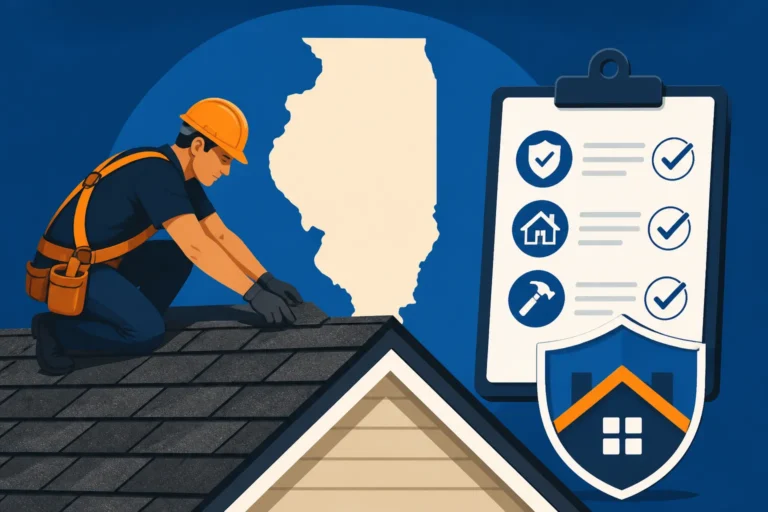
This cannot be stressed enough: the single most impactful decision you can make to protect your shingle warranty is hiring a manufacturer-certified contractor. These aren't just any roofers; they've partnered directly with shingle manufacturers like GAF, Owens Corning, or CertainTeed.
Why Certification Matters: Certification means they've met stringent requirements, including being properly licensed and insured, having a proven track record, and receiving ongoing training directly from the manufacturer on proper installation techniques. Many of the most robust, non-prorated "system" warranties (which often cover both materials and labor for an extended period) are only available when installed by these certified professionals. For example, a GAF Master Elite Contractor can offer the Golden Pledge Warranty, which includes a 25-year workmanship warranty backed by GAF itself, a far cry from a standard contractor's 5-year guarantee. This gives you peace of mind that the installation adheres to the highest standards. So, when you're looking for How to Choose a Roofing Contractor, always put manufacturer certification high on your list.
Regular Professional Inspections
Even with a perfectly installed roof, regular check-ups are essential. Think of it like your car; you don't just drive it until it breaks down, you get oil changes and inspections. Your roof is no different.
Early Detection of Issues: A professional roof inspection, ideally performed annually or biennially, can catch minor issues before they escalate into major, warranty-voiding problems. An inspector can identify early signs of granule loss, assess the condition of flashing, check for proper sealing, spot potential drainage issues, or notice emerging moss or algae growth. Catching a small leak or a couple of loose shingles early allows for timely, inexpensive repairs that preserve the overall integrity of your roof and prevent situations where a manufacturer could claim neglect. Many manufacturers even recommend regular inspections as part of their warranty terms. A good inspector will conduct a thorough Roof Inspection: What They Check from top to bottom.
Documenting Everything
In the world of warranties and insurance claims, documentation is your best friend. Keep a meticulous record of everything related to your roof.
Comprehensive Records: This includes your initial contract with the roofing contractor, proof of payment, the original manufacturer's warranty document, and the confirmation of your warranty registration. Add to this any receipts for professional roof cleaning or repairs, and notes from annual inspections. Take photos or videos of your roof when it's new, and periodically thereafter, especially after significant weather events. This creates a timeline and provides evidence of proper care. If you ever need to file a warranty claim, having all this information readily available will streamline the process and serve as proof that you've upheld your end of the bargain. It acts as your personal "defense" against any claims of neglect or improper maintenance. Keep all your Roofing Contract: What to Look For documents in a safe place.
Disclaimer
Please remember that this article provides general information and recommendations. Every shingle manufacturer's warranty is unique, and local building codes and regulations can vary significantly. Always consult your specific warranty document, a qualified local roofing contractor, and your homeowner's insurance policy for advice tailored to your situation.