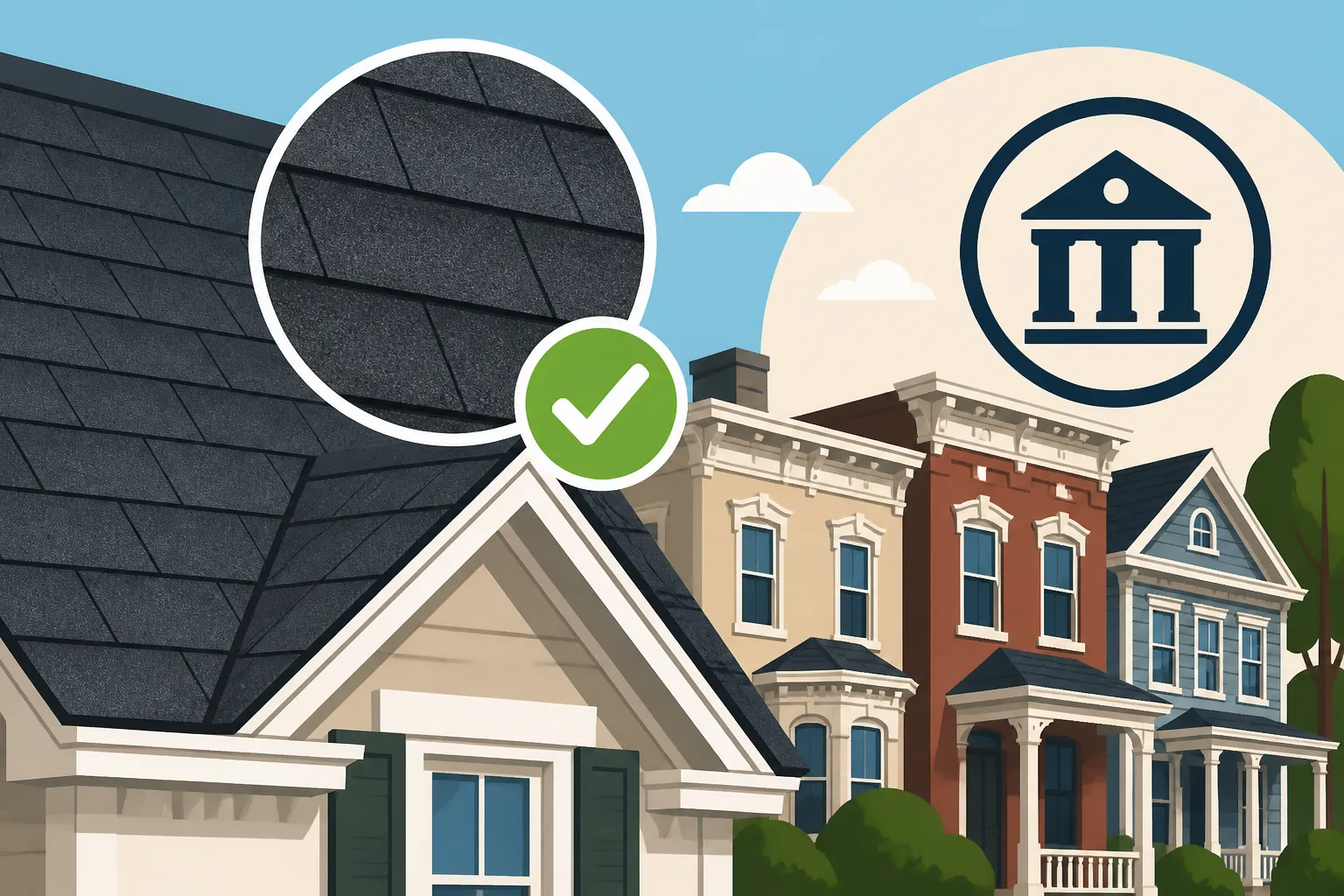
Roofing and Historic District Rules
Dealing with a roofing project in a historic district can feel like navigating a labyrinth, full of hidden rules, endless paperwork, and the pressure of preserving history while protecting your home. It’s a unique challenge that often leaves homeowners feeling overwhelmed and frustrated. This comprehensive guide will demystify the complexities of roofing and historic district rules, helping you understand the regulations, navigate the approval process, and make informed decisions to protect your historic home.
Understanding Historic Districts and Their Purpose
Stepping into a historic district often feels like stepping back in time, with unique architecture and a palpable sense of character. But for homeowners, this charm comes with a distinct set of responsibilities, especially when it comes to maintaining or replacing key elements like your roof. It’s not just about aesthetics; it's about preserving a shared heritage.
What Defines a Historic District?
A historic district is essentially a geographically defined area that has been recognized for its significant architectural, cultural, or historical value. These designations can happen at the local, state, or federal level, with local designations often having the most immediate impact on property owners. When an area is deemed historic, it means that the buildings within it contribute to a collective story, representing specific periods, styles, or events. Think of the beautiful Victorian homes in the Garden District of New Orleans, or the brownstones in Brooklyn Heights, New York. Each area has a distinct flavor that preservation efforts aim to maintain.
It’s crucial to understand that these designations aren't just honorary titles. They come with legally binding rules and regulations that dictate what you can and cannot do to your property, particularly concerning exterior alterations. This includes everything from window replacements and paint colors to, yes, your roof. The goal is to ensure that any changes are "in character" with the historic fabric of the district, preventing alterations that would detract from its overall significance.
The Rationale Behind Preservation
You might wonder, why all the fuss over a roof? The rationale behind historic preservation is multifaceted and deeply rooted in community values. First and foremost, it's about safeguarding our cultural heritage. Historic buildings are tangible links to our past, embodying the craftsmanship, architectural trends, and social customs of previous generations. Losing them means losing a piece of our collective memory.
Beyond sentiment, preservation offers substantial economic benefits. Historic districts often become tourist attractions, boosting local economies through heritage tourism. Property values within well-maintained historic districts tend to be more stable and can even appreciate at higher rates. Moreover, reusing existing buildings is a sustainable practice, reducing waste and the demand for new construction materials. It's also about maintaining a sense of place and community identity. Imagine the uproar if a modern glass skyscraper suddenly appeared in the middle of Colonial Williamsburg – it would fundamentally alter the character and historical integrity that makes the area special. Your roof, while seemingly a small component, plays a vital role in maintaining the overall visual integrity of your home and, by extension, the entire streetscape.
Local vs. National Designations
Understanding the different levels of historic designation is key because they determine which regulations apply to you.
-
National Register of Historic Places: This is the official list of the Nation's historic places worthy of preservation. While being listed on the National Register can bring prestige and tax incentives, it does not automatically impose restrictions on private property owners unless federal funds or permits are involved. For instance, if your house is on the National Register, you usually don't need federal approval for a roof replacement, but you might qualify for grants.
-
Local Historic Districts: These are the designations that directly impact most homeowners. Local historic districts are established by municipal or county governments, often through ordinances, and are administered by local commissions or boards, such as a Historic Preservation Commission or Architectural Review Board. These local bodies have the authority to review and approve (or deny) exterior alterations, including roofing projects. The rules vary wildly from city to city, and even from district to district within the same city. For example, in Charleston, South Carolina, a city renowned for its preservation efforts, the Board of Architectural Review meticulously examines everything from shingle type to color for properties within its historic overlay zones.
-
State Historic Registers: Some states also have their own registers, which may offer additional benefits or, in some cases, state-level review processes, especially if state funding is involved in a project.
The critical takeaway is that if your home is in a locally designated historic district, you will need to get approval for significant exterior changes, including roofing work. Always start by checking with your local planning department or historic preservation office to understand the specific rules governing your property.
Navigating the Approval Process for Roofing Projects
Embarking on a roofing project in a historic district is rarely as simple as calling a contractor and picking out shingles. There's a formal process, often involving applications, reviews, and sometimes even public hearings. It can feel daunting, but breaking it down into manageable steps makes it much less intimidating.
Initial Steps: Research and Consultation
Before you even think about swinging a hammer or tearing off old shingles, your first move should be to thoroughly research your local historic district guidelines. These guidelines are usually available on your city or county’s planning department website. They will outline permissible materials, colors, styles, and the application process. Don't just skim them; read them carefully. You'll want to understand specific requirements regarding asphalt shingles, if they are allowed, and what types (e.g., 3-Tab vs Architectural Shingle Cost Compared) or colors are acceptable.
Once you've done your homework, schedule a preliminary consultation with your local historic preservation office or the staff liaison for the Architectural Review Board. This is an invaluable step. They can provide clarification on the guidelines, offer advice on your specific project, and even pre-screen your ideas to identify potential issues before you submit a formal application. For example, if you live in a historic district in St. Augustine, Florida, the city's Historic Architectural Review Board (HARB) staff are usually very helpful in guiding property owners through the process, often recommending specific materials or approaches that have been approved in the past. This proactive engagement can save you a tremendous amount of time, frustration, and money down the line.
The Application Packet: What You'll Need
Preparing a complete and accurate application packet is crucial for a smooth approval process. Missing information or poorly presented plans can lead to delays or even outright denial. While requirements vary, a typical application for a roofing project in a historic district will likely include:
- Completed Application Form: This is standard administrative paperwork.
- Site Plan: A drawing showing your property, the location of your house, and sometimes surrounding properties.
- Photographs: "Before" photos of your existing roof and "after" photos (or renderings) showing the proposed changes. These are critical for the review board to understand the context and impact of your project. Be sure to include close-ups of existing damage and overall shots.
- Material Samples: This is where it gets specific for roofing. You’ll almost certainly need to provide physical samples of the proposed asphalt shingles, including the manufacturer (e.g., GAF, Owens Corning), product line (e.g., GAF Timberline HDZ, Owens Corning Duration), color, and sometimes even the texture. This allows the board to assess whether the new material blends seamlessly with the historic aesthetic.
- Product Specifications: Brochures or spec sheets from the shingle manufacturer detailing the product's composition, dimensions, and warranty information.
- Detailed Drawings/Elevations: Sometimes, simple photos aren't enough. If your roof has complex features or the change is significant, you might need architectural drawings illustrating the pitch, valleys, and proposed materials.
- Narrative Description: A written statement explaining your project, why you've chosen particular materials, and how it complies with the district's guidelines. This is your chance to articulate your commitment to preservation.
- Contractor Information: Details about your chosen contractor, including their license and insurance, which can demonstrate their credibility, especially if they have experience with historic properties.
Remember, the goal is to provide the review board with everything they need to make an informed decision without having to ask for more information. A well-prepared packet shows you've done your due diligence and respect the process.
Architectural Review Boards and Their Role
The Architectural Review Board (ARB), Historic Preservation Commission (HPC), or similar body is the gatekeeper for changes in historic districts. These boards are typically composed of volunteers with backgrounds in architecture, history, preservation, or simply engaged citizens who understand the community's heritage. Their primary role is to ensure that proposed changes adhere to the district's design guidelines and contribute to the area's preservation goals.
Once you submit your application, it will typically go through a staff review for completeness before being placed on the agenda for a board meeting. These meetings are usually public, and you or your contractor may be required to attend to present your project and answer questions. The board will meticulously examine your proposed roofing materials, color, and installation methods against the district's guidelines. They might ask questions about the durability of the chosen asphalt shingles, their fire rating, or how their texture compares to historical roofing materials in the area.
They are looking for "appropriateness" and "compatibility" with the historic character. This doesn't necessarily mean you have to use the exact materials that were originally on the house, especially if those materials are no longer available or cost-prohibitive (like slate or wood shakes). However, it does mean that any modern material, like asphalt shingles, must convincingly mimic the appearance of traditional materials. They'll also ensure that the project complies with general Roofing Building Codes: What to Know and local zoning ordinances, in addition to historic specific rules. Be prepared for robust discussion, and don't take critical questions personally; it's their job to scrutinize every detail to protect the district's integrity.
Permissible Roofing Materials and Styles
One of the biggest hurdles homeowners face in historic districts is understanding what roofing materials are actually allowed. While the charming aesthetic of slate, wood shake, or tile roofs is often associated with historic homes, modern realities, budgets, and regulations sometimes allow for viable alternatives like asphalt shingles.
Asphalt Shingles in Historic Contexts
The good news for many homeowners is that asphalt shingles are often permitted in historic districts, particularly if they are carefully chosen to blend with the historical aesthetic. This is a common situation for homes that, while old, might not have had slate or tile initially, or for those where the cost of such materials is prohibitive. The key is usually in the type of asphalt shingle.
Gone are the days when all asphalt shingles looked flat and utilitarian. Today, manufacturers like GAF, Owens Corning, and CertainTeed produce a wide array of architectural or dimensional shingles that can closely mimic the appearance of more traditional materials. For example, CertainTeed's Landmark series or GAF's Timberline HDZ shingles offer a multi-layered, textured look that can resemble wood shakes or even slate from a distance. The depth and shadow lines created by these shingles are what often make them acceptable. Many historic districts recognize the practicality and affordability of asphalt while pushing for options that don't detract from the visual continuity. You might find that a GAF Timberline HDZ Roof Cost Installed or an Owens Corning Duration Roof Cost Installed is a much more palatable option than a full slate roof, provided it meets the aesthetic requirements.
However, be prepared for specific requirements. Some districts might only allow certain architectural styles or prohibit standard 3-tab shingles, which are generally seen as less historically appropriate due to their flat, uniform appearance. The review board's decision will largely hinge on how well your chosen asphalt shingle simulates a historical roofing material in terms of dimension, texture, and color.
Common Material Restrictions and Alternatives
While asphalt shingles can be an option, many historic districts will have explicit restrictions or strong preferences against certain materials, or for very specific ones.
-
Prohibited Materials: Often, materials like bright, shiny metal roofs (unless historically appropriate for a specific building type like an industrial structure), plastic roofing tiles, or overtly modern composite materials will be disallowed. The general rule is if it screams "new construction" and clashes with the surrounding architecture, it's likely out. Some districts might also prohibit certain types of asphalt shingles if they don't adequately mimic traditional materials.
-
Preferred/Required Materials: Conversely, some districts might require traditional materials if they were the original roofing material for that particular style of home. This is more common for grander, more significant structures. You might find requirements for natural slate, wood shakes, terra cotta tiles, or standing seam metal (especially for accents or specific architectural periods). If your home originally had these materials, and they are still a defining feature of the district, the board might push you towards these more expensive options, or at least a highly convincing replication. The good news is that advancements in synthetic materials have led to high-quality synthetic slate or synthetic cedar shake options that are much lighter and more durable than their natural counterparts, and often gain approval. Just be aware that the Cost of an Impact-Resistant Roof Upgrade with these specialized materials can be considerably higher.
-
"In-Kind" Replacement: A common guideline is "in-kind" replacement, meaning you must replace materials with the same type that was originally there. However, exceptions are often made for cost, availability, or modern building codes, but only with specific approval. For example, if your home originally had wood shakes that are now prone to fire hazards, a board might allow a fire-resistant synthetic alternative or an architectural asphalt shingle that mimics the wood grain.
Color and Texture Considerations
Beyond the material type, the color and texture of your chosen roofing material are critically important in a historic district. This is where many homeowners run into issues.
-
Color Palette Restrictions: Historic districts often have a prescribed palette of acceptable colors, derived from what would have been historically accurate for the period represented by the district. This usually means muted, natural tones – think deep grays, charcoal, browns, or subtle greens that blend into the landscape and complement brickwork, stone, or painted facades. Bright, vibrant, or unconventional colors for asphalt shingles are almost always a hard no. In many areas, such as the historic districts of Savannah, Georgia, roofing color choices are very limited to ensure visual harmony across the neighborhood.
-
Texture and Profile: The texture and profile of the shingle are just as vital as the color. Flat, smooth shingles can look out of place next to textured brick or clapboard. Architectural asphalt shingles, with their varied granule patterns and multi-dimensional layers, create shadow lines that give the roof a more substantial, natural, and aged appearance, which is often preferred. The goal is to avoid a monolithic or overly "new" look that stands out in a way that detracts from the overall historic character. For homes that once had wood shakes, a shingle that replicates the rough, irregular surface can be highly favored.
When selecting your asphalt shingles, always obtain physical samples and, if possible, lay them out on your existing roof or against your home's exterior to see how they look in natural light. This visual assessment is crucial, as what looks good in a brochure might appear completely different on your roof, especially under the discerning eye of a review board.
Working with Contractors in Historic Districts
Choosing the right roofing contractor is always important, but when your home is in a historic district, it becomes absolutely critical. This isn't just about finding someone who can install shingles; it's about finding a partner who understands preservation, navigates bureaucracy, and respects the unique demands of historic properties.
The Importance of Experienced Professionals
Hiring a contractor with experience in historic preservation projects is paramount. These aren't your typical roofing jobs. Historic homes often have unique structural quirks, specialized flashing requirements, or even original, irreplaceable features that need careful handling. A contractor who regularly works on new construction might not be familiar with these nuances, potentially leading to damage, costly mistakes, or non-compliance with historic district rules.
An experienced historic roofing contractor will:
- Understand the Guidelines: They will already be familiar with your local historic district's specific requirements, materials, and application processes, possibly having worked with the Architectural Review Board multiple times.
- Suggest Appropriate Materials: They can guide you towards asphalt shingle options that are more likely to be approved, knowing which styles, colors, and manufacturers meet the district's aesthetic standards.
- Handle Sensitive Work: They will know how to carefully remove old roofing materials without damaging delicate historical elements, and how to install new components in a manner that respects the building's integrity. For example, they might be skilled in flashing techniques around historic chimneys or dormers that differ from modern practices.
- Navigate the Permitting Process: They often have established relationships with local historic commissions and can help streamline the application and Roofing Permit Cost and Process. Many contractors will even handle the permit application on your behalf, which is a huge relief.
When you're asking Questions to Ask a Roofing Contractor Before Hiring, always include questions about their experience with historic properties and their familiarity with your specific district's regulations. Look for contractors who proudly highlight their historic restoration work on their websites or in their portfolios.
Verifying Contractor Credentials and Knowledge
Don't just take a contractor's word for it when they say they have historic experience. Do your due diligence to verify their claims.
- Check References: Ask for references from past clients whose homes are also in historic districts. Speak to these homeowners about their experience with the contractor, paying close attention to whether the project was completed on time, within budget, and without issues from the historic review board.
- Review Portfolio: A reputable contractor specializing in historic work will have a portfolio showcasing their projects. Look for examples of roofing replacements in historic settings, noting the types of materials used and the quality of the finish.
- Verify Certifications and Licenses: Ensure the contractor is properly licensed and insured in your state and locality. You can check Roofing Contractor License Requirements by State through your state's licensing board. Many historic preservation organizations or state historic preservation offices also maintain lists of contractors experienced in historic work.
- Manufacturer Certifications: While not specific to historic work, certifications from major shingle manufacturers like GAF Master Elite, Owens Corning Platinum Preferred, or CertainTeed SELECT ShingleMaster indicate a higher level of training and adherence to manufacturer installation standards, which can contribute to a better, more durable roof that is less likely to cause issues down the line.
A contractor who truly understands historic district rules will be upfront about the complexities and potential additional costs associated with such projects. They won't promise a quick, cheap fix if the regulations demand a more specialized approach.
Communication and Project Management
Effective communication and thorough project management are crucial for any roofing job, but especially so in a historic district. You'll be dealing with not just the contractor, but also the review board, and potentially neighbors who are invested in the district's appearance.
- Detailed Contract: Ensure your roofing contract explicitly details the materials approved by the historic review board, the specific installation methods, the timeline for the historic review process, and any contingencies related to board approval. The contract should mirror the approved application.
- Clear Expectations: Discuss with your contractor how they will manage potential issues that might arise during the tear-off, such as discovering unexpected structural damage or needing to adjust materials slightly based on board feedback. Knowing this upfront avoids surprises.
- Dealing with the Board: Clarify who will communicate with the historic review board if questions arise during the project. While the contractor often handles much of this, you should remain informed and be prepared to step in if needed.
- Protection of Property: Historic homes often have established landscaping, delicate facades, or adjacent structures that need extra protection during roofing work. Discuss specific measures the contractor will take to protect your property and neighbors' properties, such as extensive tarps and debris control.
Remember, the goal is not just to replace your roof, but to do so in a way that respects the historical context and complies with all regulations. A well-vetted, experienced contractor will be your best asset in achieving this.
Potential Challenges and How to Overcome Them
Venturing into a roofing project within a historic district is almost guaranteed to present some unique challenges that homeowners in unrestricted areas rarely encounter. It's not always smooth sailing, but with forethought and the right approach, most obstacles can be navigated successfully.
Delays and Denials
One of the most common frustrations homeowners face is the potential for significant delays. The application and review process for historic districts is often more protracted than a standard building permit. Boards may meet monthly or even less frequently, and if your application is incomplete or requires revisions, it can push your project back months.
- Be Patient and Plan Ahead: Recognize that this process takes time. Start your application well in advance of when you actually need your roof replaced, especially if your roof is simply aging and not failing catastrophically. Don't wait until you have a major leak. A good rule of thumb is to begin the historic review process at least 3-6 months before your desired installation date.
- Thoroughness is Key: As mentioned before, a complete and well-researched application packet minimizes the chances of delays due to missing information. Double-check everything before submission.
- Address Concerns Proactively: If you anticipate certain aspects of your proposed asphalt roof might be contentious, address them directly in your narrative description. Explain why you chose a particular material or color, referencing the district guidelines and justifying your choices. For example, if your district prefers slate but allows for approved alternatives, explain why your chosen architectural asphalt shingle is the best viable alternative for durability and cost, while still meeting aesthetic demands.
- Appeal Process: If your application is denied, understand that you often have an appeal process. This might involve resubmitting with revisions, gathering additional documentation, or presenting your case at a subsequent public hearing. Don't immediately give up; sometimes, a slight modification or a more persuasive argument can make all the difference.
Cost Implications of Historic Compliance
Let's be real: doing anything in a historic district can often be more expensive. Roofing is no exception. While asphalt shingles are generally more affordable than slate or tile, historic district requirements can still drive up the overall Asphalt Roof Replacement Cost: Complete Breakdown.
- Specialized Materials: Even if you're using asphalt, the requirement for architectural or dimensional shingles that mimic historic materials means you'll likely be paying more than for basic 3-tab shingles. If the board requires synthetic slate or shake, the cost difference can be substantial. These materials often fall into the "designer" or "luxury" shingle categories, which means a higher Designer Shingle Roof Cost.
- Skilled Labor: Contractors experienced in historic work often command higher labor rates because of their specialized skills and attention to detail. The installation process might also be more intricate, taking longer and requiring more manual labor than a standard job. For instance, detailed flashing around complex historic rooflines or chimneys requires particular expertise.
- Additional Reviews and Permits: The historic review process itself might involve application fees. You'll also likely need a standard building permit in addition to the historic district approval, which adds to the administrative costs. Always ask your contractor for a transparent breakdown in their What a Roofing Estimate Should Include.
- Unexpected Discoveries: Old homes hide secrets. During a tear-off, it’s not uncommon to discover deteriorated roof decking, structural issues, or unforeseen damage that requires additional repairs. These "hidden costs" are a real possibility in older homes, so it's wise to budget for a contingency fund.
To mitigate these costs, explore potential financial incentives. Some states or cities offer tax credits, grants, or low-interest loans for historic preservation projects. Your local historic preservation office can be a great resource for identifying these opportunities.
Maintaining Historical Integrity While Upgrading
The ultimate balancing act is to install a durable, modern asphalt roof while preserving the historical integrity that makes your home special. This isn't about perfectly replicating the past but ensuring compatibility and respect for the original design.
- Respect Original Details: Pay close attention to original features like roof pitch, dormers, eaves, and decorative elements. Your new roof should complement these, not overpower them.
- Material Authenticity (Visual): Choose asphalt shingles that offer the best visual approximation of historical materials common to your home's architectural style. Consider not just color, but also texture, granule blend, and the shadow lines they create. For instance, if your home is a Craftsman, a shingle with a strong, naturalistic texture might be more appropriate than one designed to mimic smooth slate.
- Ventilation and Modern Systems: While aesthetics are key, you also need a functional roof. Discuss modern ventilation systems, like a Cost of Ridge Vent Installation, with your contractor and the review board. Often, discreet ventilation options can be integrated without compromising the historic look. The board is usually open to upgrades that improve longevity and energy efficiency, provided they are not visible from the street or significantly alter the building's exterior.
- Long-Term Durability: Investing in high-quality architectural asphalt shingles that offer extended warranties (like those from CertainTeed or Malarkey) is a smart move. A durable roof means fewer interventions over time, which aligns with preservation goals. Consider shingles with Algae-Resistant Shingles: How They Work or Impact-Resistant Shingle Cost if your climate dictates, as these features enhance longevity and reduce maintenance.
It’s a dance between past and present, but with careful planning and the right team, you can achieve a roof that’s both historically appropriate and reliably protective.
Case Studies and Real-World Examples
Learning from others' experiences can be incredibly valuable when navigating the specific challenges of roofing in historic districts. Real-world examples highlight both the possibilities and the pitfalls.
Successful Asphalt Roof Replacements
Many homeowners have successfully replaced their roofs with asphalt shingles in historic districts, demonstrating that it is indeed possible to achieve a harmonious blend of modern functionality and historical aesthetics.
One great example is found in the Old Northeast neighborhood of St. Petersburg, Florida. This district features a stunning array of early 20th-century homes, from Craftsman bungalows to Mediterranean Revival styles. When many of these roofs reached the end of their lifespan—often 20-25 years, as explored in How Long Does an Asphalt Roof Last—homeowners faced the challenge of satisfying the local Historic Preservation Commission. Many opted for high-quality architectural asphalt shingles. For instance, a 1920s bungalow might have originally had wood shakes. Instead of replacing with prohibitively expensive new shakes, homeowners often received approval for a premium architectural asphalt shingle, such as Owens Corning Duration in a weathered wood or deep gray tone. The key was the multi-layered profile of these shingles, which created natural shadow lines, mimicking the look and texture of traditional wood from the street level. The Commission specifically looked for shingles that avoided a "flat" appearance and offered a rich, varied granule blend, and these architectural options fit the bill perfectly.
Another common scenario involves homes where slate roofs were simply too costly to replace with natural slate. In cities like Richmond, Virginia, with its extensive Fan District, homeowners with turn-of-the-century row houses often have to replace their roofs. While many originally had slate, the cost difference can be enormous. Here, certain architectural asphalt shingles that replicate the look of slate, often in dark grays or charcoals, have gained approval. The success hinged on presenting samples that convincingly mimicked the non-uniform edges and subtle texture of natural slate, often utilizing products like CertainTeed's Grand Manor or GAF's Slateline. These aren't cheap asphalt shingles by any means, but they're still a fraction of the cost of true slate. The review boards understand the financial realities and are often willing to approve high-quality, visually accurate asphalt alternatives.
Learning from Common Pitfalls
While success stories are inspiring, it’s equally important to understand where homeowners can go wrong. Many of these issues boil down to a lack of preparation or communication.
A frequent pitfall is choosing the wrong contractor. Imagine a scenario in the historic district of Boulder, Colorado. A homeowner hired a general roofing contractor who wasn't familiar with the city's Landmark Preservation Commission (LPC) guidelines. The contractor quoted for standard 3-tab asphalt shingles in a common black color, which the homeowner, unaware of the specific rules, approved. The homeowner then applied for a permit, only to have it immediately denied by the LPC due to the proposed material. The LPC's guidelines specifically called for architectural shingles with a specific texture and color palette to maintain the district's "sense of place." This forced the homeowner to go back to square one, find a new contractor, re-select materials, and re-apply, leading to significant delays and added costs. This underscores the importance of choosing a contractor that understands How to Choose a Roofing Contractor for historic properties.
Another common mistake is neglecting the review process entirely. Some homeowners, perhaps unaware their property is in a historic district, replace their roof without approval. This can lead to serious consequences, including fines, stop-work orders, and even demands to tear off the newly installed roof and replace it with an approved material at the homeowner's expense. For example, in Annapolis, Maryland, a homeowner once replaced their roof without consulting the Historic Preservation Commission. The result was a brightly colored asphalt shingle roof that clashed with the historic neighborhood. The homeowner was eventually ordered to remove it and replace it with a board-approved, historically appropriate material, incurring substantial financial penalties and frustration. This highlights why understanding Do You Need a Permit to Replace a Roof and securing historic approval is non-negotiable.
These scenarios reinforce the critical need for early research, engaging with local historic preservation authorities, and partnering with contractors who possess specific expertise in historic roofing and preservation guidelines. The extra effort upfront can save you a world of trouble and expense down the road.
Disclaimer
Please note that the information provided in this guide is for general informational purposes only and does not constitute professional advice. Roofing regulations, historic district rules, and building codes vary significantly by location and can change frequently. Always consult with your local historic preservation office, building department, and a qualified, licensed roofing contractor experienced in historic properties before undertaking any roofing project.