How to Prevent Common Roof Damage
One of the biggest anxieties homeowners face is the unexpected discovery of roof damage. It can feel like a punch to the gut, immediately bringing up fears of costly repairs, invasive work, and long-term structural issues. But what if you could significantly reduce the chances of ever finding yourself in that stressful situation? This comprehensive guide is dedicated to equipping you with the knowledge and actionable steps you need to proactively prevent common asphalt roof damage, saving you money, stress, and preserving the integrity of your home.
Understanding the Enemy: Common Types of Roof Damage
Before we can prevent roof damage, we need to truly understand what we're up against. Your roof is constantly battling the elements, and over time, these persistent forces can take their toll. Knowing the signs and causes of common damage types is the first step in protecting your investment.
Wind Damage and Its Sneaky Nature
Wind damage isn't always as dramatic as a tree falling through your roof. Often, it's a much more insidious threat, starting small and escalating over time. High winds can get underneath shingles, especially older ones that might have lost some of their adhesive sealing strip. When wind lifts a shingle, even slightly, it can break the seal, loosen nails, or even tear the shingle right off. You might see a few missing shingles after a severe storm, but more often, the damage is subtle: a shingle that's merely creased, lifted, or has lost its granular surface due to flapping.
This kind of damage creates weak points. A lifted shingle can allow rainwater to seep underneath, reaching the underlayment and potentially the roof deck. What starts as a small, barely noticeable uplift can quickly become a significant leak during the next heavy rain, leading to rot and mold in your attic space. It's not just hurricanes or tornadoes that cause wind damage; even strong gusts during a regular thunderstorm can wreak havoc on an aging or improperly installed roof. Paying close attention to the edges and ridges of your roof after a windy day is crucial, as these areas are often the most exposed and vulnerable.
Hail Damage: The Silent Destroyer
Hail damage is notoriously tricky because it's often not immediately obvious from the ground. Unlike a broken window, hail impact on asphalt shingles doesn't always create a gaping hole. Instead, it often manifests as circular dents, divots, or bruises on the shingle surface where the protective granules have been dislodged and the asphalt mat underneath is exposed. These aren't just cosmetic blemishes; those missing granules are your roof's first line of defense against UV radiation and water.
When the granular layer is compromised, the underlying asphalt is exposed to the sun's harsh rays, leading to accelerated aging, drying out, and cracking of the shingle mat. Over time, these small impacts can weaken the shingle, making it brittle and prone to further damage from wind or normal thermal expansion and contraction. Many homeowners don't even realize they have hail damage until leaks start appearing months or even years later. This is why a professional inspection after any significant hail event, even if you don't see anything obviously wrong, is highly recommended. It could be the difference between a minor repair and a full roof replacement down the line. If you're wondering about the true extent, you might consider getting a detailed How to Tell If Your Roof Is Failing assessment.
Water Damage and Persistent Leaks
Water is the ultimate enemy of any roof, and leaks can spring from various sources, making them challenging to pinpoint and prevent. One common culprit is clogged gutters and downspouts. When leaves, twigs, and other debris accumulate, water can't drain properly. Instead, it overflows, often cascading down your home's siding, saturating fascia boards, and potentially seeping into your eaves and walls. In colder climates, clogged gutters can contribute to the formation of ice dams, where melting snow refreezes at the cold roof edge, causing water to back up under your shingles and into your home.
Beyond gutters, improper or failing flashing is a major cause of leaks. Flashing are thin pieces of metal (or sometimes plastic) installed around penetrations like chimneys, skylights, vent pipes, and where different roof planes meet (valleys or walls). They are designed to divert water away from these vulnerable areas. Over time, flashing can corrode, crack, become dislodged, or simply be installed incorrectly, creating direct pathways for water intrusion. Even tiny gaps around a vent pipe or a loose piece of step flashing can lead to significant water damage to your attic, ceilings, and walls. Regular visual checks of these areas from the ground or during an inspection are vital.
Sun Exposure and Thermal Cycling: The Slow Burn
The sun, while essential for life, is a relentless adversary for your asphalt roof. Ultraviolet (UV) radiation constantly breaks down the asphalt binder in shingles, causing them to dry out, become brittle, and lose their protective granules. This process, known as photodegradation, is a primary factor in how long an asphalt roof lasts. You might start to notice extensive granule loss, where the small, protective grit washes off and accumulates in your gutters.
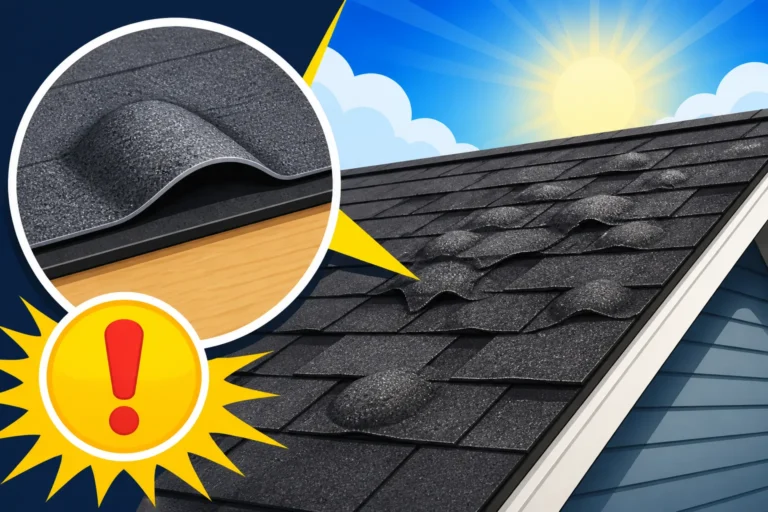
Adding to the sun's damage is thermal cycling – the daily expansion and contraction of your roof materials as temperatures fluctuate between hot days and cool nights. This constant movement puts immense stress on shingles, sealants, and fasteners. Over years, it can lead to shingles curling, cracking, or blistering as the volatile oils in the asphalt evaporate. Curling shingles, whether they're "cupping" (edges turning up) or "clawing" (edges staying flat but the middle rising), lose their ability to shed water effectively and become highly susceptible to wind damage. Blistering, which looks like small bubbles on the shingle surface, indicates gases trapped within the asphalt, eventually leading to cracks. These are all natural signs of an aging roof, but preventing accelerated aging can extend its life significantly.
Organic Growth and Debris: Trapping Trouble
Moss, algae, and even lichens aren't just unsightly; they actively contribute to roof degradation. Algae, typically appearing as black streaks, holds moisture on the shingle surface, which encourages the growth of more detrimental organisms like moss. Moss, with its root-like structures, can penetrate and lift shingles, trapping even more moisture underneath. This constant dampness creates an ideal environment for rot and decay on your roof deck and fascia boards.
Beyond biological growth, natural debris like fallen leaves, pine needles, and small branches can accumulate on your roof, especially in valleys or behind chimneys. This debris acts like a sponge, holding moisture against the shingles and preventing them from drying out properly. It also creates a breeding ground for mildew and can accelerate the breakdown of the shingle's protective layers. A constant blanket of wet leaves or pine needles can cause discoloration, granule loss, and eventually lead to leaks. Proactive removal of such debris is a simple yet effective preventative measure.
Proactive Measures: Regular Maintenance for a Healthy Roof
Now that we understand the types of damage that can occur, let's talk about how to prevent them. Consistent, thoughtful maintenance is your roof's best friend. It doesn't have to be complicated or expensive, but it does need to be done regularly.
Routine Inspections: Your Eyes on the Roof
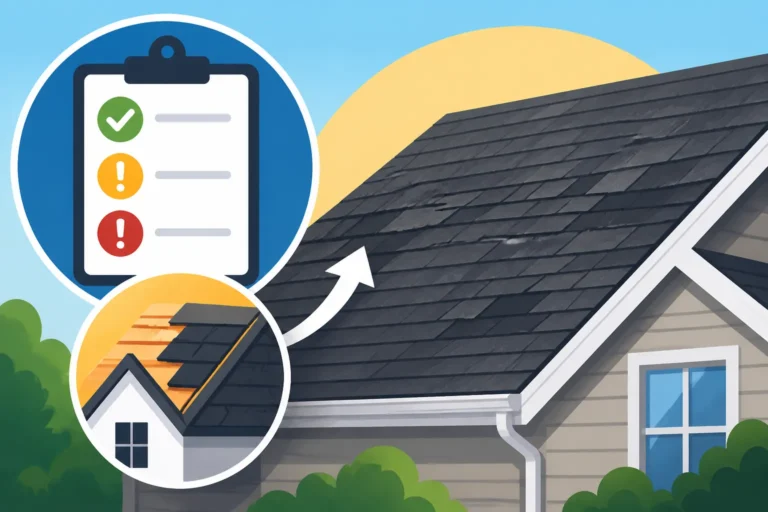
One of the most powerful tools in preventing common roof damage is the routine inspection. I recommend doing a visual check of your roof from the ground at least twice a year – once in the spring after winter's harshness, and again in the fall before the cold weather sets in. Grab a pair of binoculars and look for anything unusual:
- Missing, cracked, or curling shingles: Pay close attention to the edges, ridges, and around any penetrations.
- Granule loss: Is there a lot of shingle grit in your gutters? This is a clear sign of wear.
- Sagging: Does any part of the roof look like it's dipping or bowing? This could indicate a structural issue or significant water damage to the Roof Decking Replacement Cost.
- Damaged flashing: Check around chimneys, skylights, and vent pipes for any bent, rusted, or dislodged metal.
- Moss or algae growth: Note any green patches or black streaks.
- Debris accumulation: Are there piles of leaves or branches in valleys or behind obstructions?
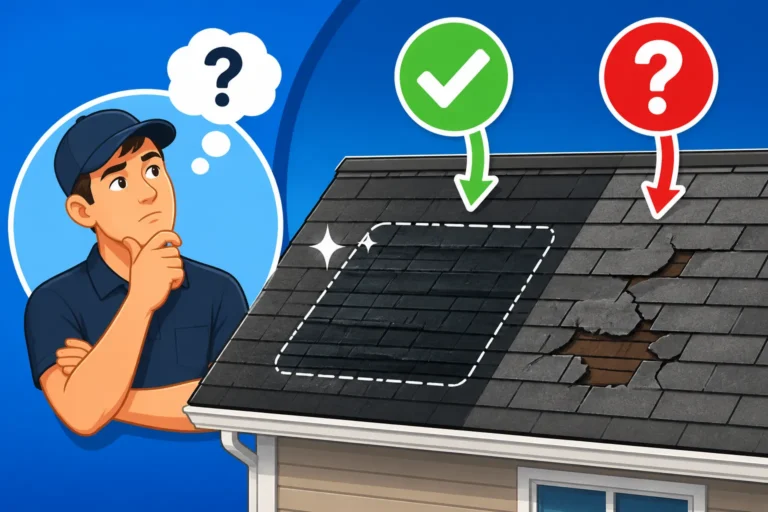
While DIY checks are great for catching obvious issues, it's wise to hire a professional for a more thorough inspection every few years. They have the training and safety equipment to get up on the roof, check obscure areas, and spot subtle damage that you might miss. A qualified contractor can identify issues like loose nails, compromised seals, or minor flashing problems before they escalate into major leaks. This proactive approach can significantly extend the life of your roof and prevent costly emergency repairs. You might be surprised at what a trained eye can catch, potentially saving you thousands.
Gutter and Downspout Cleaning: Keeping Water Moving
This might sound like a mundane chore, but clean gutters are absolutely vital for roof health. Your gutters and downspouts are designed to channel thousands of gallons of water away from your roof and foundation during a rainstorm. When they become clogged with leaves, pine needles, shingle granules, and other debris, that water has nowhere to go. It backs up, sits on the edge of your roof, and eventually overflows.
Imagine a persistent waterfall cascading over your fascia boards, soaking the wood, and allowing moisture to seep into your soffits and walls. This constant dampness can lead to wood rot, paint damage, and foundation issues. In winter, this standing water can freeze, forming treacherous ice dams that push water under your shingles. Cleaning your gutters twice a year, usually in late spring and late fall after most of the leaves have fallen, is non-negotiable. If your home is surrounded by trees, you might even need to clean them more frequently. Consider installing gutter guards, but remember they still need occasional cleaning to prevent fine debris from accumulating. Don't underestimate the power of simply keeping your roof's drainage system clear.
Trimming Overhanging Branches: Removing the Threat
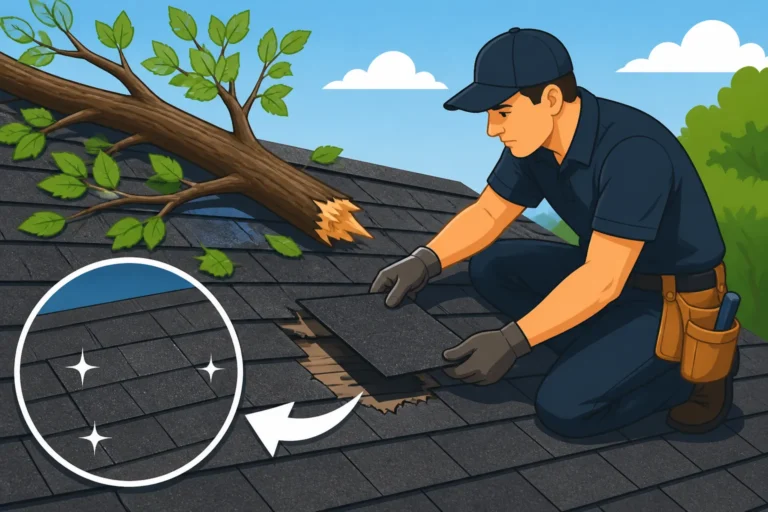
Trees are beautiful, offering shade and curb appeal, but overhanging branches pose a significant threat to your roof. As branches grow, they can rub against shingles, wearing away their protective granular surface. During storms, these branches can scrape, dent, or even puncture your roof. And in strong winds or heavy snow, a weak branch can break off and fall directly onto your roof, causing catastrophic damage. Even small twigs and leaves falling onto your roof regularly contribute to debris accumulation, which, as we discussed, traps moisture and accelerates shingle degradation.
Regular tree trimming is a vital preventative measure. Aim to keep all tree branches at least 5-10 feet away from your roofline. This not only prevents physical damage but also reduces the amount of debris falling onto your roof and helps keep your gutters clear. If you have large trees, especially mature ones, consider hiring a professional arborist to assess their health and perform proper trimming. This investment can prevent far more expensive roof repairs or even a full Storm Damage: Repair or Replace scenario.
Addressing Moss and Algae Growth: A Clean Slate
Those unsightly black streaks and green patches aren't just an aesthetic problem; they're actively harming your roof. Algae and moss trap moisture, prevent the shingles from drying out, and can even cause the granular surface to detach. Moss, in particular, can lift shingles, making them vulnerable to wind and water infiltration.
There are several ways to tackle this. For algae, many modern asphalt shingles are treated with copper granules (often from companies like GAF or Owens Corning) that inhibit growth. If you already have streaks, a gentle cleaning solution (like a 50/50 mix of bleach and water, applied with a sprayer and rinsed thoroughly) can kill the algae. Never power wash your roof, as this will strip away granules and cause more harm than good. For moss, you can gently brush it off with a soft-bristled brush, taking care not to damage the shingles, and then apply a zinc or copper strip along your roof ridge. As rain washes over these strips, tiny particles are released that inhibit moss and algae growth. Addressing these growths promptly keeps your shingles dry and extends their lifespan.
Smart Choices: Installation and Material Considerations
Preventative care starts long before a problem ever appears, often at the very beginning when your roof is first installed or replaced. Making informed decisions about materials and contractors can significantly impact your roof's longevity and resistance to damage.
Choosing Quality Shingles and Roofing System Components
Not all asphalt shingles are created equal, and the quality of your entire roofing system makes a huge difference in its resilience. While 3-tab shingles might be the most budget-friendly, architectural (or dimensional) shingles offer superior durability and wind resistance thanks to their heavier construction and laminated design. They often come with better wind warranties and a longer lifespan, making them a worthwhile investment in preventative care. If you're comparing options, understanding the 3-Tab vs Architectural Shingle Cost Compared can help you make an informed decision.
Beyond the shingles themselves, consider the quality of the underlying components. A robust underlayment, like synthetic felt, provides an excellent secondary barrier against water penetration. Ice and water shield, strategically installed at eaves, valleys, and around penetrations, is critical in colder climates to prevent leaks from ice dams. Proper roof ventilation is also non-negotiable, as it helps regulate attic temperature and moisture, preventing premature shingle aging and rot. A complete roofing system, installed correctly with high-quality components, is your strongest defense against damage. Brands like GAF, Owens Corning, and CertainTeed offer comprehensive roofing systems designed to work together to provide maximum protection.
Ensuring Proper Installation by a Certified Contractor
Even the highest quality materials are only as good as their installation. An improperly installed roof is a damaged roof waiting to happen. Nailing patterns, shingle alignment, flashing techniques, and adherence to manufacturer specifications are all crucial for optimal performance and warranty validity. For instance, too few nails, nails driven too deep, or nails placed in the wrong spot can lead to shingles lifting in wind or even falling off.
This is why selecting a reputable and experienced roofing contractor is paramount. Look for contractors who are certified by major shingle manufacturers, such as a GAF Master Elite Contractor or an Owens Corning Platinum Preferred Contractor. These certifications indicate that the contractor has met stringent standards for workmanship, training, and customer satisfaction, and they often allow you to access enhanced warranties that cover both materials and labor. A contractor who is unfamiliar with local building codes or cuts corners on installation practices jeopardizes your roof's integrity from day one. You can find excellent, certified professionals through platforms like Modernize, which connects homeowners with reliable local contractors. They understand that a professional installation is the best How to Extend the Life of an Asphalt Roof. Always ask Questions to Ask a Roofing Contractor Before Hiring to ensure you're making the right choice.
Investing in Enhanced Protection Features
Depending on your local climate and specific concerns, investing in enhanced protection features can be a game-changer for preventing damage.
- Impact-Resistant Shingles: If you live in a hail-prone area, Class 4 impact-resistant shingles (like those from Malarkey or CertainTeed) are designed to withstand significant hail impacts, often qualifying you for insurance premium discounts. Understanding Impact-Resistant Shingles: How They Work can show you how they can save you money and headaches in the long run.
- High-Wind Nailing: For regions susceptible to strong winds, specifying a "high-wind nailing pattern" or "six-nail application" (instead of the standard four nails per shingle) can dramatically improve your roof's resistance to uplift and blow-offs.
- Cool Roof Shingles: In hot climates, cool roof shingles reflect more sunlight and absorb less heat, which can reduce attic temperatures and slow down the thermal aging process of the shingles. They contribute to energy efficiency while protecting your roof.
These upgrades might add a bit to the upfront Asphalt Roof Replacement Cost: Complete Breakdown, but they are an investment in long-term durability and peace of mind. Discussing these options with your chosen contractor from Modernize can help you tailor your roof to your home's specific needs and local environmental challenges.
When Things Go Wrong: Early Detection and Action
Even with the best preventative measures, sometimes things just happen – an unexpected severe storm, an aging component giving out, or unforeseen circumstances. The key here is not prevention but rapid response. The sooner you detect and act on a problem, the less severe and costly the damage will be.
Recognizing Early Warning Signs
Many homeowners miss the subtle cues their roof gives them that something is amiss. It's not always a dramatic leak in the living room; often, the first signs are far less obvious. Pay attention to changes in your attic: any musty smells, water stains on the underside of the roof deck, or daylight visible through the roof. Inside your home, look for discoloration on ceilings, peeling paint, or bulging plaster. These are all indicators of water intrusion, even if you can't pinpoint the exact source.
Outside, after a storm, walk around your house and visually inspect the roof. Look for shingles that appear out of place, granules washing into your yard or gutters, or even debris that might have scratched the roof surface. If you see signs of granule loss, Granule Loss: Should You Worry is a crucial question to ask yourself. If you have an older roof, say 20+ years old, be especially vigilant as its protective layers are naturally degrading. The earlier you spot these red flags, the better your chances of preventing a minor issue from becoming a major headache.
The Importance of Timely Repairs
Procrastinating on roof repairs is one of the costliest mistakes a homeowner can make. What starts as a small, easily fixable issue – a single missing shingle, a tiny crack in the flashing – can quickly snowball into extensive and expensive damage. A small leak, left unaddressed, can lead to widespread wood rot in your roof deck, rafters, and attic insulation. This creates perfect conditions for mold and mildew growth, which can pose significant health risks and require specialized remediation.
Consider a scenario: a small section of flashing around your chimney rusts and develops a pinhole leak. If caught early, it might be a simple, inexpensive repair. But if it's ignored for months, water could saturate the wooden framing around the chimney, rot the roof deck, damage your ceiling, and even compromise the structural integrity of your attic. Suddenly, that minor flashing repair turns into a repair bill that includes roof decking replacement, interior drywall repair, painting, and possibly mold remediation. Timely repairs are not an expense; they are an investment that protects your entire home. For smaller issues, you may only need to Cost to Replace vs Repair an Old Roof.
Navigating Insurance and Professional Help
If you do encounter damage, especially after a storm, knowing how to navigate the insurance process and find reliable professional help is crucial. Start by thoroughly documenting the damage with photos and videos. This evidence will be invaluable for your insurance claim. Then, contact your insurance company immediately to report the damage and understand your coverage. They may send an adjuster to assess the situation. You might also want to get a professional roofing assessment.
When seeking professional help, always get multiple bids for the repair work. This helps you compare pricing, scope of work, and contractor recommendations. Platforms like Modernize can be a great resource for finding reputable, local roofing contractors who can provide detailed estimates and even assist with insurance claims. Be wary of "storm chasers" who appear after major weather events, pressure you into signing contracts, and may not be around to honor warranties. Always verify a contractor's license, insurance, and references. Understanding How to Read and Compare Roofing Estimates is critical, as is ensuring you're working with a company that can truly provide the solution your home needs. A reputable company will walk you through the process, from assessment to completion, ensuring the repairs are done correctly and efficiently.
| Damage Type | Common Causes | Prevention Strategies | Early Warning Signs |
|---|---|---|---|
| Wind Damage | High winds, improper nailing, aging shingles | Quality shingles, proper installation, routine checks | Missing/lifted shingles, granules in gutters |
| Hail Damage | Hailstorms | Impact-resistant shingles, post-hail inspections | Dents/divots on shingles, granule loss, exposed asphalt |
| Water Damage/Leaks | Clogged gutters, failing flashing, ice dams | Gutter cleaning, flashing maintenance, good ventilation | Ceiling stains, musty attic, visible leaks, peeling paint |
| Sun Exposure | UV radiation, thermal cycling | Quality shingles, proper ventilation, cool roof options | Curling/blistering shingles, extensive granule loss |
| Organic Growth | Moss, algae, debris accumulation, shade | Tree trimming, cleaning, algae-resistant shingles | Green/black streaks, moss patches, debris in valleys |
Disclaimer
Please note that the information provided in this article is intended for general guidance and informational purposes only. Every roof and home situation is unique. It is always recommended to consult with a qualified and licensed roofing professional for specific advice, inspections, and repairs tailored to your individual circumstances. Roofing work can be dangerous and should be left to trained professionals.