Roof Nearing End of Life: What to Watch
It's incredibly frustrating when you start noticing little signs that your roof, one of the most critical protectors of your home, might be reaching its retirement age. That nagging uncertainty about whether those curled shingles or tiny leaks mean a costly replacement is looming can keep any homeowner up at night. This comprehensive guide is here to walk you through all the tell-tale indicators, both obvious and subtle, that your asphalt roof is nearing the end of its life, helping you understand what to look for and what steps to take next.
Understanding Your Roof's Expected Lifespan
Let's face it, no one wants to replace their roof before they absolutely have to. It's a significant investment, and understanding its natural lifecycle is the first step in preparing for its eventual replacement. Knowing how long your roof should last gives you a baseline for evaluating its current condition.
Average Expectations for Asphalt Shingles
When you first had your asphalt roof installed, or when you bought your home, you probably heard some estimates about how long those shingles would last. Generally, 3-tab asphalt shingles, which are a more basic and economical option, tend to last around 15 to 20 years. They're typically a single layer and, while effective, aren't designed for extreme longevity. On the other hand, architectural or dimensional shingles, which are thicker and offer a more varied, textured look, are usually expected to last 25 to 30 years, sometimes even longer with proper maintenance. These are built with multiple layers of material, providing enhanced durability. You can dive deeper into this topic in our article on How Long Does an Asphalt Roof Last].
However, these are just averages. The actual lifespan of your roof is influenced by a myriad of factors, including the quality of the shingles themselves, the quality of the original installation, and perhaps most importantly, your local climate. A roof in sunny, mild San Diego will likely fare differently than one in snowy, icy Boston, or a hail-prone region like Dallas-Fort Worth. Constant exposure to intense UV rays, significant temperature fluctuations, heavy rain, or regular snowfall all take their toll over the years.
Factors That Shorten Roof Life
While a well-installed, high-quality asphalt roof should reach its expected lifespan, certain conditions can drastically cut that short, forcing you into an earlier replacement than anticipated. It's not uncommon for homeowners to face replacement decisions sooner due to these accelerated wear factors.
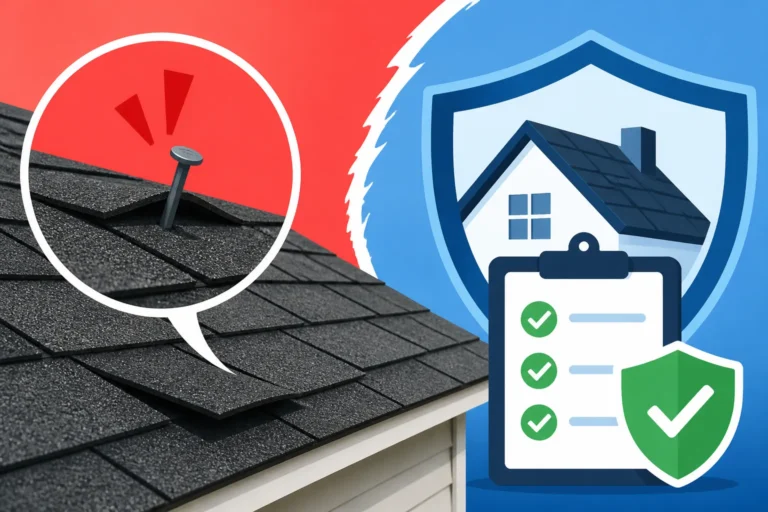
One major culprit is poor initial installation. If shingles weren't nailed correctly, if flashing wasn't properly sealed, or if underlayment wasn't installed according to manufacturer specifications, you could see issues surfacing much earlier. For instance, shingles that are nailed too high or too low can easily come loose during a windstorm, leading to premature granule loss and shingle damage. This can also void your manufacturer's warranty, leaving you responsible for costs that might have otherwise been covered.
Extreme weather events, such as severe hailstorms, hurricanes, or tornadoes, can also take years off a roof's life in a single event. Even if the damage isn't immediately obvious, the impacts can weaken the shingle's integrity, leading to faster deterioration. Imagine your roof taking a beating from a series of golf-ball-sized hail; even if it doesn't leak immediately, the impact bruises the granules and weakens the asphalt mat, leaving it more vulnerable to the next storm. Similarly, prolonged periods of intense heat without adequate attic ventilation can literally bake your shingles from the inside out, causing them to become brittle and crack. A robust ventilation system is crucial for dissipating heat and moisture, both of which are enemies to a roof's longevity.
Obvious Visual Cues Your Roof is Dying
Some signs of a failing roof are pretty unmistakable, demanding your immediate attention. These are the red flags that scream "I need help!" and shouldn't be ignored, even if they seem minor at first glance.
Granule Loss and Bald Spots
One of the most critical indicators of an aging asphalt roof is the loss of granules. Those tiny, sand-like particles embedded in the asphalt are not just for aesthetics; they protect the underlying asphalt from the sun's harsh UV rays, which can dry out and degrade the shingle material. When you start seeing bald spots where the asphalt mat is exposed, or find an excessive amount of granules accumulating in your gutters or downspouts, it's a clear sign that your roof's protective layer is wearing thin. You can learn more about this issue in our detailed post, Granule Loss: Should You Worry].
Think of it like the clear coat on your car's paint. Once that's gone, the sun starts to attack the paint itself, leading to fading and cracking. The same principle applies here. Without those granules, the sun's UV radiation quickly deteriorates the asphalt, making the shingles brittle and prone to cracking. This accelerates the aging process dramatically, weakening the shingle's ability to shed water and resist further damage. It's especially noticeable on the slopes most exposed to direct sunlight, like south-facing sections.
Curling, Cracking, and Missing Shingles
These are perhaps the most common and visible signs that your asphalt roof is struggling. Each type of damage tells a story about the roof's condition and age.
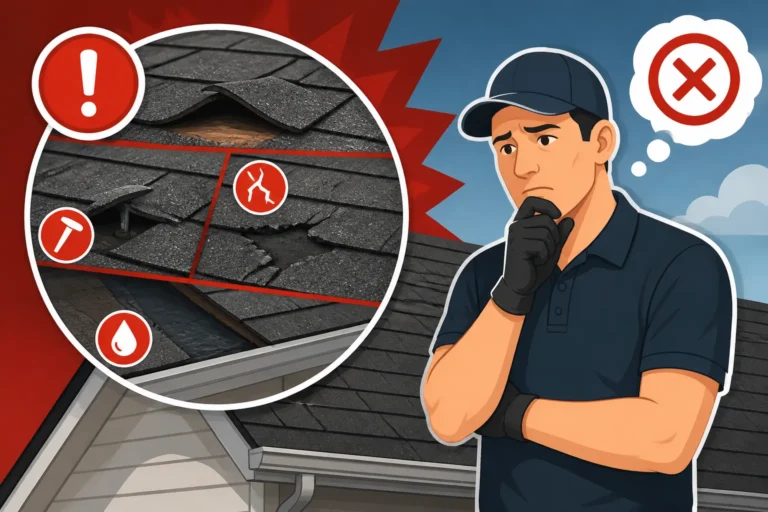
- Curling Shingles: There are two main types of curling: "cupping" and "clawing." Cupping occurs when the edges of the shingles turn upwards, creating a concave shape. This often happens due to moisture absorption on the underside and drying out on the top, or simply from age and UV exposure causing the shingle to lose its flexibility. Clawing is when the shingle edges remain flat, but the middle begins to rise, resembling a claw. Both types of curling leave the roof vulnerable to wind and water, as the tight seals between shingles are broken. Our guide on Curling Shingles: What They Mean] offers more insights into this problem.
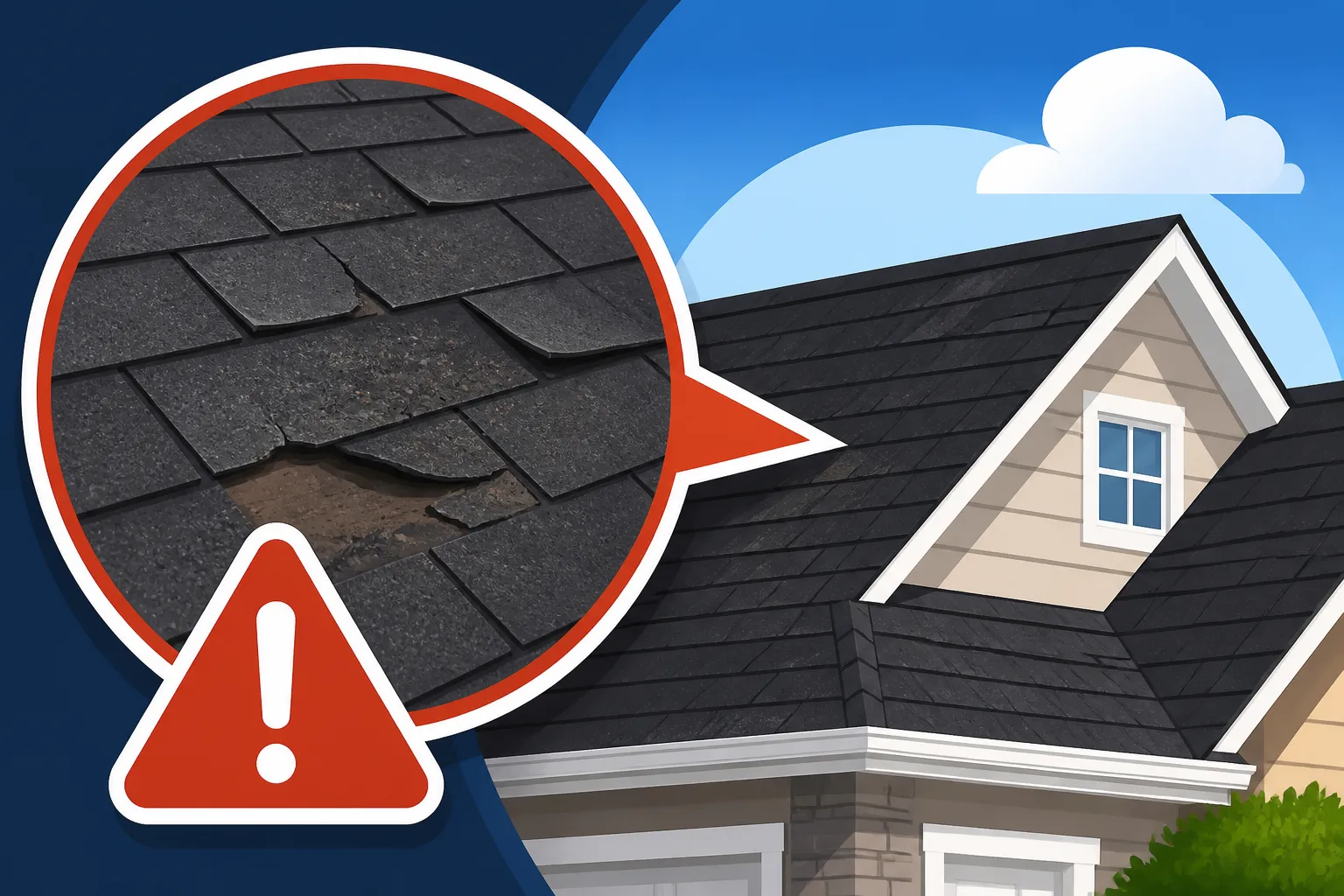
- Cracked Shingles: As asphalt shingles age, they become less flexible and more brittle. Exposure to cycles of heating and cooling, along with UV degradation, causes the oils in the asphalt to dry out. This makes the shingles rigid and susceptible to cracking, especially during periods of extreme temperature changes. Cracks can be hairline or significant, running horizontally or vertically across the shingle. Any crack creates a pathway for water to penetrate, increasing the risk of leaks and further damage to the underlayment and decking below. For a deeper dive, check out our article on Cracked Shingles: Causes and Fixes].
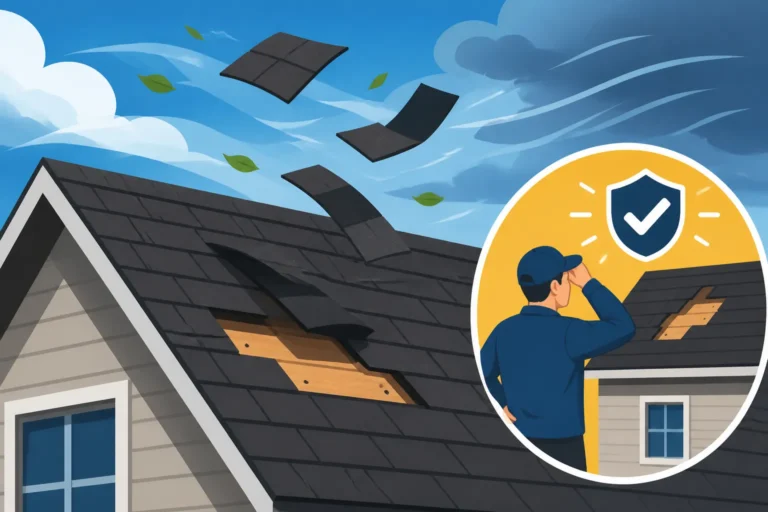
- Missing Shingles: This is a pretty straightforward problem. If shingles are missing, it's often due to severe wind damage, or simply because they've become so brittle and unsealed with age that they can't withstand even moderate gusts. A section of roof with missing shingles is a direct invitation for water penetration, exposing the vulnerable underlayment and potentially the roof deck. It also immediately diminishes your home's curb appeal and leaves large unprotected areas.
Sagging and Uneven Roof Planes
A sagging roof is one of the most alarming signs and usually indicates a much more serious underlying structural problem than just shingle wear. This isn't just cosmetic; it's a structural integrity issue that demands immediate attention.
When you look at your roofline from the street, it should appear relatively straight and even. If you notice dips, sags, or valleys where there shouldn't be any, especially in the middle of a roof section or near the ridge, it's a huge red flag. This can be caused by rotted or weakened roof decking (the plywood or OSB sheets beneath your shingles and underlayment) due to long-term moisture infiltration, or even deeper structural issues with the roof trusses or rafters. Heavy snow loads can exacerbate this problem on an already compromised structure. Water naturally collects in sagging areas, accelerating deterioration and making leaks more probable. This is a sign that goes beyond a simple shingle repair; it suggests a fundamental failure of the roof's support system, often necessitating a full roof replacement that includes significant decking or structural repairs.
Subtle Signs of Impending Roof Failure
Not all warning signs are as dramatic as missing shingles or a visibly sagging roof. Some indicators are more subtle, slowly revealing themselves over time or through changes in your home's performance. Catching these early can sometimes prevent more extensive damage.
Water Stains and Leaks Indoors
This might seem obvious, but sometimes the first signs of a roof nearing its end are found inside your home, not on the roof itself. You might notice faint discoloration on your ceilings or walls, especially in upper-story rooms, the attic, or around vents, chimneys, or skylights. These stains, often yellowish or brownish, indicate water is seeping in.
Initially, it might only be a small drip during heavy rain, or a stain that appears and then seems to dry out, making you think it was a one-off. However, these are early warnings. Water travels, and a leak directly above your living room might originate from a problem several feet away on the roof. Regularly inspecting your attic can be incredibly insightful; look for water spots on the underside of the roof deck, damp insulation, or even mildew growth. Early detection of these interior leaks can save you from much more extensive and costly damage to your home's interior, structure, and insulation. Our guide on How to Spot a Roof Leak] provides comprehensive advice on pinpointing the source.
High Energy Bills
Have your heating and cooling bills been creeping up, even though your habits haven't changed much? Your aging roof system, or rather the lack of an efficient system, could be a contributing factor. A roof that's nearing the end of its life might not be providing adequate insulation or ventilation, leading to significant energy loss.
Older shingles might lose their reflective properties, absorbing more solar heat in the summer. More importantly, if the roof's integrity is compromised, it can lead to issues with your attic's insulation becoming damp or compressed, drastically reducing its effectiveness. Poor attic ventilation, which works in conjunction with your roof to manage temperature and humidity, can also mean your HVAC system has to work overtime. An attic that's too hot in the summer can radiate heat into your living space, while a cold, poorly vented attic in winter can lead to ice dams and condensation issues. These energy inefficiencies hit your wallet every single month, silently pushing your roof replacement up the priority list.
Discolored or Mossy Patches
While often seen as a purely aesthetic problem, persistent patches of moss, algae, or even lichen on your roof can be indicators of deeper issues, or at least accelerate the roof's decline.
- Algae Streaks: The black or green streaks you often see on roofs, especially in humid climates, are typically a type of algae called Gloeocapsa magma. While primarily cosmetic, it feeds on the limestone filler in shingles and can hold moisture, which can eventually contribute to granule erosion. Many modern shingles from brands like GAF or Owens Corning incorporate copper granules to resist algae growth, but older roofs are often susceptible.
- Moss and Lichen: Moss is more insidious. It retains a lot of moisture against the shingle surface, which can lead to rot, deterioration, and granule loss over time. The roots of moss can lift shingles, breaking their seals and making them vulnerable to wind and rain. Lichen, a combination of algae and fungus, adheres tenaciously to shingles and can be tough to remove without damaging the granules. If you see significant, widespread moss or lichen growth, especially coupled with other signs of age, it's a strong indication that your roof is nearing the point of replacement. While you can sometimes clean these off, their presence often points to a consistently damp roof surface, which is detrimental to shingle longevity.
What to Do When You Spot These Signs
So, you've noticed some of these signs – what's next? Don't panic, but also don't procrastinate. Taking timely and informed action can save you a lot of headache and expense down the road.
Professional Roof Inspection is Key
When you suspect your roof is failing, the absolute first step is to get a professional roof inspection. I cannot stress this enough. A qualified roofing contractor has the experience and knowledge to safely assess your roof's condition, identify potential issues, and provide an expert opinion on whether repairs will suffice or if a full replacement is necessary. They can spot damage that an untrained eye might miss, evaluate the underlying structure, and assess the condition of all components, not just the shingles.
Look for a reputable local contractor, someone with strong reviews and proper licensing and insurance. A good contractor will perform a thorough inspection of your entire roofing system, including the shingles, underlayment, flashing, vents, gutters, and attic. They'll look for things like proper nailing patterns, evidence of prior repairs, and signs of structural weakness. Don't just settle for a quick look from the ground; a comprehensive inspection involves getting up on the roof and often checking the attic space. Platforms like Modernize can be helpful resources for connecting with pre-vetted local roofers who can perform these crucial inspections. For more guidance on finding the right professional, check out our guide on How to Choose a Roofing Contractor].
Repair Now vs. Replace Later Considerations
This is often the million-dollar question: can you get by with a repair, or is it time for a full replacement? The decision usually boils down to the extent of the damage, the age of your roof, and your budget.
If your roof is relatively young (say, under 15 years for architectural shingles) and the damage is localized – a few missing shingles, a small section of curling, or a single leak around a vent – repairs might be a viable and cost-effective solution. A skilled roofer can patch the affected area, replace damaged components, and extend the roof's life for several more years. However, if your roof is already pushing past 20-25 years, and you're seeing widespread granule loss, multiple cracked or curled shingles across different slopes, or indications of recurring leaks, repairs are often just a temporary band-aid. Fixing one problem area might lead to another popping up shortly after, making it a "money pit" scenario. In such cases, the cost of frequent repairs can quickly add up to a significant portion of a full replacement. Our article, Roof Repair vs Replacement: How to Decide], offers a detailed breakdown of this decision.
Consider the long-term investment. While a replacement is a larger upfront cost, it gives you a brand new roof with a new warranty, significantly better protection, and often improved energy efficiency. A temporary fix might delay the inevitable, but it doesn't solve the underlying aging issues and can leave you vulnerable to further damage and stress.
Getting Multiple Estimates
Once you have a general idea of your roof's condition, whether you're leaning towards repair or replacement, it's absolutely crucial to obtain multiple estimates from different reputable contractors. Don't just get one quote and run with it. Three to five estimates are usually ideal. This allows you to compare not only prices but also the scope of work, materials proposed, and warranties offered.
When comparing estimates, pay close attention to the details. Does one quote include a full tear-off and disposal of old shingles, while another proposes roofing over existing shingles (which might be cheaper but isn't always recommended)? Are they suggesting the same quality of shingles and underlayment? Do they include items like new flashing, drip edge, and proper ventilation in the quote? Also, inquire about their payment schedules, proof of insurance, and references. Don't hesitate to ask questions about anything that's unclear. Services like Modernize can assist in streamlining this process by connecting you with contractors who understand your project needs. Getting clear, comprehensive bids will empower you to make an informed decision and ensure you're getting fair value for the work. For more on this, read our post, How to Get Roofing Quotes and Compare Them].
Action Plan for an Aging Roof
| Sign of Trouble | Severity (1-5, 5 being highest) | Recommended Action | Potential Cost Implication (Repair vs. Replace) |
|---|---|---|---|
| Minor Granule Loss | 2 | Monitor closely, ensure gutters are clear. Consider a full inspection. | Low repair (cleaning), eventual replacement |
| Widespread Granule Loss | 4 | Immediate professional inspection. Prepare for potential replacement. | Moderate repair (spot), High (replacement) |
| Isolated Curling/Cracking | 2 | Professional inspection. May be repairable if caught early and roof is otherwise sound. | Low to moderate repair |
| Widespread Curling/Cracking | 4 | Professional inspection, likely indicates end of life. Start budgeting for replacement. | High (replacement) |
| Missing Shingles (few) | 3 | Quick repair by a professional to prevent leaks. Assess surrounding shingles for further weakness. | Low to moderate repair |
| Missing Shingles (many) | 5 | Emergency repair/tarping, professional inspection. Strong indicator of replacement needed. | Moderate (emergency repair), High (replacement) |
| Interior Water Stains | 4 | Immediate professional inspection to find and stop the leak. Assess roof age and overall condition. | Moderate repair (leak source), High (replacement if widespread) |
| Sagging Roofline | 5 | Urgent professional structural assessment and full roof inspection. Almost always leads to full replacement. | Very High (replacement, structural repair) |
| Excessive Moss/Algae | 3 | Professional cleaning recommended. If widespread and combined with other issues, indicates aging. | Low (cleaning), Moderate (minor repair), High (replacement) |
| Unexpected High Energy Bills | 3 | Energy audit, professional roof & attic inspection. Assess ventilation and insulation. | Moderate (ventilation/insulation), High (replacement) |
Disclaimer
Please remember that the information provided in this article is intended for general guidance and informational purposes only. Every roof and home situation is unique. It is crucial to consult with a qualified and licensed roofing professional for specific advice, inspections, and repair or replacement recommendations tailored to your property. Do not attempt complex roof repairs yourself, as this can be dangerous and may void warranties.