Are Missing Shingles Covered by Insurance
Discovering missing shingles on your roof after a storm can be a stomach-dropping moment, leaving you worried about immediate leaks and the daunting question of who will pay for the repairs. It's a common, frustrating scenario many homeowners face, and navigating the complexities of insurance coverage can feel like a maze. This comprehensive guide will walk you through exactly when and how your homeowners insurance might cover missing shingles, what to look out for, and how to file a claim successfully.
Understanding Your Homeowners Insurance Policy for Roof Damage
Before you even think about calling a contractor, the first and most crucial step is to understand the nuances of your homeowners insurance policy. Policies aren't one-size-fits-all, and what's covered for your neighbor in Dallas might be completely different from what's covered for you in Miami. It's a deeply personal document that dictates your financial protection, and honestly, most of us don't really dive into the nitty-gritty until a problem arises.
Most standard homeowners insurance policies (like an HO-3) generally cover sudden and accidental damage to your roof caused by "perils" specifically listed or broadly defined, with a list of exclusions. Things like windstorms, hail, fire, or the weight of snow are typically covered perils. However, damage that results from neglect, poor maintenance, or the roof simply wearing out from old age is almost always excluded. This distinction is critical when you're looking at missing shingles. Were they torn off by a sudden gust of wind, or did they just eventually fall apart because they were 25 years old and brittle? The answer profoundly impacts your coverage.
Actual Cash Value vs. Replacement Cost Value Policies
One of the biggest factors determining your payout for missing shingles, or any roof damage for that matter, is whether your policy covers your roof at Actual Cash Value (ACV) or Replacement Cost Value (RCV). This isn't just insurance jargon; it's the difference between getting a check that covers most of your costs or one that leaves you digging deep into your savings. Understanding these terms is foundational to comprehending your potential payout. We also have a dedicated guide on Actual Cash Value vs Replacement Cost Roof Claims that can provide even more detail.
An Actual Cash Value (ACV) policy factors in depreciation. Think of it like this: if your car is 10 years old, it's not worth what it was when you bought it new, right? The same logic applies to your roof. An ACV policy will pay you the cost to replace the missing shingles (or the entire roof, if needed) minus depreciation and your deductible. So, if your roof is 15 years old and has a 20-year lifespan, the insurance company will estimate its current value, not the cost of a brand new one. This often means a smaller payout, potentially leaving you with a significant out-of-pocket expense, especially if your roof is older.
On the other hand, a Replacement Cost Value (RCV) policy generally pays for the cost to replace the damaged property with new materials of similar kind and quality, without deduction for depreciation. This is often the preferred policy for homeowners because it provides a more comprehensive payout. With an RCV policy, you typically receive an initial payment based on the ACV, and then, once the repairs or replacement are completed and you've submitted proof of expenses, you'll receive the remaining depreciation amount. It's designed to bring your roof back to its pre-loss condition, covering the "new for old" cost, minus your deductible. This is usually contingent on you actually performing the repairs, not just pocketing the cash.
Let's illustrate the difference with an example:
| Feature | Actual Cash Value (ACV) | Replacement Cost Value (RCV) |
|---|---|---|
| Payout Calculation | Replacement Cost – Depreciation – Deductible | Replacement Cost – Deductible (Paid in two installments usually) |
| Depreciation | Deducted from the payout | Not deducted from the final payout (initially withheld, then paid upon repair) |
| Homeowner Out-of-Pocket | Typically higher, especially for older roofs | Typically lower, as it covers the full cost of new materials |
| Best For | Less expensive premiums, but higher risk if damage occurs | More expensive premiums, but greater financial protection |
Deductibles and Exclusions to Watch For
Beyond ACV vs. RCV, your policy's deductible is a critical component. This is the amount you are responsible for paying out of pocket before your insurance company steps in. For roof claims, you might encounter a standard deductible (e.g., $1,000 or $2,500) or a special "wind and hail" deductible. This wind/hail deductible is often a percentage of your home's insured value (e.g., 1% or 2%). So, if your home is insured for $300,000 and you have a 1% wind/hail deductible, you're responsible for the first $3,000 of damage. This can be a significant chunk of change and can sometimes make smaller missing shingle repairs not worth filing a claim for.
Exclusions are also paramount. Every policy has them. While wind and hail damage leading to missing shingles is generally covered, there are specific scenarios where your claim could be denied. These often include:
- Wear and Tear: As mentioned, if your shingles are simply old, brittle, and have reached the end of their lifespan, insurance typically won't cover their replacement. This is a maintenance issue, not a sudden, accidental loss. Our article on Roof Age: When to Start Planning Replacement provides valuable insights here.
- Neglect: If you've ignored obvious signs of damage, like a small leak that turned into a major issue, or haven't performed routine maintenance, your insurer might deny the claim. They expect you to reasonably maintain your property.
- Manufacturer Defects: If the missing shingles are due to a widespread defect from the shingle manufacturer, your claim might fall under their warranty, not your homeowners insurance. However, getting a manufacturer to pay out can be a lengthy process.
- Flooding: Standard homeowners insurance policies explicitly exclude flood damage. If your shingles went missing as part of widespread flooding (e.g., from a storm surge during a hurricane), that would fall under a separate flood insurance policy, if you have one.
- Earthquakes: Similar to floods, earthquake damage is typically excluded and requires a separate policy.
Carefully reviewing your policy's declarations page and the full policy document is vital to understand your specific coverage limits, deductibles, and any exclusions that might apply to missing shingle claims. Don't be afraid to call your insurance agent for clarification; that's what they're there for!
Common Causes of Missing Shingles and Insurance Implications
When shingles go missing, it's rarely a random act. There's almost always an underlying cause, and understanding that cause is crucial for your insurance claim. Different causes have different implications for coverage, largely falling into two main categories: sudden, accidental events (usually covered) and gradual deterioration (usually not covered).
Wind Damage: The Most Frequent Culprit
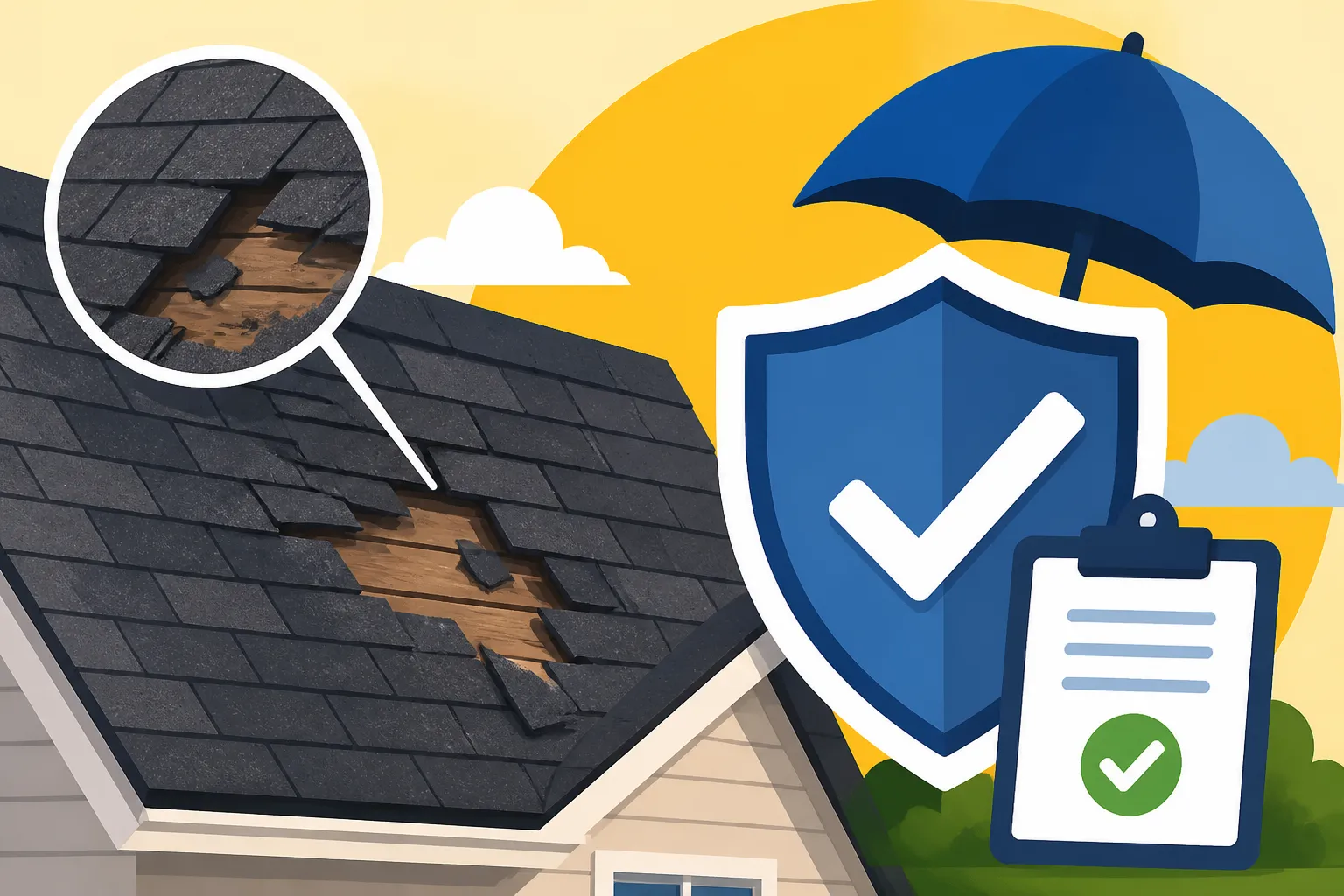
By far, the most common reason homeowners find themselves with missing shingles is wind damage. Whether it's a severe thunderstorm, a derecho, or even a localized gust of wind, strong winds can wreak havoc on a roof. These winds can lift and peel back shingles, break their sealant, and eventually tear them off completely. The edges of your roof, such as the gables and eaves, are often the most vulnerable.
When wind is the cause, your homeowners insurance policy is very likely to cover the damage, especially if you have an RCV policy. This is because wind is considered a sudden, accidental peril. However, the extent of coverage will depend on your specific policy, deductible, and the overall condition of your roof. For instance, if strong winds blew off shingles that were already severely deteriorated due to age and not properly sealed, an insurance adjuster might argue that the damage was primarily due to wear and tear, rather than the wind itself, leading to a reduced payout or even a denial. Our guide on Signs of Roof Wind Damage offers more details on identifying these issues.
It's also worth noting that some policies have specific windstorm deductibles, especially in coastal or tornado-prone regions like Florida or Oklahoma. These deductibles can be a higher percentage of your home's insured value, as discussed earlier. This means you'll pay more out-of-pocket for wind-related damage than for other types of claims. Always check your policy for these specifics, especially if you live in an area prone to severe weather.
Storm Damage Beyond Wind
While wind is a primary factor, other aspects of severe weather can also lead to missing shingles. Hailstorms, for example, can cause significant impact damage. While hail might not directly rip shingles off, it can weaken the adhesive, bruise the shingle mat, or crack them, making them much more susceptible to being blown off by subsequent winds or even just loosening over time. If a shingle is compromised by hail and then dislodged, the hail damage could be the root cause, which is typically a covered peril.
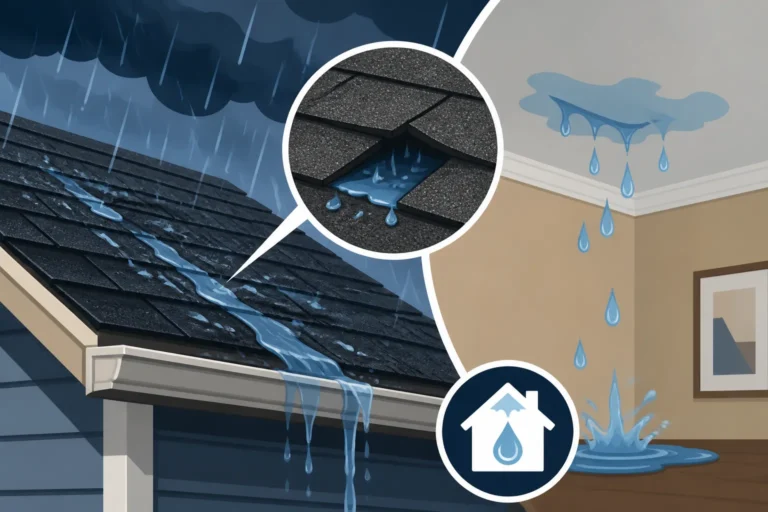
Heavy rain, especially when accompanied by strong winds, can also contribute indirectly. If water gets underneath already compromised shingles, it can loosen the adhesive and the fasteners, making them easier to detach. While rain itself isn't usually listed as a direct cause of missing shingles, it's often a contributing factor when other perils like wind are present. For instances where you suspect a leak but can't see visible damage, our article Roof Leak but No Visible Damage: What Now can be a helpful resource.
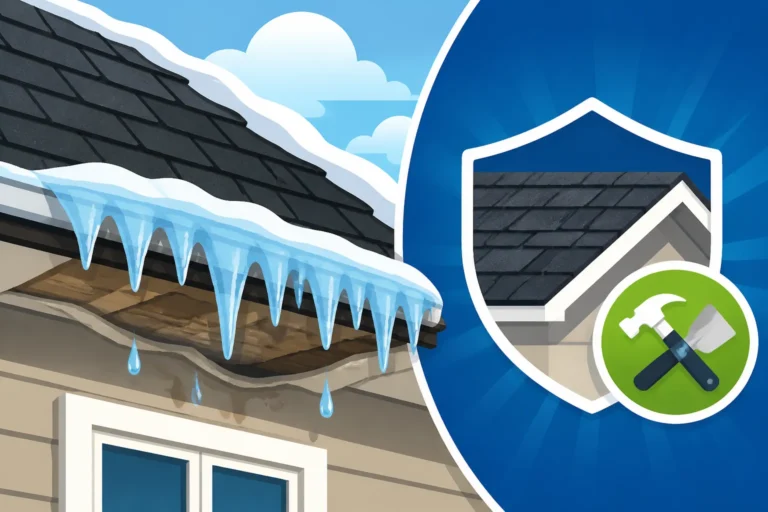
Even the sheer weight of snow and ice, or the formation of ice dams, can contribute to roof stress that leads to shingle detachment. Ice dams, in particular, can cause water to back up under shingles and eventually lift them, leading to leaks and potential granule loss. While the weight of snow and ice is often a covered peril, the resulting damage from ice dams can sometimes be more complicated to claim, as prevention is often seen as a homeowner's responsibility.
Wear and Tear: The Silent Killer of Coverage
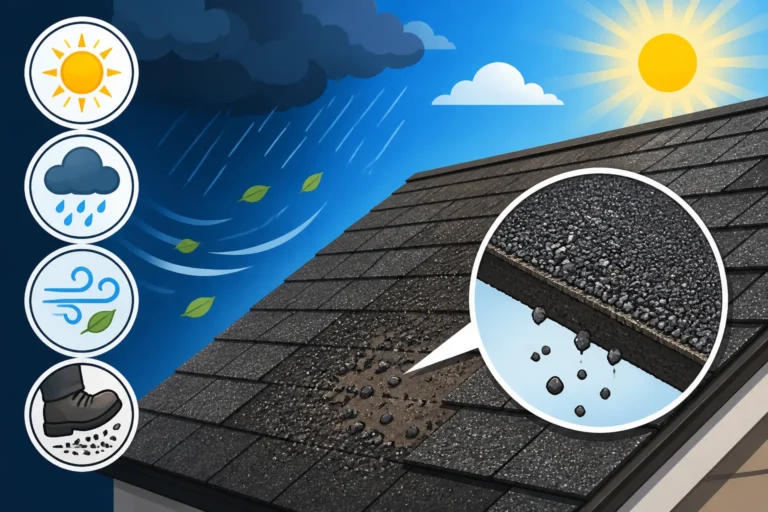
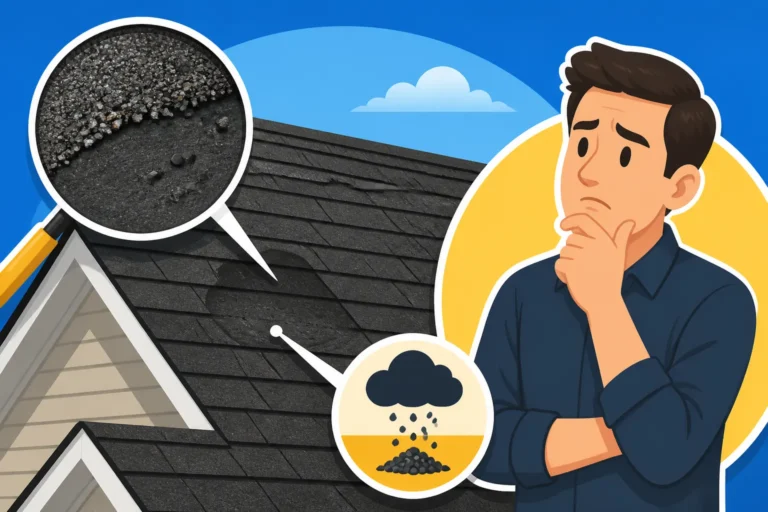
This is where many homeowners run into trouble. As a roof ages, the shingles naturally degrade. The sun's UV rays break down the asphalt, causing the granules to loosen and fall off. The shingles become brittle, curl at the edges, and can even crack. The adhesive strips that seal them together weaken over time. When a roof reaches this state of advanced wear and tear, even moderate winds can cause shingles to detach.
Unfortunately, damage solely due to wear and tear is almost never covered by homeowners insurance. Insurance is designed for sudden, unforeseen events, not for the gradual deterioration that occurs with age. If an adjuster determines that the primary reason your shingles went missing was their advanced age and not a specific, sudden event like a severe windstorm, your claim will likely be denied. This underscores the importance of regular roof inspections and timely maintenance. An older roof nearing the end of its typical 20-25 year lifespan for asphalt shingles is a prime candidate for this type of denial. If you're wondering How Long Does an Asphalt Roof Last, check out our guide.
This distinction highlights why documentation is so crucial. If your roof is relatively new and shingles go missing after a clear storm, your claim is strong. If your roof is 20 years old and then experiences missing shingles after a mild breeze, it's a much harder battle. That's why considering a full roof replacement before significant wear takes hold can save you a lot of headache and expense down the line. Our article Roof Repair vs Replacement: How to Decide can help guide that decision.
The Insurance Claim Process for Missing Shingles: Step-by-Step
Finding missing shingles can be stressful, but having a clear plan for filing an insurance claim can make the process much smoother. It's about being proactive, thorough, and communicating effectively.
Immediate Steps After Discovering Missing Shingles
The moment you notice missing shingles, your first priority is to prevent further damage to your home. If it's safe to do so, carefully inspect the area from the ground (never climb on a damaged roof unless you are a trained professional or have proper safety equipment). Look for water stains on ceilings, drips, or other signs of leaks inside your attic or home. Take photos or videos of all visible damage, both inside and outside.
If there's an active leak or a large section of your roof is exposed, consider temporary measures like tarping the area. You can often buy heavy-duty tarps and secure them yourself, or you might need to call an emergency roofer for help. Most insurance policies require you to mitigate further damage, so don't delay. Keep all receipts for any temporary repairs or tarps, as these costs might be reimbursable. This is also a good time to consider reaching out to a service like Modernize, which can help connect you with local, vetted roofing professionals who can assist with both temporary repairs and the claims process.
After securing the area, it's vital to gather all your relevant insurance policy documents. You'll need your policy number and a general understanding of your coverage (ACV vs. RCV, deductible amount, etc.) before you even make the first call. This preparation will help you speak confidently with your insurance provider.
Documenting Damage and Contacting Your Insurer
Thorough documentation is your best friend when filing an insurance claim. Take clear, well-lit photographs and videos of:
- The missing shingles: Get close-ups showing where they were detached, any underlying damage to the roof deck, and the condition of surrounding shingles.
- The overall roof: Take wider shots to show the scope of the missing shingles and the condition of the entire roof.
- Interior damage: If you have leaks or water stains inside your home, document those extensively.
- The cause of damage (if applicable): If you know a specific storm caused the issue, take photos of any storm debris in your yard, fallen trees, or neighborhood damage that supports your claim. Note the date and time the damage occurred, if possible.
Once you have documented everything, contact your insurance company as soon as possible. Most insurers have a dedicated claims department, and many allow you to file a claim online or through a mobile app. When you call, be prepared to provide your policy number, the date of loss, a description of the damage, and any immediate steps you've taken to mitigate further damage. This is the official start of your How to File a Roof Insurance Claim journey.
Your insurance company will likely assign a claims adjuster to your case. This individual will visit your property to assess the damage firsthand. Be present during this inspection if possible, and be ready to share your photos and information. The adjuster will be looking for specific indicators to determine if the damage is covered under your policy, such as whether it's consistent with a sudden event like wind damage or if it appears to be due to gradual wear and tear.
Working with Adjusters and Contractors
The adjuster's report is critical, as it will determine the scope of work and the initial payout from your insurer. It's a good idea to get a professional roofing estimate around the same time the adjuster performs their inspection. This way, you have an independent assessment of the damage and repair costs. You can use services like Modernize to get multiple competitive quotes from local roofers. Look for contractors who are experienced with insurance claims and can provide detailed estimates that itemize all work needed. They can often spot damage that an adjuster might miss.
When evaluating How to Choose a Roofing Contractor, prioritize those who are licensed, insured, and reputable. Ask for references and check their online reviews. Once you have your estimate, compare it with the adjuster's assessment. If there's a significant discrepancy, don't be afraid to discuss it with your adjuster. You might need to provide your contractor's detailed estimate to support your position. It's not uncommon for an initial adjuster's estimate to be lower than the actual cost of repairs. Many reputable roofing companies are adept at working with insurance companies to ensure all covered damage is included in the claim.
Remember, the goal is to get your roof repaired or replaced to its pre-loss condition, as covered by your policy. If your claim is approved, the insurance company will issue a payment, typically in two installments for RCV policies (ACV upfront, then the depreciation holdback upon completion). Ensure you understand the payment schedule and terms before authorizing any major work.
What to Do If Your Claim for Missing Shingles is Denied
Receiving a denial for your missing shingles claim can be incredibly frustrating and disheartening, especially when you know your roof needs attention. However, a denial isn't always the final word. There are often steps you can take to appeal the decision or find alternative solutions.
Understanding the Reasons for Denial
The first step after a denial is to thoroughly understand why your claim was rejected. Your insurance company is legally obligated to provide a written explanation for the denial, often citing specific policy language. Common reasons for denial include:
- Wear and Tear/Age: As discussed, if the adjuster determines the shingles were too old or deteriorated to withstand even moderate weather, they might attribute the damage to neglect rather than a covered peril.
- Insufficient Damage: The damage might be deemed too minor to exceed your deductible, meaning the repair cost is less than what you'd have to pay out of pocket anyway.
- Lack of Proof: If you couldn't provide sufficient evidence that a covered event (like a specific windstorm) caused the damage, especially on an older roof, the claim might be denied.
- Policy Exclusions: The damage might fall under a specific exclusion in your policy (e.g., specific types of storms, maintenance issues).
- Late Filing: While not common for missing shingles, if you wait too long to report the damage, your insurer might deny the claim, arguing that the delay prevented them from accurately assessing the cause or that the damage worsened due to your inaction.
Carefully review the denial letter against your policy document. Highlight the sections they cite and compare them to your understanding of the event. This critical review will form the basis of your appeal.
Steps for Appealing a Denied Claim
If you believe your claim was wrongly denied, you have the right to appeal. The process can be time-consuming, but it's often worth pursuing. Our comprehensive article Roof Insurance Claim Denied: What to Do provides a deep dive into this process, but here are the key steps:
- Request a Detailed Explanation: If the denial letter isn't clear enough, request a more detailed explanation in writing. Ask for copies of the adjuster's report, photos, and any other documentation they used to make their decision.
- Gather More Evidence: Work with a reputable local roofing contractor. Ask them to conduct a thorough inspection and provide a detailed report, including their professional opinion on the cause of the missing shingles. This independent assessment, often with photographic evidence, can be powerful in countering the adjuster's initial findings. For example, a contractor might identify specific wind uplift patterns that weren't obvious to the adjuster.
- Submit a Formal Appeal Letter: Write a clear, concise appeal letter to your insurance company. Reference your claim number and policy, state why you disagree with the denial, and provide any new evidence or arguments (like the contractor's report). Be polite but firm.
- Request a Re-inspection: In your appeal, ask for a re-inspection by a different adjuster or a supervisor. A fresh pair of eyes might interpret the damage differently, especially if your contractor's report highlights specific issues.
- Contact Your State's Department of Insurance: If your internal appeal with the insurance company is unsuccessful, you can file a complaint with your state's Department of Insurance. This regulatory body oversees insurance companies and can investigate whether your insurer handled your claim fairly and followed state laws. While they can't force the insurer to pay, their intervention often prompts a more thorough review of your case.
Remember, the goal is to present a compelling argument backed by solid evidence. Many homeowners successfully overturn denials by being persistent and providing more robust documentation.
Considering Professional Help
Sometimes, navigating a denied claim becomes too complex or time-consuming for a homeowner to manage alone. In such situations, professional help can be invaluable.
- Public Adjusters: Unlike adjusters hired by your insurance company, public adjusters work solely for you, the homeowner. They are independent professionals who specialize in evaluating property damage and negotiating with insurance companies on your behalf. They understand policy language, building codes, and claims procedures, and they can be particularly effective in getting a fair settlement, especially for complex or denied claims. They typically charge a percentage of the final settlement, so they only get paid if you do.
- Attorneys: If all other avenues fail, or if your claim involves a substantial amount of money or perceived bad faith on the part of the insurer, consulting with an attorney specializing in insurance claims might be necessary. They can help you understand your legal options and, if appropriate, pursue litigation against the insurance company.
While these options come with their own costs, they can be a worthwhile investment if your claim has been unfairly denied and the cost of repairing or replacing your roof due to missing shingles is significant. Ultimately, your home is one of your biggest investments, and ensuring its protection, including its roof, is paramount.
Disclaimer
This article is for general informational purposes only and does not constitute professional advice. Laws, prices and regulations vary by location and change over time. Consult a qualified professional for guidance on your specific situation.