How a Roof Transition Is Flashed
Roof flashing and step flashing protect vulnerable joints where roof planes or walls meet, stopping water from causing leaks.
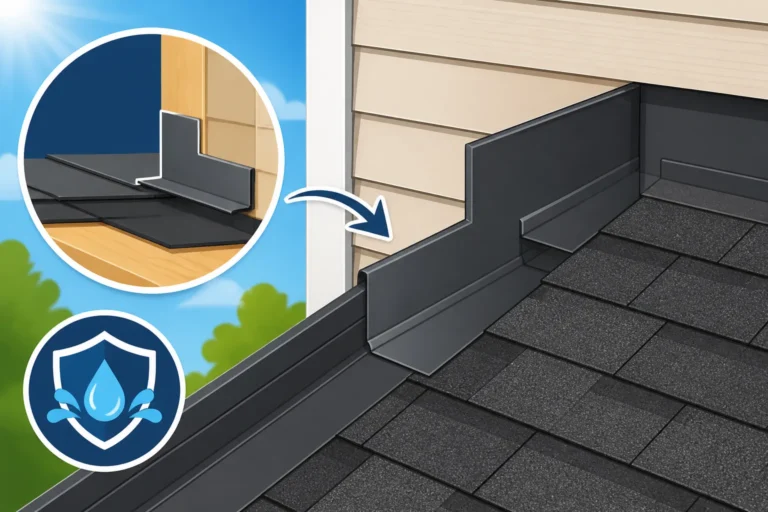
Roof flashing and step flashing protect vulnerable joints where roof planes or walls meet, stopping water from causing leaks.

Low-slope asphalt roof sections create leak risks that skilled roofers prevent using specialized waterproof membranes and drainage techniques.
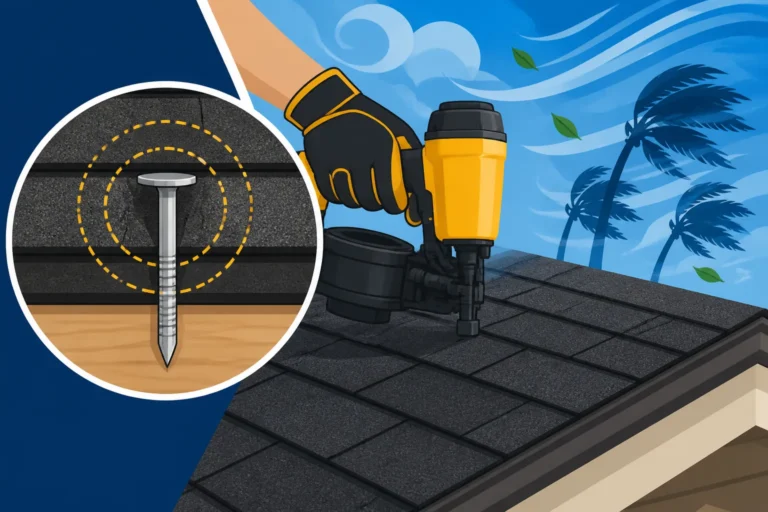
High-wind nailing details the enhanced fastening methods, six-nail patterns, and precise placement required to protect asphalt roofs from severe storms.
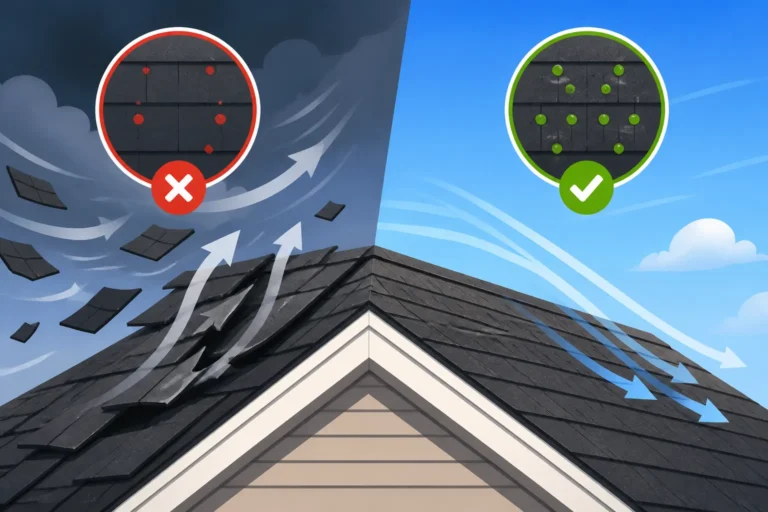
Proper shingle nailing patterns determine roof wind resistance by comparing standard four-nail applications to enhanced six-nail methods.
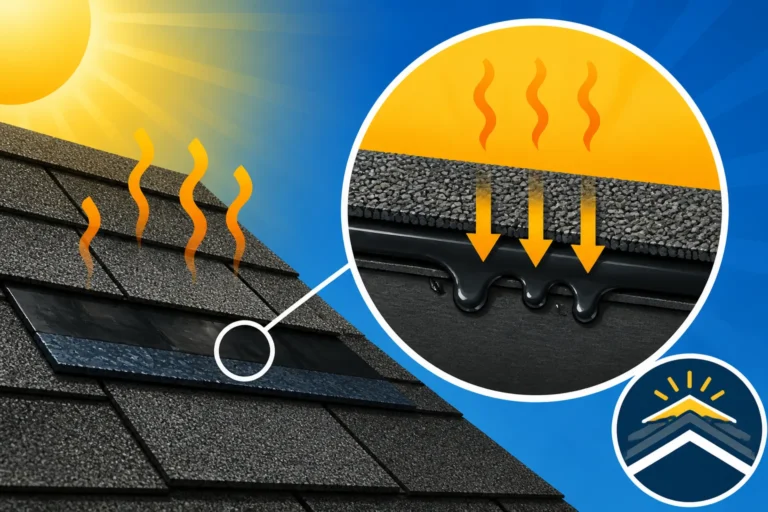
Asphalt shingle sealant strips activate through heat from direct sunlight, pressure, and time to bond roof layers together.
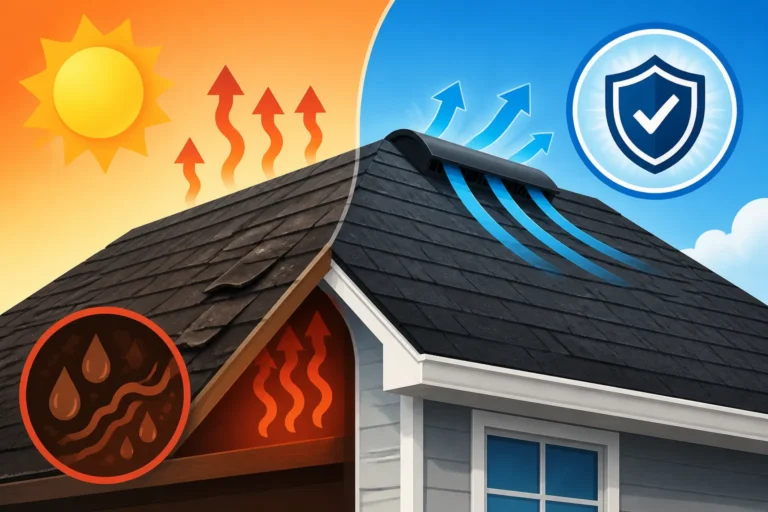
Proper roof ventilation prevents heat and moisture damage, extending asphalt shingle life and preventing costly structural repairs.
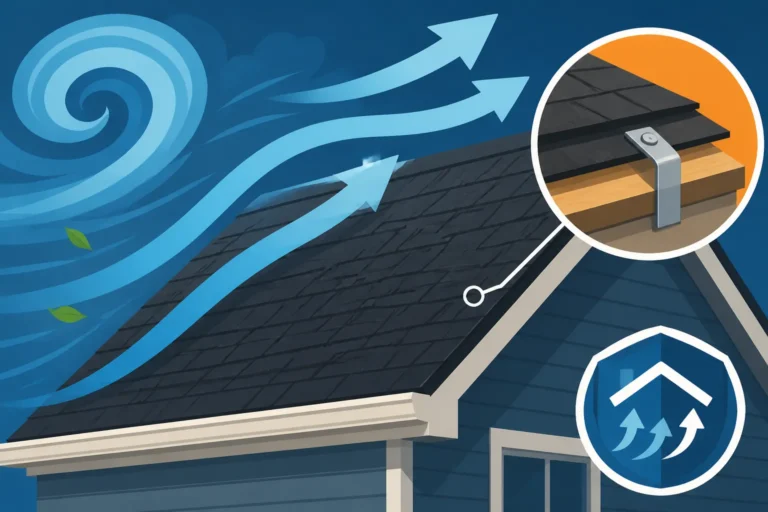
Wind uplift mechanics, shingle adhesion science, underlayment layers, and fastening patterns explain roof wind resistance design.
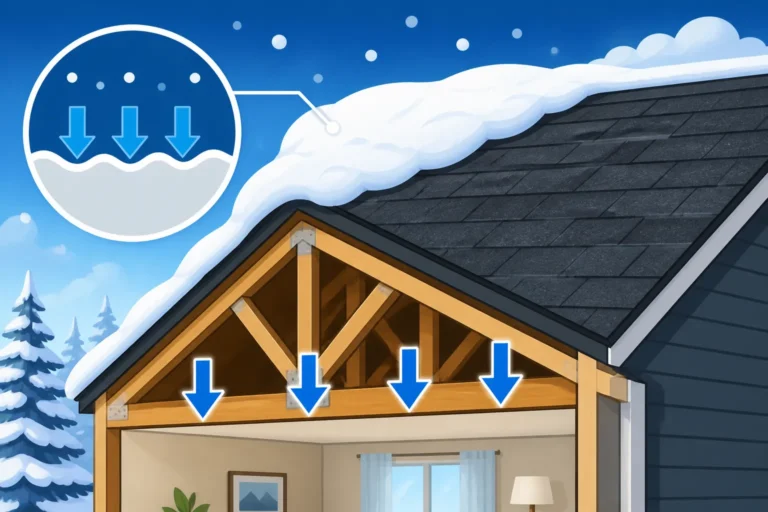
Roof rafters, trusses, and pitch determine how an asphalt shingle roof distributes weight and handles heavy snow accumulation.
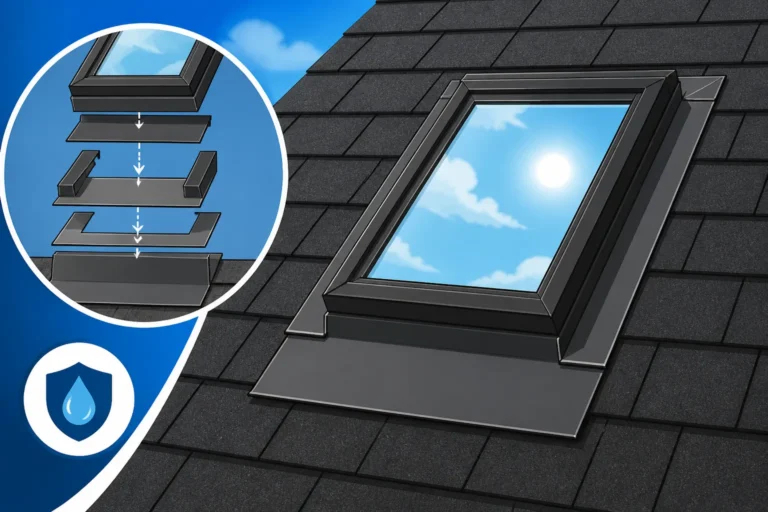
Skylight flashing installation on asphalt shingle roofs involves underlayment, step flashing, and head flashing for watertight seals.
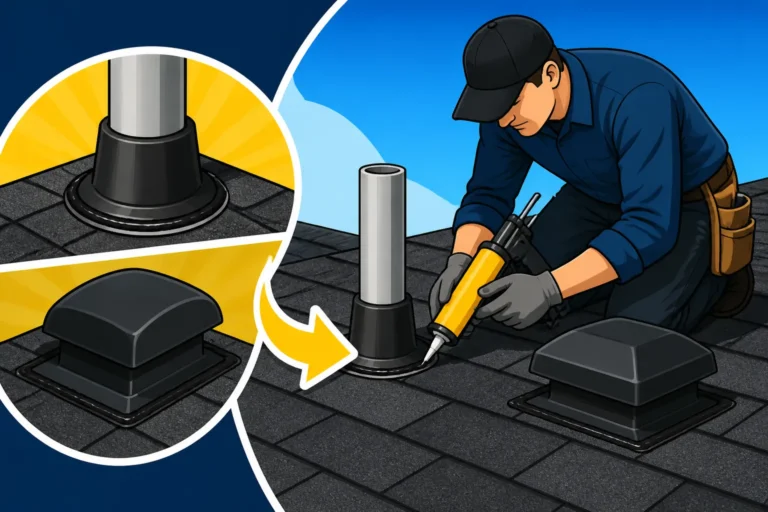
Proper sealing around roof vents and pipes prevents costly water damage using flashing, pipe boots, and durable sealants.