How a Solar Attic Fan Works
Solar attic fans use solar panels to power ventilation, lowering roof temperatures by forty degrees and reducing energy bills without grid electricity.
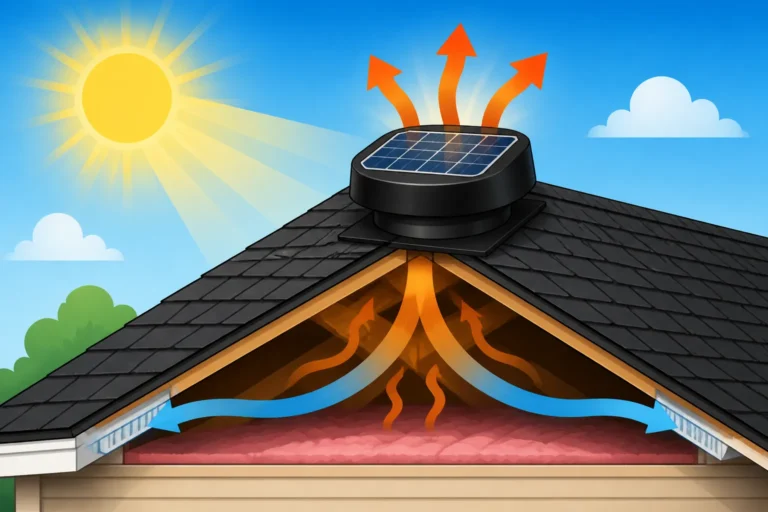
Solar attic fans use solar panels to power ventilation, lowering roof temperatures by forty degrees and reducing energy bills without grid electricity.
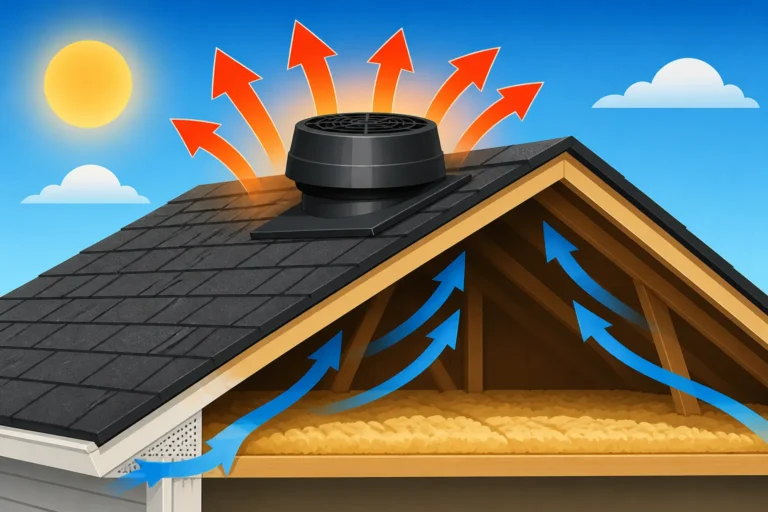
A powered attic fan uses a thermostat to pull hot air outside through exhaust vents, lowering extreme attic temperatures and reducing cooling costs.
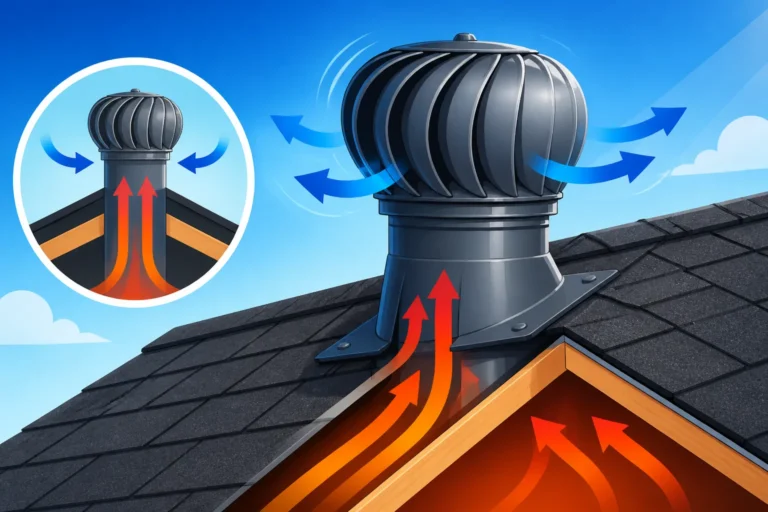
Turbine vents use wind power to exhaust hot, stale air and moisture from your attic, improving air circulation without electricity.
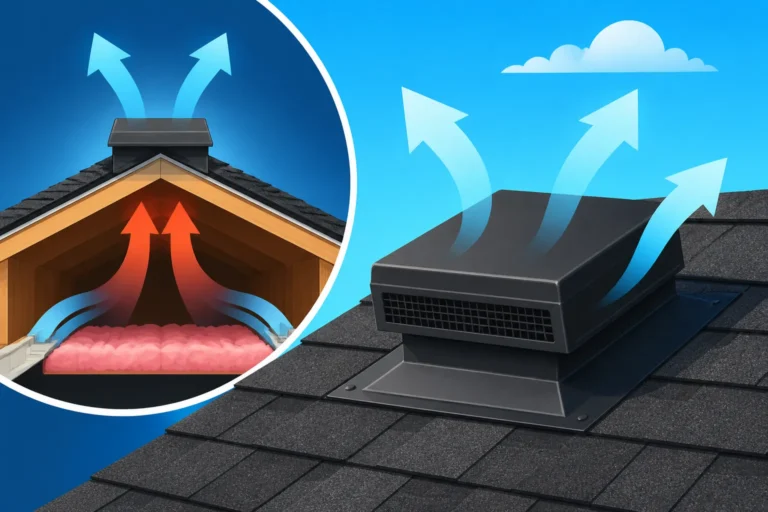
Box vents are static roof components without moving parts that release hot air and moisture from your attic to prevent damage.
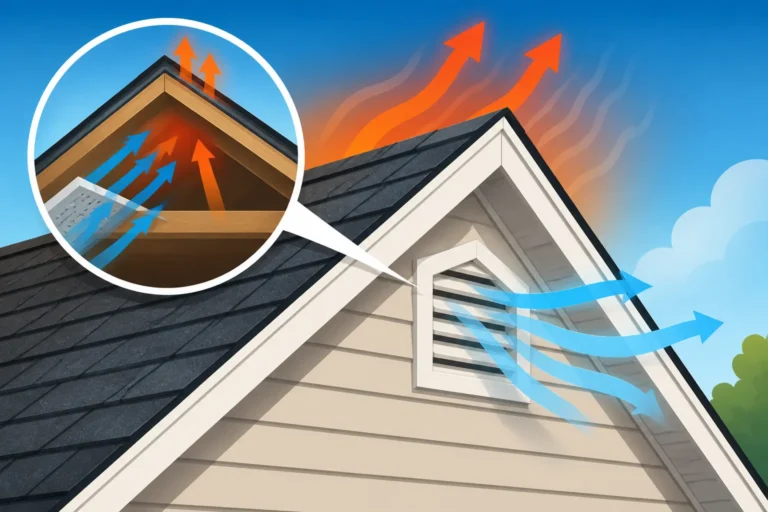
Gable vents allow hot attic air to escape through convection and cross-ventilation, protecting homes from moisture damage.
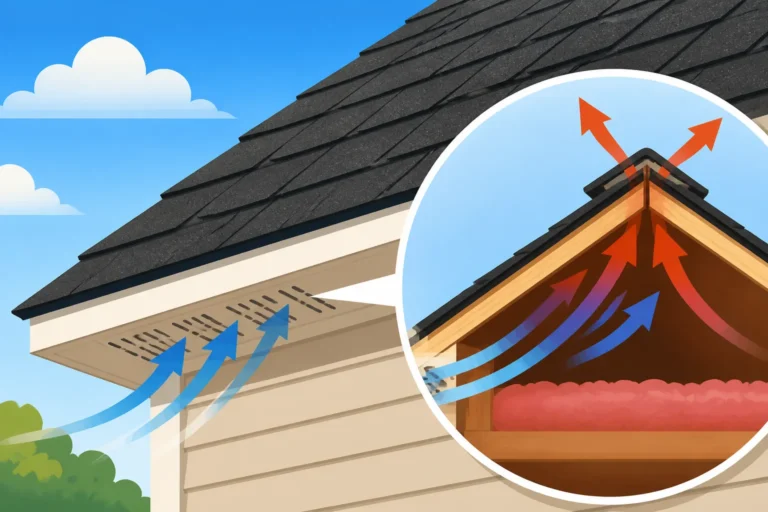
Soffit vents draw cooler outside air into the attic, balancing roof ventilation to manage moisture and prevent overheating.
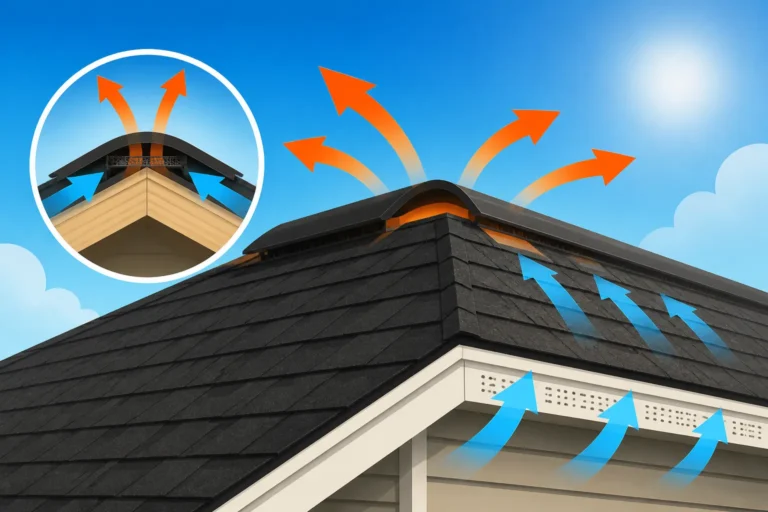
A ridge vent uses natural convection and wind pressure to exhaust hot attic air, preventing moisture buildup and roof damage.
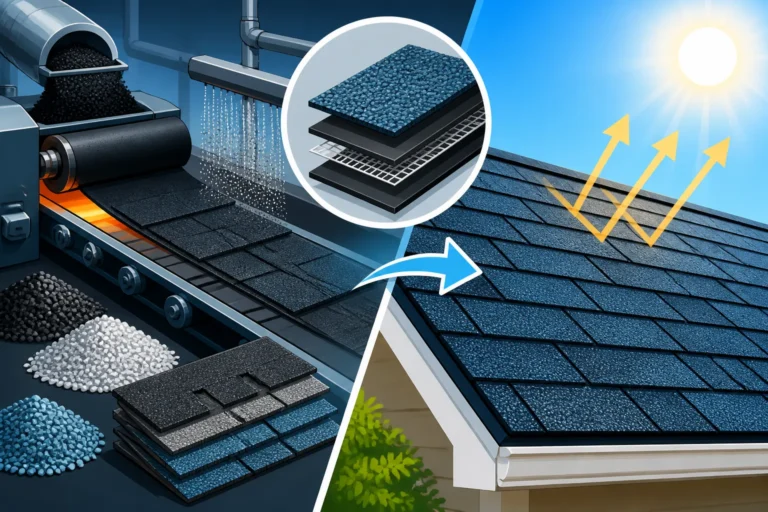
Cool-roof shingle manufacturing involves applying specialized reflective mineral granules to an asphalt-coated fiberglass mat.
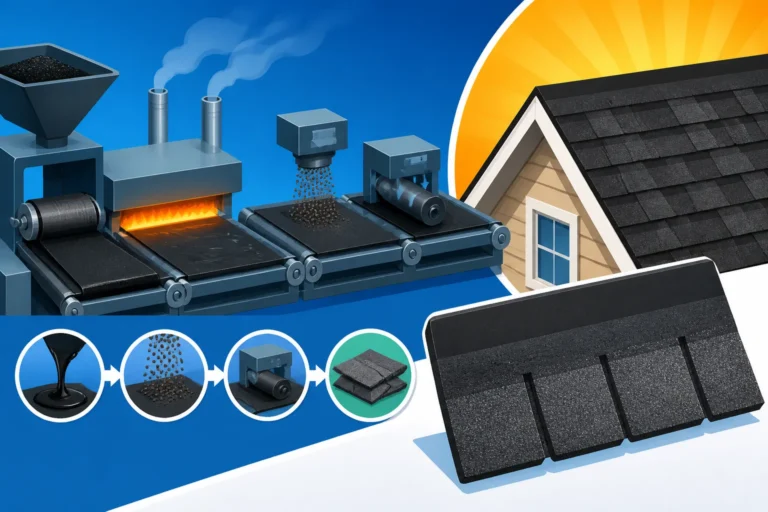
Class 4 impact-resistant shingles utilize specialized polymer-modified asphalt, fiberglass mats, and robust ceramic granules to withstand severe hail.
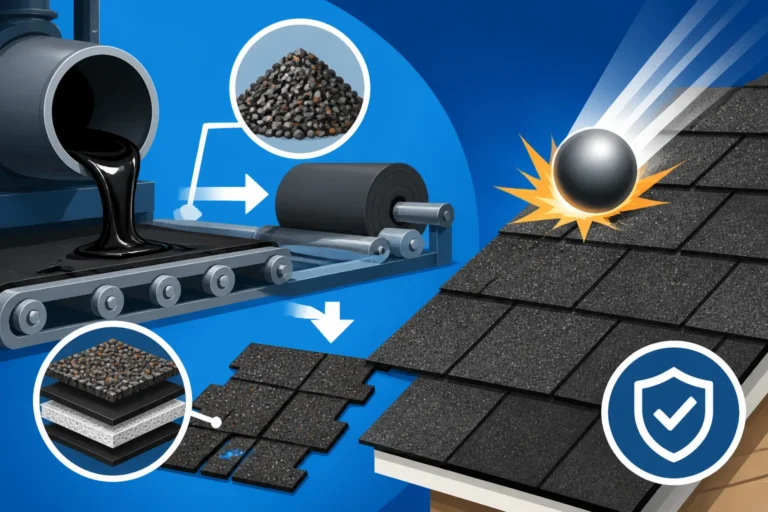
Impact-resistant asphalt shingles use polymer-modified materials and specialized manufacturing processes to absorb hail and debris impact forces.