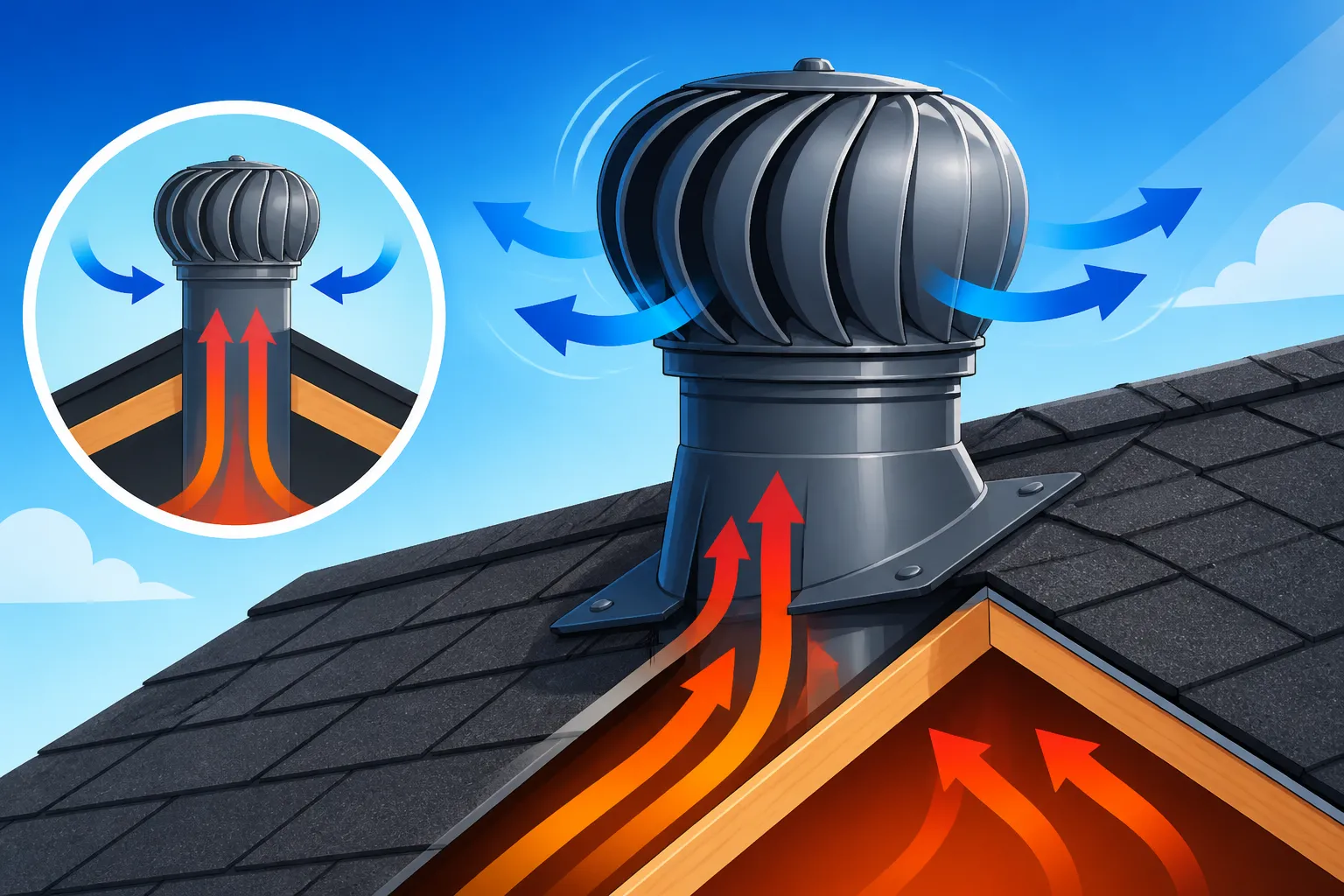
How a Turbine Vent Works
The scorching summer heat or the damp chill of winter can wreak havoc inside your attic, leading to sky-high energy bills and potential moisture damage to your home's structure. Understanding how to properly ventilate this crucial space is key to a healthy home and a long-lasting roof. This guide will walk you through the inner workings of a turbine vent, explaining how these unassuming, spinning components on your roof can be a powerful ally in managing attic conditions.
What is a Turbine Vent and Why Your Attic Needs It
When we talk about maintaining a healthy roof and an energy-efficient home, proper attic ventilation often gets overlooked, but it's absolutely critical. Many homeowners don't realize the silent battle happening right above their heads – a battle against extreme temperatures and moisture buildup. This is where a turbine vent, often colloquially known as a "whirlybird," comes into play. It's a type of mechanical attic vent designed to improve air circulation and mitigate these issues, working tirelessly to pull hot, stale air and moisture out of your attic space.
Understanding the Problem of Poor Attic Ventilation
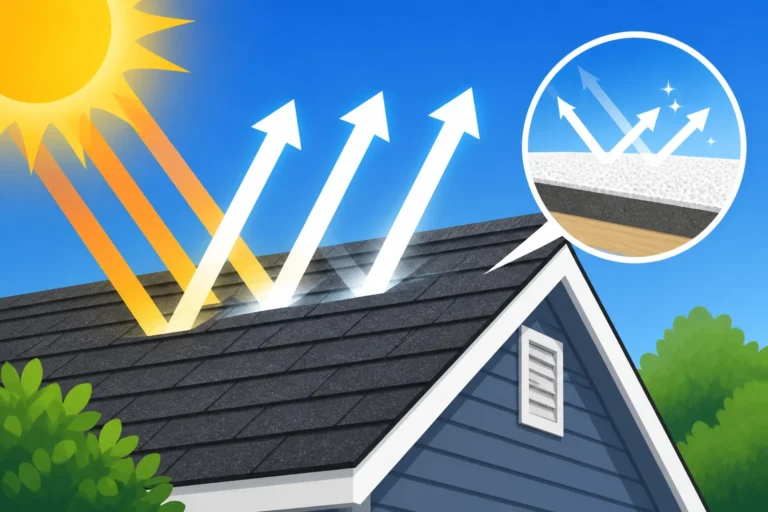
Imagine your attic in the middle of a hot summer day in places like Phoenix, Arizona, or Orlando, Florida. Without adequate ventilation, that space can quickly become an oven, with temperatures soaring to 150 degrees Fahrenheit or even higher. This isn't just uncomfortable; it's a huge problem. That intense heat radiates downward into your living spaces, making your air conditioner work overtime and driving up your energy bills. Similarly, during colder months, especially in humid regions like the Pacific Northwest or parts of the Northeast, moisture from inside your home can migrate into the attic. Without proper escape routes, this moisture condenses, leading to mold growth, rot in your roof decking, and even reduced effectiveness of your insulation.
The damage caused by these extremes isn't just about comfort or utility costs. Over time, excessive heat can actually prematurely age your asphalt shingles, causing them to crack, curl, and lose their protective granules much faster than they should. This significantly shortens your roof's lifespan, leading to an earlier and more expensive Roof Replacement Cost: Complete Breakdown. Moisture issues, on the other hand, can compromise the structural integrity of your roof, potentially leading to costly repairs down the line. This is a critical factor when assessing How Long an Asphalt Roof Lasts.
The Role of a Turbine Vent in Your Roofing System
A turbine vent acts as an exhaust mechanism in your attic's ventilation system. It’s part of a larger, balanced approach that typically involves intake vents (like soffit or gable vents) allowing cooler, fresh air into the attic, and exhaust vents (like turbine vents or ridge vents) letting the hot, moist air out. The basic principle is simple: hot air rises. As the hot air accumulates in your attic, a well-designed ventilation system helps create a continuous airflow, pulling that hot air upwards and out through the exhaust vents.
Turbine vents are specifically designed to be highly efficient at this task because they harness natural wind currents. Unlike static vents, which rely solely on convection (the natural rise of hot air), turbine vents spin, creating a low-pressure zone that actively pulls air from the attic. This can be particularly effective on days with a gentle breeze, providing more consistent airflow than a purely static system. This continuous air movement is crucial for managing both temperature and humidity, protecting your home and your wallet from the detrimental effects of an unventilated attic.
The Mechanics of a Turbine Vent: How It Harnesses Wind
Turbine vents might look deceptively simple, but their design is quite clever, allowing them to provide effective attic ventilation without needing any electricity. They are a classic example of passive ventilation working hard for your home. Understanding the individual components and how they work together can give you a better appreciation for these spinning marvels.
Deconstructing the Turbine Vent
At its core, a turbine vent consists of a few key parts:
- The Fins or Vanes: These are the curved, often aluminum, blades arranged in a circular fashion that give the turbine vent its distinctive look. They are designed to catch even the slightest breeze, initiating the rotation.
- The Bearings: This is arguably the most crucial component for its smooth and continuous operation. High-quality, sealed ball bearings allow the top portion of the vent (the head with the fins) to spin freely with minimal friction. Without good bearings, the vent would seize up, become noisy, or simply fail to rotate.
- The Shaft: The central rod that connects the spinning head to the base, passing through the bearings.
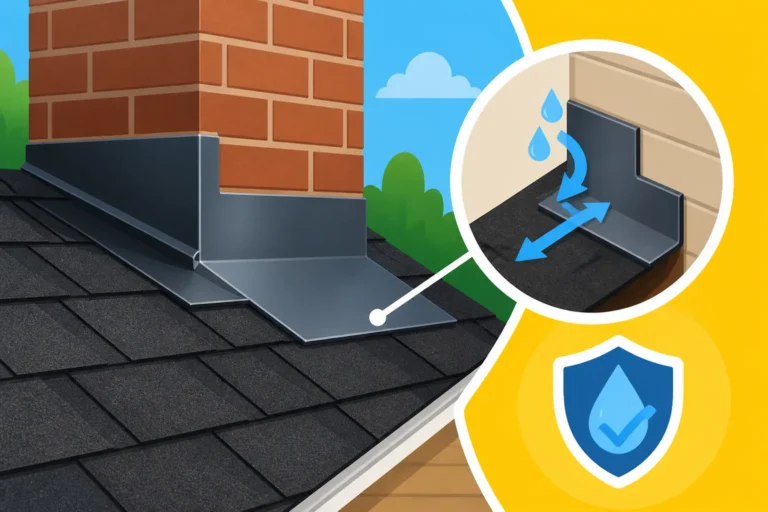
- The Base: This part is fixed to the roof and typically includes a flashing component to ensure a watertight seal where the vent penetrates the roof deck. The base provides stability for the entire assembly.
When you look at your roof, you'll often see these vents mounted near the peak, which is generally the warmest part of the attic, making it the ideal location for exhausting heat.
How Wind-Driven Rotation Creates Suction
The magic of a turbine vent lies in its ability to convert kinetic energy from the wind into a powerful ventilation force. Here’s a detailed breakdown of the process:
- Wind Interaction: As wind blows across the roof, it encounters the curved fins of the turbine vent. Even a light breeze, as low as 5 mph, can be enough to start the rotation.
- Pressure Differential: The specific aerodynamic shape and arrangement of the fins, combined with their rotation, create a phenomenon known as the Bernoulli principle. As the air moves faster over the curved surfaces of the spinning fins, it creates a zone of lower air pressure above the vent. Simultaneously, the relatively stagnant, hot, and moist air inside your attic is at a higher pressure.
- Drawing Air Out: This pressure differential—lower pressure outside, higher pressure inside—acts like a vacuum cleaner for your attic. The higher-pressure air from the attic is literally "sucked" out through the spinning turbine, exhausting it into the atmosphere. This continuous extraction of air is what makes turbine vents so effective at moving significant volumes of air.
- Continuous Airflow: This expelled hot, moist air is then replaced by cooler, drier air drawn in through intake vents located lower down on the roof or in the soffit. This creates a continuous, convective airflow that ventilates the entire attic space. This complete system is vital, as simply having exhaust vents without adequate intake can lead to poor performance or even pull conditioned air from your living space, which is counterproductive. If you're wondering about other options, consider reading about Ridge Vent vs Box Vent vs Turbine.
In essence, the faster the wind blows, the faster the turbine spins, and the more efficiently it ventilates your attic. This makes them particularly well-suited for homes in areas that experience consistent breezes, whether coastal regions or open plains.
Benefits and Considerations for Turbine Vents
Choosing the right ventilation system for your asphalt roof can feel overwhelming, with so many options out there. Turbine vents definitely have their strong points, but they also come with a few things you’ll want to consider before committing. It’s all about finding the best fit for your specific home and climate.
Advantages of Using Turbine Vents
- Energy Efficiency Through Passive Operation: One of the biggest draws of turbine vents is that they operate completely passively. They don't require any electricity to function, unlike powered attic fans. This means zero operating costs on your utility bill, which is a big win for homeowners looking to save money and reduce their carbon footprint. Over a typical summer in, say, Atlanta, Georgia, where AC use is heavy, this can translate to noticeable savings as your AC unit isn't fighting against an oven-hot attic. This passive cooling effect can also extend the life of your air conditioning unit itself.
- Enhanced Airflow Compared to Static Vents: While static vents like box vents rely solely on the natural convection of hot air rising, turbine vents actively pull air out of the attic due to their spinning action. Even a slight breeze creates a low-pressure zone that significantly increases the rate of air exchange. This can lead to a more effective reduction of attic temperatures and moisture levels, especially in homes that struggle with significant heat buildup or humidity.
- Durability and Longevity: Modern turbine vents are typically made from durable materials like aluminum or galvanized steel, designed to withstand various weather conditions, including strong winds and hail. They often come with robust bearing systems that are sealed to prevent dust and moisture intrusion, contributing to a long operational life with minimal maintenance. Many reputable brands offer warranties that speak to their expected lifespan.
- Cost-Effectiveness: Compared to more complex powered ventilation systems, turbine vents are generally more affordable to purchase and install. Their simplicity means fewer potential points of failure and no ongoing electrical costs. For a comprehensive look at the various costs, you might find Cost of Roof Ventilation Upgrades helpful.
Potential Drawbacks and Factors to Consider
- Reliance on Wind: The primary downside of turbine vents is their reliance on wind. On still, calm days, their effectiveness can decrease significantly. While they still function as static vents (allowing hot air to rise naturally), their unique advantage of active extraction is diminished without wind. In areas with very little natural breeze, or during prolonged periods of calm weather, they might not provide sufficient ventilation.
- Aesthetics: Let's be honest, turbine vents are not always considered the most aesthetically pleasing roof feature. Their industrial look, with the spinning head, can be a point of contention for homeowners who prioritize a sleek, uniform roofline. This is particularly true for homes with a strong architectural style or those in communities with strict HOA guidelines, for example, in planned communities around Dallas, Texas. If curb appeal is a major concern, you might lean towards Ridge Vent vs Box Vent vs Turbine as ridge vents are much less visible.
- Noise Potential: While generally quiet, older or poorly maintained turbine vents, especially those with worn-out bearings, can develop squeaks, rattles, or grinding noises as they spin. This can be annoying, particularly for those with bedrooms near the attic or during high winds. High-quality, sealed bearings can mitigate this, but it's something to be aware of.
- Maintenance Requirements: Although low-maintenance, turbine vents aren't entirely maintenance-free. Their bearings can eventually wear out, leading to reduced spinning or noise. Over time, debris like leaves or twigs can get caught in the fins, impeding rotation. Regular Roof Inspection: What They Check should include checking the condition and functionality of your turbine vents.
- Proper Installation is Key: Like any roofing component, correct installation is paramount. If the base isn't properly flashed and sealed to the roof deck, it can become a potential point of water entry, leading to leaks. A reputable roofing contractor will ensure the vent is installed according to manufacturer specifications and local building codes. When exploring options or seeking professional installation, using a platform like Modernize can help you connect with qualified local roofing professionals who understand the nuances of proper ventilation system design and installation.
When making your decision, consider your local climate (how much wind do you typically get?), your home's architectural style, and your budget. Sometimes, a combination of ventilation types, or a different primary exhaust method like a continuous Ridge Vent vs Box Vent vs Turbine system, might be a better fit for your specific needs.
Installation and Maintenance of Turbine Vents
Getting a turbine vent installed correctly is just as important as choosing the right one. A professional installation ensures that your vent performs optimally and, crucially, doesn’t become a source of leaks. And once it’s up there, a little bit of mindful maintenance can go a long way in ensuring it keeps working efficiently for years to come.
The Installation Process: What to Expect
Installing a turbine vent is typically a job for experienced roofing professionals, especially since it involves penetrating the roof and ensuring a watertight seal. If you’re considering a full How a Roof Replacement Works: The Full Process, the ventilation system will be a key part of that project.
- Site Selection: The contractor will determine the optimal location for the vent, usually near the ridge of the roof, where hot air naturally accumulates. They'll also consider spacing if multiple vents are needed to achieve adequate airflow for your attic's size. For example, a larger attic in a home in Houston, Texas, might require several turbine vents or a combination with other exhaust vents to be truly effective. The total square footage of your attic floor is a critical factor in determining the required Net Free Area (NFA) of ventilation.
- Cutting the Opening: A hole is cut into the roof decking and through the shingles. The size of this opening is specific to the vent model to ensure proper airflow and a snug fit for the base. This step requires precision to avoid damaging structural components and to ensure the vent sits flush.
- Securing the Base and Flashing: The vent's base, which often includes integrated flashing, is then positioned over the opening. The flashing is carefully integrated into the shingle layers, sliding underneath upper shingles and over lower ones. This is a critical step to prevent water intrusion. High-quality roofing cement or sealant is also used to create a watertight barrier around the edges and under the shingles.
- Assembling the Turbine Head: Once the base is securely fastened to the roof deck using roofing nails (making sure the nails go into the roof rafters or sheathing for maximum stability), the spinning turbine head is attached to the shaft or post extending from the base. This usually involves bolting or locking mechanisms that allow for free rotation while keeping the head securely in place.
- Final Inspection: A thorough final check is performed to ensure the vent spins freely, is properly sealed, and all components are secure. Your contractor might even give it a gentle spin to make sure it's not rattling or binding. When selecting a contractor for this job, platforms like Modernize can be incredibly useful for finding reputable local professionals who understand the specific needs of your roofing system. You can even ask about their experience with roof ventilation upgrades to gauge their expertise.
Essential Maintenance for Optimal Performance
While turbine vents are relatively low-maintenance, a little attention goes a long way in ensuring they remain effective.
- Regular Visual Inspections: During your routine Roof Inspection: What They Check, take a moment to visually check your turbine vents. Look for any obvious signs of damage, such as bent or missing fins, rust, or blockages. In snowy climates, like those in Minnesota or New York, heavy snow accumulation can sometimes impede rotation, so ensure they are clear once the snow melts.
- Listen for Unusual Noises: As mentioned earlier, worn bearings can cause squeaking, grinding, or rattling. If you hear these noises, especially on windy days, it’s a sign that the bearings might be failing. While some handy homeowners might attempt to lubricate or replace bearings themselves, it often requires partial disassembly and specific replacement parts, so professional help might be needed.
- Clear Debris: Over time, leaves, twigs, bird nests, or even insect nests can accumulate within the fins or around the shaft, preventing the turbine from spinning freely. Safely remove any debris you can reach. If the debris is deep inside, or if you're uncomfortable working on a roof, it's best to call a professional.
- Check for Leaks: Periodically check the attic directly underneath your turbine vents, especially after heavy rains. Look for any signs of water stains or drips, which could indicate a flashing failure or a breach in the seal. A small leak caught early can prevent significant Roof Decking Replacement Cost down the road.
- Consider a Professional Tune-Up: If your turbine vents are getting older, or if you notice your attic feels hotter or more humid than usual, it might be worth having a roofing professional inspect them during your annual roof maintenance check. They can assess the bearings, seals, and overall functionality to ensure they are contributing effectively to your attic's health.
By understanding how these vents work and giving them the minimal attention they need, you can ensure they continue to efficiently ventilate your asphalt roof, helping to keep your home comfortable, energy-efficient, and free from moisture-related issues.
Disclaimer
Please remember that the information provided in this guide is intended for general informational purposes only and does not constitute professional advice. Roofing work can be dangerous and should always be performed by qualified and insured professionals. Always consult with a licensed roofing contractor and local building authorities before undertaking any significant roofing project or repair.