Can You Repair Just Part of a Roof
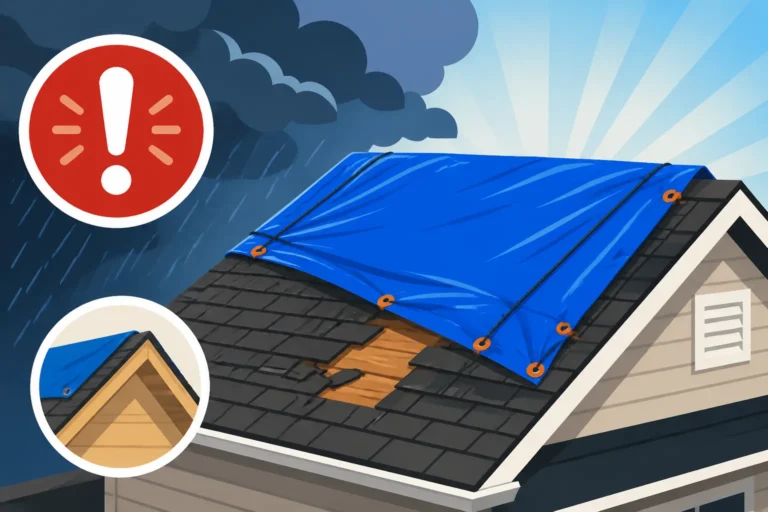
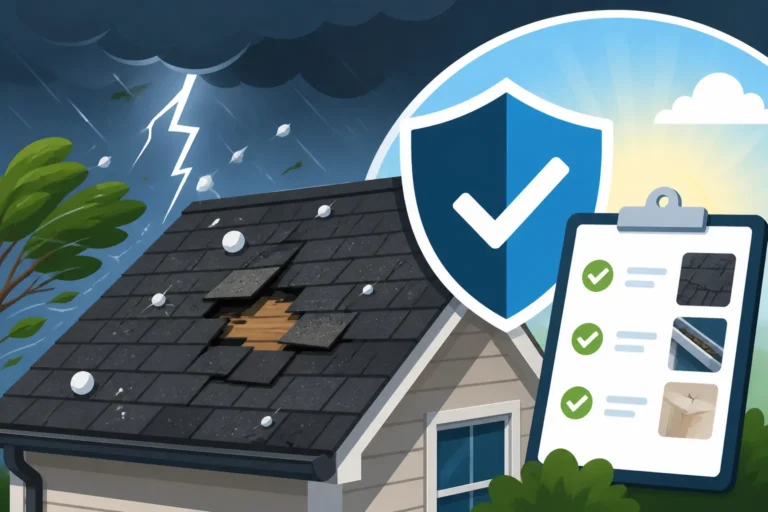
That moment when you spot a dark stain on your ceiling or a few shingles fluttering precariously in the wind can send a chill down your spine. Immediately, your mind jumps to the dreaded "new roof" conversation, and with it, the thought of the significant financial investment. It's completely natural to wonder, "Can I just fix part of my roof?" instead of undertaking a massive, full-scale replacement. This guide is here to walk you through the possibilities, limitations, and smart decision-making process for tackling roof damage without necessarily re-roofing your entire home.
Understanding the "Can You Repair Just Part of a Roof?" Dilemma
The idea of a partial roof repair is incredibly appealing, especially when you're facing what seems like minor or localized damage. Who wouldn't want to save money and disruption by fixing only what's broken? But the reality of roofing is a bit more nuanced than patching up a leaky faucet. Your roof is a complex system, and seemingly small issues can sometimes be indicators of larger, underlying problems.
The Hope vs. Reality of Partial Repairs
When you first notice a problem, like a few missing shingles after a strong storm, the hope is that a quick fix will be all it takes. You envision a roofer coming out, replacing those specific shingles, and your problem being solved for a fraction of the cost of a full replacement. And often, for truly isolated issues on an otherwise healthy roof, this hope can become a reality. A spot repair or localized section replacement can absolutely be the right solution.
However, the reality check comes when that "small" issue reveals a larger story. Perhaps those missing shingles are part of a wider area of granule loss, or the leak isn't just from one cracked shingle, but from deteriorated underlayment over a larger section. What looks like a single symptom might actually be a red flag for widespread aging and wear. This is where the initial hope for a simple fix might bump up against the long-term reality of your roof's overall condition.
Why Homeowners Seek Partial Solutions
The motivation behind wanting a partial roof repair is usually threefold: cost, convenience, and perceived necessity. Let's be honest, nobody wants to spend tens of thousands of dollars on a new roof if they don't have to. The financial burden of a full roof replacement is substantial, and for many homeowners, it's a major unplanned expense. Finding ways to mitigate the immediate cost is a primary driver. You might even find yourself looking into options like "0% APR Roof Financing Options" to manage the cost if a full replacement is truly needed.
Beyond money, there's the sheer disruption factor. A full roof replacement involves a crew, noise, debris, and days of work on your property. If you can avoid that by just repairing a section, it feels like a win for your peace of mind and daily routine. Plus, if the damage seems contained, like a small section of hail damage on one slope, it just feels logical to only address that specific area. You're thinking practically, aiming to address the immediate problem efficiently.
Factors Determining the Feasibility of Partial Roof Repair
Deciding whether a partial repair is a viable option isn't a simple yes or no. Several critical factors come into play, and understanding them will help you have a more informed conversation with your roofing professional. These elements guide whether a targeted fix will genuinely solve your problem or merely put a temporary band-aid on a deeper issue.
Extent and Location of Damage
The first and most obvious factor is how much of your roof is actually damaged, and where that damage is situated. A few missing shingles on an otherwise sound roof, especially if they're grouped together on one slope and caused by a specific event like a windstorm, are prime candidates for partial repair. The same goes for isolated issues like a damaged pipe boot or a section of compromised flashing around a chimney. If the damage is confined to a relatively small, accessible area and hasn't compromised the structural integrity of the surrounding roof, a partial repair is often a strong consideration.
However, if you're seeing widespread issues across multiple slopes, or if the damage is concentrated in critical areas like valleys or along the ridge line, a partial repair becomes less viable. For instance, if you have widespread granule loss across a large portion of your roof, simply replacing a few shingles won't address the systemic wear that's making your roof vulnerable. Similarly, if the damage extends to the roof decking underneath, a more extensive repair or replacement of that section might be necessary. This is where a skilled contractor performs a thorough "Roof Damage Assessment: A Homeowner's Guide" to help you understand the full picture.
Age and Condition of the Existing Roof
This is perhaps the most crucial determinant. A partial repair makes the most sense if your roof is relatively young and in generally good condition. If your asphalt shingle roof is only 5-10 years old and experiences localized storm damage, replacing a section makes perfect sense. The new shingles will blend reasonably well, and the underlying roofing system (underlayment, decking) is likely still robust. In this scenario, you're restoring a small part of an otherwise healthy system.
However, if your roof is nearing the end of its typical lifespan—say, 18-25 years old for most architectural shingles—a partial repair is often a short-sighted solution. Even if the immediate damage appears localized, the rest of the roof has likely undergone significant weathering, making it brittle, prone to cracking, and losing granules. Trying to repair one section of a very old roof can lead to a "domino effect," where the stress of working on it causes nearby, equally fragile shingles to break, curl, or become dislodged. You might fix one leak only for another to pop up shortly after in an adjacent, equally aged section. In these cases, even if insurance covers a small repair, it might be a wasted effort compared to considering a full replacement. You need to weigh the "Cost to Replace vs Repair an Old Roof."
Matching Existing Shingles
One of the practical headaches of partial roof repair is shingle matching. Asphalt shingles, even those of the same brand and color, can vary slightly in hue and texture between manufacturing batches. Furthermore, sunlight and weathering cause shingles to fade and change color over time. A brand new shingle, even if it's the exact same type and color as your existing ones, will almost certainly look different when first installed next to faded, aged shingles.
This color mismatch can range from barely noticeable to glaringly obvious, depending on the age of your roof and the specific shingle. For a homeowner concerned with curb appeal, this aesthetic difference can be a significant drawback of partial repairs. For example, if you have a 15-year-old GAF Timberline HDZ roof in Weathered Wood, finding new shingles that perfectly blend with the sun-baked originals will be a challenge. Roofing contractors will do their best to source the closest match, but perfection is rarely achievable on older roofs. Sometimes, this leads to a "patchwork" appearance that can detract from your home's exterior. This is why when considering "Partial Reroof: Pros and Cons" aesthetics often come up.
Types of Partial Roof Repairs and When They Make Sense
Not all roof repairs are created equal. The strategy for fixing a part of your roof depends heavily on the nature and scope of the damage. Understanding these different approaches can help you visualize what a roofing professional might recommend and why.
Spot Repairs for Isolated Damage
Spot repairs are exactly what they sound like: fixing a very small, contained issue in a specific spot on your roof. This is the simplest and often most cost-effective type of partial repair.
Common Scenarios for Spot Repairs:
- Missing Shingles: A strong gust of wind can sometimes lift and tear away a few individual shingles. If the surrounding shingles are intact and healthy, replacing just those few can be a quick fix. The process usually involves carefully removing the damaged shingles, applying roofing cement, and sliding new ones into place, securing them with nails.
- Minor Leaks Around Penetrations: Leaks often occur around roof penetrations like vent pipes, skylights, or chimneys. The seal around these elements can degrade over time, or flashing can become dislodged or corroded. Fixing a "Roof Leak Around a Chimney: Fixes" often involves re-sealing, replacing specific flashing pieces, or installing a new pipe boot. This targets the leak's source without disturbing the main shingle field.
- Damaged or Loose Flashing: Drip edge along the roofline or step flashing where a wall meets the roof can become bent, loose, or corroded. These are often localized repairs where only the compromised section of metal needs to be replaced or re-secured and sealed.
When Spot Repairs Make Sense:
Spot repairs are ideal for younger roofs (typically less than 15 years old) where the damage is clearly isolated and hasn't compromised the overall integrity of the roof system. They are also a good option when the aesthetic impact of mismatched shingles is minimal or not a primary concern, perhaps because the damaged area is less visible from the ground. Many contractors offer specific services for "How Much Does It Cost to Fix Missing Shingles" or a "How Much Does It Cost to Fix A Roof Leak" because these are common, isolated issues.
Sectional Repairs for Larger, Contained Areas
Sometimes, the damage is a bit more extensive than just a few shingles but still limited to a particular section or slope of the roof. This calls for a sectional repair, which involves removing and replacing a larger area of shingles and potentially the underlying components.
Common Scenarios for Sectional Repairs:
- Localized Hail or Wind Damage: After a severe storm, one side of your house might bear the brunt of the damage, leaving a section of shingles bruised, cracked, or completely gone, while other slopes remain relatively unscathed. For instance, a home in Dallas might experience hail damage predominantly on its west-facing slope, prompting a sectional repair rather than a full roof replacement.
- Damage from a Falling Tree Branch: A tree limb could fall and damage a specific portion of your roof, creating a hole or severely compromising a larger area of shingles and even the roof decking. In these cases, a roofer would cut out the damaged section, replace any compromised decking, install new underlayment, and then shingle over it.
- Rotted Decking in a Small Area: If you have a persistent leak that went unnoticed, a section of roof decking might have rotted. If this rot is contained, the damaged decking can be cut out and replaced, followed by new underlayment and shingles. This is a common solution for "Cost to Replace Roof Decking and Shingles" when the damage is not widespread.
When Sectional Repairs Make Sense:
Sectional repairs are viable when a significant, yet contained, portion of the roof has suffered damage, but the rest of the roof is still in good condition and has a substantial amount of life left. It's often driven by specific events like storms or localized wear rather than general aging. The key is that the "good" parts of your roof truly are good, making it worth investing in repairing the "bad" section. Considerations about how well new shingles will blend with older ones are more pronounced here, as a larger area will be visibly different.
Addressing Specific Roof Components
Beyond just shingles, your roof system includes several other crucial components that can be repaired individually if they fail before the main shingle field. These components are vital for water shedding and ventilation.
Key Components for Targeted Repair:
- Underlayment: While typically replaced with shingles, sometimes a small section of underlayment (especially ice and water shield in vulnerable areas) can be compromised due to a nail pop or localized damage. If this is the isolated issue causing a leak, a repair can involve carefully lifting shingles, replacing the underlayment section, and re-laying the shingles. Learn more about "Underlayment Explained: Synthetic vs Felt".
- Ventilation Systems: Issues with roof ventilation, like a clogged ridge vent or a damaged box vent, can often be addressed without touching the main shingles. Replacing a specific vent or ensuring proper air flow can prevent issues like premature shingle aging or moisture buildup in the attic. The "Cost of Ridge Vent Installation" can be a standalone project if your current ventilation is failing.
- Gutters and Downspouts: While not strictly part of the roof deck, a failing gutter system can cause significant damage to your fascia and even lead to ice dams and water intrusion under your shingles. Repairing or replacing gutters and downspouts is a common and necessary partial repair that protects your entire roof system. You might even explore combining this with a larger roofing project, looking at the "Cost to Replace Roof and Gutters Together".
- Flashing: This is often a component-specific repair. Whether it's step flashing, apron flashing, or valley flashing, if a piece is damaged or installed improperly, it can be replaced or repaired without affecting the entire roof. This is distinct from replacing flashing due to comprehensive shingle damage. "Roof Flashing Explained" covers all the vital areas where this material protects your home.
When Component Repairs Make Sense:
These types of repairs are essential when the specific component fails independently of the shingle field and its replacement doesn't require a full re-roof. They are preventative measures or direct fixes for isolated weaknesses in the broader roof system. These repairs are critical because they maintain the integrity and functionality of your roof, often extending its overall lifespan by addressing weak points. Many homeowners reach out to services through platforms like Modernize to find local contractors capable of handling these specialized component repairs efficiently.
Challenges and Risks of Partial Roof Repair
While the idea of a partial roof repair can be very appealing, it's not without its potential downsides and complications. Understanding these challenges is key to making an informed decision that truly benefits your home in the long run.
Aesthetics and Shingle Matching Issues
We touched on this briefly, but it bears repeating: achieving a perfect aesthetic match with partial repairs is incredibly difficult, if not impossible, especially on older roofs. Think about it: your existing shingles have been exposed to years of sun, rain, and temperature fluctuations. This weathering causes them to fade, lighten, darken, or otherwise change in appearance. Even if a contractor sources shingles from the exact same manufacturer, line, and color as your original ones, new shingles will inevitably look… new.
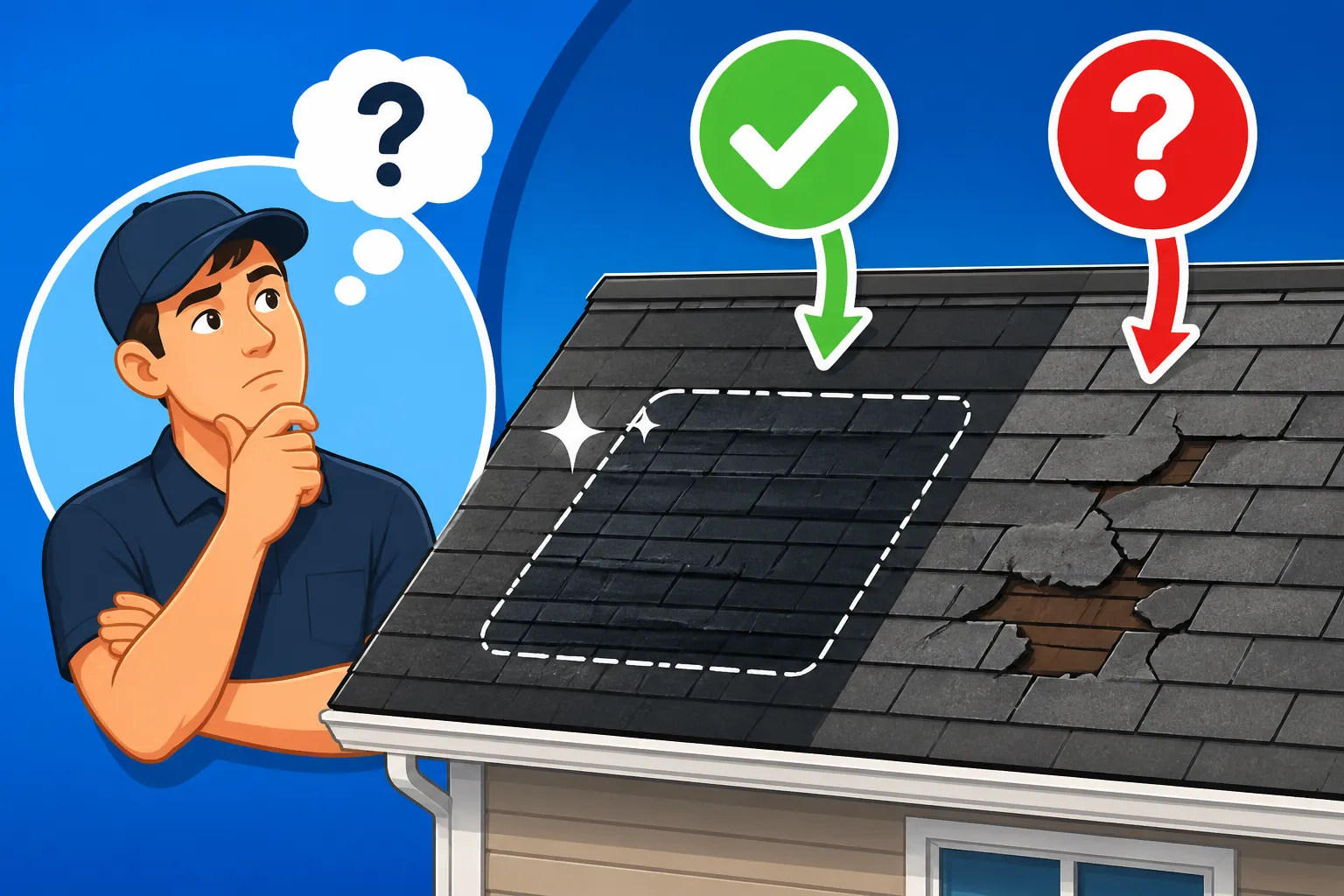
Imagine you have a 15-year-old roof with a rich, dark brown tone that has mellowed over time. If you replace a section, those brand-new shingles will appear much darker and more vibrant against the aged background. This stark contrast can create a noticeable "patchwork" effect on your roof, which can be an eyesore and even diminish your home's curb appeal. While some homeowners aren't bothered by it, for others, the visual discrepancy is a significant concern. This is a common factor homeowners weigh when considering "Matching New Shingles to an Old Roof". The only way to ensure a seamless look is often a complete roof replacement, which eliminates any variations.
Underlying Damage and Hidden Problems
One of the biggest risks of opting for a partial repair is the possibility of overlooking deeper, more widespread issues. What might appear as a small, localized problem on the surface could be a symptom of a larger, systemic failure underneath.
Consider a small leak that seems to be coming from one cracked shingle. A partial repair might involve replacing that shingle and maybe a small section of underlayment. However, if the cracking is due to an aging, brittle roof, or if water has been seeping in for years, the problem might extend far beyond that one spot. You could have widespread rot in your roof decking that isn't immediately visible, or insulation in your attic that's saturated with moisture, creating mold issues.
A reputable roofing contractor will always conduct a thorough inspection to assess not just the visible damage but also the overall condition of your roof, including the attic space and decking. If they recommend a full replacement over a partial repair, it's often because they've identified these hidden problems that a spot fix simply won't address. A partial repair in such cases would be a temporary fix at best, potentially leading to more extensive and costly damage down the line. This is where getting a detailed "Roof Damage Assessment: A Homeowner's Guide" is crucial.
Warranty Implications
Roofing warranties are a big deal, and they can be complex. When you install a new roof from a reputable manufacturer like GAF or Owens Corning, it comes with a warranty that covers material defects, and often, an extended warranty when installed by a certified contractor. These warranties are usually tied to the entire roofing system.
Performing a partial repair can sometimes jeopardize these existing warranties. If a non-certified contractor performs a repair, or if the repair itself isn't done according to the manufacturer's specifications, it could void the warranty on the entire roof or at least the repaired section. This is especially true if the initial damage was due to manufacturing defects that should have been covered by the original warranty.
Before proceeding with any partial repair, it's crucial to understand how it might affect your current warranty. Ask your contractor if they are manufacturer-certified (e.g., a GAF Master Elite Contractor or Owens Corning Platinum Preferred Contractor) and how their work will impact your existing coverage. This is a vital question to ask during your consultation to avoid future headaches. Learn more about "Roofing Warranty: Workmanship vs Manufacturer".
When a Full Roof Replacement Becomes Inevitable or the Wiser Choice
Sometimes, despite the appeal of a partial repair, a full roof replacement is simply the more responsible and ultimately more cost-effective decision. Recognizing these situations early can save you from throwing good money after bad.
Widespread Deterioration
This is the most common reason to opt for a full replacement. If your roof exhibits widespread signs of aging and wear across multiple slopes, not just one isolated area, a partial repair is akin to putting a new tire on a car with a failing engine and transmission. Signs of widespread deterioration include:
- Extensive Granule Loss: You find large amounts of shingle granules in your gutters and downspouts. This means the protective layer of your shingles is eroding, leaving the asphalt base exposed to UV rays and accelerating its breakdown. For more information, check out "Granule Loss: Should You Worry".
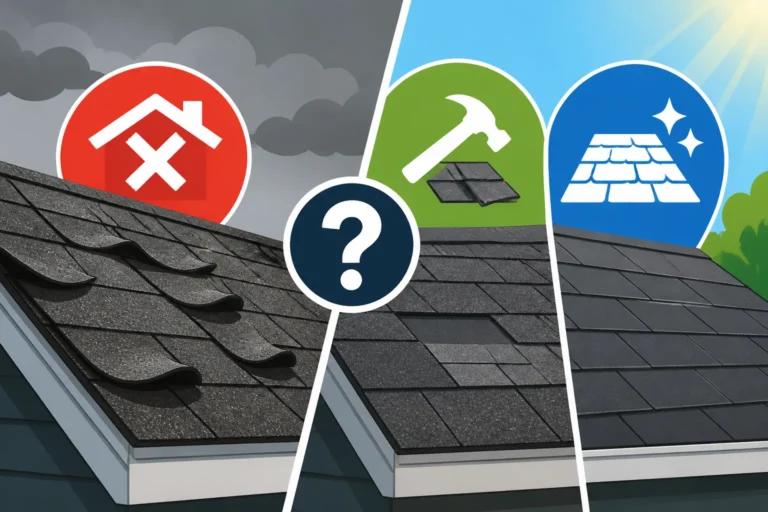
- Curling, Cupping, or Blistering Shingles: Shingles that are curling at the edges, cupping in the middle, or showing blisters indicate that they are drying out, losing their elasticity, and becoming brittle. These are signs of advanced age and UV damage.
- Multiple Leaks: If you're experiencing leaks in several different areas of your home, it's a strong indicator that the entire roof system is failing, not just one spot. Patching each leak individually will likely be a never-ending and costly cycle.
- Visible Rot or Soft Spots: If a thorough inspection reveals multiple areas of soft or rotted decking, it points to systemic moisture issues that a partial repair cannot adequately address.
When these issues are pervasive, replacing the entire roof ensures a consistent, durable, and watertight solution. Attempting partial repairs on such a roof will likely lead to repeated expenses and ongoing problems.
Multiple Layers of Shingles
Some older homes might have had new shingles installed directly over existing ones, a process sometimes called "re-roofing" or "overlay." While this used to be a common practice to save on tear-off costs, most building codes today restrict or prohibit having more than two layers of shingles due to weight and installation quality concerns.
If your home currently has two layers of shingles and needs repair, you might be required to perform a full tear-off and replacement down to the roof decking. This isn't just about code compliance; it's also about proper installation. Installing new shingles over existing layers can lead to uneven surfaces, poor adhesion, and reduced shingle lifespan. If your home has multiple layers, a full "Cost of Roof Tear-Off and Disposal" and subsequent replacement is almost certainly the correct approach. It’s also important to verify "How Many Layers of Shingles Are Legal" in your local municipality.
Long-Term Cost-Effectiveness
This is where the "sticker shock" of a new roof meets the "death by a thousand cuts" of ongoing repairs. While a full roof replacement is a larger upfront investment, it often proves to be more cost-effective in the long run if your roof is old or extensively damaged.
Consider a scenario where your 20-year-old roof needs a $2,000 partial repair for a leak. Six months later, another leak pops up, costing you another $1,500. A year after that, a windstorm causes significant shingle loss on a different section, leading to a $3,000 repair. Over two years, you've spent $6,500 on repairs, and your roof is still 22 years old, still looks patchy, and is still prone to new problems. All that money could have gone towards a significant portion of a brand-new roof that would come with a fresh warranty and decades of worry-free performance.
A new roof eliminates all current problems, provides superior protection, enhances curb appeal, and often comes with a robust manufacturer warranty (e.g., GAF's Golden Pledge or Owens Corning's SureStart Plus) that offers peace of mind for decades. These comprehensive warranties cover both material defects and contractor workmanship, which is something piecemeal repairs simply cannot offer. This long-term perspective is crucial when evaluating if "Is an Asphalt Shingle Roof Worth the Money" for a full replacement. Ultimately, a new roof is an investment in your home's integrity and value, often providing a strong ROI upon resale.
Navigating the Decision: Repair vs. Replace
When faced with roof damage, the decision to repair a section or replace the entire roof can feel overwhelming. It's a significant financial and emotional commitment. Here's how to navigate this crucial choice with confidence.
Getting a Professional Assessment
The absolute first step is to get a professional, unbiased assessment from a qualified roofing contractor. Avoid making assumptions based on what you can see from the ground or what a handy neighbor might suggest. A truly professional roofer will conduct a thorough inspection, not just of the visible damage, but of the entire roof system, including:
- Shingle Condition: Looking for cracking, curling, blistering, missing tabs, and granule loss across all slopes.
- Flashing and Seals: Checking around chimneys, skylights, vents, and valleys for signs of wear or failure.
- Gutters and Downspouts: Assessing their functionality and any signs of overflow or damage caused by debris.
- Roof Decking: Inspecting for soft spots, rot, or water damage, often from inside the attic if accessible.
- Ventilation: Ensuring proper airflow to prevent heat and moisture buildup.
They should then provide you with a detailed report, often with photos, explaining the extent of the damage, the overall condition of your roof, and their recommended course of action. Don't be afraid to get multiple quotes, usually 3-4, from different reputable contractors. Comparing different professional opinions can provide a clearer picture. Services like Modernize can connect you with pre-vetted contractors in your area, making it easier to gather these crucial assessments and estimates. This aligns with advice on "How to Get Roofing Quotes and Compare Them."
Considering Your Budget and Future Plans
Once you have a professional assessment, it's time to align that information with your personal circumstances.
Budget Realities:
Let's be pragmatic about finances. A full roof replacement is a significant expense, often ranging from $8,000 to $25,000 or more depending on house size, materials, and complexity. While a partial repair might be a few hundred to a few thousand dollars, it's essential to consider the potential for recurring repairs if your roof is aging. If a contractor estimates that you'll need another significant repair within a year or two, saving up for a full replacement might be the more fiscally responsible choice. Explore options like "Roof Financing Options Explained" if a full replacement is recommended but seems daunting.
Future Plans for Your Home:
Your long-term plans for your home should also influence your decision.
- Are you planning to sell in the next few years? A new roof can significantly boost your home's curb appeal and resale value. Buyers are often wary of homes needing immediate roof work. A patchwork repair might detract from its value. A full replacement will offer a strong selling point, especially if the warranty is transferable to the new homeowner.
- Is this your "forever home"? If so, investing in a high-quality, full replacement now can provide decades of peace of mind and protection, avoiding repeated repair costs and stress.
- Are you undertaking other major renovations? Sometimes a roof replacement can be coordinated with other exterior work like siding or window replacement, potentially leading to some efficiencies or simply making logistical sense to tackle it all at once.
Ultimately, the goal is to make a decision that protects your home, fits your budget, and aligns with your future vision for your property, whether that means a targeted partial repair or a comprehensive overhaul.
Here's a quick comparison table to help visualize the decision points:
| Feature/Consideration | Partial Roof Repair | Full Roof Replacement |
|---|---|---|
| Damage Extent | Isolated, contained to a small area or specific component (e.g., pipe boot). | Widespread across multiple slopes, significant structural issues, multiple leaks. |
| Roof Age | Relatively young (typically <15 years old) with overall good condition. | Nearing or past typical lifespan (18-25+ years) or severely damaged young roof. |
| Underlying Condition | No signs of widespread decking rot, healthy underlayment. | Significant or suspected widespread decking rot, compromised underlayment. |
| Aesthetic Impact | Potential for shingle color mismatch, noticeable patch. | Uniform, new appearance across the entire roof, boosting curb appeal. |
| Cost | Lower upfront cost (hundreds to low thousands). | Higher upfront cost (thousands to tens of thousands). |
| Long-Term Value | Limited, band-aid solution if roof is old; good value for truly isolated issues. | High, significant increase in home value, long-term protection, fresh warranty. |
| Warranty Implications | Can potentially void existing manufacturer warranties if not done by certified pro. | Comes with new, comprehensive manufacturer and workmanship warranties. |
| Disruption | Minimal, quicker project duration. | Moderate to significant, several days of work, noise, and debris. |
Maximizing the Lifespan of Your Entire Roof (Even After a Partial Repair)
Whether you opt for a partial repair or a full replacement, the ongoing health of your roof depends on proactive maintenance and understanding how to protect your investment. A roof, even a new one, isn't a "set it and forget it" system.
Regular Inspections and Maintenance
Just like your car, your roof benefits immensely from regular check-ups. Most roofing professionals recommend having your roof inspected at least once a year, preferably in the spring or fall, and especially after any severe weather events (like hail storms or high winds). These inspections aren't just for finding problems; they're for preventing them.
What to Look For During Inspections (DIY or Professional):
- Missing or Damaged Shingles: Check for tabs that are curled, cracked, or completely missing.
- Granule Loss: Look for bare spots on shingles or excessive granules in your gutters.
- Flashing Integrity: Ensure all flashing around chimneys, vents, and valleys is intact and properly sealed.
- Gutter Health: Clear gutters prevent water backup, which can damage fascia, soffits, and even cause ice dams.
- Attic Ventilation: Ensure soffit and ridge vents aren't blocked and that your attic isn't excessively hot or humid.
- Tree Branches: Trim back any tree branches that are overhanging or touching your roof, as they can cause abrasion, drop debris, and provide easy access for pests.
Catching small issues early, such as a loose shingle or a cracked caulk seal, allows for minor, inexpensive repairs before they escalate into major leaks and structural damage. This proactive approach is key to extending the life of your asphalt roof and getting the most out of your investment. You can learn more about "How Often to Inspect Your Roof".
Addressing Ventilation and Drainage
Proper ventilation and drainage are unsung heroes of a long-lasting roof. Many roof problems stem not just from shingle failure, but from poor conditions in the attic and around the roofline.
The Role of Ventilation:
Your attic needs to breathe. A well-ventilated attic allows hot, humid air to escape, preventing a host of issues:
- Premature Shingle Aging: Excessive heat in the attic can literally "bake" your shingles from underneath, causing them to curl, crack, and lose granules much faster than their intended lifespan.
- Moisture Buildup: Humidity trapped in the attic can lead to condensation, which promotes mold growth on insulation, rafters, and even the underside of your roof decking. This can compromise your home's air quality and structural integrity.
- Ice Dam Formation: In colder climates, proper ventilation helps keep the roof deck uniformly cool, preventing snow from melting and refreezing at the eaves, which causes damaging ice dams.
Ensure your home has a balanced ventilation system, typically a combination of intake vents (soffit or undereave vents) and exhaust vents (ridge vents, box vents, or turbine vents). If you suspect your ventilation is inadequate, a roofing professional can assess your system and recommend "Cost of Roof Ventilation Upgrades".
The Importance of Drainage:
Effective drainage is all about getting water off your roof and away from your home's foundation as quickly as possible.
- Clear Gutters: Regularly clean your gutters of leaves, twigs, and debris. Clogged gutters can cause water to back up, overflow, and saturate fascia boards, eventually leading to rot. This standing water can also creep under shingles, causing leaks.
- Proper Slope and Pitch: Ensure your roof maintains its proper slope and pitch. Low-slope areas, if not designed for it, can accumulate standing water, which significantly shortens shingle life and increases the risk of leaks.
- Flashing Effectiveness: Make sure all flashing is securely in place and correctly directs water away from vulnerable areas like chimneys, skylights, and valleys. Any compromised flashing should be repaired or replaced immediately to prevent water intrusion.
By keeping these vital systems in check, you're not just maintaining a roof; you're maintaining an entire protective envelope for your home. Even after a partial repair, these steps are crucial to ensuring the longevity and health of your entire roofing system, saving you money and stress in the long run.
Final Thoughts on Repairing Part of Your Roof
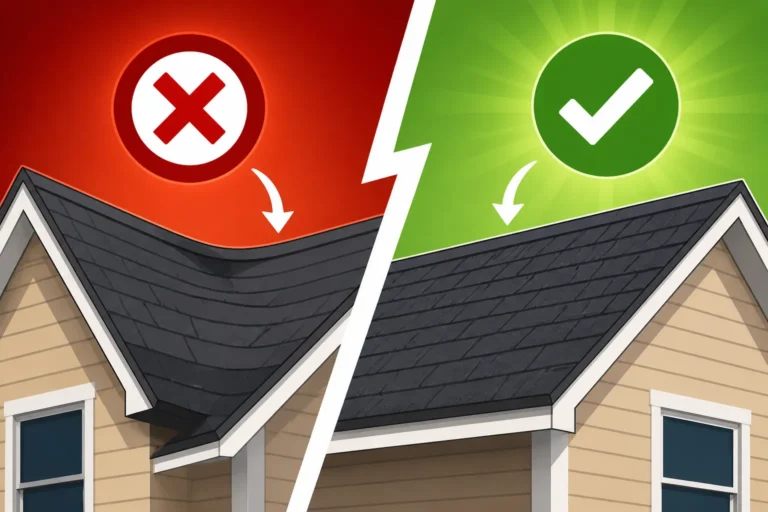
The question of whether you can repair just part of a roof is one that many homeowners grapple with, and it's a completely valid concern. As we've explored, the answer isn't a simple yes or no; it's a nuanced "it depends." For localized damage on a relatively young and otherwise healthy roof, a partial repair can be an excellent, cost-effective solution that extends your roof's life without breaking the bank. Spot fixes for missing shingles or targeted flashing repairs are often straightforward and make perfect sense.
However, if your roof is older, exhibits widespread signs of wear and tear, or has underlying structural issues that aren't immediately visible, a partial repair can quickly become a temporary band-aid. You might find yourself repeatedly calling contractors for new leaks or dealing with mismatched aesthetics that detract from your home's curb appeal. In these scenarios, the long-term cost-effectiveness and peace of mind offered by a full roof replacement often outweigh the initial savings of a partial fix.
The most important takeaway is this: always get a thorough, professional assessment from several reputable roofing contractors. They can provide an honest evaluation of your roof's overall condition, help you understand the true extent of the damage, and guide you towards the most appropriate solution for your home and your budget. Don't let the immediate desire to save money blind you to the potential for greater problems down the road. Making an informed decision now will protect your home and your wallet for years to come.
Disclaimer
This article is intended for informational purposes only and does not constitute professional advice. Roofing work can be dangerous and should be performed by qualified professionals. Always consult with a licensed and insured roofing contractor for assessments, recommendations, and services specific to your home's needs. Building codes and regulations vary by location, and it is the homeowner's responsibility to ensure compliance.