How Wind Ratings Work for Shingles
There’s nothing quite as gut-wrenching as waking up after a wild storm, stepping outside, and seeing shingles scattered across your yard, or worse, knowing your roof took a beating and wondering if it’ll hold up until repairs can be made. It’s a frustrating and often expensive experience that homeowners dread. Understanding how wind ratings work for shingles isn't just about technical jargon; it's about protecting your biggest investment and gaining peace of mind when Mother Nature decides to show her strength. This guide will demystify wind ratings, explain what they mean for your asphalt roof, and help you make informed decisions to safeguard your home.
Understanding the Basics of Wind Ratings
When you're shopping for new asphalt shingles, or even just researching what makes a good roof, you'll inevitably come across terms like "wind rating" or "wind resistance." It can sound a bit technical, but at its heart, a wind rating is simply a measure of how well a shingle is expected to stay put on your roof during high winds. It’s a crucial piece of information that speaks directly to your roof's resilience in the face of severe weather.
Why Wind Ratings Matter for Your Roof
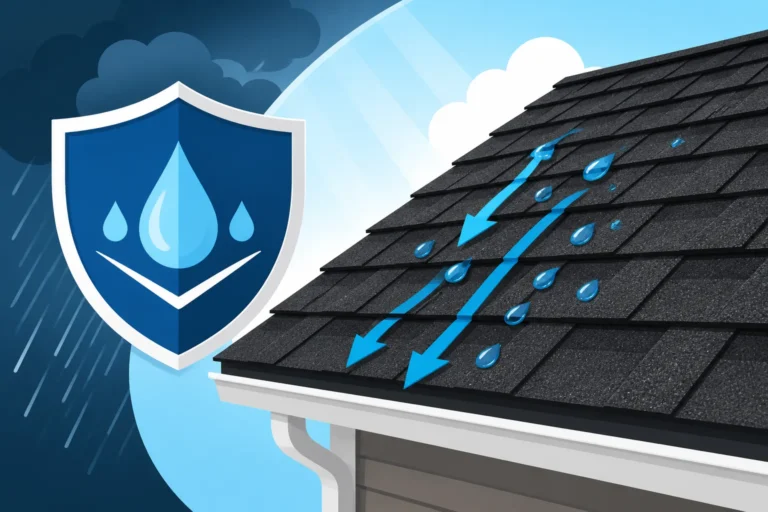
Think about your roof for a moment. It's the primary shield protecting your home from the elements. Wind, especially high wind, exerts incredible force. It can lift, tear, and even rip shingles clean off your roof deck, leaving it vulnerable to water intrusion and further damage. This isn't just a minor cosmetic issue; a compromised roof can lead to extensive interior damage, mold growth, and a massive repair bill that nobody wants to see. A shingle with a strong wind rating is designed and tested to withstand these forces, offering a significantly higher degree of protection than a shingle without such a rating. It’s especially critical if you live in an area prone to strong gusts, hurricanes, or frequent thunderstorms, like coastal regions or the Midwest’s "Tornado Alley."
Beyond just keeping your roof intact, proper wind-rated shingles can also sometimes impact your homeowner's insurance premiums. Insurers recognize the reduced risk associated with more resilient roofing materials. So, choosing the right shingle isn't just about performance; it’s about smart financial planning and long-term home protection.
What Do Wind Ratings Actually Measure?
Wind ratings essentially quantify a shingle's ability to resist detachment under specific wind speeds. These aren't just arbitrary numbers; they come from rigorous testing designed to simulate real-world conditions. When a manufacturer states a shingle has a 130 MPH wind rating, it means that, under controlled laboratory conditions following strict industry standards, that shingle was able to withstand sustained wind speeds up to that velocity without failing.
It’s important to understand that these tests evaluate the shingle's inherent design, its adhesion properties, and how well it's expected to bond to adjacent shingles once installed and heated by the sun. The goal is to ensure the shingle can stand up to the dynamic forces of wind, which can create both uplift (pulling the shingle up) and shear (tearing it horizontally). This measurement provides a benchmark for comparing different shingle products and helps homeowners and contractors select materials appropriate for specific climate zones and anticipated wind exposure.
The Different Types of Wind Resistance Ratings
Understanding the various industry standards and certifications for wind resistance can feel a bit like deciphering a secret code. However, these standards are incredibly important because they provide a consistent way to evaluate and compare different shingle products. The two primary ASTM (American Society for Testing and Materials) standards you'll encounter for asphalt shingle wind resistance are ASTM D3161 and ASTM D7158.
ASTM D3161 Class F, D, G
The ASTM D3161 standard is one of the most common tests for asphalt shingle wind resistance. This test involves placing shingle samples in a wind tunnel and subjecting them to various wind speeds for a specified duration to see if they can resist uplift or detachment. The standard categorizes shingles into different classes based on the maximum wind speed they successfully withstand.
- Class F: This is typically the highest rating under the D3161 standard, indicating the shingle can resist sustained wind speeds up to 110 mph for a minimum of two hours. Many architectural or dimensional shingles from major manufacturers like GAF and Owens Corning will carry this rating. This level of protection is often recommended, and sometimes even required by local building codes, in areas prone to moderate to high wind events.
- Class D: Shingles rated Class D are certified to withstand sustained winds up to 90 mph. While still a good level of protection, it's generally considered suitable for areas with less frequent or less intense wind events.
- Class G: This class indicates resistance to sustained winds up to 60 mph. These shingles are often found in areas with very mild weather or on economy-grade 3-tab shingles. Given the increasing intensity of storms, many homeowners are now opting for higher classes of wind resistance even if their local codes don't strictly require it, just for added security.
It's worth noting that achieving these ratings depends not just on the shingle material itself but also on specific installation methods, such as the number and placement of nails. A shingle might be rated for a certain speed, but if it's not installed correctly, its actual performance could be significantly lower. You can learn more about how crucial proper installation is by checking out our guide on How Asphalt Shingles Are Installed: Step by Step.
ASTM D7158 Class H
While ASTM D3161 is widely recognized, the ASTM D7158 standard offers a more stringent and often higher-performing wind resistance test. This standard also uses a wind tunnel, but it incorporates a more aggressive test protocol, including exposure to higher wind speeds and a different set of evaluation criteria.
- Class H: This is the highest classification under the ASTM D7158 standard, certifying shingles to withstand sustained wind speeds of up to 150 mph. This is a very robust rating and is particularly valuable for homes in hurricane-prone regions or areas frequently hit by powerful storms. When you see a shingle with a Class H rating, it generally signifies a premium product designed for maximum wind performance. These shingles often feature enhanced adhesive strips, heavier construction, and sometimes a modified asphalt blend that allows for better sealing and flexibility in high winds. For instance, manufacturers like CertainTeed often offer products designed to meet or exceed this demanding standard.
Choosing a Class H rated shingle can be a significant upgrade, offering superior defense against extreme weather. When you're talking to a roofing contractor, especially through a service like Modernize, make sure to ask about the specific wind ratings of the shingles they recommend. Comparing the 3-Tab vs Architectural Shingle Cost Compared often reveals that architectural shingles, which typically achieve higher wind ratings, offer a better long-term investment in terms of durability and protection, even if the upfront cost is a bit higher.
UL 2218 Impact Resistance
While not strictly a "wind rating," the UL 2218 standard for impact resistance is often discussed in conjunction with wind performance because severe storms frequently bring both high winds and hail. Shingles that resist impact damage tend to be more robust overall and can better withstand the combined stresses of a major weather event.
The UL 2218 test involves dropping steel balls from varying heights onto a shingle to simulate hail impacts. Shingles are then classified:
- Class 1: Withstands steel ball impact from 12 ft.
- Class 2: Withstands steel ball impact from 15 ft.
- Class 3: Withstands steel ball impact from 18 ft.
- Class 4: Withstands steel ball impact from 20 ft.
Class 4 is the highest rating for impact resistance, indicating superior protection against hail and other debris carried by high winds. Many insurance companies offer discounts for homes with Class 4 rated shingles because they significantly reduce the likelihood of roof damage claims from hail. While a Class 4 rating doesn't directly measure how a shingle will fare against wind uplift, the enhanced durability and material strength required to achieve this rating often contribute to better overall resilience against wind-driven debris and the general wear and tear that can make shingles more susceptible to wind damage. If you're looking for comprehensive storm protection, considering both high wind ratings and impact resistance is a smart move.
Here's a quick summary of common wind rating classifications:
| Standard | Classification | Sustained Wind Speed | Description |
|---|---|---|---|
| ASTM D3161 | Class G | Up to 60 mph | Entry-level wind resistance, suitable for mild climates. |
| ASTM D3161 | Class D | Up to 90 mph | Good wind resistance, common for many standard shingles. |
| ASTM D3161 | Class F | Up to 110 mph | High wind resistance, recommended for most high-wind areas. |
| ASTM D7158 | Class H | Up to 150 mph | Superior wind resistance, ideal for hurricane-prone zones. |
| UL 2218 | Class 4 | Impact Resistance | Highest rating for hail and impact protection. |
Factors Influencing a Shingle's Wind Performance
It’s easy to think that a shingle's wind rating is solely about the shingle itself, but that’s only part of the story. The true performance of your roof against high winds is a complex interplay of the shingle’s inherent design, the skill of its installation, and the specific environmental conditions it faces. Ignoring any of these factors can significantly compromise your roof's ability to protect your home, even if you picked a high-rated shingle.
Shingle Design and Construction
The way an asphalt shingle is manufactured plays a huge role in its ability to resist wind. It's not just about the outer appearance; it's about what's underneath.
- Adhesive Technology: Modern asphalt shingles, especially architectural and designer styles, incorporate advanced sealant strips. These strips are typically made of a modified asphalt compound that becomes sticky when heated by the sun, creating a strong bond between each shingle layer. The quality and width of this adhesive strip, often referred to as a "sealant," are critical. Some manufacturers, like GAF, use proprietary technologies such as Dura Grip™ Adhesive in their Timberline HDZ shingles, which are designed to create a superior bond, helping shingles resist blow-off even in extreme winds. A robust sealant means the shingles essentially become one monolithic barrier against the wind.
- Material Weight and Thickness: Generally speaking, heavier, thicker shingles tend to perform better in high winds. This is because they have more mass to resist uplift and are less prone to flapping or curling, which can expose their edges to wind forces. Architectural shingles, for example, are multi-layered and often significantly heavier than traditional 3-tab shingles, contributing to their superior wind resistance. This increased mass also makes them more durable overall, extending the life of your roof.
- Fiberglass Mat: The core of an asphalt shingle is a fiberglass mat, which provides strength and dimensional stability. A high-quality, dense fiberglass mat helps prevent the shingle from tearing or deforming under stress. Without a strong mat, even the best adhesive might not be enough to keep a shingle from shredding in hurricane-force winds.
Installation Practices and Nailing Patterns
Even the most wind-resistant shingle will fail if it's not installed correctly. This is where the expertise of your roofing contractor becomes absolutely paramount.
- Proper Nailing: Every shingle manufacturer specifies a particular nailing pattern and nail placement for their products to achieve their stated wind ratings. Typically, this involves nailing within a specific "common bond" area, ensuring the nails penetrate both the shingle being installed and the shingle below it, as well as the roof decking. Using the wrong number of nails (too few), incorrect nail length (too short), or improper placement (too high or too low) can drastically reduce a shingle's ability to resist wind uplift. For example, some high-wind regions or shingle products might require a 6-nail pattern instead of the standard 4-nail pattern for enhanced security. Our article on How Shingles Are Nailed and Sealed goes into much more detail on this critical step.
- Starter Shingles: The first row of shingles, known as starter shingles, is crucial for wind resistance along the eaves. These are specifically designed and installed to secure the first course of main shingles, preventing wind from getting underneath the edge of the roof system. If starter shingles aren't installed or are installed incorrectly, the entire perimeter of your roof becomes vulnerable.
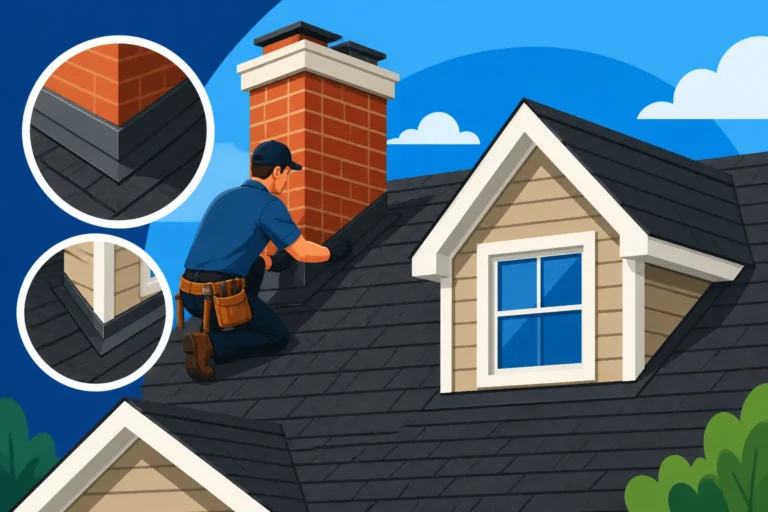
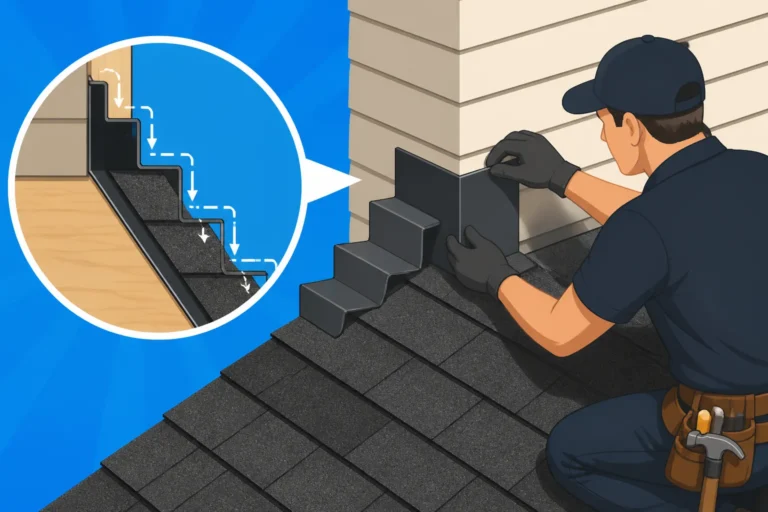
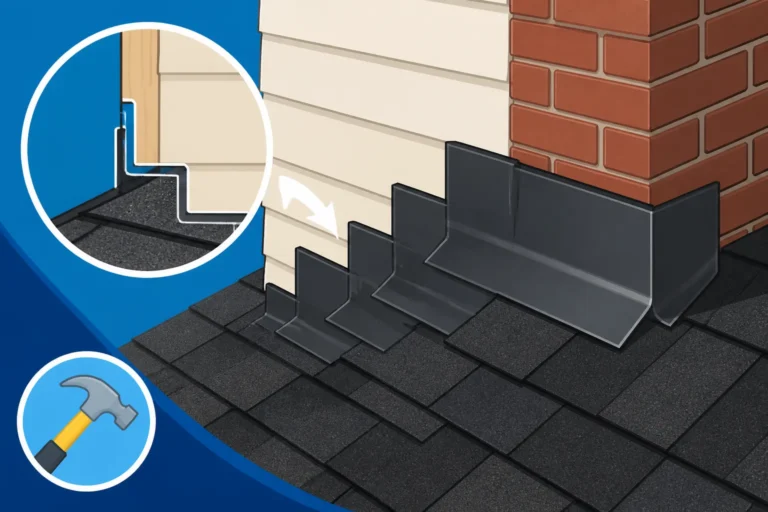
- Flashing and Sealing: Areas like valleys, eaves, rake edges, and around chimneys and vent pipes are particularly susceptible to wind-driven rain and uplift. Proper installation of drip edge, ice and water shield, and various types of flashing is essential to creating a sealed, robust system that prevents wind and water from penetrating the roof. An experienced roofer knows that the details matter, especially around these vulnerable points. This is why it's so important to hire a reputable contractor. If you’re not sure how to find one, our guide on How to Choose a Roofing Contractor can help.
Environmental and Regional Considerations
Your home's location and specific characteristics play a significant role in how well your roof will fare against wind. What works perfectly in a sheltered suburb of Dallas, Texas, might not be enough for a beachfront property in Naples, Florida.
- Local Climate and Weather Patterns: Do you live in an area known for severe thunderstorms, tornadoes, or hurricanes? Coastal areas, for instance, face higher wind loads due to direct exposure and lack of windbreaks. Homes in hail-prone regions might benefit from both high wind-rated and impact-resistant shingles. Understanding your local weather history and future climate projections is key to selecting an appropriate shingle.
- Building Codes and Insurance Requirements: Local building codes often dictate minimum wind resistance standards for roofing materials, especially in areas prone to specific hazards. For example, in many parts of Florida, stricter high-wind roofing codes are in place following devastating hurricanes. Similarly, insurance companies may offer incentives or even require certain wind ratings for coverage in high-risk zones. Always check your local requirements and discuss them with your insurer.
- Roof Pitch and Height: Steeper roofs tend to shed water more effectively, but they can also be more exposed to wind forces. Taller homes or those with complex rooflines (multiple gables, dormers, etc.) can create more turbulent airflow, increasing the potential for wind uplift on certain sections of the roof. A multi-story home, for example, often experiences greater wind forces than a single-story ranch. Understanding Roof Replacement Cost by Pitch and Multi-Story Roof Cost Premium can give you an idea of how these factors affect both performance and installation complexity.
Choosing the Right Wind-Rated Shingle for Your Home
Selecting the right shingle with the appropriate wind rating is a critical decision that balances protection, cost, and aesthetics. It’s not just about picking the highest number; it’s about making an informed choice tailored to your specific situation.
Assessing Your Local Wind Exposure
Before you even look at shingle samples, take a moment to really think about your home's exposure to wind. This isn't just a generic guess; it involves considering several specific factors.
- Geographic Location: Are you near a coast where hurricanes are a threat, like along the Gulf Coast or Eastern Seaboard? Do you reside in a region known for severe thunderstorms and potential tornadoes, such as the Great Plains states? These areas naturally demand higher wind resistance. Even inland cities can experience surprisingly powerful microbursts or straight-line winds.
- Topography and Surroundings: Is your home on a hill or an open plain, exposed to uninterrupted wind flow? Or is it nestled in a valley, protected by trees or other buildings? While trees can act as a windbreak, mature trees too close to the house can also pose a risk if branches fall during a storm. Consider how these natural and man-made elements interact with wind patterns around your specific property.
- Historical Data: Look up historical weather data for your specific zip code. Many local weather services or emergency management agencies provide this information. Has your area experienced winds above 90 mph in the last decade? This data can give you a realistic idea of the maximum wind speeds your roof might actually encounter. Tools from services like Modernize can help connect you with local contractors who understand these regional nuances and can recommend products suited to your specific area, whether you're dealing with Asphalt Roof Replacement Cost in Florida or Asphalt Roof Replacement Cost in Colorado.
For example, a home in a densely forested suburban area of Atlanta, Georgia, might be adequately protected by Class F shingles (110 mph), whereas a house in coastal Galveston, Texas, would be much better served by Class H shingles (150 mph) due to the persistent threat of hurricane-force winds.
Deciphering Shingle Manufacturer Specifications
Once you have a good grasp of your local wind exposure, it's time to dive into what the shingle manufacturers are offering. Don't be shy about asking for specific data.
- Manufacturer Warranties: Pay close attention to the wind warranty offered by the shingle manufacturer. Most reputable brands, like Owens Corning, CertainTeed, and IKO, offer specific wind warranties for their products, often tied to their installation specifications. For instance, some warranties might cover wind speeds up to 130 mph if a certain nailing pattern is used, but only 110 mph with a standard nailing pattern. Ensure you understand the terms, conditions, and any installation requirements needed to validate the highest level of coverage. Always ask about the "fine print" of the warranty, particularly concerning wind speeds and proper installation.
- Product Lines and Features: Different product lines from the same manufacturer will often have varying wind ratings. For instance, a basic 3-tab shingle might only offer a 60 mph wind rating, while a premium architectural shingle from the same brand could boast 130 mph or even 150 mph wind resistance. Look for features like wide, high-tack adhesive strips, heavier shingle weight, and advanced granule technology. These features aren't just for show; they directly contribute to the shingle's ability to resist wind damage. Don't hesitate to compare features across brands; you might find IKO vs GAF Cost Comparison insightful in your research.
- Certification Logos: Look for logos from independent testing agencies like UL (Underwriters Laboratories) or the Miami-Dade County product approval system (particularly relevant for Florida), which indicate that the shingles have been rigorously tested and certified to meet specific performance standards. These certifications provide an extra layer of assurance that the manufacturer's claims are legitimate and backed by third-party verification. When discussing options with your contractor, ask them to show you these certifications and explain what they mean for your specific roof.
Beyond Shingles: The Role of the Entire Roofing System
While wind-rated shingles are undeniably important, they are just one component of a truly wind-resistant roof. Think of your roof as a complex system, where each part works together to provide optimal protection. If one part is weak, the entire system can be compromised. Understanding this holistic approach is key to a durable and resilient roof.
Underlayment and Starter Strips
These foundational layers might be out of sight once the shingles are installed, but their role in wind resistance is absolutely critical.
- Underlayment: Applied directly to the roof decking, underlayment provides an essential secondary layer of protection against water intrusion, especially if shingles are blown off during a storm. Modern synthetic underlayments are far more robust than traditional felt, offering superior tear resistance and a better grip for the shingles above. Some even have textured surfaces to enhance traction for installers, improving safety and potentially leading to better installation. In high-wind areas, premium synthetic underlayments, often with self-adhering properties, are highly recommended. This forms a crucial barrier even if the primary shingle layer fails temporarily. You can learn more about Synthetic vs Felt Underlayment Cost to see which option is best for your budget and protection needs.
- Starter Shingles: These specialized shingles are installed along the eaves and rake edges of the roof before the main shingle courses. They create a continuous, sealed edge that prevents wind from getting underneath the first row of shingles and initiating uplift. Many starter shingles have a factory-applied adhesive strip that bonds to the first course of shingles, effectively locking them down. Without proper starter shingles, even the most wind-resistant main shingles are vulnerable along the roof's perimeter, which is often the first point of failure in a wind event.
Flashing and Proper Sealing
Flashing—the thin pieces of metal or other material used to direct water away from critical areas—and meticulous sealing are equally vital for wind resistance, as they protect the most vulnerable parts of your roof.
- Drip Edge: This metal flashing is installed along the edges of your roof (eaves and rake) to direct water off the roof and into the gutters, preventing it from running down fascia boards. Crucially, it also helps prevent wind from getting underneath the edge of the roof decking and underlayment, especially at the rake edges. Proper installation of drip edge, overlapping at corners, creates a tight seal that enhances the overall wind performance of the roof system.
- Vent, Chimney, and Skylight Flashing: Any penetration through your roof, whether it's a plumbing vent, a chimney, or a skylight, creates a potential weak point for both water leaks and wind intrusion. High-quality flashing, correctly installed and sealed with appropriate sealants, ensures that these areas are watertight and wind-resistant. Step flashing, counter flashing, and continuous flashing all play specific roles in shedding water and securing these elements against strong winds. If these areas are not properly flashed, wind can easily lift or tear at the edges, leading to significant damage. Our detailed guide on Roof Flashing Explained can give you a deeper understanding of these protective elements.
- Ridge Cap Shingles and Ventilation: The ridge of your roof, where two slopes meet, is often subjected to significant wind uplift. High-quality ridge cap shingles, designed to be thicker and more robust than standard shingles, are essential for protecting this vulnerable line. Furthermore, adequate roof ventilation, often involving a ridge vent, is crucial for the overall health of your roof and attic. While not directly a wind-resistance component, proper ventilation helps regulate attic temperature and moisture, preventing premature aging of shingles and decking, which can weaken the roof system and make it more susceptible to wind damage over time.
By ensuring all these components—from underlayment to flashing—are of high quality and installed meticulously, you're building a truly resilient roof system that can stand up to the challenge of high winds.
Protecting Your Investment: Maintenance and Warranties
Investing in a high wind-rated asphalt shingle roof is a smart decision, but that investment needs ongoing care and understanding of its protections. A "set it and forget it" approach can lead to costly surprises down the road. Active maintenance and a clear grasp of your warranty terms are essential for maximizing your roof's lifespan and ensuring peace of mind.
Regular Roof Inspections
Even the toughest roof can suffer wear and tear, and catching minor issues early is key to preventing major damage.
- Post-Storm Checks: After any significant weather event—especially high winds, heavy rain, or hail—it's incredibly important to perform a visual check of your roof from the ground. Look for missing, curled, cracked, or loose shingles. Check for granules in your gutters, which can be a sign of shingle wear. If you have binoculars, use them to get a closer look. For safety, avoid climbing on your roof unless you are a trained professional.
- Annual Professional Inspections: Beyond your own quick checks, scheduling a professional roof inspection at least once a year, ideally in the spring or fall, is highly recommended. A professional roofer can safely get on your roof, identify subtle signs of damage that an untrained eye might miss (like minor flashing issues, nail pops, or sealant strip failures), and address them before they escalate. They can also ensure proper attic ventilation, which plays an indirect but important role in shingle longevity and overall roof health. For those in certain parts of the country, like Florida, regular roof inspections are sometimes even required by insurance companies to maintain coverage.
- Preventative Measures: During inspections, a contractor might recommend minor preventative actions, such as trimming overhanging tree branches that could fall and damage shingles in a windstorm, or cleaning debris from gutters and valleys. These small steps can make a big difference in preventing future problems and preserving your roof's integrity. Staying proactive can help you avoid a full roof replacement sooner than necessary.
Understanding Wind Warranty Coverage
Your roof's warranty is your ultimate safety net, but it's only as good as your understanding of its terms. Misinterpretations can lead to denied claims and unexpected expenses.
- Manufacturer vs. Workmanship Warranties: Most new asphalt roofs come with two types of warranties:
- Manufacturer's Warranty: This covers defects in the shingles themselves, such as premature granule loss, blistering, or manufacturing flaws that lead to reduced wind resistance. These warranties often come with different tiers, with premium products offering longer, more comprehensive coverage, sometimes even covering winds up to 130 mph or more. However, they almost always require proper installation according to the manufacturer's guidelines to remain valid.
- Workmanship Warranty: This is provided by your roofing contractor and covers the quality of the installation. If shingles are blown off because they were improperly nailed, for example, this warranty would come into play. A reputable contractor will offer a robust workmanship warranty, often for 5 to 10 years, sometimes even longer. It's crucial to confirm the length and specifics of this warranty before you sign a contract. You'll find more information on this topic in Roofing Warranty: Workmanship vs Manufacturer.
- Wind Speed Limitations: Pay close attention to the specific wind speed limitations mentioned in your manufacturer's warranty. A common warranty might cover wind damage up to 110 mph, but if a hurricane hits your home with 120 mph winds, you might not be fully covered. Some premium shingle lines, particularly those with Class H ratings, offer enhanced wind warranties that cover speeds up to 130 mph or even 150 mph.
- Registration and Transferability: Always register your manufacturer's warranty promptly after installation. Many warranties require registration within a certain timeframe (e.g., 30-60 days) to be fully effective, especially for enhanced coverage. Also, inquire about the transferability of the warranty. If you sell your home, a transferable warranty can be a significant selling point, providing the new homeowner with continued protection.
- Exclusions: Be aware of common exclusions. Warranties typically don't cover damage from "acts of God" beyond their specified wind limits, improper maintenance (like not clearing debris), or damage caused by other trades (e.g., HVAC technicians walking on your roof). Understanding these exclusions upfront helps manage expectations. If you ever need to make a claim, services like Modernize can often assist homeowners in navigating the process and connecting with contractors who are experienced in dealing with insurance claims. This proactive approach ensures you're ready, no matter what nature throws your way.
Disclaimer
Please remember that the information provided in this article is intended for general guidance and informational purposes only. While we strive to offer accurate and up-to-date content, local building codes, regulations, material availability, and weather patterns can vary significantly. Always consult with a qualified, licensed, and insured roofing professional in your specific area for personalized advice, inspections, estimates, and to ensure compliance with all local requirements before undertaking any roofing project. Manufacturer warranties have specific terms and conditions, and it is crucial to review them directly with the manufacturer and your chosen contractor.