OSB vs Plywood Roof Decking
Deciding on a new roof is already a huge undertaking, and then you start diving into the nitty-gritty details, like what kind of decking goes underneath! It can feel overwhelming trying to figure out the best materials for your home's protection and longevity. Many homeowners fret over whether to go with OSB or plywood, wondering if one is significantly better or if they're essentially the same. This guide is here to cut through the confusion and give you a deep dive into the pros and cons of OSB and plywood roof decking, helping you make an informed choice for your asphalt roofing system.
Understanding Roof Decking and Its Crucial Role
Before we get into the nitty-gritty of OSB versus plywood, let's take a moment to appreciate what roof decking actually is and why it’s such a fundamental component of your home. It’s not just a surface for your shingles; it’s the backbone of your entire roofing system, and understanding its function is key to appreciating the differences in materials.
What is Roof Decking Anyway?
Think of your roof deck as the solid foundation upon which everything else—from the underlayment to the shingles—rests. It's the layer of structural panels that are fastened directly to your roof trusses or rafters, creating a continuous, stable surface. This isn't a decorative element; it’s a critical structural component that provides strength, rigidity, and the nailing surface for your roofing materials. Without a sound roof deck, even the highest quality shingles can't perform their best or last as long as they should. You can learn more about the specifics of How Roof Decking Works.
It’s often overlooked during the initial discussions about a new roof, with most homeowners naturally focusing on shingle types or colors. However, a good roofing contractor, like those you can find through Modernize, will always bring up the condition of your existing roof deck and discuss options for replacement or repair if needed. This step is non-negotiable for a successful roof replacement.
Why Your Roof Decking Matters So Much
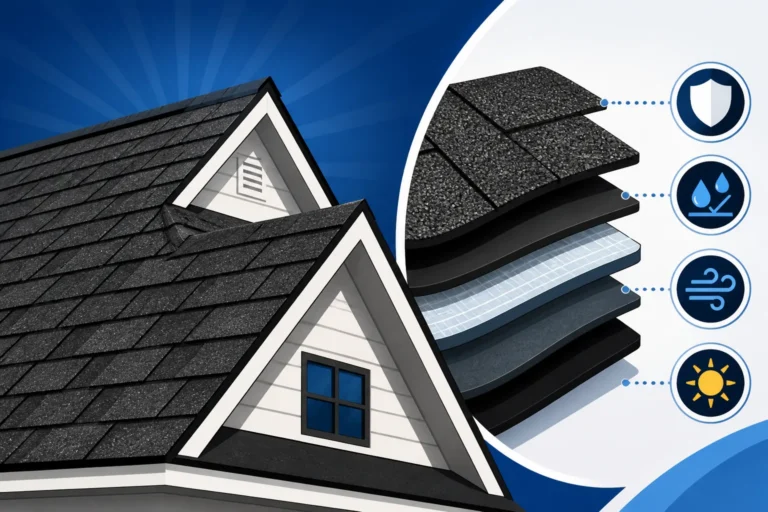
The roof decking is more than just a flat surface; it's what provides the structural diaphragm for your entire roof, protecting your home from uplift during high winds and supporting the weight of snow, ice, and even the roofers themselves during installation and maintenance. It creates a critical barrier against the elements, preventing moisture intrusion into your attic and home when properly sealed with underlayment. Without strong, intact decking, your shingles could become loose, sag, or even detach in a severe storm, leading to leaks and significant damage.
Beyond structural support, the roof decking is where all your roofing fasteners—the nails holding your shingles in place—get their grip. If the decking is weak, deteriorated, or the wrong thickness, those nails won't hold properly, compromising the wind resistance and overall integrity of your entire roof system. A robust roof deck ensures that your investment in quality shingles, underlayment, and flashing truly pays off by providing a stable and secure attachment point for everything above it.
OSB Roof Decking Explained
Oriented Strand Board, or OSB, has become incredibly common in construction over the past few decades, and it’s a material you’ll frequently encounter when discussing roof decking options with your contractor. It's an engineered wood product that offers a distinct set of characteristics compared to traditional plywood.
The Lowdown on Oriented Strand Board
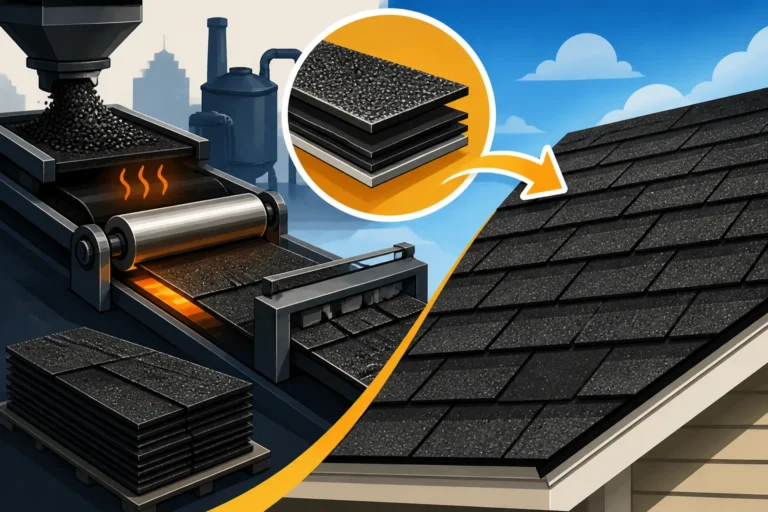
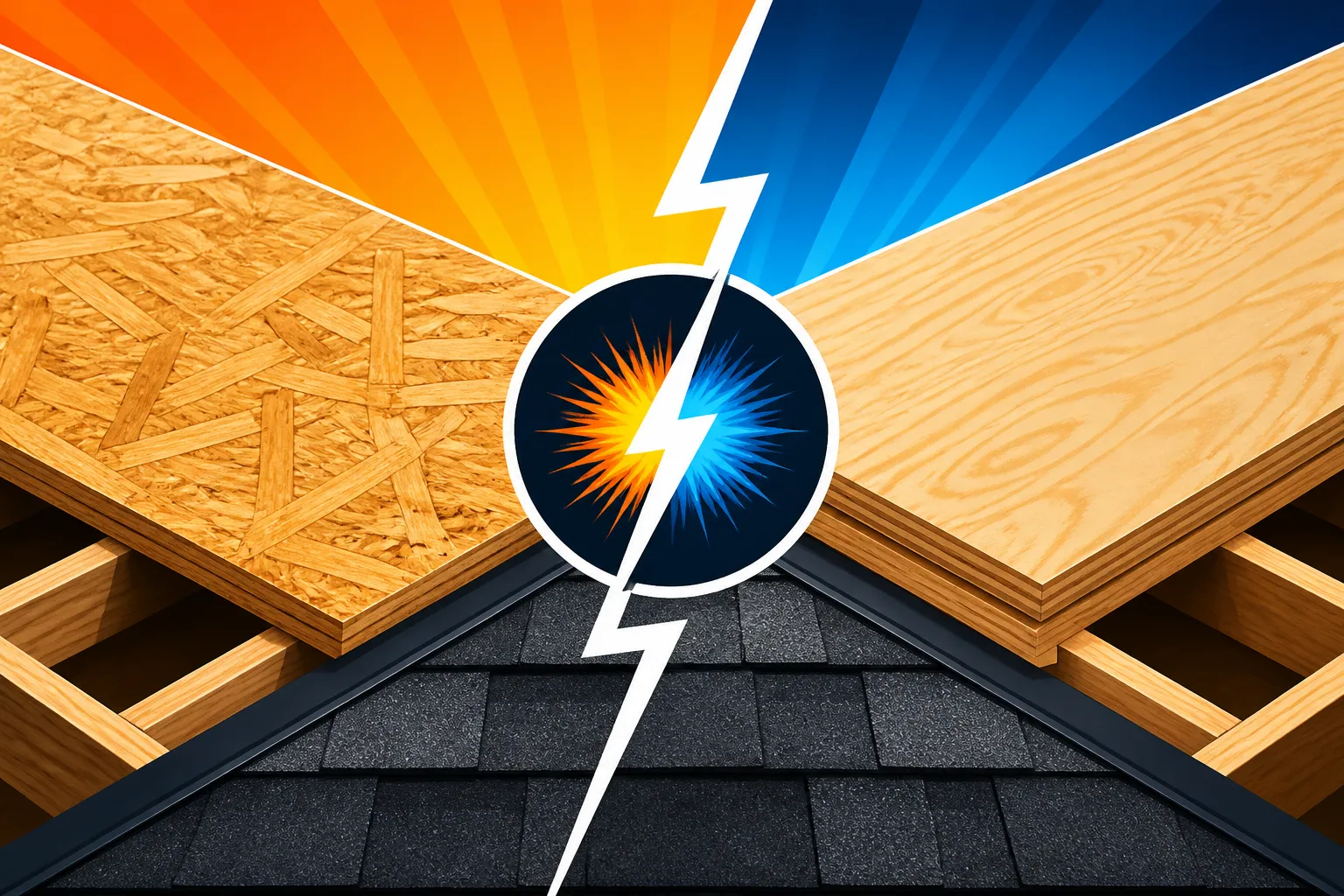
OSB is manufactured by taking small, thin strands of wood (usually fast-growing, smaller timber like aspen, pine, or mixed hardwoods) and arranging them in specific orientations. These strands are then bonded together with waterproof, heat-cured adhesives and resins under immense pressure and heat to form strong, rigid panels. The "oriented" part of its name refers to the fact that the wood strands are aligned in layers, with the outermost layers typically running lengthwise along the panel for increased strength in that direction.
Because it utilizes smaller, more readily available timber and is manufactured in a process that uses nearly all of the wood fiber, OSB is generally considered a more sustainable and cost-effective product than plywood. It comes in standard sheets, most commonly 4×8 feet, and varying thicknesses, with 7/16-inch and 5/8-inch being typical for roof decking. Its uniform density and lack of voids are key features that distinguish it.
Advantages of Choosing OSB for Your Roof
One of the most appealing aspects of OSB for many homeowners and builders is its cost-effectiveness. Generally speaking, OSB panels tend to be more affordable than plywood, especially in standard thicknesses. This can translate to noticeable savings on the overall Roof Decking Replacement Cost for your project, which can be a huge factor for budgeting families.
Beyond cost, OSB offers excellent shear strength, meaning it performs very well at resisting racking and forces that try to distort a structure. This is vital for the diaphragm action of a roof, contributing significantly to the structural stability of your home, especially in areas prone to high winds or seismic activity. It also has a very consistent composition with no voids or knotholes, providing a uniform nailing surface for shingles, which can be beneficial for proper shingle adhesion and warranty compliance. Plus, its consistent dimensions mean less waste during installation.
Potential Drawbacks of OSB Decking
While OSB offers significant benefits, it's not without its drawbacks, particularly concerning moisture. If OSB gets wet during construction, or worse, if a leak goes undetected in your roof, it can be more susceptible to swelling and losing its structural integrity compared to plywood. The edges, in particular, are prone to swelling when exposed to prolonged moisture, which can lead to "waviness" in your roofline and potentially affect how flat your shingles lay. This isn't just an aesthetic concern; prolonged swelling can compromise the holding power of fasteners.
Another point of consideration is its weight. OSB can sometimes be heavier than an equivalent thickness of plywood, which might be a factor in very large roofing projects or in areas with specific structural loading concerns. Additionally, while OSB offers a good nailing surface, if a nail misses the mark or needs to be pulled out, the material around the hole can sometimes crumble more easily than plywood, making re-nailing a bit trickier without causing further damage to the substrate.
Plywood Roof Decking Explained
Plywood is the veteran in the world of wood construction panels. It's been a staple for decades, revered for its robust characteristics and proven performance. Many homeowners still prefer plywood for their roof decking, and for good reason.
Delving into Plywood for Roofing
Plywood is manufactured by layering thin sheets of wood veneer, called plies, with each ply's wood grain oriented at a right angle to the adjacent layers. These layers are then bonded together with strong adhesives under heat and pressure. This cross-graining technique is what gives plywood its incredible strength and dimensional stability in both directions, making it highly resistant to warping, splitting, and shrinking.
The type of wood used for plywood veneers varies, but commonly includes Douglas fir, Southern pine, and various hardwood species. For roofing, exterior-grade plywoods (like CDX, which means "C-grade face, D-grade back, exterior glue") are typically used because they incorporate waterproof glues that can withstand exposure to moisture. Plywood also comes in standard 4×8 foot sheets and thicknesses commonly ranging from 1/2-inch to 3/4-inch for roofing applications.
Benefits of Traditional Plywood Decking
Plywood's most significant advantage often lies in its superior resistance to moisture. While no wood product is entirely waterproof, plywood tends to handle incidental moisture exposure much better than OSB. If it gets wet, it generally dries out without significant swelling or loss of structural integrity, particularly along the edges. This resilience is a huge peace of mind for homeowners, especially during construction when unexpected rain showers can occur, or in the unfortunate event of a small, undetected leak.
Its excellent screw and nail holding power is another strong point. The cross-grain construction means that fasteners are held securely by multiple wood fibers, making it less likely for nails to loosen over time. This contributes to the overall stability and wind resistance of your asphalt shingles. Plywood is also generally lighter for a given strength compared to OSB, which can be an advantage for installers and potentially reduce the overall load on your roof structure.
Considering the Cons of Plywood
Despite its many virtues, plywood does have some downsides, primarily its cost. Typically, plywood will be more expensive per sheet than OSB of comparable thickness, especially for larger projects where many sheets are needed. This higher material cost can increase the overall price of your roof replacement, which is a major consideration for many homeowners. When you're trying to figure out your How Much Does an Asphalt Shingle Roof Cost, the decking choice can certainly swing the final number.
Another potential drawback is the presence of voids or knotholes within the inner plies. While exterior-grade plywood is manufactured to minimize these, they can occasionally occur, potentially leading to inconsistencies in the nailing surface. While usually not a significant structural issue for roofing, it's a difference from the uniform nature of OSB. Furthermore, the manufacturing process for plywood, which involves peeling larger logs into veneers, is sometimes seen as less efficient in terms of wood utilization compared to OSB.
Head-to-Head Comparison: OSB vs. Plywood
When it comes down to choosing between OSB and plywood for your roof decking, it’s rarely a clear-cut decision. Both materials have their merits and drawbacks, and the "better" choice often depends on your priorities, budget, and specific environmental factors. Let’s break down the key comparison points to help you weigh your options.
Cost Considerations
For many homeowners, the bottom line is a critical factor. OSB typically holds an advantage in terms of material cost. On average, OSB panels can be anywhere from 10% to 30% less expensive per sheet than comparable plywood panels. This difference can add up significantly on a large roof, potentially saving you hundreds or even thousands of dollars on materials alone.
However, it's important to look at the total cost, not just the sheet price. While the material cost of plywood might be higher, some contractors might prefer working with it, which could slightly impact labor efficiency, though this is usually negligible for most projects. Moreover, if your OSB decking ever experiences moisture damage that leads to swelling or a need for repair down the line, that initial cost saving could be negated by future expenses. Always discuss both material and installation costs with your contractor, and use resources like Modernize to get quotes and compare them, ensuring you understand the full financial picture.
Installation Nuances
From an installer's perspective, both OSB and plywood are generally easy to work with. They come in standard sizes, making them simple to cut and fasten. However, there are subtle differences. Plywood, being generally stiffer and less prone to edge swelling if exposed to a bit of moisture, might offer a slightly more forgiving installation experience. Its superior fastener holding can also be an advantage, ensuring a tight grip for every shingle nail.
OSB, on the other hand, is known for its consistency, meaning every sheet should be uniform. However, roofers need to be particularly careful with OSB regarding moisture during installation. If rain is expected, or if the panels are stored improperly and absorb moisture, edge swelling can become a problem even before the shingles are installed. This can necessitate extra care in handling and ensuring rapid installation of the full roofing system, including underlayment and shingles, to protect the OSB. Proper installation also involves specific nailing patterns and spacing, as outlined in How Asphalt Shingles Are Installed: Step by Step.
Structural Integrity and Durability
Both OSB and plywood, when properly installed and maintained, provide excellent structural support for your roof. They are designed to meet building codes for shear strength and load-bearing capacity. The primary difference in durability often comes down to their performance when exposed to moisture over time.
Plywood's cross-laminated construction gives it superior resistance to delamination and swelling when wet. It tends to retain its strength and shape better, even after prolonged exposure. This resilience can contribute to a longer lifespan for the decking itself, especially in humid climates or areas where small leaks might go unnoticed for a short period. OSB, while strong in dry conditions, is more susceptible to edge swelling and can degrade more quickly if exposed to continuous moisture. This doesn't mean OSB isn't durable; it simply means its long-term durability is more dependent on maintaining a completely watertight roofing system. Both materials will provide a good foundation, but their tolerance for adverse conditions differs.
Here's a quick comparison table:
| Feature | Oriented Strand Board (OSB) | Plywood (CDX Grade) |
|---|---|---|
| Composition | Compressed wood strands with waterproof resins | Cross-laminated wood veneers with waterproof glue |
| Cost | Generally lower material cost | Generally higher material cost |
| Moisture Resistance | More prone to edge swelling and degradation when wet | Better resistance to swelling and retains integrity |
| Fastener Holding | Good, but can crumble if re-nailed often | Excellent, holds nails securely |
| Uniformity | Highly uniform, no voids or knotholes | May have minor internal voids/knotholes |
| Shear Strength | Very good | Excellent |
| Weight | Can be slightly heavier for equivalent thickness | Generally lighter for equivalent strength |
| Common Thickness | 7/16", 5/8" | 1/2", 5/8", 3/4" |
Performance Under Different Conditions
The choice between OSB and plywood isn't just about initial cost or raw strength; it's also about how these materials will perform in the real world, under various environmental stressors, and how that impacts the longevity and warranty of your entire roof system. Different climates and specific homeowner concerns will shift the balance.
Moisture and Water Resistance
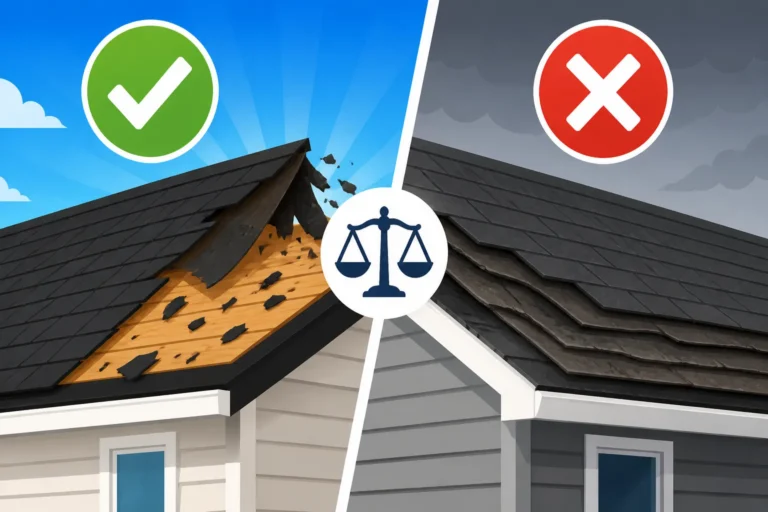
This is arguably the most significant differentiator between OSB and plywood, and it's where much of the homeowner concern rightly lies. Water is the arch-nemesis of any roofing system, and how your decking reacts to it is paramount. As we've discussed, OSB's Achilles' heel is its susceptibility to edge swelling when exposed to moisture for extended periods. This is particularly problematic if rain hits during the installation process before the underlayment and shingles are fully in place. If the edges swell, they may not return to their original dimensions, creating an uneven surface that can telegraph through your shingles, making them look wavy.
Plywood, with its cross-laminated veneer structure and exterior-grade glues, generally handles moisture far more gracefully. It might get wet, but it tends to dry out without significant permanent swelling or loss of structural integrity. This provides a crucial buffer against incidental moisture exposure during construction or if a small, slow leak develops in your roof over time. While no decking material is meant to be continuously wet, plywood offers a greater margin of error and resilience in real-world scenarios. This is a critical factor in understanding When a Leak Means Deck Damage and how it impacts the underlying structure.
Climate and Regional Factors
The climate where you live can certainly influence which decking material might be more suitable. In areas with high humidity, frequent rainfall, or those prone to ice and snow, the superior moisture resistance of plywood becomes a more compelling argument. For instance, in Florida, where humidity is almost always a factor and sudden downpours are common, the added resilience of plywood against moisture can be a significant advantage. Likewise, in regions with heavy snowfall and potential for ice dams, where water can sit on the roof for extended periods, plywood might offer better peace of mind.
Conversely, in very dry climates with minimal precipitation, the moisture performance difference might be less of a concern, making the cost savings of OSB more attractive. However, even in dry climates, unexpected storms can occur, or construction delays might leave the roof deck exposed. It’s always a good idea to consult with a local contractor who understands your region's specific weather patterns and building codes, as they can provide insights tailored to your geographic location.
Impact on Warranty and Lifespan
The choice of roof decking, while important, doesn't directly dictate the lifespan or warranty of your asphalt shingles. However, an improperly installed or compromised roof deck can void aspects of your shingle manufacturer's warranty or shorten the effective lifespan of your entire roofing system. Shingle manufacturers require a sound, stable, and properly fastened decking material for their warranties to be valid. If your decking swells, delaminates, or fails to hold fasteners, it can compromise the performance of the shingles above.
For example, if OSB edges swell and create an uneven plane, it can prevent shingles from sealing properly, making them more vulnerable to wind uplift. This could lead to a situation where the shingle warranty might be challenged if the underlying substrate is deemed faulty. Properly installed plywood or OSB, meeting manufacturer specifications and local building codes, will both serve as an adequate foundation. The key is proper installation, ensuring the decking is dry, correctly spaced, and adequately fastened. You'll want to ensure your contractor adheres to specific guidelines for proper decking installation to maintain your Roofing Warranty: Workmanship vs Manufacturer.
Making Your Decision and Next Steps
Choosing between OSB and plywood isn't about finding a universally "perfect" answer, but rather identifying the best fit for your home, your budget, and your peace of mind. It’s a decision that often comes down to balancing cost, durability, and specific environmental factors.
When OSB Might Be the Better Fit
OSB often stands out as the pragmatic choice for many homeowners, particularly those on a tighter budget who are looking to save on upfront material costs. If your priority is to keep the initial expenses of your roof replacement down, and you live in a region with relatively mild weather conditions, OSB can be a very viable and cost-effective option. It provides excellent structural integrity when kept dry and properly installed.
It’s also a strong contender if you are confident in your contractor’s ability to ensure that the roof deck remains completely dry throughout the installation process, and that the full roofing system, including the vital Underlayment Explained: Synthetic vs Felt and shingles, will be applied quickly and efficiently, minimizing any exposure to moisture. If you’re building new and overseeing the construction closely, or have a reliable team that works fast, OSB offers good value.
When Plywood Shines Brighter
Plywood generally commands a higher price point, but many homeowners consider it a worthwhile investment for its proven resilience, especially against moisture. If you live in a climate prone to heavy rain, high humidity, snow, or potential ice damming, the superior moisture performance of plywood offers a significant advantage and peace of mind. It’s a more forgiving material if there are unexpected weather delays during installation or if a minor leak develops and goes unnoticed for a short period later on.
Homeowners who prioritize long-term durability, traditional construction methods, and a material that has demonstrated consistent performance over many decades often lean towards plywood. While the initial investment might be higher, the perceived added protection against moisture-related issues can justify the extra cost, especially considering the lifespan of an asphalt roof, which can be 20-30 years or more. Knowing How Long Asphalt Shingles Last on a solid deck is a key consideration.
Consulting with Professionals
Ultimately, the best decision comes from a collaborative discussion with experienced roofing professionals. A reputable contractor will thoroughly inspect your existing roof deck (identifying any Signs Your Roof Decking Is Rotted or damaged areas) and discuss the pros and cons of both OSB and plywood in the context of your specific home, local climate, and budget. They can also explain how their installation practices mitigate any potential risks associated with either material.
Don't hesitate to ask detailed questions about their preferences, their experience with each material, and how they handle moisture protection during installation. Getting multiple quotes and opinions from qualified contractors, perhaps through a service like Modernize, will provide you with a well-rounded perspective. Remember, your roof deck is the foundation of your roof, and making an informed decision about it is crucial for the long-term health and protection of your home. It's not just about the shingles; it's about the entire system working together seamlessly.
Disclaimer
Please note that this article provides general informational guidance. Roofing materials, installation techniques, and building codes can vary significantly by location and change over time. Always consult with a qualified and licensed roofing professional in your area for specific advice tailored to your property and to ensure compliance with all local regulations and warranty requirements.