How to Find a Good Roofer in Ohio
Finding a good, trustworthy roofer in Ohio can feel like searching for a needle in a haystack, especially when you're facing a leaky roof or the aftermath of a nasty storm. The sheer number of options, combined with the worry of making the wrong choice, can be incredibly overwhelming. This guide is here to cut through the confusion and help you navigate the process of finding a reliable, high-quality roofing contractor right here in the Buckeye State, so you can rest easy knowing your home is protected.
Understanding the Unique Challenges of Finding a Roofer in Ohio
Ohio's climate presents a unique set of challenges for homeowners, which in turn impacts the roofing industry and your search for a good contractor. From heavy snowfall in the winter to severe thunderstorms and hail in the spring and summer, your roof takes a beating. This constant barrage of weather can lead to widespread damage, creating a ripe environment for both legitimate businesses and less reputable operators.
The Impact of Ohio's Weather on Roofing Demands
Think about the spring hailstorms that roll through Columbus or Cincinnati, or the heavy lake-effect snows that blanket areas near Cleveland. These events don't just damage roofs; they create a surge in demand for repairs and replacements. Suddenly, everyone in your neighborhood needs a roofer, and that can lead to a scramble for resources. When demand spikes, it's not uncommon for contractors to become stretched thin, or for less experienced crews to pop up, looking to capitalize on the urgency.
This high demand also makes Ohio a target for "storm chasers"—out-of-state companies that swoop in after a major weather event, offer quick fixes, and then disappear. These transient companies often lack local ties, can be difficult to hold accountable, and their work might not meet local building codes or warranty standards. It's a real frustration for homeowners who just want their homes put back together safely.
Navigating Ohio's Roofing Regulations and Licensing Landscape
One of the biggest hurdles in Ohio is the state's approach to contractor licensing. Unlike many other states, Ohio does not have a statewide general contractor or roofing-specific license requirement. This means technically, anyone can call themselves a roofer and start a business without proving specific qualifications to the state. This lack of a central licensing body puts a greater burden on you, the homeowner, to meticulously vet any contractor you consider.
However, don't despair! While there isn't a state-level license, many individual cities and counties across Ohio do require contractors to be licensed and registered to operate within their jurisdictions. For example, cities like Cleveland, Columbus, Cincinnati, Akron, and Toledo all have their own specific licensing processes, which often involve examinations, proof of insurance, and bond requirements. Always verify if a contractor is properly licensed in your specific municipality. Ignoring this crucial step could lead to issues with permits, insurance claims, and even potential fines down the road.
The Problem of "Storm Chasers" and Unqualified Contractors
It's a tale as old as time, especially here in Ohio after a bad storm. You've got hail damage, and suddenly, there's a knock on your door from someone offering a free inspection and an immediate repair quote. These are often storm chasers, and while not all are bad, many operate with questionable ethics. They might pressure you into signing a contract on the spot, promise to "handle" your insurance claim in a way that benefits them, or use subpar materials and workmanship.
The problem with these unqualified contractors or storm chasers isn't just poor quality; it's also about accountability. If their work fails a year later, will they still be around to honor their warranty? Often, the answer is no. This is why it's so important to stick with local, established businesses who have a reputation to protect and who plan on being in the community for the long haul. A good resource for finding vetted professionals, like those found through platforms such as Modernize, can help you avoid these fly-by-night operations by connecting you with reputable local options.
Essential Qualities of a Reputable Ohio Roofing Contractor
So, how do you spot the good guys amidst all the noise? It comes down to a few core qualities that every reliable roofing contractor in Ohio should possess. These aren't just "nice-to-haves"; they are fundamental requirements that protect you, your home, and your investment.
Proper Licensing and Business Registration
Even without a statewide roofing license, a reputable contractor will be properly registered to do business in Ohio and, crucially, licensed in your local municipality if required. In Ohio, businesses must register with the Ohio Secretary of State. This means they are a legitimate entity recognized by the state. Beyond that, if you live in a city like Cleveland, Columbus, or Cincinnati, your contractor needs to hold the appropriate local licenses to pull permits and perform work.
Always ask for proof of these registrations and licenses. Don't just take their word for it. A legitimate contractor will be happy to provide copies of their municipal license, state business registration, and any other relevant permits. If they hesitate or offer excuses, consider that a major red flag. This due diligence is your first line of defense against unlicensed and potentially unqualified workers.
Comprehensive Insurance Coverage
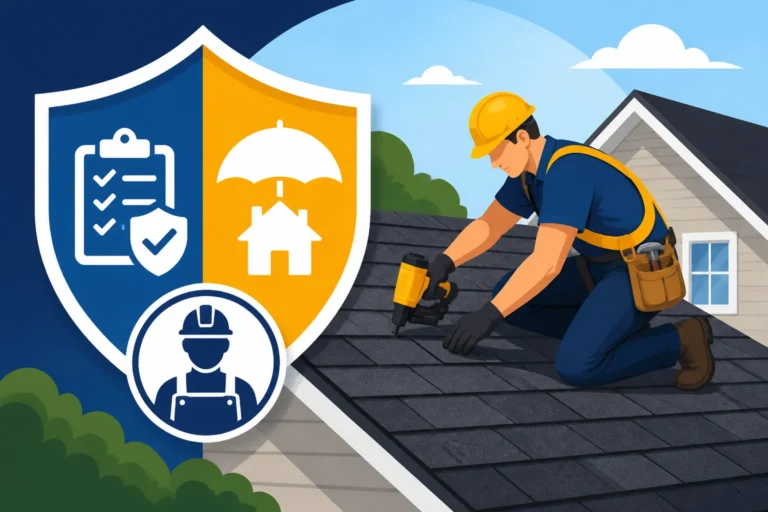
This is perhaps the most critical component. A good roofer will carry two types of insurance: General Liability and Worker's Compensation. General Liability insurance protects you in case the contractor or their crew causes damage to your property during the roofing project. Imagine a ladder falling through a window or a truck backing into your prized rose bushes – general liability covers those unfortunate incidents.
Worker's Compensation insurance is equally important. This covers the contractor's employees if they are injured on your property. Without it, if a roofer falls and breaks a leg, you, as the homeowner, could potentially be held responsible for their medical bills and lost wages. Always ask for a certificate of insurance directly from the contractor's insurance provider, not just a copy the contractor gives you. This ensures the policy is current and valid. You want to make sure your chosen contractor is a Licensed and Insured Roofer: Why It Matters.
Manufacturer Certifications and Warranties
Top-tier roofing manufacturers like GAF, Owens Corning, and CertainTeed don't just sell their shingles to anyone. They offer specialized certifications to contractors who meet rigorous standards for quality, training, and customer service. For instance, a GAF Master Elite Contractor has undergone extensive training and is authorized to offer enhanced warranties that often include a longer period of material and workmanship coverage than standard warranties. The same goes for Owens Corning Platinum Preferred Contractors or CertainTeed SELECT ShingleMasters.
These certifications are a strong indicator of a contractor's commitment to excellence and ongoing education in the latest roofing techniques. When you work with a manufacturer-certified roofer, you're not just getting a great installation; you're also often getting access to superior warranty protections directly from the shingle manufacturer, which can be invaluable over the lifespan of your roof. Asking about these certifications and the warranties they enable is a crucial question to ask a roofing contractor before hiring.
Your Step-by-Step Guide to Vetting Ohio Roofers
Finding a good roofer isn't about luck; it's about a systematic approach to vetting. Here’s a detailed breakdown of how to find and choose the right professional for your Ohio home.
Gathering Initial Recommendations and Leads
Start your search close to home. Ask friends, family, and neighbors in your Ohio community for recommendations. Personal referrals often lead to trusted contractors who have a proven track record right in your area. Next, turn to online resources. Websites like Modernize can connect you with pre-screened local professionals who meet certain quality standards. You can also check local community groups on social media platforms, but always remember to cross-reference any recommendations you find there.
Don't just stop at one name; aim for at least three to five potential contractors. This gives you a good pool to draw from and allows for a comprehensive comparison. As you gather these names, keep a running list of their contact information and any initial impressions. You'll want to get multiple quotes, and knowing How Many Roofing Quotes to Get is key to a fair comparison.
The Importance of Detailed Estimates and Contracts
Once you have a few candidates, it’s time to get detailed estimates. A thorough estimate should never just be a single number on a scrap of paper. It needs to be itemized, clearly breaking down the costs for materials, labor, permits, disposal, and any other components of the job. It should specify the type of shingles (e.g., GAF Timberline HDZ, Owens Corning Duration), underlayment, flashing, and ventilation products to be used. Pay close attention to the scope of work described. Does it include a full tear-off? Roof decking replacement if needed? All the little details matter, especially when comparing bids.
Look for consistency and clarity. If one estimate is significantly lower than the others, be wary; it might indicate a contractor cutting corners or omitting crucial steps. A good estimate should also lay out the payment schedule, a project timeline, and clearly state what warranties are included. This detailed breakdown is vital for you to understand the true Asphalt Roof Replacement Cost: Complete Breakdown.
Here's a sample of what to compare in roofing estimates:
| Category | What to Look For | Red Flag if Missing/Vague |
|---|---|---|
| Scope of Work | Full tear-off, roof decking inspection/replacement, ventilation, flashing, drip edge, cleanup | "New roof" without detailing components |
| Materials | Brand, type, color of shingles, underlayment, ice & water shield, vents | Generic "shingles" or "standard materials" |
| Labor Costs | Itemized or clearly included in overall cost | No mention of labor, or vague "installation" fee |
| Permits & Fees | Explicitly stated, indicating who pulls the permit | No mention of permits |
| Cleanup & Disposal | Details on debris removal, magnet sweep for nails, dumpster fees | Assumed cleanup, no specific plan |
| Payment Schedule | Clear milestones (e.g., deposit, completion) | Demands large upfront payment |
| Warranties | Manufacturer's material warranty, contractor's workmanship warranty | No mention of warranties, or vague "standard warranty" |
| Proof of Insurance | Certificate of General Liability & Worker's Comp | Verbal assurance only, reluctance to provide proof |
This table helps you easily compare What a Roofing Estimate Should Include.
Checking References and Online Reviews
Don't skip this step! Ask each contractor for a list of recent references, preferably homeowners in Ohio whose roofs they've worked on. Call these references and ask specific questions:
- Were they satisfied with the work?
- Was the project completed on time and within budget?
- Was the cleanup thorough?
- How responsive was the contractor to questions or concerns?
- Would they hire them again?
Beyond personal references, delve into online reviews. Check platforms like Google Reviews, the Better Business Bureau (BBB), Yelp, and even local social media groups. Look for a pattern of positive reviews, but also pay attention to how a contractor responds to negative feedback. A professional company will address complaints constructively and try to resolve issues. Be wary of companies with no online presence or a flood of overly enthusiastic, generic reviews that might seem too good to be true.
Verifying Credentials and Financial Stability
This is where your detective work pays off. You need to verify everything they've told you.
- Business Registration: Look up their company name on the Ohio Secretary of State's website to ensure they are a registered business.
- Local Licensing: Contact your city or county's building department to confirm their local license is current and in good standing. This is critical as Roofing License Requirements by State vary widely, and local codes are king in Ohio.
- Insurance: As mentioned, get a certificate of insurance directly from their insurance carrier. Call the carrier to verify the policy is active for both general liability and worker's compensation.
- Manufacturer Certifications: Go to the manufacturer's website (e.g., GAF, Owens Corning, CertainTeed) and use their "find a contractor" tool to verify that the roofer holds the specific certifications they claim. This step is essential to confirm, for example, if they are indeed a GAF Master Elite Contractor.
These steps help you establish financial stability and professionalism, minimizing your risk.
Avoiding Common Pitfalls When Hiring a Roofer in Ohio
Even with careful vetting, there are common traps Ohio homeowners fall into. Knowing these pitfalls can help you steer clear of trouble.
Recognizing Red Flags in Roofing Solicitations
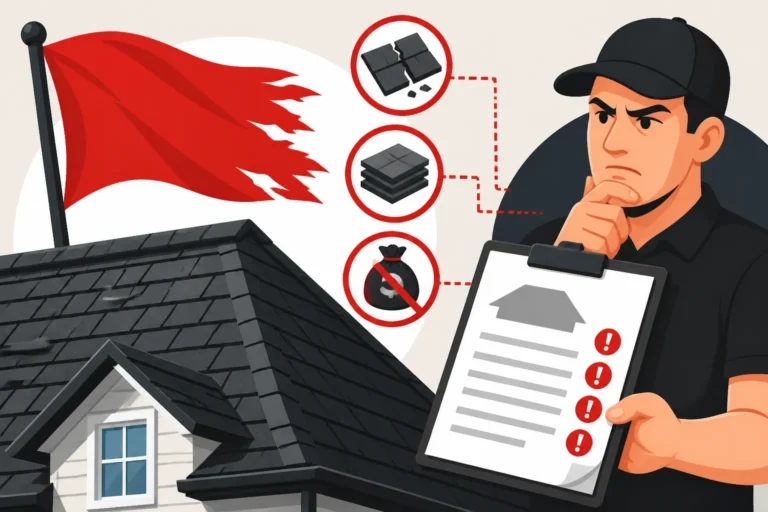
If a roofer approaches you unsolicited, especially after a storm, proceed with extreme caution. Common red flags include:
- High-pressure sales tactics: "Sign today or this offer is gone!" is a classic sign of a scam. A reputable contractor will give you time to review the estimate and make an informed decision.
- Demanding full payment upfront: While a reasonable deposit is common, asking for a significant portion, or even the entire cost, before any work begins is a major red flag. This can be an indicator that the contractor might abandon the job or deliver shoddy work without financial incentive to finish. Never pay for the entire project until the work is completed to your satisfaction.
- Cash-only deals: This often indicates an attempt to avoid taxes and insurance, which could leave you vulnerable if something goes wrong.
- Offers to "waive" your deductible: This is insurance fraud and can get both you and the contractor in serious trouble.
- No physical address or only a P.O. Box: A legitimate business should have a local, verifiable physical location.
- Vague contract details: A lack of specific materials, timelines, and costs in the contract is a recipe for disputes.
These are all signs that you should walk away. For more detailed insights, check out Roofing Contractor Red Flags to Avoid.
Understanding Your Roofing Contract and Payment Schedule
A well-drafted roofing contract is your protection. It should clearly outline:
- Detailed Scope of Work: Every task, material, and component included.
- Start and Completion Dates: Realistic timelines for the project.
- Payment Schedule: Clearly defined milestones for payments. A typical schedule might be 10-25% upfront, another payment when materials are delivered, and the final balance upon satisfactory completion and inspection. You should never feel pressured to pay Should You Pay a Roofer Upfront for the entire job.
- Warranty Information: Both the manufacturer's warranty for materials and the contractor's warranty for workmanship. Understand the differences between a Roofing Warranty: Workmanship vs Manufacturer.
- Cleanup Procedures: How they will protect your property and dispose of old materials.
- Change Order Process: What happens if additional work is needed, and how changes to the contract will be documented and approved.
- Lien Waivers: Ensure the contract includes provisions for lien waivers, especially final lien waivers, to protect you from subcontractors or suppliers placing a lien on your property if the contractor doesn't pay them.
Before signing anything, read the entire contract carefully. If you have any questions, ask for clarification. Don't be afraid to take it to an attorney for review if you feel unsure. This crucial step is part of knowing Roofing Contract: What to Look For.
The Role of Permits and Local Inspections
In most Ohio municipalities, a permit is required for a full roof replacement or significant repairs. This isn't just bureaucratic red tape; it's a critical consumer protection. A permit means that the work will be inspected by a local building official to ensure it meets current building codes and safety standards. This ensures your roof is installed correctly and safely, protecting your home and potentially preserving your property value.
A reputable contractor will always pull the necessary permits before starting work. They should factor the permit cost and inspection schedule into your project timeline and estimate. If a contractor suggests skipping the permit to save money or time, refuse. This is a huge red flag that their work might not meet code, and you could face significant issues down the road, including problems with insurance claims or when trying to sell your home. Always ask Do You Need a Permit to Replace a Roof in your specific area and ensure the contractor handles this important step.
By following these guidelines and staying informed, you can confidently find a good, reliable roofing contractor in Ohio who will protect your home for years to come. Remember, taking your time and doing your due diligence upfront will save you headaches and money in the long run.
Disclaimer
Please note that the information provided in this article is intended for general guidance and informational purposes only. While we strive to offer accurate and up-to-date content, local regulations, licensing requirements, and contractor practices can vary widely. Always consult with local authorities, licensed professionals, and relevant state and municipal resources to verify specific requirements and ensure compliance for your particular project. The roofing industry, like any other, has its complexities, and individualized advice is always recommended.