In-Person vs Satellite Roof Estimates
When it's time to think about your asphalt roof, whether for repairs or a full replacement, one of the first hurdles you face is figuring out how to get a reliable estimate. The thought of juggling work, family, and then trying to schedule multiple contractors to come out can feel overwhelming, especially when you're not even sure what kind of estimate is best for your situation. This guide will walk you through the two main ways roofing companies provide quotes – in-person and satellite estimates – to help you decide which approach, or combination of approaches, makes the most sense for your home.
Understanding In-Person Roof Estimates
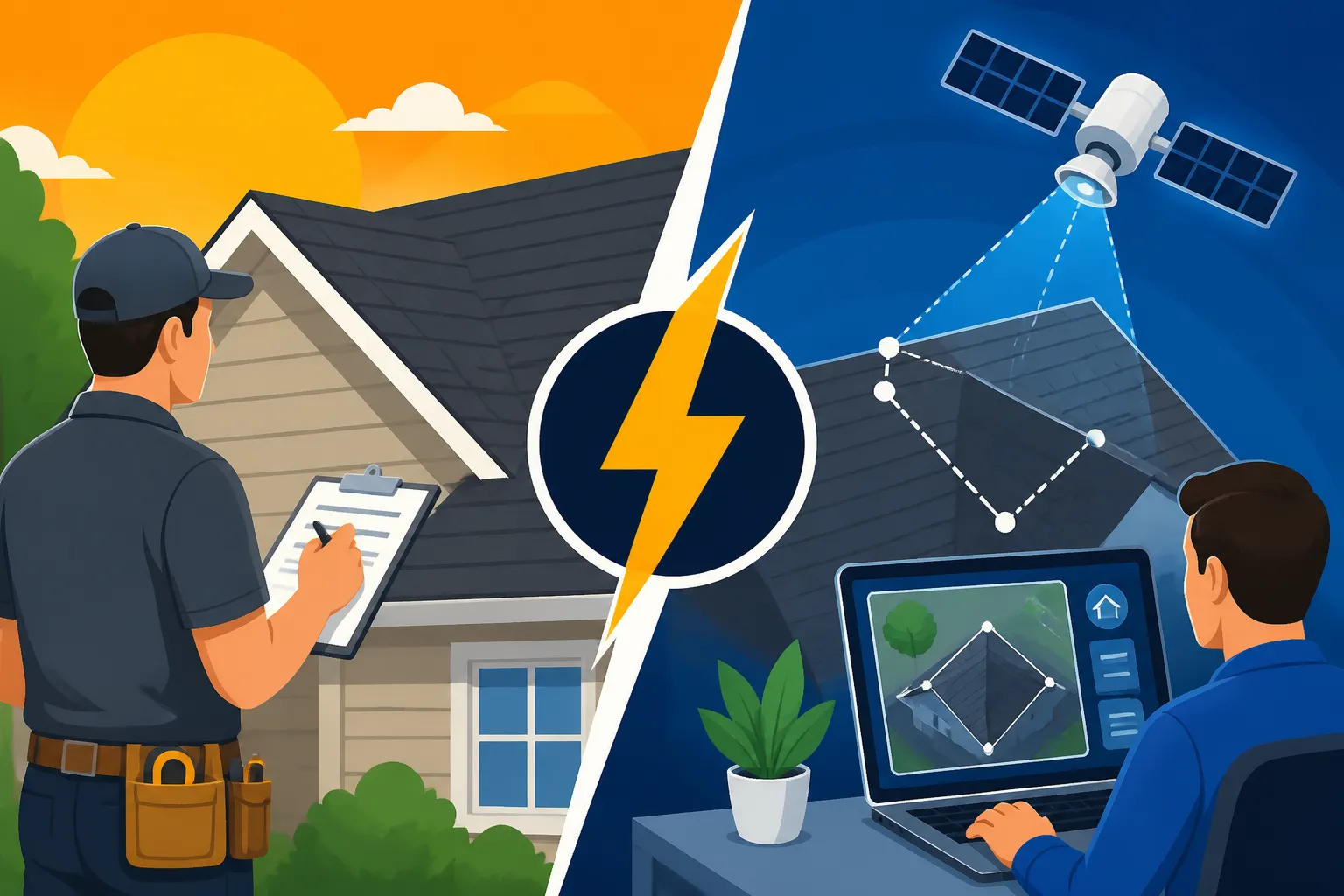
The traditional method of getting a roof estimate involves a roofing professional physically visiting your home. This might seem like an old-school approach in a digital world, but it offers a level of thoroughness that modern alternatives sometimes can't quite match. It’s an opportunity for a hands-on assessment, where an experienced eye can spot nuances that might be missed from afar.
The Traditional Approach: What to Expect
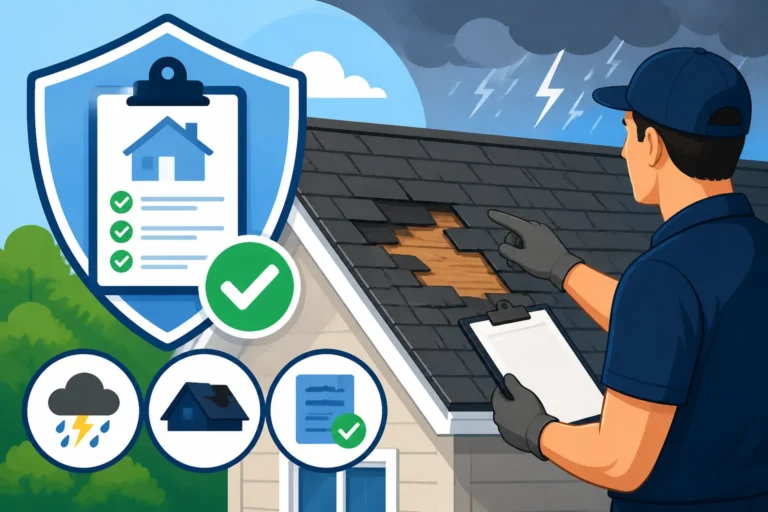
When a contractor comes to your home for an in-person estimate, they'll typically do a comprehensive inspection. This means they'll get up on your roof, walk around, and meticulously measure all the surfaces, pitches, and complexities. They'll also be looking for specific signs of wear and tear, like curling or cracked shingles, granule loss, and potential areas of concern such as damaged flashing around chimneys or vent pipes. This direct interaction allows them to get a truly accurate picture of your roof's current condition, right down to the smallest detail.
Beyond the visible roof surface, a good in-person inspection often includes a look into your attic. This crucial step allows them to check for signs of leaks, water damage on the roof decking, proper ventilation, and insulation issues that could impact your roof's longevity or efficiency. They can directly assess the structural integrity and determine if components like the roof decking need replacement, which can significantly affect the Roof Decking Replacement Cost. This comprehensive approach helps prevent unexpected surprises down the line, ensuring the estimate reflects the true scope of work required, including any necessary repairs or upgrades to the underlying structure.
Finally, the in-person visit provides a valuable opportunity for face-to-face communication. You can ask detailed questions, express your concerns, and discuss different material options, warranty specifics, and the proposed timeline. The contractor can explain their process, show you samples of different asphalt shingles – perhaps comparing the look and feel of 3-tab vs architectural shingles – and help you understand the components included in the overall How a Roof Replacement Works: The Full Process. This direct dialogue helps build trust and ensures both parties are on the same page regarding the project's expectations and potential challenges, leading to a much clearer understanding of the total project.
When In-Person is the Best Choice
While it requires more scheduling, an in-person estimate is often the gold standard, especially if you suspect underlying issues or have a more complex roof. If you've noticed active leaks, severe storm damage from hail or wind, or widespread signs of roof failure like significant sagging or extensive granule loss, a physical inspection is critical. The contractor needs to thoroughly inspect for water intrusion, rot, mold, or structural damage that a satellite image simply cannot reveal. These hidden problems can drastically change the scope and Hidden Costs in a Roof Replacement, making an on-site visit indispensable for an accurate assessment.
Older homes, or properties with unique architectural features like multiple dormers, complex valleys, or varying roof pitches, also benefit greatly from an in-person assessment. These intricate details often require precise measurements and a detailed understanding of how different sections connect and shed water. An experienced roofer can identify potential challenges during installation, such as steep roof costs or specific flashing requirements, and incorporate them into the estimate from the outset. This prevents unexpected charges or delays once the project begins, providing you with a more reliable and complete picture of the total How Much Does an Asphalt Shingle Roof Cost.
Furthermore, if you're dealing with an insurance claim due to storm damage, an in-person assessment is almost always necessary. Insurance adjusters and roofing contractors often need to document damage visually and sometimes even conduct impact tests on shingles to determine the extent of the loss. A physical inspection allows the contractor to gather all the necessary evidence, take photos, and prepare a detailed report that aligns with what your insurance company will need. This meticulous documentation can make a significant difference in getting your claim approved and ensuring you receive adequate coverage for your roof replacement or repair.
Exploring Satellite Roof Estimates
In stark contrast to the traditional method, satellite roof estimates leverage cutting-edge technology to provide a fast and convenient way to get an initial assessment of your roof without anyone stepping foot on your property. This modern approach has gained significant traction, especially for homeowners looking for efficiency and a preliminary understanding of their roofing needs.
The Modern Approach: How it Works
Satellite roof estimates, often referred to as aerial or remote estimates, utilize high-resolution aerial imagery and specialized software to measure your roof. Companies like EagleView and Nearmap provide contractors with detailed reports based on satellite or low-altitude aerial photography, outlining dimensions, slopes, and even roof features. The contractor inputs this data into their estimating software, which then calculates material quantities, labor costs, and other project specifics. It's a remarkably precise way to get the exact measurements needed for materials like asphalt shingles and underlayment, often down to a fraction of a square.
The process is surprisingly straightforward and incredibly fast. You typically provide your address to a roofing company or use a platform like Modernize to connect with contractors who offer this service. The contractor then accesses the aerial images and measurement reports, allowing them to generate a comprehensive estimate without having to schedule a physical appointment or even drive to your property. This means you can often receive an initial quote within hours, not days, allowing for a much quicker turnaround when you're trying to compare multiple bids efficiently.
While the convenience is undeniable, it's important to understand the limitations. This method primarily relies on visual data from above, which means it can accurately measure the surface area and identify major features like valleys, hips, and penetrations. However, it cannot tell you about the condition of your roof's underlying components, such as the decking, insulation, or ventilation system. It also can't detect subtle damage like soft spots, minor leaks, or compromised flashing that might be hidden from an aerial view. This is why, for many homeowners, a satellite estimate serves best as a starting point rather than a definitive final proposal.
Ideal Scenarios for Satellite Estimates
Satellite estimates are fantastic for homeowners with straightforward, uncomplicated roofs that appear to be in generally good condition, or those who simply need a routine asphalt roof replacement. If your roof is relatively new, has a simple gable or hip design, and you haven't experienced any major leaks or visible damage, a satellite estimate can provide a very accurate material and labor cost breakdown. It's perfect for getting an initial budget estimate, allowing you to quickly gauge the potential Asphalt Roof Replacement Cost: Complete Breakdown before committing to detailed discussions with contractors.
This method is also incredibly valuable for efficiency when you're trying to gather multiple quotes in a short amount of time. Instead of coordinating several in-person appointments, you can get several satellite estimates from different companies almost simultaneously. This allows for easy comparison of different bids, helping you quickly narrow down your choices and find contractors whose pricing aligns with your expectations. Platforms like Modernize can help facilitate this by connecting you with various local roofing companies who can provide these remote estimates, streamlining the entire research process.
Finally, if you're exploring options or simply curious about the potential cost of a new asphalt roof without feeling the pressure of a sales pitch, a satellite estimate is an excellent, low-commitment starting point. It offers a level of privacy and convenience that many homeowners appreciate, allowing you to do your homework on your own schedule. It’s particularly useful when you're just beginning the process and want to get a general idea of the investment involved for a typical asphalt shingle roof before diving into deeper conversations about specific materials or installation processes.
Key Differences and Considerations for Homeowners
Choosing between an in-person and a satellite estimate isn't always clear-cut. Each method has its own strengths and weaknesses, and understanding these differences is crucial for making an informed decision that best suits your specific roofing project. It really boils down to balancing speed and convenience against the need for thoroughness and personalized insight.
Accuracy, Detail, and Hidden Problems
The most significant difference lies in the level of detail and accuracy, particularly when it comes to identifying hidden problems. An in-person estimate, with a contractor physically on your roof and in your attic, offers unparalleled accuracy. They can physically inspect the condition of every shingle, assess flashing around penetrations, detect soft spots on the roof deck, and look for signs of previous repairs that might not be up to par. This is vital if you're dealing with issues like Flashing Leak Repair or suspect damage beneath the shingles. They can identify if you have multiple layers of old shingles, which would necessitate a Cost to Remove Two Layers of Shingles – a cost that satellite views can't confirm.
Satellite estimates, while accurate for surface measurements, fall short when it comes to uncovering what's beneath the surface. They can't tell you if your roof decking is rotting, if your ventilation system is inadequate, or if there's mold growing in your attic due to a slow leak. For instance, a satellite view might show a pristine roof, but an in-person inspection could reveal that the existing underlayment is failing or that crucial components like Ice and Water Shield Explained were never properly installed. These hidden issues can lead to significant additional costs and complications during installation, which only an on-site visit can foresee.
Consider a scenario where a homeowner relies solely on a satellite estimate for a roof that has been subjected to years of harsh weather. The satellite image might look fine, but an in-person inspection could reveal widespread granule loss, signs of blistering, or nail pops that indicate the shingles are nearing the end of their life. Without this critical, hands-on assessment, the initial estimate might be significantly lower than the actual cost of a proper, comprehensive replacement, leading to budget surprises and potential disputes down the road. Therefore, if there's any suspicion of hidden damage, the in-person approach is strongly recommended.
Time, Convenience, and Cost
When it comes to time and convenience, satellite estimates clearly have the upper hand. You don't need to clear your schedule, wait for a contractor to arrive, or spend time walking them through your property. The entire process can be initiated and completed remotely, often resulting in a quote delivered to your inbox within a day or two. This speed and lack of intrusion make satellite estimates ideal for busy homeowners or those who just want to get a ballpark figure quickly. Getting How Many Roofing Quotes to Get is much faster this way.
In-person estimates, by their nature, require more time and coordination. You'll need to schedule an appointment, be present (or arrange access), and dedicate time for the inspection and discussion. Contractors' schedules can be tight, especially during peak roofing season, which might mean a longer wait time for an appointment. However, this investment of time pays off in the depth of information and personalized advice you receive. While both types of estimates are typically free, the "cost" in terms of your time and effort differs significantly.
| Feature | In-Person Estimate | Satellite Estimate |
|---|---|---|
| Accuracy | High (physical inspection of surface & attic) | Moderate (surface measurements only) |
| Detail | Very High (identifies hidden damage, structural issues) | Moderate (good for dimensions, visible features) |
| Convenience | Low (requires scheduling, homeowner presence) | High (remote, no appointment needed) |
| Speed | Moderate (days to schedule, hours for inspection) | High (hours to days for quote) |
| Personalization | Very High (direct communication, tailored advice) | Low (less interaction, standardized report) |
| Hidden Damage | Detects | Cannot detect |
| Best For | Complex roofs, visible damage, insurance claims, older homes | Simple roofs, initial budgeting, quick comparisons |
Making the Right Choice for Your Asphalt Roof Project
Deciding between an in-person and a satellite roof estimate doesn't have to be an either/or situation. Many homeowners find that a strategic combination of both methods offers the best of both worlds, providing both efficiency and thoroughness. The goal is always to get a clear, accurate, and comprehensive understanding of your roofing needs and the associated costs.
Combining Approaches for Comprehensive Bids
A smart strategy often involves starting with satellite estimates to cast a wide net and gather initial pricing. Use platforms like Modernize to connect with multiple reputable contractors in your area, and request satellite-based estimates from a few of them. This allows you to quickly compare general pricing and identify which companies are within your budget range for your specific type of asphalt shingle roof. It's a fantastic way to handle the preliminary screening process and create a shortlist of potential contractors without a huge time commitment on your part. This initial step can really help you understand the Average Roof Replacement Cost This Year in your area.
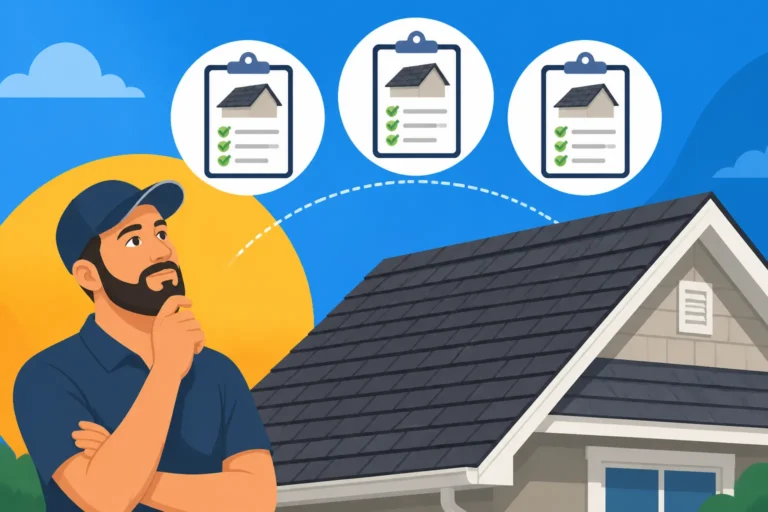
Once you have a few satellite estimates that look promising, then invite your top two or three choices for an in-person inspection. Explain that you've already received preliminary estimates based on aerial measurements, but you'd like them to perform a thorough physical assessment to confirm the scope of work and identify any potential hidden issues. This approach allows you to leverage the speed of satellite technology for initial vetting while still ensuring you get the detailed, expert eye needed for a truly accurate and all-inclusive bid. It’s an efficient way to get truly comparable bids and helps you confidently navigate the decision-making process.
Remember, the goal is not just to get the cheapest quote, but the most accurate and comprehensive one. An estimate that seems incredibly low might be based solely on a satellite view and could be missing crucial costs related to unseen damage or necessary code upgrades. By combining methods, you reduce the risk of unexpected expenses during the project and ensure you're comparing apples to apples when you finally sit down to review the detailed proposals. This way, you'll be well-prepared to ask the right questions and choose the best contractor for your needs.
Questions to Ask Your Contractor, Regardless of Method
No matter how you receive your estimate, there are critical questions you should always ask to ensure you fully understand the scope of work and what's included. First and foremost, always confirm whether the estimate is for a full roof replacement, including a complete tear-off of existing materials, or if it's based on roofing over existing shingles. A tear-off often costs more due to Cost of Roof Tear-Off and Disposal but is generally recommended for longevity and warranty purposes. Clarify what components are included: underlayment (synthetic vs felt), ice and water shield, drip edge, flashing around all penetrations, and proper ventilation like ridge vents. You'd be surprised what can be left out if you don't ask!
It's also vital to inquire about the specific type and brand of asphalt shingles being quoted, their warranty, and the contractor's workmanship warranty. Brands like GAF, Owens Corning, and CertainTeed offer different tiers of products and warranties, and understanding these can impact the long-term value of your investment. Ask about their certification status with specific manufacturers, as this can affect warranty coverage. For instance, a GAF Master Elite Contractors Explained or an Owens Corning Platinum Preferred Explained contractor can often offer enhanced warranties. Additionally, confirm that the estimate includes all labor, materials, permits (if required), and debris removal. A truly comprehensive estimate should leave no stone unturned, detailing every aspect of the project so there are no surprises once work begins. This is key to knowing How to Read and Compare Roofing Estimates.
Disclaimer
Please note that the information provided in this article is intended for general guidance and informational purposes only, and does not constitute professional advice. Roofing projects can be complex, and local building codes, material availability, and labor costs can vary significantly. Always consult with qualified and licensed roofing professionals for assessments, recommendations, and estimates tailored to your specific situation.