Do Class 4 Shingles Lower Insurance Premiums
The decision to replace your roof is a huge one, often accompanied by a dizzying array of choices, from shingle types to colors and, of course, the financial implications. One question that often comes up, especially in areas prone to severe weather, is whether upgrading to Class 4 impact-resistant shingles can actually save you money on your homeowners insurance. It's a valid concern, and navigating the nuances of insurance policies and roofing specifications can feel like deciphering a foreign language. This guide will break down what Class 4 shingles are, how they interact with insurance policies, and what you need to consider to potentially lower your premiums.
Understanding Class 4 Impact-Resistant Shingles
Let's cut through the jargon. When we talk about "Class 4" shingles, we're referring to a specific durability rating that speaks volumes about a shingle's ability to withstand severe impacts, most notably hail. This isn't just a marketing term; it's a rigorously tested standard.
What Makes a Shingle Class 4 Rated?
The Class 4 rating comes from a standardized test developed by Underwriters Laboratories (UL), specifically the UL 2218 Impact Resistance test. During this test, a steel ball is dropped from varying heights onto a shingle to simulate hail impacts. For a shingle to achieve a Class 4 rating, it must withstand the impact of a 2-inch diameter steel ball dropped from a height of 20 feet, twice in the same spot, without fracturing or showing signs of damage on the underside. Imagine a hailstone the size of a hen's egg smashing into your roof – that's the kind of force these shingles are designed to resist.
Standard shingles, on the other hand, might only qualify as Class 1 or 2, meaning they can withstand smaller, lighter impacts. The difference in testing is crucial because it directly correlates to how well your roof will hold up against severe weather events that plague many regions, from the hail alley of Texas to the unpredictable storms across the Midwest. This rigorous testing and proven performance are what initially caught the eye of insurance companies, who are always looking for ways to mitigate risk and reduce payouts from costly storm damage.
Beyond the Rating: Construction and Durability
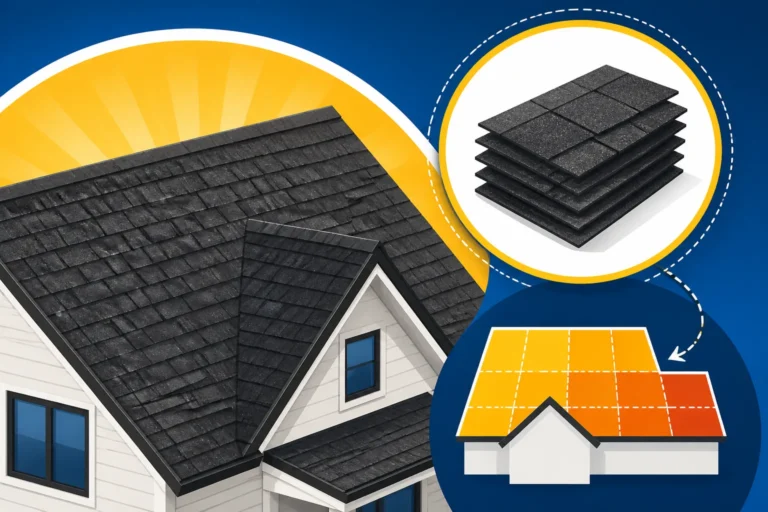
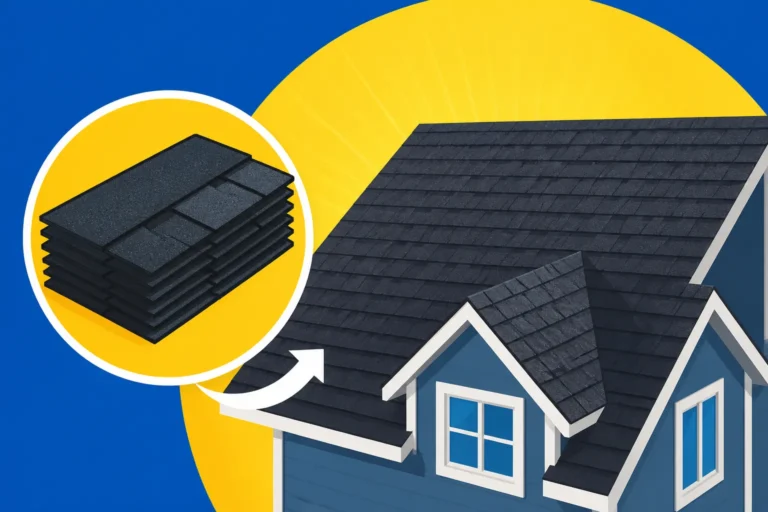
It's not just about surviving a steel ball drop; Class 4 shingles are engineered differently from their conventional counterparts. While most asphalt shingles have a fiberglass mat base, a layer of asphalt, and protective mineral granules, Class 4 shingles often incorporate a more robust mat, specialized asphalt formulations, and sometimes a rubberized polymer additive. This polymer enhances the shingle's flexibility and strength, allowing it to absorb impact energy rather than cracking or fracturing.
This advanced construction directly translates to superior durability. Class 4 shingles are less prone to granule loss, cracking, and puncturing, which are common forms of hail and wind damage that often lead to leaks and premature roof failure. While a typical architectural shingle might last 20-30 years, Class 4 impact-resistant shingles often boast lifespans at the higher end of that spectrum, sometimes even exceeding it with proper installation and maintenance. For homeowners, this means not just potential insurance savings, but also a significantly more resilient roof that stands up better to the elements, reducing the frequency of repairs and extending the overall life of your roofing system. You can learn more about how these specialized shingles work by checking out our guide on how Class 4 shingles resist hail.
The Link Between Class 4 Shingles and Insurance Premiums
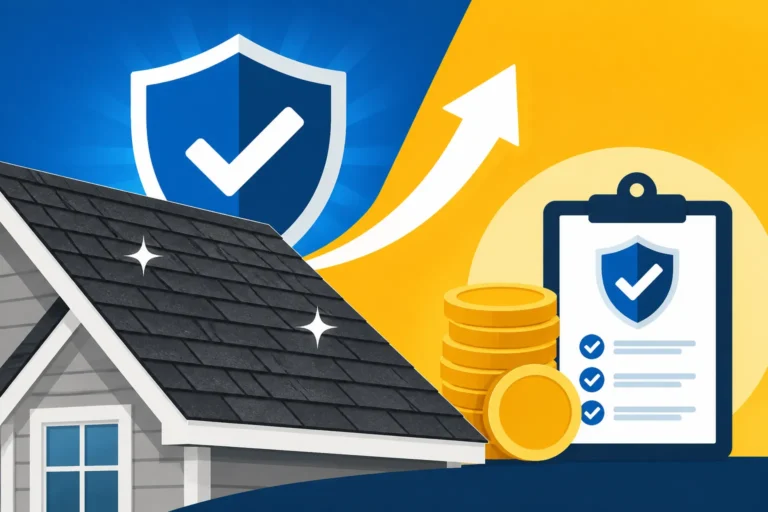
So, the big question: do these super-tough shingles actually save you money on insurance? The short answer is, very often, yes, but it's not a universal guarantee. It hinges on how insurance companies assess risk and what incentives they offer for homeowners who proactively protect their properties.
How Insurance Companies View Risk
Insurance companies are in the business of calculating risk. Every time they issue a homeowners policy, they're taking on the financial risk of potential damages to your home. When it comes to roofs, hail and wind damage are among the most frequent and expensive claims. Think about the massive hailstorms that sweep through places like Colorado or Oklahoma; these events can lead to widespread roof damage across entire neighborhoods, costing insurers millions, if not billions, in payouts.
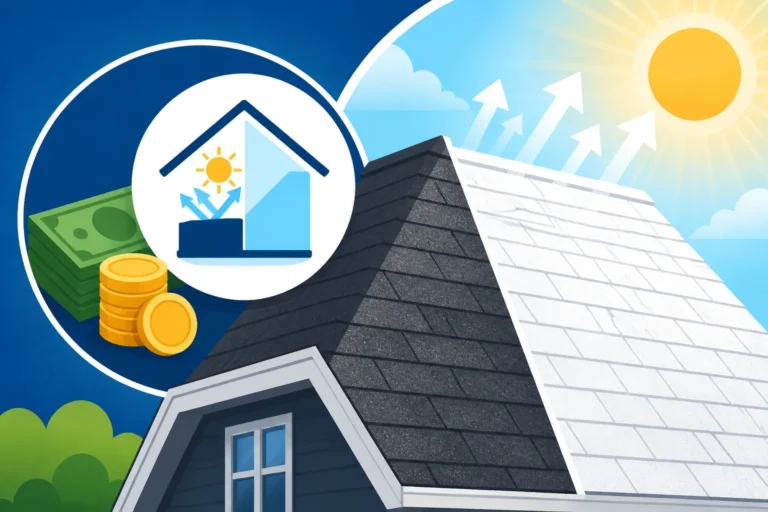
When you install a Class 4 impact-resistant roof, you're essentially telling your insurance company, "Hey, my roof is much less likely to suffer severe damage from hail than a standard roof." This reduces their exposure to risk. A roof that's less likely to be damaged means fewer claims for them to process and fewer large payouts. From an actuarial standpoint, this translates directly to a lower risk profile for your property, which can then be reflected in your premium. It’s a win-win: you get a tougher roof, and they potentially pay out less over time. This is also why understanding your insurance policy, especially how it handles storm damage, is critical. Our article, Does Insurance Cover Roof Replacement, delves into these important details.
Potential Savings and Discounts
Many insurance providers recognize the value of Class 4 shingles and offer specific discounts or credits for homes protected by them. These discounts can range anywhere from 10% to 30% or even more on the peril-specific portion of your premium (the part that covers wind and hail damage). In some hail-prone states, these discounts are almost standard, as insurers are eager to encourage homeowners to adopt more resilient roofing materials.
For example, in Texas, where hailstorms are a constant threat, many insurance companies actively promote Class 4 roofs by offering substantial premium reductions. Similarly, states like Oklahoma, Colorado, and Minnesota, which also experience significant hail activity, often see similar incentives. The exact percentage varies wildly by insurer and location, so it's not a one-size-fits-all situation. The key is that the investment in a Class 4 roof is seen as a tangible risk reduction, and insurers are often willing to reward that. Before you even consider an upgrade, it's always best to call your current insurance agent or shop around with different providers to understand their specific programs for Class 4 impact-resistant shingles. A platform like Modernize can help you connect with local roofing professionals who are familiar with these specific requirements and can provide accurate quotes for installation.
Factors Affecting Premium Reductions
While Class 4 shingles are a major factor, several other elements can influence the amount of discount you receive:
- Your Location: As mentioned, hail-prone areas tend to offer more significant discounts. If you live in a region with minimal hail risk, the discount might be smaller or non-existent because the primary benefit of the Class 4 rating isn't as relevant to your local risks.
- Specific Insurer: Not all insurance companies offer the same discounts. Some are more aggressive in their incentives for Class 4 roofs than others. It pays to shop around and compare quotes from multiple providers.
- Deductible: Your chosen deductible can also impact your premium. A higher deductible usually means a lower premium, but combined with a Class 4 discount, the savings can be even more pronounced.
- Age and Condition of Your Roof: While a new Class 4 roof offers the best savings, some insurers might offer smaller credits even for slightly older Class 4 roofs, provided they are still in excellent condition. Our guide on Roof Age: When to Start Planning Replacement can help you understand when it's time to think about upgrades.
- Overall Claims History: A history of frequent claims, even unrelated to your roof, can sometimes mitigate the impact of a Class 4 discount, as insurers look at your overall risk profile.
- Policy Type and Coverage: The specific type of homeowners policy you have (e.g., HO-3, HO-5) and the extent of your coverage can also play a role. Some policies may have specific endorsements or exclusions that affect how these discounts apply.
Remember, simply having Class 4 shingles isn't always enough; you often need to provide proof of installation, such as an invoice from a certified contractor, and sometimes a specific certificate from the shingle manufacturer. Always clarify these requirements with your insurance provider.
Real-World Considerations Before Upgrading to Class 4
Deciding to upgrade to Class 4 impact-resistant shingles is a smart move for many homeowners, but it’s crucial to weigh the initial investment against the long-term benefits and ensure you’re taking all the right steps.
The Upfront Cost vs. Long-Term Savings
Let's be honest, Class 4 shingles typically come with a higher upfront cost than standard architectural shingles. You might expect to pay anywhere from 10% to 30% more per square for the materials themselves. This premium reflects the advanced materials and manufacturing processes involved. For instance, while a standard architectural shingle roof might run you between $4.50 and $7.00 per square foot installed, a Class 4 impact-resistant shingle roof could easily be in the $6.00 to $9.00+ per square foot range, depending on your location, roof complexity, and specific shingle brand (like certain lines from Malarkey or Owens Corning).
However, the extra cost needs to be viewed as an investment. Beyond the potential insurance premium reductions, you're getting a roof that is significantly more durable and less likely to be damaged by hail or high winds. This means fewer repair bills, less hassle with insurance claims, and a longer lifespan for your roof. Over 10-20 years, the savings from reduced repair costs and lower insurance premiums can often offset, and sometimes even surpass, the initial higher investment. It's a calculation homeowners in storm-prone areas should definitely consider. Our article on Impact-Resistant Shingle Cost offers a more detailed breakdown.
Here's a simplified look at the potential financial impact:
| Feature | Standard Architectural Shingles | Class 4 Impact-Resistant Shingles |
|---|---|---|
| Material Cost (per square) | $90 – $180 | $120 – $250 |
| Installed Cost (per sq ft) | $4.50 – $7.00 | $6.00 – $9.00+ |
| Estimated Lifespan | 20-30 years | 25-40 years |
| Insurance Discount | Typically 0% | 10% – 30% (on certain perils) |
| Hail Damage Claims | Higher likelihood | Significantly lower likelihood |
| ROI over time | Lower | Higher, especially in hail zones |
Note: Costs are estimates and can vary widely based on location, contractor, and specific products. Insurance discounts are not guaranteed and depend on your provider and policy.
Verifying Eligibility and Local Requirements
Before you commit to a Class 4 roof, the absolute first step is to contact your insurance provider. Ask them directly if they offer discounts for Class 4 impact-resistant shingles, what documentation they require (e.g., a specific certificate, contractor invoice, pictures), and what the exact percentage or dollar amount of the discount would be for your specific policy. Don't rely on assumptions; get it in writing if possible.
It's also essential to be aware of any local building codes or regional requirements. Some municipalities in high-risk areas might even mandate certain levels of impact resistance for new roof installations or replacements after significant storm damage. For example, some areas in Florida have very specific wind and impact resistance requirements due to hurricane activity. Understanding Roofing Regulations by State can save you headaches down the line. A reputable local contractor will be familiar with these codes.
Finding a Qualified Installer for Class 4 Shingles
Installing Class 4 shingles correctly is paramount to their performance and warranty validity. These shingles can be heavier and stiffer than standard ones, sometimes requiring different nailing patterns or installation techniques to ensure they perform as intended, especially in high-wind zones. This isn't a job for just any roofer.
Look for a roofing contractor who has proven experience installing impact-resistant materials. Ideally, they should be certified by the shingle manufacturer (e.g., a GAF Master Elite Contractor or an Owens Corning Platinum Preferred Contractor). Manufacturer certifications often mean the contractor has received specific training on how to properly install their products, including advanced shingle lines. This can also qualify your roof for enhanced manufacturer warranties, which offer greater protection for your investment.
When interviewing contractors, don't be shy about asking specific questions:
- How many Class 4 roofs have you installed?
- Are your crews trained specifically on impact-resistant shingles?
- What kind of manufacturer warranties can you offer with this installation?
- Can you provide references for Class 4 installations you've completed?
Platforms like Modernize can be a great resource for finding reputable, experienced contractors in your area who specialize in these types of installations. Getting multiple quotes and comparing them is also a critical step, not just for price but also for understanding the scope of work and contractor qualifications. For more tips on selecting the right professional, check out our guide on How to Choose a Roofing Contractor. A properly installed Class 4 roof is not just an insurance benefit; it's a long-term asset that adds significant value and protection to your home.
Disclaimer
Please note that the information provided in this article is intended for general informational purposes only and does not constitute professional advice. Roofing costs, insurance premiums, and specific requirements can vary significantly based on location, contractor, materials, and individual insurance policies. Always consult with a qualified roofing professional and your insurance provider for personalized advice and accurate estimates tailored to your specific situation.