Tamko Heritage Roof Cost Installed
Facing the reality of a new roof is often daunting, especially when trying to pinpoint the exact cost of specific materials like Tamko Heritage shingles. You're not just buying shingles; you're investing in your home's protection, curb appeal, and long-term value, and naturally, you want to know what kind of financial commitment you're looking at. This comprehensive guide is here to shed light on the installed cost of a Tamko Heritage roof, breaking down every component that contributes to the final price tag and helping you understand what to expect.
Understanding Tamko Heritage Shingles: A Closer Look
When you start researching asphalt shingles, you quickly realize there's a vast ocean of options out there. Tamko Heritage shingles stand out as a popular choice for many homeowners, and for good reason. They're not just another shingle; they offer a blend of aesthetic appeal, durability, and a reputation for quality that makes them a strong contender in the market. Knowing what makes them unique will help you appreciate where your investment goes.
What Makes Tamko Heritage Unique?
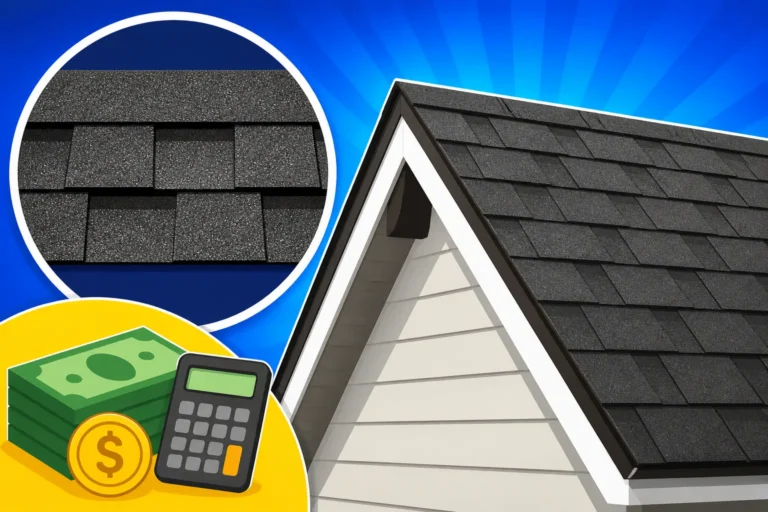
Tamko Heritage shingles are architectural, or laminated, shingles, which means they're constructed from multiple layers of asphalt and granules, creating a thicker, more dimensional look than traditional 3-tab shingles. This layered construction isn't just for show; it contributes significantly to their performance and longevity. Homeowners often gravitate towards them because they mimic the appearance of natural wood shakes or slate, offering a high-end aesthetic without the hefty price tag or maintenance requirements of those materials. The shadow lines and varied granule blends create a rich, textured appearance that can dramatically enhance your home's curb appeal.
Beyond their visual appeal, Tamko Heritage shingles are designed for resilience. They're typically rated to withstand winds up to 110 mph, and in some cases, certain product lines or installation methods can push that even higher. They also incorporate a granule coating that helps protect against UV degradation and, for some versions, algae growth, which is a common nuisance in humid climates. This blend of beauty and brawn makes them a reliable choice for homeowners who want a roof that looks good and performs well for decades. The commitment to quality from manufacturers like Tamko is a significant factor in their widespread appeal.
Exploring Tamko Heritage Options
While the "Tamko Heritage" name generally refers to their core architectural shingle line, the brand does offer variations that might influence your choice and, consequently, the cost. For instance, the standard Tamko Heritage shingle is a fantastic foundational product, providing that classic architectural look. However, you might encounter other options like the Heritage Vintage®, which offers a more rugged, pronounced wood-shake appearance, or the Heritage® Premium which might feature enhanced color blends or heavier construction for an even more distinctive look and potentially greater durability.
Each variant, while built on the fundamental Heritage platform, might have slightly different granule compositions, layering techniques, or even specialized coatings for improved weather resistance or color longevity. These differences, while subtle to the untrained eye, can affect the shingle's weight, its aesthetic depth, and ultimately, its material cost. It's crucial to discuss these specific options with your roofing contractor. They can provide samples and detailed specifications for each, helping you choose the best fit for your home's style and your budget. Remember, even within a single product family, slight upgrades can offer significant long-term benefits in terms of performance and appearance.
Breaking Down the Installation Costs for a Tamko Heritage Roof
Understanding the total installed cost of a Tamko Heritage roof means looking beyond just the price of the shingles themselves. A roof replacement is a complex project involving materials, labor, and a host of other necessary components that all add up. Many homeowners feel a sense of sticker shock when they first see a full roofing estimate, but once you break down what each line item covers, it becomes much clearer.
Material Costs for Tamko Heritage Shingles
The shingles themselves, the star of the show, will be a significant portion of your budget. For Tamko Heritage architectural shingles, you can expect the material cost to typically range from $90 to $150 per square (a "square" is a roofing term referring to 100 square feet). This price can fluctuate based on a few factors:
- Regional Pricing: Costs vary from state to state and even city to city. What you pay in Atlanta, Georgia, might be different from what someone pays in Denver, Colorado, due to supply chain logistics and local market demand.
- Supplier Discounts: Your roofing contractor might have established relationships with local distributors, like ABC Supply or Beacon Building Products, allowing them to purchase materials at a slightly lower wholesale rate. This can sometimes translate to better pricing for you.
- Color and Style: While less common for the standard Heritage line, certain premium colors or specific "Vintage" styles might command a slightly higher price due to specialized manufacturing processes or lower production volumes.
- Volume: Larger projects might sometimes receive a small bulk discount on materials, although this is more often factored into the overall project bid rather than a direct shingle price reduction.
It's important to get a clear breakdown of the material cost per square from your contractor. This transparency helps you compare estimates effectively and understand exactly what you're paying for.
Labor Costs for Tamko Heritage Installation
Labor is another major component, often making up 40-60% of your total roof replacement cost. Installing a roof is hard work, requiring skilled professionals who know how to properly handle and lay shingles, ensuring a watertight and durable system. For Tamko Heritage architectural shingles, labor costs can range from $3.00 to $5.00 per square foot, or $300 to $500 per square. However, these are general ranges, and several factors can swing the pendulum:
- Roof Complexity: A simple, single-story ranch home with a low-slope roof will cost less to install than a multi-story home with a steep pitch, numerous valleys, dormers, and skylights. Each added architectural feature increases the time, skill, and safety measures required. You can learn more about how factors like pitch affect your budget in our guide on the Roof Replacement Cost by Pitch.
- Geographic Labor Rates: Just like material costs, labor rates vary significantly by region. Roofers in high-cost-of-living areas, like parts of California or the Northeast, will naturally charge more per hour than those in areas with lower living expenses.
- Contractor Experience and Reputation: Highly experienced, reputable contractors who employ certified installers and offer robust warranties often charge a bit more, but this premium often comes with peace of mind and higher quality workmanship. A reliable contractor is key, as highlighted in our article on How to Choose a Roofing Contractor.
- Time of Year: In some regions, roofing can be seasonal. During peak season, contractors may be busier and less likely to offer discounts. During slower periods, you might find slightly more competitive pricing.
Other Essential Components and Their Costs
A new roof isn't just shingles; it's a complete system. You can't just slap new shingles onto your existing structure and call it a day. There are numerous underlayers and accessories that are absolutely critical for proper performance and warranty validity. These items add to the overall How Much Does an Asphalt Shingle Roof Cost.
- Roof Tear-Off and Disposal: Unless you're doing an overlay (which is often not recommended and sometimes not allowed by code), the old roof needs to come off. This involves labor for removal and costs for dumpster rental and disposal fees. This alone can add $2 to $5 per square foot to your project, or about $200 to $500 per square. The number of existing layers significantly impacts this cost.
- Underlayment: This protective layer sits between your roof deck and the shingles. Modern synthetic underlayments are far superior to traditional felt paper, offering better waterproofing and tear resistance. Expect to pay between $0.50 to $1.50 per square foot for quality synthetic underlayment. For more on this, check out our piece on Synthetic vs Felt Underlayment Cost.
- Ice and Water Shield: In colder climates or specific vulnerable areas (like valleys, eaves, and around penetrations), ice and water shield is a crucial self-adhering membrane that provides superior leak protection. This can add $2 to $4 per square foot for the areas where it's applied.
- Drip Edge and Flashing: Drip edge protects the edges of your roof, directing water away from the fascia. Flashing (metal or composite) is used around chimneys, skylights, vent pipes, and wall intersections to prevent water intrusion. These are relatively small material costs but crucial for preventing leaks. Flashing can range from $200 to $500 per penetration or linear section.
- Ventilation Components: Proper attic ventilation is vital for extending your roof's lifespan and maintaining energy efficiency. This includes ridge vents, soffit vents, and potentially static or powered vents. The Cost of Ridge Vent Installation alone can be a few hundred dollars or more, depending on the length of your ridge.
- Starter Shingles and Hip & Ridge Caps: These specialized shingles are installed along the eaves (starter) and over the hips and ridges of your roof. They provide a finished look and crucial protection at these critical points. These are generally included in the overall material estimate.
- Dumpster Rental & Project Cleanup: Don't forget the cost associated with hauling away all the old roofing debris. This is typically included in the tear-off cost but is a distinct line item you might see. Professional cleanup, including magnet sweeps for nails, is essential.
Factors Influencing Your Overall Tamko Heritage Roof Price
While we've broken down materials and labor, several overarching factors can significantly sway your final Tamko Heritage roof price. These aren't just minor fluctuations; they can cause thousands of dollars in difference, which is why it's so important to get a detailed understanding of your unique project. This holistic view is crucial when comparing bids and budgeting for your new roof.
Roof Size and Complexity
It might seem obvious that a larger roof costs more, but it's not just about square footage. The complexity of your roof plays an equally, if not more, significant role in the overall cost.
- Size: A 2,000 square foot roof, which is 20 squares, will inherently require more materials and labor than a 1,000 square foot roof (10 squares). This is the most straightforward cost driver. For a detailed breakdown, you might find our article on the Cost to Replace a Roof by House Size helpful.
- Pitch (Steepness): A very steep roof (think 8/12 pitch or higher) is inherently more dangerous and slower to work on. Roofers need specialized equipment, more safety precautions, and often more manpower. This translates directly to higher labor costs – sometimes a 10-25% premium for very steep roofs.
- Architectural Features: Every valley, dormer, chimney, skylight, or wall intersection adds complexity. These areas require intricate flashing work, precise shingle cutting, and often extra layers of ice and water shield. Each feature increases both material waste and labor time. A roof with multiple valleys, for example, will be more expensive than a simple gable roof of the same size.
- Number of Stories: A two-story or multi-story home requires more time and effort to transport materials and debris, and safety measures are more extensive. This often results in a higher labor cost compared to a single-story home.
Geographic Location and Local Market Rates
Where you live has a surprisingly large impact on roofing costs. It's not just about local material prices; it's about the entire economic ecosystem of your area.
- Cost of Living: Cities and states with a higher cost of living will have higher labor rates, as roofers need to cover their own expenses. This is why a roof in New York City will almost certainly cost more than the same roof in rural Ohio.
- Local Regulations and Permits: Some municipalities have stricter building codes or require more extensive permits and inspections, which can add to the administrative cost and potentially dictate more expensive materials or installation methods. For example, coastal areas often have specific high-wind nailing requirements or mandates for certain impact-resistant shingles.
- Supply and Demand: In areas with a booming construction market, roofers might be in high demand, allowing them to charge more. Conversely, in areas with many competing contractors, prices might be more competitive.
- Climate and Weather: Regions prone to extreme weather (e.g., hurricanes, heavy snow, severe hail) might have higher material and labor costs due to the need for more robust roofing systems, specialized installation techniques, and increased insurance premiums for contractors.
Contractor Fees and Warranties
The contractor you choose isn't just providing labor; they're providing expertise, project management, and a commitment to quality, often backed by warranties. These factors are crucial and directly influence the overall cost.
- Overhead and Profit: Reputable contractors have overheads – insurance, licenses, office staff, equipment maintenance, marketing, etc. These are legitimate business costs that are factored into their pricing. A very low bid might indicate a contractor cutting corners on these essential business expenses, which can put you at risk.
- Workmanship Warranty: A good contractor will stand behind their work with a workmanship warranty, typically covering their installation for 5-25 years. This adds value and peace of mind.
- Manufacturer-Certified Installers: Many shingle manufacturers, including Tamko, offer enhanced warranties (often transferable and non-prorated for longer periods) if their products are installed by a contractor certified by them. For example, a Tamko Pro or Mastercraft contractor has met specific training and quality standards. This certification often means the contractor pays a fee to the manufacturer and may adhere to stricter installation guidelines, which can slightly increase the initial cost but provides superior long-term protection. This is a crucial distinction and something to ask about, as it directly impacts your long-term Roofing Warranty: Workmanship vs Manufacturer.
- Insurance and Licensing: Ensuring your contractor is fully licensed and insured (general liability and workers' compensation) is non-negotiable. This protects you from financial liability if there's an accident on your property or damage to your home. The cost of these insurances is built into the contractor's pricing.
Getting Accurate Quotes and Maximizing Value
Navigating the world of roofing estimates can feel like deciphering a secret code. You're probably looking at several numbers that seem to vary wildly, leaving you wondering how to make sense of it all. The goal isn't necessarily to find the cheapest roof, but the best value for your investment, ensuring a quality installation that lasts.
The Importance of Multiple Estimates
Never, ever settle for just one roofing quote. This is perhaps the most critical piece of advice we can give you. We recommend getting at least three, and ideally four or five, detailed estimates from different reputable local roofing companies.
- Comparing Apples to Apples: Multiple estimates allow you to see how different contractors propose to tackle the same job, what materials they recommend, and how their pricing structures compare. You'll often find significant differences not just in the bottom line, but in the specifics of what's included. Our guide on How to Read and Compare Roofing Estimates offers a deeper dive into this.
- Uncovering Discrepancies: One contractor might recommend a certain type of underlayment, while another suggests a different one. One might include a full tear-off, while another proposes roofing over existing shingles (if allowed and feasible). Comparing these details helps you understand what's truly necessary and what might be an up-sell.
- Negotiation Power: Having multiple bids gives you leverage. If you have a preferred contractor whose bid is slightly higher, you can sometimes ask if they're willing to match a competitor's price for comparable scope and materials.
- Identifying Red Flags: If one estimate is dramatically lower than all the others, that's a huge red flag. It often means they're cutting corners, using subpar materials, or operating without proper insurance and licensing, which puts your home and finances at serious risk. Similarly, if a contractor pressures you to sign immediately, that's a sign to walk away.
- Finding the Right Fit: Beyond cost, comparing estimates also gives you a sense of each contractor's professionalism, communication style, and responsiveness. You want to work with someone you trust and feel comfortable with throughout the project. Platforms like Modernize can help you connect with qualified local professionals, simplifying the process of getting those crucial multiple bids.
Questions to Ask Your Roofing Contractor
When you have a contractor on site to provide an estimate, take advantage of that time to ask specific, probing questions. Don't be shy! This is your home and your significant investment.
- "Are you licensed and insured?" Ask for proof of both general liability and workers' compensation insurance. Call their insurance provider to verify coverage. A legitimate contractor should have no problem providing this.
- "Are you certified by Tamko (or other manufacturers)?" Ask about their specific certifications (e.g., Tamko Pro or Mastercraft) and what extended warranties those certifications qualify you for.
- "What is included in this estimate, line by line?" Insist on a detailed breakdown that includes tear-off, underlayment, specific shingle type and color, flashing, ventilation, cleanup, and warranty information.
- "What kind of underlayment do you use, and why?" Understand the difference between felt and synthetic, and why they've chosen a particular option for your home.
- "How do you handle roof ventilation, and what are the code requirements in my area?" Proper ventilation is often overlooked but critical for roof longevity.
- "What is your project timeline, and what precautions do you take to protect my property?" Know how long the job will take and how they'll safeguard your landscaping, windows, and driveways.
- "What are your payment terms?" Reputable contractors typically require a deposit (often 10-30%), with subsequent payments tied to project milestones, not full payment upfront.
- "Can you provide references from recent jobs in my area?" Speak to previous clients about their experience with the contractor.
- "What is your process for final inspection and cleanup?" Ensure they have a thorough process for quality control and debris removal.
Asking these questions helps you not only assess the contractor's expertise but also ensures you have a clear understanding of the scope of work and what your money is covering.
Ways to Potentially Save on Your Tamko Heritage Roof
While you never want to compromise on quality for your roof, there are smart ways to approach the project to ensure you're getting the best value.
- Timing is Everything: If possible, schedule your roof replacement during the off-season for your region. In many areas, this means late fall or early spring, outside the peak summer rush or harsh winter months. Contractors might be more willing to offer competitive pricing to keep their crews busy during slower periods.
- Prioritize Needs vs. Wants: While premium architectural shingles like Tamko Heritage are a fantastic investment, if your budget is extremely tight, consider if you truly need the absolute top-tier within that line, or if a standard Heritage shingle meets all your functional and aesthetic requirements at a slightly lower material cost.
- Energy Efficiency Upgrades: Sometimes, investing a little more upfront can save you significant money in the long run. Discuss options like "cool roof" rated shingles (though less common for standard asphalt, some manufacturers offer them) or enhanced attic ventilation. These can lower your energy bills over the lifespan of your roof, offering a return on investment. You can often find professionals who specialize in these upgrades through services like Modernize.
- Insurance Claims: If your roof damage is due to a covered event like a major storm, your homeowner's insurance might cover a significant portion of the replacement cost. Be sure to understand your policy, depreciation, and deductible. Our article on Does Insurance Cover Roof Replacement offers great insights.
- Bundle Services (If Applicable): If you need other exterior work done, like gutters or siding, sometimes a contractor who offers multiple services might provide a slight discount for bundling the projects, as it streamlines their operations.
- Look for Rebates: Occasionally, manufacturers or local utility companies offer rebates for specific energy-efficient roofing materials or systems. Ask your contractor if any such programs are available.
By being an informed consumer, asking the right questions, and carefully comparing your options, you can ensure you get a high-quality Tamko Heritage roof installed at a fair and transparent price.
Here's a quick look at how various factors can impact your installed Tamko Heritage roof cost:
| Cost Factor | Impact on Price (per Square, 100 sq ft) | Details |
|---|---|---|
| Tamko Heritage Shingles | $90 – $150 (Materials Only) | Base material cost. Varies by region, supplier, and specific Heritage line (e.g., Heritage Vintage might be slightly higher). |
| Labor (Installation) | $300 – $500 | Significant variable. Higher for steep roofs, multi-story homes, complex designs (many valleys, dormers, skylights). Regional labor rates are key. |
| Tear-Off & Disposal | $200 – $500 | Varies by number of existing layers, roof size, and local disposal fees. Crucial for proper installation. |
| Underlayment | $50 – $150 | Cost for synthetic underlayment, which is superior to felt. Required for warranty and performance. |
| Ice & Water Shield | $200 – $400 (for critical areas) | Essential for leak protection in valleys, eaves, and around penetrations, especially in cold climates. Cost varies by how much is needed. |
| Flashing & Drip Edge | $150 – $450 (for standard home) | Costs for metal or composite flashing around chimneys, vents, and wall lines, plus drip edge along eaves. Varies by number of penetrations. |
| Ventilation | $100 – $400 | Costs for ridge vents, soffit vents, or other attic ventilation solutions. Varies by system type and linear footage required. |
| Permits | $75 – $500+ | Required in most areas. Varies widely by municipality. Includes inspection fees. |
| Total Estimated Range | $900 – $1,950+ per square | This represents a typical installed cost per 100 square feet, excluding extreme complexities or premium upgrades. This is the range you'd multiply by your total roof squares (e.g., a 20-square roof would be $18,000 to $39,000+). |
Disclaimer
Please remember that all cost estimates provided in this article are general and for informational purposes only. Actual costs for your Tamko Heritage roof installation will vary significantly based on your specific location, roof size and complexity, chosen contractor, and current material and labor market conditions. It is always recommended to obtain multiple, detailed estimates from qualified, local roofing professionals to get an accurate price for your project.