Asphalt Roof Replacement Cost in North Carolina
The thought of replacing your roof can send shivers down any North Carolina homeowner's spine. You're probably picturing dollar signs, wondering if you'll be able to afford it, and fretting over finding a trustworthy contractor who won't break the bank or cut corners. It's a huge investment, and the uncertainty around asphalt roof replacement costs in the Tar Heel State is a common, understandable frustration. This guide is here to unravel those complexities, providing you with realistic cost expectations, a clear understanding of what influences pricing, and practical tips to navigate your roofing project successfully.
Understanding Average Asphalt Roof Replacement Costs in North Carolina
When you start looking into a new roof, the first question on everyone's mind is, "How much is this going to set me back?" In North Carolina, like anywhere else, there's no single answer, but we can give you a solid range and explain why those numbers fluctuate so much. The reality is, an asphalt roof replacement in North Carolina typically falls between $8,000 and $20,000, but can certainly go higher for larger, more complex homes or premium materials.
Statewide Averages and Regional Variances
North Carolina is a diverse state, from the bustling urban centers to the serene mountains and the storm-prone coast. This geographical spread inherently creates cost differences for roofing projects. On average, homeowners can expect to pay anywhere from $4.00 to $7.00 per square foot for a full asphalt shingle replacement, including labor and materials.
In metropolitan areas like Charlotte, Raleigh, and Research Triangle Park, you might find labor costs slightly higher due to increased demand and a higher cost of living for contractors. For example, a standard 2,000-square-foot roof in Raleigh could easily land you closer to the higher end of the per-square-foot range. Conversely, in more rural parts of the state, labor might be a bit less expensive. However, remember that remote areas could also mean higher material delivery costs. Coastal regions, such as Wilmington or Outer Banks towns, often face unique challenges like stricter building codes for wind resistance, potentially requiring more robust (and thus more expensive) materials and installation techniques, which definitely drives up the overall price.
Breaking Down the Cost Per Square
In the roofing world, prices are often discussed in "squares." If you've ever felt confused by this term, you're not alone! A roofing square isn't a literal square foot; it actually represents 100 square feet of roof area. So, if your home has a 2,000-square-foot roof, that's 20 roofing squares. Knowing this helps you better understand bids and compare pricing.
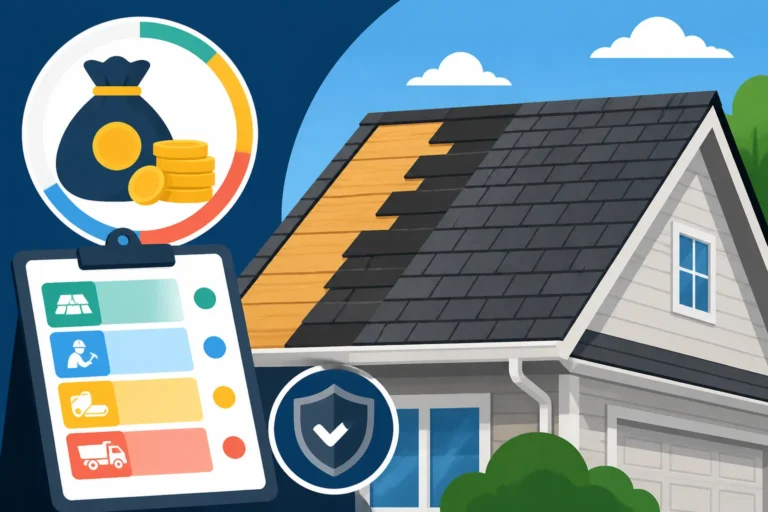
For a basic 3-tab asphalt shingle roof, installed, you might see costs in North Carolina ranging from $250 to $400 per square. For the ever-popular architectural shingles, which offer better durability and a more aesthetic look, you're typically looking at $350 to $600 per square. If you opt for premium designer or luxury asphalt shingles, which mimic the look of slate or wood shakes and boast superior performance, expect to pay $500 to $900 per square or even more. This makes a big difference when considering the overall project cost. For a complete breakdown, it's helpful to understand the various components that contribute to the total asphalt roof replacement cost: Complete Breakdown.
Impact of Roof Size and Complexity
It probably goes without saying, but bigger roofs require more materials and more labor, leading to higher overall costs. A 1,500 square foot roof will naturally be less expensive than a 3,000 square foot roof. But beyond sheer size, the complexity of your roof's design also plays a huge role in the final price tag.
Think about a simple ranch-style home with a straightforward roof pitch versus a sprawling two-story house with multiple gables, dormers, valleys, and skylights. Each angle, change in pitch, and penetration (like chimneys or vent pipes) requires meticulous cutting, sealing, and flashing, significantly increasing labor time and material waste. A steep roof, for instance, can be more challenging and dangerous for roofers, often incurring a "steep roof cost premium" due to the extra safety measures and slower pace required. This is why when you get estimates, they won't just ask for your house size, but will often conduct a detailed measurement of your roof's surface area and geometry to calculate the true Roof Cost Per Square: What You'll Pay.
Key Factors Influencing Your North Carolina Roofing Bill
Understanding the average cost is a great starting point, but your specific roofing bill will be a unique blend of several key factors. It’s not just about the size of your house; it’s about the materials you choose, the contractor you hire, and any surprises that might pop up during the tear-off. These elements are what truly drive asphalt roofing costs up or down.
Material Choices and Their Price Points
The type of asphalt shingle you select is one of the most significant cost drivers. In North Carolina, you'll generally find three main categories:
- 3-Tab Shingles: These are the most economical option. They are flat, single-layer shingles designed to look like three separate tabs. While budget-friendly, they offer less durability and a shorter lifespan (typically 15-20 years) compared to other options. They also tend to be less resistant to high winds, which can be a consideration in storm-prone areas of NC.
- Architectural (Dimensional) Shingles: By far the most popular choice, architectural shingles are thicker, multi-layered, and create a more textured, dimensional look, often mimicking wood shakes. They are more durable, offer better wind resistance, and come with longer warranties (usually 25-30 years, sometimes more). Brands like GAF Timberline HDZ and Owens Corning Duration are incredibly popular choices in this category, offering a great balance of aesthetics, performance, and cost. While they cost more upfront than 3-tab, their longevity and enhanced curb appeal often make them a worthwhile investment.
- Designer (Luxury) Shingles: These are the premium end of asphalt shingles, designed to emulate natural slate or cedar shakes with exceptional realism. They are typically the heaviest and most durable, often boasting features like Class 4 impact resistance, which can be a huge benefit for homeowners in hail-prone regions of North Carolina. They also come with the longest warranties, often 30-50 years. Naturally, these shingles come with a higher price tag, but for homeowners prioritizing aesthetics, extreme durability, and potential insurance savings (due to impact resistance), they can be an excellent choice. If you're considering an upgrade, learning about Impact-Resistant Shingle Cost could be very beneficial.
Labor Rates and Contractor Expertise in NC
Beyond the materials themselves, the cost of labor is a substantial portion of your total roofing expense. This is where your choice of contractor really comes into play, and where prices can vary significantly across North Carolina. The average Asphalt Roof Labor Cost Explained can vary based on:
- Location: As mentioned, urban centers like Charlotte and Raleigh generally have higher labor costs due to higher operating expenses for businesses and a greater cost of living for their crews.
- Company Size and Reputation: Larger, well-established roofing companies with extensive experience, strong insurance, and a track record of quality work might charge a bit more, but they often provide peace of mind, better warranties, and more efficient project management. Don't underestimate the value of expertise when it comes to something as critical as your roof.
- Certifications: Many manufacturers, like GAF, Owens Corning, and CertainTeed, offer specialized certifications for contractors who meet stringent training and quality standards. Hiring a certified installer can often unlock enhanced manufacturer warranties, adding significant long-term value to your investment. For example, a GAF Master Elite Contractor can offer the brand's strongest warranties.
- Complexity of the Job: Roofs with steep pitches, multiple stories, difficult access, or intricate designs require more specialized skills and more time, which will increase labor costs.
Choosing a reputable, licensed, and insured contractor in North Carolina is paramount. You want someone who understands local building codes and has a proven track record. Services like Modernize can help connect you with vetted roofing professionals in your specific area, simplifying the process of finding trustworthy local experts.
Additional Components and Unforeseen Expenses
A roof replacement isn't just about shingles and labor; it involves a whole system of components that work together to protect your home. Overlooking these can lead to unexpected costs.
- Underlayment: This protective layer goes directly over your roof deck before the shingles. Options include traditional asphalt-saturated felt or more advanced synthetic underlayment. Synthetic options offer superior tear resistance and moisture protection, especially crucial in North Carolina's humid climate.
- Flashing and Drip Edge: These metal components are essential for directing water away from vulnerable areas like chimneys, skylights, valleys, and the edges of your roof. Old flashing often needs to be replaced, and drip edge is critical for preventing water damage along eaves and rake edges.
- Ventilation: Proper attic ventilation, including ridge vents, soffit vents, and sometimes static or powered vents, is vital for extending your roof's lifespan and maintaining comfortable attic temperatures. If your current ventilation system is inadequate, upgrading it will be an additional cost, but a worthwhile one.
- Old Roof Tear-Off and Disposal: This is almost always part of a full replacement. The old shingles and underlayment must be removed and disposed of properly. The Cost of Roof Tear-Off and Disposal can vary based on the number of existing shingle layers (many areas only allow two layers, but a full tear-off is generally recommended) and local landfill fees in North Carolina.
- Roof Decking Replacement: This is a common "hidden cost." If, after tearing off the old roof, your contractor discovers sections of rotted or damaged plywood or OSB roof decking, these will need to be replaced before new shingles can go down. While unforeseen, this is a non-negotiable repair to ensure the structural integrity of your new roof.
- Permits and Inspections: Most roof replacements in North Carolina require a local building permit. The cost of these permits varies by municipality (e.g., a permit in Raleigh might be different from one in Asheville), and your contractor should handle securing it. These permits ensure the work meets local building codes and typically include inspections at various stages of the project. We'll delve deeper into permits shortly, but understanding that they are a necessary part of the process is crucial.
Getting Accurate Quotes and Navigating the Process in North Carolina
The sheer number of choices, from shingle types to contractors, can feel overwhelming. How do you ensure you're getting a fair price and a quality job? It starts with being an informed consumer and knowing what to look for when you're ready to get bids.
The Importance of Multiple Estimates
Never, ever settle for the first quote you receive. This is one of the biggest mistakes homeowners make. To truly understand the market rate and ensure you're getting a competitive and fair price for an asphalt roof replacement in North Carolina, you should aim to get at least three, and ideally five, detailed estimates from different roofing contractors.
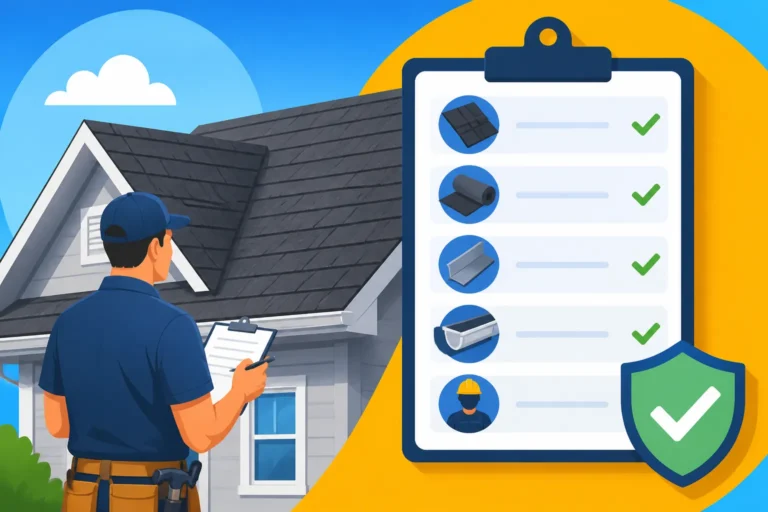
When gathering these estimates, make sure they are all for the exact same scope of work and materials. Ask for line-item breakdowns so you can compare apples to apples. A comprehensive estimate should clearly outline:
- The specific shingle type and manufacturer (e.g., GAF Timberline HDZ in Charcoal)
- The type of underlayment, flashing, and other accessories
- The total square footage of the roof and the number of roofing squares
- The cost of tear-off and disposal
- Any necessary decking repairs (or a contingency plan for them)
- Labor costs
- Permit fees
- Warranty information (both manufacturer and workmanship)
- A clear payment schedule
Don't be afraid to ask questions if anything is unclear. A good contractor will be happy to explain every detail. Using a service like Modernize can streamline this process, connecting you with multiple qualified local roofers in North Carolina who can provide competitive quotes tailored to your home. It can save you a lot of legwork trying to find reliable companies yourself. This is an essential step in learning How to Read and Compare Roofing Estimates.
Understanding Roofing Contracts and Warranties
Once you've chosen a contractor, a legally binding contract is your best friend. This document should detail everything agreed upon, protecting both you and the roofing company. Key elements to look for in a roofing contract include:
- Project Scope: A clear description of the work, including materials, methods, and a timeline.
- Total Cost and Payment Schedule: No surprises here. It should outline the full price, deposit amount, and milestones for subsequent payments. Be wary of contractors asking for a very large upfront payment in North Carolina; a reasonable deposit is usually 10-30%.
- Proof of Insurance: Insist on seeing current certificates for both liability insurance (to cover any damage to your property) and workers' compensation insurance (to cover their crew if someone gets injured). This is non-negotiable for your protection.
- Permit Responsibility: Confirm that the contractor will be responsible for obtaining all necessary permits and scheduling inspections.
- Clean-up Plan: How will they protect your property and clean up debris?
- Warranty Details: This is huge. You should have two types of warranties:
- Manufacturer's Warranty: Covers the shingles and other system components against defects. These can range from 15-year limited warranties for 3-tab shingles to lifetime limited warranties for architectural and luxury shingles. Registration is often required to activate the full warranty.
- Workmanship Warranty: Provided by the contractor, this covers the quality of the installation. A reputable contractor will offer at least a 5-10 year workmanship warranty, with some offering even longer.
Always read the fine print of both warranties. Understanding Questions to Ask About Roofing Warranties beforehand can really help.
Local Regulations and Permit Requirements in North Carolina
Yes, in nearly all municipalities across North Carolina, you will need a permit to replace your roof. This isn't just bureaucracy; it's a critical step that ensures your new roof is installed safely and adheres to local building codes. These codes are in place to protect your home and ensure the longevity and safety of the structure, particularly in areas prone to specific weather events.
- Who Pulls the Permit?: In almost all cases, your licensed roofing contractor should be responsible for pulling the permit. They are familiar with the local process, necessary documentation, and inspection requirements. If a contractor suggests you pull the permit, consider it a significant red flag. This could indicate they are not properly licensed or insured, or are trying to avoid accountability for the work.
- Permit Cost: The cost for a roofing permit in North Carolina varies by county and city. For example, in Wake County (Raleigh), a residential roofing permit might cost a few hundred dollars, while it could be slightly different in Mecklenburg County (Charlotte) or Buncombe County (Asheville). Your contractor will typically include this fee in your overall estimate.
- Building Codes: North Carolina's building codes are enforced at the local level. Depending on your location, there might be specific requirements for things like:
- Wind Resistance: Especially along the coast, shingles must often meet certain wind resistance ratings (e.g., 110 mph or 130 mph) and require specific nailing patterns to withstand hurricane-force winds.
- Ice and Water Shield: In colder regions of the state (like the mountains), ice and water shield may be required in vulnerable areas like eaves, valleys, and around penetrations to prevent ice dam formation.
- Ventilation: There are often minimum requirements for attic ventilation to prevent moisture buildup and premature roof deterioration.
For more in-depth information, you can explore whether Do You Need a Permit to Replace a Roof in your specific area. Ignoring permit requirements can lead to fines, difficulties with insurance claims, and complications when selling your home down the road.
Smart Ways to Save and Finance Your NC Roof Replacement
A new roof is a significant financial undertaking, but there are ways to approach it smartly without compromising quality. Beyond careful planning, exploring various payment options can make the project more manageable for North Carolina homeowners.
Budgeting and Cost-Saving Strategies
While you don't want to cut corners on something as critical as your roof, there are intelligent ways to manage costs:
- Prioritize Needs Over Wants: While those luxury designer shingles look amazing, if your budget is tight, opting for high-quality architectural shingles will provide excellent protection and curb appeal without the premium price.
- Consider the Off-Season: In North Carolina, roofing demand often peaks in spring and fall. If your roof isn't in critical condition, consider scheduling your replacement in the slower winter months (if weather permits) or during the peak summer heat. Contractors might have more availability and potentially offer slightly better rates during these less busy times.
- Regular Maintenance: This isn't a cost-saving measure for your current replacement, but it's crucial for the next one. Simple tasks like cleaning gutters, trimming overhanging branches, and regular inspections can significantly extend the life of your new roof, delaying future replacement costs. Understanding How to Budget for a New Roof involves looking at the long game.
- Don't DIY for Major Work: While minor repairs might be possible for a handy homeowner, a full roof replacement is not a DIY project. The risks of injury, improper installation, and voiding warranties far outweigh any perceived savings. Hire a professional. This also applies to things like a Partial Reroof: Pros and Cons.
Exploring Financing and Insurance Options
For many North Carolina homeowners, paying for a new roof out-of-pocket isn't feasible. Thankfully, several financing and payment options are available:
- Home Equity Loan or HELOC: If you have substantial equity in your home, a home equity loan or a Home Equity Line of Credit (HELOC) can be an attractive option. These typically offer lower interest rates because your home serves as collateral. The interest on these loans may also be tax-deductible (consult with a tax professional).
- Personal Loan: Banks and credit unions offer unsecured personal loans that can be used for home improvements. While they often have higher interest rates than secured loans, they don't require your home as collateral.
- Contractor Financing: Many reputable roofing companies partner with financial institutions to offer their own financing plans. These can sometimes include promotional periods with 0% interest or competitive rates. When you work with a service like Modernize, they can help you explore such options offered by their network of local North Carolina contractors.
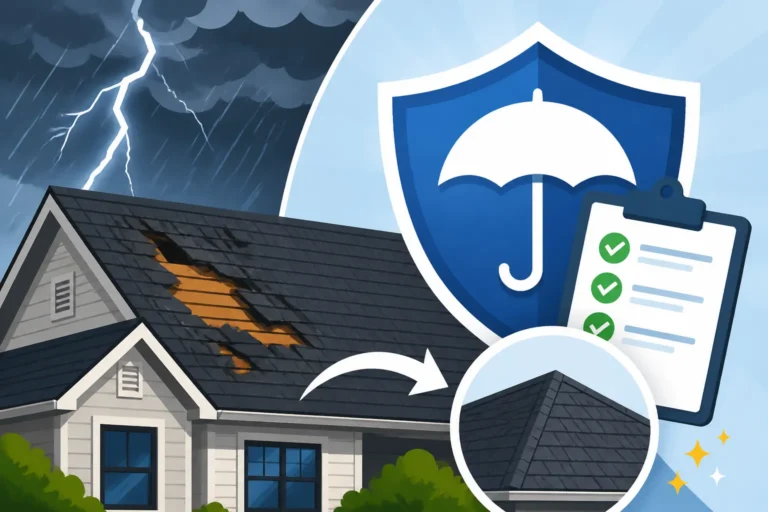
- Homeowners Insurance Claims: If your roof damage is due to a sudden, unexpected event like a hailstorm, strong winds, or a falling tree, your homeowners insurance policy might cover a significant portion, or even all, of the replacement cost.
- Document Everything: Immediately after damage occurs, document it thoroughly with photos and videos.
- File a Claim Promptly: Contact your insurance provider as soon as possible.
- Get a Professional Inspection: Have a qualified roofing contractor assess the damage and provide a detailed report.
- Understand Your Policy: Familiarize yourself with your deductible, and whether your policy pays out on an Actual Cash Value (ACV) or Replacement Cost Value (RCV) basis. RCV policies generally provide more comprehensive coverage.
- Consider Impact-Resistant Shingles: In hail-prone areas of North Carolina, upgrading to Class 4 impact-resistant shingles might even qualify you for discounts on your homeowners insurance premiums, offering long-term savings. Learning How to File a Roof Insurance Claim is an essential step if storm damage is the cause of your roof replacement.
By understanding the typical costs, the variables that affect pricing, and the avenues for financing, you can approach your asphalt roof replacement in North Carolina with confidence and make the best decisions for your home and your budget.
Disclaimer
Please remember that the cost ranges provided in this article are estimates based on current market conditions, labor rates, and material costs in North Carolina. Actual costs may vary significantly depending on your specific location, the complexity of your roof, the materials chosen, and the individual contractor. Always obtain multiple detailed quotes from licensed and insured professionals before making any decisions.