Roofing Inspection Requirements in California
Navigating a roofing project in California can feel like trying to solve a complex puzzle, especially when it comes to understanding all the rules and regulations. Homeowners often find themselves scratching their heads, wondering if they actually need an inspection, who performs it, and what exactly they're looking for. This guide is here to demystify the roofing inspection requirements in California, helping you understand when and why these checks are necessary to keep your home safe and compliant.
The Unique Landscape of California Roofing Regulations
California isn't just any state when it comes to construction and home maintenance; it's a place with its own set of very specific challenges and priorities. From seismic activity to pervasive wildfire threats and a strong emphasis on energy efficiency, the Golden State's building codes reflect these unique concerns, making roofing inspections a critical part of almost any project. It’s not just about slapping on some new shingles; it’s about ensuring your roof can withstand the elements and meet modern standards.
Adapting to Environmental Demands
California's diverse geography, stretching from the rainy northern coast to the arid southern deserts and fire-prone foothills, means roofing requirements can vary significantly even within the state. A roof in Malibu needs to contend with salt air and potential seismic shifts, while a roof in Redding might face extreme summer heat and wildfire embers. Building codes across California often include specific provisions for fire resistance, especially in areas designated as Wildland-Urban Interface (WUI) zones. This might mean mandatory Class A fire-rated shingles, stricter decking requirements, or even specific installation methods designed to prevent embers from infiltrating the attic.
Beyond fire, seismic considerations play a role in how a roof is fastened and constructed to ensure it doesn't become a hazard during an earthquake. This often translates to meticulous nailing patterns and robust connection points for all roofing components. It can certainly feel like a lot to keep track of, but these measures are in place to protect your home and family against the state's very real environmental risks.
The Influence of Energy Efficiency Mandates
One of the most significant distinguishing factors for California roofing is its commitment to energy efficiency, primarily driven by the state's Title 24 Building Energy Efficiency Standards. These standards are regularly updated and push for higher performance in new construction and major renovations, including roofing. For homeowners, this means that replacing your roof might not just be about structural integrity; it could also involve ensuring your new roofing materials meet specific solar reflectance and thermal emittance values, especially if it's a low-sloped roof or part of a larger renovation.
For instance, "cool roofs" are often encouraged or mandated in certain areas or for specific building types. These roofs are designed to reflect more sunlight and absorb less heat than traditional roofs, significantly reducing the urban heat island effect and lowering cooling costs for homeowners. This adds another layer to what an inspector will be looking for: not just if the roof is installed correctly, but if the right type of roof is installed according to current energy efficiency codes.
Mandatory Inspections for Roofing Projects
When you’re undertaking a major roofing project in California, such as a full replacement, a tear-off and re-roof, or even significant repairs, it’s highly likely you’ll need a permit. And where there’s a permit, there’s an inspection. This isn’t just bureaucratic red tape; it's a critical step to ensure your roof is built to code, protecting your investment and ensuring the safety of your home. You'll want to understand "Do You Need a Permit to Replace a Roof" before starting any work.
The Permit and Inspection Process
Generally, any roofing work that involves altering the structural integrity of your roof, replacing more than a certain percentage of your existing roof covering, or doing a full tear-off will require a permit from your local city or county building department. For example, in San Jose, a permit is explicitly required for replacing more than 100 square feet of roofing material. Once a permit is issued, it will typically outline the inspections required at different stages of the project.
The process usually involves:
- Application: Submitting plans and applying for a permit.
- Rough-in Inspection (Deck Inspection): This is often the first critical inspection. After the old roofing material has been completely torn off (if applicable), but before any new underlayment or shingles are installed, an inspector will check the roof deck. They're looking for any signs of rot, damage, or inadequate fastening of the decking to the rafters. They'll also verify the proper installation of drip edge, flashing, and in some areas, ice and water shield. This inspection ensures the foundation for your new roof is solid. Getting a clear understanding of "How a Roof Deck Is Inspected" can help you prepare.
- Final Inspection: Once all roofing materials are installed, and the project is complete, a final inspection is required. The inspector will review the entire roof system to ensure everything is installed according to the approved plans and local building codes. This includes checking shingle fastening, flashing around penetrations (like chimneys, vents, and skylights), proper ventilation, and compliance with fire and energy efficiency requirements.
It’s crucial that your chosen roofing contractor handles the permit process, as they are typically more familiar with local requirements and scheduling inspections. Be wary of any contractor who suggests skipping the permit; this is a huge red flag and can lead to significant problems down the line, including fines, difficult home sales, and invalidated warranties. Understanding "Roofing Permits Explained" can save you a lot of headache.
Key Code Compliance Checks
California's building codes are extensive, and roofing inspectors are trained to ensure compliance with a wide array of provisions. Beyond the basic installation, here are some key areas they focus on:
- Fire Resistance: As mentioned, fire-resistant materials and assemblies are paramount, especially in WUI zones. Inspectors will verify that Class A rated materials are used where mandated, and that critical areas like eaves and vents are protected against ember intrusion.
- Wind Resistance: Coastal areas like Santa Barbara or San Diego might have specific wind uplift requirements. Inspectors check nailing patterns and shingle adhesion to ensure the roof can withstand high winds. Many manufacturers, like Owens Corning or GAF, offer enhanced wind warranties when their products are installed by certified contractors according to specific guidelines.
- Ventilation: Proper attic ventilation is critical for extending the life of your roof and preventing moisture issues. Inspectors will check for adequate intake (soffit vents) and exhaust (ridge vents, box vents) to ensure a balanced system.
- Flashing: This is often where leaks happen. Inspectors meticulously check flashing around chimneys, skylights, valleys, and wall-to-roof transitions to ensure it’s properly installed and sealed to prevent water intrusion.
- Number of Layers: In California, building codes typically limit the number of shingle layers to two, with a full tear-off being strongly encouraged or even mandated for various reasons, including better inspection of the roof deck and lighter load on the structure.
Ensuring your contractor is familiar with all these nuances is paramount. A truly professional contractor will know the specifics of "Roofing Building Codes: What to Know" for your area.
Inspections for Home Sales or Insurance Claims
Beyond new installations and major repairs, roofing inspections in California often come into play during other significant life events: selling your home or filing an insurance claim after a storm. These types of inspections serve different purposes than permit-driven ones but are equally important for homeowners.
The Pre-Sale Roof Certification
When you're selling your home in California, especially in a competitive market or if your roof is nearing the end of its lifespan, a buyer might request a "roof certification." This isn't a mandatory permit inspection, but it's a common practice. A licensed roofing contractor performs this inspection, assessing the current condition of the roof and estimating its remaining useful life. If the roof is in good shape and expected to last at least two to five more years, the contractor will issue a certification. If not, they’ll provide a report outlining necessary repairs or recommending replacement.
This certification offers peace of mind to potential buyers and can be a strong selling point. It helps avoid last-minute surprises during escrow and can be crucial for securing financing. For example, FHA or VA loans often have specific requirements for roof condition, and a certification can streamline that process. Knowing about "Roof Certification for Home Sale" can significantly help you prepare for selling your property.
Insurance Claims and Damage Assessments
If your roof in California suffers damage from a covered peril – hail, wind, or even fire – your insurance company will almost certainly require an inspection before approving a claim. This inspection is performed by a claims adjuster, who might be an employee of your insurance company or an independent contractor they hire. Their primary goal is to assess the extent of the damage, determine if it was caused by a covered event, and estimate the cost of repairs or replacement.
Adjusters will look for specific signs of storm damage, like missing shingles due to high winds (especially important in areas prone to Santa Ana winds), hail dents, or fire damage. They’ll also distinguish between sudden storm damage and pre-existing wear and tear, which can sometimes be a point of contention. It's highly recommended to have your own trusted roofing contractor inspect the roof before the adjuster arrives. They can help you understand the damage and advocate on your behalf during the claims process. Many homeowners find themselves dealing with "Roofing Insurance Claim Process Step by Step" after an unexpected event.
What Inspectors Are Looking For: A Detailed Checklist
Whether it's a building official, a home inspector, or an insurance adjuster, anyone inspecting your roof in California has a clear checklist of what they need to examine. Knowing this list can help you understand the health of your roof and prepare for any necessary projects or sales.
Structural Integrity and Decking Conditions
Before even considering the shingles, a good inspector will evaluate the underlying structure. This means looking for signs of sagging, bowing, or damage to the rafters and trusses, often from inside the attic. The roof deck itself is paramount.
- Decking Material: Are the plywood or OSB panels properly sized and spaced?
- Water Damage: Any signs of previous or active leaks, such as rot, mold, or discoloration on the decking or framing?
- Fasteners: Are the decking panels securely fastened to the rafters with the correct nails or screws?
- Ponding: For low-slope roofs, is there any evidence of water pooling, which can indicate structural issues or improper drainage?
This stage is critical for safety and longevity. If the foundation is compromised, even the best new shingles won't last. During a full tear-off, this is when any necessary "Roof Decking Replacement Cost" is assessed and addressed, ensuring a solid base for the new roof.
Shingle Installation and Material Quality
Once the structure is confirmed, the inspector will meticulously examine the roofing material itself, paying close attention to both the quality and the installation technique.
- Material Type: Is the shingle type appropriate for the roof's pitch and the local climate/codes (e.g., Class A fire-rated in WUI zones, cool roof compliance)?
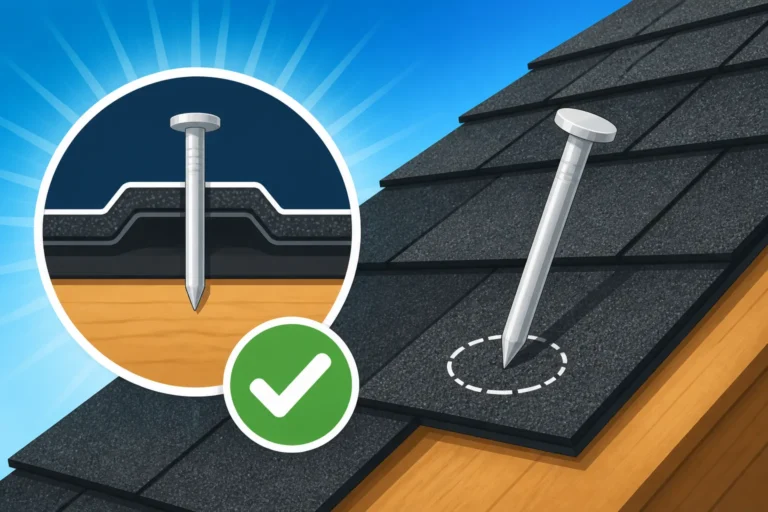
- Fastening: Are the shingles properly nailed, with the correct number of nails (often six nails per shingle in high-wind zones) placed in the manufacturer-specified nailing strip? Improper nailing is a common cause of shingle blow-off.
- Laps and Overhangs: Are the shingles correctly overlapped and installed with proper overhangs at the eaves and rakes?
- Granule Loss: While some granule loss is normal, excessive loss can indicate an aging roof or manufacturing defect.
- Curling, Cracking, Blistering: These are common signs of an aging or failing roof that indicate it's losing its protective properties.
- Algae and Moss: While often cosmetic, heavy moss growth can trap moisture and degrade shingles.
This is where the inspector's eye for detail really comes into play. They are trained to spot subtle issues that an untrained eye might miss, ensuring your roof meets the high standards required in California.
Flashing, Vents, and Other Penetrations
The areas where the roof meets other structures or has penetrations are notoriously vulnerable points for leaks. Inspectors pay very close attention to these details.
- Flashing: Is the flashing around chimneys, skylights, vent pipes, and wall intersections properly installed, sealed, and free from rust or damage? Step flashing, counter flashing, and valley flashing all have specific installation requirements.
- Ventilation Components: Are ridge vents, soffit vents, and any other attic ventilation components properly installed and free from obstructions? Is the ventilation adequate for the attic size and climate?
- Drip Edge: Is drip edge installed along the eaves and rakes to direct water away from the fascia and prevent water from seeping underneath the roof edge?
- Gutters: While not strictly part of the roof, inspectors often note issues with gutters (clogged, damaged, improperly sloped) because they directly impact the roof's ability to shed water.
A comprehensive inspection will leave no stone unturned, ensuring every component of your roofing system is working in harmony to protect your home. It’s all part of making sure you pass that "Roof Inspection and Code Compliance" check with flying colors.
A Comparative Look at California's Roofing Inspection Focus
To give you a clearer picture, here's a table comparing common inspection points and how California's unique environment often adds an extra layer of scrutiny:
| Inspection Point | General Focus | California Specific Focus |
|---|---|---|
| Roof Decking | Structural integrity, proper fastening | Enhanced seismic fastening requirements, integrity after potential seismic events |
| Shingle Material | Type, condition, granule loss | Mandatory Class A fire rating in WUI zones, cool roof compliance (Title 24) |
| Installation | Nailing patterns, overlap, alignment | High-wind nailing standards (e.g., 6 nails per shingle), shingle adhesion in heat |
| Flashing & Seals | Watertightness around penetrations | Extra scrutiny for wildfire ember protection at eaves/vents, robust valley flashing |
| Ventilation | Attic airflow, moisture control | Specific CFM (Cubic Feet per Minute) requirements for energy efficiency, fire-rated vents |
| Drainage | Gutter function, water shedding | Preventing water intrusion into fire-prone attic spaces, managing heavy rain runoff |
| Permit Compliance | Adherence to local building codes | Strict adherence to state-level mandates (Title 24, WUI codes), regional variations |
This table highlights why a thorough inspection in California often goes beyond what might be considered standard in other parts of the country. For more detailed insights into what inspectors examine, you can explore resources like "What a Roof Inspector Looks For".
Disclaimer
Please remember that this guide provides general information about roofing inspection requirements in California. Building codes and regulations are subject to change and can vary significantly by specific city, county, and even within different zones (e.g., wildfire zones). Always consult with your local building department and a licensed, reputable roofing contractor for the most accurate and up-to-date information pertaining to your specific project and location. This content is for informational purposes only and should not be considered professional advice.