Roof Insurance Claim Denied: What to Do
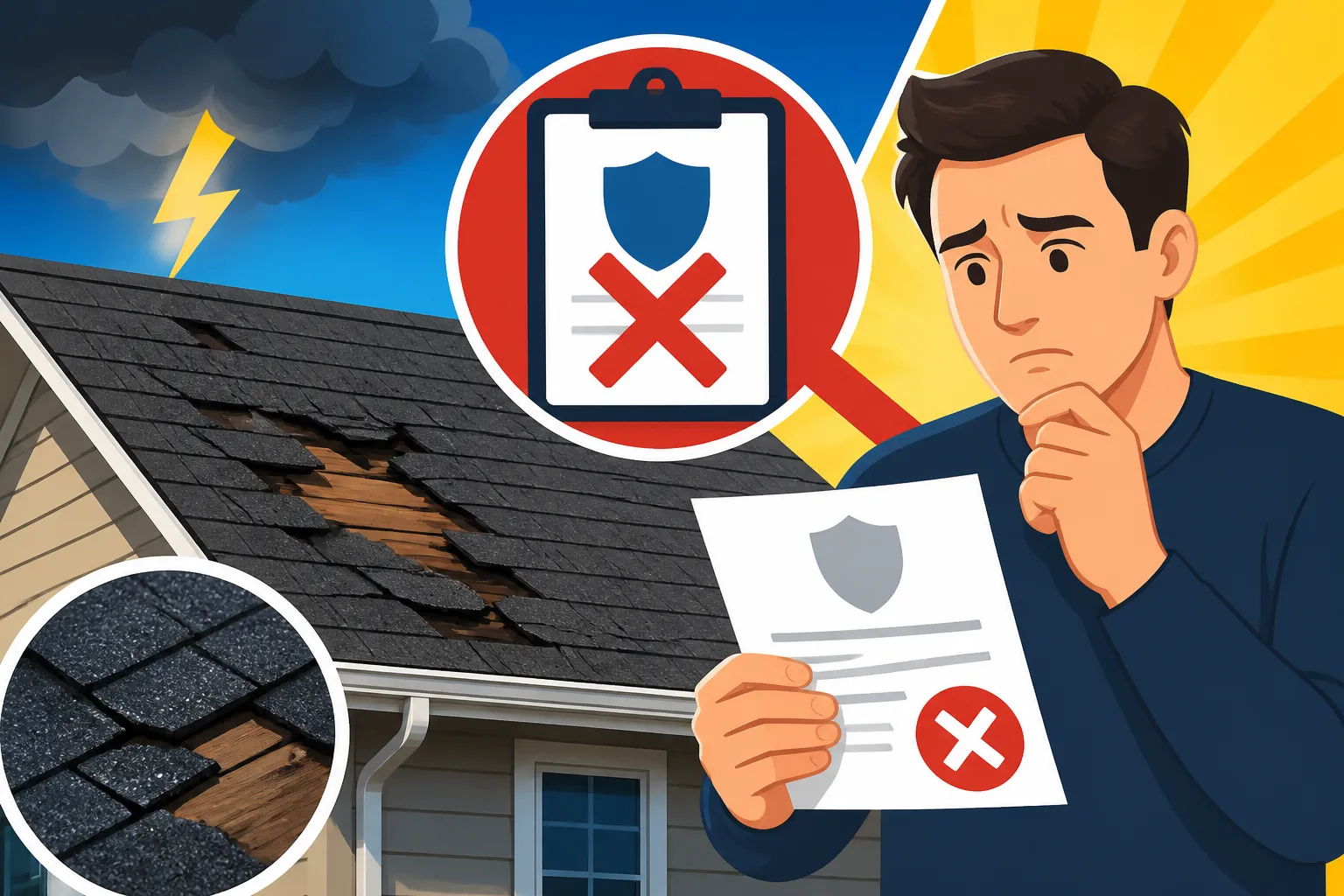
Receiving a letter stating your roof insurance claim has been denied can feel like a punch to the gut. You’ve just experienced what might be significant damage to your home, a major stressor, and now your insurance company is telling you they won't cover it. It's frustrating, disheartening, and often leaves homeowners feeling utterly helpless and unsure of where to turn. This guide is here to walk you through exactly what to do when your roof insurance claim is denied, offering clear steps, realistic advice, and hope for navigating this challenging situation.
Understanding Why Your Roof Insurance Claim Was Denied
It’s easy to feel defeated when that denial letter lands in your mailbox, but the very first step is to take a deep breath and understand the why. Insurance companies don't just deny claims on a whim; there's always a reason, even if it feels unfair or unclear to you. Unpacking that reason is crucial for planning your next move.
Common Reasons for Denial
Insurance companies have a specific set of criteria and policy exclusions that dictate what they will and won't cover. When a roof claim is denied, it usually falls into one of several common categories. Knowing these can help you better understand their perspective and prepare your counter-arguments.
One of the most frequent reasons for denial is that the damage is deemed "cosmetic" rather than structural. Imagine a hailstorm sweeps through your area, leaving small indentations on your shingles. While these might not immediately lead to a leak, your insurer might argue they don't compromise the roof's integrity, thus not meeting their threshold for covered damage. This can be infuriating, especially when the appearance of your roof is visibly altered, and you know these minor impacts can accelerate deterioration over time.
Another common pitfall is "wear and tear" or "lack of maintenance." If your roof is older, or if the inspector finds evidence of neglected upkeep – like significant moss growth, clogged gutters leading to water backup, or obvious deterioration that predates a specific event – the insurer might conclude that the damage isn't due to a sudden, insurable event but rather the natural aging process or your failure to maintain it. This is particularly frustrating because many homeowners do their best to maintain their properties, but sometimes nature or age just take their toll. Understanding How Long an Asphalt Roof Lasts can help set realistic expectations, but even a well-maintained roof can face premature issues.
Then there's the "pre-existing damage" argument. If the adjuster believes the damage was present before your current policy started, or before the reported storm, they will deny the claim. This often comes up after a major weather event when many homes are inspected. The insurer might compare satellite imagery or previous inspection reports to claim the damage wasn't recent. This is why it's so important to document the condition of your roof before a storm, if possible, or at least immediately afterward.
Finally, some policies have specific exclusions for certain types of damage or events. For instance, flood damage is typically excluded from standard homeowners' policies and requires a separate flood insurance policy. Similarly, damage from earthquakes might be excluded. It’s also possible your policy simply doesn’t cover the specific peril that caused the damage, or that the cost of repair falls below your deductible, making it uneconomical for the insurer to process the claim.
The Role of Policy Language
Your insurance policy is a complex legal document, and every word in it matters. The language used in your policy is the foundation upon which all claims decisions are made. It defines what is covered, what is excluded, and under what conditions. When your claim is denied, it's almost always because the insurer believes the damage or circumstances don't align with the specific terms outlined in your policy.
For example, your policy might specify coverage for "sudden and accidental direct physical loss" but exclude "deterioration, rot, or fungus." If an adjuster observes widespread rot under your shingles, they might attribute it to long-term water intrusion (deterioration) rather than a sudden storm. Or, if your policy only covers damage from wind events above a certain speed, and their assessment indicates lower wind speeds, your claim could be denied. This can feel like a game of semantics, but it's the game the insurance companies play by.
It’s also important to pay close attention to the difference between "Actual Cash Value" (ACV) and "Replacement Cost Value" (RCV) policies. With an ACV policy, the insurer factors in depreciation for the age and condition of your roof, which can significantly reduce your payout, potentially making it insufficient for a full replacement. An RCV policy, on the other hand, covers the cost to replace your roof with new materials of similar quality, without subtracting for depreciation. Understanding this distinction, as discussed in detail in guides like Actual Cash Value vs Replacement Cost Roof Claims, is absolutely critical. A denial might not be a full denial of damage, but rather a denial that your coverage allows for the full cost of repair or replacement.
You need to meticulously read the section of your policy that defines "covered perils," "exclusions," and the terms related to "damage" and "repair/replacement." Don't assume anything. If something is unclear, make a note of it. This deep dive into your policy will be your strongest weapon as you prepare to challenge their decision.
The First Steps After a Denial Letter Arrives
Getting that denial letter can send you into a spiral, but it's crucial to stay calm and methodical. Your immediate actions will lay the groundwork for a successful appeal. Don't throw your hands up in despair; instead, put on your detective hat and start gathering information.
Reviewing Your Denial Letter Meticulously
Think of your denial letter as the blueprint for your appeal. It's not just a "no"; it's a "no, because…" and understanding that "because" is your key to unlocking a different outcome. Often, these letters are filled with jargon and references to specific policy clauses, which can make them intimidating to read. But resist the urge to skim.
Read every single sentence. Highlight or underline the specific reasons for denial they provide. Do they cite "pre-existing damage"? Do they mention "wear and tear"? Is there a specific policy exclusion number they reference? Note these down. Sometimes, the letter might seem vague, using broad terms. If that's the case, you'll need to press them for more specific details. Don't hesitate to call your adjuster or their claims department and request a more detailed explanation of the denial, especially if the letter feels generic or unspecific about your particular situation. They are legally obligated to provide a clear reason.
Also, look for any instructions on how to appeal the decision. Many denial letters will include information about their internal appeals process, including deadlines and required documentation. Missing a deadline can severely limit your options, so pay close attention to any dates mentioned. This initial review is about understanding the battlefield and the rules of engagement.
Gathering Your Documentation
Now that you understand why they denied your claim, it's time to build your case. The more evidence you have to counter their specific points, the stronger your appeal will be. Think of yourself as compiling a robust portfolio of proof.
Start by gathering all original documentation related to your claim. This includes:
- Your full insurance policy: Not just the summary, but the entire document. You need to be able to cross-reference their denial reasons with the exact wording of your policy.
- Your original claim submission: Any forms you filled out, photos you submitted, and detailed descriptions of the damage.
- Communication logs: Keep a record of every conversation you've had with your insurance company – dates, times, names of representatives, and a summary of what was discussed. This is critical if there's ever a dispute about what was said or promised.
- The insurance adjuster's report: You have a right to request a copy of the adjuster's full report, including their findings, photos, and any measurements they took. This report will be invaluable as it provides the basis for their denial.
Next, focus on independent evidence that supports your claim and refutes their denial. This is where getting a professional roofer involved is crucial. Schedule an inspection with a reputable, independent local roofing contractor. Ask them to conduct a thorough assessment of your roof damage, paying particular attention to the specific reasons your insurance company cited for denial. For instance, if the insurer claimed "wear and tear," ask the roofer to specifically address whether the damage is truly from a recent storm and how they can differentiate it from long-term wear.
The roofer should provide:
- A detailed, written estimate for repairs or replacement: This should clearly outline the scope of work and associated costs, including any necessary components like Roof Decking Replacement Cost if the damage extends beyond shingles.
- High-resolution photos or videos: These should clearly show the damage, close-ups of affected areas, and potentially wider shots that show the overall condition of your roof before the event (if you have them).
- A professional letter or report: This report should state their professional opinion on the cause of the damage, its severity, and why it contradicts the insurance company's assessment. For example, if the insurer claimed cosmetic hail damage, the roofer might explain how those impacts have fractured the shingle mat, compromising its waterproofing capabilities.
Consider getting multiple estimates. While not always necessary, if you're dealing with a large, complex claim, having two independent roofing assessments can add significant weight to your argument. When evaluating these, remember that understanding How to Read and Compare Roofing Estimates is vital to ensure you're getting a fair and comprehensive assessment.
Finally, think about any other supporting evidence. Did neighbors experience similar damage and have their claims approved? Do you have dated photos of your roof showing its condition before the storm? Do you have receipts for recent roof maintenance or inspections that demonstrate you weren't negligent? Every piece of evidence helps paint a clearer picture and strengthen your case.
Appealing Your Denied Roof Insurance Claim
Once you've meticulously reviewed the denial letter and gathered all your compelling documentation, it's time to formally appeal the decision. This isn't a casual phone call; it's a structured process that requires clarity, organization, and persistence.
Preparing Your Appeal Letter
Your appeal letter is your formal response to the insurance company's denial. It needs to be professional, factual, and directly address the reasons for denial. Avoid emotional language, accusations, or excessive jargon. Stick to the facts and reference your evidence.
Here's a breakdown of what your appeal letter should include:
- Your Contact Information and Policy Details: Start with your name, address, policy number, and claim number. Make it easy for them to identify your case.
- Date and Recipient Information: Clearly state the date and address the letter to the specific claims department or the adjuster who denied your claim, if you have their name.
- Clear Statement of Intent: Begin by stating that you are formally appealing the denial of your claim (Claim Number XXXX) for property damage. Refer to their denial letter and its date.
- Directly Address Each Reason for Denial: This is where your detailed review of their denial letter comes into play. Take each reason they gave for denial and refute it with your evidence.
- Example: If they cited "wear and tear," you would write: "Your letter stated the damage was due to 'wear and tear' (Policy Section X.Y). However, the independent inspection by [Roofing Company Name] on [Date] clearly demonstrates that the damage to the asphalt shingles, including granule loss and bruising, is consistent with impact from a recent hailstorm on [Date of storm], not natural deterioration. Enclosed are photographs [Photo Numbers] and [Roofing Company Name]'s detailed report which support this assessment."
- Example: If they mentioned "pre-existing damage," you might state: "Your denial references pre-existing damage. Our records, including maintenance reports from [Previous Date] and photographs [Photo Numbers] taken on [Date before storm], show the roof was in good condition prior to the storm event of [Date]. The current damage is distinct and localized to areas consistent with storm impact."
- Reference Enclosed Documentation: For every point you make, refer to the specific pieces of evidence you are attaching. This makes it easy for the reviewer to find the supporting documents.
- State Your Desired Outcome: Clearly state what you want to happen – reconsideration of the claim, a re-inspection, or approval of the repair/replacement costs.
- Maintain a Professional Tone: Even if you're furious, keep your letter polite and firm. This shows you are serious and organized.
- Sign and Date: Always sign your letter.
Make sure to send your appeal letter via certified mail with a return receipt requested. This provides proof that the insurance company received your letter and when. Keep a copy of everything you send for your records. This structured approach is vital when navigating something as complex as a [Roofing Contractor Dispute].
Seeking a Re-Inspection and Second Opinion
Part of your appeal strategy should almost certainly involve requesting a re-inspection of your roof, especially if the original inspection was brief, incomplete, or you believe the adjuster missed critical damage. You'll want to be present during this re-inspection, and ideally, have your own independent roofing contractor there as well.
When requesting a re-inspection, explain why you believe it’s necessary. Perhaps your independent roofer found damage the original adjuster overlooked, or they have a different interpretation of the cause. You can cite specific points from your roofer’s report.
Having your own contractor present during the insurance company's re-inspection is a game-changer. They can:
- Point out specific damage: While the insurance adjuster is on the roof, your roofer can highlight points of concern, explain the nature of the damage in technical terms, and counter any immediate arguments from the insurance adjuster.
- Ensure thoroughness: Your roofer can observe the insurance adjuster's methods, ensuring they are adequately inspecting all slopes, flashing, and vulnerable areas, not just a small section.
- Provide immediate counter-arguments: If the adjuster tries to attribute damage to wear and tear, your roofer can immediately explain why, in their expert opinion, it's clearly storm-related. This direct, on-site dialogue can often resolve misunderstandings before they escalate.
Another crucial aspect of a second opinion is to ensure that the scope of work proposed by your independent contractor is comprehensive. Sometimes, an insurance company's initial estimate might omit critical components like Cost of Ridge Vent Installation or proper underlayment replacement, leading to an insufficient payout. Your contractor can highlight these discrepancies. They can also explain How a Roof Replacement Works: The Full Process to demonstrate what a complete and proper job entails, which may differ from the insurer's initial, often minimal, assessment.
If the insurance company still denies your claim after the re-inspection, or if they refuse a re-inspection, it's time to consider escalating your efforts.
Escalating Your Claim: When to Bring in Reinforcements
If your direct appeal to the insurance company doesn't yield results, it's a clear sign that you might need professional help from outside parties. Navigating complex legal and insurance frameworks is not something most homeowners are equipped for, and that's perfectly okay. There are professionals whose entire job is to advocate for policyholders in these exact situations.
Hiring a Public Adjuster
When you're facing a denied claim, especially for significant roof damage, one of the most effective steps you can take is to hire a public adjuster. Unlike the adjusters hired by your insurance company (who represent the insurer's interests), a public adjuster works exclusively for you, the policyholder. Their goal is to ensure you receive a fair and equitable settlement according to your policy. For a deeper dive into their role, you might want to read Public Adjuster for Roof Claims Explained.
Here's why a public adjuster can be invaluable:
-
Expertise in Policy Language and Damage Assessment: Public adjusters are highly knowledgeable about insurance policies, coverage nuances, and the often-complex language within them. They can dissect your policy to find clauses that support your claim and counter the insurer's arguments for denial. They are also skilled at identifying and properly valuing all damage, often finding things that the insurance company's adjuster might have overlooked or downplayed. This is especially helpful if your claim involves more than just visible shingles, perhaps extending to Roof Decking Replacement Cost or internal water damage.
-
Negotiation Skills and Advocacy: Insurance companies are large, well-resourced entities. Negotiating with them can be intimidating and overwhelming. A public adjuster handles all communication and negotiation on your behalf. They present your case with professional documentation, counter lowball offers, and push back against unfair denials. They know the tactics insurance companies use and how to effectively navigate them.
-
Comprehensive Documentation: They will independently investigate your claim, gather all necessary documentation (photos, reports, estimates from contractors), and present a robust package to your insurer. Their reports are often more detailed and persuasive than what a homeowner could compile on their own, often including a thorough Roof Claim Supplement Explained if additional damages or costs are identified.
-
Peace of Mind: Dealing with a denied claim is incredibly stressful. Hiring a public adjuster can take a huge burden off your shoulders, allowing you to focus on your family and home, rather than fighting with your insurance company.
Public adjusters typically work on a contingency fee basis, meaning they only get paid if they successfully recover funds for you, usually a percentage (e.g., 10-20%) of the settlement. This means you don't pay anything upfront, aligning their interests directly with yours. Before hiring one, always check their references, licenses, and ensure you understand their fee structure.
Consulting with a Roofing Attorney
If you've exhausted the internal appeal process and even a public adjuster hasn't been able to secure a fair settlement, or if the insurance company is acting in bad faith, it might be time to consult with an attorney specializing in insurance law. This is often the last resort, but a necessary one when your financial well-being is at stake.
An attorney can provide several critical services:
-
Legal Interpretation of Your Policy: While public adjusters understand policies well, an attorney can offer a definitive legal interpretation. They can identify instances where the insurer might be misinterpreting policy language, violating state insurance regulations, or even acting in bad faith. For example, if your insurer is delaying payments without cause or repeatedly denying legitimate claims, an attorney can help demonstrate these actions.
-
Litigation and Lawsuits: If negotiations completely break down, an attorney can file a lawsuit against the insurance company. This is a serious step, but sometimes it's the only way to get the insurer to take your claim seriously. They will represent you in court, manage all legal proceedings, and fight for the compensation you deserve.
-
Understanding State Regulations: Insurance laws vary significantly by state. An attorney will be well-versed in your state's specific regulations regarding insurance claims, consumer protection, and what constitutes bad faith. For instance, some states have strict timelines for insurers to respond to claims, and an attorney can leverage these if the insurer is dragging its feet. Knowing Roofing Building Codes: What to Know can also be critical if the insurer is claiming code violations as a reason for denial, as an attorney can argue how these apply or don't apply.
-
Assessing Damages Beyond the Roof: If the denied claim has led to further damage to your home (e.g., interior water damage due to a protracted leak), or if you've incurred significant out-of-pocket expenses because of the delay, an attorney can help you seek compensation for these additional losses.
Hiring an attorney can be expensive, but many insurance claim attorneys work on a contingency basis, similar to public adjusters. It's vital to have a clear understanding of their fees before you commit. While it's a serious step, sometimes the threat of legal action or actual litigation is the only way to get a recalcitrant insurance company to honor its obligations under your policy.
Preventative Measures and Future Considerations
Getting a roof insurance claim denied is a tough lesson, but it’s one you can learn from to protect yourself better in the future. Proactive steps can make a huge difference in avoiding similar headaches down the road.
Understanding Policy Coverage Before a Claim
One of the biggest takeaways from a denied claim is the critical importance of truly understanding your homeowners insurance policy before disaster strikes. Many homeowners only glance at their policy details, assuming everything important is covered. But as you've likely discovered, the devil is in the details.
Schedule an annual review of your policy with your insurance agent. Don't just renew it blindly. Sit down and ask specific questions:
- What are my deductibles? Understand how much you'd pay out of pocket before coverage kicks in.
- Is my roof covered at Actual Cash Value (ACV) or Replacement Cost Value (RCV)? As mentioned earlier, this is a huge difference. If you have an ACV policy, discuss upgrading to RCV if available and affordable. This is a key discussion point in any review of Roof Depreciation and Insurance.
- What specific perils are covered for my roof? Does it cover wind, hail, fire, falling objects? Are there any specific exclusions for common events in your area (e.g., named storms, floods)?
- Are there any age restrictions on roof coverage? Some policies may reduce coverage or change to ACV once a roof reaches a certain age, such as 15 or 20 years, even if it's in good condition. You can often learn more about these thresholds by understanding Roof Age: When to Start Planning Replacement.
- What are the requirements for roof maintenance? Are there any clauses that could lead to a denial based on "neglect" or "wear and tear"?
- Are there any specific wind or hail mitigation requirements? In some high-risk areas, policies might require certain types of shingles (like Class 4 impact-resistant shingles) or specific nailing patterns to qualify for full coverage or discounts.
- What is the process for filing a claim? Understand the steps, deadlines, and documentation required before you're under pressure.
Don't be afraid to ask for explanations in plain language, not insurance jargon. If your current policy doesn't offer the coverage you need or has too many exclusions for your comfort, shop around for a different provider. Companies like State Farm, Allstate, and Travelers offer various homeowners insurance policies, but the specifics of their roof coverage can differ significantly, so comparing them is key.
Another vital step is to regularly photograph your roof. Take pictures of your roof from all angles, especially after it's been cleaned or inspected. Date these photos. This can be invaluable evidence if you ever need to prove the condition of your roof before a damaging event, directly countering any "pre-existing damage" claims.
Maintaining Your Roof to Avoid Future Denials
Proper roof maintenance isn't just about extending the life of your roof; it's also about safeguarding your insurance coverage. Insurers are far more likely to approve claims for roofs that show evidence of regular care, as it demonstrates you're not negligent in protecting your property.
Here are key maintenance practices:
- Regular Inspections: Even if you don't see obvious damage, have your roof professionally inspected at least once a year, and definitely after any significant storm. An inspector can spot subtle issues like loose shingles, damaged flashing, or signs of water intrusion that you might miss from the ground. Many roofing companies offer free inspections, or you can pay for a certified home inspector. Knowing Roofing Inspection: What Inspectors Check can help you understand what they're looking for.
- Keep Gutters Clean: Clogged gutters cause water to back up, leading to fascia and soffit damage, and eventually, rot in your roof decking. Ensure your gutters and downspouts are clear, especially before rainy seasons.
- Trim Overhanging Branches: Tree branches constantly rubbing against your roof can abrade shingles, leading to granule loss and premature wear. Heavy branches also pose a risk during storms, potentially falling and causing severe damage. Keep them trimmed well away from your roofline.
- Address Moss and Algae Promptly: While often cosmetic, heavy moss and algae growth can trap moisture, accelerate shingle degradation, and even lift shingles, making them vulnerable to wind. Use appropriate, roof-safe cleaning methods or consider shingles with algae-resistant features, like those offered by GAF or Owens Corning, if you live in a humid climate.
- Repair Small Issues Immediately: Don't let a few missing or cracked shingles turn into a major problem. Small repairs are much less costly and prevent larger, more expensive damage down the line. A proactive approach to Roof Repair vs Replacement: How to Decide can save you thousands.
- Document Everything: Keep a meticulous record of all roof maintenance, repairs, and inspections. Include dates, names of contractors, descriptions of work performed, and receipts. This documentation is your proof that you've been a responsible homeowner, which can be invaluable if an insurer tries to deny a future claim based on "lack of maintenance."
By being diligent with both your policy understanding and your roof maintenance, you significantly reduce the chances of facing another disheartening denial letter in the future. It's about being prepared, informed, and proactive in protecting one of your most valuable assets.
Navigating the Road Ahead
Having a roof insurance claim denied is undoubtedly a stressful and frustrating experience. It pits you, the homeowner, against a large corporation, often leaving you feeling overwhelmed and disadvantaged. However, it's crucial to remember that a denial is not necessarily the final word. Many claims are successfully overturned through persistent effort, thorough documentation, and, when necessary, professional advocacy.
By understanding the reasons for denial, meticulously gathering your evidence, and following a structured appeal process, you empower yourself to challenge the decision effectively. Whether you successfully appeal it yourself, leverage the expertise of a public adjuster, or ultimately seek legal counsel, there are viable paths forward. Each step you take not only increases your chances of securing the coverage you deserve but also educates you on how to better protect your home and finances in the future. Don't give up; your home is worth fighting for.
Disclaimer
Please note that this article provides general informational guidance and is not a substitute for professional legal advice or the advice of a licensed insurance professional. Insurance policies and regulations vary by state and individual circumstances. Always consult with your insurance provider, a public adjuster, or a qualified attorney for specific advice regarding your roof insurance claim.