How Many Layers of Shingles Are Legal
You've probably found yourself staring up at your roof, maybe after a storm or just noticing some wear and tear, and thought, "Can't I just put new shingles over the old ones?" It's a common thought, driven by the desire to save money and avoid the mess of a full tear-off. But the truth is, the answer to "How many layers of shingles are legal?" isn't as simple as you might hope, and often, what seems like a shortcut can lead to much bigger problems down the road. This guide is here to untangle the complexities of roofing layers, local building codes, and why making the right choice now can save you a world of headaches and expense in the future.
Understanding the "Many Layers" Dilemma
The idea of simply adding a new layer of shingles over an existing one, often called an "overlay" or "reroofing," has a certain appeal, doesn't it? It feels like it should be simpler, faster, and definitely cheaper than stripping everything down to the bare roof deck. For many homeowners, especially when facing an unexpected roof repair or replacement, these perceived benefits can be incredibly tempting.
The Allure of Reroofing Over Existing Shingles
Let's be honest, the thought of saving a significant chunk of change on a major home expense like a roof replacement is a powerful motivator. When you consider an overlay, the immediate savings come from avoiding the labor and disposal costs associated with a full tear-off. You won't have to pay for the crew to painstakingly remove every old shingle, nail, and underlayment layer. You also sidestep the dumpster rental and the fees for hauling away tons of debris to a landfill. This can translate to hundreds, if not thousands, of dollars saved upfront. Beyond the financial aspect, the process itself appears less invasive. No mountains of old shingles littering your yard, less dust, and potentially a quicker installation time. It sounds like a win-win, right? You get a new-looking roof without the extensive disruption and cost. It's perfectly natural to consider this option, particularly if your budget is tight or you're under pressure to get a new roof quickly.
However, this initial attraction often blinds homeowners to the potential long-term pitfalls that come with an overlay. What looks like a quick fix can actually set the stage for a host of future problems, undermining the very value and protection your roof is meant to provide.
The Hidden Dangers of Too Many Layers
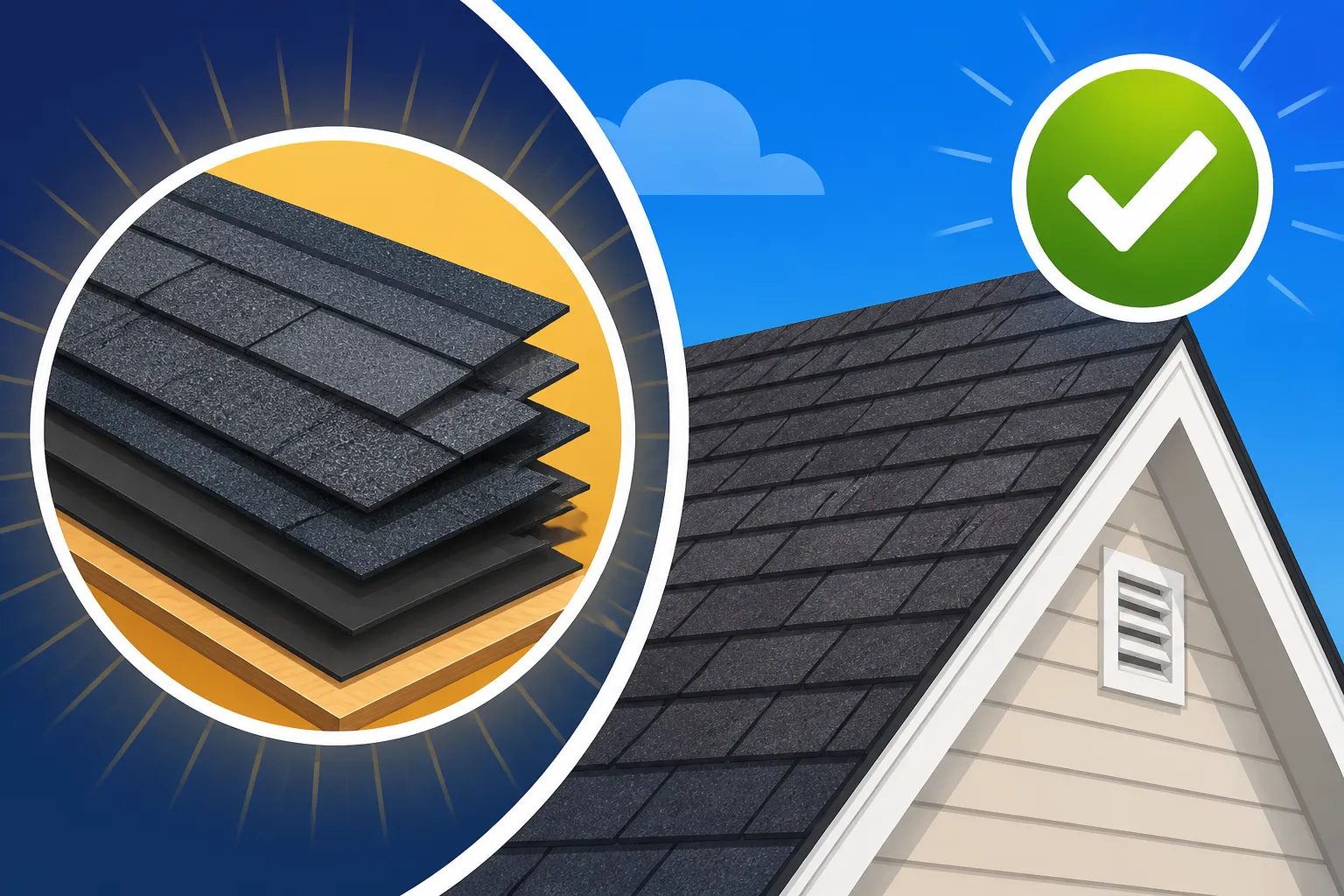
While the immediate benefits of an overlay seem clear, the hidden dangers lurk beneath the surface, quietly compromising your home's most critical defense system. One of the most significant concerns is excessive weight. Asphalt shingles are heavy. A single layer of architectural shingles can weigh between 240 to 400 pounds per "square" (a roofing term for 100 square feet). Imagine doubling or even tripling that weight on your roof deck and the underlying framing. Over time, this cumulative load can cause the roof decking to sag, rafters to weaken, and the entire roof structure to become stressed. This isn't just an aesthetic issue; it can lead to serious structural damage, potentially even collapse in extreme conditions like heavy snow loads.
Another major problem is trapped moisture and accelerated decay. When you put new shingles over old ones, you're essentially creating a sandwich. If there's any moisture trapped between the layers, or if the underlying roof has pre-existing issues like leaks or rot, these problems will only get worse, hidden from view. The trapped moisture can't properly evaporate, creating a breeding ground for mold, mildew, and wood rot in the decking and sheathing. This accelerates the deterioration of both the old and new shingles. Furthermore, the existing irregularities, buckles, and curling from the old shingles will telegraph through the new layer, leading to an uneven appearance and preventing the new shingles from sealing properly. This compromises their ability to shed water effectively, making your roof more vulnerable to leaks and reducing the lifespan of your brand-new shingles considerably. What's the point of a new roof if it's failing prematurely due to underlying issues you couldn't see?
Lastly, proper inspection and repair become incredibly difficult, if not impossible. When a new layer is installed over an old one, roofers can't properly inspect the underlying deck for rot, damage, or soft spots. Fasteners might not properly penetrate to the solid decking, leading to shingles blowing off in high winds. If a leak develops, tracing its source becomes a nightmare because there are multiple layers to contend with. The labor to find and fix a leak on a multi-layered roof often negates any initial savings from the overlay.
Building Codes and Roofing Regulations
Understanding building codes is crucial when contemplating any major home renovation, especially a roof replacement. These codes aren't just arbitrary rules; they're in place to ensure public safety, structural integrity, and the longevity of your home. When it comes to the number of shingle layers, these regulations are particularly stringent.
The International Residential Code (IRC) Standard
The vast majority of jurisdictions in the United States, from bustling cities like Phoenix to quiet towns across the Midwest, adopt or base their local building codes on the International Residential Code (IRC). The IRC is a comprehensive model code that provides minimum requirements for one- and two-family dwellings. When it comes to asphalt shingle roofing, the IRC is quite clear: Section R907.3 of the IRC generally states that new roof coverings shall not be installed over existing roof coverings when the existing roof already has two or more applications of any type of roof covering. This means, in plain English, that if your roof already has two layers of shingles, a tear-off is typically required before installing a third. If it only has one layer, then technically, the IRC allows for a second layer to be installed on top.
However, the IRC also has important stipulations. It mandates that any existing roof covering must be "secured to the deck" and "in sound condition" before a new layer can be installed. This "sound condition" clause is where many potential overlays fall short. If the existing shingles are significantly curled, cracked, missing, or show signs of buckling and widespread granule loss, they are not considered in "sound condition." These underlying imperfections will transfer to the new layer, preventing proper sealing and reducing its effectiveness and lifespan. The whole point of this standard is to prevent the dangers we just discussed: excessive weight, accelerated deterioration, and compromised structural integrity. These codes protect you, the homeowner, from costly mistakes and potential hazards.
Local Ordinances Can Vary
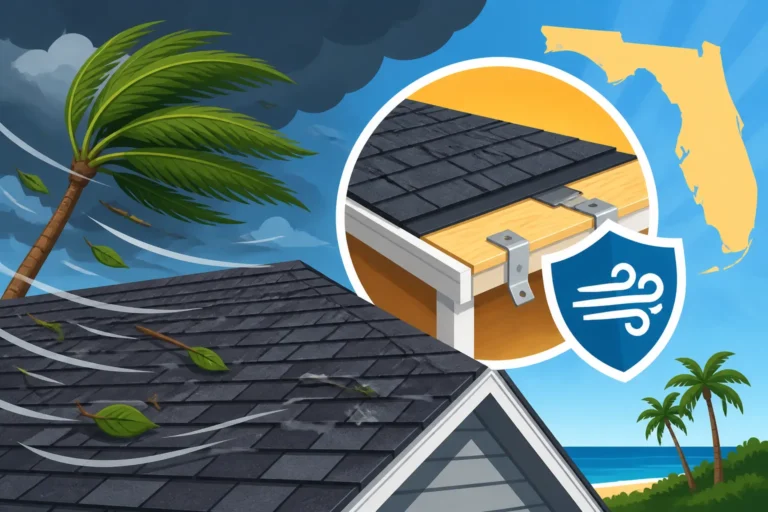
While the IRC provides a foundational standard, it's absolutely critical to understand that local jurisdictions have the power to adopt, modify, or even supersede the IRC's recommendations. This means that what's permissible in one town or county might be strictly prohibited just a few miles down the road. For instance, in many coastal regions like parts of Florida or North Carolina, where hurricanes and high winds are a constant threat, local codes often become much stricter. These areas might outright ban any overlay, permitting only a single layer of shingles over a properly inspected and prepared roof deck, regardless of how many layers were there before. Their reasoning is sound: one well-fastened layer on a clean deck offers superior wind resistance compared to multiple layers where fasteners might not properly engage.
Consider a homeowner in suburban Dallas, Texas, where hail is a frequent concern. While the state of Texas might reference the IRC, Dallas County or the City of Dallas could have specific amendments. They might allow two layers, but require specific underlayment or nailing patterns for the top layer, or perhaps mandate an ice and water shield in certain areas. Conversely, a more rural county in West Texas might have less stringent enforcement or even fewer local amendments, sticking closer to the basic IRC language. This is why you can't assume what's true for your neighbor across state lines, or even in the next town over, will be true for your property. Always confirm with your local building department directly, or ensure your chosen contractor handles this verification diligently. Relying on assumptions can lead to significant headaches down the line, including fines, forced removal of the new roof, or complications when selling your home. Before any work begins, make sure you or your contractor knows exactly what the local rules permit. This due diligence is a non-negotiable step in any roofing project. To learn more about navigating these local rules, check out our guide on Roofing Regulations by State.
Why Building Codes Limit Shingle Layers
It's easy to view building codes as bureaucratic red tape, but when it comes to the number of shingle layers, these regulations are rooted deeply in science and practical experience. They're designed to safeguard your home, your investment, and even the safety of the roofers working on your property. Let's delve into the core reasons behind these limitations.
Structural Integrity and Weight Load
This is perhaps the most fundamental reason why codes limit shingle layers. The sheer weight of asphalt shingles is substantial, and this load multiplies with each added layer. To give you a concrete idea:
- 3-Tab Shingles: Approximately 180-240 pounds per square (100 sq ft).
- Architectural Shingles: Approximately 240-400 pounds per square.
- Designer/Luxury Shingles: Can exceed 400 pounds per square.
Imagine a typical 2,000 square foot home. That's 20 roofing squares.
- One layer of architectural shingles: 20 squares * 300 lbs/square = 6,000 lbs (3 tons).
- Two layers: 20 squares * 600 lbs/square = 12,000 lbs (6 tons).
- Three layers: 20 squares * 900 lbs/square = 18,000 lbs (9 tons).
Now, factor in a heavy snowfall. Fresh, dry snow weighs about 3 pounds per square foot per foot of depth. Wet, packed snow can be 15-20 pounds per square foot per foot of depth. Ice can be even heavier, around 57 pounds per cubic foot. If your roof already carries 6-9 tons of shingle weight, adding several feet of heavy snow can easily push it beyond its designed load capacity. This excessive weight puts enormous stress on the roof decking, rafters, and the entire structural framing of your home. Over time, this stress can lead to visible sagging of the roofline, bowing of rafters in the attic, cracked ceiling drywall inside your home, and even, in severe cases, partial or catastrophic roof collapse. It's a silent threat that slowly compromises your home's integrity, often without immediate, obvious signs until it's too late. The cost of repairing structural damage far outweighs any perceived savings from an overlay.
Accelerated Deterioration and Hidden Issues
Layering new shingles over old ones creates a suboptimal environment that significantly shortens the lifespan of your new roof and masks underlying problems. Here's why:
- Trapped Moisture: The biggest culprit. Old shingles, even if seemingly "okay," might have areas where moisture has penetrated or where organic growth like moss has occurred. Sealing a new layer on top traps this moisture. Without proper ventilation, this moisture has nowhere to go. It can permeate the existing shingles and then the new ones, leading to premature aging, blistering, and granular loss of the new material. Worse still, it creates an ideal environment for mold, mildew, and wood rot to flourish in your roof decking. This hidden rot can weaken the very foundation your shingles are attached to, making them prone to blow-offs and creating persistent leaks.
- Irregularities and Improper Sealing: Old shingles rarely lie perfectly flat. They curl, buckle, and form waves as they age. When a new layer is installed over these imperfections, the new shingles can't lie flat either. This prevents their adhesive strips from properly sealing to the course below them. The thermal sealing process, crucial for shingles to bond and form a monolithic, watertight barrier, is compromised. This makes the new roof far more susceptible to wind uplift and water penetration, rendering its protective capabilities severely diminished.
- Inability to Inspect the Deck: A complete tear-off allows the roofing crew to inspect the roof deck thoroughly. They can identify and replace any rotted or damaged plywood or OSB sections. They can ensure the deck is properly fastened and structurally sound before applying new underlayment and shingles. With an overlay, this critical inspection is impossible. You're effectively building a new roof on an unknown foundation, inviting future problems that could have been easily addressed during a tear-off. For a deeper dive into the cost implications of addressing a compromised roof deck, consider reading our article on Roof Decking Replacement Cost.
Improper Fastening and Warranty Voidance
The way shingles are fastened is vital to their performance, especially against wind. Building codes and manufacturer specifications are very particular about nailing patterns and nail penetration.
- Nail Penetration Issues: Shingles are designed to be nailed directly into the solid roof deck. When you add a second layer, the nails for the new shingles must penetrate both layers of shingles and then securely into the decking. This can be difficult to achieve consistently. Nails might get bent, miss the deck entirely, or not have enough purchase, leaving the new shingles improperly fastened. In high winds, these inadequately secured shingles are much more likely to lift, tear, or blow off entirely. The IRC specifies that fasteners should penetrate at least 3/4 inch into the wood plank or board sheathing, or completely through plywood or OSB. Achieving this through two layers of shingles can be problematic. For more insight into how different nailing patterns impact your roof's resilience, take a look at our post on High-Wind Nailing Cost Premium.
- Voiding Manufacturer Warranties: This is a huge, often overlooked, consequence. Reputable shingle manufacturers like GAF, Owens Corning, and CertainTeed offer robust warranties on their products, often covering defects and, with extended warranties, even installation errors. However, these warranties almost universally require that the shingles be installed according to their strict specifications and all applicable building codes. Installing shingles over existing layers when it's not explicitly permitted by code or manufacturer guidelines will almost certainly void your warranty. Imagine spending thousands on a new roof, only for it to fail prematurely due to improper installation, and then discovering you have no warranty protection because you opted for an overlay. That "initial saving" turns into a devastating loss. Always prioritize proper installation to protect your investment and maintain your warranty coverage.
The Permitting Process and Inspections
Navigating a roof replacement project involves more than just selecting shingles and hiring a crew. It requires adhering to local regulations, which almost always involves obtaining a building permit and undergoing inspections. Many homeowners find this bureaucratic step daunting, but it's a critical part of ensuring your roof is installed correctly and safely.
When a Permit is Required for Roofing
Let's cut right to it: almost any significant roofing project will require a permit. This includes a full roof replacement, installing new shingles, or even putting a second layer of shingles over an existing one (if allowed by code). Repairs that are truly minor, like replacing a handful of shingles or repairing a small section of flashing, generally do not require a permit. However, the definition of "minor" can vary by jurisdiction.
The permit process serves as a crucial checkpoint, ensuring that your roofing project adheres to local building codes, structural requirements, and safety standards. When you or your contractor pull a permit, it's not just a piece of paper; it's an official notification to the municipality that work is being done on your property. This triggers a review of the proposed work against established codes and schedules inspections to verify compliance. For example, if you live in a hurricane-prone area like Southwest Florida, the permit process will ensure your roof meets strict wind mitigation requirements, potentially including specific nailing patterns, advanced underlayment, and drip edge installation. It's really about ensuring your home remains safe and sound. If you're wondering about the specifics for your area, we have a helpful resource titled Do You Need a Permit to Replace a Roof.
The responsibility for obtaining the permit typically falls on the homeowner, but in practice, a reputable roofing contractor will usually handle this on your behalf. They have experience with the local permitting office and can navigate the paperwork efficiently. However, you should always verify that a permit has been pulled and displayed on your property before any work begins. It's your house, and ultimately, you're responsible for ensuring the work is legal and up to code.
What Roofing Inspectors Look For
Once a permit is issued, your roofing project will likely be subject to inspections by a municipal building inspector. These inspections are not just a formality; they are a critical step in verifying the quality and compliance of the work. What do these eagle-eyed inspectors look for? A lot, actually!
- Number of Shingle Layers: This is often the first thing they'll confirm, especially if it's an overlay. They'll verify that the total number of layers does not exceed what is permitted by local code. If you're doing a tear-off, they'll check that the old layers have been completely removed and the deck is clean.
- Roof Deck Condition: For a tear-off, inspectors will meticulously check the roof decking for any signs of rot, water damage, or structural weakness. They'll ensure any compromised sections have been properly replaced or repaired before new materials are installed.
- Underlayment and Ice and Water Shield: They'll confirm that the appropriate underlayment (synthetic or felt) has been installed correctly, with proper overlap and fastening. In colder climates, they'll verify the presence and correct application of ice and water shield in critical areas like eaves, valleys, and around penetrations, as mandated by code.
- Flashing and Drip Edge: Proper flashing around chimneys, skylights, vent pipes, and wall intersections is essential for preventing leaks. Inspectors will ensure these areas are sealed correctly. They'll also check that drip edge is installed along all eaves and rakes to direct water away from the fascia and prevent water damage.
- Ventilation: Adequate attic ventilation is crucial for the longevity of your roof and your home's energy efficiency. Inspectors will check for proper intake and exhaust ventilation, such as soffit vents and ridge vents, ensuring they meet minimum airflow requirements.
- Nailing and Fastening: This is critical. Inspectors may spot-check shingle nailing patterns to ensure they meet manufacturer specifications and local wind uplift requirements. They look for nails that are properly seated, not overdriven or underdriven, and placed in the correct locations on the shingle.
The inspector's job is to ensure that the work performed not only meets the minimum safety and quality standards but also adheres to the specific codes in your area. This protects your investment and ensures your roof performs as it should for its intended lifespan. You can learn more about what they check in our detailed article on Roofing Inspection: What Inspectors Check.
Consequences of Not Following Code or Getting a Permit
Skipping the permit or intentionally disregarding building codes might seem like a way to save money or time, but it's a gamble with potentially severe and expensive consequences. It's truly not worth the risk.
- Fines and Forced Remediation: If discovered, local authorities can issue hefty fines. Beyond the financial penalty, they can issue a "stop work order" immediately halting the project, or even worse, order you to remove the non-compliant work and start over, costing you double in materials and labor. Imagine having a brand new, unpermitted second layer of shingles installed, only to be told you have to tear it all off and then pay for a new tear-off and new installation. It's a nightmare scenario that happens more often than you'd think.
- Difficulty Selling Your Home: When you decide to sell your home, a professional home inspector will uncover any unpermitted work or code violations. This can become a major sticking point in negotiations, potentially scaring away buyers or forcing you to address the issue (at significant cost) before the sale can proceed. Many buyers' lenders will not approve a mortgage on a property with major unpermitted work. This means your unpermitted roof could effectively make your home unsellable until it's fixed.
- Insurance Issues: This is perhaps one of the most frightening consequences. If your roof is damaged by a storm, fire, or other covered peril, your homeowner's insurance policy may deny your claim if the roof was installed without a proper permit or in violation of local building codes. Insurers often have clauses in their policies that exclude coverage for damage resulting from non-code-compliant construction. You could be left with a severely damaged roof and no financial recourse, forcing you to pay for repairs or a full replacement entirely out of pocket. For more on this, see our article Does Insurance Cover Roof Replacement.
- Safety Hazards: Beyond the legal and financial ramifications, an improperly installed or overweight roof poses a direct safety hazard to your family and your home. The codes are there to prevent structural failures, leaks, and other issues that can lead to injury or property damage.
Understanding and adhering to the permitting process and building codes is not just about compliance; it's about protecting your biggest investment. For a deeper dive into the risks, we recommend reading What Happens If You Skip a Roofing Permit.
Tear-Off vs. Overlay (Reroofing)
This is the big debate when your roof reaches the end of its life: should you go for a complete tear-off, stripping everything down to the bare deck, or try to save some money with an overlay (also known as a reroof)? While the allure of the latter is strong, understanding the pros and cons is essential for making an informed decision that truly benefits your home in the long run.
The Case for a Complete Tear-Off
When you opt for a complete tear-off, you're essentially giving your home a fresh start, and that comes with a host of undeniable benefits that often far outweigh the initial higher cost. Think of it like this: would you build a new house on a shaky foundation? Of course not. Your roof is no different.
- A Clean Slate and Proper Inspection: This is the single biggest advantage. By removing every old shingle, nail, and underlayment layer, the roofing crew gains full visibility of your roof deck. This allows them to thoroughly inspect the plywood or OSB for any signs of water damage, rot, soft spots, or compromised areas. If any issues are found, they can be addressed and repaired before the new roof goes on. This ensures your new shingles are laid on a solid, sound foundation, preventing future structural problems or leaks that might have been hidden beneath an old layer. It's like having peace of mind knowing your foundation is strong.
- Optimal Installation and Performance: With a clean deck, new underlayment (whether it's traditional felt or a modern synthetic version) can be installed smoothly and correctly. The new shingles will lie perfectly flat, allowing their self-sealing adhesive strips to activate properly. This creates a more robust, weather-tight barrier against wind and rain. Proper nailing directly into the solid deck ensures maximum wind uplift resistance and adherence to manufacturer specifications, which in turn preserves your valuable manufacturer warranty.
- Enhanced Longevity and Curb Appeal: A roof installed on a clean deck, following all best practices, will perform better and last longer. You're getting the full expected lifespan out of your investment, which often isn't the case with an overlay. Additionally, a smooth, unblemished new roof significantly boosts your home's curb appeal and can even increase its resale value, making it a more attractive feature for potential buyers.
- Code Compliance and Warranty Protection: A tear-off ensures that your new roof will be 100% compliant with current building codes, removing any ambiguity or risk of future fines. Crucially, it ensures your manufacturer warranty remains valid, protecting you from defects for decades to come.
Yes, a tear-off does cost more upfront. You'll factor in the additional labor for removal and disposal. To give you a better idea of what this entails, you can explore our detailed article on the Cost of Roof Tear-Off and Disposal. However, considering the long-term protection, performance, and peace of mind it offers, a complete tear-off is almost always the superior choice and the recommended approach by roofing professionals and building codes alike.
When an Overlay Might Be Considered (and the Risks)
While a tear-off is almost always recommended, there are extremely rare instances where an overlay might be considered, but only if local codes explicitly allow it and the existing roof meets very specific, stringent criteria. This is not a decision to be taken lightly and should only be made after a thorough professional inspection.
For an overlay to even be a theoretical option:
- Only One Existing Layer: Your roof must only have one layer of shingles currently on it. If there are already two, an overlay is almost universally prohibited by code.
- Existing Roof in Excellent Condition: This is the big "if." The existing single layer of shingles must be in near-perfect condition. This means no significant curling, no widespread cracking, no missing shingles, no substantial granule loss, and no signs of underlying rot or structural issues. The roof deck beneath must also be perfectly sound, with no sagging or soft spots. Essentially, the old roof has to be so good that it barely needs replacing, which kind of defeats the purpose, doesn't it?
The risks associated with an overlay, even in these rare circumstances, are substantial and often outweigh the perceived short-term savings:
- Compromised Longevity: Even if the old roof seems okay, underlying wear and tear will eventually affect the new layer. The combined weight and potential for trapped moisture will still accelerate the deterioration of both layers, meaning your "new" roof won't last as long as a tear-off.
- Hidden Damage Goes Undetected: Without seeing the bare roof deck, any existing rot, insect damage, or structural weakness remains hidden. These issues will only worsen over time, leading to more costly and complex repairs down the road.
- Uneven Appearance: The imperfections of the old roof, like slight curling or minor buckling, will inevitably "telegraph" through the new layer. This results in a bumpy, uneven appearance that detracts from your home's curb appeal.
- Warranty Issues: As mentioned, most manufacturer warranties are voided by improper installation, which often includes overlays unless very specific conditions are met and documented.
- Decreased Wind Resistance: Fasteners might not properly penetrate two layers into the solid deck, making the entire system less resistant to high winds and more prone to blow-offs.
While the upfront cost for an overlay is less, you're essentially paying for Cost to Roof Over Existing Shingles and getting a roof that will likely last a shorter period, perform sub-optimally, and potentially cost you more in future repairs or warranty issues. It's often a false economy.
Evaluating Your Specific Situation
Deciding between a tear-off and an overlay requires careful consideration, but for the reasons outlined above, a complete tear-off is almost universally the recommended approach by roofing professionals. If you're currently trying to assess your roof, here's a realistic look at how to approach it:
First, acknowledge that trying to evaluate the suitability of your current roof for an overlay yourself is incredibly difficult. Most homeowners can't see the full scope of subtle damage, deck conditions, or structural integrity issues from the ground. What might look like minor granule loss to you could be a sign of significant wear. What appears to be a flat existing layer might have imperceptible undulations that will compromise a new layer.
The most crucial step is to get multiple, detailed estimates from reputable, licensed, and insured roofing contractors. When they come for an estimate, specifically ask them about the condition of your existing roof and whether an overlay is even a viable (or legal) option in your area. A good contractor will perform a thorough inspection, often involving climbing onto the roof to physically check the shingles, flashing, and overall condition. They should be able to articulate why a tear-off is necessary or, in very rare cases, why an overlay might be possible, along with all the associated risks. Be wary of any contractor who immediately pushes for an overlay without a detailed inspection or doesn't mention local code compliance.
Here's a table to help you visualize the comparison:
| Feature/Consideration | Complete Tear-Off | Overlay (Reroofing) |
|---|---|---|
| Initial Cost | Higher (includes removal & disposal) | Lower (saves on removal & disposal) |
| Structural Integrity | Allows full deck inspection & repair; optimal load | Adds significant weight; masks deck issues |
| New Roof Lifespan | Maximized; full expected durability | Reduced; premature aging likely |
| Warranty Validity | Typically fully valid with proper installation | Often voided or severely limited by manufacturers |
| Code Compliance | Ensures adherence to current codes | Risk of non-compliance, especially if 2+ layers exist |
| Leak Detection/Repair | Straightforward | Difficult to trace due to multiple layers |
| Appearance | Smooth, pristine finish | Can show underlying imperfections (bumpy, wavy) |
| Moisture Management | Optimal; new underlayment, clear deck | Traps moisture; accelerates rot and mold |
| Resale Value | Adds significant value, no issues for buyers | Potential deal-breaker; reduces value |
| Disruption | More debris, slightly longer installation | Less initial mess, faster installation |
Ultimately, for most homeowners, the long-term benefits, safety, and peace of mind offered by a complete tear-off make it the unequivocally better investment. Don't let short-term savings lead to long-term regrets.
Regional Variations and Specific State Examples
As we've discussed, while the International Residential Code (IRC) provides a baseline, local and state-level regulations can significantly alter what's permissible for roofing. This means that "How many layers of shingles are legal?" can have a different answer depending on where your home is located.
States with Stricter Regulations
Certain states and regions, often those prone to severe weather events or with specific environmental concerns, have adopted stricter building codes that go beyond the IRC's baseline. These codes are designed to enhance the resilience and safety of homes in vulnerable areas.
- Florida: As a state frequently impacted by hurricanes, Florida has some of the most rigorous building codes in the nation, particularly concerning roofing. The Florida Building Code (FBC) is highly detailed about wind resistance, fastening requirements, and acceptable roofing practices. In many parts of Florida, overlays are strictly prohibited, and only a single layer of shingles (or other roofing material) installed on a clean, inspected deck is allowed. This is a direct response to the devastation caused by past hurricanes, where multi-layered roofs were more prone to catastrophic failure. Additionally, specific requirements for things like continuous drip edge, enhanced underlayment adhesion, and robust fastening schedules are often mandated. Homeowners in coastal Florida should expect a full tear-off every time. For information specific to this region, you might be interested in Roofing Cost in Hurricane Zones.
- California: California's building codes are influenced by both seismic activity and a strong focus on energy efficiency. While not as universally restrictive on overlays as Florida, many municipalities within California will have strict rules. For instance, in areas prone to wildfires, specific fire-resistant roofing materials and installation methods are mandated. Furthermore, the state's push for "cool roofs" (which reflect sunlight and reduce heat absorption) can influence material choices. Local jurisdictions in California may also have stricter requirements for waste disposal and recycling of old roofing materials, which indirectly encourages tear-offs by emphasizing proper waste management.
- Texas: Texas is a vast state with diverse climates, from the humid Gulf Coast to the arid west. While the state generally allows for two layers of asphalt shingles, many cities and counties within Texas have adopted stricter rules, especially in hail-prone areas. For example, some cities might allow an overlay but require the top layer to be Class 4 impact-resistant shingles, which offer superior protection against hail damage. Other areas might permit two layers but strongly recommend a tear-off due to the prevalence of severe storms. Contractors operating in Texas are well aware that "the code" can change every few miles, underscoring the importance of checking local ordinances. If you're in the Lone Star State, our guide on Roofing License Requirements in Texas might be a good resource.
These examples highlight that regional environmental factors and past experiences with severe weather directly influence local building codes. Always remember that the most conservative approach, which often means a single layer on a clean deck, is usually the safest and most compliant. For a comprehensive overview of how regulations might differ from state to state, our article on Roofing Regulations by State is an excellent resource.
How to Research Local Rules
Given the variability of building codes, "checking local rules" isn't just a suggestion; it's a non-negotiable step before embarking on any roofing project. You cannot simply assume what you read online or hear from a friend in another town applies to your specific property.
Here's how to effectively research local roofing regulations:
-
Your Local Building Department is Your Best Resource: This is the most authoritative source of information. You'll typically find this under your city or county government's website or in their official municipal offices. Look for departments named "Building & Safety," "Permit & Inspections," or "Planning & Zoning."
- Website: Many municipalities have their building codes, ordinances, and permitting requirements published online. Look for sections related to "roofing permits," "residential construction," or "building code amendments."
- Phone Call/Visit: If you can't find what you need online, a quick phone call or a visit to the department can clarify things. Be prepared to provide your property address so they can look up any specific zoning or historical district requirements.
- Specific Questions to Ask:
- "What is the maximum number of asphalt shingle layers permitted on a residential roof in my specific jurisdiction?"
- "Are there any specific requirements for underlayment, flashing, or ventilation for a roof replacement?"
- "What is the process for obtaining a roofing permit, and what inspections are required?"
- "Are there any local amendments to the International Residential Code (IRC) that apply to roofing?"
- "Does my property have any specific historic district or HOA restrictions that affect roofing materials or colors?" (While the building department might not govern HOAs, they often know if your area has such overlays).
-
Reputable Contractors Know the Ropes: A truly reputable, local roofing contractor will be intimately familiar with the building codes in your area. They pull permits regularly and interact with local inspectors. Ask them directly about the number of layers allowed, and don't hesitate to ask for proof or references to the specific code sections. A good contractor will explain this clearly and often include the permit process as part of their service. However, it's still good practice to verify what they tell you with the building department yourself.
-
Homeowners' Associations (HOAs): If your home is part of an HOA, they often have their own set of rules and architectural guidelines that may dictate approved roofing materials, colors, and even the type of shingle. While these are separate from municipal building codes, you must comply with both. Your HOA might not care about the number of layers, but they will care if your new roof is a different color than approved.
By taking the time to research and understand your local rules, you can ensure your roofing project is compliant, avoids costly penalties, and ultimately provides the protection and longevity your home deserves. For more practical advice on this, check out our guide on How to Check Local Roofing Codes.
Impact on Insurance and Home Value
Getting a new roof is a significant investment, and its impact extends beyond just keeping your home dry. It directly influences your homeowner's insurance and your property's overall market value. Understanding these connections is vital, especially when considering the implications of shingle layers and code compliance.
Insurance Implications of Non-Code Compliant Roofs
Homeowner's insurance is designed to protect your most valuable asset from unexpected perils like storms, fire, and other damages. However, an improperly installed or non-code-compliant roof can severely complicate, if not outright jeopardize, your insurance coverage.
- Denied Claims: This is the most dire consequence. If your roof suffers damage – say, from a severe hailstorm or high winds – and your insurance company discovers it was installed without a proper permit or in violation of local building codes (like having an illegal third layer of shingles), they can deny your claim. Their argument would be that the damage was either a direct result of the non-compliant installation or that the roof was not insurable under their terms due to the violation. Imagine a massive storm ripping through your neighborhood, and while all your neighbors are getting their roofs replaced by insurance, you're left footing the entire bill for a full tear-off and replacement. It's a devastating financial blow.
- Higher Premiums or Difficulty Obtaining Coverage: Even if a claim isn't denied outright, an insurer might view a non-code-compliant roof as a higher risk. This could lead to significantly higher insurance premiums, making your home more expensive to insure. In some cases, particularly if an older, unpermitted overlay is discovered during a home inspection when you're switching insurance providers, new insurance companies might refuse to offer coverage until the roof is brought up to code. This can create a stressful situation, leaving your home uninsured until the issue is resolved.
- Coverage Limitations: Some policies might still offer coverage but with specific limitations or exclusions related to non-compliant components. For example, they might cover the interior damage from a leak but refuse to pay for the roof repair itself if the leak stemmed from a code violation. Always review your policy carefully and ask your agent direct questions about how code compliance affects your coverage.
Insurance companies are in the business of assessing risk. A roof that doesn't meet current building codes is, by definition, a higher risk for them. Ensuring your roof is installed correctly and permitted is not just about legality; it's about protecting your financial security. For further details on how insurance companies approach roof replacements, refer to our comprehensive guide on Does Insurance Cover Roof Replacement.
Resale Value and Home Inspections
When it comes time to sell your home, the condition and compliance of your roof will come under intense scrutiny. A non-code-compliant roof can significantly impact your home's resale value and even deter potential buyers.
- Deal-Breaker for Buyers: Imagine you're a potential buyer, excited about a house, but the home inspection report flags the roof as having an illegal third layer of shingles or notes that it was installed without a permit. This immediately raises red flags. Buyers will worry about structural integrity, future leaks, and the potential for denied insurance claims. Many will simply walk away from the deal, not wanting to inherit such a significant and costly problem.
- Demands for Remediation: If a buyer is still interested, they will almost certainly demand that the roof be brought up to code before closing, or they'll ask for a substantial credit to cover the cost of a full tear-off and replacement. This puts you, the seller, in a difficult negotiating position, often forcing you to accept a lower price or incur significant, unexpected costs right before moving.
- Challenges with Lenders: Mortgage lenders are risk-averse. They want to ensure the property they're financing is a sound investment. If a home inspection reveals a major code violation like an unpermitted, multi-layered roof, the lender may refuse to approve the mortgage until the issue is rectified. This can delay the sale for weeks or even months, or cause it to fall through entirely.
- Negative Perception: Even if the issues are resolvable, the fact that there's unpermitted work or code violations can create a perception of a poorly maintained home. This can make buyers wary and cause them to look for other, less problematic properties.
A home inspection is a critical part of the home-selling process. If your roof has issues, they will be found. Proactively addressing any concerns about shingle layers and code compliance before listing your home can save you a world of stress and money. It ensures a smoother sale, potentially a higher asking price, and helps you avoid nasty surprises at the eleventh hour. Understanding what goes into this process can be found in our article Roof Inspection Before Buying a Home. Investing in a proper, code-compliant roof is truly an investment in your home's future value and marketability.
Choosing the Right Roofing Contractor
The success of your roofing project, especially regarding adherence to building codes and proper shingle layers, hinges almost entirely on the contractor you choose. This isn't a task to be rushed or taken lightly. Hiring the right professional can mean the difference between a durable, compliant roof and a costly headache.
The Importance of a Licensed and Reputable Professional
When you're entrusting someone with the structural integrity of your home, you need more than just a crew with a truck and a ladder. You need a licensed and reputable professional who understands the nuances of roofing, local building codes, and proper installation techniques.
- Code Knowledge and Compliance: A licensed contractor is required to have a deep understanding of local, state, and national building codes. They know the maximum number of shingle layers allowed, the specific underlayment requirements, the correct nailing patterns for wind resistance, and the necessity of proper ventilation. They won't just tell you they know; they'll demonstrate it by explaining the code requirements for your specific project and ensuring all work meets or exceeds those standards. This expertise is invaluable in avoiding code violations that could lead to fines, forced remediation, or insurance claim denials.
- Proper Permitting: A reputable contractor handles the entire permitting process on your behalf, ensuring the correct permits are pulled and displayed. They act as your liaison with the local building department, scheduling necessary inspections and addressing any questions the inspector might have. This takes a huge burden off your shoulders and ensures the work is legally sanctioned from the start.
- Insurance and Bonding: This is a non-negotiable. Licensed and Insured Roofers: Why It Matters cannot be stressed enough. A licensed contractor will carry liability insurance to protect your property in case of accidental damage during the project, and workers' compensation insurance to cover their crew if someone gets injured on your property. Without this, you could be held liable for damages or medical bills. A bonded contractor offers an extra layer of financial protection, ensuring the project is completed even if the contractor defaults.
- Quality Workmanship and Warranties: Reputable contractors are committed to quality. They use skilled crews, adhere to manufacturer specifications, and often offer their own workmanship warranties in addition to the manufacturer's product warranty. This commitment to quality ensures your new roof will last its intended lifespan and perform effectively.
When you're interviewing prospective roofers, don't shy away from asking tough questions about their licensing, insurance, and their approach to code compliance, especially regarding the number of shingle layers. A good contractor will welcome these questions and provide clear, confident answers. Our guide on How to Choose a Roofing Contractor offers even more detailed advice on vetting potential candidates.
Verifying Permits and Workmanship
Even after you've chosen a reputable contractor, your involvement doesn't end. It's smart to stay engaged throughout the process, especially when it comes to verifying permits and ongoing workmanship. This isn't about distrust; it's about safeguarding your investment.
- Confirm the Permit is Pulled and Posted: Before any demolition or installation begins, ensure the official building permit is displayed prominently on your property, usually in a window or a designated signpost. This verifies that the necessary approvals have been secured. If a contractor starts work without a permit, that's a massive red flag and a sign to immediately halt the project and contact your local building department.
- Understand the Inspection Schedule: Ask your contractor for the scheduled inspection dates. While you don't need to hover over the inspector, being aware of when they're coming allows you to ensure the property is accessible and that the contractor is prepared. It also gives you confidence that the crucial checkpoints are being met.
- Observe the Work (Safely): From a safe distance, observe the progress. Are the old shingles being removed completely (if it's a tear-off)? Is new underlayment being installed before the shingles? Are the shingles lying flat and appearing neatly installed? While you're not a roofing expert, you can often spot obvious inconsistencies or shortcuts. If you have any concerns, voice them politely to your contractor.
- Check for Red Flags: Be vigilant for common contractor red flags. These might include unexpected demands for large upfront payments, significant deviations from the contract without explanation, a lack of communication, or a crew that appears to be cutting corners. For a comprehensive list of things to watch out for, our article on Roofing Contractor Red Flags to Avoid is invaluable.
- Final Walk-Through: Once the project is complete, conduct a thorough final walk-through with your contractor. Inspect the roof (from the ground or a safe vantage point), check for proper clean-up of debris and nails, and ensure all contract terms have been met. This is your opportunity to address any final concerns before making the last payment.
By being an informed and engaged homeowner, you play a crucial role in ensuring your roofing project is done correctly, legally, and to the highest standards. A good contractor will appreciate your diligence and transparency.
Disclaimer
Please remember that the information provided in this guide is for general informational purposes only and is not intended as professional advice. Building codes and regulations vary significantly by location and can change frequently. Always consult with a qualified, licensed, and insured roofing professional and your local building department before making any decisions about your roof. They can provide the most accurate and up-to-date information specific to your property and jurisdiction.