Common Problems with a 15-year-old Asphalt Roof
It's incredibly frustrating when your asphalt roof starts showing its age, especially around that 15-year mark. You might be seeing some minor issues and wondering if they're just normal wear and tear or signs of something much more serious brewing underneath. This comprehensive guide will walk you through the most common problems that tend to pop up with a 15-year-old asphalt roof, helping you understand what to look for and what your next steps should be to protect your home.
Why 15 Years is a Critical Age for an Asphalt Roof
When your asphalt roof hits the 15-year milestone, it’s like a teenager reaching a growth spurt – things start to change, and not always for the better! While it might seem like a solid age, this period often marks a tipping point where the initial signs of real decline begin to emerge. It’s a crucial time to pay close attention, as what might look like cosmetic flaws could be indicators of deeper, more costly problems if left unaddressed.
Expected Lifespan vs. Reality
Most asphalt shingles are marketed with lifespans ranging anywhere from 15 to 30 years, or even more for certain premium products like architectural or designer shingles. A basic 3-tab shingle, for example, might realistically give you 15-20 years. Architectural shingles, with their thicker construction, often stretch to 25-30 years or more. However, these numbers are often under ideal conditions, which, let's be honest, few homes truly experience. Factors like extreme weather, consistent sun exposure, poor attic ventilation, and even the quality of the initial installation can significantly shorten that expected lifespan.
So, when a roof is 15 years old, it's either nearing the end of its projected life if it's a 3-tab, or it's well into its middle age if it's an architectural shingle. It’s precisely at this juncture that you often start to see the accumulated stress manifest. Think of it like a car; at 15 years old, even a well-maintained one will likely need more frequent and significant repairs than it did in its early years. This is when you should really start thinking about How Long Does an Asphalt Roof Last and preparing for eventual replacement.
Accumulative Wear and Tear
Your roof isn't just sitting up there looking pretty; it's constantly battling the elements. Over 15 years, that's thousands of days and nights of scorching sun, freezing temperatures, torrential downpours, hailstorms, and relentless wind. Each of these events, individually, might cause minor, unnoticeable damage. But cumulatively, they degrade the materials, slowly eroding your roof's protective capabilities.
The asphalt itself, initially flexible and resilient, becomes more brittle over time due to the sun's ultraviolet (UV) rays. The fiberglass mat inside the shingles can weaken, and the protective granules, which act as the roof's sunscreen, start to detach. This constant cycle of expansion and contraction from temperature changes, combined with physical assault from weather, chips away at the integrity of every component. Even the best quality shingles will eventually succumb to this relentless assault, and the 15-year mark is often when these subtle, long-term effects become impossible to ignore.
Common Visible Problems You'll Spot
When you look up at your 15-year-old roof, especially from the ground or during a safe inspection, certain visual cues are big red flags. These aren't just cosmetic issues; they directly impact your roof's ability to protect your home. Learning to identify these problems can help you decide whether it's time for some targeted repairs or if a full replacement is on the horizon.
Granule Loss and Bald Spots
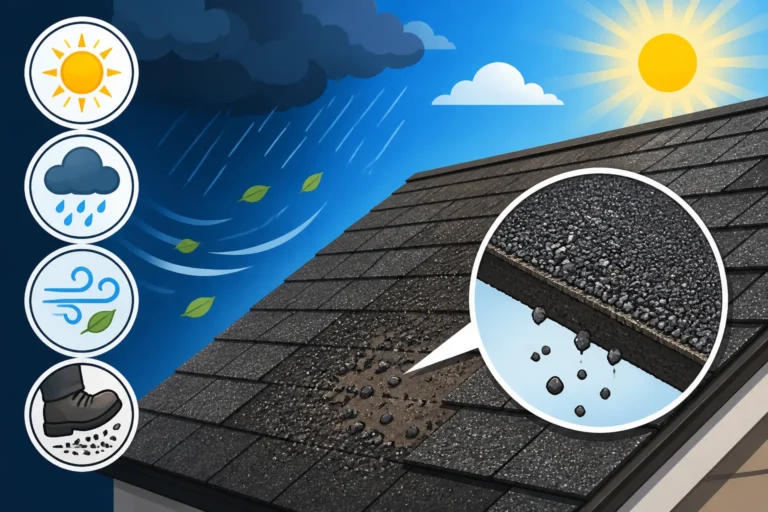
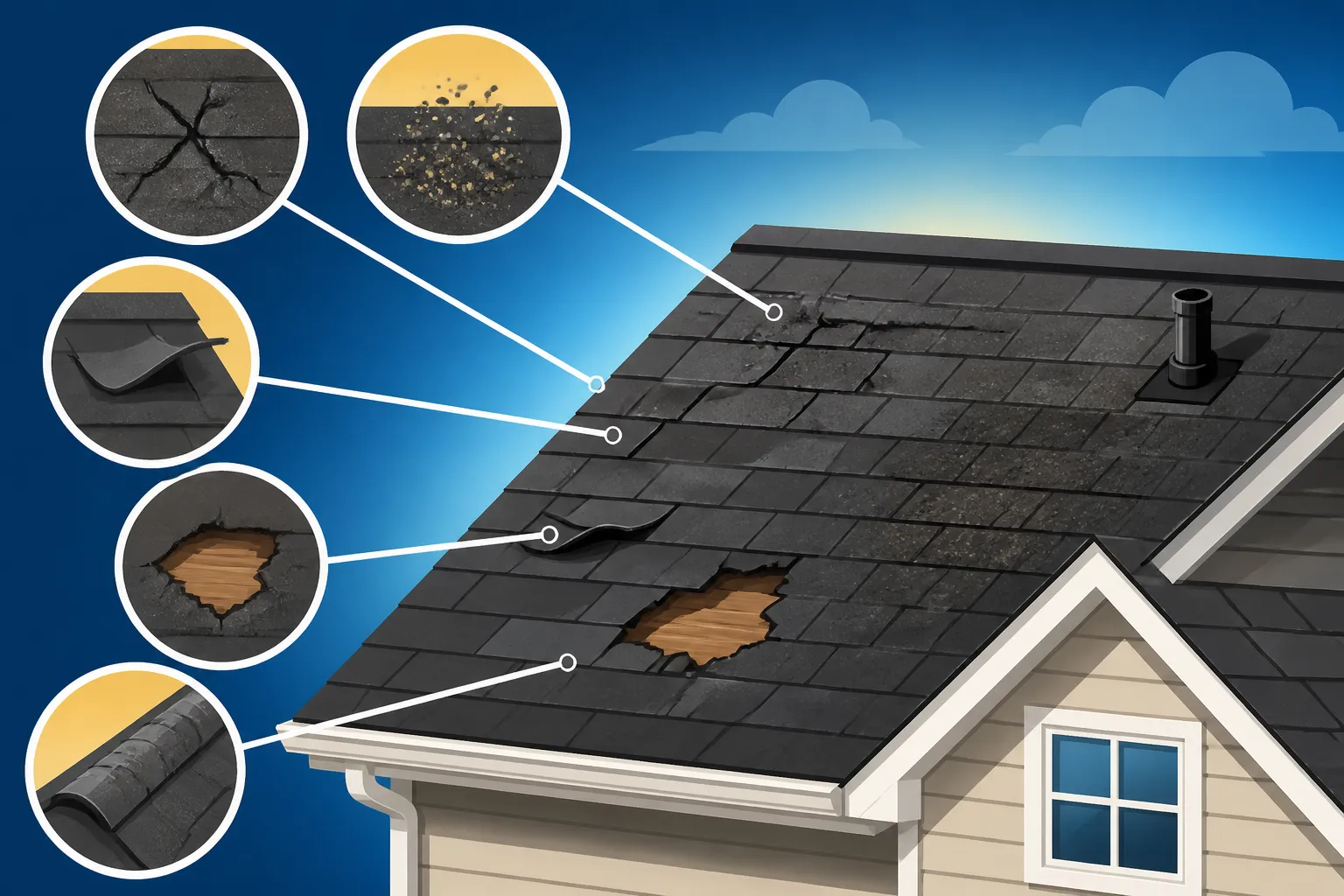
One of the most immediate and worrying signs of an aging asphalt roof is significant granule loss, often leading to "bald spots." Granules are those tiny, ceramic-coated mineral bits embedded in the asphalt layer of your shingles. They do a couple of really important jobs: protecting the asphalt from damaging UV rays and giving your roof its color. When you start to see large patches where these granules have worn away, revealing the dark asphalt mat underneath, it's a clear sign of advanced weathering.
You might first notice granules accumulating in your gutters or at the base of your downspouts after a rainstorm. While some minor granule shedding is normal, especially with newer roofs, excessive amounts are a warning sign. Those exposed asphalt areas are now directly vulnerable to the sun's UV radiation, which will accelerate drying, cracking, and overall degradation of the shingle. This significantly reduces the shingle's lifespan and its ability to shed water effectively. If you're seeing this widespread, it's definitely time to assess. Understanding Granule Loss: Should You Worry is crucial at this stage.
Curling, Cupping, and Clawing Shingles
Another tell-tale sign of an aging roof is when shingles start to lose their flat, uniform appearance. This can manifest in a few ways:
- Curling: The edges of the shingles begin to lift and curl upwards or downwards. This often happens because the shingle's base mat absorbs moisture unevenly, or due to repeated thermal expansion and contraction over years.
- Cupping: Similar to curling, but usually refers to the shingle's edges lifting while the center stays flat, creating a concave or "cup" shape. This is commonly caused by moisture absorption or poor ventilation in the attic, trapping heat and moisture beneath the shingles.
- Clawing: The opposite of cupping, where the center of the shingle lifts while the edges stay down, making the shingle appear claw-like. This is also a result of moisture issues and differential aging.
All three of these conditions compromise the shingle's ability to shed water efficiently, making it easier for wind to get underneath and rip them off, and creating pathways for water to seep into your roof deck. If you're noticing widespread curling, cupping, or clawing, especially across multiple slopes, it's a strong indicator that your shingles are drying out, becoming brittle, and nearing the end of their functional life. For more detailed information, check out Curling Shingles: What They Mean.
Cracked and Broken Shingles
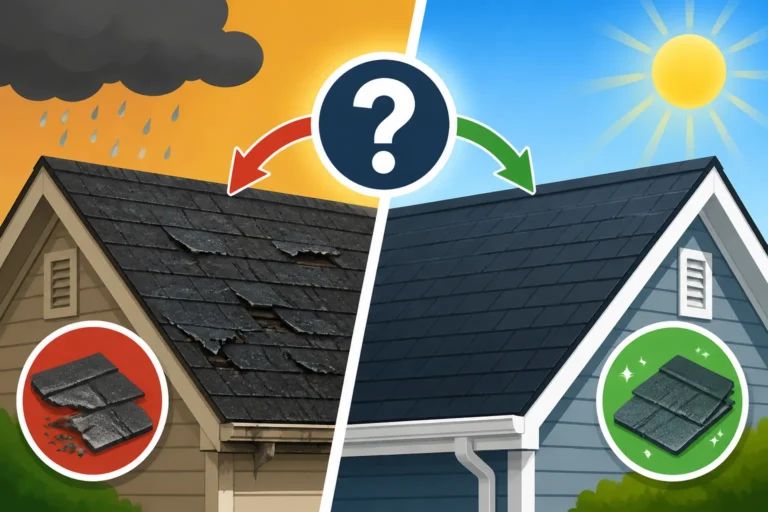
As asphalt shingles age, they lose their pliability and become brittle. This makes them much more susceptible to cracking and breaking, even from minor impacts or temperature shifts. You might see hairline cracks across the surface of the shingles, or larger, more noticeable cracks that extend through the shingle. In severe cases, pieces of shingles might actually break off entirely, leaving gaps in your roof's protective layer.
These cracks can be caused by years of UV exposure, thermal cycling (heating and cooling), or even foot traffic from previous maintenance or inspections. Additionally, impacts from hail, falling branches, or other debris can cause significant damage to brittle 15-year-old shingles that newer, more flexible shingles might have withstood. Any crack in a shingle is an open invitation for water to penetrate, potentially leading to leaks and rot in the underlying roof deck. It's vital to address Cracked Shingles: Causes and Fixes as soon as you spot them.
Missing Shingles
Perhaps the most alarming and visually obvious problem with a 15-year-old roof is missing shingles. When shingles start to curl, crack, or their sealant strips fail (which we'll discuss next), they become much more vulnerable to wind uplift. A strong gust of wind that wouldn't faze a new roof can easily rip a compromised shingle right off a 15-year-old roof.
Missing shingles leave the underlying roof deck, and possibly the underlayment, exposed to the elements. This is an immediate and urgent problem because it creates a direct path for water intrusion, leading to leaks, rot, and potentially expensive damage to your attic, ceilings, and interior walls. If you discover even a single missing shingle, it's a clear sign that your roof's integrity is severely compromised and needs immediate attention. Proactively addressing Missing Shingles: Repair or Replace can prevent a minor issue from becoming a major headache.
Less Obvious, But Equally Serious, Underlying Issues
While visible signs are easy to spot, some of the most insidious problems with a 15-year-old asphalt roof lurk beneath the surface, or in less conspicuous areas. These issues often go unnoticed until a leak suddenly appears, causing significant damage. A thorough inspection goes beyond just looking at the shingles themselves.
Failing Shingle Sealant Strips
Modern asphalt shingles come with a thermally activated sealant strip, often made of a modified asphalt adhesive. This strip is designed to bond each shingle to the one below it once the roof heats up under the sun. This creates a strong, monolithic barrier that resists wind uplift and prevents water from being driven underneath the shingles. Over 15 years, however, these sealant strips can begin to degrade.
The constant exposure to UV rays and temperature fluctuations can cause the sealant to dry out, lose its stickiness, or even completely crack and break down. When these strips fail, the shingles are no longer properly sealed together. This makes them highly susceptible to wind damage, allowing gusts to lift and even tear off shingles that otherwise appear to be in decent condition. It also means that wind-driven rain can more easily penetrate beneath the shingle layers. Understanding How Shingles Are Nailed and Sealed highlights the importance of these strips for your roof's overall resilience.
Compromised Flashing and Sealants
Flashing is your roof's unsung hero, the metal or composite material strategically placed around penetrations and transitions to prevent water from entering. This includes areas like chimneys, skylights, vent pipes, dormers, and valleys where two roof planes meet. While the shingles might get all the attention, failing flashing is a prime culprit for leaks in older roofs.
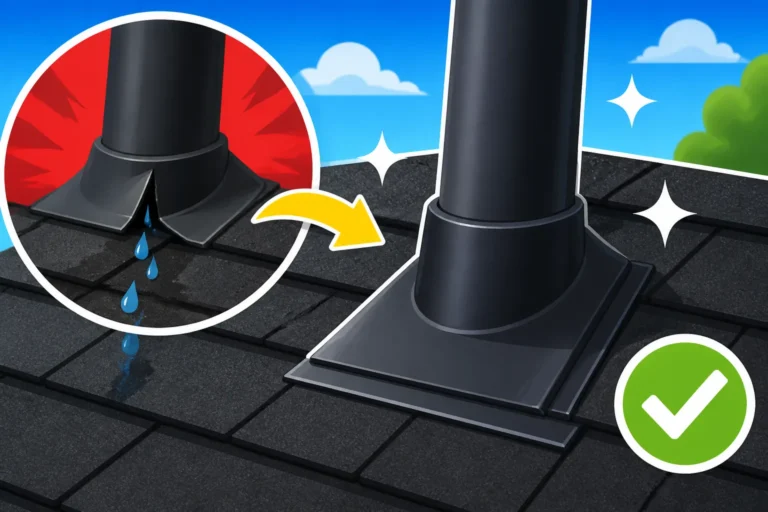
Over 15 years, the caulk seals around flashing can dry out, crack, and pull away. Metal flashing itself can corrode, warp, or even separate from the structures it's protecting due to constant movement and weathering. For example, the step flashing around a chimney might pull away slightly, creating a tiny gap that allows water to trickle in. The rubber boots around vent pipes can crack and deteriorate. These small vulnerabilities, often hidden or hard to see, can lead to significant water damage inside your home before you even realize there's a problem. Addressing Flashing Leak Repair quickly is essential.
Weakened Underlayment
Beneath your shingles lies the underlayment, often a layer of asphalt-saturated felt paper or a synthetic material. Its primary role is to provide a secondary layer of protection against water intrusion, acting as a last line of defense if water gets past the shingles. While it's shielded from direct sunlight by the shingles, the underlayment still ages and degrades over time, especially when the shingles above it are failing.
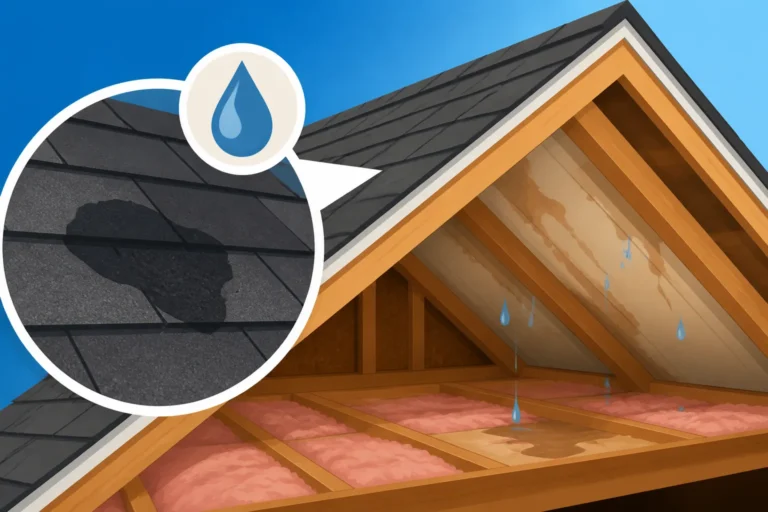
When shingles are lost or severely damaged, the underlayment is directly exposed to UV rays and water, which it's not designed to withstand for extended periods. Even without direct exposure, the constant expansion and contraction of the roof deck and the pressure from the shingles can cause older felt underlayment to become brittle, tear, or even develop small holes. If the primary shingle layer has widespread granule loss, curling, or cracking, it means more moisture is making its way to the underlayment, accelerating its deterioration. A compromised underlayment means your roof is one step closer to interior leaks and potential rot in your roof decking. Learn more about Underlayment Explained: Synthetic vs Felt to understand its critical role.
What to Do When Your 15-Year-Old Roof Shows Its Age
Discovering problems with your 15-year-old asphalt roof can feel overwhelming, but taking a proactive and informed approach can save you a lot of stress and money in the long run. It’s not just about patching up visible issues; it's about understanding the overall health of your roofing system and making smart decisions for its future.
Professional Inspection is Key
When you start noticing these signs of an aging roof, your absolute first step should be to call in a qualified professional for a thorough roof inspection. While you can do a visual check from the ground, getting up on the roof yourself can be dangerous, and a trained eye will spot issues that homeowners often miss. A professional inspector will examine everything, from the condition of your shingles, flashing, and gutters to the ventilation in your attic and the state of your roof deck.
They'll look for subtle indicators of water damage, assess the integrity of all components, and provide you with a detailed report of their findings. They can also tell you if the problems are isolated and repairable, or if they point to systemic failure that warrants a full replacement. You can find experienced and reputable contractors by using services like Modernize, which connects homeowners with qualified professionals in their area, making it easier to get reliable assessments and quotes. A good inspection will answer many questions about Roof Inspection: What They Check.
Repair vs. Replace Considerations
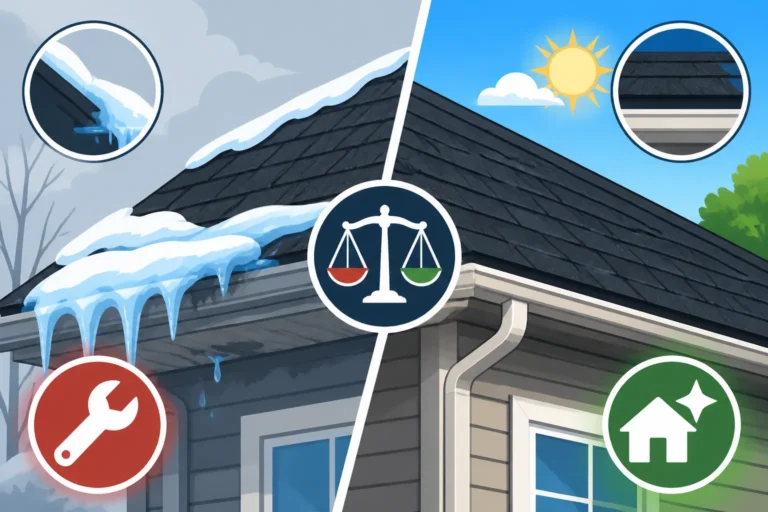
Once you have a professional assessment, you'll face the big question: should you repair the issues or invest in a full roof replacement? This decision often boils down to the extent and severity of the damage, balanced against the remaining life of your roof and your budget.
If the problems are localized—a few missing shingles from one wind event, or a single leaky vent pipe—repairs can be a cost-effective solution to extend the life of your roof for a few more years. However, if the issues are widespread, such as significant granule loss across multiple slopes, extensive curling and cracking, or multiple flashing failures, patching individual problems might be a temporary fix at best and a waste of money in the long run. Trying to perpetually patch a roof that's at the end of its functional life is like putting a band-aid on a dam; it’s not going to hold. Consider the long-term value, as extensive repairs on a very old roof often just delay an inevitable, more costly, replacement. It’s a classic dilemma, and understanding Roof Repair vs Replacement: How to Decide will be invaluable.
Planning for the Future
Even if you opt for repairs on your 15-year-old roof, it's wise to start planning for an eventual replacement. The reality is that at 15 years old, your roof is either approaching or already within the latter half of its expected lifespan. Repairs might give you a few more years, but a full replacement will likely be necessary within the next 5-10 years.
Use this time to research roofing materials, understand the different types of shingles, and get a sense of current costs. Start setting aside funds if possible, or explore financing options. Getting early estimates can help you budget effectively and avoid sticker shock when the time comes. Being prepared means you can make a thoughtful decision rather than a rushed one under pressure when an emergency forces your hand. It's never too early to begin to How to Budget for a New Roof and educate yourself on Signs You Need a New Roof so you're ready when the time comes.
| Common Problem | Visible Signs | What It Indicates | Urgency Level |
|---|---|---|---|
| Granule Loss | Bald spots, granules in gutters, dark patches on shingles | UV exposure, asphalt degradation, reduced shingle life | High |
| Curling/Cupping | Edges lifting or centers sagging | Moisture absorption, brittleness, reduced wind resistance, water penetration risk | High |
| Cracked/Broken | Visible lines, gaps, missing pieces of shingles | Brittle shingles, age-related wear, pathways for water | Very High |
| Missing Shingles | Exposed underlayment or deck, bare patches | Failed sealant, wind damage, direct water entry | Critical |
| Failing Sealant Strips | Shingles lift easily in wind, "flapping" | Loss of wind resistance, potential shingle detachment | High |
| Compromised Flashing | Cracked caulk, rust, gaps around penetrations | Direct leaks around chimneys, vents, skylights | Critical |
| Weakened Underlayment | (Not visible directly) but often accompanies shingle failure | Secondary water barrier compromised, increased leak risk | Moderate-High |
Disclaimer
The information provided in this article is intended for general guidance and informational purposes only, and does not constitute professional advice. Roofing issues can be complex and dangerous. Always consult with a qualified and licensed roofing professional for inspections, assessments, and any repair or replacement work. DIY attempts can lead to injury or further damage to your property.