Are Curling Shingles Covered by Insurance
Seeing those shingle edges curl up like autumn leaves, instead of lying flat and proud, can send a chill down any homeowner's spine. It’s not just an aesthetic issue; it’s a nagging worry about potential leaks and, let's be honest, the big question: "Is this going to cost me a fortune, and will my insurance even help?" This guide will walk you through the nuances of curling shingles and whether your homeowners insurance might offer a helping hand.
Understanding Why Shingles Curl in the First Place
Before we dive into insurance, it’s crucial to understand why shingles curl. It's rarely an overnight phenomenon, and usually, it's a symptom of a deeper issue, often related to age or how your roof was initially installed. Pinpointing the cause is the first step in determining if you have any recourse, insurance-wise or otherwise.
Age and Weathering: The Inevitable Culprit
Most often, when you see shingles curling, it’s a clear sign that your roof is getting up there in years. Asphalt shingles are tough, but they're not invincible. Over decades, they battle the relentless sun, extreme temperatures, and every kind of weather Mother Nature throws at them.
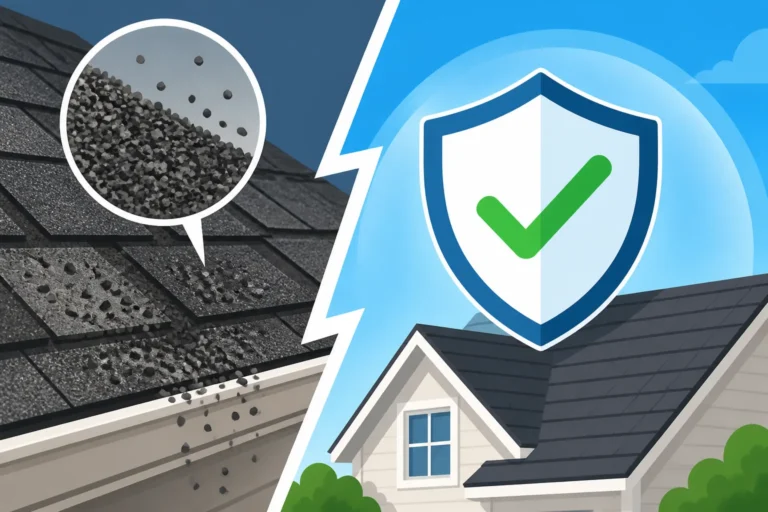
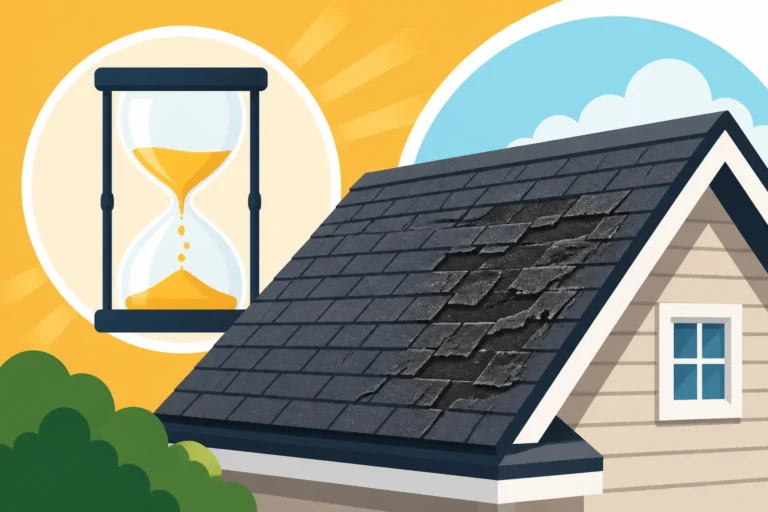
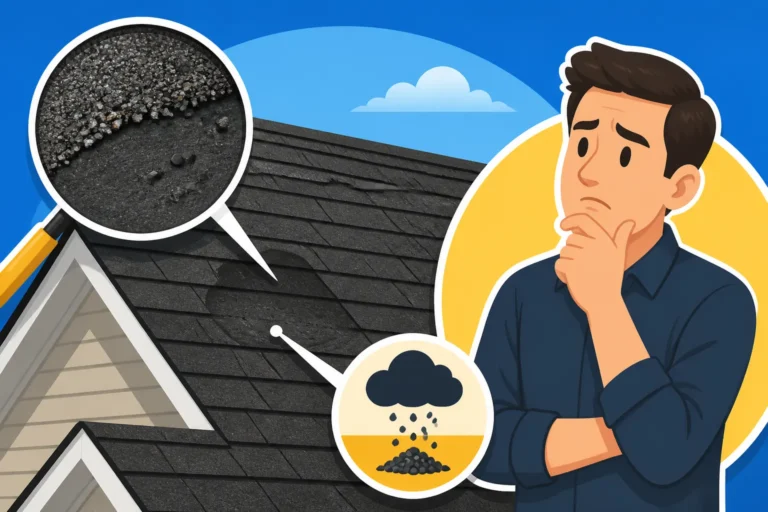
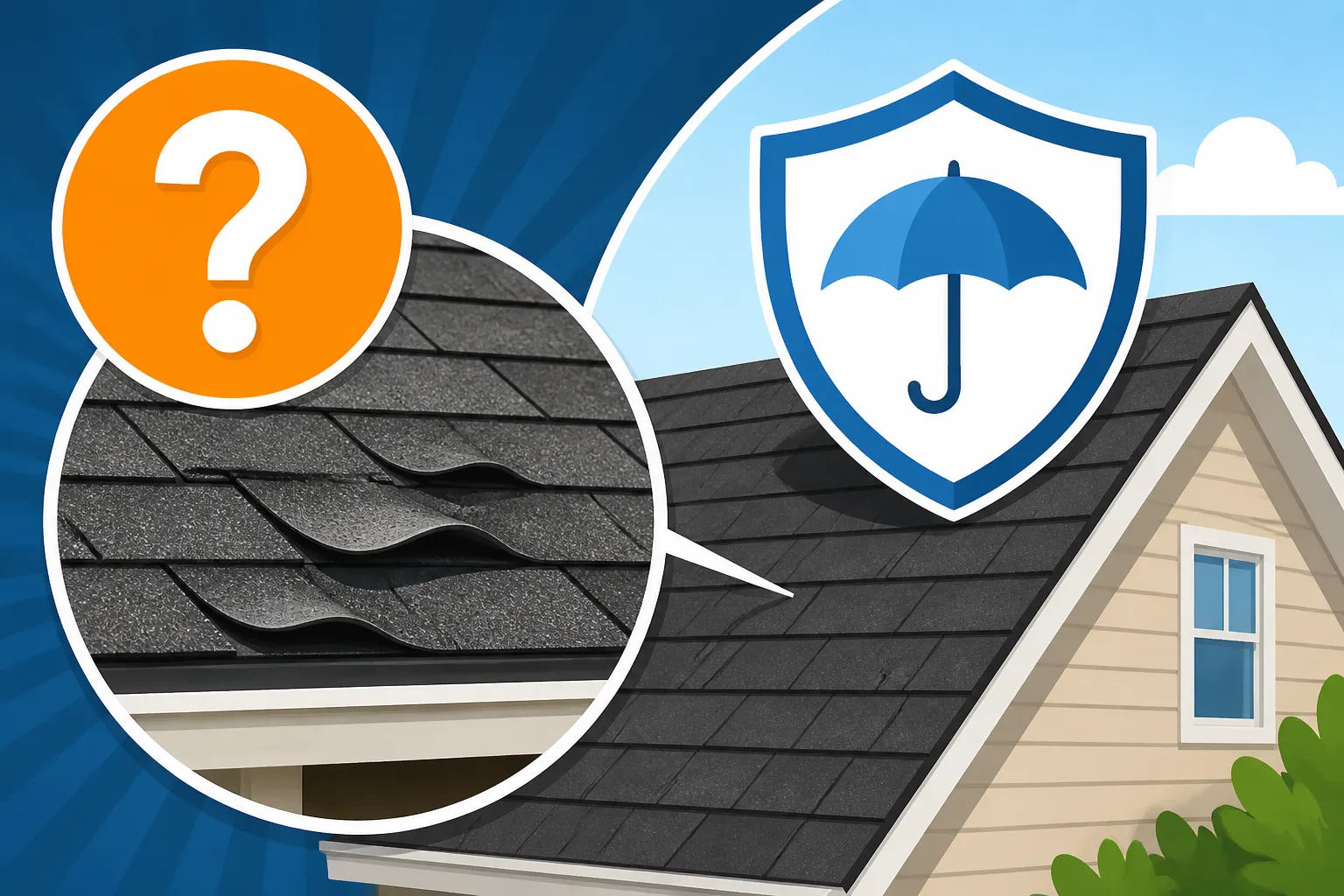
Think about what your roof goes through. Intense UV radiation from the sun slowly bakes the asphalt, causing it to lose its essential oils and flexibility. This is particularly pronounced in sunny states like Florida or Arizona, where the sun beats down relentlessly for much of the year. As the asphalt dries out, the shingle becomes brittle. Then, you have the constant expansion and contraction that comes with daily temperature swings – hot days, cool nights. This cyclical stress causes the granules (those tiny, gritty bits that protect the asphalt) to loosen and fall off, further exposing the shingle to the elements. Without those granules, the asphalt deteriorates even faster. Eventually, the base of the shingle becomes weaker than its edges, or the embedded fiberglass mat within starts to shrink, leading to the tell-tale upward curl, often called "cupping" or "clawing." This process is natural wear and tear, and it’s a primary indicator that your roof is nearing the end of its functional life. Typically, asphalt shingles last between 20 to 30 years, but this can vary significantly based on climate, material quality, and maintenance. If your roof is already a couple of decades old, curling is usually just a polite (or not-so-polite) way of saying it's time to start planning for a full replacement. You can learn more about How Long Does an Asphalt Roof Last to set proper expectations.
Manufacturing Defects and Installation Issues
While age is the most common reason for curling, it's not the only one. Sometimes, shingles curl prematurely due to issues that were present from the very beginning – either a defect in the manufacturing process or problems during the initial installation. These cases, while less frequent, can be particularly frustrating because they mean your roof might be failing long before its expected lifespan.
Manufacturing defects can lead to shingles that aren't quite up to snuff. Perhaps the asphalt mixture wasn't consistent, or the fiberglass mat inside wasn't properly embedded, causing uneven stress within the shingle itself. For example, if a batch of shingles from a manufacturer like IKO or Atlas had an issue with their adhesive strip failing prematurely, that could lead to widespread curling and delamination across a roof, especially in areas with significant sun exposure. It's rare for an entire production run to be faulty, but individual bundles or specific lines can sometimes have issues. On the other hand, poor installation practices can also lead to premature curling. One common culprit is improper nailing. If shingles are nailed too high or too low, or if too many nails are used, it can restrict their natural movement and cause them to buckle or curl. Another often overlooked factor is inadequate attic ventilation. If your attic isn’t properly ventilated, heat and moisture can build up, essentially baking the underside of your roof deck and shingles from within. This accelerated aging can cause shingles to curl and become brittle much faster than they should, even for relatively new roofs. This is why proper roof ventilation, including components like ridge vents or soffit vents, is so critical for the longevity of your roofing system. Unfortunately, proving a manufacturing or installation defect after several years can be challenging, as the burden of proof often falls on the homeowner.
Deciphering Homeowners Insurance Policies and Curling Shingles
Now for the million-dollar question: will your insurance company pay for curling shingles? The straightforward answer is usually "no," but like most things in the world of insurance, there are nuances and specific circumstances where coverage might apply. It all comes down to the nature of the damage.
The "Sudden and Accidental" Rule vs. Gradual Damage
The core principle of homeowners insurance is to protect you against sudden and accidental losses. This means events that are unforeseen, unanticipated, and often catastrophic, like a fire, a tree falling on your house, or severe storm damage from hail or high winds. Your policy is designed to cover these unexpected perils, which is why you pay your premiums year after year.
However, where curling shingles are concerned, they typically fall into the category of "gradual deterioration" or "wear and tear." Insurance companies view these issues as maintenance-related problems, meaning they are the homeowner's responsibility to manage and address over time. Just as your policy wouldn't cover the cost of repainting your house when the old paint starts peeling or replacing a leaky faucet from old age, it generally won't cover a roof that's simply worn out. This is a crucial distinction. When an insurance adjuster comes out to inspect a roof with curling shingles, their primary goal is to determine the cause of the curling. If they conclude that the curling is a result of the shingles reaching the end of their useful life, thermal cycling, UV degradation, or other slow, ongoing processes, your claim will almost certainly be denied. For instance, if you live in Dallas, Texas, and your 25-year-old roof has widespread curling, that's likely considered normal aging for a roof in that climate. This is why understanding the difference between Actual Cash Value vs Replacement Cost Roof Claims is also important; while RCV policies may eventually pay for a covered loss in full, ACV policies will always factor in depreciation for older roofs, which compounds the issue when dealing with age-related wear.
When Curling Shingles Might Be Covered
While age-related curling isn't covered, there are specific, albeit rarer, situations where your insurance might step in. These scenarios hinge on linking the curling directly to a sudden, covered peril, not just general wear.
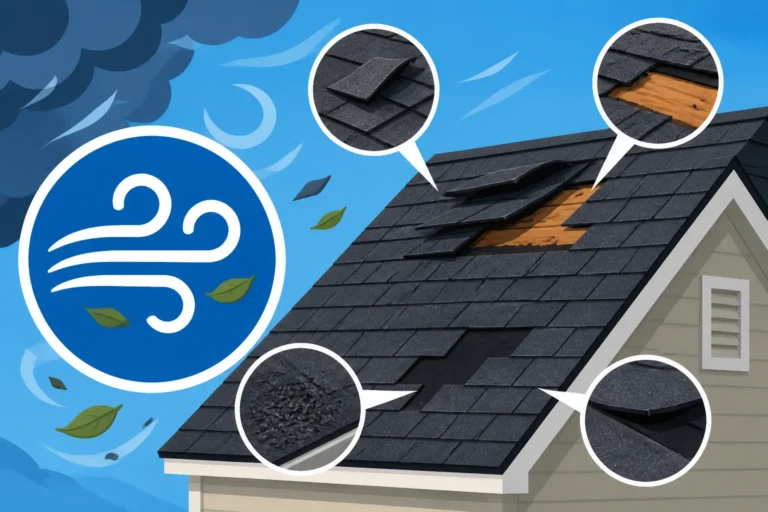
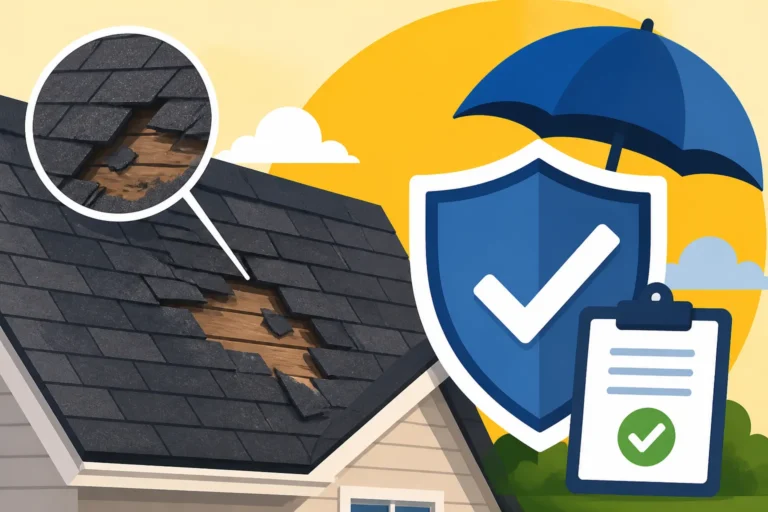
The key here is causation. If the curling itself wasn't directly caused by a sudden event, but existing curling shingles were exacerbated or damaged further by one, you might have a case. For example, imagine you have an older roof with some noticeable curling. Then, a severe windstorm rips through your neighborhood, like the strong winds that sometimes sweep through states like Colorado or Illinois. The wind might not have caused the initial curling, but it could have torn off a significant number of those already curled and weakened shingles, or caused further damage that compromises the roof's integrity. In such a case, the wind damage would be the covered peril, and the adjuster would assess the extent to which the storm contributed to the need for repair or replacement. They're not paying for the curling itself, but for the damage resulting from the covered event impacting an already compromised roof. Another, much less common scenario, involves manufacturing defects that are still under a manufacturer's warranty. If a specific brand, like CertainTeed or Owens Corning, acknowledges a widespread defect in a particular shingle line that causes premature curling, they might cover the cost of replacement under their product warranty. However, this is typically a claim against the manufacturer, not your homeowners insurance. Most insurance companies will require clear evidence that the storm damage directly impacted or detached the already curling shingles, leading to an immediate threat to your home's interior. This is a high bar, but not impossible to clear if you have the right documentation. If your GAF shingles are curling prematurely, for example, it's worth understanding How GAF Shingle Warranties Work before contacting your insurer.
Navigating the Insurance Claim Process with Curling Shingles
If you suspect your curling shingles might be linked to a covered event, navigating the insurance claims process can feel like a daunting task. It requires careful documentation, a good understanding of your policy, and often, professional assistance to make your case effectively.
Documentation and Timelines: Your Best Defense
When you're dealing with insurance, documentation is absolutely everything. If you believe a storm event contributed to your curling shingles or caused further damage to them, you need to act quickly and methodically. Start by thoroughly photographing and video-recording the extent of the curling and any other visible damage to your roof, paying close attention to any areas where shingles may have lifted, detached, or shown signs of impact. Capture wide shots of your entire roof, as well as close-ups of specific damaged areas. If you have photos of your roof from before the alleged storm, even better – these can serve as crucial baseline evidence.
Next, identify the specific date or approximate timeframe of the storm event you believe is responsible. Insurance companies work on timelines, and connecting the damage to a verifiable event (like a severe thunderstorm that rolled through your area on a specific date) is vital. Check local news archives or weather reports for corroborating evidence of high winds or hail in your area around that time. Before you do anything else, contact your insurance provider as soon as possible to report the potential damage. Many policies have strict deadlines for filing claims after an event. Be honest and factual about what you observe, but don't speculate or admit fault. Simply state that you've noticed significant curling and potential storm damage, and you'd like to file a claim. Crucially, resist the urge to start making repairs before the insurance adjuster has had a chance to inspect your roof. Performing repairs could be seen as tampering with evidence, or it might prevent the adjuster from accurately assessing the full scope of the damage. You can review your policy details beforehand, especially your deductible amount, so you know what out-of-pocket costs you might face if the claim is approved.
Getting a Professional Assessment
Beyond your own documentation, obtaining a professional assessment from a reputable roofing contractor is often the single most important step you can take. While an insurance adjuster works for the insurance company, your chosen contractor works for you. They can provide an expert opinion on the cause and extent of the damage, which can be invaluable in supporting your claim.
A good, licensed roofing contractor will conduct a thorough inspection of your entire roof, attic, and surrounding property. They can differentiate between age-related wear and tear, and damage that is clearly attributable to external forces like wind or hail. For instance, an experienced roofer can often spot tell-tale signs of wind uplift on shingles that might otherwise look like simple curling, or identify hail damage that might not be immediately obvious to an untrained eye. They'll also be familiar with local building codes and can assess if the damage necessitates a full roof replacement to meet current standards. When selecting a contractor, look for one that has experience working with insurance claims. Many reputable companies, like those you can find through Modernize, understand the documentation requirements and can help you compile a detailed report, complete with photos and measurements, that you can submit to your insurer. This report acts as an independent, professional assessment that can lend significant weight to your claim, especially if the adjuster's initial assessment differs. They can also provide a detailed estimate for the repairs or replacement needed. Remember, while a contractor can advise you, they shouldn't act as a public adjuster; their role is to assess the roofing work needed. Choosing How to Choose a Roofing Contractor is a critical decision, so take your time and vet them thoroughly.
Proactive Measures and Long-Term Roof Health
Even if your curling shingles aren't covered by insurance this time, it's a huge wake-up call. Taking proactive steps now can save you a world of headaches (and money) down the line. A healthy roof isn't just about protection; it's about peace of mind.
Regular Maintenance and Inspections
The best defense against unexpected roof problems, including premature curling, is a strong offense through consistent maintenance and regular inspections. Think of your roof as a vital component of your home that needs periodic check-ups, just like your car or your own health. By addressing minor issues promptly, you can often prevent them from escalating into major, costly problems that might require an insurance claim.
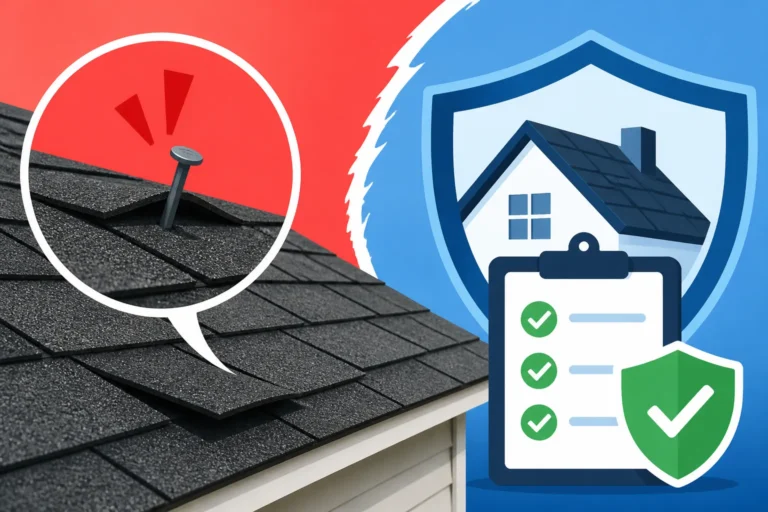
Regularly cleaning your gutters is a simple yet incredibly effective task. Clogged gutters can cause water to back up, overflow, and pool along the eaves of your roof, leading to moisture saturation of your shingles and fascia, which can accelerate deterioration and encourage curling. Trimming overhanging tree branches is another crucial step. Branches that scrape against your roof in the wind can abrade shingle granules, exposing the asphalt to harmful UV rays. Falling branches or accumulated leaves and debris can also trap moisture, fostering moss and algae growth that can lift and damage shingles. Beyond these DIY tasks, scheduling a professional roof inspection at least once every two to three years, or after any significant storm, is highly recommended. A professional roofer can identify subtle signs of wear, loose shingles, nail pops, or areas of granule loss that you might miss from the ground. They can also assess the condition of your flashing around chimneys and vents, which are common areas for leaks. By catching these issues early, you can often make minor repairs that extend the life of your roof, rather than waiting for curling shingles to signal a much larger, more expensive problem. Understanding How Often to Inspect Your Roof is key to staying ahead of roof aging.
Planning for a Roof Replacement
Let's face it: if your shingles are curling, your roof is likely nearing the end of its lifespan, whether insurance covers it or not. This isn't necessarily bad news, but it does mean it's time to shift your focus from "repair" to "replace." Proactive planning for a new roof can alleviate stress and ensure you make a smart investment.
The first step is to start budgeting. A new asphalt shingle roof is a significant investment, often ranging from $10,000 to $20,000 or more, depending on your home's size and the materials chosen. Understanding your How to Budget for a New Roof is crucial. Once you have a general idea of your budget, it's time to start gathering quotes from several reputable roofing contractors. Don't just get one quote; aim for at least three. This will give you a good understanding of the going rate in your area, and allow you to compare materials, warranties, and proposed scopes of work. You'll also want to consider different types of asphalt shingles. While 3-tab shingles are the most basic, architectural shingles (also known as dimensional shingles) offer better durability, a more attractive appearance, and often a longer warranty. If you live in a region prone to severe weather, like the hail-prone areas of Colorado or the high-wind zones of Florida, you might even consider upgrading to Impact-Resistant Shingle Cost options, such as Class 4 shingles, which can sometimes lead to homeowners insurance discounts. Many homeowners use platforms like Modernize to connect with local, vetted contractors who can provide detailed estimates and help them understand their options. Remember, a new roof isn't just an expense; it's an investment that protects your home, enhances its curb appeal, and can even increase its resale value.
Curling Shingles and Insurance Coverage: A Quick Reference
Here’s a summary of common scenarios regarding curling shingles and insurance coverage:
| Cause of Curling Shingles | Typical Insurance Coverage? | Explanation | What to Do |
|---|---|---|---|
| Age/Wear & Tear | No | Gradual deterioration, UV exposure, and thermal cycling are considered routine maintenance issues, not sudden accidents. | Plan for replacement, budget accordingly, obtain multiple quotes. Focus on regular maintenance to maximize current roof life. |
| Poor Installation | No (Homeowners Insurance) | This falls under faulty workmanship. Your homeowners insurance won't cover it. | Check your installation warranty with the contractor; if recent, you might have recourse with them. |
| Manufacturing Defect | No (Homeowners Insurance) | This is a product defect. Your homeowners insurance won't cover it. | Check your shingle manufacturer's warranty; you might have a claim directly with them. |
| Sudden Storm Damage | Potentially Yes | If strong winds, hail, or other covered perils directly caused or significantly exacerbated existing curling, leading to functional damage or detachment. | Document damage immediately, note storm date, contact insurer, get professional roof inspection and report from a reputable contractor. |
| Inadequate Ventilation | No | This is considered a maintenance/design issue that leads to premature wear, not a sudden accident. | Improve attic ventilation immediately. Plan for potential premature roof replacement and factor in ventilation upgrades. |
Disclaimer
Please remember that this article provides general information and guidance. Every insurance policy is unique, and coverage can vary significantly based on your specific policy terms, endorsements, deductibles, and the laws of your state. It is always best to consult directly with your insurance provider or a qualified independent insurance agent to understand your specific coverage and options.