Is Leak Covered by Insurance
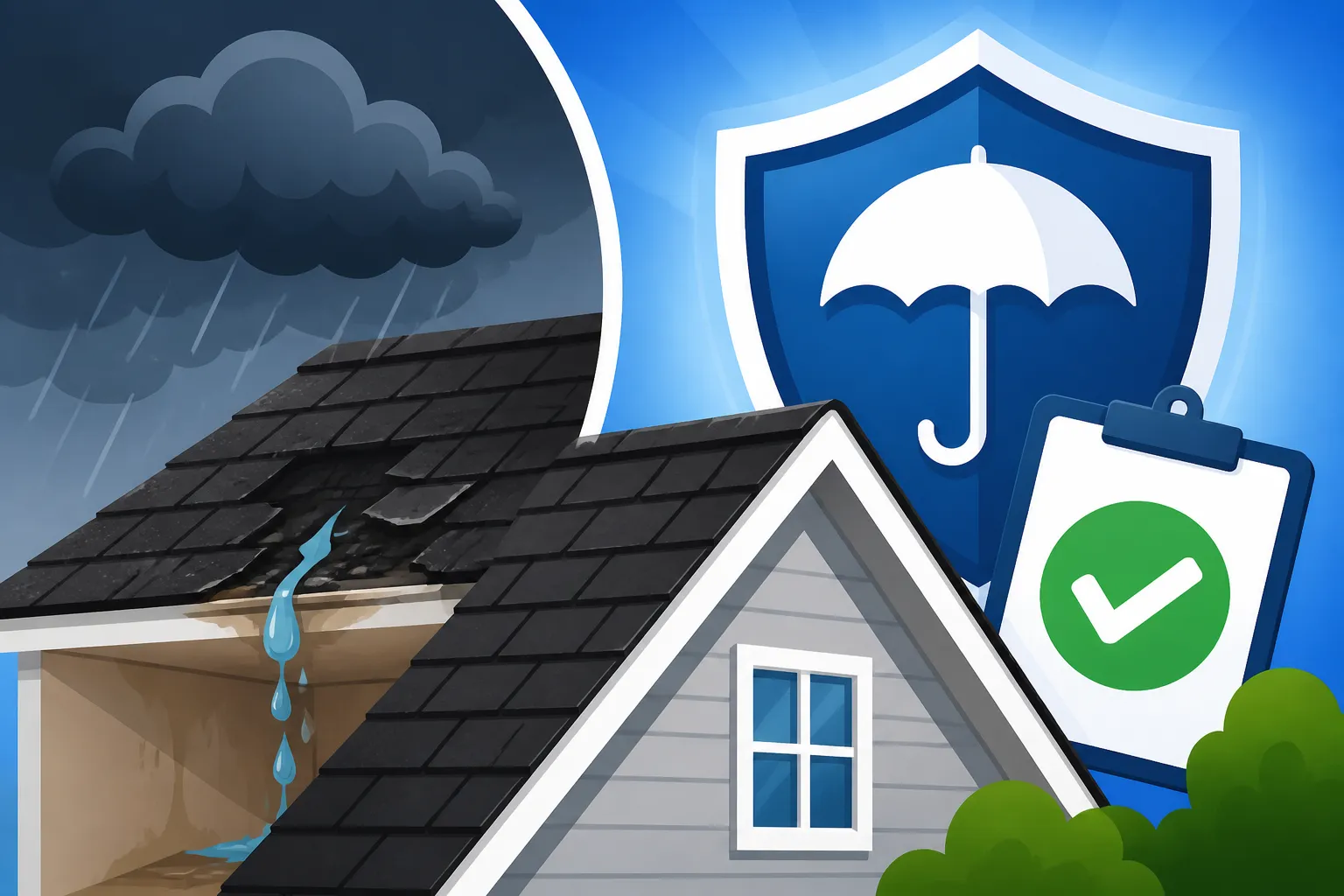
There's almost nothing worse than spotting that tell-tale stain on your ceiling or feeling a drip on your head during a rainstorm. The immediate panic sets in: Is this leak covered by insurance? It's a question that sends shivers down every homeowner's spine, and the answer isn't always straightforward. This comprehensive guide is here to help you understand precisely when and how your homeowner's insurance policy steps in to cover roof leaks, giving you the clarity and peace of mind you deserve.
Understanding Your Homeowner's Insurance Policy and Roof Leaks
When a roof leak rears its ugly head, your first thought probably jumps to your insurance policy. But deciphering what's covered and what isn't can feel like navigating a maze without a map. Most homeowner's insurance policies are designed to protect you from sudden, unexpected damage, not from issues arising from deferred maintenance or age. This distinction is absolutely critical when it comes to roof leaks.
Perils Covered vs. Exclusions
Homeowner's insurance policies typically fall into two main categories: "named perils" or "open perils" (sometimes called "all-risk"). Understanding which type of policy you have is the first step in knowing whether your leak might be covered.
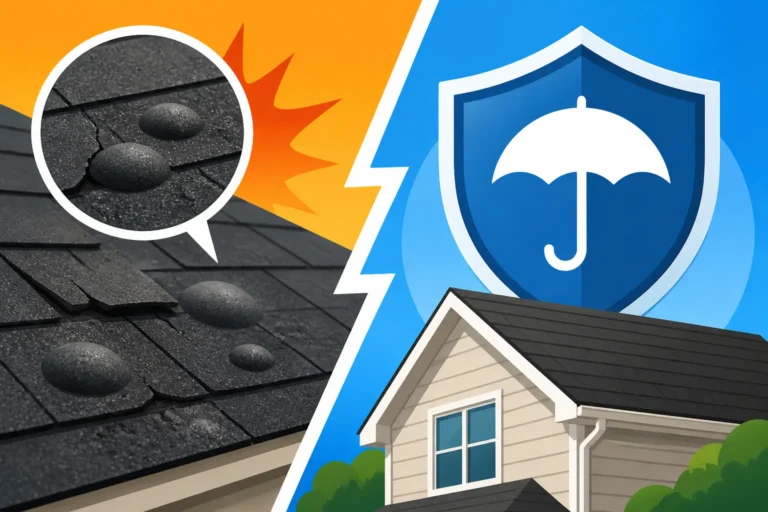
A "named perils" policy explicitly lists the specific events, or "perils," that it covers. If your roof leak is caused by something not on that list, then it's not covered. Common named perils include things like fire, lightning, theft, vandalism, and the big ones for roofs: windstorms and hail. So, if a severe storm rips through your area, and the wind tears off shingles, leading to a leak, that's generally a covered event. Similarly, if a hailstorm pummels your roof, creating dents and cracks that eventually allow water intrusion, your policy will likely step in.
An "open perils" policy, on the other hand, covers everything unless it's specifically excluded. This sounds more comprehensive, and often it is, but those exclusions can be significant. For roof leaks, the exclusions are usually where the heartbreak happens. Most policies specifically exclude damage from neglect, wear and tear, and gradual deterioration. This means if your roof simply reaches the end of its lifespan, with shingles curling, cracking, and losing granules over years of exposure, and then it starts leaking, your insurance won't cover the repair or replacement. It's like your car insurance not covering a flat tire because you drove on bald tires for too long; it's considered preventable maintenance. Additionally, perils like floods (which require separate flood insurance) and earthquakes are almost always excluded from standard homeowner's policies. It's a tough pill to swallow, but if your roof is simply old and tired, you'll likely be footing the bill yourself.
The Role of Deductibles and Depreciation
Even if your roof leak is caused by a covered peril, there are still two major factors that will influence how much your insurance company actually pays out: your deductible and depreciation. These aren't just minor details; they can significantly impact your out-of-pocket costs.
Your deductible is the amount of money you have to pay upfront before your insurance coverage kicks in. For roof damage, especially from wind or hail, some policies have a separate, higher deductible than your standard "all other perils" deductible. For example, you might have a $1,000 standard deductible but a 1% or 2% wind/hail deductible, which for a $300,000 home could be $3,000 or $6,000. It’s crucial to know these figures because if the repair cost is less than your deductible, there’s no point in filing a claim. You’d pay the whole thing anyway.
Then there's depreciation. This is where policies differ significantly in how they pay out. An Actual Cash Value (ACV) policy will pay you the depreciated value of your roof at the time of the loss. This means the older your roof, the less money you'll get, because the insurance company factors in wear and tear. Imagine your 15-year-old asphalt shingle roof, which has a 20-year lifespan, suffers hail damage. With an ACV policy, they'll subtract 15 years' worth of depreciation from the cost of a new roof, leaving you with a smaller payout and a much larger out-of-pocket expense.
In contrast, a Replacement Cost Value (RCV) policy is much more favorable. It pays for the cost to replace or repair your roof with new materials of similar quality, without deducting for depreciation. You typically get an initial payment based on the ACV, and then the remaining depreciated amount is paid out once the repairs are completed and invoices are submitted. This ensures you can actually afford to replace your roof with a new one. Understanding if you have an ACV or RCV policy is paramount, especially if your roof is getting up there in age. You can learn more about these differences in an article like "Actual Cash Value vs Replacement Cost Roof Claims".
Common Scenarios for Roof Leaks and Insurance Coverage
Knowing the general rules about covered perils and exclusions is one thing, but how does it play out in real-world scenarios? The cause of your leak is everything when it comes to an insurance claim.
Leaks from Sudden Storm Damage (Hail, Wind)
This is the golden ticket for insurance coverage, if there ever was one. Leaks caused by sudden, unforeseen storm events like severe hail or high winds are almost always covered under standard homeowner's policies. Hailstones can brutally impact shingles, dislodging granules, bruising the asphalt mat, or even creating cracks that allow water to seep through. Wind, on the other hand, can lift, tear, or completely remove shingles, leaving your roof decking exposed to the elements.
When you discover a leak after a significant storm, the damage is typically fresh, identifiable, and directly attributable to the weather event. For instance, if a squall with 60 mph winds sweeps through your neighborhood in Dallas, Texas, and suddenly you notice water dripping from your ceiling fan, it's highly likely that the wind has compromised your roof. An adjuster will look for visible signs of damage, like missing shingles, creased shingles, or impact marks from hail. This is why immediate documentation is key. You'll want to take plenty of photos and videos of the damage, both inside and outside, as soon as it's safe to do so. This evidence will be invaluable when filing your claim. You can also refer to articles like "Signs of Roof Hail Damage" or "Signs of Roof Wind Damage" to help you identify potential issues after a storm.
Leaks from Gradual Wear and Tear or Neglect
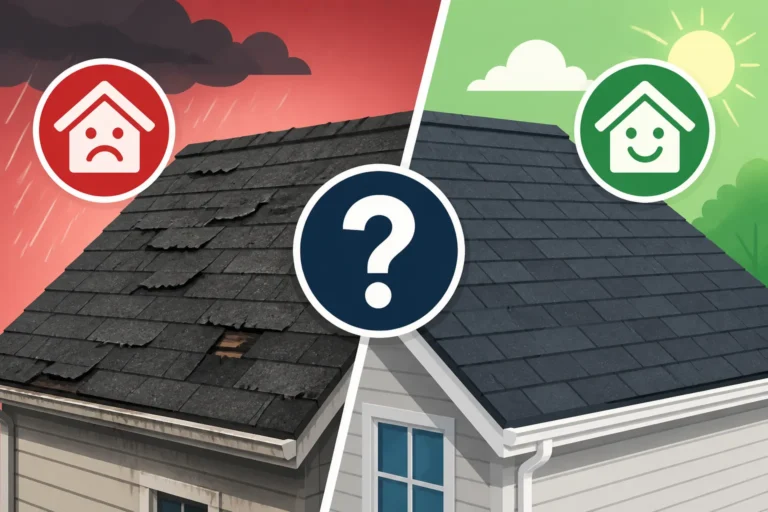
Here's where most homeowners face disappointment with their insurance claims. Leaks that develop over time due to the natural aging of your roof, lack of maintenance, or improper care are typically not covered. Insurance companies view these issues as preventable, part of regular homeownership responsibility, and not sudden "accidents."
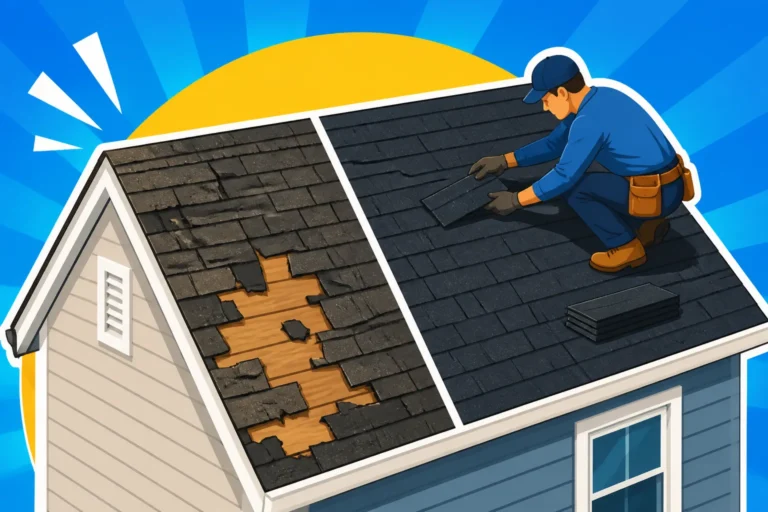
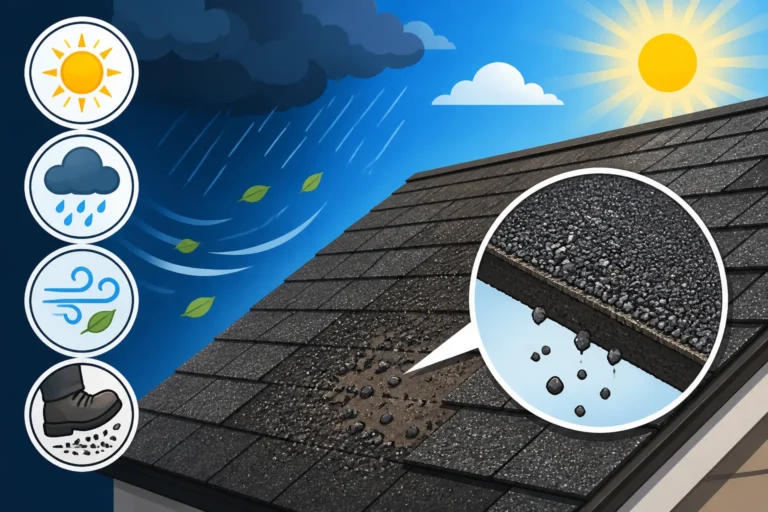
Think about a roof that's seen 25 years of sun, rain, and snow. Over time, the asphalt shingles become brittle, the protective granules wear off, and the sealant strips degrade. You might notice shingles curling at the edges, cracking in the middle, or large patches of granule loss in your gutters. Eventually, these worn-out shingles fail to shed water effectively, leading to a leak. This isn't an "event" in the insurance sense; it's a consequence of the roof simply reaching the end of its functional lifespan. Most asphalt shingle roofs are designed to last between 20 to 30 years, depending on the shingle type and local climate. If your roof is approaching or has exceeded this age, and a leak appears, you're likely looking at a self-funded repair or replacement. Our guide "How Long Does an Asphalt Roof Last" can give you a better idea of your roof's expected lifespan.
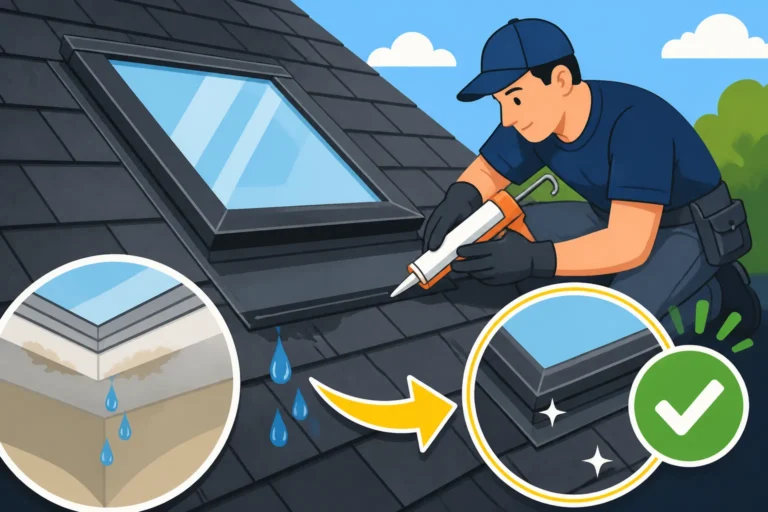
Similarly, if you've neglected your gutters, allowing them to clog with leaves and debris, and this causes water to back up under your shingles, leading to a leak, that's also generally considered a maintenance issue. The same goes for ignoring small, visible problems like a loose piece of flashing around your chimney or a persistently leaky vent pipe. These are things that, if addressed promptly, could prevent a larger, more expensive leak. Insurance companies expect homeowners to maintain their property to prevent such gradual damage.
Leaks from Installation Errors or Manufacturer Defects
Sometimes, a leak isn't due to a storm or an old roof, but rather an issue with how the roof was initially installed or a flaw in the materials themselves. This scenario often falls into a different category than standard insurance claims.
If your roof starts leaking prematurely, perhaps just a few years after installation, and there's no obvious storm damage, the problem might stem from shoddy workmanship or a manufacturing defect in the shingles. For instance, improper nailing patterns, incorrectly installed flashing, or insufficient ventilation can all lead to leaks down the road. In these cases, your homeowner's insurance typically won't cover the repair. Instead, you'd need to rely on the warranty provided by your roofing contractor for their workmanship, or the warranty offered by the shingle manufacturer.
Most reputable roofing contractors offer a workmanship warranty that covers their installation for a certain period, usually 5 to 10 years. Shingle manufacturers like GAF, Owens Corning, or CertainTeed also provide product warranties that cover defects in their materials. However, these often require the roof to be installed by a certified contractor according to their specifications. It's vital to keep all your roofing contract documents and warranty information in a safe place. If you suspect an installation error or a defect, your first call should be to your original roofer or the shingle manufacturer, not your insurance company. Our post on "Roofing Warranties: Manufacturer vs Workmanship" delves deeper into how these protections work.
Navigating the Insurance Claim Process for a Roof Leak
Okay, so you've got a leak, and you suspect it might be covered. Now what? The process of filing a claim can feel daunting, but breaking it down into manageable steps makes it much less stressful.
Immediate Steps After Discovering a Leak
The moment you spot that unwelcome drip, your priority shifts from panic to protection. Taking the right immediate actions can save you a lot of hassle and potentially increase your chances of a smooth claim.
First and foremost, ensure everyone's safety. If water is near electrical outlets or fixtures, turn off the power to that area. Then, focus on containing the leak. Grab buckets, old towels, or anything else that can catch the water and minimize damage to your interior. If the leak is severe, and you can safely access your attic, you might be able to temporarily divert the water into a larger container or even directly outside with a hose, though this requires extreme caution.
Next, and this is crucial for an insurance claim, document everything. Use your phone or camera to take photos and videos of the leak itself, the water stains on your ceiling, walls, or floor, and any damaged possessions. Don't forget to head outside (if it's safe) and get pictures of your roof, looking for obvious signs of damage like missing shingles, dents from hail, or any debris that might have caused the issue. The more evidence you have, the better.
Once you’ve contained the immediate threat and documented the damage, it’s a good idea to contact a reputable local roofer. They can often provide an emergency assessment and may even be able to perform a temporary repair, like tarping your roof, to prevent further damage while you await the insurance adjuster. Services like Modernize can help you quickly find pre-vetted contractors in your area who specialize in storm damage and emergency repairs. This temporary fix can be absolutely essential, especially if more bad weather is on the horizon. Our guide on "Emergency Roof Tarping Explained" offers more details on this vital step.
Filing Your Claim and Working with Adjusters
With your initial documentation and temporary fixes in place, it's time to formally file your insurance claim. This is usually done by calling your insurance provider's claims department or submitting a claim online through their portal. Be prepared to provide details about when you discovered the leak, what you believe caused it, and the extent of the damage you've observed.
After you file, your insurance company will assign a claims adjuster to your case. The adjuster's job is to inspect the damage, determine the cause, and assess the cost of repairs or replacement. They will likely schedule a visit to your home. It's a good practice to be present during this inspection. If possible, have your roofing contractor there as well. A skilled contractor can point out subtle damage that an adjuster might miss, especially if the adjuster isn't a roofing specialist. This collaboration can be invaluable in ensuring all damage is accounted for.
It's also highly recommended to obtain your own detailed roofing estimate from a professional contractor. This estimate should itemize all necessary repairs, materials, and labor costs. Having this in hand before or during the adjuster's visit gives you a benchmark and helps ensure that the insurance company's assessment is fair and comprehensive. Don't hesitate to ask your contractor to explain the estimate to you thoroughly. Check out "How to Read and Compare Roofing Estimates" for tips on evaluating different bids. If you feel that the insurance company's assessment is too low or that they've missed damage, you have the right to challenge their findings. In some complex cases, you might even consider hiring a "Public Adjuster for Roof Claims Explained" who works on your behalf, not the insurance company's.
Understanding the Payout and Repair Options
Once the adjuster has completed their inspection and submitted their report, your insurance company will communicate their decision regarding your claim. If the leak is deemed a covered peril, they will provide a settlement offer. This is where the difference between an Actual Cash Value (ACV) and Replacement Cost Value (RCV) policy really comes into play.
With an ACV policy, you'll receive a payment that reflects the depreciated value of your damaged roof. This means you’ll likely get a check for less than the full cost of replacing it. For example, if your roof is 18 years old and typically lasts 20 years, an ACV payout will deduct a significant portion for the remaining lifespan. You will be responsible for covering the difference between the payout and the actual repair or replacement cost, plus your deductible.
If you have an RCV policy, the process is usually split into two payments. First, you'll receive a payment based on the ACV. Once the repairs or replacement are completed and you submit proof of payment (like invoices from your roofing contractor), the insurance company will release the "depreciation holdback"—the remaining amount that covers the full replacement cost, minus your deductible. This ensures you can rebuild with new materials without being penalized for depreciation.
The settlement offer will also outline whether the insurance company believes a repair is sufficient or if a full roof replacement is warranted. Generally, if only a small section of your roof is damaged and can be seamlessly repaired to match the existing roof, they might opt for repair. However, if the damage is widespread, or if the shingles needed for repair are no longer available (making a "spot repair" aesthetically impossible or functionally unsound), they may approve a full replacement. Deciding between "Roof Repair vs Replacement: How to Decide" is a significant choice, and your insurance company's decision will heavily influence it. Regardless of the payout structure, always ensure you understand the terms, what's covered, and what your out-of-pocket expenses will be before you proceed with any work.
Proactive Measures to Protect Your Roof and Insurance
Prevention is always better than cure, especially when it comes to your roof and your wallet. Being proactive about roof care can save you countless headaches and costly repairs down the line, and it keeps you in good standing with your insurance provider.
Regular Roof Maintenance and Inspections
The single best thing you can do to avoid unexpected leaks and ensure your insurance company looks favorably upon any future claims is to commit to regular roof maintenance and inspections. Just like you wouldn't neglect your car's oil changes, your roof needs periodic attention.
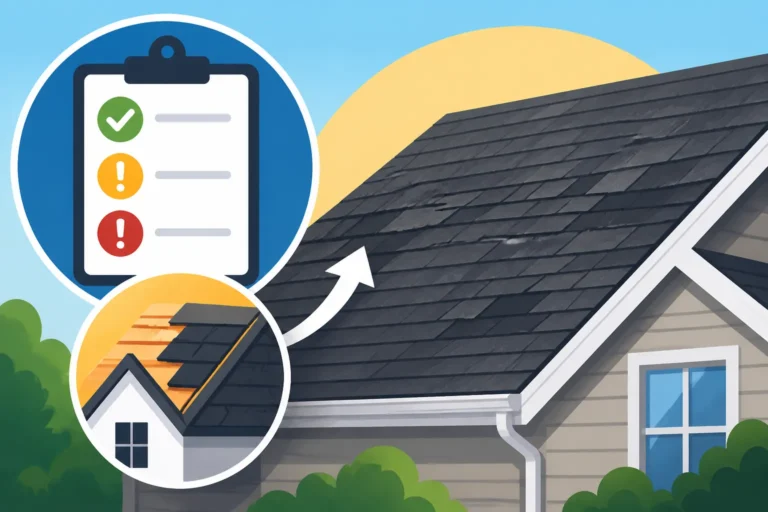
Walk around your home at least twice a year, ideally in the spring and fall, and after any major storm. Look for obvious signs of trouble: missing, cracked, or curling shingles, excessive granule loss in your gutters, sagging sections, or damaged flashing around chimneys and vents. Make sure your gutters are clear of debris; clogged gutters can cause water to back up under your shingles, leading to leaks and rot. Trim any tree branches that are overhanging your roof, as they can scratch shingles, drop debris, and serve as easy pathways for pests.
Beyond your DIY checks, it’s highly advisable to schedule a professional roof inspection every 3-5 years, or immediately after a severe storm. A professional roofer has the expertise to spot subtle signs of wear and tear, identify potential problem areas before they become leaks, and recommend timely repairs. They can also check the attic for ventilation issues or signs of water intrusion that might not be visible from the outside. Knowing "How Often to Inspect Your Roof" is key to catching small problems before they escalate. Consistent maintenance not only extends the life of your roof but also demonstrates to your insurer that you’re a responsible homeowner, which can be beneficial if you ever need to file a claim.
Reviewing Your Policy Annually
Your homeowner's insurance policy isn't a "set it and forget it" document. It's a dynamic agreement that should be reviewed annually to ensure it still meets your needs and provides adequate protection. Insurance policies, and the landscape of covered perils, can change.
Take the time to sit down with your insurance agent once a year to go over your coverage. Specifically discuss your roof coverage:
- What type of policy do you have? Is it "named perils" or "open perils"?
- Is it ACV or RCV? Understanding this is crucial, especially as your roof ages. If you have an older roof and an ACV policy, you might want to consider upgrading to RCV if available, or at least be prepared for a lower payout if a covered event occurs.
- What are your deductibles? Pay close attention to any special deductibles for wind or hail.
- Are there any specific exclusions you should be aware of?
Discuss any recent home improvements, like a new roof installation, as this could impact your premium or coverage. For example, installing an "Impact-Resistant Shingle Cost" upgrade, such as Class 4 shingles, can sometimes qualify you for discounts on your homeowner's insurance premium, particularly in hail-prone regions. Many insurers offer incentives for homes with enhanced protection against common local hazards. Asking "Do Class 4 Shingles Lower Insurance Premiums" could lead to significant savings and better protection. Regularly reviewing your policy ensures you're not caught off guard when a leak—or any other unexpected event—happens.
Roof Leak Insurance Coverage Scenarios
To simplify the complexities, here's a quick overview of common leak scenarios and their typical insurance coverage.
| Scenario Cause of Leak | Insurance Coverage Status | Explanation |
|---|---|---|
| Sudden Hailstorm | Generally Covered | Hail damage (bruises, cracks, granule loss) is a sudden, accidental peril. Documentation is key. |
| High Winds | Generally Covered | Wind that tears off, lifts, or damages shingles is a sudden, accidental peril. |
| Falling Tree Branch | Generally Covered | If a tree branch falls due to a storm or other covered peril, resulting in a leak. Negligence (e.g., ignoring a dead tree) may complicate coverage. |
| Vandalism/Fire | Generally Covered | Damage leading to a leak caused by intentional acts of others or fire is typically covered. |
| Old, Worn-Out Shingles | Not Covered | Leaks from natural wear and tear, aging, curling, cracking, or granule loss over time are considered maintenance issues. |
| Poor Maintenance | Not Covered | Leaks due to clogged gutters, unaddressed flashing issues, or other preventable neglect are excluded. |
| Installation Error | Not Covered | Faulty workmanship by a contractor is typically covered by the contractor's warranty, not homeowner's insurance. |
| Manufacturing Defect | Not Covered | Flaws in the shingles themselves are covered by the manufacturer's warranty, not homeowner's insurance. |
| Flood | Not Covered (separate policy needed) | Damage from rising water or overland flooding requires a separate flood insurance policy through FEMA's National Flood Insurance Program (NFIP) or private insurers. |
| Earthquake | Not Covered (separate policy needed) | Damage from seismic activity requires a separate earthquake insurance policy. |
Navigating a roof leak and the subsequent insurance claim can be a challenging experience, but understanding your policy and taking proactive steps can make a world of difference. Always prioritize safety, document everything meticulously, and don't hesitate to consult with both your insurance agent and a reputable roofing contractor to ensure your home remains protected.
Disclaimer
Please note that this article provides general information and should not be considered legal or financial advice. Homeowner's insurance policies vary significantly by provider, location, and individual coverage selections. Always refer to your specific policy documents or consult directly with your insurance agent to understand your coverage details and limitations.