How to Handle Mismatched Roof Repairs
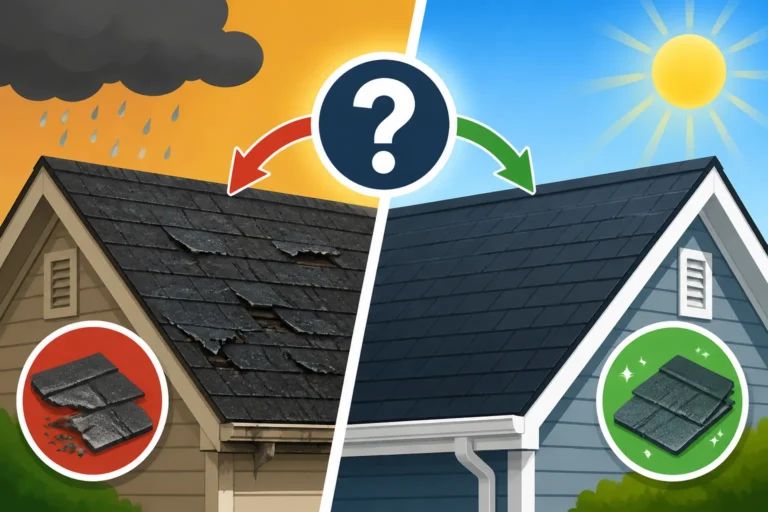
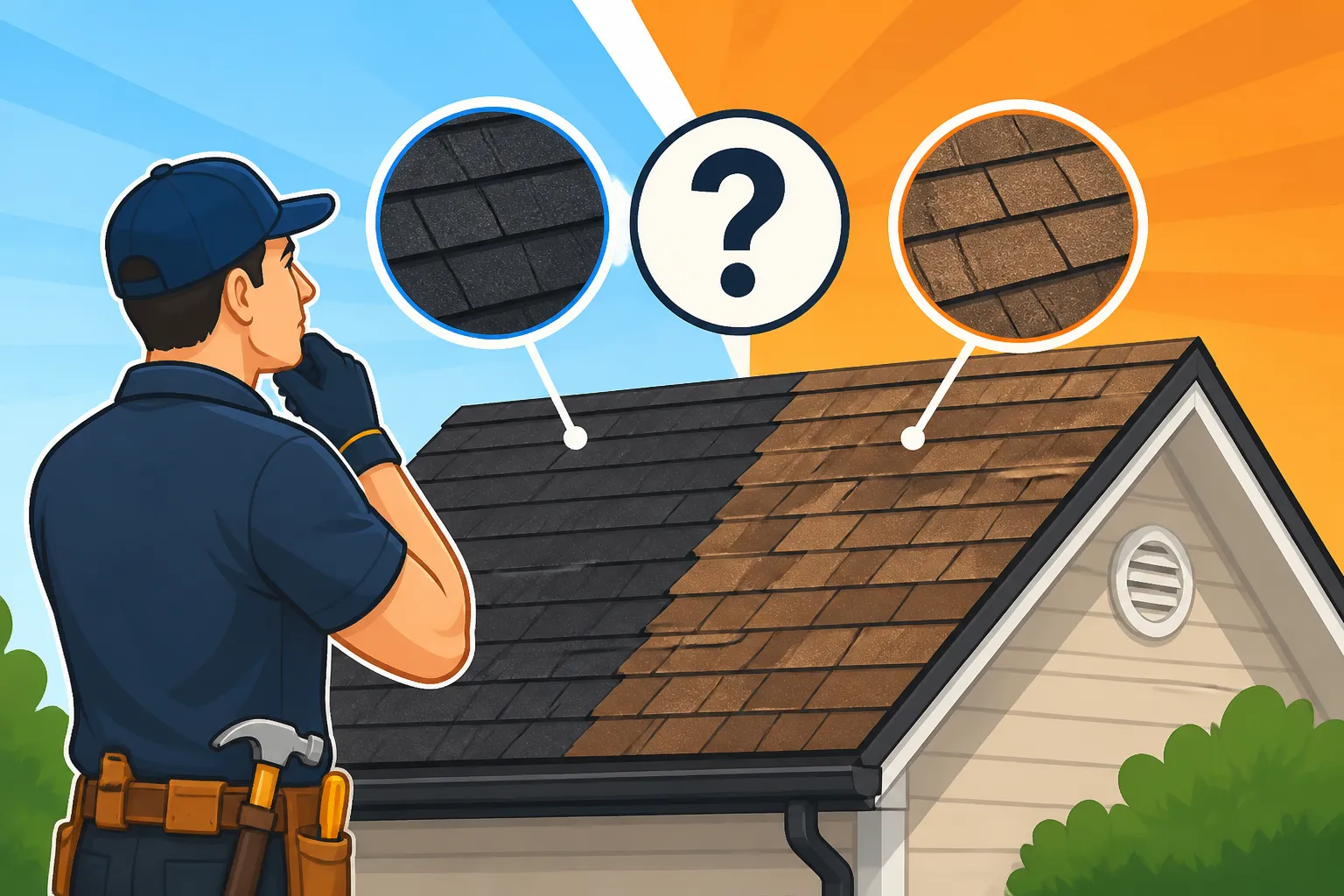
It's a familiar scenario for many homeowners: you've had a section of your roof repaired, maybe after a harsh storm or a stubborn leak, and while you're relieved the problem is fixed, you can't help but notice the new shingles stick out like a sore thumb. That glaring difference in color or texture isn't just an eyesore; it's a common frustration. This guide will walk you through why these mismatches happen and, more importantly, what you can do to address them, ensuring your home looks its best and remains protected.
Understanding Why Roof Repairs Often Don't Match
It feels like it should be simple, right? Just replace the damaged shingles with new ones of the same type. But anyone who’s been through a roof repair knows it’s rarely that straightforward. The truth is, several factors conspire against a perfect match, making those repair areas stand out. It’s not necessarily a sign of a bad job, but rather a reality of roofing materials and how they age.
The Inevitable Fading of Existing Shingles
Think about how anything left exposed to the elements changes over time. Your car's paint, your patio furniture, even your skin! Roof shingles are no different. From the moment they're installed, your existing shingles begin a slow, continuous process of weathering and fading.
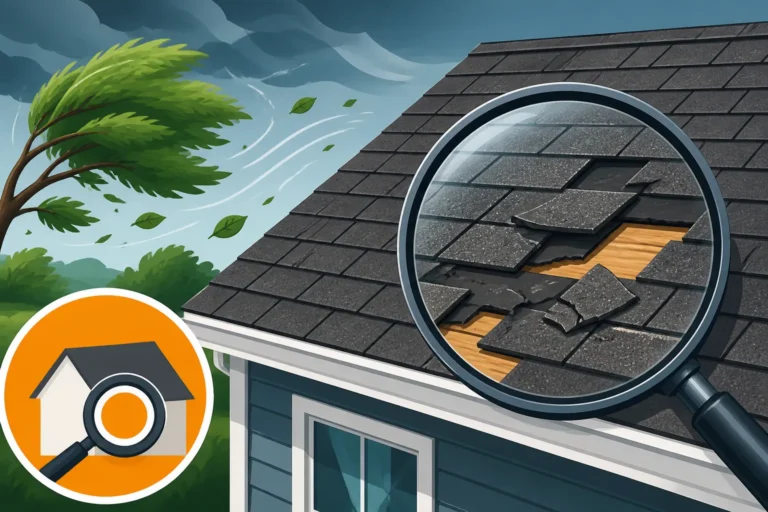
The sun's relentless UV rays are a major culprit, breaking down pigments and causing colors to lighten or shift. Rain, snow, hail, and even wind contribute to this process, eroding the protective granules that give shingles their color and texture. Over years, these granules gradually wear away, exposing more of the underlying asphalt and changing the shingle's appearance. Imagine a roof that's been baking in the Georgia sun for fifteen years; its original "Charcoal Grey" might now look like a pale, almost dusty grey with hints of brown. If you then introduce brand-new, vibrant "Charcoal Grey" shingles, the contrast will be undeniable. This is especially noticeable on a roof nearing its expected lifespan, perhaps 15-20 years in, where the original color is long gone, replaced by a much softer, duller hue.
Discontinued Shingle Lines and Manufacturer Changes
It might sound surprising, but roofing manufacturers, just like fashion brands or car companies, constantly update their product lines. Shingle colors, styles, and even the granule blends used can change without much fanfare. A specific shade of "Weathered Wood" that was popular ten years ago might have been subtly tweaked, renamed, or even completely discontinued by manufacturers like GAF, Owens Corning, or CertainTeed.
When your contractor tries to source a matching shingle for a repair, they might find that the exact product from your roof's original installation simply doesn't exist anymore. Even if the color name is the same, the actual appearance could be different due to new manufacturing processes, different suppliers for raw materials, or a refreshed aesthetic. This is a common challenge, especially for homeowners dealing with roofs installed more than five to seven years ago. The industry is always innovating, which is great for new roofs, but can create headaches for repairs.
Dye Lots and Manufacturing Variations
Even if you manage to find the exact same brand, line, and color name of shingle, there's still a chance of a slight mismatch. This is due to what's known as "dye lot" variations. Just like fabric or paint, shingles are produced in batches, and subtle differences in the mixing of raw materials, the application of granules, or the curing process can lead to minor color discrepancies from one batch to another.
Think of it like buying two gallons of paint for your living room from different batches; even though they're the same color, there might be a barely perceptible difference. On a roof, with the varying angles of light, these minor differences can become more apparent. A skilled roofer, when quoting a repair, will often mention this possibility, explaining that while they will do their best to source the closest match, an absolute 100% perfect match is a unicorn. It's just a reality of mass production and the organic nature of roofing materials.
Assessing the Mismatch and Its Impact
So, you've got a repair, and it doesn't quite blend in. Now what? The first step is to really assess the situation. Is it a minor visual quirk that only you'll notice, or is it a glaring inconsistency that detracts from your home's curb appeal? Understanding the impact can help you decide your next steps.
Visual Impact and Curb Appeal Concerns
Let's be honest, for most homeowners, the primary concern with a mismatched repair is how it looks. You want your home to present well, whether you're hosting a backyard BBQ, simply enjoying your outdoor space, or thinking about putting your house on the market someday. A starkly different patch of shingles can instantly draw the eye and make your roof appear disjointed or poorly maintained.
Stand back from your house, perhaps across the street, and take a good look. Is the repair immediately obvious? Does it bother you every time you pull into the driveway? Some mismatches are so subtle they're only visible from a very specific angle or up close, while others jump out. Consider your home's overall aesthetic and neighborhood standards. In a community with strict HOA rules or where homes are meticulously maintained, a noticeable mismatch might be more impactful than in a more eclectic neighborhood. The more visible the repair area – say, on a prominent front-facing slope compared to a less visible backside or garage roof – the more significant the visual impact will likely be.
Functionality Versus Aesthetics
It’s crucial to separate the look of the repair from its effectiveness. A perfectly installed patch of shingles, even if it's a different color, is doing its job: protecting your home from water intrusion and the elements. A mismatched repair does not automatically mean a faulty repair. If your roof is no longer leaking and the shingles are properly fastened, sealed, and integrated into the roof system, then functionally, the repair is a success.
Many homeowners get caught up in the cosmetic aspect, forgetting the primary purpose of their roof. While aesthetics are important, especially for your peace of mind and home value, the integrity of the repair should always be the top priority. A reliable contractor, perhaps one you found through a service like Modernize, will prioritize correct installation over achieving an impossible color match. They'll ensure the underlayment is properly installed, the flashing is watertight, and the new shingles are secured according to manufacturer specifications and local building codes. You might be interested in knowing more about why Underlayment Explained: Synthetic vs Felt is so crucial.
The Role of Lighting and Perspective
It’s amazing how much lighting and perspective can influence how a mismatched repair appears. What looks like a dramatic difference under the bright midday sun might be far less noticeable on an overcast day or in the softer light of dawn or dusk. Shadows from trees, dormers, or chimneys can also obscure or highlight differences.
Consider a recent repair on a north-facing slope of your roof. This area might receive less direct sunlight, causing existing shingles to fade differently than those on a south-facing slope. When new shingles are introduced to this less-weathered section, the contrast might be less severe than if the repair were on a sun-drenched, south-facing slope. Also, your perspective matters. Looking up from directly below might make the difference obvious, while viewing from a second-story window or a distant part of your yard might minimize it. It's a good idea to observe the repair at different times of day and from various vantage points to get a true sense of its visual impact.
Practical Strategies for Handling Mismatched Roof Repairs
Once you’ve accurately assessed the situation, you can start exploring practical solutions. Sometimes, it’s about acceptance; other times, it calls for more proactive steps. The best approach depends on the severity of the mismatch, your budget, and your long-term plans for your home.
Accepting the Cosmetic Reality
For many homeowners, especially those with older roofs that are still otherwise in good shape, accepting a slight cosmetic mismatch might be the most practical and cost-effective solution. If the repair is structurally sound and stopping leaks, and the mismatch isn't extremely jarring, it might just become part of your home's character.
Over time, the new shingles will begin to weather and fade, gradually blending in more with the older ones. While they may never perfectly match, the harsh contrast will likely soften. This natural aging process can take several months or even a few years, depending on your climate and the amount of sun exposure the area receives. If your roof is, say, 18-20 years old and you know a full replacement is on the horizon in the next 5-7 years, investing in more extensive cosmetic fixes for a single repair might not make financial sense. Sometimes, a functional repair, even if imperfect visually, is the wise decision for the immediate future.
Strategic Placement and Blending Techniques
Sometimes, a skilled contractor can employ techniques to minimize the appearance of a mismatch. This isn't always possible, but it's worth discussing. One strategy involves "harvesting" older, weathered shingles from a less visible area of your roof, such as a shed roof, under an overhang, or a section not visible from the street. These slightly aged shingles can then be used for the visible repair, and the new, mismatched shingles can be installed in the less conspicuous harvest area. This essentially moves the visible mismatch to a hidden spot.
Another approach, though less common and with its own set of considerations, is attempting to "stain" or "paint" the new shingles to better match the old. This is generally not recommended by shingle manufacturers as it can void warranties, trap moisture, and potentially shorten shingle life. However, for a very small, isolated repair and if you're truly desperate for a visual blend, some specialized products exist. Always consult with a professional and understand the risks before considering such a drastic measure. It's often a last resort and not a long-term solution.
Considering a Larger Repair or Replacement
If the mismatch is truly unbearable, or if your roof is already showing other significant signs of aging, a larger scope of work might be warranted. Rather than just patching the immediate damage, you could consider replacing an entire roof slope or section, which would allow for a uniform appearance in that area. This would involve a more significant investment, but it could drastically improve your home's curb appeal.
Of course, if your roof is already past its prime—perhaps it's over 20 years old, experiencing widespread granule loss, or you're seeing multiple instances of curling or cracked shingles—then a partial repair might just be delaying the inevitable. In such cases, a full roof replacement may be the most cost-effective and aesthetically pleasing long-term solution. A new roof, while a substantial investment, provides uniform protection and a fresh, cohesive look for your entire home. You might find it helpful to read about Roof Repair vs Replacement: How to Decide or understand the full Asphalt Roof Replacement Cost: Complete Breakdown for such a project. This ensures all your shingles match, and you get the benefit of a brand-new warranty.
Working with Your Roofing Contractor
Communication with your roofing contractor is key. Before any work begins, especially for a repair on a visible part of your roof, discuss your concerns about potential mismatches. A reputable contractor will be upfront about the challenges and limitations. They might be able to show you samples of the closest available shingles or even pictures of similar repairs they’ve done on older roofs. Asking to see the potential replacement shingles next to your existing roof before they're installed can give you a better idea of the outcome.
If you’re unsure about finding a reliable contractor, services like Modernize can help connect you with vetted professionals in your area who understand these kinds of homeowner concerns. Don't be afraid to ask questions about their approach to color matching, their experience with older roofs, and what their process is if a severe mismatch occurs. A good contractor will guide you through the options, explain the realities of shingle availability and aging, and prioritize both the functionality and aesthetics to the best of their ability. Knowing How to Choose a Roofing Contractor is essential.
Preventing Future Mismatched Repair Headaches
While you can't stop shingles from aging, you can take steps to minimize the chances of future mismatches being a huge headache.
- The Value of Keeping Spare Shingles: This is perhaps the single best way to avoid mismatched repairs. If you have a new roof installed, ask your contractor to leave you one or two bundles of leftover shingles from the same dye lot. Store them in a cool, dry place like your garage or shed. These will be an exact match for any future small repairs for several years, until they too start to age.
- Regular Roof Maintenance and Inspections: By regularly inspecting your roof (or having a professional do it), you can catch small issues like a single missing shingle or minor damage early. Addressing these problems quickly often means smaller, less noticeable repairs before the existing shingles have weathered significantly. This can also prevent minor issues from escalating into major damage requiring extensive repairs. Learn more about How Often to Inspect Your Roof.
- Planning for Replacement as Your Roof Ages: Keep track of your roof's age. As it approaches the end of its typical lifespan (usually 20-30 years for asphalt shingles), you should start budgeting and planning for a full replacement. Knowing that a replacement is coming allows you to proactively choose a new, uniform roof system, rather than reacting to a major failure that necessitates an urgent, potentially mismatched repair. Understanding your Roof Age: When to Start Planning Replacement is crucial.
| Strategy | Pros | Cons | Best For |
|---|---|---|---|
| Accepting the Mismatch | Most cost-effective; functionally sound; new shingles will fade over time. | Can be visually jarring; may impact curb appeal in the short term. | Older roofs nearing end of life; repairs in less visible areas; budget-conscious homeowners. |
| Strategic Blending | Improves visual continuity without full replacement; leverages existing materials. | May not be possible; still uses new shingles in some area; can be labor-intensive. | Repairs in moderately visible areas; when some "harvesting" is feasible from hidden spots. |
| Replacing a Full Slope/Section | Achieves a uniform, cohesive look for a larger area; extends life of that section. | Higher cost than a spot repair; still might not match the rest of the roof. | Significantly visible repairs; when a large area is damaged or mismatched; if the roof is moderately aged. |
| Full Roof Replacement | Guarantees a perfectly uniform roof; maximizes protection; comes with new warranty; boosts curb appeal. | Highest initial cost; involves a major construction project. | Roofs nearing end of life; widespread damage or aging; desire for a complete aesthetic overhaul. |
| Keeping Spare Shingles | Perfect match for future small repairs (if from same dye lot). | Requires storage space; only works if you plan ahead. | Any new roof installation. |
Disclaimer
Please remember that this article provides general information and guidance. Roofing repairs and replacements are complex projects that depend on many variables, including local building codes, specific material costs, labor rates, and your roof's unique characteristics. Always consult with a qualified, licensed, and insured roofing professional for specific advice, estimates, and solutions tailored to your individual situation.