How to Spot Roof Damage After a Windstorm
A powerful windstorm can leave you feeling helpless, staring up at your roof and wondering if the chaotic gusts left their mark. It's a truly unsettling experience to see debris scattered, tree branches down, and then think about the unseen damage that might be silently compromising your home's protection. This guide is here to walk you through the essential steps to identify roof damage after a wind event, so you can address problems quickly and confidently.
Immediate Steps After a Windstorm Hits
When the wind dies down and the immediate danger passes, your first instinct might be to rush outside and assess the damage. However, it's crucial to approach this situation with a clear head and prioritize safety above all else. A compromised roof or surrounding property can present hidden hazards.
Prioritize Safety Above All Else
Before you even think about looking at your roof, take a moment to ensure your immediate surroundings are safe. Are there downed power lines? If so, stay far away and call your utility company immediately. Are there large tree limbs hanging precariously over your home or blocking pathways? These could still fall and cause serious injury. It's vital to check for gas leaks, broken windows, or structural damage to your home's foundation that might make it unsafe to enter or move around. If you notice anything that makes you uncomfortable or seems dangerous, it's always best to call emergency services or a qualified professional before proceeding. Your safety and the safety of your family are paramount, and no roof repair is worth risking them.
Conduct a Ground-Level Assessment
Once you've confirmed your immediate area is safe, begin your roof assessment from the ground. This isn't about getting on a ladder yet; it's about a thorough walk-around of your property. Start by looking for obvious signs of trouble on your lawn or around your house. Do you see shingles scattered in your yard, on your patio, or even in your neighbor's yard? This is a clear indicator that your roof has suffered some significant damage. Take note of any pieces of fascia, soffit, or gutters that might have become detached or bent. Look for any parts of your ventilation system, like ridge vents or turbine vents, that appear to be missing or askew. Even small pieces of shingle granules in your gutters or downspouts can be a sign of wear and tear exacerbated by wind. This initial walk-around will give you a good starting point and help you understand the extent of the visible damage before you consider a closer look.
Common Types of Wind Damage to Asphalt Roofs
Wind damage isn't always as obvious as a gaping hole in your roof. Often, it's subtle, insidious, and can lead to leaks down the line if not addressed promptly. Understanding the different ways wind can harm your asphalt roof is key to a thorough inspection.
Missing and Lifted Shingles
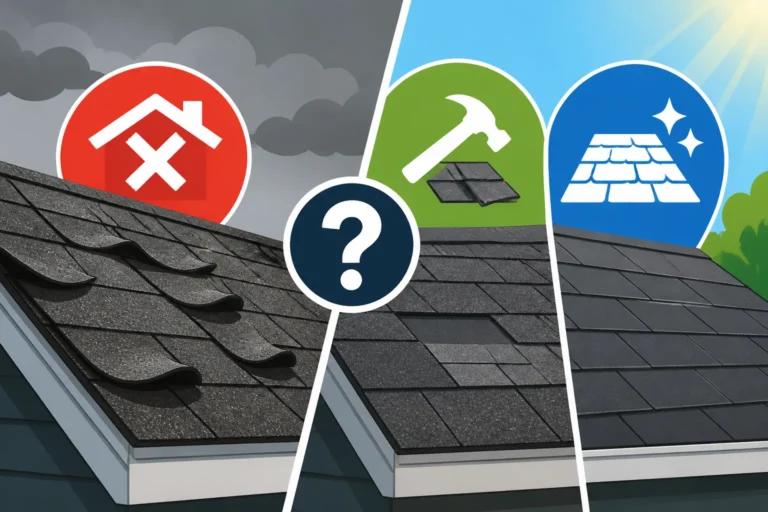
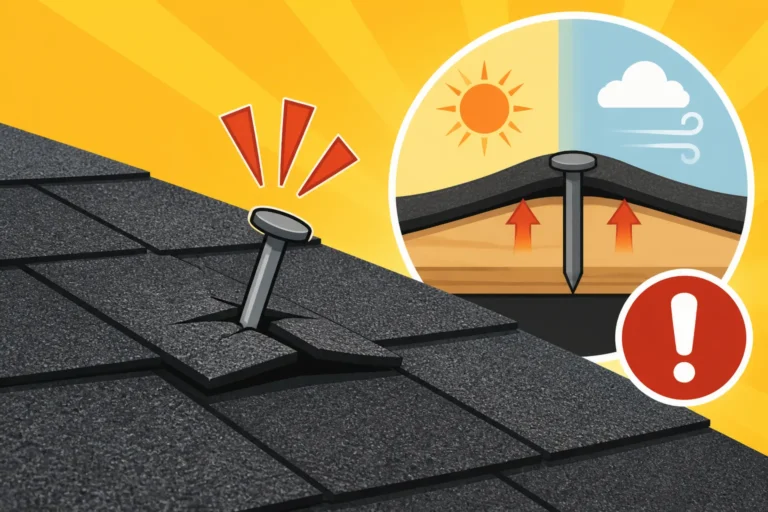
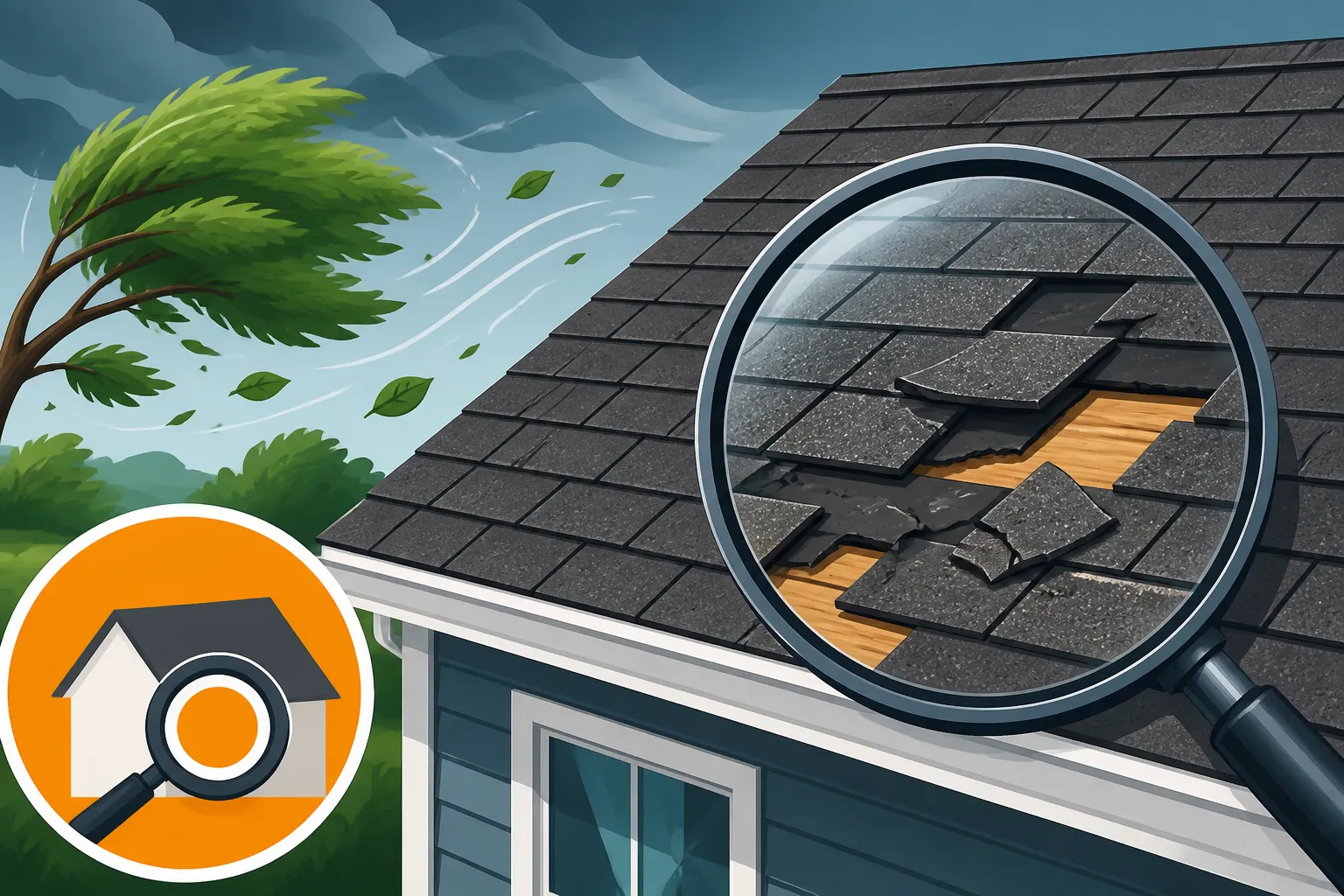
This is perhaps the most recognizable sign of wind damage. Strong gusts can get underneath the edges of asphalt shingles, especially those that are older, have lost their adhesion, or were not properly installed. Once the wind gets under, it can rip shingles right off your roof deck, leaving exposed areas. Even if shingles aren't completely gone, you might notice "lifted" or "creased" shingles. This happens when the wind forces the shingle upwards, breaking the sealant strip that holds it down and often causing a visible bend or crease line in the shingle itself. These lifted shingles are highly susceptible to future damage and can allow water to seep underneath, potentially causing significant leaks and damage to your roof decking. If you're seeing a lot of missing shingles, it's often a sign that it's time for a larger conversation about Roof Repair vs Replacement: How to Decide.
Granule Loss and Bruising
Asphalt shingles are covered in small, protective ceramic granules that shield the asphalt layer from harmful UV rays and impacts. High winds, especially those carrying debris, can scour these granules off your shingles. You might notice these granules accumulating in your gutters, downspouts, or on the ground around your home. While some granule loss is normal as a roof ages, excessive loss after a windstorm indicates that the protective layer of your shingles has been compromised, significantly shortening their lifespan. Beyond granule loss, severe wind can also cause "bruising" or impact marks on shingles, particularly if they were struck by airborne debris like small branches or rocks. These bruises can weaken the shingle, making it more prone to cracking and deterioration over time.
Damage to Other Roof Components
The wind doesn't discriminate; it can wreak havoc on all parts of your roofing system. Your gutters and downspouts are often directly in the path of wind and debris, leading to dents, detachments, or complete separation from the fascia. Flashing—the metal strips around chimneys, skylights, and vent pipes—is crucial for preventing leaks. Strong winds can bend, lift, or completely tear flashing away, creating immediate vulnerabilities for water intrusion. Even the vents themselves, like ridge vents, box vents, or exhaust pipe covers, can be blown off or damaged, disrupting your attic's ventilation and exposing openings to the elements. Don't forget to look at your siding and fascia boards; these are often integral to the roof's edge and can be ripped or loosened by powerful gusts.
Here's a quick reference for common wind damage signs:
| Damage Type | Description | Severity for Asphalt Roofs | Immediate Action |
|---|---|---|---|
| Missing Shingles | Patches of roof deck exposed where shingles were ripped off. | High | Cover exposed areas temporarily, call a professional. |
| Lifted/Creased Shingles | Shingles appear bent, curled, or unsealed, often with a visible crease. | Medium to High | Inspect for broken seals; professional assessment recommended for larger areas. |
| Granule Loss | Accumulation of shingle granules in gutters or on the ground, bare spots on shingles. | Low to Medium | Monitor for bare spots; indicates reduced lifespan, may warrant professional review. |
| Damaged Flashing | Metal around penetrations (chimneys, vents) is bent, loose, or missing. | High | Critical for preventing leaks; requires immediate professional repair. |
| Damaged Gutters/Soffit | Gutters are bent, detached, or soffit/fascia boards are loose or missing. | Low to Medium | Address cosmetic damage, can lead to water intrusion if not fixed. |
| Debris on Roof | Branches, leaves, or other items directly on the roof surface. | Variable | Carefully clear debris (if safe); check for underlying damage. |
How to Safely Inspect Your Roof for Wind Damage
Now that you know what to look for, it's time to get a closer, but still safe, look. Rushing onto a potentially damaged roof is a huge no-go. Safety is paramount, and there are ways to inspect thoroughly without unnecessary risk.
Visual Inspection from the Ground
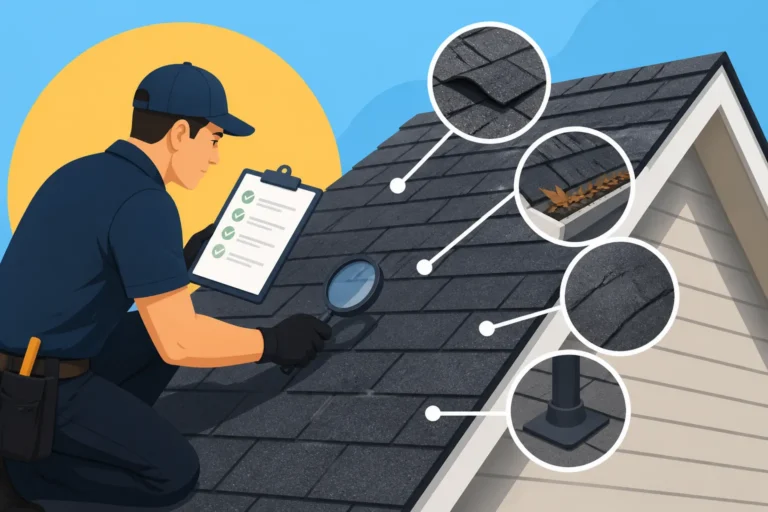
Even after a ground-level walk-around, a dedicated visual inspection from different vantage points around your home can reveal a lot. Grab a good pair of binoculars, which will be your best friend here. Walk to all four corners of your house, and if possible, from your neighbor's yard (with permission, of course) or from an upstairs window. Zoom in on specific areas: the ridge line, the valleys, around your chimney, vent pipes, and skylights. Look for any inconsistencies in the shingle pattern – lifted edges, dark spots where granules are missing, or shingles that look darker or lighter than their neighbors, indicating they might be new replacements from a previous, smaller repair that didn't fully blend in. Pay close attention to areas where different roof planes meet, as these can be particularly vulnerable to wind uplift. Don't forget to examine the areas around your gutters; often, debris from the roof collects there, offering clues about granule loss or shingle fragments. A good way to assess how much your roof has aged is to consider its Roof Age: When to Start Planning Replacement.
When to Call a Professional
There comes a point where DIY inspection needs to stop, and professional help needs to begin. If you're uncomfortable with heights, if your roof is steep, or if the damage appears extensive, it's time to call in the experts. Professionals have the right safety gear, experience, and knowledge to spot damage that might be invisible to the untrained eye. They can safely walk your roof, check for soft spots indicating hidden deck damage, and thoroughly inspect flashing, vents, and other components. Many reputable roofing contractors, like those found through services like Modernize, offer free inspections after a storm. They can provide a detailed report and photographs of the damage, which will be invaluable for your insurance claim. Trying to perform a complex inspection or repair yourself not only risks injury but could also inadvertently void parts of your roofing warranty or lead to improper repairs that cause bigger problems down the line. Remember, a professional inspection is the safest and most reliable way to fully understand the condition of your roof after a storm.
Documenting Damage and Next Steps
Once you've identified potential wind damage, the clock starts ticking. The next crucial steps involve thorough documentation and navigating the path to repair or replacement. This is where being organized can save you a lot of headaches and money.
Gathering Evidence for Your Claim
Documentation is your best friend when dealing with insurance companies. As soon as it's safe, start taking photos and videos of everything. Capture wide shots of your house, showing the context of the damage, then move in for close-ups of every missing shingle, every creased shingle, every patch of granule loss, and any damaged gutters, flashing, or vents. Make sure your photos are clear, well-lit, and show the extent of the damage. Include any fallen tree limbs or debris that contributed to the damage. If you found shingle pieces in your yard, photograph those too. Date and timestamp your photos if possible. Keep a detailed log of when the storm occurred, when you inspected the damage, and any conversations you have with contractors or insurance adjusters. This meticulous record-keeping will provide undeniable proof of the damage and can significantly smooth the insurance claim process. Understanding How to Document Roof Damage for Insurance is a critical step.
Contacting Your Insurer and Getting Estimates
After you've safely documented the damage, your next call should be to your homeowners insurance provider. Be prepared with your documentation and details of the windstorm. They will likely send out an adjuster to assess the damage. While waiting for the adjuster, or even before, it's highly recommended to get at least two or three independent estimates from reputable local roofing contractors. Services like Modernize can help connect you with vetted professionals in your area. Ask them for detailed written estimates that break down the costs of materials, labor, and any necessary permits. These estimates are not only vital for understanding the true cost of the repair or replacement but also serve as a crucial comparison point against your insurance adjuster's assessment. Remember, the insurance adjuster works for the insurance company, so having your own professional estimates can help ensure you get a fair settlement for the repairs needed, whether it's a small fix or a full Asphalt Roof Replacement Cost: Complete Breakdown. Don't hesitate to ask prospective contractors detailed Questions to Ask a Roofing Contractor Before Hiring to ensure they're the right fit for the job.
Navigating Repairs and Replacements
Deciding whether to repair your wind-damaged roof or opt for a full replacement can feel overwhelming. Many factors come into play, from the extent of the damage to your roof's overall age and condition.
Repairing Minor Wind Damage
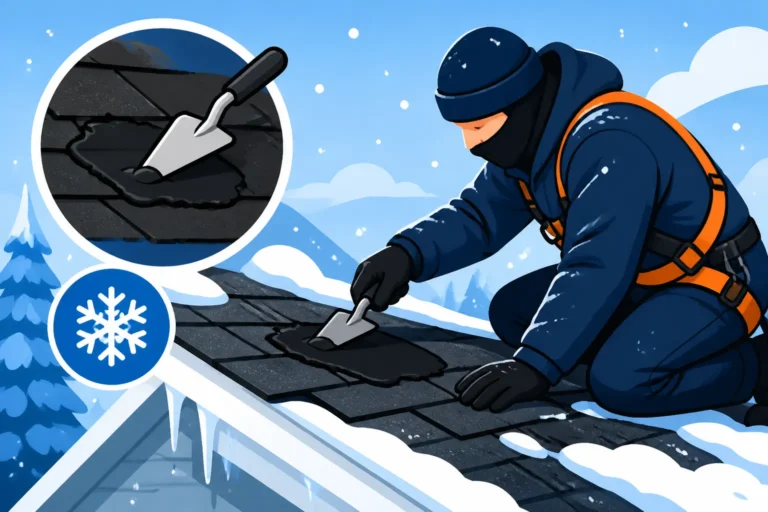
For smaller, isolated areas of wind damage, repair might be a perfectly viable and cost-effective solution. This could involve replacing a few missing shingles, resealing lifted ones, or repairing a section of damaged flashing. A skilled contractor can often match existing shingles surprisingly well, especially if your roof isn't too old. However, there are considerations. If your shingles are significantly aged or discontinued, finding an exact match might be impossible, leading to a mismatched appearance. Also, consider the underlying issue: if the wind lifted shingles because they were poorly nailed or the adhesive strip failed due to age, simply replacing them without addressing the root cause might lead to recurring problems. Always discuss the longevity of a repair with your contractor. For instance, knowing How Much Does It Cost to Fix Wind Damage can help you budget appropriately.
When a Full Roof Replacement is Necessary
Sometimes, repairs just aren't enough. If the wind damage is widespread, affecting multiple areas of your roof, or if the underlying issues point to systemic failure (like widespread granule loss or brittle, curling shingles across the entire surface), a full roof replacement is often the more prudent long-term solution. This is especially true if your roof is nearing the end of its typical lifespan (around 20-25 years for asphalt shingles). Insurance companies may also deem a roof a "total loss" if the damage exceeds a certain percentage of the roof's value, which can trigger a full replacement payout. A new roof offers a fresh start, enhanced protection against future storms, and often comes with improved warranties. Furthermore, upgrading to Impact-Resistant Shingle Cost or Class 4 Shingle Roof Cost may offer insurance premium reductions in hail-prone areas. A professional contractor can help you understand When Insurance Will Total Your Roof and guide you through the pros and cons of repair versus full replacement based on your roof's specific condition and local building codes.
Working with Your Contractor and Insurance
The relationship between you, your chosen contractor, and your insurance company is crucial. Once your claim is approved, ensure your contractor is fully aware of what the insurance company is covering. A good contractor will work directly with your insurance adjuster, submitting supplement claims if additional damage is found during the repair or replacement process. This often happens once the old shingles are torn off, revealing unseen damage to the roof decking. Make sure your contract with the roofer clearly outlines the scope of work, materials to be used, payment schedule, and warranty information. For larger projects, inquire about Roofing Deposit: How Much Is Normal and ensure you understand the payment milestones. Keep open lines of communication with both your contractor and your insurance representative to avoid misunderstandings and ensure the project progresses smoothly. Remember to verify your contractor's licensing and insurance and check their references. Utilizing resources like Modernize to find certified professionals can streamline this process significantly, ensuring you get a reputable and experienced team to restore your home's protection.
Disclaimer
Please remember that this article provides general information and recommendations. Every roof and windstorm event is unique. Always consult with qualified, licensed, and insured roofing professionals for a thorough inspection and personalized advice regarding your specific situation and local building codes. Do not attempt to climb onto a damaged roof yourself, as it can be extremely dangerous.