Should You Replace a 25-year-old Asphalt Roof
That 25-year milestone for your asphalt roof can feel like a ticking time bomb, bringing with it a whirlwind of anxiety about potential leaks, costly repairs, and the looming question of replacement. It's a significant investment, and the thought of navigating the complexities of roofing decisions is enough to make anyone's head spin. This guide is here to walk you through the tell-tale signs, critical considerations, and smart steps to confidently decide whether it's time to replace your 25-year-old asphalt roof.
The Real Lifespan of an Asphalt Roof: Is 25 Years Truly Old?
When your asphalt roof hits the quarter-century mark, it's natural to wonder if it's simply "old" or if it still has some fight left in it. The truth is, 25 years places most asphalt shingle roofs squarely at or beyond their expected lifespan, though there are always exceptions. Understanding the nuances of shingle types and the environmental factors that impact them is key to making an informed decision.
Understanding Shingle Types and Their Expected Durability
Not all asphalt shingles are created equal when it comes to longevity. The type of shingle originally installed plays a huge role in how well it holds up over two and a half decades.
- 3-Tab Shingles: These are typically the most basic and economical option. They get their name from the three distinct tabs on each shingle. In ideal conditions, 3-tab shingles usually last about 15 to 20 years. If your home has these, a 25-year-old roof is almost certainly living on borrowed time. You're likely seeing significant wear and tear, and their protective qualities have likely diminished substantially.
- Architectural (Dimensional) Shingles: These are thicker, more durable, and designed to mimic the look of wood shakes or natural slate. They have a more layered, textured appearance. Architectural shingles commonly come with warranties suggesting a lifespan of 25 to 30 years, with some premium options even going beyond that. So, if your roof is 25 years old and features architectural shingles, it's right at the lower end of its expected life, making a thorough inspection absolutely vital. The material itself might technically still be within warranty, but the overall system's integrity could be compromised.
- Luxury (Designer) Shingles: These are the heaviest and most elaborate asphalt shingles, offering enhanced protection and a distinct, high-end aesthetic. They often boast lifespans of 30 to 50 years, or even more. If you're lucky enough to have these, a 25-year-old roof might still have a good decade or two left, assuming it was installed correctly and well-maintained. However, even these robust shingles aren't immune to severe weather or underlying issues.
This information on different shingle types helps explain why you might hear varying opinions on "how long a roof should last." For a deeper dive, check out our guide on How Long Does an Asphalt Roof Last.
Environmental and Installation Factors That Accelerate Aging
Beyond the shingle type, several external factors can significantly shorten a roof's life, pushing a 25-year-old roof past its prime even if it's a higher-grade shingle.
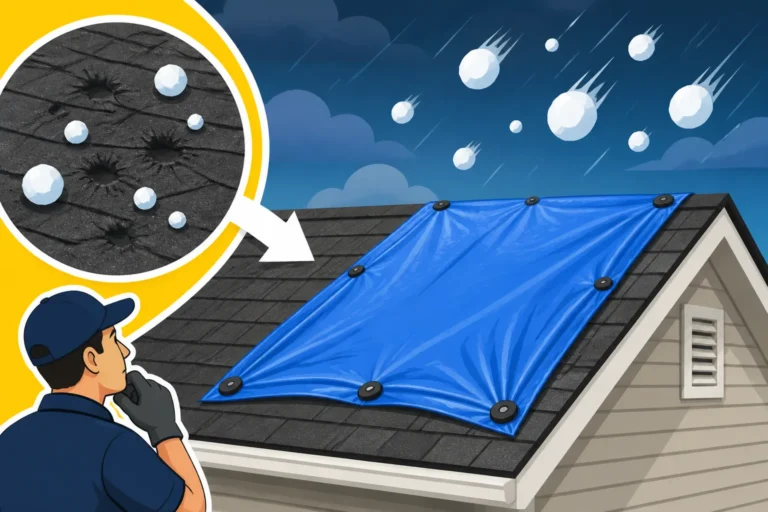
- Climate and Weather Extremes: If your home is in an area prone to harsh weather, such as intense sunlight, extreme temperature fluctuations (think scorching Texas summers followed by freezing winters), frequent hail storms, or high winds, your roof will age faster. Hail can bruise shingles, wind can lift and tear them, and constant UV exposure degrades the asphalt binder, causing granules to shed prematurely. Homeowners in places like Florida, for example, often see their roofs age quicker due to relentless sun exposure and hurricane season.
- Poor Ventilation: This is a silent killer for many roofs. An attic that isn't properly ventilated traps heat and moisture. This superheats the underside of the roof deck, essentially "baking" the shingles from below and causing them to curl, crack, and blister much faster than they should. Inadequate ventilation can shave years, sometimes even a decade, off your roof's life.
- Installation Quality: A roof is only as good as its installation. If the shingles weren't nailed correctly, if the underlayment was poorly installed, or if flashing wasn't done meticulously around penetrations like chimneys and vents, you'll see premature failure. Even the highest quality materials will fail quickly if the workmanship is subpar. This is why choosing a reputable contractor is paramount.
Considering these factors, a 25-year-old roof, especially one that has endured harsh conditions or was poorly installed, is almost certainly at the end of its functional life, regardless of its initial quality.
Unmistakable Signs Your 25-Year-Old Roof is Failing
Your roof won't usually fail catastrophically overnight (though severe storms can certainly cause sudden damage). Instead, it gives you plenty of warning signs. Being vigilant and knowing what to look for can help you decide when it's definitely time for a replacement rather than just another patch-up.
Visible Deterioration from the Ground Up
Many of the most obvious signs of a failing roof can be spotted from the ground with a pair of binoculars, or even just by walking around your house.
- Curling or Cupping Shingles: This is one of the most common indicators of an aging roof. Shingles will start to curl upward at the edges (cupping) or along the bottom edge (curling). This happens as the asphalt loses its protective oils and becomes brittle from UV exposure and fluctuating temperatures. Once shingles start to curl, they lose their ability to shed water effectively and become vulnerable to wind uplift. Our guide on Curling Shingles: What They Mean goes into more detail.
- Cracked or Broken Shingles: Cracks can appear in various patterns – long, vertical cracks, or even alligator-skin-like cracking across the shingle's surface. These cracks expose the underlying felt to direct sunlight and moisture, accelerating deterioration. Broken shingles are even worse, leaving large sections of the roof deck exposed. This is particularly common in areas with significant temperature swings, where the shingles expand and contract repeatedly until they simply give way.
- Excessive Granule Loss: Those tiny, sand-like granules on asphalt shingles are not just for aesthetics; they protect the asphalt layer from UV radiation. Over time, these granules naturally shed, especially during heavy rain. However, if you see large amounts of granules accumulating in your gutters or at the bottom of your downspouts, it's a major red flag. This indicates the shingles are rapidly losing their protective layer, leaving them exposed and vulnerable. You'll often see dark, bald spots on the shingles themselves. This is a clear sign the roof's protective life is winding down, as explained further in Granule Loss: Should You Worry.
- Missing Shingles: A strong gust of wind can rip off a few older, brittle shingles, especially those that are already curled or cracked. While a few missing shingles might be repairable on a younger roof, on a 25-year-old roof, it's often a sign that the adhesive strips on all your shingles are failing, and the remaining ones are just as vulnerable. If you're constantly replacing shingles after every moderate storm, it's a costly and temporary fix.
- Dark Streaks or Moss/Algae Growth: While dark streaks (often caused by algae, Gloeocapsa magma) are largely cosmetic and common in humid climates, widespread moss or lichen growth can be more problematic. Moss holds moisture against the shingle surface, accelerating decay and potentially lifting shingles. On an old roof, severe moss growth can hide underlying damage and worsen existing problems.
Interior Clues and Attic Red Flags
Sometimes, the most critical signs of a failing roof aren't visible from the outside at all. You need to head into your attic or look for clues inside your home.
- Water Stains on Ceilings or Walls: This is the most obvious sign of a leak, and often the one that sends homeowners into a panic. Yellowish or brownish stains, bubbling paint, or peeling wallpaper on your top-floor ceilings or walls indicate water is getting through your roof and decking. Don't ignore small stains; they typically point to a much larger, unseen problem in the attic or roof structure. A professional can help pinpoint the exact source, which might be far from the stain itself.
- Sagging Roof Decking: If you venture into your attic (carefully!), look up at the underside of your roof deck. If you notice any areas that appear to be sagging or bowing between the rafters, this is a serious structural concern. It usually means the plywood or OSB decking has been compromised by prolonged moisture exposure, dry rot, or even termite damage. This requires immediate attention and almost always necessitates a full roof replacement, including new decking.
- Daylight Visible in the Attic: Again, from the safety of your attic, look for any pinpricks or streaks of light coming through the roof structure. Even small amounts of visible light mean water and pests can get in. This often indicates gaps in flashing, missing shingles, or holes in the roof deck that are allowing unfiltered elements into your home's most vulnerable space.
- Musty Odors: A persistent musty or damp smell in your attic, even without visible water stains, can indicate hidden moisture issues. This could be due to inadequate ventilation leading to condensation, or a slow, undetected leak fostering mold and mildew growth. Such conditions not only damage your roof but can also impact indoor air quality.
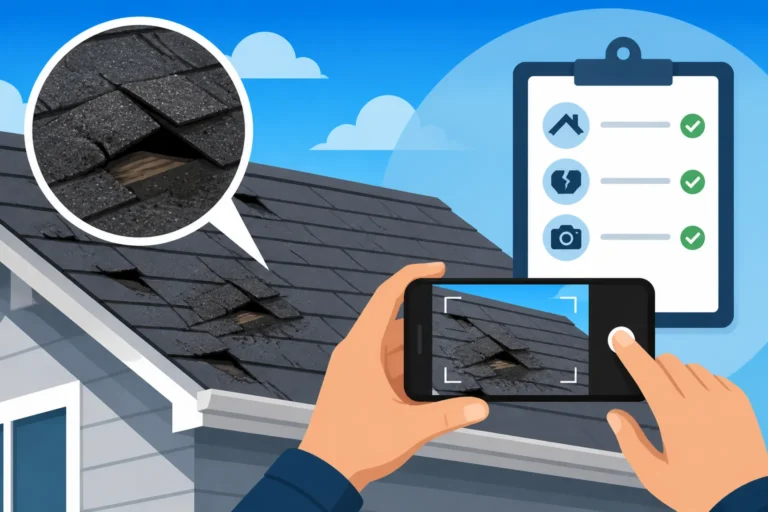
If you're noticing any of these interior signs, it’s imperative to get a professional roof inspection. Ignoring them can lead to extensive damage to your home's structure and interior, which can be far more costly to fix than a roof replacement. For guidance on identifying problems, our Roof Damage Assessment: A Homeowner's Guide can be incredibly helpful.
The Big Decision: Repair or Full Replacement?
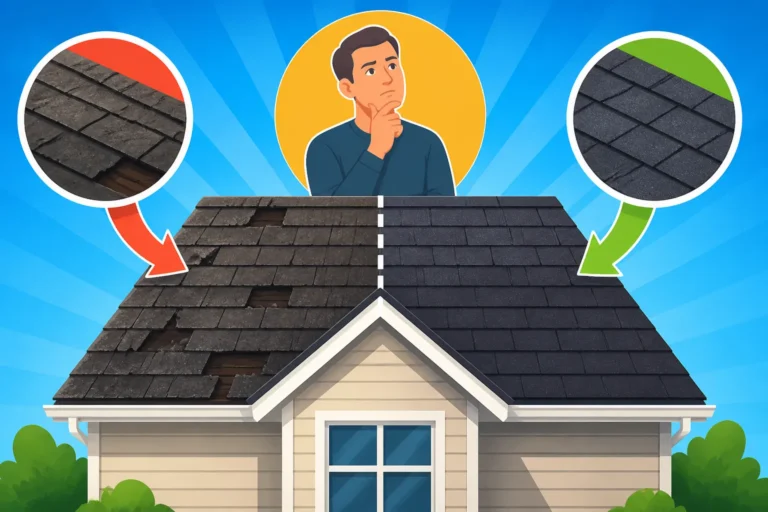
With a 25-year-old asphalt roof, the "repair vs. replace" question leans heavily towards replacement. While quick fixes might seem appealing for the wallet in the short term, they rarely provide a long-term solution for a roof that's at the end of its natural life.
When Spot Repairs Might Still Make Sense (But Probably Not at 25 Years Old)
Let's be realistic: for a roof that's 25 years old, the instances where a spot repair is truly a sensible, long-term solution are few and far between.
- Isolated, Minor Damage: Perhaps a tree branch fell and damaged a very small, specific section, but the rest of the roof is still in surprisingly good condition (unlikely at 25 years). Or, a single piece of flashing came loose. In such rare, localized cases, a repair might be considered. However, even then, finding matching shingles for a 25-year-old roof can be a challenge, leading to a patchwork appearance.
- Budgetary Constraints with a Known Upcoming Replacement: Sometimes, homeowners are absolutely committed to a full replacement within the next 6-12 months but need a temporary fix to prevent further interior damage. In this scenario, a minimal, temporary repair (like sealing a small leak or tarping a damaged area) might serve as a stop-gap measure. But it's crucial to understand this is not a long-term solution and merely buys you time until the inevitable replacement.
- Selling a Property "As-Is": If you're selling a house and don't want to invest in a new roof, a very minor repair might be made to address a glaring issue for a potential buyer. However, most buyers will factor in the cost of a new roof anyway, and a shoddy repair could even deter them.
The critical takeaway here is that at 25 years, if you're experiencing multiple issues – granule loss, curling, and a few leaks – throwing money at individual repairs is often like putting a band-aid on a gaping wound. You'll spend more over time on continuous repairs than you would on a comprehensive replacement that offers decades of peace of mind.
Why a Full Replacement is Often the Wisest Choice
When your roof has reached the 25-year mark, a full replacement usually emerges as the most cost-effective and beneficial option in the long run.
- Long-Term Cost Savings: While the upfront cost of a new roof is substantial, continually repairing an old, failing roof can become a financial black hole. Imagine paying $500 here for a leak, $800 there for missing shingles, only to have another problem pop up a few months later. These cumulative costs can quickly surpass the expense of a new roof, and you're still left with an old, unreliable system. A new roof, especially one with a good warranty, provides predictable costs for years to come. Our article on Asphalt Roof Replacement Cost: Complete Breakdown can help you understand the investment.
- Enhanced Protection and Peace of Mind: There's immense value in knowing your home is protected by a solid, new roof. Modern asphalt shingles offer superior weather resistance, better wind uplift ratings, and often features like algae resistance. A new roof means no more worrying every time a storm rolls in or checking your attic after heavy rain. This peace of mind is priceless for homeowners.
- Improved Energy Efficiency: An old roof with degraded shingles and poor ventilation can significantly impact your home's energy efficiency. Damaged shingles don't reflect heat as well, and inadequate attic ventilation allows heat to build up, forcing your AC system to work harder. A new roof, especially when installed with proper ventilation and a reflective underlayment, can lead to noticeable savings on your energy bills.
- Increased Home Value and Curb Appeal: A new roof is one of the home improvement projects with the highest return on investment (ROI). It dramatically boosts your home's curb appeal, making it look well-maintained and modern. If you're planning to sell your home in the next few years, a new roof is a massive selling point, often swaying buyers who might be hesitant about purchasing a home with an aging roof. It tells prospective buyers that they won't have to worry about this major expense for decades.
- Warranty Protection: A full roof replacement comes with new manufacturer warranties on the shingles (often 25-50 years) and a workmanship warranty from the installer (typically 5-10 years). This comprehensive protection gives you recourse if there are material defects or installation errors, something you simply don't get with piecemeal repairs on an old roof. Always ask your contractor about their Roofing Warranty: Workmanship vs Manufacturer coverage.
Here's a quick comparison to help solidify the decision:
| Feature | Repairing a 25-Year-Old Asphalt Roof | Replacing a 25-Year-Old Asphalt Roof |
|---|---|---|
| Initial Cost | Lower | Higher |
| Long-Term Cost | Potentially higher due to recurring issues; throwing good money after bad. | Lower due to longevity and warranty protection; single, planned investment. |
| Longevity | Very short, addresses isolated symptoms, not the root cause of systemic aging. | 25-50+ years, depending on shingle type and quality. |
| Protection | Limited to repaired area; rest of roof remains vulnerable. | Comprehensive protection against all elements; modern materials offer superior resilience. |
| Warranty | Minimal or none for the existing aged roof; new repairs might have a limited workmanship warranty. | Full manufacturer and workmanship warranties covering materials and installation for decades. |
| Home Value | Does not significantly increase; may even raise questions about overall roof health. | Significant boost to curb appeal and property value; strong selling point. |
| Energy Impact | Negligible improvement; underlying issues (ventilation, heat retention) persist. | Potential for improved energy efficiency with better materials and ventilation. |
| Peace of Mind | Temporary; constant worry about the next leak or storm damage. | Long-lasting; confidence in your home's protection for decades. |
| Aesthetics | Patchy appearance if shingles don't match or age differently. | Uniform, clean, and modern look for the entire home. |
Ultimately, for a 25-year-old asphalt roof, the scales are heavily tipped towards replacement. It’s an investment in your home’s future, safety, and your peace of mind.
Navigating the Replacement Process for an Aging Roof
Once you've made the decision to replace your 25-year-old asphalt roof, the next step is finding the right professionals and understanding the process. This isn't a DIY job; it's a complex project that requires skilled hands and specialized knowledge.
Finding the Right Roofing Contractor
Choosing a reputable roofing contractor is arguably the most critical step in ensuring a successful and stress-free roof replacement. This is where many homeowners feel overwhelmed, but a little due diligence goes a long way.
- Look for Local, Established Companies: While national chains exist, local roofers often have a better understanding of regional building codes, weather challenges (like specific high-wind nailing requirements in coastal areas, or ice and water shield requirements in colder climates), and local material suppliers. They also tend to be more accountable to the community.
- Verify Licenses and Insurance: This is non-negotiable. Always ask for proof of both a current contractor's license (where applicable by state) and comprehensive insurance (liability and workers' compensation). A contractor without proper insurance puts you at massive financial risk if an accident occurs on your property. Many homeowners use platforms like Modernize to find vetted, qualified local contractors who meet these essential criteria.
- Check References and Reviews: Don't just rely on online reviews; ask for references from recent customers. A good contractor will be happy to provide them. Look for patterns in reviews – do people consistently praise their communication, cleanliness, and professionalism? Are there recurring complaints about missed deadlines or hidden fees? For more on this, see How to Choose a Roofing Contractor.
- Manufacturer Certifications: Many top shingle manufacturers like GAF, Owens Corning, and CertainTeed offer certification programs for contractors who meet stringent standards for training, professionalism, and installation quality. Hiring a certified contractor often means you'll qualify for enhanced warranties, which is a significant benefit.
- Get Multiple Estimates: Don't settle for the first quote you receive. Obtain at least three detailed estimates from different contractors. This allows you to compare not just pricing, but also the scope of work, materials proposed, and warranty offerings. A good estimate should break down costs thoroughly, from tear-off to final cleanup. Our guide on How to Get Roofing Quotes and Compare Them can help.
Remember, a cheap quote isn't always the best value. Sometimes, a significantly lower bid can signal corners being cut, which you absolutely do not want on a major investment like a new roof.
Understanding Your Roofing Estimate
When you get those estimates, they can be dense with technical jargon. Here's what you should pay close attention to, especially for a 25-year-old roof replacement:
- Tear-Off and Disposal: For a 25-year-old roof, a full tear-off of all existing shingles is almost always necessary. This is crucial. Roofing over existing shingles (an overlay) is generally not recommended for roofs at this age, as it adds weight to a potentially compromised deck and can mask underlying issues. The estimate should clearly include the cost of removing all layers of old shingles and their disposal. This can be a significant portion of the total cost. You can learn more about this in Cost of Roof Tear-Off and Disposal.
- Roof Deck Inspection and Replacement: Your old roof's decking (the plywood or OSB sheets beneath the underlayment) might have suffered moisture damage over 25 years. A good contractor will include a line item for inspecting the decking and an estimate for replacing any damaged sections, which is usually charged per sheet. This is a critical component for the longevity of your new roof.
- Underlayment: Modern roofing systems use synthetic underlayment, which is far superior to traditional felt paper. It offers better moisture protection and durability. Ensure your estimate specifies the type of underlayment to be used.
- Ice and Water Shield: In colder climates or areas prone to heavy rain, ice and water shield is a vital component. This self-adhering membrane provides an extra layer of protection in vulnerable areas like valleys, eaves, and around penetrations. Verify its inclusion if your climate demands it.
- Shingle Type and Brand: The estimate should clearly state the brand, model, and color of the asphalt shingles. Make sure it matches what you discussed and desired. Brands like GAF Timberline, Owens Corning Duration, and CertainTeed Landmark are popular, reliable choices.
- Flashing and Drip Edge: These metal components are essential for directing water away from critical areas. Ensure the estimate includes new flashing around chimneys, skylights, and vent pipes, as well as drip edge along the eaves and rake edges.
- Ventilation: Proper attic ventilation is paramount for a long-lasting roof. The estimate should include details about the type and amount of ventilation (e.g., ridge vents, soffit vents) to ensure adequate airflow.
- Permits and Cleanup: A reputable contractor will always pull the necessary building permits. The estimate should reflect this, as well as the cost for site protection, magnetic cleanup (for nails), and debris removal.
Don't hesitate to ask questions about anything unclear in the estimate. A good contractor will take the time to explain every detail.
Financial Planning and Budgeting for Your New Roof
Replacing a 25-year-old roof is a significant expense, often ranging from $8,000 to $25,000 or more, depending on your home's size, pitch, location, and the materials chosen. It’s important to explore your financial options.
- Cash/Savings: If you have the funds available, paying cash can save you on interest.
- Home Equity Loan or HELOC: These can offer competitive interest rates by leveraging your home's equity.
- Contractor Financing: Many roofing companies partner with lenders to offer financing options, some with promotional 0% APR periods. Be sure to understand all terms and conditions.
- Insurance Claim (if applicable): If your 25-year-old roof suffered significant damage from a recent storm (hail, wind), your homeowner's insurance might cover a portion of the replacement cost, minus your deductible. However, insurance companies are less likely to fully cover an older roof that has simply reached the end of its life due to wear and tear. Always consult your policy and talk to your agent.
No matter how you plan to pay, make sure you budget for the entire project, including any potential unexpected costs for decking replacement or unforeseen repairs once the old roof is off. Knowing the Cost to Replace a Roof by House Size can help you set a realistic budget.
Disclaimer
The information provided in this guide is intended for general informational purposes only and does not constitute professional advice. Roofing projects involve significant risks and should always be undertaken by, or with consultation from, qualified and licensed professionals. Homeowners should always consult with multiple reputable roofing contractors and their insurance provider for specific advice tailored to their individual circumstances.