Should You Replace a 30-year-old Asphalt Roof
That nagging feeling you get when you look up at your 30-year-old asphalt roof is a common one. You’ve had good times with it, it's weathered countless storms, but now you’re constantly wondering: is this the year it finally gives out? Deciding whether to repair an aging roof or embark on a full replacement is a huge decision, fraught with financial worries and practical considerations. This guide is here to walk you through the tell-tale signs, critical factors, and actionable steps you need to consider when your asphalt roof hits the big three-decade mark.
Understanding the Lifespan of an Asphalt Roof
It’s easy to feel like your roof should last forever, especially when it’s been doing its job faithfully for decades. But just like anything else exposed to the elements 24/7, roofs have a finite lifespan. When your asphalt roof is 30 years old, it's really pushing the upper limits of its typical service life, and often, well beyond it.
The Expected vs. Real-World Lifespan
Most asphalt shingles are designed to last anywhere from 15 to 30 years, depending on the type and quality. For instance, basic 3-tab shingles usually fall on the lower end, around 15-20 years. Architectural or dimensional shingles, which are thicker and more durable, often come with 25-30 year warranties, with some premium versions even extending to 40 or 50 years. However, a warranty is a guarantee from the manufacturer, not a promise of actual longevity. The real-world lifespan can be drastically different from what's printed on the packaging.
Think about your climate: living in a region with brutal winters, scorching summers, or frequent hailstorms will put more stress on your roof than a milder climate. For example, a roof in Phoenix, Arizona, baking under intense sun year-round, will likely age faster than one in Seattle, Washington, where the sun is less intense. Poor attic ventilation can also trap heat and moisture, literally cooking your shingles from the inside out and dramatically shortening their life. This is why many roofs, even those rated for 30 years, might start showing serious issues much sooner. You can dive deeper into how long these materials typically last in our detailed guide on how long an asphalt roof lasts.
Factors That Shorten Roof Life
Beyond just age and climate, several factors relentlessly chip away at your roof's integrity, accelerating its demise:
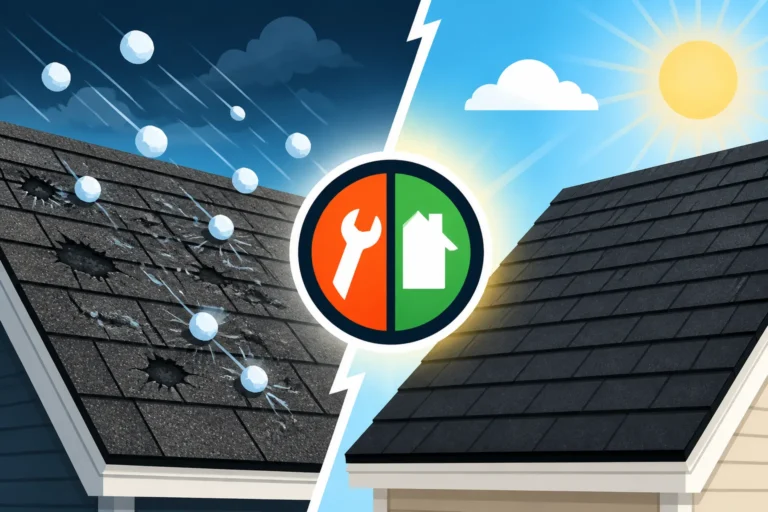
- Extreme Weather: Hail, strong winds, heavy snow loads, and intense UV exposure all take a toll. Hailstones can bruise and crack shingles, stripping away protective granules. High winds can lift, curl, or even tear off shingles, leaving your underlayment exposed.
- Poor Ventilation: Without proper attic ventilation, heat and moisture build up. In summer, this excessive heat can cause shingles to blister and crack prematurely. In winter, moisture can lead to rot in the roof deck and ice dam formation, which can force water under your shingles and into your home.
- Improper Installation: Even the best shingles won't last if they're not installed correctly. Incorrect nailing, insufficient overlap, or failure to properly seal flashing can lead to premature leaks and shingle failure. This is why choosing a reputable contractor is crucial, as their workmanship directly impacts your roof’s longevity.
- Lack of Maintenance: Overhanging branches scraping against shingles, accumulated debris in valleys, and unchecked moss or algae growth can all lead to damage. While moss and algae might seem cosmetic, they can trap moisture and accelerate shingle deterioration.
- Multiple Layers: If your 30-year-old roof was installed over an existing layer of shingles (a "roof-over" or "overlay"), it likely never had the same lifespan as a tear-off. Adding a second layer can trap heat, reduce the roof's ability to breathe, and prevent proper inspection of the underlying deck. Plus, many local codes now restrict the number of shingle layers allowed.
Signs Your 30-Year-Old Roof is Beyond Repair
When your roof hits the three-decade mark, it’s not just about one missing shingle or a tiny leak; it's often about a systemic breakdown. At this age, you're usually looking at a roof that's showing multiple severe symptoms, making repairs a short-term, expensive band-aid rather than a long-term solution.
Visible Deterioration and Widespread Damage
Take a walk around your home and really look at your roof – or better yet, get a professional to do it safely. You’re looking for more than just minor blemishes.
- Bald Spots and Granule Loss: Asphalt shingles are covered in small, protective granules that deflect UV rays and protect the asphalt layer. If you see large areas where these granules are missing, exposing the black asphalt underneath, it means your roof is losing its primary defense against the sun and quickly deteriorating. You might even find piles of granules in your gutters.
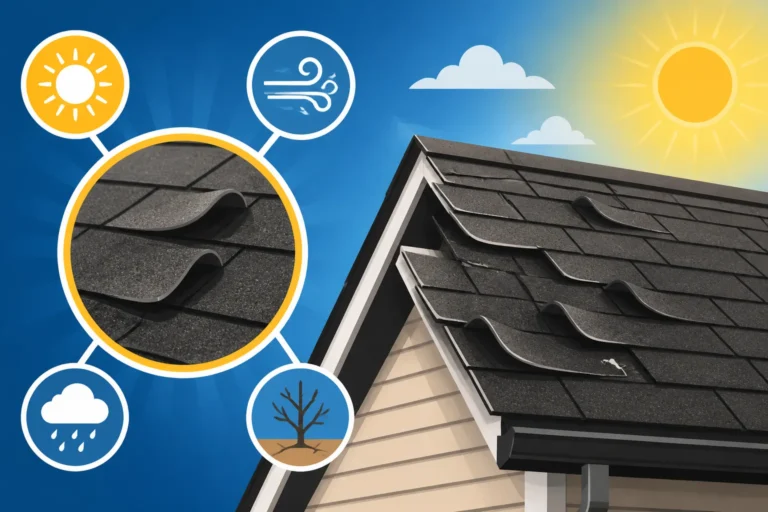
- Widespread Curling, Cracking, or Cupping: Shingles that are curling at the edges, cracking in the middle, or cupping (where the edges turn up) are brittle and no longer sealing properly. This leaves them vulnerable to wind and rain penetration. A few curled shingles might be fixable, but widespread curling across multiple slopes is a clear sign of an old roof's demise.
- Missing or Damaged Shingles: While a few missing shingles can be repaired, if you're constantly finding shingles in your yard after every moderate storm, your roof's adhesion is failing, and it’s a losing battle.
- Algae, Moss, and Lichen: While some algae streaks can be cleaned, extensive moss or lichen growth indicates a prolonged moisture problem. These organisms hold moisture against the shingles, accelerating deterioration and sometimes even growing under them, lifting the edges.
These are all clear indicators among the many signs you need a new roof.
Persistent Leaks and Interior Damage
This is often the most alarming sign for homeowners, and for good reason. A roof's main job is to keep water out.
- Active Leaks in the Attic: If you’re seeing water in your attic, particularly after rain, it’s a critical red flag. Water stains, drips, or even puddles mean your roof system has failed its primary purpose.
- Water Stains on Ceilings or Walls: Water in the attic eventually makes its way into your living space. Yellowish or brownish stains on ceilings or running down interior walls are definite indicators of roof leaks, and by the time they show up inside, the problem has often been active for a while, potentially causing hidden damage to insulation and framing.
- Mold or Mildew Growth: Persistent moisture from a leaking roof can lead to mold and mildew in your attic or even inside your home. This isn't just an aesthetic problem; it can pose significant health risks and further degrade structural components.
- Rotting Fascia or Soffit: If water is getting under your shingles and running down the eaves, it can cause the wooden fascia boards or soffit panels to rot. This is often accompanied by peeling paint or visible deterioration along the roofline.
Structural Issues and Decking Problems
Sometimes, the problems go deeper than just the shingles, reaching the very structure of your roof.
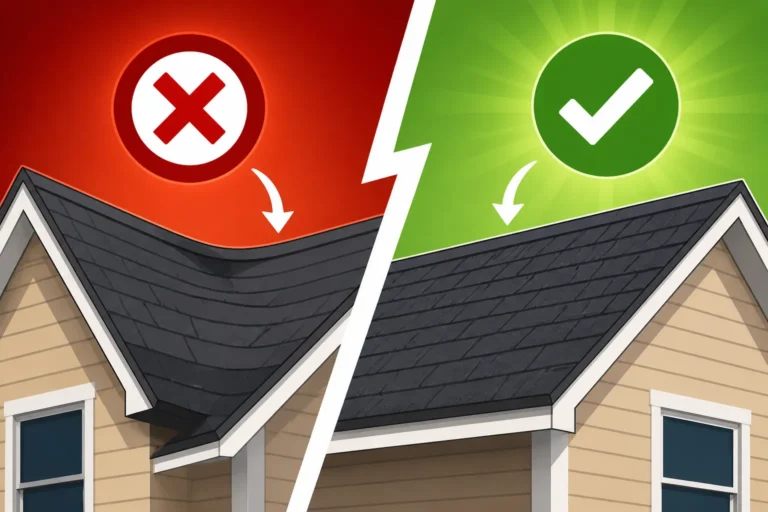
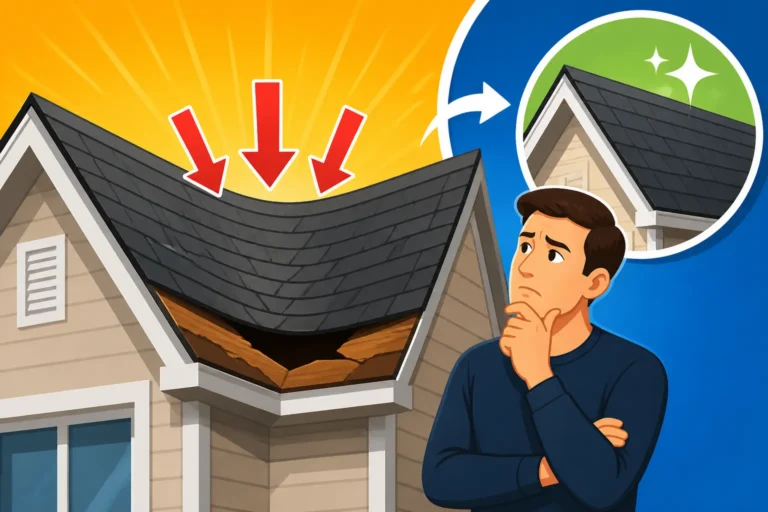
- Sagging Roofline: Stand across the street from your house and look at your roofline. Does it look straight and even, or do you notice any dips, sags, or waves? A sagging roof can indicate issues with the roof decking or even the underlying trusses, possibly due to long-term water saturation or structural fatigue.
- Soft Spots on the Roof Deck: If you or a professional walk on the roof and feel soft, spongy areas, it's a sign that the roof decking (the plywood or OSB sheets beneath the underlayment) has absorbed water and is rotting. Rotted decking compromises the structural integrity of your roof and won't hold nails properly, making shingle replacement futile.
- Visible Light Through the Roof Boards: From inside your attic on a bright day, look up. If you see streaks of light coming through the roof boards, it means there are gaps or cracks in the decking. This is a severe sign of deterioration that needs immediate attention.
The Financial and Practical Considerations of Replacing vs. Repairing
When faced with a 30-year-old roof, the temptation to "just fix it" can be strong, especially given the cost of a full replacement. However, at this age, continually repairing might be throwing good money after bad. It's time for a serious cost-benefit analysis.
Cost-Benefit Analysis of Replacement
Let's be realistic: a new roof is a significant investment. However, for a 30-year-old roof, the math often favors replacement. Think of it this way:
- Repair "Money Pit": If you have widespread granule loss, multiple leaks, or structural issues, individual repairs become frequent, expensive, and often temporary. You might pay $500 for a patch here, $800 for flashing repair there, and another $1,200 to fix a soft spot. Over a few years, these small repairs can quickly add up to a substantial sum that could have been put towards a new roof. It's often when a roof repair is a waste of money.
- Comprehensive Protection: A full roof replacement addresses all underlying issues – from the decking to the ventilation to the shingle installation. You get a completely new, integrated system designed to protect your home for the next 20-30 years, complete with new warranties.
- Long-Term Savings: A new, properly installed roof will be more energy-efficient, potentially lowering your heating and cooling bills. It also eliminates the stress and recurring costs of constant repairs.
- Warranty Coverage: A 30-year-old roof typically has no remaining manufacturer's warranty. A new roof comes with fresh warranties, covering both the materials and the contractor's workmanship, offering you invaluable peace of mind.
Impact on Home Value and Energy Efficiency
A new roof isn't just an expense; it's an investment that can significantly enhance your home.
- Increased Home Value: A new roof is a major selling point. It tells potential buyers that they won't have to worry about this expensive component for decades. According to Remodeling Magazine's Cost vs. Value Report, a roof replacement can recoup a significant portion of its cost (often 60-70% or more) at resale, making it one of the home improvements with a strong return on investment. If you're planning to sell in the next few years, a new roof is almost essential.
- Enhanced Curb Appeal: A fresh, modern roof dramatically improves the aesthetic appeal of your home. You can even choose different shingle styles, like architectural shingles, that mimic the look of wood shakes or slate, offering a more upscale appearance.
- Improved Energy Efficiency: An old roof with poor ventilation and deteriorating shingles allows heat to escape in winter and seep in during summer. A new roof, installed with proper ventilation and underlayment, creates a more effective thermal barrier. This leads to better insulation, less strain on your HVAC system, and noticeable savings on your utility bills. New cool-roof shingles can even reflect more solar energy, further reducing cooling costs in hot climates.
The Peace of Mind Factor
Beyond the tangible costs and benefits, there's the invaluable feeling of security that comes with a new roof.
- No More Worrying About Every Storm: Imagine heavy rain or a strong windstorm blowing through, and instead of dreading leaks or missing shingles, you feel confident that your home is protected. That's the peace of mind a new roof offers.
- Safety and Structural Integrity: Knowing that your roof deck is solid, your shingles are properly sealed, and your attic is dry means you don't have to worry about structural damage or the health risks associated with mold and mildew from persistent leaks.
- Focus on Other Home Improvements: Once the roof is taken care of, you can shift your focus (and your budget) to other improvements around the house, rather than constantly battling roof issues.
Steps to Take When Considering a 30-Year-Old Roof Replacement
Deciding to replace your 30-year-old roof is a big step, but it doesn't have to be overwhelming. There's a clear process to follow to ensure you make the best decision and get a quality job done.
Getting a Professional Inspection
This is the absolute first step. Don't rely solely on your own observations from the ground. A qualified, reputable roofing contractor will conduct a thorough inspection, often at no cost. They'll examine:
- Shingles: Checking for granule loss, curling, cracking, blistering, and missing pieces.
- Flashing: Inspecting the metal flashing around chimneys, vents, skylights, and valleys for signs of damage or improper sealing. These are common points for leaks.
- Underlayment: While not fully visible, a professional can often infer its condition based on shingle health and any visible leaks.
- Roof Decking: Looking for soft spots, rot, or water damage, usually from the attic side as well as walking on the roof.
- Ventilation: Assessing the existing attic ventilation system to ensure it's adequate and functioning correctly.
- Gutters: Checking for granule accumulation, which is a sign of shingle wear.
A good inspection will give you a clear, objective assessment of your roof's condition and help you understand the extent of any damage. They'll be able to tell you if the roof is genuinely beyond simple repairs or if there are still viable alternatives. Services like Modernize can help you connect with local, vetted roofing professionals who can provide these essential inspections.
Understanding Your Options and Estimates
Once you have a professional assessment, it's time to explore your options. You should never settle for just one opinion.
- Get Multiple Quotes: Contact at least three different roofing contractors for estimates. This will give you a range of prices and approaches, helping you understand the market value for the work. Be sure to ask what a roofing estimate should include to ensure you're comparing apples to apples. A thorough estimate should detail the scope of work, materials to be used (shingle brand, type, underlayment), tear-off and disposal, timeline, and warranty information.
- Review Material Choices: Discuss different shingle options. While 3-tab shingles are generally the most affordable, architectural shingles often provide a better blend of durability, aesthetics, and value for money, typically lasting 25-30 years. Premium options like designer shingles offer even more robust performance and unique looks. Consider options like Class 4 impact-resistant shingles if you live in an area prone to hail, which might even qualify you for insurance discounts.
- Discuss the Full System: A complete roof replacement involves more than just shingles. It includes new underlayment, drip edge, flashing, and often improved ventilation (like ridge vents). Make sure your contractor explains the entire "roofing system" they propose and why each component is important for longevity and performance. Our guide on how a roof replacement works: the full process can give you a clear picture of what to expect.
Navigating Insurance and Financing
Paying for a new roof can be a significant financial undertaking, but there are ways to make it manageable.
- Check Your Homeowner's Insurance: If your roof damage is due to a recent storm (hail, wind, etc.), your homeowner's insurance policy might cover a significant portion of the replacement cost, minus your deductible. It's crucial to understand your policy's specifics, including whether it covers actual cash value (ACV) or replacement cost value (RCV). If you think your damage is storm-related, immediately contact your insurance provider and document everything. Learning if insurance covers roof replacement can be a game-changer.
- Explore Financing Options: Many roofing companies offer financing plans, sometimes with low or 0% APR for a promotional period. These can make a new roof much more affordable by spreading the cost over several years. You might also consider a home equity loan or line of credit, which often have favorable interest rates. Don't be afraid to discuss roof financing options explained with your contractor or financial institution.
- Budgeting and Saving: If replacement isn't immediately critical but is inevitable, start budgeting and setting aside funds. Even a few hundred dollars a month can make a significant dent in the total cost when the time comes.
Ultimately, your 30-year-old asphalt roof has served you well, but like any faithful companion, it eventually reaches the end of its journey. Recognizing the signs, understanding the options, and planning proactively will ensure your home remains protected for decades to come.
Repair vs. Replace: A Quick Comparison for a 30-Year-Old Roof
To help you visualize the core differences, here's a table comparing the pros and cons of repairing versus replacing an asphalt roof that is 30 years old.
| Feature | Repairing a 30-Year-Old Roof | Replacing a 30-Year-Old Roof |
|---|---|---|
| Initial Cost | Lower, for individual fixes | Higher, significant upfront investment |
| Longevity | Very short-term, temporary fixes | 20-30+ years with new materials and warranties |
| Effectiveness | Addresses localized issues, does not stop systemic aging | Solves all current and potential age-related issues |
| Warranties | Likely none remaining on original roof; repair may have limited/no warranty | New manufacturer and workmanship warranties (often 10+ years) |
| Home Value | No increase, potential depreciation due to old roof | Significant increase, boosts curb appeal and resale value |
| Energy Impact | Minimal improvement, likely still inefficient | Improved insulation and ventilation, lower energy bills |
| Peace of Mind | Continued worry about next storm or new leaks | High confidence in home protection for decades |
| Future Costs | Recurring, unpredictable repair costs | Predictable cost (initial replacement), minimal future costs |
| Structural Risk | High, hidden damage may worsen unnoticed | Minimal, all components inspected and replaced as needed |
| Insurance | Unlikely to cover age-related repairs | May cover if storm-damaged; new roof can lower premiums |
Disclaimer
The information provided in this article is intended for general guidance and informational purposes only, and does not constitute professional advice. Roofing conditions and costs can vary significantly based on location, materials, contractor, and specific home characteristics. Always consult with a qualified, licensed roofing professional for accurate assessments, estimates, and advice tailored to your specific situation.