How Much Does It Cost to Fix Hail Damage
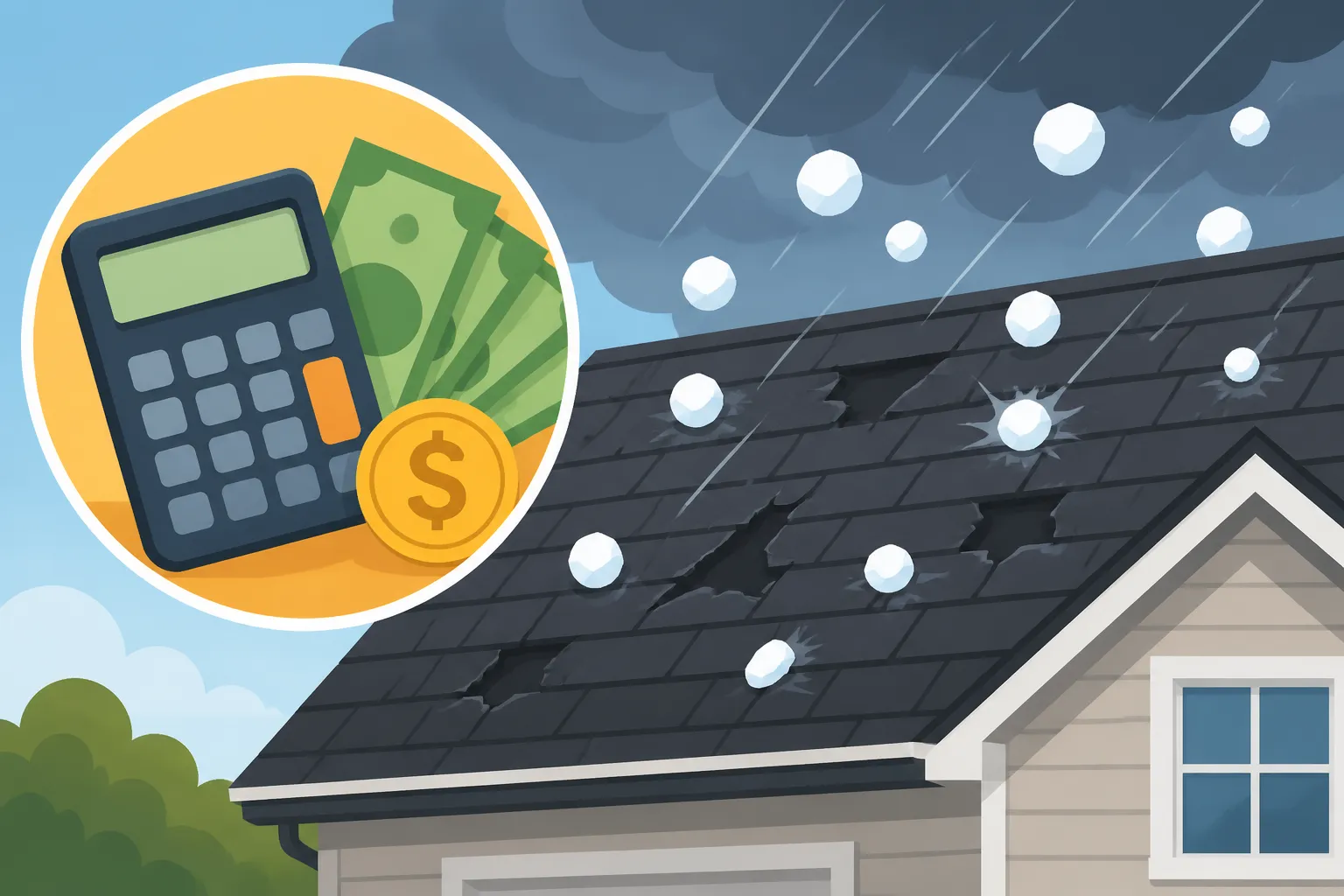
Oh, the dreaded sound of hail drumming on your roof, especially here in places like Colorado or Texas where hailstorms can be a regular, terrifying occurrence. One minute it's a sunny afternoon, the next, golf-ball sized ice pellets are raining down, leaving behind a trail of anxiety and potential damage to your home. If you've just experienced a hailstorm, you're likely wondering, "How much does it really cost to fix hail damage?" It’s a completely valid concern, as hail damage is often insidious, hiding its true extent until an expert eye takes a closer look, and the costs can range from a few hundred dollars for minor repairs to tens of thousands for a full replacement. This guide is here to walk you through understanding these costs, navigating the repair process, and working with your insurance, so you can make informed decisions without feeling overwhelmed.
The Frustration of Hail Damage to Your Asphalt Roof
It's a sinking feeling, isn't it? You hear the storm pass, step outside, and see no immediate holes or gaping wounds on your roof. You might think you've dodged a bullet. But with asphalt shingles, hail damage is rarely as dramatic as a tree falling through your living room. Instead, it’s a quieter, more insidious threat that can drastically shorten your roof's lifespan and lead to leaks down the line if not addressed properly.
How Hail Damages Shingles and What to Look For
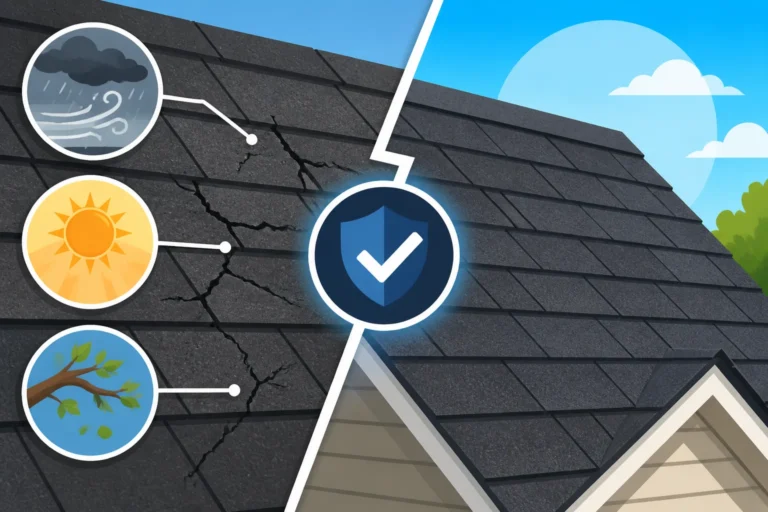
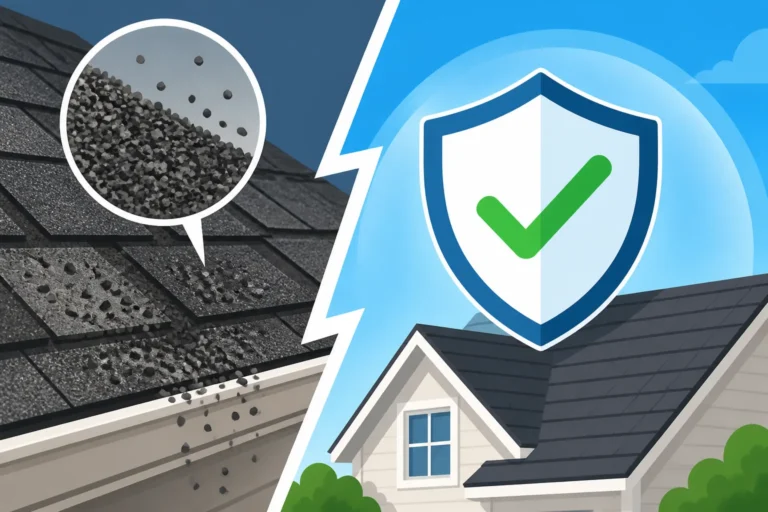
When hailstones strike asphalt shingles, they don't necessarily create instant holes. What they do is much more subtle and often more dangerous in the long run. The primary damage comes from dislodging the protective granules embedded in the asphalt. These granules are crucial; they shield the underlying asphalt from the sun's harsh UV rays, which can cause the material to dry out, crack, and become brittle over time. When hail knocks off these granules, it exposes the asphalt directly to the elements, accelerating the aging process significantly.
Beyond granule loss, hail can also create impact marks, often described as "bruises" or "dings" on the shingle surface. These can range from small, soft spots where the matting underneath has been compressed, to larger, more visible indentations. On a newer roof, these spots might feel soft or spongy to the touch. With older shingles, which are already less flexible, hail impacts can cause immediate cracking or even shatter the shingle's fiberglass mat, leaving crescent-shaped cracks that are clear indicators of severe damage. These cracks are direct pathways for water to seep in, potentially leading to leaks and costly interior damage.
Why Hail Damage Isn't Always Obvious But Still Serious
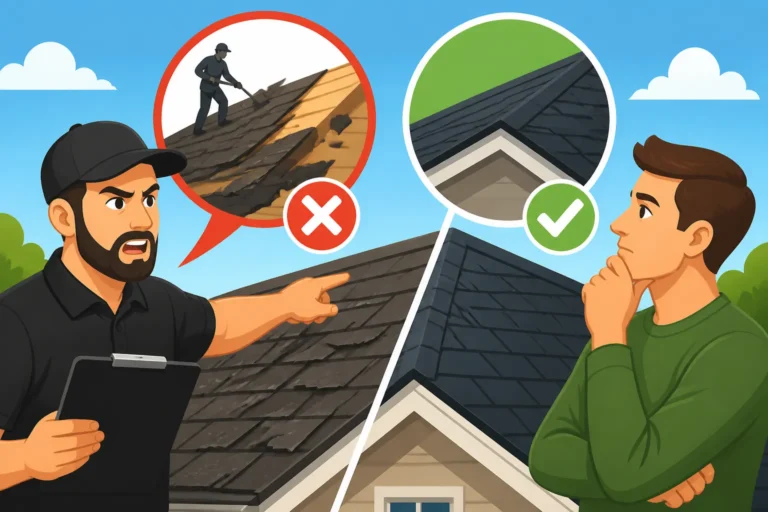
The frustrating thing about hail damage is that it's often not immediately apparent from the ground. You might peer up at your roof and see nothing amiss, especially if your shingles are a darker color or the hail wasn't exceptionally large. This is precisely why it's so critical to get a professional roof inspection after any significant hailstorm, even if you don't spot anything yourself. A trained eye knows exactly what to look for: subtle patterns of granule loss, soft spots, and tiny cracks that are easily missed by the untrained homeowner.
The danger of unaddressed hail damage lies in its cumulative effect. Those seemingly minor granule losses mean the sun is now baking the asphalt directly, causing it to lose its flexibility and protective oils much faster. This accelerated aging makes the shingles more susceptible to further damage from wind, temperature fluctuations, and future storms. What might seem like a small cosmetic issue today can quickly evolve into widespread cracking, lifting, and leaks within a few years, long before your roof should naturally be nearing the end of its life. Ignoring it now could mean facing a much more expensive full roof replacement sooner than anticipated, so early detection and action are key.
Key Factors Driving the Cost of Hail Damage Repair
When you're staring down potential hail damage, the question of cost quickly becomes paramount. Unfortunately, there's no single, simple answer because so many variables come into play. Understanding these factors will help you make sense of the estimates you receive and budget accordingly.
Extent of the Damage and Roof Size
This is perhaps the most obvious factor, but its implications are profound. A few scattered dings on one slope are a vastly different scenario than widespread granule loss and shattered shingles across your entire roof. If the damage is isolated to a small area, a targeted repair might be possible, often costing a few hundred dollars. However, if hail has severely compromised more than 25-30% of your roof's surface, most reputable contractors and insurance companies will lean towards a full replacement.
The overall size and complexity of your roof also play a massive role. A small, simple ranch-style home with a low Roof Replacement Cost by Pitch will naturally be less expensive to repair or replace than a large, multi-story home with a steep pitch, numerous valleys, dormers, and skylights. Each of these architectural features adds complexity and labor time, driving up material and installation costs. Roofing contractors often measure roofs in "squares," with one square equaling 100 square feet. The more squares your roof has, the higher the overall cost will be, regardless of whether it's a repair or a full tear-off and replacement.
Type of Asphalt Shingles and Material Availability
Not all asphalt shingles are created equal, and their type significantly impacts repair costs. Basic 3-tab shingles, while budget-friendly initially, are generally less expensive to replace per square foot. However, they are also more prone to hail damage. Architectural or dimensional shingles, which are thicker and offer a more robust, multi-layered appearance, are more durable and thus might withstand smaller hail better. But if they do sustain damage, the cost to replace them is higher. Luxury or designer shingles, which mimic the look of slate or wood shakes, are the most expensive and require specialized installation techniques, making repairs or replacements considerably pricier.
The availability of matching shingles can also be a hurdle. If your roof is older and the exact shingle color or style is discontinued, finding a perfect match for a small repair can be impossible. In such cases, contractors might need to replace an entire slope or a larger section to maintain aesthetic consistency, which naturally increases the scope and cost of the job. For larger jobs, if there's a sudden surge in demand after a major storm, material prices can temporarily inflate, and lead times for certain shingle types can extend.
Regional Labor Rates and Contractor Expertise
Just like real estate, roofing costs are heavily influenced by location. Labor rates for skilled roofing professionals vary significantly across the country. A full roof replacement in a high-cost-of-living area like Southern California or the Northeast will almost certainly cost more than the same job in a lower-cost region like parts of the Midwest or the South. For example, a Asphalt Roof Replacement Cost in California will likely be higher than in Georgia.
Moreover, the expertise and certifications of the contractor you choose will affect pricing. Highly reputable, certified roofers who are experienced in handling hail damage claims and who employ Manufacturer-Certified Roofers Explained might charge a bit more, but they often provide superior workmanship and warranties. These contractors understand local building codes and insurance processes inside and out. While it's tempting to go with the cheapest bid, remember the old adage: "You get what you pay for." A shoddy repair can lead to bigger problems and more expense down the road. It’s always wise to get multiple quotes, and if you’re looking for trusted local professionals, services like Modernize can help connect you with pre-screened contractors who have experience with hail claims in your area.
Additional Damage Beyond Shingles
Hail rarely limits its destruction to just the shingles. The impact can cause a ripple effect of other damage that quickly adds to the overall cost. For instance, the underlying Roof Decking Replacement Cost might be necessary if the hail was severe enough to fracture or weaken the plywood or OSB sheathing beneath the shingles. This is especially true if there have been previous leaks, as hail damage can exacerbate existing vulnerabilities, leading to more extensive rot that wasn't visible before.
Beyond the roof surface itself, hail can dent or damage other critical components of your roofing system and even other parts of your home. This includes:
- Gutters and Downspouts: Hail often leaves dents, cracks, or punctures, compromising their ability to properly divert water.
- Ventilation Systems: Ridge vents, roof vents, and turbines can be dented, cracked, or dislodged, hindering proper attic ventilation and potentially leading to moisture issues.
- Flashing and Drip Edge: The metal strips around chimneys, skylights, and along the eaves are susceptible to dents and can be compromised, requiring repair or replacement.
- Siding, Windows, and A/C Units: While not directly part of the roof, severe hailstorms often damage these too, and these repairs will be part of your overall storm damage claim, though likely handled by different specialists.
When a contractor provides an estimate, ensure it's a comprehensive one that accounts for all these potential secondary damages. Ignoring them now could lead to costly issues down the line.
Breaking Down the Costs: Repair vs. Replacement for Hail Damage
When hail strikes, one of the biggest dilemmas homeowners face is whether to repair the damage or opt for a full roof replacement. Your decision will significantly impact the final cost, and it's essential to understand the financial implications of each path.
Spot Repair Costs for Minor Hail Damage
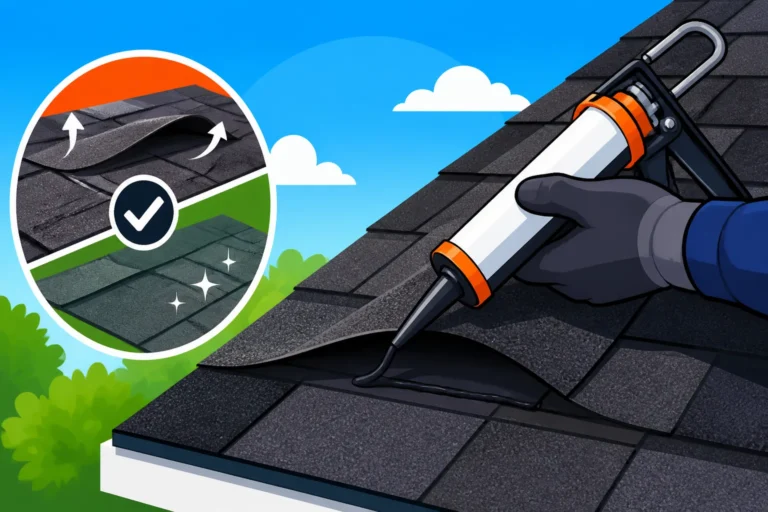
If your asphalt roof has only sustained very minor, isolated hail damage—perhaps a few scattered dings on one or two shingles—a spot repair might be a viable, more budget-friendly option. This involves carefully removing and replacing the damaged shingles. The cost for a small spot repair can range anywhere from $200 to $800, depending on the number of shingles, the complexity of accessing the area, and local labor rates. For instance, replacing 5-10 shingles might cost around $350-$500 in many areas.
However, it's crucial to exercise caution here. While spot repairs can save money upfront, they are only truly effective if the damage is genuinely minimal and localized. If the surrounding shingles have also suffered granule loss or hidden bruising, even if not immediately apparent, a spot repair might only be a temporary fix. Moreover, matching new shingles to aged, weathered existing ones can be challenging, potentially leading to noticeable color differences. Always get an honest assessment from a trusted professional to determine if a spot repair is genuinely sufficient or if it's merely delaying a more significant, inevitable expense.
Partial Roof Replacement Costs
Sometimes, the hail damage is too extensive for a simple spot repair but not quite severe enough to warrant replacing the entire roof, particularly if only one or two slopes were affected. In such cases, a partial roof replacement might be considered. This involves tearing off and replacing all the shingles on one or more damaged roof sections while leaving the unaffected sections untouched. The cost for a partial replacement can vary widely, typically ranging from $2,000 to $8,000 or more, depending on the size of the section, the type of shingles, and the overall complexity. For example, replacing one entire slope on a medium-sized home could fall in this range.
The challenge with partial replacements, similar to spot repairs, is aesthetic matching. Even if you use the exact same brand and color of shingle, new shingles will always look different from weathered ones. Over time, UV exposure causes asphalt shingles to fade, and new ones will appear brighter and more vibrant. This can result in a noticeable patchwork appearance on your roof, which might affect your home's curb appeal. Therefore, while seemingly a middle-ground solution, a partial replacement should be weighed carefully, especially if visual uniformity is important to you.
Full Roof Replacement Costs After Severe Hail
For severe, widespread hail damage—the kind that compromises the integrity of a significant portion of your roof—a full roof replacement is almost always the recommended and often the most cost-effective long-term solution. When the damage is extensive, continuing to patch or partially replace can be a continuous headache and a poor investment. A full replacement involves a complete Cost of Roof Tear-Off and Disposal of the old roofing materials, inspection and potential repair of the underlying roof deck, and installation of a brand-new roofing system.
The How Much Does an Asphalt Shingle Roof Cost for a full replacement varies significantly based on factors like roof size, pitch, shingle type, and location. Nationally, homeowners might expect to pay anywhere from $10,000 to $25,000 for an asphalt shingle roof replacement on an average-sized home (around 1,700-2,000 square feet). For larger homes or those with premium materials, costs can easily exceed $30,000. While this upfront cost is substantial, it provides a completely new, warrantied roofing system, peace of mind, and often increased home value. It's a significant investment, but when faced with widespread hail damage, it's often the best way to protect your home.
Understanding Your Insurance Deductible and Coverage
This is where the financial burden of hail damage often shifts dramatically. Most homeowner insurance policies do cover hail damage, as it's considered a sudden and accidental event. However, you will be responsible for your deductible. This is the amount you pay out of pocket before your insurance coverage kicks in. Deductibles can vary widely, from $500 to $5,000 or even a percentage of your home's insured value, especially in hail-prone regions.
Before you even start thinking about repair versus replacement, pull out your policy and understand your specific coverage. Some policies are "Actual Cash Value" (ACV), which pays out the depreciated value of your roof, meaning an older roof will get you less. Others are "Replacement Cost Value" (RCV), which covers the full cost of replacing your roof with new materials of similar quality, without deduction for depreciation. RCV policies are generally more favorable for homeowners. Knowing your deductible and coverage type will profoundly influence your decision-making and your out-of-pocket expenses. It's also worth investigating if your policy offers benefits for Impact-Resistant Shingle Cost upgrades, as some insurers provide discounts for more durable materials.
Here's a quick overview of potential costs:
| Type of Hail Damage Resolution | Estimated Cost Range (Average Home) | Key Considerations | When It's a Good Option |
|---|---|---|---|
| Spot Repair | $200 – $800 | Minor, localized damage; potential aesthetic mismatch | Only for very small, isolated areas of damage. |
| Partial Replacement | $2,000 – $8,000 | Significant damage to specific sections; aesthetic mismatch likely | If 1-2 slopes are heavily damaged but others are pristine. |
| Full Replacement | $10,000 – $25,000+ | Widespread damage; best long-term solution; new warranty | When damage is extensive (e.g., >25% of roof), or for older roofs. |
| Insurance Deductible | $500 – $5,000+ (or % of home value) | Your out-of-pocket cost before insurance pays. | Always applicable if you file a claim. |
Navigating the Insurance Claim Process for Hail Damage
Dealing with insurance after a major storm can feel like a maze, full of jargon and endless paperwork. But for hail damage, your homeowner's insurance is typically your best friend. Understanding the process can alleviate a lot of stress and ensure you get the coverage you deserve.
Documenting Damage and Filing Your Claim
The moment you suspect hail damage, your first step should be to document everything. Take clear photos and videos of any visible damage – not just on the roof (if you can safely get a good shot from the ground or a drone), but also on gutters, siding, windows, and outdoor furniture. Date these images. If you can, make notes on the date and time of the storm and any specific observations you made. This documentation will be invaluable when you file your claim. Many homeowners are not comfortable climbing on their roofs, and that's perfectly understandable. A professional contractor can often assist with initial damage assessment and documentation.
Once you have your initial documentation, contact your insurance company as soon as possible to file a claim. Be prepared to provide the date of loss, a description of the damage, and your policy number. They will assign a claim number and an adjuster to your case. Remember, it's crucial to be honest and thorough, detailing all aspects of the damage. You can read more about How to Document Roof Damage for Insurance to be fully prepared.
Working with Adjusters and Contractors
This is where the "teamwork" aspect comes into play. After you file your claim, your insurance company will send an adjuster to assess the damage. It's highly recommended to have your chosen roofing contractor present during this inspection. A professional roofer can point out subtle damage that an adjuster, who might not be a roofing expert, could potentially miss. This collaborative approach helps ensure all damage is identified and included in the claim, preventing disputes down the line.
Your contractor will likely provide their own detailed estimate for the repairs or replacement, often using specialized estimating software like Xactimate, which many insurance companies also use. Don't be afraid to ask questions. Ensure the estimate aligns with your insurance adjuster's assessment. If there's a significant discrepancy, your contractor can often communicate directly with the adjuster to clarify scope and costs. Finding a reputable contractor is key here. Services like Modernize can help you find local, vetted professionals who are experienced in working with insurance claims and can guide you through this complex process.
When to Get a Second Opinion
Even with the best intentions, insurance adjusters can occasionally miss damage, or their assessment of the scope might differ from what a roofing expert believes is truly necessary. This is especially true with hail, where damage can be subtle and difficult to spot. If you feel that the initial insurance payout or scope of work doesn't fully cover the extent of the damage, or if you simply want added peace of mind, don't hesitate to get a second opinion from another reputable roofing contractor.
A second contractor can provide an independent assessment and a separate estimate. If this second estimate is significantly higher and identifies more damage, you can present this information to your insurance company. Often, this leads to a re-evaluation of your claim and potentially a more comprehensive payout. Sometimes, a "supplement" will be issued, adding to the initial claim amount to cover unforeseen or newly identified damage. Remember, you have a right to a fair and accurate assessment, and a second opinion is a powerful tool to ensure that.
Making the Smart Decision: Repair, Replace, or Upgrade?
After assessing the damage and understanding the costs, the big question looms: repair, replace, or is there an opportunity to upgrade? This decision isn't just about immediate cost but also about long-term value, protection, and peace of mind.
When Repairing Makes Sense and When It Doesn't
Repairing your roof after hail damage makes the most sense when the damage is truly minor and localized, affecting only a small percentage of your roof. For example, if a small patch of your roof caught the brunt of a less intense hail shower while the rest of the roof remains largely unscathed and is still relatively young, a targeted repair can be an economical solution. This prevents you from incurring the Cost to Replace a Roof by House Size when it's not strictly necessary.
However, repairing becomes a false economy if the hail damage is widespread, even if it looks minor on the surface. If hail has caused granule loss and bruising across multiple slopes or a significant portion of your roof, simply replacing a few shingles here and there won't address the accelerated aging of the entire roof. In such cases, attempting to repair will only lead to more leaks and problems down the road, ultimately costing you more in repeated repairs and an earlier full replacement. An older roof (nearing 15-20 years) with hail damage is almost always a candidate for full replacement, as its remaining lifespan likely doesn't justify extensive repairs. For a deeper dive, consider reading about Roof Repair vs Replacement: How to Decide.
Considering an Upgrade to Impact-Resistant Shingles
A hailstorm, while devastating, can sometimes present an opportunity. If your roof is being replaced due to hail damage, this might be the perfect time to consider upgrading to impact-resistant (IR) shingles, also known as Class 4 shingles. These shingles are specifically designed to withstand the impact of hail and other severe weather conditions better than standard asphalt shingles. They feature a reinforced mat and polymer modified asphalt that makes them much more flexible and durable.
While the Class 4 Shingle Roof Cost is higher initially—often 10-25% more than standard architectural shingles—the long-term benefits can be substantial. Many insurance companies offer discounts on premiums for homes with Class 4 roofs, especially in hail-prone states. This can lead to significant savings over the life of the roof. Furthermore, IR shingles can offer superior protection, potentially saving you from another costly claim after the next big storm. Talk to your contractor about options from brands like Owens Corning or GAF, as many manufacturers now offer excellent impact-resistant lines.
Finding the Right Professional for Hail Damage Assessment
Finding the right roofing contractor is, without exaggeration, the most critical step in addressing hail damage. You need someone experienced, reputable, and knowledgeable about both roofing and insurance claims. Here’s what to look for:
- Local Expertise: Choose a contractor with a strong local presence and a proven track record in your area. They'll be familiar with local building codes, common storm patterns, and how local insurance companies operate.
- Licensed and Insured: Always verify that the contractor is fully licensed and carries comprehensive liability insurance and workers' compensation. This protects you from financial responsibility if an accident occurs on your property.
- Hail Damage Experience: Specifically ask about their experience with hail damage claims. A good contractor will guide you through the insurance process, help with documentation, and advocate on your behalf with the adjuster.
- References and Reviews: Check online reviews (Google, BBB, Yelp) and ask for local references. Speak to past clients to gauge their experience.
- Detailed Estimates: Insist on a written, itemized estimate that clearly outlines all costs, materials, scope of work, and warranty information. A comprehensive estimate should cover everything from tear-off to final cleanup. You can learn more about How to Read and Compare Roofing Estimates to ensure you're getting a fair deal.
Don't rush into a decision, especially if you're approached by "storm chasers" immediately after a hail event. Take your time, do your research, and choose a contractor you trust. Reputable services like Modernize are great resources for finding qualified and pre-vetted roofing professionals in your area who specialize in storm damage and insurance claims, helping you connect with the right experts.
Disclaimer
Please remember that the information provided in this article is intended for general guidance and informational purposes only. Roofing costs, insurance policies, and local regulations can vary significantly based on your specific location, the extent of the damage, the type of materials chosen, and individual contractor pricing. Always consult with a qualified, licensed, and insured roofing professional for an accurate assessment and personalized estimate for your property. Additionally, thoroughly review your specific homeowner's insurance policy and speak directly with your insurance provider to understand your coverage and claims process.