What Causes Granule Loss on a Roof
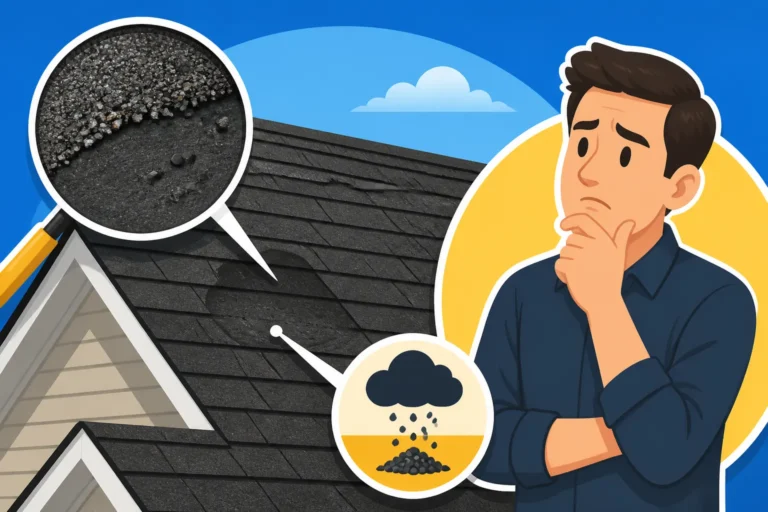
It's incredibly unsettling to look out your window after a storm or even just notice little gritty bits in your gutters and realize they're coming from your roof. That tiny gravel-like material is actually your asphalt shingles' protective granules, and seeing them wash away can spark a lot of worry about your roof's health. This guide is here to demystify granule loss, exploring what causes it, what it means for the integrity of your home, and when it’s time to take action.
Understanding the Vital Role of Roof Granules
Before we dive into why those little bits are leaving your roof, let's talk about what they are and why they're so crucial in the first place. You might think they're just for looks, adding texture and color to your shingles, but their job goes far beyond aesthetics.
The Protective Shield of Shingle Granules
Imagine your roof shingles as the first line of defense against Mother Nature's relentless assault. Those granules, often made from crushed rock coated with ceramic, are the unsung heroes of this defense system. Their primary role is to shield the underlying asphalt layer of your shingles from the sun's brutal ultraviolet (UV) rays. Without this granular layer, the sun would quickly dry out and crack the asphalt, causing your shingles to become brittle and fail prematurely. Think of it like sunscreen for your roof – essential for long-term health.
Beyond UV protection, granules also add weight to the shingles, helping them resist wind uplift. They contribute to the shingle's fire resistance rating and can even help prevent algae growth, especially if they're specially treated. In essence, a healthy layer of granules is absolutely vital for the longevity and performance of your asphalt roof. When you start seeing them detach, it's a clear signal that this protective layer is diminishing, exposing your roof to potential damage and shortening its lifespan.
Composition and Types of Asphalt Shingle Granules
The granules on your asphalt shingles aren't just any old rocks; they're specifically engineered for roofing applications. Typically, these are made from basalt, slate, or other natural mineral aggregates that are crushed and then coated with a ceramic pigment. This ceramic coating is what gives your shingles their color, from classic charcoal grays to vibrant reds and greens. The coating also helps reflect sunlight, which is especially important for "cool roof" shingles designed to reduce heat absorption.
Some manufacturers, like Owens Corning or GAF, even incorporate specialized granules into their product lines. For instance, some granules might contain copper to inhibit algae growth, giving the roof those familiar black streaks. Others are designed to be more impact-resistant, helping your roof stand up better to hail storms, which can be a real game-changer if you live in an area prone to severe weather. The quality and type of these granules, along with how they're embedded into the asphalt, play a huge role in how long your shingles will last and how well they perform over their lifetime.
Common Causes Behind Granule Loss
Now that we know how important these little granules are, let's explore the various culprits behind their premature departure from your roof. It's rarely just one thing, and often a combination of factors working against your roof's integrity.
Natural Aging and Weathering
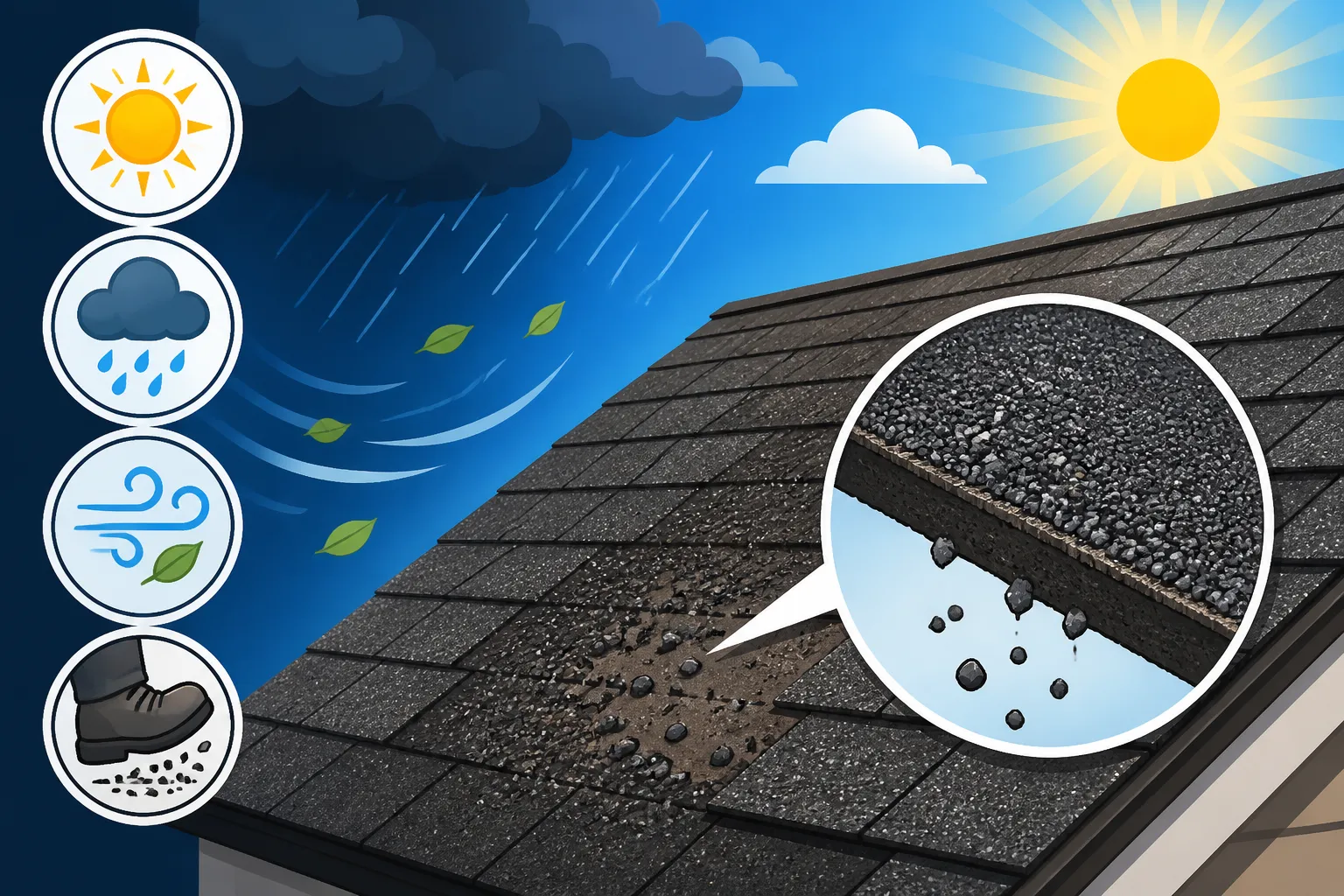
The most common and inevitable cause of granule loss is simply the natural aging process of your asphalt shingles. Over time, as your roof is exposed to years of sun, rain, wind, and temperature fluctuations, the adhesive properties of the asphalt begin to degrade. This causes the granules, which are essentially embedded in the asphalt, to loosen and shed.
Think about it like an old road – constant traffic and weather erode the surface, causing small pieces to break off. The same principle applies to your roof. Each sunny day, the UV rays slowly bake the asphalt, making it more brittle. Rain and wind then work to wash and blow away the loosened granules. This is a gradual process that's expected as your roof approaches the end of its typical lifespan, usually around 15-20 years for a standard 3-tab shingle or 20-30 years for an architectural shingle. If your roof is getting up there in age, seeing some granule loss is a tell-tale sign that it might be time to start thinking about a replacement. You might wonder, "How Long Does an Asphalt Roof Last," and natural aging is a big part of that equation.
Hail and Storm Damage
While natural aging is a slow burn, severe weather events can cause dramatic and immediate granule loss. Hailstorms are notorious for this. When hailstones, especially larger ones, strike your roof, they physically dislodge the granules from the asphalt surface. This isn't just a gentle shower; it's often a forceful impact that creates visible pockmarks where granules have been completely knocked off.
Wind is another major contributor. Strong winds can lift and flex shingles, especially those that are older or not properly sealed, causing granules to rub against each other and detach. Even smaller debris carried by wind, like twigs and leaves, can abrade the shingle surface and lead to granule loss. After a significant storm, it's always a good idea to perform a visual inspection from the ground or, even better, have a professional check for signs of roof damage. Ignoring signs of roof hail damage or wind damage can lead to much bigger problems down the line.
Improper Installation or Manufacturing Defects
Sometimes, granule loss isn't about age or weather, but about how the shingles were made or put on your roof in the first place. Believe it or not, improper installation can be a significant factor. If shingles aren't nailed correctly, or if the wrong number of nails is used, they might not sit flush or adhere properly, making them more susceptible to wind uplift and granule erosion. For instance, if a roofer uses too much pressure with a nail gun, they can "overdrive" nails, puncturing the shingle and compromising its ability to hold granules.
On the manufacturing side, although rare with reputable brands like CertainTeed or IKO, there can sometimes be defects where the granules aren't properly embedded in the asphalt during production. This might lead to excessive shedding shortly after installation. If you notice a substantial amount of granule loss on a relatively new roof, it's crucial to contact your installer and the shingle manufacturer immediately to discuss potential warranty claims. Understanding Roofing Warranty: Workmanship vs Manufacturer is essential here.
Foot Traffic and Cleaning Methods
While a healthy roof can withstand some incidental foot traffic, repeated walking on your roof, especially in hot weather, can easily dislodge granules. Those small, gritty particles provide traction, but they're not indestructible. If you're someone who likes to clean your own gutters or inspect your roof regularly, be mindful of where and how you step. Every step can potentially grind granules off the surface.
Similarly, aggressive cleaning methods, particularly power washing, can strip granules away at an alarming rate. While power washing might seem like a quick fix for moss or algae, the high pressure can do irreversible damage to your shingles, removing their protective layer and significantly shortening their life. If you have moss or algae growth, gentle cleaning methods or specialized treatments are always recommended over high-pressure washing.
Algae and Moss Growth
It might sound counterintuitive, but algae and moss growth can also contribute to granule loss. While the primary issue with algae (those black streaks) is aesthetic, severe moss growth is a different story. Moss tends to grow in thick mats, especially on shaded or damp sections of your roof. As moss expands and contracts with moisture and temperature changes, its roots can actually penetrate and lift the granules from the shingle surface. When the moss is eventually removed, either naturally or through cleaning, it often takes a significant amount of granules with it, leaving bare spots.
Algae, especially the black streaks caused by Gloeocapsa magma, can create a damp environment that accelerates the breakdown of the shingle's surface, making granules more prone to shedding. While many modern shingles from brands like Atlas come with algae-resistant granules, older roofs are more susceptible. Addressing moss and algae promptly can help preserve the granular surface.
What Granule Loss Means for Your Roof
So, you've identified the causes, but what does it really mean when your roof is shedding its protective coating? The implications can range from purely aesthetic to structurally damaging, impacting your home's integrity and your wallet.
Reduced UV Protection and Accelerated Deterioration
The most immediate and concerning consequence of granule loss is the loss of UV protection. As we discussed, the granules act like sunscreen for the asphalt layer of your shingles. When they're gone, the underlying asphalt is directly exposed to the sun's intense ultraviolet radiation. This exposure accelerates the deterioration process significantly.
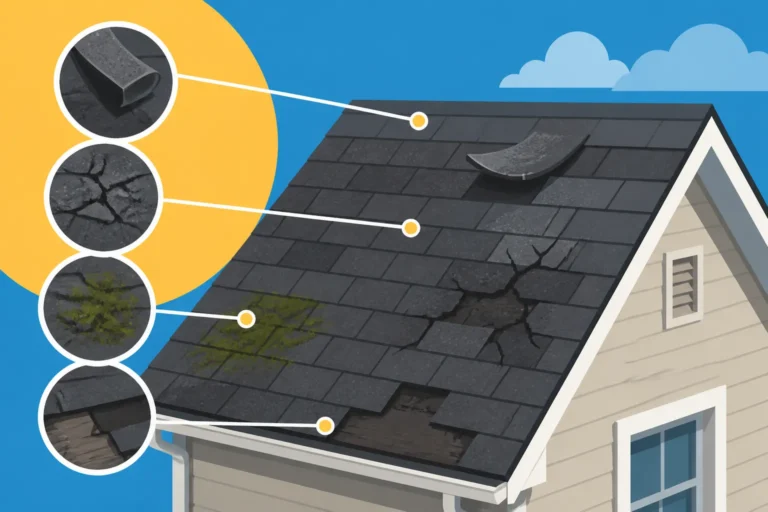
Without granules, the asphalt will dry out, harden, and become brittle much faster. You'll start to see signs like cracking, curling, and blistering on the exposed areas. These areas are then far more susceptible to damage from even moderate weather. This is a critical point where the lifespan of your roof drastically shortens. Instead of getting another 10-15 years out of your roof, you might find yourself needing a full replacement much sooner than anticipated. This is one of the key Signs You Need a New Roof.
Increased Vulnerability to Leaks
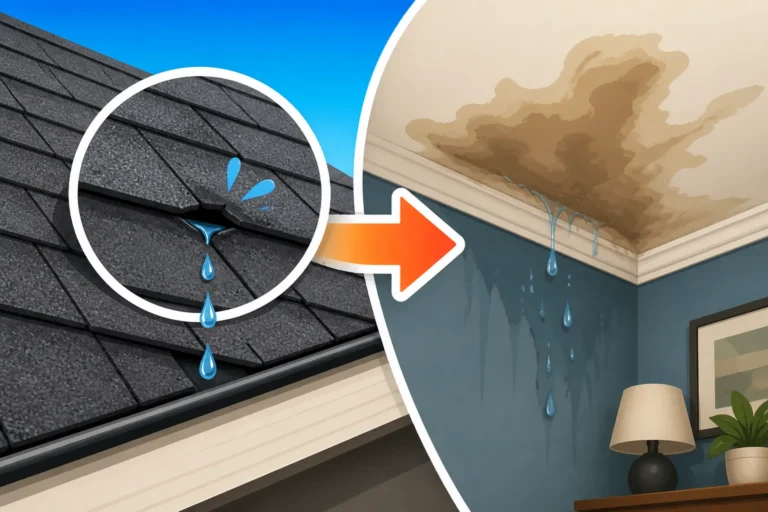
Bare spots on your roof where granules have eroded aren't just an eyesore; they're weak points. As the asphalt becomes brittle and cracks, these areas become prime entry points for water. A small crack today can become a major leak tomorrow, especially during heavy rains or melting snow.
Water intrusion can lead to a cascade of problems:
- Damaged Roof Decking: The plywood or OSB sheathing beneath your shingles can rot, lose structural integrity, and even grow mold. Addressing this can lead to a significant Roof Decking Replacement Cost.
- Attic Damage: Insulation can get wet and compressed, losing its R-value and becoming a breeding ground for mold and mildew.
- Interior Damage: Water stains on ceilings and walls, peeling paint, and damaged drywall are all common signs of persistent roof leaks, which can be costly to repair.
Even a seemingly small amount of granule loss can signal that your roof's waterproofing capabilities are compromised, making your home vulnerable to extensive and expensive water damage.
Impact on Curb Appeal and Home Value
While the structural implications are paramount, granule loss also has a very visible impact on your home's curb appeal and, consequently, its market value. A roof with significant bare spots, uneven coloration, or streaks of missing granules simply looks neglected. It signals to potential buyers or even just passersby that the roof is old, possibly damaged, and in need of costly repairs or replacement.
If you're planning to sell your home, an aging roof with evident granule loss can be a major deterrent. Buyers will factor in the cost of a new roof when making an offer, often deducting more than the actual replacement cost. Furthermore, some insurance companies might be hesitant to insure a home with a visibly compromised roof, or they might charge higher premiums. Keeping your roof in good shape not only protects your home but also preserves its aesthetic and financial value.
When to Call a Professional for Granule Loss
Seeing a few granules in your gutters is normal, but knowing when to worry and when to call in the experts can be tricky. Here’s how to assess the situation and get the help you need.
Assessing the Severity of Granule Loss
Not all granule loss is created equal. A small amount, especially from a new roof, might just be "sanding" or excess granules from the manufacturing process. However, consistently finding a large amount of granules in your gutters, or seeing significant bare spots on your roof, are clear indicators of a more serious issue.
Here's a quick guide to help you gauge the severity:
| Severity Level | Description | Action Recommended |
|---|---|---|
| Minimal/Normal | Occasional small amounts of granules (e.g., a handful) in gutters, especially on a newer roof or after very light rain. No visible bare spots from the ground. | Monitor. Keep gutters clean. Regular visual checks. |
| Moderate | More frequent granule accumulation in gutters. Very minor, scattered bare spots might be visible from a distance, or a general dulling of the shingle color. Roof is typically 10-15+ years old. | Schedule a professional roof inspection. Start budgeting for future repairs or replacement. |
| Significant/Severe | Large, consistent amounts of granules in gutters and downspouts. Clearly visible bald spots (areas of black asphalt showing through), extensive cracking, or curling shingles. Roof is likely past its prime or has sustained severe storm damage. | Immediate professional roof inspection. Obtain multiple quotes for repair or replacement. Consider filing an insurance claim if recent storm damage is suspected. Platforms like Modernize can help you find local pros. |
Remember, your roof's condition can be hard to evaluate from the ground. If you're unsure, it's always best to err on the side of caution.
Getting a Professional Roof Inspection
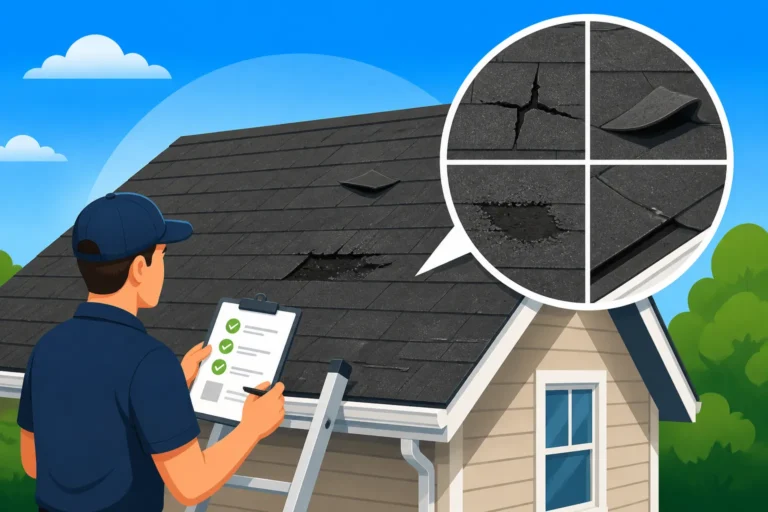
Once you've determined that the granule loss is more than just normal wear and tear, the next crucial step is to get a professional roof inspection. Attempting to inspect your roof yourself can be dangerous and you might miss critical issues that only a trained eye can spot. A qualified roofing contractor will safely access your roof and thoroughly examine:
- Bare Spots: Identifying the extent and location of granule loss.
- Shingle Condition: Checking for curling, cracking, blistering, or missing shingles.
- Flashing: Inspecting the metal flashing around chimneys, vents, and skylights for signs of damage or deterioration, as these are common leak points.
- Gutters and Downspouts: Confirming proper drainage and assessing the amount of granule accumulation.
- Attic: Looking for water stains, mold, or signs of leaks from the underside of the roof deck.
They'll also be able to determine if the granule loss is due to age, storm damage, or a manufacturing defect, which is critical for insurance claims or warranty issues. A thorough Roof Damage Assessment: A Homeowner's Guide will be provided by a reputable contractor.
Repairing vs. Replacing Your Roof
After a professional inspection, you'll likely face the decision of whether to repair localized granule loss or opt for a full roof replacement. This can feel overwhelming, especially when weighing the costs and benefits.
- Repairing: If the granule loss is minor, localized to a few shingles, or confined to specific areas (perhaps due to a fallen branch), a targeted repair might be sufficient. This could involve replacing individual damaged shingles or patching small areas. However, matching new shingles to old, weathered ones can be challenging and might lead to a visually inconsistent look. Repairing is generally a more cost-effective short-term solution for isolated problems.
- Replacing: If the granule loss is widespread, affecting multiple slopes of your roof, or if your roof is simply old and showing other signs of significant wear (like extensive curling, cracking, or sagging), a full roof replacement is usually the most prudent long-term solution. While the initial investment is higher, a new roof provides comprehensive protection, comes with a fresh warranty, and significantly boosts your home's curb appeal and value. This is often the case when a roof is past its prime, as discussed in Roof Age: When to Start Planning Replacement.
The decision often boils down to the overall health and age of your roof. Your contractor will give you an honest assessment and help you weigh the pros and cons based on their findings. Many homeowners find it helpful to get quotes from a few different roofing companies. Platforms like Modernize can be a great resource to connect with qualified, local roofers who can provide detailed estimates and help you compare your options for the Cost to Replace vs Repair an Old Roof.
Understanding what causes granule loss on a roof and acting proactively can save you a lot of headaches and money in the long run. Don't let those little grains turn into a big problem!
Disclaimer
This article provides general information and guidance regarding asphalt roofing. It is not intended as professional advice. Always consult with a qualified and licensed roofing contractor for specific evaluations, recommendations, and services tailored to your individual property and local building codes. Roofing work can be dangerous and should only be performed by trained professionals.