Matching New Shingles to an Old Roof
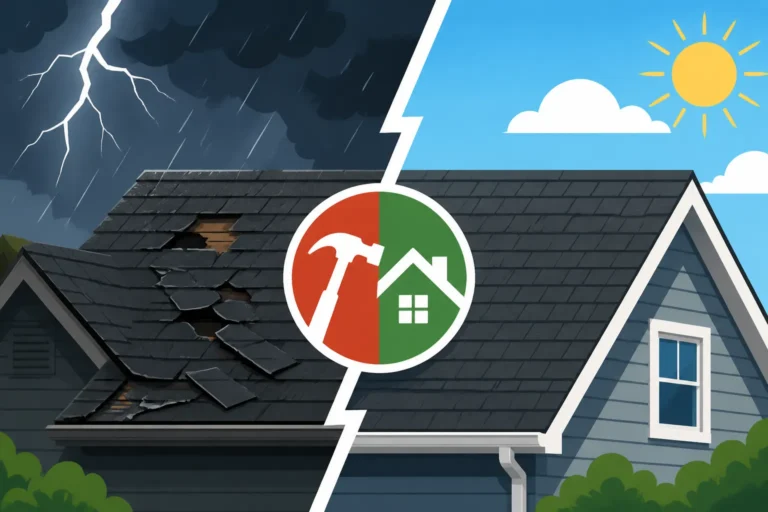
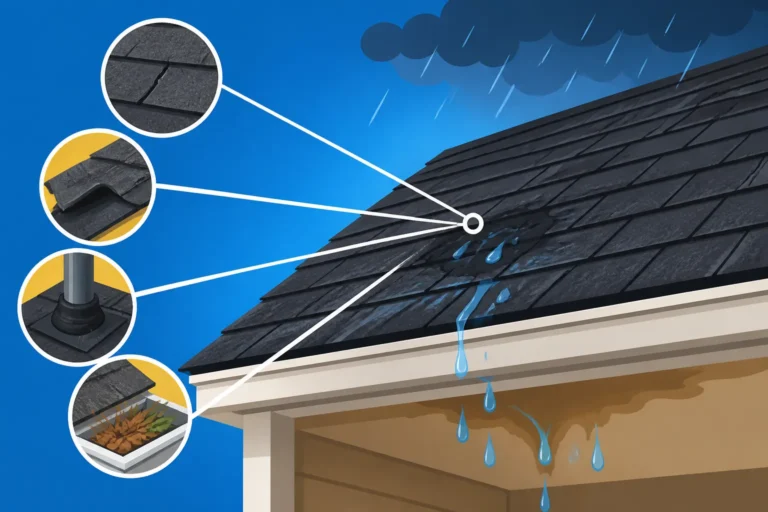
You've just noticed a few missing shingles after a heavy storm, or perhaps a persistent leak has led you to discover some damaged areas on your roof. The relief of finding the problem quickly turns into a new headache: "How on earth am I going to find shingles that actually match my existing roof?" It's a question that plagues homeowners, and this guide is here to walk you through the realistic challenges and practical solutions for matching new asphalt shingles to an older roof.
The Challenge of Shingle Matching
Let's be honest, trying to find an exact match for a shingle that's been baking in the sun for 10 or 15 years can feel like searching for a needle in a haystack. It's not just about color; it's about texture, granule wear, and even the subtle way light reflects off aged asphalt. This isn't a simple trip to the hardware store for a paint swatch; it's a genuine puzzle that requires patience and a good eye.
Why Matching is So Hard
The biggest hurdle you'll face when trying to match new shingles to an old roof is time itself. Asphalt shingles are constantly exposed to the elements – scorching sun, relentless rain, hail, and snow. This continuous assault leads to significant changes in their appearance over time.
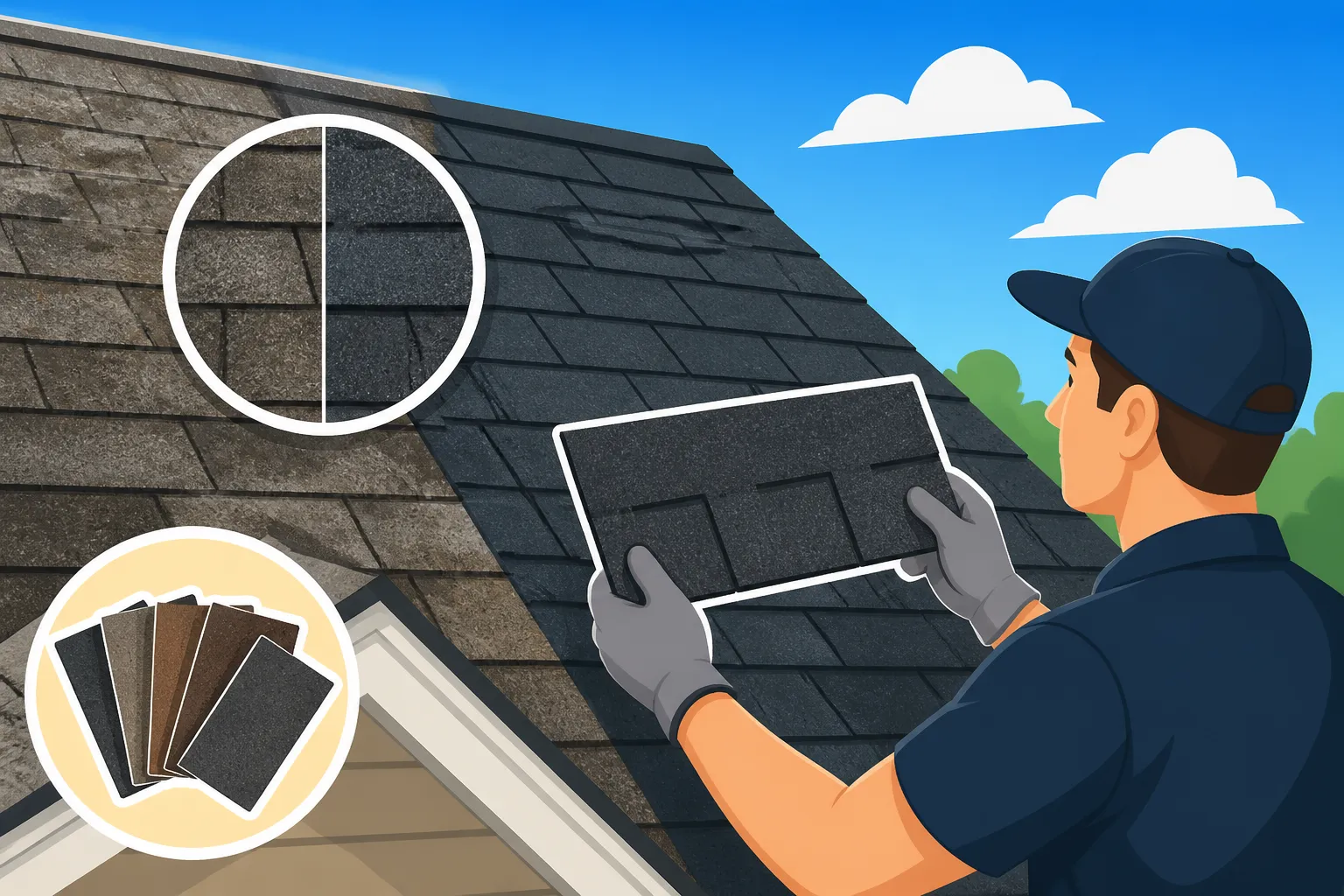
First and foremost is UV degradation. The sun’s ultraviolet rays break down the asphalt and cause the protective mineral granules on the shingle surface to loosen and fall off. This process, known as granule loss, not only diminishes the shingle's protective qualities but also drastically alters its color. A shingle that was a vibrant "Weathered Wood" when installed might now appear a duller, lighter grey-brown. What started as a rich "Charcoal" can now look like a faded, dusty black. New shingles of the same brand and color will almost certainly look darker and more vibrant, creating a stark contrast.
Beyond weathering, manufacturers regularly update their product lines. Shingle styles, colors, and even the manufacturing processes change. A specific color, like a unique shade of green or blue, might be discontinued entirely. Furthermore, even if the color name is the same, subtle variations in dye lots from one production run to another can lead to discrepancies. Imagine buying two cans of "Navajo White" paint from different batches; they might be subtly different once applied. The same principle applies to shingles, making an exact match almost impossible even with brand-new materials from the same manufacturer, let alone across a decade of sun exposure.
The Aesthetic and Functional Impact of Mismatches
The most obvious impact of mismatched shingles is aesthetic. A patchwork roof with distinctly different shades, textures, or even sizes of shingles can be a real eyesore. If you're only replacing a small section, like a patch around a vent pipe or a few shingles along the ridge, a slight difference might be less noticeable, especially from the ground. However, if you're replacing a larger section, say a full slope or a significant portion of a damaged area, a color disparity will jump out. This can significantly detract from your home's curb appeal, which is particularly important if you're considering selling in the near future. Nobody wants a "Franken-roof" that screams "poor repair job."
But it’s not just about looks. A mismatch could also hint at underlying issues if not handled correctly. For instance, if the new shingles are a different type or weight than the old ones, it could affect the roof’s overall performance, its wind resistance, or even how future repairs are approached. While a purely aesthetic mismatch typically doesn't compromise function, it can sometimes be a red flag that an inexperienced contractor might have cut corners. When considering a significant repair, you want to be sure you understand the nuances, much like considering whether it's time for a full Roof Repair vs Replacement: How to Decide
Factors Influencing Shingle Appearance
Understanding why shingles look the way they do is the first step in trying to match them. It's a combination of natural processes and manufacturing choices that come together to create your roof's unique character – and its matching challenges.
Sun Exposure and Weathering
The sun is both life-giving and destructive, especially to your roof. Over time, constant exposure to ultraviolet (UV) radiation from sunlight is the primary culprit behind shingle fading and aging. Think of how a brightly colored car's paint job fades after years of sitting outside, or how a vibrant patio cushion turns dull. Your shingles are undergoing the same process, but on a much larger scale.
UV rays break down the asphalt binder in the shingles, making them more brittle and prone to cracking. More visibly, the mineral granules embedded in the asphalt, which are there to protect the asphalt from UV light and provide color, slowly begin to erode and wash away. This process of granule loss exposes more of the black asphalt beneath, leading to a darker, duller appearance in some areas and a lighter, faded look in others where the remaining granules are bleached. The roof also accumulates dirt, moss, and algae over years, further altering its original color and texture. For example, shingles on the north side of a house might retain their color better but develop more moss, while south-facing shingles will be more faded from intense sun exposure. This varied weathering makes uniform matching across different slopes of the same roof a significant challenge.
Manufacturing Variations and Dye Lots
Even if your roof was brand new today, trying to match shingles purchased years from now could be tricky due to manufacturing variations. Shingles are produced in massive batches, and while manufacturers strive for consistency, slight differences in raw materials, pigment levels, or even the temperature and pressure during the manufacturing process can lead to subtle variations. These are known as "dye lots" or "batch variations."
Imagine a fabric manufacturer producing rolls of denim. While they all appear blue, one roll might have a slightly deeper indigo hue than another due to a minor difference in the dye mixture. The same goes for shingles. A shingle labeled "Estate Gray" from a batch produced in March might have a slightly different undertone than "Estate Gray" from a batch produced in August, even from the same manufacturer. These minor shifts, while imperceptible on a full new roof, become glaringly obvious when a fresh, unfaded shingle is placed next to one that has aged for over a decade. This is why when you get your roof replaced, all the shingles for that job are ideally from the same production run to ensure uniformity.
Shingle Type and Texture
It’s not just color and fading; the physical characteristics of the shingles also play a huge role in matching. There are several primary types of asphalt shingles, and each has a distinct appearance and texture that impacts how a repair will blend in.
- 3-Tab Shingles: These are the most basic and economical type, characterized by their flat, uniform appearance with three distinct tabs per shingle strip. They typically have a very flat profile, and while they come in various colors, their lack of dimensionality makes any color mismatch highly visible. If you have 3-tab shingles, trying to introduce anything other than an exact 3-tab replacement will be immediately apparent due to the different shadow lines and overall flatness.
- Architectural Shingles (Laminate or Dimensional): These are far more popular today, known for their thicker, multi-layered construction that creates a more dimensional, textured look, often mimicking the appearance of wood shakes or natural slate. Because they have varying granule patterns and thicknesses, they create natural shadow lines that add depth. If your existing roof has architectural shingles, a new architectural shingle might blend better visually, even if the color isn't 100% perfect, due to the inherent texture and variation in the shingle itself. However, matching the specific layering pattern and granule blend of an old architectural shingle can still be incredibly difficult.
- Designer Shingles (Luxury): These are the premium end of asphalt shingles, offering even greater dimensionality, intricate designs, and often heavier construction. They are designed to replicate high-end roofing materials like natural slate or cedar shakes with remarkable realism. Matching these can be the trickiest of all, as their unique shapes, cuts, and granule blends are often proprietary and prone to changes over time. For more on the visual differences, you might want to read about 3-Tab vs Architectural Shingles Explained
When assessing your roof, it’s critical to identify not just the color, but also the style and manufacturer. A mismatch in shingle type will be far more noticeable than a subtle color variance, and it can even impact how effectively new shingles seal to old ones.
Practical Strategies for Finding a Match
Okay, so we know it's tough, but it's not impossible to find a good enough match, or at least the best possible solution. This is where a methodical approach and leveraging professional resources really pay off.
Identifying Your Existing Shingle
Before you can even begin to look for replacements, you need to know what you’re trying to match. This sounds obvious, but many homeowners don't have this information readily available. Start by doing some detective work:
- Check Old Records: Dig through your home improvement files. Do you have a past roofing invoice, a contract from when the roof was installed, or even a home inspection report? These documents often list the shingle manufacturer, product line (e.g., GAF Timberline HDZ, Owens Corning Duration, CertainTeed Landmark), and color name. This is your holy grail!
- Look for Packaging: If you or a previous owner saved any leftover shingles or even just a shingle wrapper, that information will be on it. Sometimes, contractors leave an extra bundle in the garage or attic.
- Inspect the Shingles Themselves: While less common for the color name, some manufacturers embed or print their logo and sometimes a product code on the underside of the shingle. If you have a loose shingle, or if you can carefully lift an edge (be gentle, especially on older, brittle shingles), you might find clues.
- Consult Neighbors: If your home was built in a development or several homes in your neighborhood had their roofs done around the same time by the same builder or contractor, ask your neighbors if they have any information about their shingles. They might have old records you can use.
Once you have a sample shingle (even a small piece) and any identifying information, take clear, well-lit photos. Take the physical sample with you if possible.
Leveraging Local Roofing Suppliers and Contractors
This is arguably the most effective step. Don't underestimate the institutional knowledge of local experts.
- Visit Local Roofing Supply Houses: These aren't your big-box stores, but specialized suppliers that cater directly to roofing contractors. They often have vast showrooms with samples of current and even some discontinued lines. Bring your shingle sample and any identifying information. The staff here are often incredibly knowledgeable and can help you identify your shingle or suggest the closest current match. They might even recognize it by sight from years of working in the industry.
- Contact Reputable Roofing Contractors: A good local roofer, especially one with a long history in your area, has seen countless roofs and worked with numerous shingle brands. They often have an amazing ability to identify shingles just by looking at them. They also have direct relationships with manufacturers and distributors, giving them access to information or even old stock that you as a homeowner wouldn't easily find. They can also tell you about any Roofing Building Codes: What to Know that might impact your repair.
- Tip: When you're searching for a contractor, use resources like Modernize. They can connect you with pre-vetted local roofing professionals who have the experience and knowledge to help with tricky situations like shingle matching. Their network often includes contractors who are "manufacturer-certified" which means they have a deep understanding of specific brands like GAF, Owens Corning, or CertainTeed. You want someone who knows the ins and outs of various shingle lines and how they perform over time. Asking "How to Choose a Roofing Contractor" and knowing "Questions to Ask a Roofing Contractor Before Hiring" are vital at this stage.
Considering Discontinued Shingle Solutions
What happens if your exact shingle is no longer made? This is a common scenario, and you have a few options:
- Salvage Yards or Specialty Suppliers: Believe it or not, there are sometimes salvage yards or specialty roofing material suppliers that deal in reclaimed or discontinued shingles. This is more common for unique materials like slate or clay tiles, but occasionally you might find a stash of older asphalt shingles. It's a long shot, but worth a call if you're desperate for a perfect match for a very specific type of roof, like one on a historic home.
- "Harvesting" from an Unseen Area: If your roof has an area that is rarely, if ever, seen (like a slope facing a rarely used side yard, or a small section above a low-pitched garage), a contractor might be able to carefully remove shingles from that area and use them to repair a more visible section. Then, the less visible area would be repaired with the closest available new match. This is a skilled job, as older shingles are brittle, but it’s a viable option for critical repairs on highly visible spots.
- Strategic Blending: This is less about finding an exact match and more about minimizing the visual impact of a non-match. We’ll dive deeper into this next.
When a Perfect Match Isn't Possible (or Necessary)
Let's face it: sometimes, a perfect match is simply not going to happen. The good news is that "perfect" isn't always "necessary," especially for repairs. There are intelligent ways to approach shingle replacement when you can't find an identical twin.
Strategic Blending and Patchwork
When an exact match is elusive, the goal shifts from perfect replication to minimizing contrast. This is where a skilled roofer's artistry comes into play. Instead of installing a patch of distinctly different-looking shingles, they can employ techniques to help new shingles blend more harmoniously with the existing ones.
One method involves using several bundles of the closest available new shingle color, mixing them from different bundles as they install. This can help prevent a uniform "patch" that stands out and instead create a more variegated, natural-looking repair. Think of it like a mosaic: even if the new tiles aren't exactly the same shade as the old ones, by mixing a few slightly different tones, the overall effect can be less jarring than a solid block of contrasting color.
For small, localized repairs, a subtle difference in color might be largely unnoticeable from the ground, especially on a roof with a higher pitch or if the repair is near a less visible part of the house, like above the garage or on a rear slope. Your contractor might even suggest "feathering" the new shingles into the old ones, gradually transitioning from the new color to the old over a small area to soften the visual line. This approach acknowledges that while the individual shingles might not be identical, the overall repair blends better into the larger roofscape.
The "Good Enough" Rule for Small Repairs
For minor repairs, such as replacing a handful of missing shingles after a windstorm or fixing a small section around a pipe vent, chasing a "perfect" match can quickly become an exercise in futility and unnecessary expense. In these scenarios, the "good enough" rule often applies.
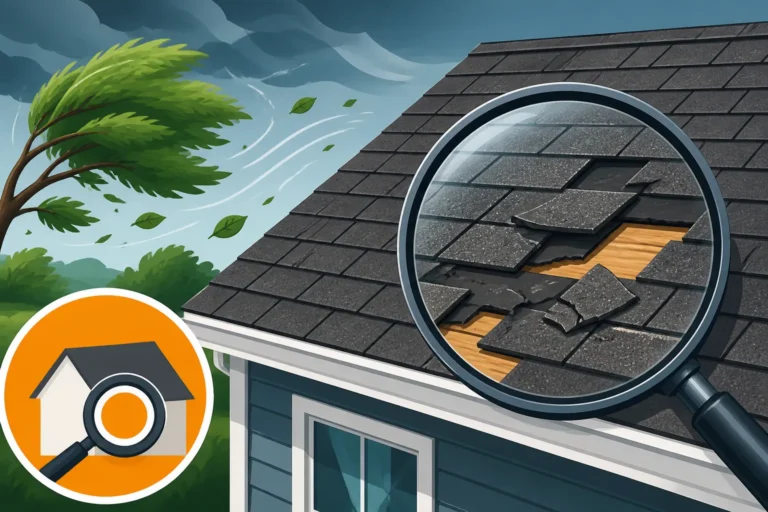
If you’re only replacing a few shingles, particularly in an area not directly facing the street or main viewing angles, a close match in color and exact match in shingle type (e.g., architectural for architectural, 3-tab for 3-tab) is usually sufficient. The new shingles will weather over time, and the color difference will naturally diminish as they are exposed to the sun and elements, slowly catching up to the faded appearance of the surrounding roof. Within a year or two, many minor mismatches become far less noticeable.
The key here is realistic expectations. If your existing roof is 20 years old and showing significant granule loss, a brand-new shingle, even of the same nominal color, will look fresh and vibrant. Accepting that there will be a visible difference initially, but trusting that time will soften it, is part of the "good enough" philosophy. This is particularly true if the goal is simply to stop a leak or address a localized issue, rather than to undertake a comprehensive aesthetic overhaul. Sometimes, "When to Repair a Roof Leak vs Replace the Roof" comes down to how much you prioritize perfect aesthetics over functional soundness.
Deciding on a Partial vs. Full Replacement
This is often the elephant in the room when shingle matching becomes a huge headache. If the color mismatch is truly egregious, or if the extent of the damage is significant, you might find yourself questioning whether a full roof replacement is actually a better long-term solution than trying to patch endlessly.
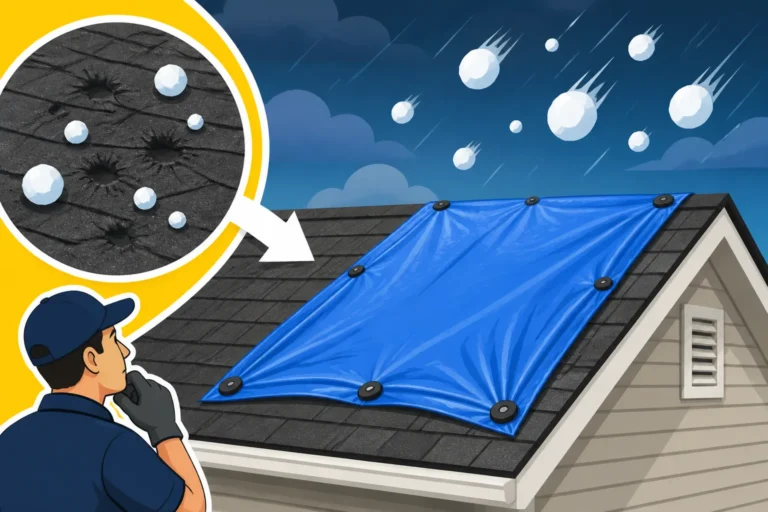
Consider a scenario where half of one slope has suffered extensive hail damage, making it impossible to blend new shingles without a glaring contrast. Or perhaps your roof is nearing its estimated lifespan anyway, and the cost of repeated, aesthetically compromised repairs starts to add up. While a full replacement is a much larger investment, it offers a uniform, brand-new roof with a fresh warranty. It also eliminates the headache of matching and instantly boosts curb appeal and home value. You might be surprised at the Average Roof Replacement Cost This Year compared to multiple significant repairs.
On the other hand, if your roof is relatively young (say, 5-10 years old) and the damage is minimal and localized, a repair with a close-enough match is almost always the more economical and practical choice. The decision often hinges on the age of your roof, the extent of the damage, your budget, and your personal tolerance for a visible patch. A conversation with a trusted contractor from a network like Modernize can provide invaluable insight here, helping you weigh the pros and cons of repairing vs. replacing. They can help you determine if it's really time to look at Signs You Need a New Roof or if a targeted repair is appropriate.
Working with Professionals for Best Results
Navigating the complexities of shingle matching, especially when dealing with older roofs or discontinued products, is not something most homeowners should tackle alone. This is precisely where the expertise of a seasoned roofing professional becomes invaluable.
The Value of a Reputable Roofing Contractor
When you’re facing the challenge of matching new shingles to an old roof, a reputable roofing contractor isn't just installing materials; they're acting as a detective, an artist, and a project manager all rolled into one. They bring years of experience and specialized knowledge to the table that can save you immense frustration and potentially costly mistakes.
First, an experienced contractor has an uncanny ability to identify shingle brands and colors by sight, even faded ones. They've seen hundreds, if not thousands, of roofs in your area and are often familiar with what was commonly installed during different periods. They'll also know which current products from manufacturers like GAF, Owens Corning, or CertainTeed are the closest available matches to older, possibly discontinued lines. This is a skill honed over years of working directly with materials and seeing how they weather in your specific climate.
Second, a good contractor has established relationships with local roofing suppliers. This means they have access to a wider inventory and more detailed product information than a homeowner might. They can often source samples or check for limited stock of older materials that might be sitting in a warehouse somewhere. Their connections can truly make a difference in finding that elusive close match. Moreover, they understand the technical aspects, such as how asphalt shingles are installed and the nuances of working with aged, brittle shingles without causing further damage.
Third, they can advise you on the best blending techniques if an exact match isn't possible. They know how to strategically place shingles to minimize the visual impact of a slight mismatch, making the repair look as natural as possible. They can also provide realistic expectations about how much a new shingle will blend with an old one over time. This kind of nuanced advice is something you simply can't get from a product label. If your roof is truly showing its age, they can also give you a frank assessment of your roof's overall condition and whether a repair is truly the most cost-effective long-term solution or if it's time to consider a full replacement based on the How Long Does an Asphalt Roof Last for your specific shingle type.
Getting Multiple Estimates and Opinions
Even with the best contractor, it’s always wise to get multiple estimates and opinions, especially when dealing with a tricky shingle match. This isn't about pitting contractors against each other on price (though that's a bonus!); it's about gaining diverse perspectives and ensuring you're getting the most informed advice.
When you contact different contractors, explain the challenge upfront: you need a repair, but you're concerned about matching existing shingles. Ask them specifically how they would approach the matching process. What steps would they take? Which shingle brands or colors would they recommend, and why? Do they have any samples that they believe are a good match?
Comparing their responses can reveal a lot. One contractor might confidently identify your shingle and know exactly where to find it. Another might suggest a clever blending technique you hadn't considered. A third might be upfront that a perfect match is impossible and suggest alternative solutions. By gathering these different viewpoints, you can make a more educated decision that aligns with your budget, aesthetic preferences, and the long-term health of your roof. It also helps you spot contractors who might be overpromising or underestimating the difficulty of the task. Platforms like Modernize can help you streamline this process by connecting you with several local, vetted roofing professionals, making it easier to compare their proposed solutions and estimates. This ensures you’re not just getting a job done, but getting it done right, with full transparency on the matching process.
Long-Term Considerations for Future Repairs
Even after you've successfully navigated the matching dilemma for your current repair, it's smart to think ahead. A little foresight now can save you a lot of headache (and money) down the road.
Saving Leftover Shingles
This is perhaps the simplest, yet most overlooked, piece of advice for any homeowner getting a new roof or a significant repair: save your leftover shingles! Most roofing projects will leave you with a partial bundle or a few extra shingles. Instead of letting your contractor haul them away with the debris, ask them to leave a bundle or two behind.
Store these extra shingles in a cool, dry place – your attic, garage, or a shed. Keep them flat to prevent warping. These shingles will be from the same dye lot as the ones currently on your roof, and crucially, they won't have been exposed to the sun and elements. This means they will retain their original color and appearance. If you need a small repair in 5, 10, or even 15 years, you'll have an almost perfect match readily available. This can be an absolute lifesaver for small fixes like replacing a couple of storm-damaged shingles or patching around a new vent installation. It completely bypasses the entire matching ordeal we've just discussed, allowing for quick, seamless repairs.
Documenting Your Roof's Details
Imagine trying to remember the exact brand, model, and color of your roof shingles 15 years from now. Unless you have a photographic memory, it’s unlikely. That’s why creating a "roof file" for your home is an incredibly smart move.
When your roof is new or after a major repair, take detailed notes:
- Manufacturer: GAF, Owens Corning, CertainTeed, IKO, Atlas, Malarkey, etc.
- Product Line/Model: E.g., Timberline HDZ, Duration, Landmark Pro.
- Color Name: E.g., Weathered Wood, Colonial Slate, Driftwood.
- Date of Installation: Month and year.
- Contractor Information: Name, contact details of the company that installed or repaired it.
- Warranty Information: Keep copies of your manufacturer and workmanship warranties. Make sure you understand Roofing Warranty: Workmanship vs Manufacturer differences.
Take clear photos of the shingle bundles (especially the labels) before installation, and perhaps a close-up photo of the finished roof. Keep all this information together in a physical folder or a digital file that’s easy to access. This documentation will be invaluable not only for future repairs but also for insurance claims (if you ever need to file one for storm damage), for home appraisals, or when you decide to sell your home. Providing prospective buyers with comprehensive roof documentation is a huge selling point and adds credibility. It's a small investment of time now that can pay huge dividends in peace of mind and convenience for decades to come.
Disclaimer
Please note that the information provided in this article is intended for general guidance and informational purposes only. Roofing projects can be complex and may vary significantly based on your specific location, local building codes, roof condition, and the unique characteristics of your home. Always consult with a qualified and licensed roofing professional for personalized advice, inspections, and project estimates before undertaking any roof repair or replacement work. The author and publisher are not responsible for any actions taken based on the information presented herein.