How Manufacturer Certification Affects Installation
Getting a new roof is a huge investment, and nothing's worse than wondering if it was installed correctly. Many homeowners feel overwhelmed by the choices and jargon, often overlooking a critical factor: whether their roofing contractor holds manufacturer certifications. This guide will walk you through exactly how a contractor's manufacturer certification impacts the quality and longevity of your asphalt roof installation, giving you the peace of mind you deserve.
What Manufacturer Certification Truly Means for Your Roof
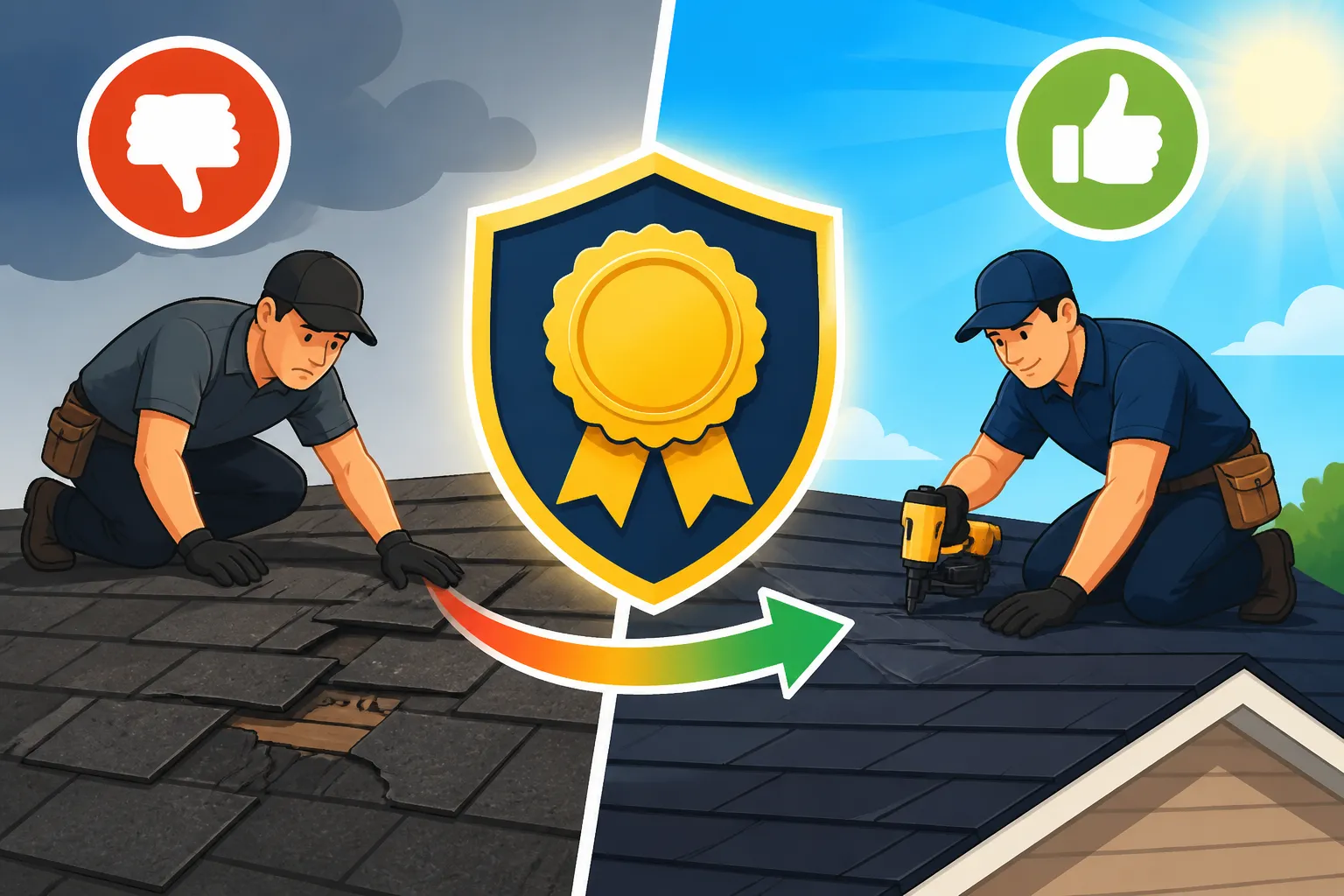
When we talk about a roofing contractor being "manufacturer certified," it's far more than just a fancy badge or a gold star. It signifies a deep commitment to excellence, rigorous training, and a proven track record of upholding the highest standards set by the very companies that make your shingles. Think of it like a master chef being certified by a culinary institute – they don't just know how to cook; they know the exact techniques, ingredients, and processes to consistently deliver exceptional results.
Beyond Basic Licensing: A Commitment to Expertise
Many homeowners assume that if a contractor is licensed and insured, that's enough. And while those are absolutely non-negotiable requirements when you're looking for a roofer, manufacturer certification takes things a significant step further. A license simply proves a contractor meets minimum state or local requirements to operate a business. Certification, on the other hand, means the contractor has actively sought out and completed specialized training directly from the roofing material manufacturers themselves.
This training isn't just a one-and-done deal. Manufacturers often require their certified partners to undergo regular refreshers, stay updated on new products and installation techniques, and maintain specific performance metrics. It means the crews working on your home aren't just experienced; they're specifically experienced and trained in the intricacies of the shingles and roofing system components being installed. They know the optimal nailing patterns, the correct application of underlayment, and the precise techniques for flashing around penetrations like chimneys and vents, all according to the manufacturer's engineering specifications.
The Roofing Industry's Major Certification Programs
The asphalt roofing industry is dominated by several key manufacturers, and each has its own robust certification program designed to ensure quality installations of their products. These programs aren't handed out lightly; they require contractors to meet stringent criteria, including a solid business history, financial stability, excellent customer service reviews, and a commitment to ongoing training.
For example, you'll often hear about programs like GAF's Master Elite, Owens Corning's Platinum Preferred, or CertainTeed's SELECT ShingleMaster. These are highly sought-after distinctions. A GAF Master Elite contractor, for instance, has demonstrated superior knowledge of GAF products and installation methods. Similarly, an Owens Corning Platinum Preferred contractor has proven their expertise in installing Owens Corning roofing systems. These certifications aren't just for show; they directly influence the quality of the installation because they demand adherence to proprietary installation techniques that maximize the performance and longevity of the manufacturer's roofing system. This focus on the "system" rather than just individual components is crucial, as a roof is a sum of its parts, all working together seamlessly.
How Certification Elevates the Installation Process
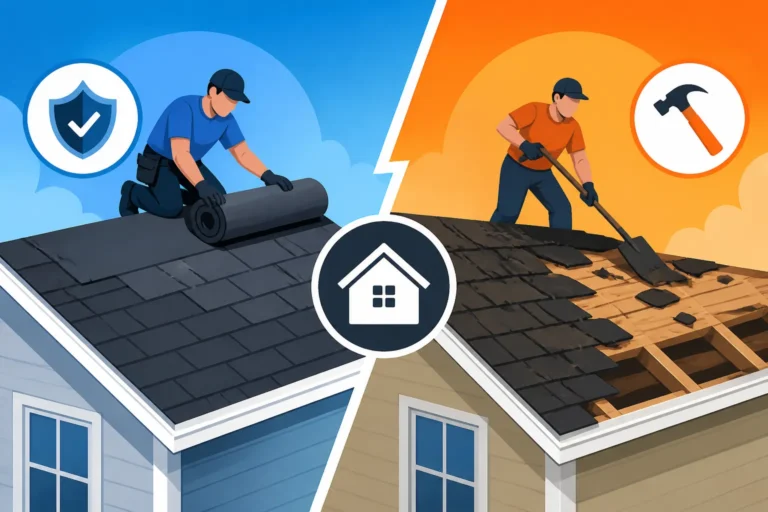
The difference between a certified installer and a non-certified one can often be invisible to the untrained eye, but it profoundly impacts your roof's long-term performance and durability. Manufacturer certification isn't just about what products are used; it's about how those products are integrated into a cohesive, weather-tight system.
Adhering to Strict Installation Guidelines
Every roofing manufacturer provides detailed installation instructions for their products. These aren't just suggestions; they are engineered specifications designed to ensure the shingles perform as advertised, providing maximum wind resistance, water shedding, and aesthetic appeal. A non-certified contractor might cut corners, use different nailing patterns than recommended, or skip crucial steps like installing proper starter shingles or adequate ice and water shield. These seemingly minor deviations can lead to big problems down the road – think lifted shingles during a storm, leaks around valleys, or premature aging.
Certified contractors, on the other hand, are trained to follow these guidelines to the letter. They understand that straying from the manufacturer's specifications can compromise the entire roofing system. For instance, did you know that installing shingles in cold weather requires specific precautions, or that high-wind nailing can drastically improve your roof's resistance to blow-offs? Certified contractors are taught these nuances. This meticulous approach means your roof isn't just "put on"; it's installed with precision, maximizing its lifespan and protecting your home from the elements, exactly as the manufacturer intended.
Continuous Education and Best Practices
The roofing industry isn't static. New materials, technologies, and installation techniques are constantly evolving. A manufacturer-certified contractor is typically required to participate in ongoing training and professional development to maintain their certification. This means their crews are always up-to-date with the latest best practices, ensuring they're equipped to handle even the most complex roofing challenges.
Imagine a scenario where a manufacturer introduces a new type of synthetic underlayment that offers superior vapor permeability and tear resistance compared to traditional felt. A certified contractor would be among the first to receive training on its proper application, understanding how it integrates with the shingles and ventilation system. A non-certified contractor might continue using outdated methods, potentially compromising the overall performance of your new roof. This commitment to continuous learning translates directly into a higher quality installation for your home, benefiting you with a more resilient and efficient roof system.
Accountability and Quality Control
Manufacturers invest heavily in their certified contractor programs because a poorly installed roof reflects negatively on their products. To protect their brand reputation and ensure their products live up to their promises, many certification programs include some level of quality control or accountability. This might involve periodic inspections of certified contractors' work, customer satisfaction surveys, or a direct line for homeowners to report concerns.
This layer of oversight provides an extra measure of protection for you. While a manufacturer won't typically oversee every single installation, the existence of these programs encourages contractors to maintain high standards. They know their performance directly impacts their certification status and access to premium benefits. When you work with a certified contractor, you're tapping into a network of accountability that helps ensure the job is done right. If you're looking for a certified roofer, resources like Modernize can help connect you with reputable contractors in your area who have these important credentials.
Tangible Benefits for Homeowners
Choosing a manufacturer-certified contractor isn't just about feeling good; it comes with concrete advantages that protect your investment and enhance your peace of mind for years to come. These benefits often extend far beyond the day the last shingle is laid.
Enhanced Warranty Coverage
This is arguably one of the biggest draws of choosing a certified installer. Most roofing manufacturers offer standard warranties on their materials, but these often only cover manufacturing defects. They typically don't cover problems arising from improper installation – which, unfortunately, is a common cause of roof failures.
However, when you choose a manufacturer-certified contractor, you often gain access to extended, enhanced warranty options that cover both manufacturing defects and workmanship for a significantly longer period. For example, a standard shingle warranty might offer prorated coverage for 10-20 years, only covering the materials. An enhanced warranty, available through a certified installer, could provide non-prorated, full system coverage for 50 years, often including labor and tear-off costs. This is a massive difference, turning your roof into a truly long-term, worry-free investment. It’s worth digging into the details of a Roofing Warranty: Workmanship vs Manufacturer to understand the nuances.
Let's look at a quick comparison:
| Warranty Feature | Standard Manufacturer Warranty (Non-Certified Install) | Enhanced Manufacturer Warranty (Certified Install) |
|---|---|---|
| Coverage Type | Material defects only | Material defects and contractor workmanship |
| Term Length | Often 10-20 years (prorated) | 25-50 years or Lifetime (non-prorated) |
| Transferable | Often limited or not at all | Usually fully transferable to new homeowner |
| Cost of Repairs/Replacement | Homeowner responsible for labor/tear-off costs | Manufacturer covers labor, tear-off, disposal |
| System Coverage | Only shingles | Entire roofing system (underlayment, flashing, vents, etc.) |
This table clearly illustrates the powerful protection an enhanced warranty provides. It’s a key reason why understanding How Manufacturer Certification Affects Installation is so important.
Peace of Mind and Long-Term Protection
Knowing that your roof was installed by professionals who meet the manufacturer's highest standards is incredibly reassuring. You won't be left wondering if corners were cut or if the crew truly knew what they were doing. This peace of mind is priceless, especially when severe weather hits. A properly installed roof, backed by a strong warranty, means less stress and fewer unexpected repair bills down the line.
Moreover, a well-installed roof performs better. It will likely last longer than an average roof, truly hitting that advertised lifespan for your shingles. This translates to better energy efficiency (thanks to proper ventilation and a sealed system) and enhanced curb appeal that holds up over the decades. It's not just a roof; it's a critical component of your home's overall protection and value. This is especially true when considering the long-term benefits outlined in topics like How Long Does an Asphalt Roof Last.
Access to Premium Materials and Systems
Many manufacturers reserve their highest-performing, most advanced, or aesthetically appealing products for their certified partners. This means that by choosing a certified contractor, you might gain access to shingles with superior wind resistance, advanced algae-resistant technologies, or unique color blends that aren't available through uncertified installers. These aren't just cosmetic differences; they can offer real functional advantages, such as improved durability or lower maintenance requirements.
Beyond just the shingles, certified contractors are also more likely to install a complete roofing system, including matching components like ridge caps, starter strips, and specialized ventilation products, all from the same manufacturer. This "system approach" ensures all elements are designed to work together seamlessly, maximizing the overall performance and ensuring that your roof qualifies for the best possible warranty coverage. Don't forget to inquire about these complete roofing systems when you're asking Questions to Ask a Roofing Contractor Before Hiring.
Finding and Vetting a Certified Roofing Contractor
Navigating the world of roofing contractors can feel like a maze, but armed with the knowledge of manufacturer certification, you're already ahead of the game. Finding a certified contractor is crucial for ensuring a quality installation and maximizing your roof's lifespan.
Where to Look for Certified Pros
The most straightforward way to find a manufacturer-certified contractor is to go directly to the source: the manufacturers' websites. GAF, Owens Corning, CertainTeed, and other major shingle brands all have "Find a Contractor" tools on their sites. These tools allow you to input your zip code and find certified professionals in your area. This is an excellent starting point because it guarantees the contractors listed have met the manufacturer's specific criteria.
Beyond manufacturer websites, reputable online platforms that connect homeowners with contractors, like Modernize, often highlight or allow you to filter for certified professionals. These platforms can be a convenient way to get multiple quotes from vetted contractors quickly. Of course, word-of-mouth referrals from trusted friends, family, or neighbors who have recently had a positive roofing experience are also invaluable. Just be sure to verify their certifications independently.
Verifying Credentials and Asking the Right Questions
Once you have a list of potential certified contractors, it’s vital to verify their claims. Don't just take their word for it. Always ask for proof of their current manufacturer certification. This might be a certificate, an ID number you can verify on the manufacturer's website, or a direct link to their profile on the manufacturer's locator tool. If a contractor claims to be certified but can't provide verifiable proof, that's a significant red flag.
When you're interviewing them, don't hesitate to ask specific questions about their certification:
- "Which specific manufacturer certifications do you hold?"
- "How long have you maintained this certification?"
- "Can you explain the specific enhanced warranty options available through your certification?"
- "What training does your crew undergo to maintain their expertise in installing this manufacturer's products?"
- "Can you show me examples of other roofs you've installed using these certified methods and materials?"
A reputable, certified contractor will be happy to answer these questions and provide all necessary documentation. They understand that their certification is a significant selling point and a testament to their commitment to quality. For a deeper dive into vetting, check out our guide on How to Choose a Roofing Contractor. Understanding what exactly a Roofing Contract: What to Look For should include is also paramount to protecting your investment.
Installation Process Through a Certified Lens
The day your new asphalt roof is installed is a big one! With a certified contractor, the process should feel much more organized, transparent, and professional. Their certification impacts not just what they install, but how they manage the entire project, from start to finish. This adherence to a structured, quality-driven process is a hallmark of certified installers.
Pre-Installation Preparations and Planning
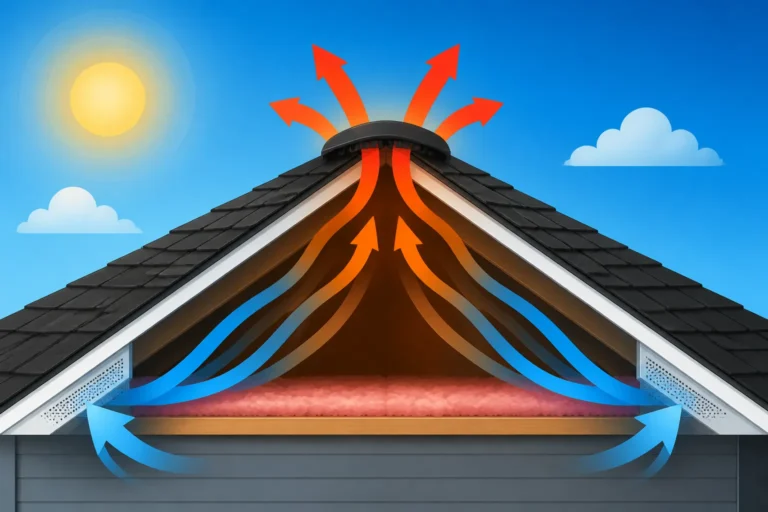
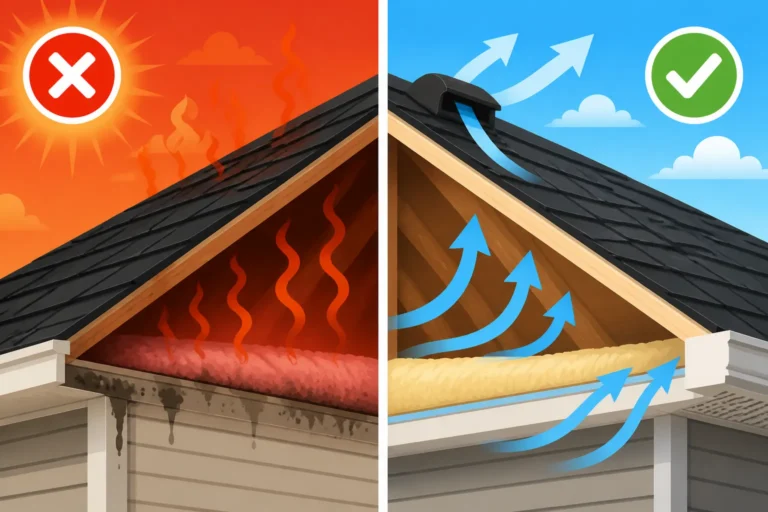
A certified contractor understands that a successful installation begins long before the first shingle is removed. They'll conduct a thorough inspection of your existing roof deck, looking for any signs of rot or damage that might require Roof Decking Replacement Cost consideration. They'll also assess your attic ventilation to ensure it meets manufacturer and code requirements, as proper ventilation is critical for shingle longevity and warranty validation.
Furthermore, they'll meticulously plan the logistics, including material delivery, waste management, and protecting your landscaping. This level of detail-oriented planning minimizes unexpected issues during the installation, keeps your property safer, and ensures the project stays on schedule. They'll often provide a clear timeline, outlining How Long a Roof Replacement Takes and what you can expect each day. This structured approach, backed by manufacturer training, ensures that the foundation for your new roof is sound and ready for a top-quality installation.
The Installation Day: Precision and Adherence to Standards
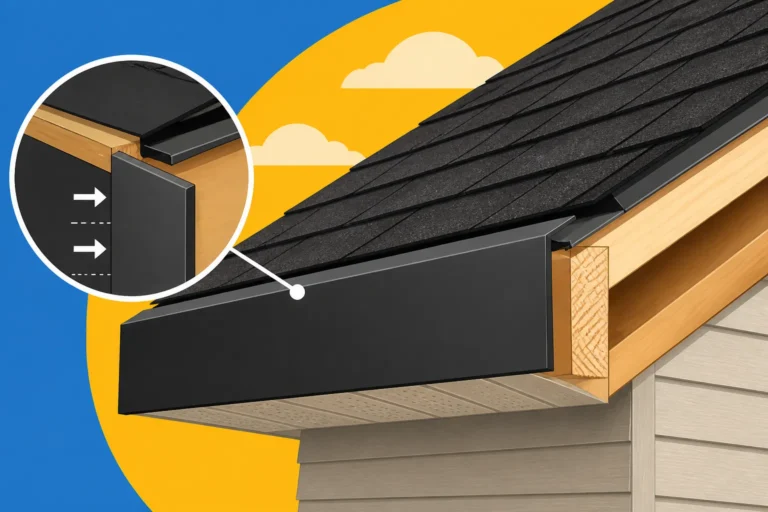
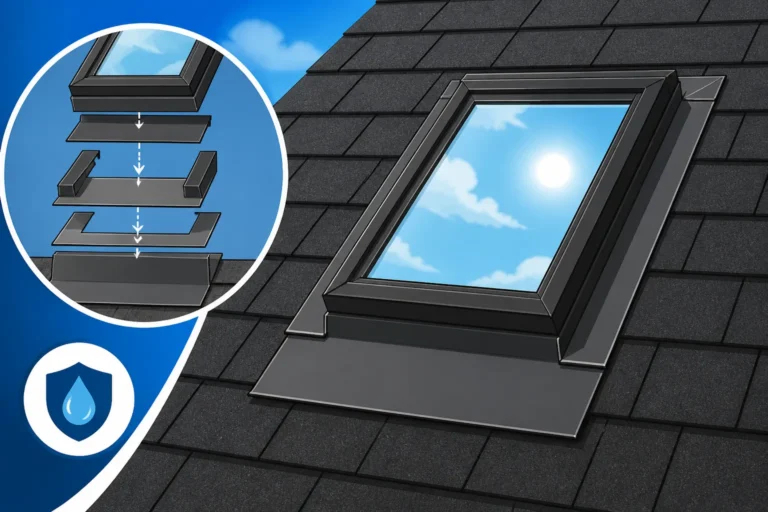
On installation day, you'll likely notice a difference in the crew's professionalism and efficiency. Manufacturer-certified crews are trained to install the entire roofing system, not just the shingles. This means they'll pay close attention to critical components like the drip edge, proper underlayment application (like synthetic vs felt underlayment cost), ice and water shield in vulnerable areas, and meticulous flashing around all penetrations. They adhere strictly to the manufacturer's nailing patterns and shingle overlap specifications, which are vital for wind resistance and water shedding.
For example, when installing new shingles, they won't just nail them haphazardly. They'll use the precise number of nails per shingle, placed in the exact location specified by the manufacturer, often crucial for activating the wind warranty. They'll also ensure proper alignment and staggering for optimal performance and aesthetic appeal. This systematic approach, honed through manufacturer training, ensures that every component is installed correctly, contributing to a robust and long-lasting roof. You can learn more about the intricacies in our guide on How Asphalt Shingles Are Installed: Step by Step.
Post-Installation Follow-Up and Warranty Registration
Once the physical installation is complete, a certified contractor’s job isn't quite over. They'll perform a thorough clean-up, ensuring all debris, nails, and old materials are removed from your property. More importantly, they'll guide you through the final inspection of your new roof and explain the features of your new roofing system.
Crucially, a certified contractor will assist you with registering your enhanced manufacturer warranty. This step is often overlooked by less scrupulous contractors, but it’s essential for activating the full protection of your investment. They'll ensure all the necessary paperwork is submitted accurately and on time, giving you the documentation you need for peace of mind. This comprehensive follow-up is a hallmark of a contractor who stands behind their work and values the long-term relationship with their customers, solidifying the importance of their manufacturer certification.
Disclaimer
Please remember that while manufacturer certification is a strong indicator of quality, it does not guarantee a perfect outcome in every situation. Always conduct your own due diligence, verify references, and review contracts carefully. This information is for educational purposes only and should not be considered professional advice. Always consult with qualified roofing professionals for specific guidance on your home's roofing needs.