How Roofers Handle Solar Panel Removal
If you're a homeowner with solar panels, the thought of needing a new roof probably sends shivers down your spine. It's not just the roof replacement itself, which is a big undertaking, but the added complexity and cost of dealing with those valuable, delicate panels. This guide is here to walk you through exactly how professional roofers approach solar panel removal, what to expect, and how to navigate this often-stressful process, ensuring your home stays protected and your energy production gets back online smoothly.
Understanding the Initial Coordination and Planning
Before any shingles are touched or panels are unbolted, there's a crucial phase of planning and coordination that sets the stage for a successful project. This isn't just about showing up with a hammer; it’s about a delicate dance between your roofing contractor and, in most cases, a solar panel specialist. Skipping this step or underestimating its importance can lead to costly damages, delays, and headaches down the road.
Who Handles the Solar Panel Removal?
This is often the first question homeowners ask, and it’s a valid one. You might assume your roofer will handle everything, but that's not always the case. Solar panels are specialized equipment, and their removal and reinstallation require specific expertise.
Typically, the responsibility for removing and reinstalling solar panels falls to a qualified solar energy company, not necessarily your general roofing contractor. Many roofing companies, even excellent ones, are experts in roofing materials and installation but may not have the certified electricians or specialized training required to safely disconnect, store, and then reconnect a live solar system. Trying to do it yourself or letting an inexperienced crew handle it could lead to electrical hazards, damage to the panels, or even voiding your solar panel warranty. Think of it like this: your car mechanic is great with engines, but you wouldn't ask them to rewire your home. It's a different skill set entirely. When you're looking for a roofing contractor, it's wise to ask upfront about their experience with homes that have solar installations and how they typically manage the solar panel aspect. Many reputable roofers will have established partnerships with solar companies or can guide you on securing one. Platforms like Modernize can be a great starting point for finding professionals who understand this niche.
Assessing Your Solar System and Roofing Needs
Before anyone touches your roof, a thorough assessment is absolutely essential. This isn't just a quick look; it's a detailed inspection by both your roofing professional and the solar technician. The roofer will evaluate the condition of your existing roof, confirm the type of asphalt shingles needed, and identify any underlying issues, such as Roof Decking Replacement Cost or damage from previous leaks. They'll also gauge the complexity of the roof, considering factors like pitch and the number of penetrations for your solar array.
Meanwhile, the solar technician will inspect your solar system, documenting its current state, wiring configurations, and the condition of the panels and racking system. They'll note where the electrical conduits enter your home and how the system is currently integrated. This dual assessment ensures that both parties understand the full scope of work, anticipating challenges and preventing surprises. It's a good time to discuss the Roofing Permit Cost and Process as permits are usually required for both the roofing work and the solar system reinstallation. You definitely want to make sure your contractor pulls all the necessary permits.
The Delicate Process of Solar Panel Removal and Storage
Safe Disconnection and Demolition
The first and most critical step is safely disconnecting your solar energy system from your home’s electrical grid. This is a job for a licensed electrician or a certified solar technician. They will de-energize the system, ensuring that no electricity is flowing through the panels or wiring during the removal process. This involves shutting off breakers, isolating the solar inverter, and confirming with testing equipment that the system is completely inert. Skipping this step or performing it incorrectly is incredibly dangerous and can lead to severe electrical shock or damage to your home's electrical system.
After disconnection, the actual panel removal can begin. This typically involves:
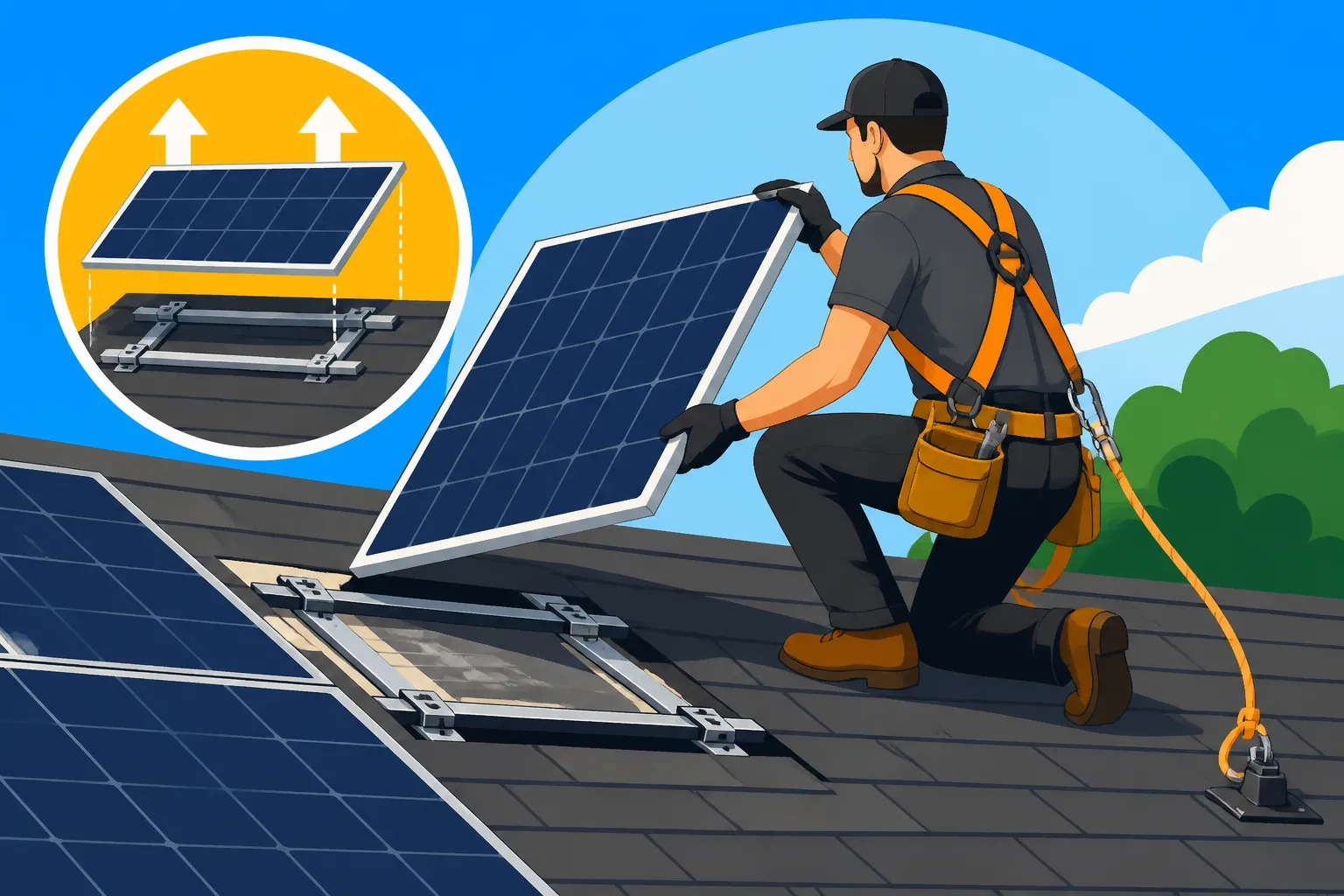
- Removing the panels: Each panel is carefully unbolted from its racking system. These panels are surprisingly heavy and awkward, not to mention fragile. They need to be handled with extreme care to avoid cracking the tempered glass or damaging the delicate photovoltaic cells.
- Disassembling the racking: The metal framework (racking) that holds the panels in place is then removed. This often involves specialized tools and techniques to ensure the roof penetrations are properly exposed for the roofing crew.
- Managing wiring and conduits: The electrical wiring and conduits running across your roof and into your attic or electrical box are carefully disconnected and either removed entirely or secured to prevent damage during the roof replacement. All exposed wiring should be capped and properly insulated to protect it from weather and accidental contact.
A professional team will use proper fall protection and safety gear throughout this process, as working on a roof, especially with large, cumbersome panels, presents significant hazards.
Secure Transportation and Storage
Once the panels and racking are removed from the roof, they need to be carefully transported and stored. You can't just lean them against a fence. Solar panels are not only valuable but also susceptible to damage from impacts, scratches, or even extreme temperatures if not stored correctly.
Typically, the solar company or a designated crew will gently move the panels from your roof to a secure, flat, and protected location on your property. This might be a garage, a shed, or even a designated area on your lawn covered with tarps and secured to prevent them from tipping over in the wind. The goal is to keep them out of harm's way during the entire roofing project. The racking components, smaller and more durable, are usually stacked neatly. It’s a good idea to discuss the storage plan with your solar and roofing contractors upfront. Confirm who is responsible for the panels once they're off the roof and where they'll be kept. Having a clear plan prevents confusion and ensures your investment is protected.
The Roofing Phase and Solar Panel Reinstallation
With the solar panels safely stored, your roofing contractor can finally get to work replacing your asphalt roof. This is where their expertise truly shines, ensuring a watertight and durable new roof. However, the work isn't truly done until those solar panels are back where they belong and generating power.
Installing the New Asphalt Roof
The roofing crew will proceed with the How a Roof Replacement Works: The Full Process. This typically involves tearing off the old shingles, inspecting the roof decking for any damage or rot (and replacing it if necessary), installing new underlayment, drip edge, and flashing around all penetrations, and finally, laying down your new asphalt shingles. This is the bulk of the work.
When a roof has had solar panels, there are specific considerations during this phase:
- Sealing Penetrations: The original racking system likely created numerous penetrations in your old roof. The roofing crew must meticulously seal these, often by applying fresh flashing and sealant before installing the new shingles. This is critical for preventing leaks down the line. If these aren't sealed properly, you could end up with a leaky roof very quickly.
- Preparing for Reinstallation: While laying the new shingles, the roofing team might need to mark or pre-drill for the solar racking system, especially if the new roof layout slightly differs or if a new racking system is being installed. This coordination ensures that when the solar crew returns, they have a solid, properly sealed surface to work with. It's a collaborative effort, and the best results come from open communication between the roofing and solar teams. Getting How Much Does an Asphalt Shingle Roof Cost with all these details included is important.
Reinstalling the Solar Panels and System Startup
Once your new roof is complete and passes any necessary inspections, it’s time for the solar crew to return. This reinstallation process is essentially the reverse of the removal, but with just as much care and precision.
- Racking System Installation: The solar technicians will reinstall the racking system onto your brand-new roof. This involves carefully locating and securing the mounts to the roof trusses, ensuring they are properly sealed to maintain the integrity of your new roof. Many modern racking systems utilize specialized flashing that integrates seamlessly with asphalt shingles, creating a durable, watertight seal around each penetration point.
- Panel Mounting and Wiring: The solar panels are then carefully lifted back onto the racking and secured. Once all panels are in place, the electrical wiring is reconnected, running through the conduits and back into your home’s electrical system. This work, again, requires a certified electrician to ensure all connections are safe, up to code, and functioning correctly.
- System Testing and Commissioning: After reinstallation and reconnection, the entire solar system will undergo rigorous testing. This includes checking voltage, current, and overall performance to ensure it’s operating efficiently and safely. The system will then be re-commissioned, effectively bringing your solar power generation back online. This is often the most satisfying part, seeing your energy meter start ticking in reverse again!
It’s always a good idea to perform a final walkthrough with both your roofer and solar installer to address any questions or concerns before final payment. This ensures everything is to your satisfaction and that you understand any new maintenance considerations.
Costs, Timelines, and Important Considerations
Dealing with solar panels during a roof replacement adds layers of complexity that directly impact your budget and project timeline. Being prepared for these factors can alleviate much of the stress.
What to Budget For: Breaking Down the Costs
The most common question homeowners ask is, "How much extra will this cost?" Unfortunately, there's no single answer, as prices vary significantly based on your system size, roof complexity, location, and the specific contractors you hire. However, you should anticipate several distinct costs:
- Solar Panel Removal Fee: This covers the labor for safely disconnecting and removing your panels and racking, as well as transporting and storing them. This can range from a few hundred dollars for a small system to over a thousand for a large, complex array.
- Solar Panel Reinstallation Fee: This is the cost to bring the panels back, reinstall the racking, reconnect the wiring, and recommission the system. Expect this to be similar to or slightly higher than the removal fee, as it often includes testing.
- Roofing Costs: This is the standard cost for your Asphalt Roof Replacement Cost: Complete Breakdown. The presence of solar panels can sometimes slightly increase labor costs for the roofing crew due to the need for careful work around existing mounts or conduit pathways, but this is usually a minor factor compared to the solar-specific fees.
- Permit Fees: You'll likely need permits for both the roof replacement and the solar system reinstallation. These costs vary by municipality.
- Potential for Damage/Upgrades: While rare with professional handling, there's always a slight risk of a panel being damaged during removal or reinstallation. Ensure your contractors have adequate insurance. This is also a good opportunity to consider Cost of an Impact-Resistant Roof Upgrade if your area is prone to severe weather, as combining projects can sometimes be more efficient.
Here’s a simplified breakdown of potential costs:
| Service | Estimated Cost Range (Typical Residential System) | Notes |
|---|---|---|
| Solar Panel Removal | $500 – $1,500 | Depends on system size, roof pitch, and labor rates. |
| Solar Panel Reinstallation | $500 – $1,500 | Similar factors as removal; includes reconnection/testing. |
| New Asphalt Roof | $10,000 – $25,000+ | Varies greatly by size, material, complexity. |
| Permits (Roofing & Solar) | $150 – $500+ | Local jurisdiction fees. |
| Total Additional Cost for Solar | $1,000 – $3,000 | On top of your standard roof replacement cost. |
These figures are broad averages. Always get detailed quotes from both your solar specialist and roofing contractor.
Project Timelines and Coordination Challenges
A standard asphalt roof replacement might take 1-3 days, but adding solar panel work extends this timeline significantly. You're now coordinating two separate crews with specialized skills, each with their own schedules.
Here's a typical sequence and timeline:
- Solar Panel Removal: 1 day (or less)
- Roof Replacement: 1-3 days (depending on roof size and complexity)
- Solar Panel Reinstallation: 1 day (or less)
However, the gaps between these phases can be the longest part. You might have to wait a few days or even a week between the solar panel removal and the roofing crew starting, and then another wait for the solar crew to return after the roof is done. This is why thorough scheduling and communication are paramount. A good project manager, whether from your roofing company or a dedicated coordinator, will ensure smooth transitions. Remember, during the period your panels are off the roof, your home won't be generating solar energy, which might impact your utility bills.
Warranty Implications and Best Practices
When you invest in a new roof and have solar panels, understanding warranties is critical. Your new asphalt shingles will come with a manufacturer's warranty, and your roofing contractor will offer a workmanship warranty. Your solar panels and inverter also have their own warranties.
- Roofing Warranties: Ensure your roofing contractor is Manufacturer-Certified Roofers Explained for the shingle brand you choose. For instance, companies like GAF or Owens Corning offer enhanced warranties if their entire roofing system is installed by a certified contractor. Crucially, ask how the installation of the solar racking system might affect your new roof's warranty. Reputable solar installers use methods that are approved by shingle manufacturers to maintain warranty validity.
- Solar Warranties: Verify that the solar company performing the removal and reinstallation is certified by your solar panel manufacturer, if applicable. Improper handling can void your solar panel warranty.
- Documentation: Keep meticulous records of all communications, contracts, and warranty information from both the roofing and solar companies. This includes proof of proper installation and any certifications. This due diligence ensures that if an issue arises down the line, you have all the necessary paperwork to back your claim.
By understanding these critical steps and considerations, you can approach your roof replacement with solar panels with confidence, knowing you're prepared for the complexities involved.
Disclaimer
Please remember that this article provides general information and should not be considered professional advice. Roofing and solar panel work are complex and inherently dangerous. Always consult with qualified and licensed professionals for specific assessments, quotes, and work on your property. Local building codes, permits, and regulations vary significantly by location and must be adhered to.