How a Solar Attic Fan Works
There’s nothing quite like walking into an upstairs room on a scorching summer day and being hit by a wave of stifling, stagnant heat. It's a common frustration, and often, the culprit isn't just your air conditioner struggling, but rather a superheated attic radiating warmth downwards. This relentless heat not only makes your home uncomfortable but also silently drives up your energy bills and can even shorten the life of your asphalt roof. This comprehensive guide will pull back the curtain on solar attic fans, explaining exactly how they work to combat these issues, keep your home cooler, and protect your most vital asset.
The Hidden Furnace: Understanding Attic Heat Build-Up and Its Damage
For many homeowners, the attic is an out-of-sight, out-of-mind space. But neglect this area, and it can quickly transform into a hidden furnace, silently working against your home's comfort and structural integrity. Understanding why your attic gets so hot and the damage it can cause is the first step toward finding a lasting solution.
The Silent Culprit: How Heat Damages Your Home and Roof
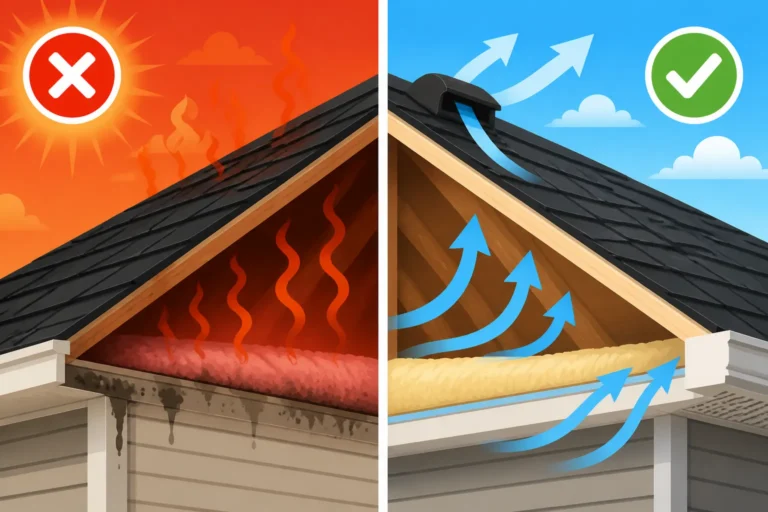
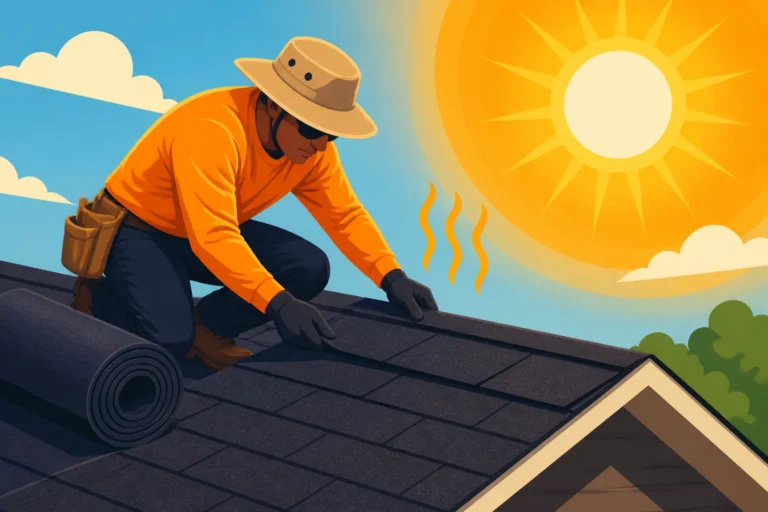
Imagine your attic as a giant heat trap. On a sunny day, your asphalt roof absorbs a tremendous amount of solar energy. This heat then radiates into the attic space below, causing temperatures to soar, sometimes reaching 150 degrees Fahrenheit or even higher. It’s a vicious cycle: the hotter your roof gets, the hotter your attic gets, and the hotter your attic gets, the more it heats up the living spaces directly beneath it.
This radiant heat makes your air conditioner work overtime, constantly battling to keep your home cool. You might find yourself cranking the thermostat lower and lower, only to see your energy bills climb sky-high without achieving real comfort. The insulation in your attic is designed to slow heat transfer, but it can only do so much when the temperature differential between your attic and your living space is extreme.
Beyond comfort and cost, this excessive heat takes a toll on your roof itself. Asphalt shingles are designed to withstand a lot, but prolonged exposure to extreme temperatures can accelerate their aging process. The sun's UV rays and the constant thermal expansion and contraction can lead to cracking, curling, and granular loss much faster than expected. This premature wear can leave your roof vulnerable to leaks and necessitate costly repairs or even a full replacement sooner than you’d like.
Traditional Ventilation: A Partial Solution
For years, homes have relied on various forms of passive and active ventilation to mitigate attic heat. Passive vents, like soffit vents, gable vents, and static roof vents, allow hot air to escape naturally through convection, while cooler air is drawn in. Ridge vents, in particular, offer a continuous, subtle exhaust system along the roof's peak. While these methods are certainly better than no ventilation at all, they often fall short in effectively removing the sheer volume of superheated air that builds up on a scorching day, especially in larger or more complex attics.
Then there are traditional powered attic fans. These electric fans, typically installed in the roof or a gable wall, use household electricity to actively pull hot air out of the attic. They can be quite effective, often moving a significant amount of air. However, they come with their own set of considerations. They add to your electricity bill, and if not installed with proper intake ventilation, they can create negative pressure, potentially pulling conditioned air from your living space into the attic, which completely defeats the purpose. This is where understanding How Roof Ventilation Works becomes crucial for overall home efficiency. The constant draw on your home's electrical system, especially during peak energy usage hours when your attic is hottest, can be a significant hidden cost.
Unpacking the Genius of a Solar Attic Fan: Harnessing the Sun's Power
Enter the solar attic fan, a brilliant solution that leverages the very energy causing your attic problems—the sun—to solve them. It's a remarkably straightforward yet highly effective piece of technology designed to provide powerful ventilation without drawing a single watt from your home's electrical grid.
Anatomy of a Solar-Powered Fan: What's Inside
At its core, a solar attic fan is an integrated unit with several key components working in harmony. The most visible part is the photovoltaic (PV) solar panel, typically mounted directly on top of the fan's housing. This panel is responsible for converting sunlight into direct current (DC) electricity. The size and efficiency of this panel determine how much power the fan can generate.
Beneath the solar panel, housed within a weather-resistant dome or box, you’ll find the DC motor and the fan blades. The motor is designed to be energy-efficient, running directly off the power supplied by the solar panel. The fan blades are engineered to move a substantial volume of air quietly and efficiently.
Many modern solar attic fans also come equipped with a thermostat and, sometimes, a humidistat. These smart controls are game-changers. The thermostat allows the fan to automatically turn on when the attic reaches a pre-set temperature (e.g., 90°F or 100°F) and turn off when it cools down. A humidistat, if included, will activate the fan when attic humidity levels climb too high, preventing moisture build-up even on cooler, damp days. This intelligent operation means the fan only runs when it's needed most, maximizing its efficiency and effectiveness.
The Operational Flow: From Sun to Cooler Air
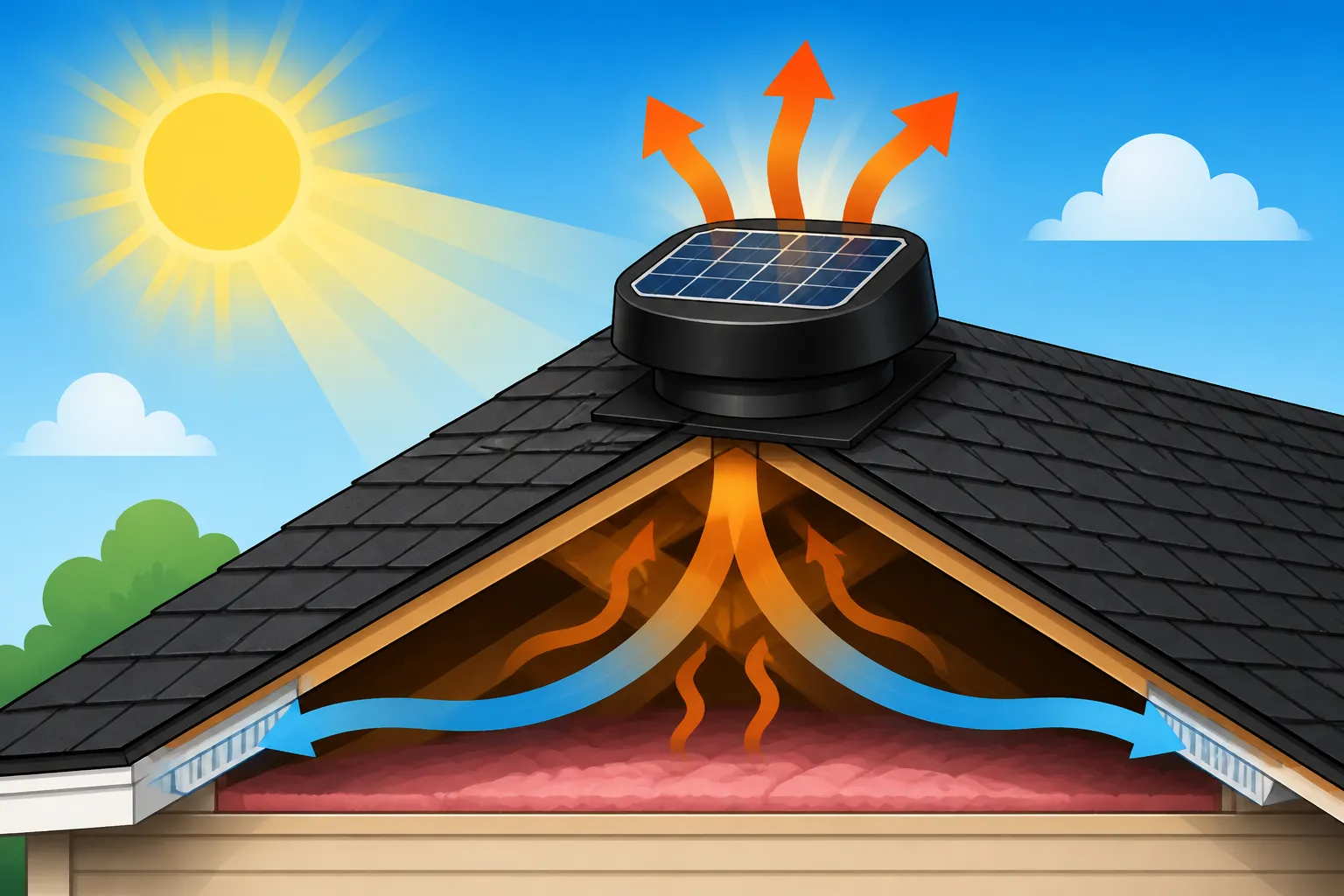
The magic of a solar attic fan lies in its simplicity and direct energy source. When the sun shines on the solar panel, it immediately begins to generate electricity. This electricity flows directly to the fan's DC motor, causing the blades to spin. As the fan spins, it draws the superheated, stagnant air from inside your attic and expels it outside, creating a gentle negative pressure within the attic space.
This negative pressure then pulls in cooler, fresher air from your existing intake vents, such as soffit or gable vents, or even specifically installed intake vents. This constant exchange of air flushes out the hot air, continuously replacing it with cooler air from outside. It’s an active, ongoing process that effectively lowers the ambient temperature in your attic. This constant air movement is precisely how How Attic Ventilation Prevents Damage works to protect your home.
Because the fan's operation is tied directly to solar energy, it naturally aligns with the periods when your attic needs ventilation the most—during sunny daylight hours when heat accumulation is at its peak. As the sun sets or clouds roll in, the power supply to the fan decreases, and it slows down or stops, only to resume its vital work the next time the sun reappears. This "set it and forget it" functionality, especially with intelligent controls like thermostats, ensures optimal performance without any manual intervention or added strain on your household electricity bill.
Why a Solar Attic Fan is a Game-Changer for Asphalt Roofs
When you think about home improvements, sometimes the most impactful changes are the ones you can't immediately see. A solar attic fan might not be a flashy upgrade, but its benefits for your home and, crucially, for your asphalt roof, are profound and long-lasting.
Boosting Energy Efficiency and Slashing AC Bills
The most immediate and tangible benefit of installing a solar attic fan is the noticeable reduction in your monthly energy bills. Think about it: if your attic temperature drops from a scorching 150°F down to a more manageable 110°F or even lower, that's 40 degrees less heat radiating into your living spaces. Your air conditioner won't have to work nearly as hard or as long to maintain your desired indoor temperature.
For instance, in a typical 2,000 sq ft home in a hot climate like Phoenix, Arizona, where summer days regularly hit triple digits, the difference can be significant. A well-ventilated attic can reduce the load on your AC by as much as 10-15%, sometimes even more. Over a summer season, this translates to substantial savings that quickly offset the initial investment in the fan. And because it operates entirely on solar power, the fan itself adds zero to your electricity bill, making it a truly free-to-run system during daylight hours.
This passive power generation also contributes to a lighter carbon footprint, aligning with growing desires for sustainable living. You're not just saving money; you're also doing your part for the environment by reducing reliance on grid electricity for essential home functions.
Protecting Your Investment: Extending Roof Lifespan
Your asphalt roof is a significant investment, often costing thousands of dollars to install. Protecting that investment should be a top priority, and proper attic ventilation, especially from a solar attic fan, plays a critical role. When attic temperatures skyrocket, the asphalt shingles on your roof are subjected to extreme heat from both above (direct sun) and below (attic heat). This intense, prolonged exposure is a major factor in What Makes Shingles Fail Early.
The heat causes the asphalt in your shingles to degrade faster, leading to the premature loss of protective granules. These granules are not just for aesthetics; they shield the asphalt from harmful UV rays. Once they're gone, the shingle's core is exposed, accelerating drying, cracking, and curling. Imagine a cookie baking on a tray, and then another one baking with a heat lamp directly underneath it. The second cookie will dry out and crack much faster. Your roof experiences a similar double-whammy of heat.
By actively expelling hot air, a solar attic fan helps maintain a more consistent and moderate temperature beneath your roof deck. This reduces the thermal stress on your shingles, slowing down the degradation process and preserving their flexibility and integrity. Ultimately, this can add years, even a decade, to the functional life of your asphalt roof. It helps ensure that your roof lasts closer to its maximum potential lifespan, rather than needing replacement prematurely. You can learn more about this in our guide, How Long Asphalt Shingles Last.
Year-Round Comfort and Moisture Control
While the immediate impact on summer cooling is evident, a solar attic fan provides year-round benefits, enhancing overall indoor comfort and even air quality. In warmer months, by keeping the attic cooler, the upper floors of your home will feel less stuffy and more comfortable, even if your AC unit is working perfectly. You might find yourself needing to run the AC less frequently or at a higher temperature setting while still feeling pleasant.
But the advantages aren't limited to heat. Moisture can be a silent enemy in an unventilated attic. Everyday activities like showering, cooking, and even breathing release moisture into your home, some of which can migrate into the attic. In colder months, if this humid air gets trapped and condenses on cooler surfaces like roof decking, it can lead to serious problems. Mold and mildew thrive in damp, dark environments, potentially causing health issues for your family and structural damage to your roof's framework.
A solar attic fan with a humidistat or even just regular operation helps to exhaust this moisture-laden air, preventing condensation and keeping your attic dry. This is particularly beneficial in humid climates or during periods of heavy rain. A drier attic means less risk of mold growth, wood rot, and compromised insulation, contributing to a healthier living environment and the overall longevity of your home. If you're considering major changes, understanding How a Roof Replacement Works: The Full Process might also be helpful for future planning.
Practical Considerations: Installation, Maintenance, and Making the Right Choice
Deciding to install a solar attic fan is a smart move, but like any home improvement, there are practical considerations to keep in mind. From proper installation to long-term care, knowing what to expect can help you make an informed decision and ensure you reap all the benefits.
Sizing, Placement, and Professional Installation Essentials
One of the most crucial aspects of a solar attic fan's effectiveness is proper sizing and placement. These fans are rated by how many cubic feet of air they can move per minute (CFM). The general rule of thumb is to have 1 CFM of ventilation for every 1 to 2 square feet of attic space. So, for a 1,500 sq ft attic, you'd be looking for a fan with at least 750-1500 CFM. However, factors like your roof's pitch, climate, and the amount of existing intake ventilation (like soffit vents) can influence this. A professional roofing contractor can help you accurately calculate your specific needs.
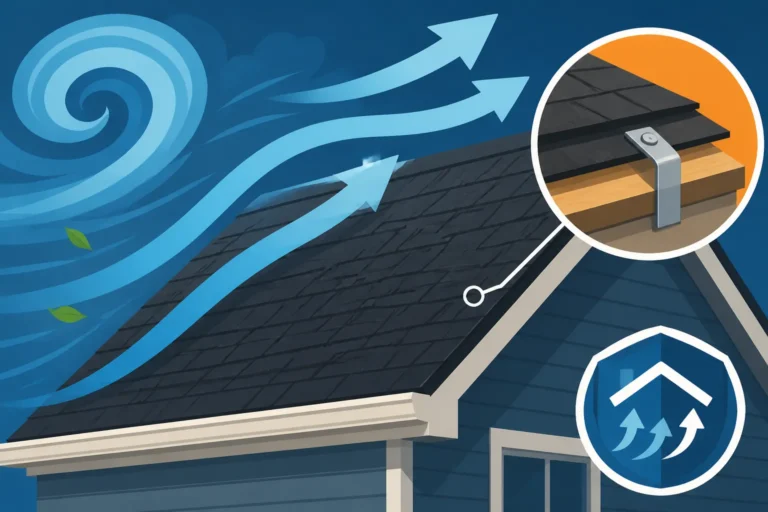
Optimal placement for the solar panel is typically on a south-facing roof slope to maximize sun exposure throughout the day. The fan itself should be installed high on the roof, close to the ridge, as heat naturally rises. Proper sealing around the fan's base is paramount to prevent leaks, especially crucial for asphalt roofing. The fan needs to be securely mounted to the roof deck, taking into account local building codes and wind resistance requirements.
While some homeowners might consider a DIY installation, it's generally recommended to hire a professional. Working on a roof can be dangerous, and incorrect installation can lead to leaks, inefficient operation, or even void your roof's warranty. A qualified roofing contractor, especially one found through services like Modernize, will ensure the fan is properly sized, optimally placed, securely installed, and correctly sealed. They'll also verify that your existing intake ventilation is adequate, or recommend adding more if needed, ensuring a balanced ventilation system. When you're ready to find the right person for the job, our guide on How to Choose a Roofing Contractor is an excellent resource.
Long-Term Performance and Value
One of the beautiful things about solar attic fans is their low maintenance profile. Since they don't rely on your home's electrical system, there are no wires to check (beyond initial installation) and no switches to flip. The primary maintenance involves occasionally cleaning the solar panel to ensure maximum sun exposure, especially if it gets dusty or covered with debris like leaves. Beyond that, the motors are typically sealed and designed for long-term, reliable operation, often with lifespans exceeding 10-15 years.
Most reputable manufacturers offer substantial warranties on their solar attic fans, often covering the motor and solar panel for many years. It's always a good idea to understand these warranties and register your product after installation. This ensures that your investment is protected and provides peace of mind. Remember, understanding your Roofing Warranty: Workmanship vs Manufacturer is key, as both your roof and any installed components should be covered.
In terms of value, a solar attic fan offers an excellent return on investment. The energy savings alone can often pay for the fan within a few years, depending on your climate and electricity rates. Beyond that, the extended lifespan of your roof, improved indoor comfort, and the environmental benefits all contribute to its overall value. These factors are well worth considering, and you can explore this further in our article on Roof Replacement ROI Explained.
Navigating Your Options and Expert Advice
The market offers a variety of solar attic fan brands and models, each with different features, sizes, and price points. Brands like Natural Light Solar & Electric, iSolar, and Broan are well-regarded for their reliability and performance. When comparing options, look at the CFM rating, the wattage of the solar panel, the inclusion of a thermostat and humidistat, and the length of the warranty. Some models even come with optional accessories like remote controls or battery backup systems for nighttime operation, though these add to the cost.
Before making a final decision, it's always wise to get multiple quotes from different contractors. This will give you a clear picture of installation costs and help you compare services. Don't hesitate to ask questions about the recommended fan size, placement, and any necessary improvements to your existing attic ventilation. Services like Modernize can be incredibly helpful in connecting you with qualified, local roofing professionals who can assess your specific needs and provide tailored recommendations. They can also explain how different ventilation solutions, such as those discussed in Ridge Vent vs Box Vent vs Turbine, might fit into your home's unique setup. Ultimately, the right choice for your home will balance performance, cost, and longevity, ensuring your asphalt roof and your home benefit for years to come.
Solar Attic Fan vs. Traditional Powered Attic Fan: A Comparison
Choosing the right attic ventilation can feel overwhelming with the various options available. To help you decide if a solar attic fan is the best fit for your home, here's a side-by-side comparison with traditional electric-powered attic fans.
| Feature | Solar Attic Fan | Traditional Powered Attic Fan |
|---|---|---|
| Power Source | Solar power (sunlight) | Household electricity (120V AC) |
| Operating Cost | Virtually free during daylight hours | Adds to electricity bill, especially during peak summer months |
| Installation | Requires roof penetration and proper sealing; typically simpler wiring (DC only) | Requires roof penetration and electrical wiring to home's power supply |
| Operation | Operates when sun is shining; often with built-in thermostat/humidistat | Operates when wired to a switch or external thermostat; can run 24/7 if desired |
| Environmental Impact | Zero carbon footprint, renewable energy | Contributes to household electricity consumption |
| Backup/Night Operation | No operation without sun, unless battery backup is added (extra cost) | Can operate day or night, as long as power is available |
| Noise Level | Generally quiet due to DC motor | Can be louder, depending on motor quality and fan size |
| Cost | Higher initial purchase and installation cost (due to solar panel and specialized motor) | Lower initial purchase cost; installation cost varies based on electrical work |
| Energy Savings | Directly reduces AC load with no operational cost | Reduces AC load but adds to electricity bill for fan operation |
| Roof Durability | Protects roof by reducing heat from below, extending shingle life | Protects roof by reducing heat, but has an electrical cost to operate |
Disclaimer
Please note that this guide provides general information about solar attic fans and asphalt roofing. Specific results and costs can vary widely depending on your home's unique characteristics, local climate, energy rates, and the specific products and contractors chosen. Always consult with certified roofing professionals and electricians before undertaking any significant home improvement projects to ensure safety, compliance with local building codes, and optimal results.