How Shingle Warranties Work
Many homeowners find themselves completely overwhelmed when trying to understand roofing warranties. You've just invested a significant amount into a new roof, and the last thing you want is for a problem to arise only to find out your warranty doesn't cover it. This guide is here to untangle the complexities, walk you through the different types of shingle warranties, explain what they actually protect, and show you how to ensure your investment stays covered.
Demystifying the Core Types of Shingle Warranties
It's easy to assume all warranties are the same, but when it comes to your asphalt shingle roof, there are distinct types of coverage you absolutely need to understand. Mixing them up can lead to costly surprises down the road. Most homeowners focus solely on the shingle manufacturer's promise, but that's only part of the equation.
Manufacturer's Limited Lifetime Warranty: What it Means for Shingles
When you hear "lifetime warranty" for shingles, it's natural to picture a magical shield that protects your roof forever. The reality, however, is a bit more nuanced. A manufacturer's "limited lifetime warranty" typically refers to the expected lifespan of the shingles for a single-family homeowner and covers defects in the manufacturing process itself. It's not usually transferable in its full "lifetime" capacity to subsequent owners, often converting to a shorter, prorated term if you sell your home. This warranty is designed to give you peace of mind that the materials you've bought were made correctly and will perform as intended, provided they're installed according to the manufacturer's strict guidelines.
For instance, if your shingles start to crack or delaminate prematurely, well before their advertised lifespan, and there's no obvious external cause like a severe hailstorm or improper installation, this is where the manufacturer's warranty would come into play. They would investigate whether it was a material defect. This coverage usually focuses on the cost of the materials to replace the defective shingles, not necessarily the labor involved in tearing off the old ones and installing the new. It's crucial to read the fine print to understand what "lifetime" truly entails, as it often means the period the original purchaser owns the home, or a set number of years, often 50, which is still a fantastic duration for a roof.
Workmanship Warranty from Your Contractor
Beyond the shingle itself, there's the critical element of how it's installed. Even the highest quality shingles from a reputable brand like Owens Corning or GAF can fail if they're not put on correctly. This is where your contractor's workmanship warranty steps in. This warranty is a direct guarantee from the roofing company that the installation work they perform will be free from defects in their craftsmanship. It's a promise that they've followed all the manufacturer's specifications, industry best practices, and local building codes. You can learn more about the specifics of a Roofing Warranty: Workmanship vs Manufacturer.
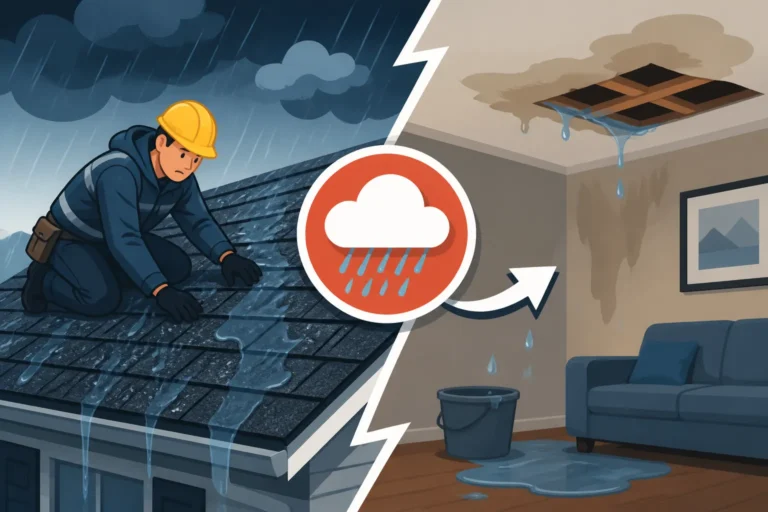
Imagine a scenario where a few years after your new roof is installed, you notice a recurring leak around a skylight or a chimney. Upon inspection, it's discovered that the flashing wasn't properly installed or sealed, allowing water to penetrate. This isn't a defect in the shingle itself; it's an installation error. In this case, your contractor's workmanship warranty would cover the repair. Most reputable roofing companies offer a workmanship warranty that ranges from 5 to 25 years, with some even offering lifetime coverage on their labor. Always ask for this in writing and understand the specifics, because a strong workmanship warranty is just as important, if not more so, than the material warranty when it comes to protecting your investment.
Extended or System Warranties: Going the Extra Mile
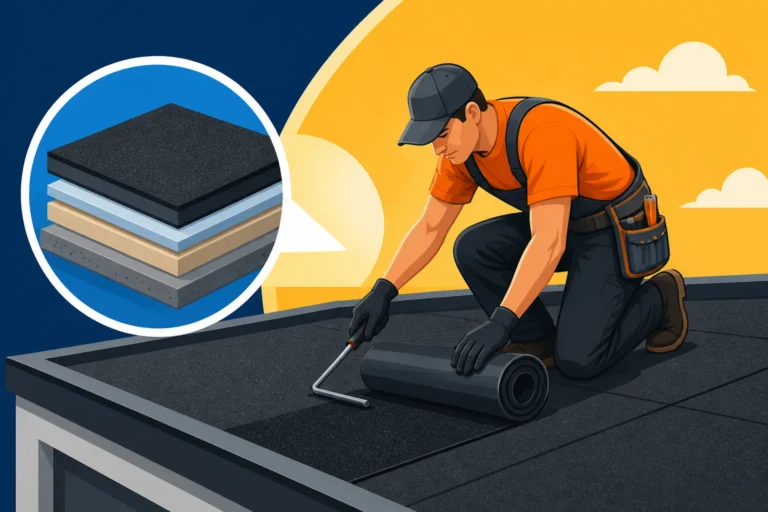
For those seeking maximum protection and peace of mind, many top shingle manufacturers offer extended or enhanced "system" warranties. These go beyond the standard limited lifetime warranty by covering not just the shingles, but often the entire roofing system – including the underlayment, starter strips, ridge caps, and even the ventilation components, all from the same manufacturer. The biggest benefit here is that these extended warranties often increase the initial non-prorated period of coverage and can sometimes include labor costs for replacement, which is a huge deal.
To qualify for these premium warranties, contractors typically need to be certified by the manufacturer. For example, GAF offers their Golden Pledge Warranty through GAF Master Elite Contractors, while Owens Corning has their Total Protection Roofing System Warranty available through Platinum Preferred Contractors. These certifications mean the contractor has met stringent requirements, demonstrated expertise, and committed to using a complete system of components. It links the material and workmanship warranties, meaning if there's a problem with any qualifying component, the manufacturer often takes responsibility for both the materials and the labor for a longer period. While they come at a higher initial cost, these comprehensive warranties can significantly enhance the long-term value and protection of your roof.
Deciphering the Fine Print of Manufacturer Warranties
When you dive into the specifics of a manufacturer's shingle warranty, it can feel like reading legal jargon. But understanding these core terms is crucial for knowing what you're truly getting. This isn't just about reading the big print; it's about understanding the small print too.
Non-Prorated vs. Prorated Coverage: The Depreciation Factor
One of the most critical distinctions in shingle warranties is between non-prorated and prorated coverage. This determines how much the manufacturer will pay out if a valid claim is made. During the non-prorated period, which is typically the first 5 to 10 years of the warranty, the manufacturer agrees to cover 100% of the cost of defective materials (and sometimes labor, with enhanced warranties) to repair or replace your roof, regardless of how old the shingles are. This is the golden age of your warranty, where you get full value.
Once this non-prorated period expires, the warranty usually switches to a prorated basis. This means the amount the manufacturer will pay out decreases over time, based on the age of your roof and its expected lifespan. For example, if your shingles have a 50-year prorated warranty and fail in year 25, the manufacturer might only cover 50% of the material cost, assuming half their life has been used. The actual calculation varies by manufacturer, but the key takeaway is that the longer your roof has been on, the less coverage you'll receive under a prorated warranty. This is a significant point many homeowners overlook, thinking their "lifetime" warranty always covers 100% of the costs.
Material vs. Labor Coverage: Who Pays for the Work?
The second crucial aspect to understand is the differentiation between material and labor coverage. A standard manufacturer's limited lifetime warranty primarily covers the cost of new shingles to replace the defective ones. What it often doesn't cover is the significant expense of tearing off the old, defective roof and installing the new materials. This can be a substantial portion of the overall cost of roof replacement, sometimes making up half or more of the total project.
This is precisely why extended or system warranties are so appealing. Many premium warranties, especially those offered through certified contractors, will explicitly include labor costs for a longer non-prorated period. Without this, even if the manufacturer provides new shingles, you're still on the hook for the often-expensive labor. It's a common misconception that if a shingle fails, the entire replacement process is covered. Always clarify whether labor is included and for how long, as this can dramatically impact your out-of-pocket expenses should a claim be necessary. It's one of the key Questions to Ask a Roofing Contractor Before Hiring.
Wind and Algae Resistance: Specific Performance Guarantees
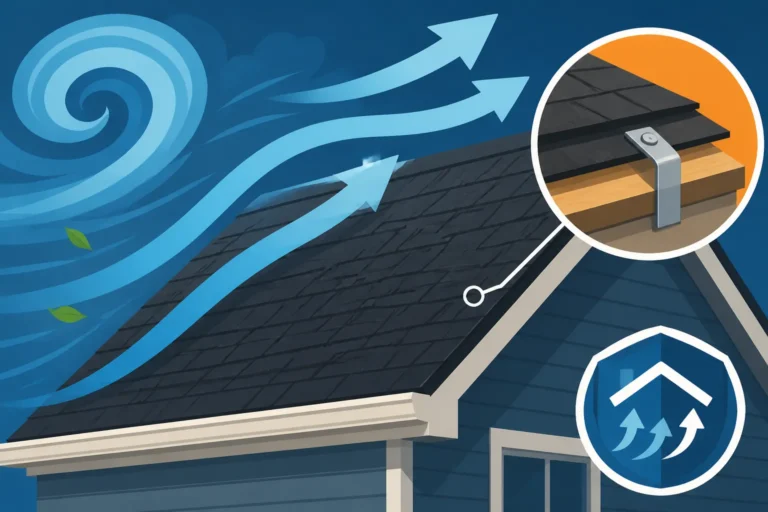
Beyond structural defects, many modern asphalt shingles come with specific performance guarantees, especially regarding wind resistance and algae protection. These are often explicitly stated in the warranty and can be a major selling point, particularly in regions prone to severe weather or high humidity. For instance, reputable brands like CertainTeed often offer shingles with higher wind ratings, guaranteeing performance up to 110 mph or 130 mph if installed with specific nailing patterns. These are often covered under Roofing Wind Warranty Requirements.
If your shingles are rated for 130 mph and you experience damage from a 100 mph wind event, your warranty should cover the material replacement. However, it's vital to note that these warranties usually only cover material defects that lead to shingle blow-off under the stated wind speed, not necessarily damage from extreme events beyond the rating, or if the shingles were improperly fastened. Similarly, algae-resistant shingles, often treated with copper granules, typically come with a warranty against unsightly black streaks. If these streaks appear prematurely, the manufacturer might offer a replacement or cleaning allowance. Always check the specific wind and algae warranty clauses, as they can save you a lot of headache and expense down the line, especially if you live in a coastal area or a humid climate.
Understanding Warranty Coverage Limitations and Exclusions
Warranties are designed to protect you, but they are not a blank check. Every warranty has limitations and specific exclusions that can significantly impact whether your claim is approved. Knowing these beforehand is paramount to avoiding disappointment.
Common Exclusions to Watch Out For
Manufacturers' warranties, even the best ones, explicitly list certain conditions or types of damage that they will not cover. These exclusions are critical to understand. For example, damage caused by natural disasters like earthquakes, hurricanes beyond a specified wind rating, or acts of God (e.g., severe hail damage that doesn't stem from a material defect) are almost always excluded. This is typically where your Roof Replacement and Insurance Claims would come into play. Damage from impact, such as falling trees or excessive foot traffic, is also usually not covered by a shingle warranty.
Furthermore, issues arising from improper attic ventilation, structural movement of the house, or modifications made to the roof (like the installation of solar panels or satellite dishes after the initial roofing job) without proper professional oversight, can also void parts of the warranty or be excluded from coverage. Even things like excessive moss or algae growth, if your shingles weren't explicitly warranted against them, might not be covered. The key is that the warranty typically covers manufacturing defects, not external forces or owner negligence. Always read the section on What Voids a Shingle Warranty carefully, or better yet, have your contractor walk you through it.
Transferability of Warranties: What Happens When You Sell?
The "lifetime" aspect of a shingle warranty often applies only to the original homeowner. If you decide to sell your house, the warranty typically becomes transferable to the new owner, but often with reduced terms. For instance, a "lifetime" warranty might revert to a 20-year or 50-year prorated warranty for the subsequent owner, beginning from the original installation date. This means the new owner might only get a fraction of the original coverage, or the non-prorated period might not apply to them at all.
Understanding the rules around transferability is important for both sellers and buyers. As a seller, a transferable warranty can be a valuable selling point, offering added confidence to potential buyers, but you must adhere to the transfer process, which often involves notifying the manufacturer within a certain timeframe (e.g., 60 days of sale) and potentially paying a transfer fee. As a buyer, always ask for proof of the original warranty and the transfer documentation. It’s a good idea for new homeowners to reach out to the roofing contractor or manufacturer, such as GAF, to confirm the status of the warranty. This ensures that the protection you thought you were getting actually applies to you. You can learn more about How to Transfer a Roof Warranty to make sure you're well-informed.
Deductibles and the Claim Process
Just like with your home insurance, filing a warranty claim with a shingle manufacturer often involves a process and can sometimes come with costs. While material defects are covered, you might still encounter certain expenses. Some warranties might have a deductible, though this is less common than with insurance. More frequently, the process itself can involve inspection fees or administrative costs. When you suspect a warranty issue, the first step is usually to contact your installing contractor if they're still in business and provided a workmanship warranty. If it's a material defect, or if your contractor is no longer available, you'd then contact the shingle manufacturer directly.
They will typically require documentation (proof of purchase, installation date, contractor information, and possibly photos of the damage) and may send out an inspector to verify the claim. This process can take time, and approval isn't guaranteed. Understanding the claim process, what documentation is needed, and any potential associated fees upfront can help manage expectations. It's rare for a manufacturer to simply cut a check; they often opt to provide replacement materials directly. Having all your records meticulously organized, including your original contract and invoices, will make any claim process much smoother.
The Crucial Role of Contractor Certification and Enhanced Warranties
Choosing the right roofing contractor isn't just about getting a good price; it's also about securing the best possible warranty coverage. Manufacturer certifications can make a world of difference in the level of protection your new asphalt roof receives.
Why Manufacturer-Certified Installers Matter for Warranty Coverage
When a roofing contractor is "manufacturer-certified," it means they have met specific, rigorous requirements set by a shingle manufacturer like GAF, Owens Corning, or CertainTeed. These requirements typically include:
- Being properly licensed and insured (crucial for protecting you).
- Having a proven track record of quality workmanship.
- Undergoing regular training on the manufacturer's products and installation best practices.
- Maintaining a good business standing and reputation.
Hiring a certified contractor isn't just about prestige; it directly impacts your warranty. Only certified contractors can offer the enhanced, extended warranties that provide the most comprehensive protection. If an uncertified contractor installs a manufacturer's shingles, you'll still get the basic limited lifetime material warranty, but you'll miss out on the extended non-prorated periods, stronger wind coverage, and crucial labor coverage that often comes with a full system warranty. This distinction is vital for long-term peace of mind and protection of your investment. Think of it as accessing the "premium" version of your roof's warranty. You can learn more through our guide on Manufacturer-Certified Roofers Explained.
Benefits of Enhanced Manufacturer System Warranties
Enhanced manufacturer system warranties, offered exclusively through certified contractors, are designed to cover not just the shingles, but the entire roofing system from a single manufacturer. This unified approach offers several compelling advantages:
- Extended Non-Prorated Periods: These warranties significantly extend the crucial non-prorated period, often to 25 or even 50 years, ensuring that for a much longer time, the manufacturer will cover 100% of the material and often labor costs if a manufacturing defect occurs.
- Labor Coverage: A major benefit is the inclusion of labor costs. If a qualifying defect arises within the extended non-prorated period, the manufacturer will cover the cost to tear off the old roof and install new materials, saving you potentially thousands of dollars.
- Single-Source Accountability: If all components of your roof system (underlayment, shingles, ventilation, flashing, etc.) are from the same manufacturer and installed by a certified pro, you have one single entity responsible for the entire system. This eliminates potential finger-pointing between different manufacturers if a problem arises.
- Stronger Wind Guarantees: Many enhanced warranties offer superior wind damage coverage, often guaranteeing shingles won't blow off at speeds up to 130 mph for the lifetime of the roof, provided proper installation.
- Transferability: While standard warranties often diminish upon transfer, some enhanced system warranties maintain stronger transferability clauses, making your home more appealing to future buyers.
These comprehensive warranties represent the gold standard in roofing protection. Brands like GAF with their GAF Master Elite Contractors Explained and Owens Corning with their Owens Corning Platinum Preferred Explained programs are prime examples of this model. When getting quotes for your new roof, be sure to ask specifically about these enhanced warranty options and what they entail.
Registering and Maintaining Your Shingle Warranty
A warranty is only as good as its validity. If you don't follow the proper steps to register and maintain your roof, you could unknowingly void your valuable protection.
The Essential Warranty Registration Process
One of the biggest mistakes homeowners make is assuming their warranty is automatically active after installation. For many manufacturer warranties, especially the enhanced system warranties, you or your contractor must actively register the warranty within a specific timeframe after installation – often 30 to 60 days. If you miss this window, you might only be left with the basic, less comprehensive coverage, or worse, no coverage at all.
Your certified roofing contractor should handle the registration process for you as part of their service, especially for enhanced warranties, but it's your responsibility as the homeowner to confirm it's been done. Ask for proof of registration! Keep copies of all documentation, including the warranty certificate, proof of purchase, and the contractor's installation invoice. This paperwork is your lifeline if you ever need to file a claim. If your contractor uses a service like Modernize to help connect homeowners with reputable installers, they'll often emphasize the importance of these administrative steps to ensure full warranty benefits.
Routine Maintenance for Warranty Validity
Maintaining your roof isn't just about prolonging its life; it's also about keeping your warranty intact. Manufacturers expect you to perform reasonable maintenance. Neglecting your roof can be grounds for a warranty claim denial. What does this "reasonable maintenance" look like?
- Regular Inspections: At least once a year, or after any major storm, perform a visual inspection of your roof from the ground. Look for missing, cracked, or curling shingles, granule loss, and debris buildup. Consider having a professional Roof Inspection: What They Check every few years.
- Keep Gutters Clean: Clogged gutters can lead to water pooling on your roof or backing up under shingles, causing damage that wouldn't be covered by a warranty.
- Trim Overhanging Branches: Branches scraping against shingles can cause granule loss. Falling branches can cause impact damage, which is usually excluded from warranties.
- Ensure Proper Ventilation: Good attic ventilation is critical. Poor ventilation can lead to heat and moisture buildup, which can cook shingles from the inside out, causing premature aging and shingle failure. This type of failure due to inadequate ventilation is almost always an exclusion in manufacturer warranties.
- Address Moss/Algae Promptly: While some shingles are algae-resistant, excessive growth can trap moisture and degrade shingles. Gently remove it if necessary, following manufacturer recommendations.
By taking these proactive steps, you're not only extending the life of your roof but also ensuring that if a legitimate manufacturing defect does occur, your warranty remains valid. This is key to How to Keep a Roof Warranty Valid.
Documentation You Need to Keep on Hand
When it comes to roof warranties, documentation is your best friend. Imagine trying to make a claim years down the line without any proof of purchase or installation. It would be nearly impossible! Here’s a list of crucial documents you should keep in a safe place, ideally both physical and digital copies:
- Original Roofing Contract: This should detail the scope of work, materials used, and the total cost.
- Manufacturer's Warranty Certificate: This is the official document from the shingle manufacturer outlining your coverage.
- Contractor's Workmanship Warranty: A separate document from your roofing company guaranteeing their labor.
- Proof of Purchase: Invoices for shingles and other roofing components.
- Proof of Warranty Registration: Confirmation from the manufacturer that your warranty has been successfully registered.
- Installation Date: Clearly noted on your contract or warranty.
- Photos: Before, during, and after installation, if available, especially close-ups of any unique features.
- Maintenance Records: Keep a log of any inspections, cleanings, or minor repairs performed.
Having these documents readily accessible will streamline any future warranty claim and provide undeniable proof of your purchase and adherence to warranty terms.
What Voids Your Shingle Warranty? Pitfalls to Avoid
Understanding what can invalidate your warranty is just as important as knowing what it covers. Many homeowners unknowingly take actions or neglect issues that can completely nullify their protection, turning a covered expense into a major out-of-pocket cost.
Improper Installation: The Number One Culprit
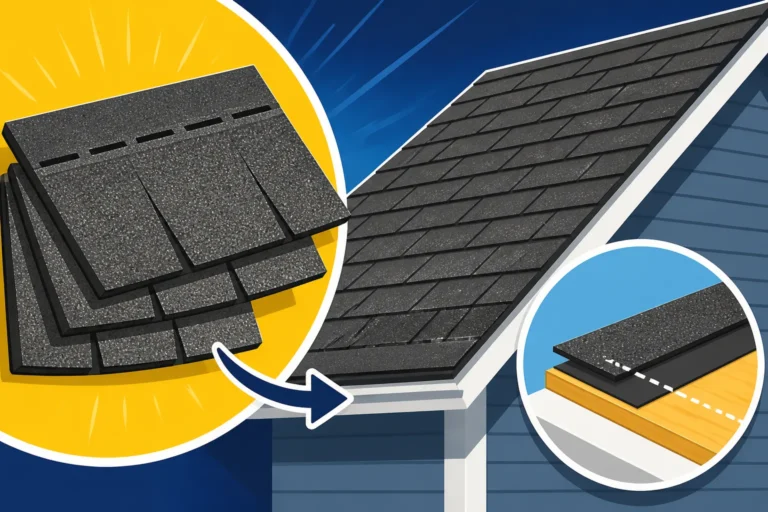
This is perhaps the most common reason for a denied warranty claim. If your asphalt shingles are not installed according to the manufacturer's strict specifications, your warranty can be completely voided. These specifications cover everything from the type and number of fasteners (nails) per shingle, the exposure (how much of each shingle is visible), the starter course, the use of proper underlayment, and correct flashing around penetrations like chimneys and vents.
For example, using too few nails, or nailing them in the wrong spot, can significantly reduce the shingle's wind resistance, leading to blow-offs. If this happens and an inspector finds improper nailing, the manufacturer can (and likely will) deny the claim. This is a powerful argument for hiring a Manufacturer-Certified Roofers Explained, as their training and oversight minimize these risks. While the basic materials might come with a warranty, the performance of those materials is entirely dependent on correct installation. This is why investing in a reputable, experienced roofing contractor is not just about a pretty roof; it’s about protecting your long-term investment.
Poor Ventilation and Inadequate Maintenance
Your roof isn't just shingles; it's a system. And proper attic ventilation is a critical part of that system. Manufacturers design their shingles to perform within a certain temperature range. If your attic is poorly ventilated, it can trap excessive heat, literally "baking" your shingles from below. This accelerated aging, characterized by premature curling, cracking, or granule loss, is often directly attributable to inadequate ventilation. Since it's not a manufacturing defect but an environmental condition caused by the home's structure (or lack of proper ventilation during installation), it's almost always an exclusion in shingle warranties.
Similarly, neglecting basic roof maintenance can also jeopardize your warranty. Allowing heavy moss or lichen to grow unchecked, letting debris accumulate in valleys, or not addressing minor issues promptly can lead to accelerated wear and tear. While your homeowner's insurance might cover sudden damage, gradual deterioration due to neglect typically falls outside the scope of both insurance and manufacturer warranties. Regularly checking your roof and performing simple maintenance steps, as discussed previously, are crucial for keeping your warranty valid.
Unauthorized Repairs or Modifications
It’s tempting to try and fix a small leak yourself, or hire a handyman for a quick patch job. However, making unauthorized repairs or modifications to your roof can, in many cases, void your manufacturer's warranty. If an issue arises and an inspector finds that non-approved materials or methods were used in a repair, the manufacturer can argue that your modifications contributed to the problem, thereby denying your claim.
This extends to additions like solar panels, skylights, or even new satellite dishes. While these additions are common, they must be installed correctly and professionally, ideally by a contractor who understands roofing systems and can ensure the new penetrations are properly sealed without compromising the existing roof or its warranty. Before undertaking any significant repair or modification that involves penetrating or altering your roof, always consult with your original roofing contractor (if available) or a manufacturer-certified professional. It’s better to get professional advice and ensure any work is done correctly and in line with warranty requirements than to risk voiding your entire roof's protection over a seemingly small intervention.
Here's a handy table to summarize the key differences between standard and enhanced warranties:
| Feature | Standard Manufacturer Limited Lifetime Warranty | Enhanced Manufacturer System Warranty (e.g., GAF Golden Pledge) |
|---|---|---|
| Coverage Focus | Shingle materials only (manufacturing defects) | Entire roofing system (shingles, underlayment, ventilation, etc.) |
| Non-Prorated Period | Typically 5-10 years | Often 25-50 years (depending on brand/tier) |
| Labor Coverage | Generally NOT included | Often INCLUDED for the non-prorated period |
| Wind Resistance | Standard rating (e.g., 60-90 mph) | Higher rating (e.g., 130 mph) for longer period |
| Algae Resistance | Standard term (e.g., 10 years) or not specified | Extended term (e.g., 25 years) |
| Transferability | Often converts to shorter, prorated term for new owner | May offer stronger, more comprehensive transfer options |
| Installation Requirement | Any professional installer | MUST be installed by a manufacturer-certified contractor |
| Cost | Included with shingle purchase | Higher initial cost, but greater long-term protection |
| Registration Required? | Usually, but terms can be less strict | ALMOST ALWAYS required within a specific timeframe |
Your roof is one of the biggest investments you'll make in your home, and understanding its warranty is crucial to protecting that investment. Don't let confusing terms or fine print leave you vulnerable. Do your research, ask questions, and partner with reputable professionals.
Disclaimer
Please remember that this guide provides general information about shingle warranties. Warranty terms and conditions can vary significantly by manufacturer, specific product line, and even geographical location. Always refer to the exact warranty document provided by your shingle manufacturer and your roofing contractor for precise coverage details, limitations, and requirements. Consulting with a qualified roofing professional is recommended for specific advice regarding your home's roof and warranty options.