How Long Before You Can Walk on a New Roof
You’ve just invested in a brand-new asphalt shingle roof, and it looks absolutely fantastic, gleaming under the sun. It’s natural to want to check it out, maybe even walk around a bit to admire the fresh work or access something up there. But here’s the rub: walking on a newly installed asphalt roof too soon can actually cause significant damage, compromising its integrity and lifespan before it even has a chance to fully protect your home. This guide will walk you through exactly why patience is key, how long you really need to wait, and what factors play into that crucial timeline.
The Critical Curing Period for New Asphalt Shingles
When roofers lay down those beautiful new asphalt shingles, they don't just magically bond to your roof deck and each other right away. There's a vital process that needs to happen, often called "curing," where the shingles fully adhere and seal. Think of it like fresh paint or newly poured concrete; it needs time to set and harden. Interrupting this process can lead to long-term problems that are both costly and frustrating.
Understanding Shingle Sealant Activation
At the heart of an asphalt shingle's weatherproofing capabilities is a thermoplastic sealant strip, usually located on the underside of the shingle's leading edge. During installation, this strip is aligned with the shingle below it. Once exposed to warm temperatures and direct sunlight, this sealant activates. The heat softens the asphalt, allowing the strips to melt slightly and create a strong, weather-tight bond between each shingle course. This thermal sealing process, often referred to as "thermal fusion," is what prevents wind uplift and water infiltration.
The timeframe for this activation can vary dramatically. On a hot, sunny day in places like Phoenix, Arizona, or Miami, Florida, those sealant strips might start bonding within hours. However, if your roof was installed on a cooler, overcast day in, say, Seattle, Washington, or during the early spring in Chicago, Illinois, the process could take days, or even weeks, to fully activate. Until these seals are fully formed, your shingles are essentially just resting on top of each other, making them highly vulnerable. The quality of this initial bond is paramount for the overall performance and longevity of your roof, directly impacting its ability to withstand severe weather. For a deeper dive into this crucial step, check out our guide on how asphalt shingles are installed: step by step.
The Dangers of Walking on Shingles Too Soon
Walking on a new roof before the sealant strips have had a chance to fully bond is a big no-no, and for very good reasons. Your weight, even if you’re light on your feet, can disrupt the sealant. Imagine trying to walk on sticky tape that hasn’t quite set – you’re likely to smudge it, pull it up, or leave marks. The same principle applies here, but with much more expensive consequences.
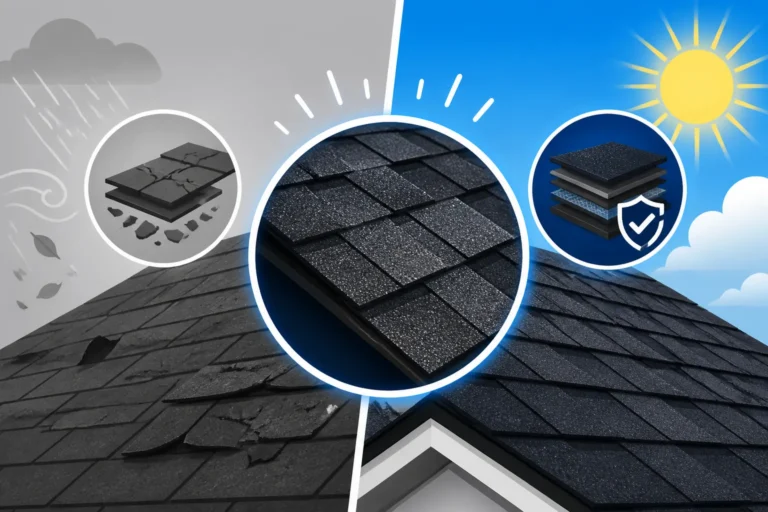
One of the most common issues is granule loss. Asphalt shingles are coated with ceramic granules that protect the asphalt from UV rays and add color. If you walk on them when they're not fully bonded, these granules can get dislodged and scuffed off, leaving bald spots that expose the underlying asphalt to the elements. This accelerates wear and tear, reducing the shingle's lifespan and potentially voiding parts of your warranty. Furthermore, unsealed shingles can shift underfoot, leading to misalignment, creasing, or even cracking. This creates pathways for water to seep underneath, potentially causing leaks into your attic and home. Such damage is not only frustrating but often isn't covered by a standard manufacturer's warranty because it's considered an installation or post-installation error, not a defect in the material itself.
Factors Influencing Your Roof's "Walkable" Timeline
There's no single, universal answer to "how long before I can walk on my new roof?" because so many variables come into play. It's less about a specific number of hours and more about the environmental conditions and the specifics of your roofing materials. Understanding these factors will help you make an informed decision and protect your investment.
Temperature and Sunlight Exposure
As we touched on, temperature and sunlight are the primary drivers of shingle sealant activation. The warmer and sunnier it is, the faster those sealant strips will get to work.
- Hot, Sunny Climates (e.g., Texas, Florida, Southern California): In these regions, with daytime temperatures consistently above 70-80°F (21-27°C) and strong direct sunlight, shingles can begin to seal within a few hours to a day. However, a full, strong bond might still take several days of consistent warmth.
- Moderate Climates (e.g., Ohio, Georgia, Colorado in summer): In milder conditions, where temperatures hover between 50-70°F (10-21°C), the sealing process will be slower. You might need to wait 2-3 days, or even up to a week, for a reliable bond to form.
- Cooler, Overcast Climates (e.g., Pacific Northwest, Northeast in spring/fall): If your roof was installed during cooler temperatures below 50°F (10°C) or during prolonged cloudy periods, the sealant activation will be significantly delayed. In these cases, it's not uncommon to wait a full week or more, and in some extreme cold weather installations, the seal might not fully activate until the next stretch of warm, sunny weather. This is where understanding how shingle sealant strips activate really becomes critical.
Your roofing contractor should be able to give you specific guidance based on local weather conditions around the time of installation. They know the products they install and the climate they work in, making their advice invaluable. When you're gathering bids from various roofing companies, perhaps through a service like Modernize, make sure to ask about post-installation care and access recommendations.
Shingle Type and Manufacturer Specifications
Not all asphalt shingles are created equal, and their composition can affect their sealing time.
- 3-Tab Shingles: These are generally lighter and may seal slightly faster due to less mass, but they also tend to be more susceptible to wind uplift before sealing.
- Architectural (Dimensional) Shingles: These popular shingles, like GAF Timberline HDZ or Owens Corning Duration, are thicker and have multiple layers, giving them a more robust, three-dimensional appearance. While their sealant strips are designed for strong bonds, their increased mass means they might take a bit longer to fully heat up and seal compared to 3-tab shingles. They are built for durability and wind resistance once sealed.
- Designer (Luxury) Shingles: These are the heaviest and most elaborate shingles, designed to mimic slate or cedar shakes. Their substantial weight and thickness mean they will likely require the longest sealing time.
Always refer to the manufacturer's installation guidelines and recommendations provided by your specific shingle brand (e.g., GAF, Owens Corning, CertainTeed). These guidelines are developed through rigorous testing and are the most reliable source for understanding your particular product. Your contractor, especially one certified by a major manufacturer, will be well-versed in these specifics and should communicate them clearly to you. Understanding manufacturer recommendations is key to ensuring your warranty remains valid.
Roof Pitch and Foot Traffic
The slope of your roof also plays a role, albeit a secondary one.
- Low-Slope Roofs: On flatter roofs, the shingles may heat up more evenly, and gravity isn't pulling as much. However, foot traffic on a low-slope roof can still cause shifting or granule loss if the seals aren't set.
- Steep-Slope Roofs: On a very steep roof, like those on many Victorian homes, the force of gravity is constantly working on the shingles. While proper nailing is the primary safeguard, fully activated sealant strips provide extra adhesion, especially against wind. Walking on a steep roof, even when sealed, is inherently more dangerous and should be left to professionals. Before the seal sets, walking on a steep roof is even riskier for the shingles, as they are more prone to sliding or being dislodged. If you ever have to go up there, always prioritize safety and consider hiring a professional.
In general, regardless of pitch, avoid unnecessary foot traffic for at least 3-5 days of warm, sunny weather post-installation. If the weather is consistently cool or overcast, extend that to a week or two. If you had an extensive project, our guide on how long a roof replacement takes might give you a better context for the overall timeline.
| Factor | Impact on Sealing Time | Recommended Waiting Period (for light traffic) |
|---|---|---|
| High Heat & Sunlight | Faster sealing | 24-48 hours (for initial bond) |
| Moderate Temperature | Moderate sealing speed | 3-5 days |
| Cool/Overcast Weather | Slower, delayed sealing | 1-2 weeks (or until next warm spell) |
| Thicker Shingles | Can take longer to heat | Add a day or two to general guidelines |
| Steep Pitch | Increased risk of shift | Exercise extreme caution, minimize traffic |
| Low Pitch | More even heating | General guidelines apply |
When Minimal Foot Traffic is Absolutely Necessary
We all know life happens. While the golden rule is to avoid walking on a new roof for as long as possible, sometimes it's unavoidable. Perhaps an antenna needs adjusting, a satellite dish needs re-aiming, or an unexpected emergency demands access. In these rare instances, knowing how to minimize risk is crucial.
Essential Reasons to Access Your New Roof
There are a handful of scenarios where you might truly need to get onto your newly installed roof:
- Satellite Dish or Antenna Adjustment/Installation: If you need to install a new dish or adjust an existing one that was removed during the roofing process, this might be a necessary, albeit risky, task.
- Emergency Repairs: In the very rare event of a sudden, severe storm immediately after installation that causes new damage, you might need to quickly assess or temporarily secure an area. This should ideally be handled by your roofing contractor.
- Critter Removal: Occasionally, animals can get onto or into your roof system post-installation, requiring immediate attention.
- Gutter Cleaning (after a significant debris fall): While you shouldn't be cleaning gutters immediately, if a severe windstorm blows a lot of tree debris onto your new roof and clogs the gutters, you might need to clear them to prevent water backup.
Even in these situations, the overarching advice is to defer to your roofing professional whenever possible. Many contractors offer a follow-up visit to reinstall or adjust items removed for the roof replacement.
Best Practices for Walking on a "Green" Roof
If you absolutely must walk on your new roof before it's fully sealed, take every precaution to minimize damage.
- Wait for the Coolest Part of the Day: The sealant strips are most pliable and sticky when warm. If you have to go up there, do it in the early morning or late evening when temperatures are coolest and the sun isn't directly on the roof. This helps the sealant be less prone to disturbing.
- Wear Soft-Soled Shoes: Ditch the work boots with deep treads. Opt for clean, soft-soled shoes, like sneakers, that won't scuff or dislodge granules.
- Walk Gently and Deliberately: Avoid shuffling your feet, dragging tools, or making quick, sharp movements. Distribute your weight as evenly as possible. Some professionals use "chicken ladders" or roofing shoes that distribute weight, but these are specialized tools.
- Stay on the Shingle "Laps": If possible, try to walk on the bonded areas of the shingles where the overlap creates a stronger, more stable surface. Avoid walking directly on the exposed sealant strips or where shingles are most vulnerable to lifting.
- Minimize Time on the Roof: Get the job done quickly and efficiently, and get off the roof.
- Use a Spotter: Have someone on the ground to assist with tools, offer verbal guidance, and be there in case of an accident.
- Consult Your Contractor: Before you even think about stepping foot on it, call your roofing contractor. They can provide specific advice, or even offer to handle the task for you, ensuring their warranty isn't jeopardized. A reputable contractor, perhaps one you found through Modernize, will prioritize your safety and the longevity of your roof. Asking about post-installation access is one of the important questions to ask a roofing contractor before hiring.
Remember, even with these precautions, there's still a risk of damage. It's always best to err on the side of caution.
Long-Term Care and Inspection After Installation
Once the initial "curing" period is over and your shingles have firmly bonded, you can breathe a sigh of relief. Your new roof is now ready to take on the elements! However, the job isn't completely finished from a homeowner's perspective. Proper long-term care and occasional inspections are key to maximizing its lifespan and catching any potential issues early.
Regular Inspections and Maintenance
Even though your roof is new, it's a good idea to perform routine checks, typically once or twice a year, especially after severe weather events. You don't necessarily need to climb onto the roof for these inspections. A good pair of binoculars from the ground or a careful look from a sturdy ladder can reveal a lot.
- Look for Missing or Damaged Shingles: High winds can sometimes lift or tear shingles, even well-sealed ones. Spotting these early can prevent leaks.
- Check for Granule Loss: While some minimal granule loss is normal with new shingles as loose ones shed, excessive "bald" spots might indicate an issue with the shingle or previous foot traffic.
- Inspect Flashing Points: Pay attention to the areas around chimneys, skylights, vents, and valleys. These are common points of vulnerability where flashing can come loose or deteriorate. Our guide on roof flashing explained provides more detail on these critical components.
- Clear Debris: Keep your roof clear of leaves, branches, and other debris that can trap moisture and accelerate shingle degradation. Gently clear gutters to ensure proper drainage.
- Look for Moss or Algae Growth: While typically a problem for older roofs, if you live in a damp, shaded area, watch for any early signs. Most modern shingles come with algae resistance built-in (look for granules with copper).
These proactive measures, along with professional roof inspections every few years, can significantly extend the life of your asphalt roof and help you avoid costly repairs down the line. Remember, preventative care is always less expensive than reactive fixes.
What to Communicate with Your Roofing Contractor
Your relationship with your roofing contractor shouldn't end the moment the last shingle is laid. A reputable contractor will provide you with important post-installation information and be available for follow-up questions.
- Post-Installation Instructions: They should clearly explain the recommended waiting period for foot traffic, based on the specific shingles used and the weather conditions during installation.
- Warranty Information: Ensure you receive all documentation for your manufacturer's warranty and the contractor's workmanship warranty. Understand what these warranties cover, how long they last, and what actions might void them. This is an important distinction, and understanding the nuances of a roofing warranty: workmanship vs manufacturer is crucial. Some warranties, especially enhanced ones, require the roof to be installed by a manufacturer-certified contractor.
- Follow-Up: Don't hesitate to call your contractor if you notice anything amiss in the days or weeks following installation. Whether it's a concern about a loose shingle, an odd sound, or simply a question about how the sealant strips are activating, they are your primary resource. If you've chosen a good contractor, perhaps through a service that pre-screens professionals, they will be happy to address your concerns. Be sure to understand your roofing payment: milestones vs lump sum agreement and that all payments are contingent on satisfactory completion and proper sealing.
A new roof is a significant investment in your home's protection and value. By understanding the importance of the curing period, exercising patience, and practicing good communication with your contractor, you'll ensure that your roof performs optimally for decades to come.
Disclaimer
Please remember that the information provided in this article is intended for general guidance and informational purposes only. It is not a substitute for professional advice from a qualified roofing contractor. Always consult with a local, licensed, and insured roofing professional for specific recommendations tailored to your roof, local climate, and the products used. They can assess your individual situation and provide the most accurate advice regarding when it's safe to walk on your new roof and any necessary maintenance.