How Roof Decking Works
The integrity of your home relies heavily on its roof, but beneath those protective shingles lies a critical, often unseen component: the roof decking. Many homeowners don't realize the crucial role this structural layer plays until issues like leaks or sagging arise. This comprehensive guide will walk you through exactly how roof decking works, exploring its vital functions, common materials, installation practices, and how to maintain its long-term health.
What is Roof Decking and Why It's Crucial
When we talk about a roof, most people immediately think of the shingles they see from the street. But imagine trying to nail those shingles directly onto thin air! That's where roof decking comes in. It's the structural foundation of your entire roofing system, the solid surface that everything else—from underlayment to the final layer of asphalt shingles—gets attached to. Without sound decking, your roof wouldn't just look bad; it wouldn't function at all, leaving your home vulnerable to the elements.
Beyond the Shingles: The Foundation
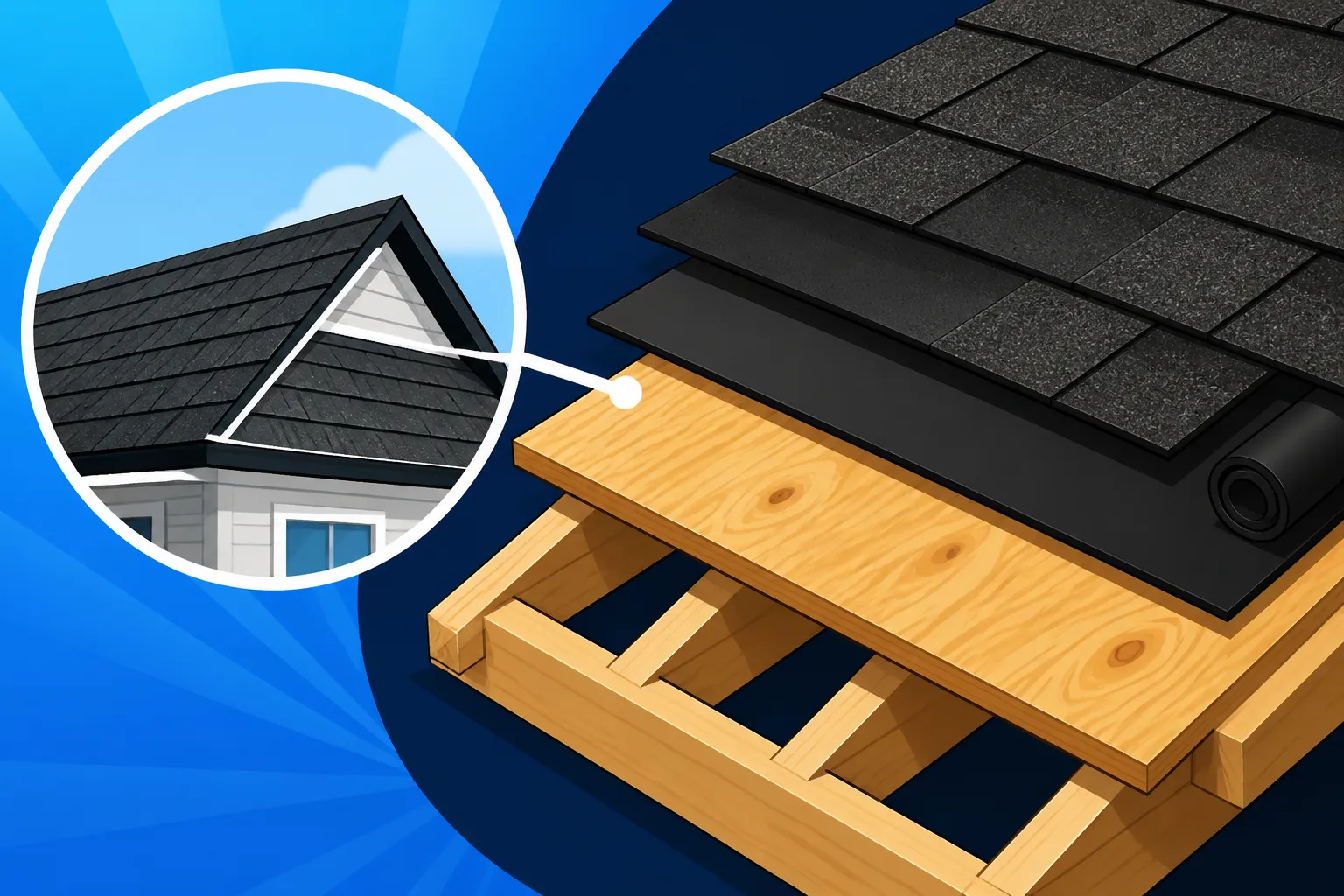
Think of roof decking as the sturdy canvas upon which your roofing masterpiece is painted. It’s the layer of wood panels that are fastened directly to your roof trusses or rafters. These panels create a continuous, stable surface across your entire roof structure. While the shingles are the visible shield against rain, sun, and hail, the decking is what gives that shield its shape and strength. It's what keeps the whole system rigid and prevents it from bowing or collapsing under environmental stress. It’s a vital component that homeowners often overlook when considering the larger picture of their roofing system or planning for a full roof replacement. Understanding what goes into each layer of your roof helps you appreciate the significant investment your roof represents.
Structural Integrity and Weight Distribution
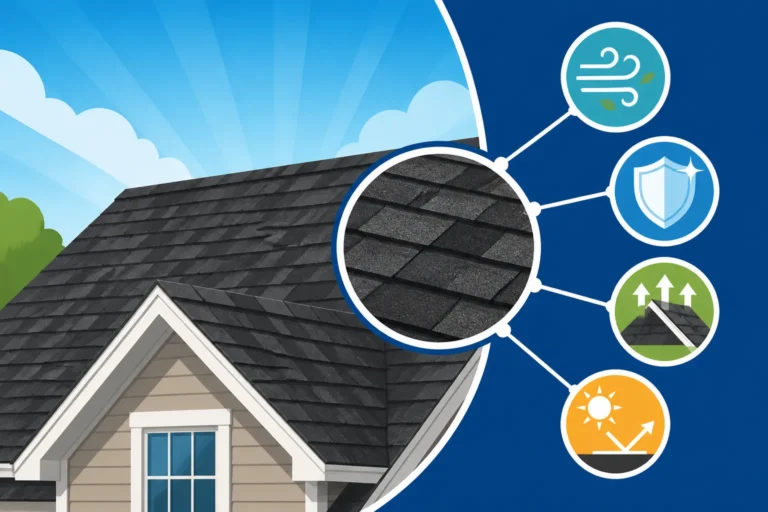
The primary role of roof decking is to provide structural stability to your home's roof frame. It ties all the individual rafters or trusses together, distributing the weight of the entire roofing assembly evenly across the supporting structure. This includes the weight of the shingles, the underlayment, and any snow, ice, or water that might accumulate. In areas prone to heavy snowfalls, like the mountainous regions of Colorado or the snowy winters of Minnesota, the decking's ability to handle significant load is paramount. It ensures that the enormous weight doesn't simply rest on individual rafters, which could lead to localized sagging or, in extreme cases, structural failure. A robust decking system helps your roof resist external forces, providing critical resistance against things like high winds that try to lift the shingles right off your home.
Role in Weather Protection
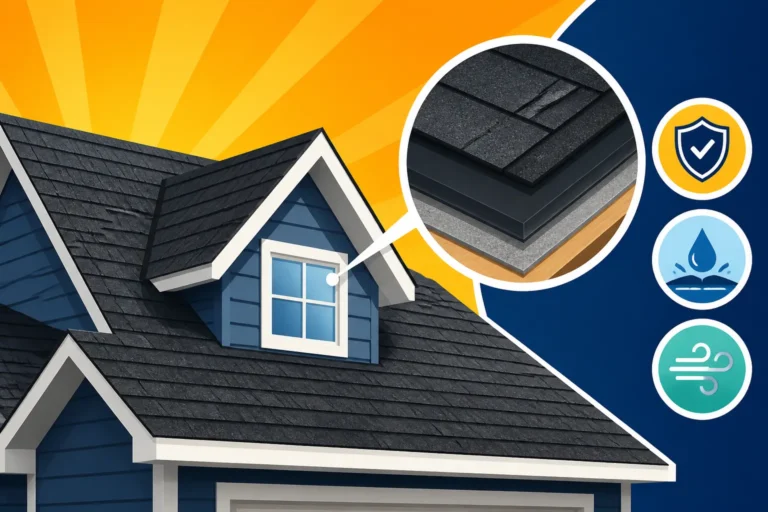
Beyond its structural duties, roof decking plays a surprisingly important part in protecting your home from the elements, even though it's covered by other materials. While the underlayment and shingles are the primary waterproof layers, the decking itself forms a crucial secondary barrier. If wind-driven rain or melting ice manages to get past your shingles and underlayment (which, unfortunately, can happen during severe storms), the decking offers one last line of defense before water enters your attic and home. More importantly, it provides a stable surface for the ice and water shield and underlayment to adhere to properly, ensuring those layers can perform their waterproofing functions effectively. A well-installed and intact decking system prevents small leaks from becoming major catastrophes, buying you time to address issues before they cause extensive damage to your interior.
Common Types of Roof Decking Materials
When it comes to roof decking, not all materials are created equal. The most common choices are plywood and oriented strand board (OSB), each with its own characteristics, pros, and cons. Knowing the difference can help you understand the quality and potential longevity of your roofing system. These materials form the base for the entire roofing structure, directly impacting how well the asphalt shingles are installed and how long they will last.
Plywood: The Traditional Choice
Plywood has been a long-standing favorite for roof decking, and for good reason. It's manufactured by gluing together thin sheets (veneers) of wood, with the grain of each layer running perpendicular to the one below it. This cross-graining technique gives plywood excellent strength and stability, making it resistant to warping and shrinking. Typically, plywood used for roofing is exterior-grade, meaning the adhesives are designed to withstand moisture exposure. It comes in various thicknesses, with 1/2-inch and 5/8-inch being common for residential roofing, sometimes thicker in high-load or high-wind areas.
One of plywood's notable advantages is its superior fastener-holding capability. Because of its layered construction, nails and screws tend to grip plywood more securely, which is especially important for keeping shingles firmly attached, particularly in regions prone to strong winds. Plywood also tends to be more rigid, which can provide a flatter, more consistent surface for shingle installation, leading to a neater finished look. However, plywood generally costs a bit more than its OSB counterpart, and its weight can sometimes make installation slightly more labor-intensive. Despite the higher cost, many contractors and homeowners still prefer plywood for its proven track record and reliability, especially when discussing important structural components like Roof Decking Replacement Cost.
OSB (Oriented Strand Board): The Modern Standard
Oriented Strand Board, or OSB, has become incredibly popular as a roofing decking material over the last few decades, largely due to its cost-effectiveness and efficient use of wood resources. OSB is made by compressing and bonding together layers of wood strands with waxes and resin adhesives. These strands are arranged in specific orientations, giving the board its strength and stiffness. Just like plywood, it's typically available in 1/2-inch and 5/8-inch thicknesses for roofing applications.
OSB's primary appeal lies in its consistent strength and lower price point compared to plywood, making it a very common choice for new construction and roof replacements today. However, it does have a few characteristics to be aware of. While modern OSB is treated to resist moisture, prolonged exposure to water can cause its edges to swell, a phenomenon sometimes called "edge swell." This swelling can create unevenness on the roof surface, potentially affecting the aesthetic of the shingles or even their performance. Proper installation, including leaving expansion gaps between panels, and ensuring the roof system is watertight with quality underlayment and flashing, is crucial to mitigate this risk. Manufacturers like Owens Corning and GAF produce high-quality shingle systems designed to perform well over both plywood and OSB, provided the decking is installed correctly.
Other Less Common Decking Materials
While plywood and OSB dominate the residential asphalt roofing market, other materials occasionally surface, often in specific contexts or older homes. For instance, in some older homes, you might find solid wood planks, sometimes referred to as "skip sheathing" or "plank decking." This involves individual boards laid across the rafters, often with small gaps in between. While functional in its time, this type of decking typically isn't suitable for modern asphalt shingles, which require a continuous, solid surface for proper adhesion and uniform support. If you have plank decking, a full roof replacement would usually involve installing a new layer of plywood or OSB over it, or removing it entirely, to meet current building codes and ensure proper shingle installation.
Another less common option is steel decking, which is primarily used in commercial or industrial buildings and not typically found under residential asphalt shingle roofs. Similarly, concrete decking is used in specialized scenarios but isn't a viable option for most residential asphalt roofing systems due to its weight, cost, and the complexities of attaching asphalt shingles. For the vast majority of homeowners dealing with asphalt roofing, the choice will almost exclusively come down to the robust comparison of OSB vs Plywood Roof Decking.
Here’s a quick comparison of the two most common decking materials:
| Feature | Plywood (CDX Grade) | OSB (Oriented Strand Board) |
|---|---|---|
| Composition | Layers of wood veneer, cross-grained for strength | Compressed wood strands, bonded with resin and wax |
| Cost | Generally higher per sheet | Generally lower per sheet |
| Strength | Excellent, very stable | Very good, consistent |
| Moisture Res. | Good, but can delaminate with prolonged exposure | Susceptible to edge swell with prolonged moisture exposure |
| Fastener Hold | Superior, good nail retention | Good, but can be more prone to fastener pull-through |
| Rigidity | Very rigid, less prone to sagging between rafters | Good, can be slightly less rigid than plywood |
| Weight | Can be slightly heavier | Generally lighter |
| Availability | Widely available | Widely available |
The Installation Process of Roof Decking
Installing roof decking is a critical phase in any roof replacement project, directly impacting the longevity and performance of your entire roofing system. It's not just about slapping some boards down; it involves careful preparation, precise fastening, and adherence to specific building codes. This is where the foundation for everything else, including your brand-new How Asphalt Shingles Are Installed Step by Step, is laid.
Preparation and Old Decking Removal
The first step in any quality roof decking installation is thorough preparation, which often begins with a complete tear-off of the old roofing materials. This means removing all existing shingles, underlayment, and often, the old decking itself. While some projects might allow for roofing over existing shingles, a full tear-off down to the rafters is generally recommended, especially if the existing decking is damaged or old. This allows the roofing crew to get a clear view of the structural integrity of your rafters and ensures a perfectly flat, solid surface for the new decking.
During the tear-off, the crew will inspect the rafters for any signs of rot, water damage, or structural issues. If rotted wood is found, it must be addressed before new decking goes down. This might involve sistering new wood alongside damaged rafters or replacing entire sections. Once the old materials are removed and the structure is sound, the framing needs to be clean and free of any protruding nails or debris that could compromise the new decking. This meticulous preparation ensures that your new roof has the strongest possible starting point.
Nailing Patterns and Fasteners for Security
Once the roof structure is ready, the new decking panels are carefully laid out and fastened. This isn't a random process; specific nailing patterns and fastener types are crucial for maximizing the decking's strength and ensuring it can withstand environmental forces like wind uplift. Typically, 8d common or ring-shank nails are used, or sometimes screws, to attach the panels to the rafters. The nails are driven through the decking into the underlying rafters, usually at specific intervals—often 6 inches along the edges of the panel and 12 inches in the field (the middle of the panel). This ensures that every part of the decking is securely anchored.
Proper nailing also includes leaving small gaps, usually 1/8 inch, between adjacent decking panels. This might seem counterintuitive, but it's vital for allowing the wood to expand and contract with changes in temperature and humidity without buckling or warping. These small gaps are later covered by the underlayment, so they won't compromise your roof's watertight seal. Adhering to these precise nailing patterns and using the correct fasteners is essential, not just for the immediate stability of the roof, but also for ensuring the longevity of your entire roofing system and potentially qualifying for manufacturer warranties. This is an area where a reputable contractor makes a real difference, adhering to strict building codes that vary by region; for instance, Roofing Building Codes What to Know are often more stringent in hurricane-prone states like Florida.
Decking Replacement Considerations
Replacing roof decking is a significant part of a comprehensive How a Roof Replacement Works The Full Process. It's often necessary if the existing decking shows signs of extensive damage, such as rot, mold, delamination, or widespread sagging. While minor repairs can sometimes be patched, a full replacement ensures a consistent, strong base for your new roof. When considering decking replacement, factors like the roof's pitch, overall size, and accessibility can influence the complexity and duration of the job. A very steep roof, for example, will require more safety measures and may take longer to complete.
The cost of decking replacement is typically included in the overall roofing estimate, but it's important to understand that unforeseen decking damage, often only revealed after the old shingles are removed, can add to the final bill. This is why many reputable contractors, often found through services like Modernize, include a contingency for decking repair or replacement in their initial contracts, or at least explain how such costs will be handled if discovered. It's always a good idea to discuss this possibility with your contractor upfront so you're not caught off guard. New decking ensures that your costly new shingles and Underlayment Explained Synthetic vs Felt have the best possible foundation to perform their protective duties for decades to come.
Inspecting and Repairing Roof Decking
It’s easy to ignore what you can’t see, and that’s often the case with roof decking. However, proactively inspecting and addressing issues with your decking can save you a significant amount of money and stress down the line. Decking issues, if left unchecked, can quickly escalate, compromising the entire roof system.
Identifying Common Decking Issues
The most common issues with roof decking often stem from moisture intrusion. Leaks in your roof, whether from damaged shingles, faulty flashing, or inadequate underlayment, can allow water to saturate the decking. Over time, this moisture leads to wood rot, mold growth, or delamination (for plywood) and edge swelling (for OSB). You might notice signs of this damage in your attic: water stains on the underside of the decking, a musty smell, or visible mold growth. Sagging areas on your roof, particularly between rafters, can also be a strong indicator of weakened or rotted decking.
Another common issue is fastener fatigue or failure. Over decades of expansion and contraction, or due to improper initial nailing, the fasteners holding the decking to the rafters can loosen or pull out. This can cause the decking panels to become less securely attached, leading to creaking, shifting, or even subtle movement that can compromise the shingle bond. Sometimes, issues like "nail pops" on the surface of your shingles are actually symptoms of underlying decking movement or problems with the fasteners themselves. Regularly conducting a Roof Inspection What They Check is crucial for catching these issues early.
Repairing Minor Damage vs. Full Replacement
When decking issues are identified, the question often becomes: can it be repaired, or does it need full replacement? For minor, localized damage—such as a small patch of rot around a leaky vent pipe or a section affected by a single shingle leak—spot repairs are often sufficient. A contractor can carefully cut out the damaged section of decking and replace it with a new piece of the same material and thickness, ensuring proper fastening to the existing rafters and adjacent decking panels. This approach is cost-effective for isolated problems.
However, if the damage is widespread, affecting multiple panels or large sections of the roof, or if there's significant structural compromise, a full decking replacement is usually the wiser and more durable solution. For instance, if you see extensive rot across an entire slope or if most of your OSB decking exhibits severe edge swell, a full replacement provides a uniform, strong foundation for your new roof. Attempting to patch numerous large areas can lead to an uneven surface and compromise the overall integrity of the roof. Understanding Signs Your Roof Decking Is Rotted can help you determine the severity and the best course of action.
When to Call a Professional for Decking Assessment
While a homeowner can often spot obvious signs of water damage in the attic, a professional roofing contractor has the expertise and tools to thoroughly assess the condition of your roof decking. They can identify subtle signs of damage that might be missed by an untrained eye, and they can determine the extent of the problem more accurately. A contractor will not only inspect the visible underside of the decking in your attic but also conduct a thorough exterior inspection, looking for irregularities in the roof plane that might indicate decking issues beneath the shingles.
If you suspect any problems with your roof decking, or if you're planning a roof replacement, it's always best to get a professional assessment. They can advise you on the most appropriate repair or replacement strategy, ensuring that any work done meets local building codes and manufacturer warranty requirements. Platforms like Modernize can connect you with experienced, local roofing professionals who specialize in comprehensive roof assessments and solutions. Don't underestimate the importance of your decking; it’s literally holding your roof together. An expert can effectively address concerns like How Roofers Fix Rotted Decking with precision.
Ensuring Your Roof Decking Lasts
A roof is a significant investment, and ensuring every component, especially the decking, lasts as long as possible is key to getting the most out of that investment. A well-maintained and properly installed decking system contributes greatly to the overall lifespan of your asphalt roof.
Proper Ventilation is Key
Perhaps one of the most critical factors in the longevity of roof decking is proper attic ventilation. Many homeowners don't realize that the attic needs to breathe, and inadequate ventilation can trap heat and moisture. In hot climates, trapped heat can bake the underside of your decking, accelerating its aging and potentially causing warping. More significantly, in both hot and cold climates, trapped moisture from household activities (showering, cooking, laundry) or minor roof leaks can condense on the cooler underside of the decking. This constant moisture exposure creates a perfect breeding ground for mold and rot, significantly weakening the wood over time.
A well-designed ventilation system, typically involving a combination of intake vents (like soffit vents) and exhaust vents (like ridge vents or box vents), allows for continuous airflow through the attic. This airflow helps to equalize temperatures and, more importantly, removes moisture-laden air, keeping your decking dry and healthy. It also helps prevent the formation of ice dams in colder regions, which can force water under shingles and onto the decking. This topic is so vital that we often discuss How Roof Ventilation Works in detail with homeowners, emphasizing its impact on overall roof health.
Regular Maintenance and Inspections
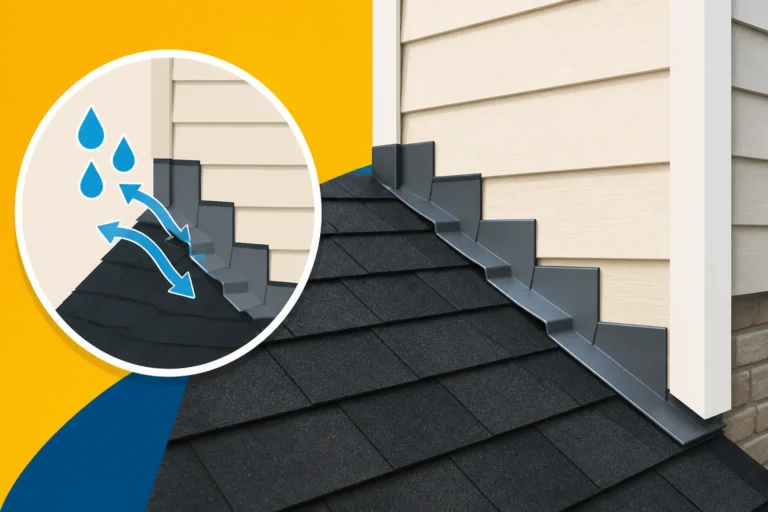
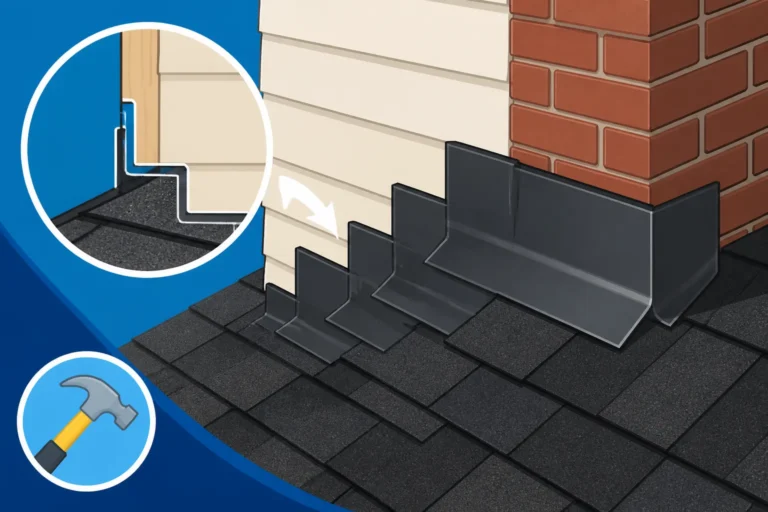
Just like any other part of your home, your roof—and by extension, its decking—benefits greatly from regular maintenance and inspections. We recommend a professional roof inspection at least once every 1 to 3 years, or immediately after a severe storm. A qualified inspector can spot potential issues with your shingles and underlayment before they lead to decking damage. They'll look for things like missing or damaged shingles, compromised flashing around chimneys and vents, and proper gutter function.
Beyond professional inspections, homeowners can also conduct periodic visual checks from the ground, looking for sagging areas or anomalies in the roofline. In your attic, keep an eye out for any signs of water stains, mold, or a musty odor, especially after heavy rains. Addressing small issues promptly, like replacing a few missing shingles or resealing flashing, can prevent water from reaching and damaging your decking. Proactive maintenance is almost always less expensive than reactive repairs, especially when structural components are involved.
Manufacturer Warranties and Installation Standards
When you invest in a new roofing system, understanding the manufacturer's warranty is essential, and often, the quality of your decking installation plays a role in that warranty. Leading manufacturers like GAF, Owens Corning, and CertainTeed offer comprehensive warranties that cover not just the shingles but often the entire "system," which includes underlayment, flashing, and proper decking installation. However, these warranties are typically contingent on the roof being installed by a certified contractor according to the manufacturer's strict guidelines and local building codes.
Improper decking installation—such as using the wrong thickness, incorrect fasteners, or inadequate spacing between panels—can void portions of your warranty, leaving you exposed to future repair costs. When you work with a certified contractor, often found through platforms that connect homeowners with vetted professionals like Modernize, you’re not just getting a new roof; you’re getting peace of mind that the entire system, including your crucial roof decking, meets the highest standards. This ensures that your investment is protected and your roof will perform reliably for its intended lifespan. Don't forget to ask your contractor about How a Complete Roof System Qualifies for Warranty to ensure you maximize your protection.
Disclaimer
Please remember that this guide provides general information about roof decking and is not a substitute for professional advice. Always consult with a qualified and licensed roofing contractor for specific assessments, recommendations, and services related to your home's roof. Building codes and best practices can vary significantly by location and specific circumstances.