Questions to Ask About Roofing Warranties
Facing a major home expense like a new roof is already stressful, but trying to understand all the different warranties can feel like navigating a maze blindfolded. Many homeowners find themselves overwhelmed by confusing jargon, unsure what protection they truly have or what questions they should be asking. This guide is here to cut through the confusion, helping you understand the different types of roofing warranties and providing the critical questions you need to ask your contractor to ensure your investment is fully protected.
Understanding the Two Main Types of Roofing Warranties
When you get a new asphalt roof installed, you're not just getting one warranty; you're typically getting two, and it's absolutely vital to understand the difference between them. Ignoring this distinction can lead to major headaches down the road if something goes wrong. Think of it like buying a new car – you have the manufacturer's warranty on the engine and parts, and then you might have a separate warranty from the dealership on their specific service or installation work. Roofing is very much the same.
Manufacturer Warranties: What They Cover and Don't
The first type of warranty you'll encounter is the manufacturer's warranty. This comes directly from the company that made your shingles and other roofing components, such as GAF, Owens Corning, or CertainTeed. Their main purpose is to cover defects in the actual materials themselves. So, if a shingle rolls off the production line with a hidden flaw that causes it to prematurely fail, the manufacturer's warranty is designed to step in.
This usually covers things like:
- Material defects: This is the big one. If the shingles themselves are faulty, cracking, blistering, or losing granules at an abnormal rate due to a manufacturing error, this warranty should cover it.
- Algae resistance: Many modern asphalt shingles come with algae-resistant granules, and the manufacturer's warranty might cover instances where pervasive algae growth occurs before a specified period.
- Wind resistance: Most shingles have a wind rating, and if they blow off due to wind speeds below that rating, the manufacturer's warranty might kick in, provided they were installed correctly according to their specifications.
However, it's crucial to understand what these warranties don't cover. They generally won't cover problems arising from improper installation, natural wear and tear, acts of God (like severe storms outside the wind rating), or damage caused by other trades or improper maintenance. For example, if your contractor used the wrong type of nails or didn't follow the manufacturer's specific nailing patterns, and your shingles fail as a result, the manufacturer can deny your claim because the issue wasn't with their product but with its application. This is a common pitfall that homeowners often overlook, leading to frustration when a claim is denied.
Workmanship Warranties: The Contractor's Promise
This is where your chosen roofing contractor comes in. A workmanship warranty, sometimes called an installer's warranty, is a guarantee from the company that installed your roof that their work was done correctly and free from defects. This is incredibly important because, let's be honest, even the best shingles in the world won't perform if they're not installed properly. Many roofing issues, like leaks, are often a result of installation errors, not faulty materials.
Workmanship warranties typically cover:
- Installation errors: This includes anything from improper shingle nailing, incorrect flashing around chimneys and vents, poor underlayment application, or issues with the drip edge installation.
- Leaks due to poor installation: If your roof starts leaking because the shingles weren't sealed correctly or a valley wasn't flashed properly, the workmanship warranty should cover the repair.
The scope and duration of workmanship warranties can vary wildly from contractor to contractor. Some might offer a standard one or two-year warranty, while others, particularly those who are manufacturer-certified, might provide extended warranties that cover their labor for 10, 20, or even 25 years. This difference is a major factor when you're comparing bids and trying to figure out how to choose a roofing contractor. It's also a key distinction to keep in mind when you're asking questions to ask a roofing contractor before hiring.
Understanding the difference between these two types of warranties—manufacturer and workmanship—is the absolute foundation of protecting your roofing investment. Without clarity on both, you're leaving yourself exposed to potential financial burdens if problems arise. This is why digging into the details with your contractor is so critical.
Crucial Questions to Ask About Manufacturer Warranties
Even once you understand the basic concept of a manufacturer warranty, the details can get incredibly nuanced. It's not enough to just know that your shingles "have a warranty." You need to understand the specifics of that coverage, its duration, and any conditions that might affect your ability to make a claim. Many homeowners get caught off guard because they didn't ask these in-depth questions upfront.
Coverage Details: Materials, Defects, and Transferability
This is where you need to get into the nitty-gritty of what the manufacturer is truly promising. Don't just accept a vague statement; ask for the specifics.
- What exactly is covered under the material defect portion of the warranty?
- Push for examples. Does it cover premature cracking, blistering, or excessive granule loss? Are there different levels of coverage for different types of defects? Sometimes, minor granule loss is considered normal wear and tear, so clarify what constitutes a "defect."
- Are all components of the roofing system covered, or just the shingles?
- Many manufacturers offer "system" warranties that cover not just their shingles, but also their underlayment, starter strips, ridge caps, and even ventilation products, assuming all components are from their brand. For instance, a GAF Golden Pledge warranty might cover more than just their Timberline HDZ shingles alone. This comprehensive approach is often a stronger form of protection. If your contractor is installing a mixed system (e.g., CertainTeed shingles with a different brand of underlayment), the "system" warranty from any single manufacturer won't apply fully.
- What is the duration of the material defect coverage? Is it consistent across all products?
- Some shingles, especially entry-level 3-tab shingles, might have shorter full coverage periods compared to architectural or designer shingles. For example, GAF Timberline shingles might offer a lifetime limited warranty, but the "full start" period (where materials are covered 100% without depreciation) could be shorter, like 10 or 20 years.
- Is the warranty transferable to a new homeowner if I sell my house? If so, what is the process and are there any fees?
- This is a huge question, especially if you plan to sell your home within the lifespan of the roof. A transferable warranty can be a significant selling point. Many manufacturer warranties are transferable, but they often require written notification and sometimes a fee within a specific timeframe after the sale. Make sure you understand the exact steps to ensure a smooth transfer, as failing to follow the protocol could void this valuable benefit for the next owner. Learning how to transfer a roof warranty can add significant value to your home.
Prorated vs. Non-Prorated: Decoding the Fine Print
This is perhaps one of the most confusing, yet critically important, aspects of any manufacturer warranty. Understanding the difference between prorated and non-prorated coverage can literally mean the difference between a full replacement and receiving a fraction of the cost.
- What is the non-prorated period of the warranty, and what does it cover?
- The non-prorated period (often called the "SureStart Protection" or similar) is the golden period where if a manufacturing defect occurs, the manufacturer typically covers 100% of the material and sometimes labor costs to repair or replace the defective product. This is the best coverage you can get. Ask how long this period lasts – is it 10 years, 20 years, or longer? The longer the non-prorated period, the better.
- After the non-prorated period, how is the warranty prorated?
- Once the non-prorated period expires, the warranty usually becomes prorated. This means the amount the manufacturer will pay for a defect is reduced based on the age of your roof. They might use a formula that depreciates the value of the shingles annually. Ask for the specific formula or schedule they use. For instance, if your roof is 15 years old and the prorated warranty covers 50% of the material cost, you'll be responsible for the other 50% plus all labor. This is why a thorough understanding of the Prorated vs Non-Prorated Roof Warranty difference is essential.
- Does the warranty cover the cost of labor and tear-off during the non-prorated period?
- Some premium manufacturer warranties, especially those offered through certified contractors, will cover not just the material costs but also the labor involved in tearing off the old defective shingles and installing new ones during the non-prorated period. This is a significant advantage, as labor can be a substantial portion of the overall cost. Always ask for this clarification.
What Voids the Warranty and How to Prevent It
Unfortunately, many homeowners unknowingly void their warranties through actions or omissions. It’s crucial to know these pitfalls upfront.
- What specific actions or conditions could void this manufacturer warranty?
- Typical culprits include improper installation (which is why the workmanship warranty is so important!), adding a second layer of shingles over existing ones if the warranty requires a full tear-off, walking on the roof excessively, using incompatible products from other manufacturers, or even making DIY repairs with incorrect materials. Installing solar panels without proper care can also sometimes be a factor. Understanding what voids a shingle warranty is paramount to protecting your investment.
- Are there any maintenance requirements that I need to adhere to to keep the warranty valid?
- While asphalt shingles are relatively low-maintenance, some warranties might implicitly expect reasonable care, like keeping gutters clear to prevent water buildup or promptly addressing any minor issues. Ask if there are specific recommendations or requirements for maintaining your roof.
- What documentation do I need to keep, and how do I register the warranty?
- Most manufacturers require you to register your warranty within a certain timeframe after installation (e.g., 30-60 days). Your contractor should help you with this, but it's ultimately your responsibility to ensure it's done. Ask for copies of all warranty documents, the registration confirmation, and the product labels. Without proper documentation and registration, it can be incredibly difficult to make a claim down the line.
Essential Questions to Ask About Workmanship Warranties
While the manufacturer protects the product, your contractor protects the installation. The workmanship warranty is your safeguard against shoddy work, and its terms are just as important, if not more so, for the immediate health of your new roof.
Length of Coverage and Scope of Work
The duration and specific coverage of a workmanship warranty can be a huge differentiator between contractors.
- What is the exact length of your company's workmanship warranty?
- Standard contractor workmanship warranties can range from 1 to 5 years, but some highly reputable or manufacturer-certified contractors may offer much longer periods, sometimes matching or exceeding the non-prorated period of the manufacturer's warranty (10, 20, or even 25 years). Always get this in writing as part of your roofing contract. A longer warranty usually indicates a contractor's confidence in their work.
- What specific installation aspects does your workmanship warranty cover?
- Be clear about what constitutes an "installation error." Does it cover leaks caused by improper flashing? Missing shingles due to incorrect nailing? Does it include repairs to damaged interior ceilings if a leak occurs due to their faulty work? Ask for a detailed list.
- Are repairs or reinstallation covered, and is there a limit to the number of claims?
- Most reputable contractors will cover the full cost of labor and materials to fix installation errors. Clarify if there's any fine print about the extent of their responsibility or if any limits apply to how many times you can invoke the warranty.
Who Stands Behind the Warranty and How to File a Claim
A warranty is only as good as the company backing it. Knowing the process for filing a claim is critical.
- Who is the point of contact if I need to make a warranty claim?
- Get a specific name, phone number, and email address, not just a general office line. You want to know who will be responsible for addressing your concerns.
- What is the step-by-step process for filing a claim under your workmanship warranty?
- Do you need to call, email, or fill out a form? What information do you need to provide? How quickly can you expect a response and an inspection? A clear, documented process shows professionalism. For example, if you suspect a leak, prompt action is often required to mitigate further damage, so a responsive process is key to how to get a roofing warranty honored.
- What is your estimated response time for warranty issues, especially emergencies?
- If you have a leak, you need a quick response. Ask about their typical turnaround for inspections and repairs under warranty. A company that prioritizes warranty calls will usually have a faster response time.
What Happens if the Contractor Goes Out of Business
This is a fear for many homeowners, and a legitimate one. What happens to your workmanship warranty if the company that installed your roof is no longer around?
- Do you offer any kind of third-party backed workmanship warranty, or is it solely through your company?
- Some top-tier manufacturers, like GAF with their Golden Pledge Warranty, offer an extended warranty that includes coverage for the contractor's workmanship, often for 25 years. This means if the contractor goes out of business, the manufacturer will step in to cover approved labor defects. This is a huge benefit and a strong indicator of a reliable installation. Companies like Modernize can help you find contractors who offer these enhanced warranties.
- How long have you been in business, and what is your track record?
- While not a direct warranty question, a long-standing, reputable company is inherently less likely to disappear overnight. Look for a contractor with a solid history and good local reviews.
- Do you have sufficient insurance and bonding to cover potential issues, even outside of warranty?
- While not strictly a warranty item, a licensed and insured contractor provides an additional layer of protection. If major structural issues arise due to negligence during installation, their insurance might be the primary recourse, not just the warranty.
Additional Warranty Considerations and Smart Questions
Beyond the two main types, there are often layers of additional protection and nuances that savvy homeowners should explore. These can provide enhanced peace of mind and significantly extend the life and value of your roof.
Understanding Extended or Enhanced Warranties
Many manufacturers partner with their certified contractors to offer what are known as "extended" or "enhanced" warranties. These are typically far more comprehensive than the standard manufacturer warranty you'd get without using a certified installer.
- Does the manufacturer offer an enhanced warranty program, and are you certified to offer it?
- For example, GAF has their Master Elite contractors, Owens Corning has their Platinum Preferred Contractors, and CertainTeed has their SELECT ShingleMaster program. Only contractors who meet rigorous standards and training can offer these premium warranties. If a contractor is part of one of these programs, they can offer benefits like a longer non-prorated period, coverage of tear-off and disposal costs, and often a manufacturer-backed workmanship warranty. This can make an extended roof warranty worth the cost.
- What are the specific benefits of this enhanced warranty over a standard one?
- Get a clear breakdown. It usually includes an extended non-prorated period, broader coverage of components, and crucially, a longer workmanship warranty that is backed by the manufacturer. This means if your installer (who is manufacturer-certified) ever goes out of business, the manufacturer will still honor the workmanship portion of the warranty. This is a massive safety net.
- Is there an additional cost for the enhanced warranty, and what does it cover that the standard one doesn't?
- Often, there's a slight upcharge for these premium warranties, but the added peace of mind and extensive coverage often make it a worthwhile investment. Ask for a side-by-side comparison of what's covered under standard vs. enhanced.
The Role of Contractor Certification in Warranties
As mentioned, manufacturer certifications play a massive role in the warranty landscape. They're not just fancy titles; they often unlock superior protection.
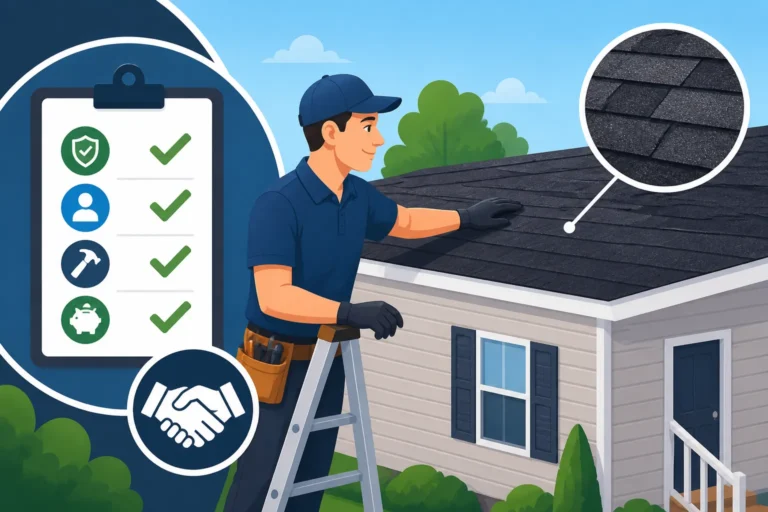
- Are you a factory-certified contractor with the shingle manufacturer you are recommending?
- If your contractor is, for instance, a GAF Master Elite Contractor, an Owens Corning Platinum Preferred Contractor, or a CertainTeed SELECT ShingleMaster, it means they've met specific criteria set by the manufacturer. These criteria typically include being properly licensed and insured, having a proven track record, and receiving ongoing training. This certification is often a prerequisite for offering the best extended warranties available. You can also research Manufacturer-Certified Roofers Explained to understand these tiers better.
- How does your certification impact the warranty I will receive?
- This is the key. Their certification is what allows them to register those high-level, extended warranties with manufacturer-backed workmanship coverage. Without this certification, you'll generally only get the standard manufacturer material warranty and the contractor's own, potentially shorter, workmanship warranty.
Documenting Your Warranty for Future Peace of Mind
The best warranty in the world is useless if you can't prove you have it or find the paperwork when you need it.
- What documentation will I receive upon completion of the project, and how should I store it?
- You should expect to receive copies of the signed contract, the manufacturer's warranty certificate (after registration), the contractor's workmanship warranty, and details about the specific products installed (shingle type, color, batch numbers, etc.). Keep these in a safe, easily accessible place, like a dedicated home improvement binder, and consider digital backups.
- Will you handle the warranty registration process for me, or is that my responsibility?
- Most reputable contractors will initiate or complete the manufacturer's warranty registration on your behalf, especially for extended warranties. However, always confirm this and get proof of registration. It's often your ultimate responsibility to ensure it's done within the manufacturer's specified timeframe.
- If I need to make a claim years down the road, what information will I need to provide?
- Knowing this upfront can save you a lot of scrambling later. Typically, you'll need your warranty certificate, date of installation, contractor's name, and a description of the issue. A good contractor will guide you on what to keep for future reference.
Getting a new roof is a significant investment in your home, one that should ideally last how long an asphalt roof lasts, which is often 20-30 years for asphalt shingles. Taking the time to ask these detailed questions about your roofing warranties can prevent future headaches and ensure your investment is truly protected for the long haul. Don't be shy about asking for clarification – a transparent and reputable contractor will appreciate your diligence. Many homeowners use platforms like Modernize to connect with contractors who can clearly articulate their warranty offerings and provide comprehensive proposals.
Roofing Warranty Comparison Table
To help you visualize the differences, here's a quick comparison of what you might typically see with standard vs. enhanced warranties. Remember, these are general guidelines, and specific terms will vary by manufacturer and contractor.
| Feature | Standard Manufacturer Warranty (Material Only) | Standard Contractor Workmanship Warranty | Enhanced Manufacturer-Backed Warranty (System) |
|---|---|---|---|
| Origin | Shingle Manufacturer (e.g., GAF, Owens Corning) | Your Roofing Contractor | Shingle Manufacturer (via Certified Contractor) |
| Primary Coverage | Defects in Shingle Materials (cracking, blistering) | Errors in Installation (leaks, missing shingles) | Defects in ALL System Components + Contractor Workmanship |
| Non-Prorated Period | 10-20 years (materials only) | N/A (usually flat term) | 20-50 years, sometimes Lifetime (materials & labor) |
| Prorated Period | Yes, after non-prorated term (materials only) | N/A | Less common, often full coverage for longer periods |
| Labor Coverage | Rarely, and only during non-prorated period | Yes, for covered installation errors | Yes, during extended non-prorated period (materials & labor) |
| Transferability | Often transferable (with conditions & fees) | Varies by contractor, often not transferable | Often transferable (with easier conditions) |
| Contractor Certification Required? | No, but better through certified installer | No | Yes, exclusively through certified contractors |
| If Contractor Goes Out of Business? | Manufacturer still covers material defects | Warranty typically void | Manufacturer honors workmanship portion |
| Typical Cost Implication | Included with shingle purchase | Included with installation, or small fee | Higher upfront cost, but greater long-term value |
Disclaimer
Please remember that this article provides general information and should not be considered professional advice. Roofing warranties can be complex and vary significantly based on the manufacturer, contractor, specific products used, and local regulations. Always consult directly with your chosen roofing contractor and review all warranty documentation thoroughly before making any decisions. It is essential to understand the terms and conditions, including any limitations or exclusions, of both manufacturer and workmanship warranties for your specific roofing project.