Best Questions for a Roofing Consultation
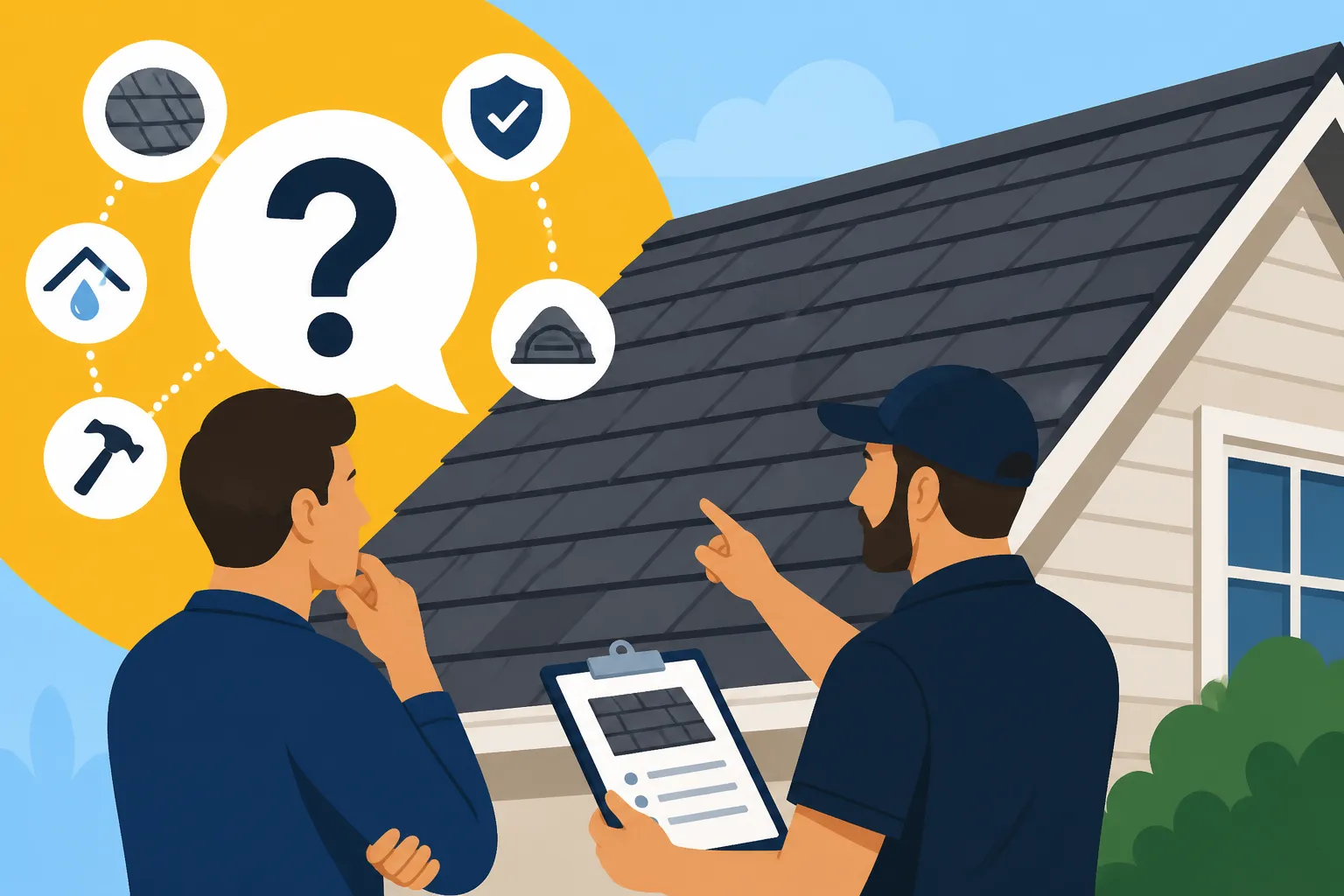
It's incredibly frustrating when you realize your roof needs attention, whether it's a nagging leak, missing shingles, or just the creeping dread of an aging roof. Then comes the daunting task of finding a reliable contractor and feeling completely unprepared during their visit. This guide is here to empower you, providing a comprehensive list of crucial questions to ask during a roofing consultation so you can confidently choose the right professional and ensure a top-notch job.
Vetting Contractor Credentials and Experience
When a roofing contractor comes to your home, they're essentially asking for your trust and a significant investment. You wouldn't hire someone for a critical job without checking their background, and your roof is no different. The first step in any consultation should be to thoroughly vet their credentials, ensuring they are legitimate, skilled, and accountable.
Licensing and Insurance Verification
This is absolutely non-negotiable. Asking about a contractor’s license and insurance isn’t just about formalities; it’s about protecting yourself from significant financial and legal headaches. A legitimate roofing company will have no problem providing proof of both.
First, ask for their state or local contractor's license number. In many states, like Florida or California, contractors are required to be licensed by a state board, while in others, it might be a county or city requirement. Once you have the number, don't just take their word for it. Head to your state's contractor licensing board website or your local building department's site to verify its validity. You’re looking to confirm that the license is active, hasn't expired, and that the company name matches. An expired or suspended license is a huge red flag and means they shouldn't be working on your home.
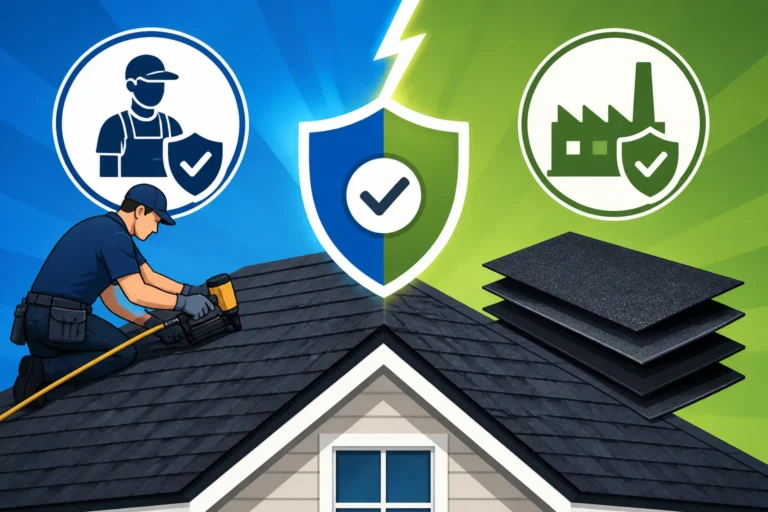
Secondly, and equally vital, inquire about their insurance. Specifically, you need to see proof of General Liability insurance and Worker's Compensation insurance. General Liability protects your property from any damage caused by the roofing crew during the project. Imagine a clumsy ladder falling through a window or shingles dropped on your prize-winning rose bushes – this insurance covers those incidents. Worker's Compensation insurance is crucial because it covers the roofing crew if they get injured on your property. Without it, if an uninsured worker falls off your roof and breaks an arm, you, the homeowner, could be held liable for their medical bills and lost wages. This is a terrifying prospect that far too many homeowners overlook. Always ask for an actual certificate of insurance directly from their insurance carrier, not just a copy the contractor printed. This ensures the policy is current and valid. You can learn more about why these protections are so important in our guide on :Licensed and Insured Roofers: Why It Matters:.
Checking References and Online Reviews
A contractor's past work and reputation speak volumes about their quality and reliability. Don't shy away from asking for references – a good contractor will be proud to provide them.
Start by asking for a list of recent customers, ideally from the last six months to a year, whose projects were similar in scope to yours. When you call these references, ask specific questions:
- Were they satisfied with the quality of the work?
- Was the project completed on time and within budget?
- How was communication throughout the process?
- Was the cleanup thorough?
- Would they hire this contractor again?
- How did the contractor handle any unexpected issues or challenges that arose?
Beyond direct references, delve into their online presence. Check review platforms like Google, Yelp, and the Better Business Bureau (BBB). Look for a consistent pattern of positive feedback. Pay close attention to how the contractor responds to negative reviews, as this can be very telling about their customer service approach. A few negative reviews aren't necessarily a deal-breaker, as even the best companies can't please everyone, but a pattern of unresolved complaints or unaddressed issues is a major warning sign. Platforms like Modernize can help you find contractors with established reputations and review histories, making this initial vetting process a bit smoother.
Assessing Experience with Similar Projects
Roofing isn't a one-size-fits-all business. A contractor who specializes in commercial flat roofs might not be the best fit for your intricate Victorian home with a steep asphalt shingle roof.
Ask the contractor about their experience with projects similar to yours.
- How many asphalt shingle roofs like yours have they installed in the past year?
- Do they have experience with your specific roof pitch or any unique architectural features, such as dormers, skylights, or complex valleys?
- Can they show you photos of past work, or even better, provide addresses of recently completed projects in your area that you can drive by and inspect from the curb? This gives you a tangible sense of their craftsmanship.
A contractor with a proven track record in your specific type of roofing project is more likely to anticipate potential challenges and deliver a high-quality result. If your home has a complex design or a particularly steep pitch, you'll want to ensure they have the expertise to handle the :Steep Roof Cost Premium: and associated safety measures.
Understanding the Project Scope and Process
Once you've established the contractor's credentials, it's time to dig into the nitty-gritty of the actual project. A clear understanding of what they plan to do, how they plan to do it, and how long it will take is essential for managing expectations and ensuring a smooth process.
Thorough Roof Inspection and Assessment
The consultation itself should start with a thorough inspection. A good contractor won't just glance at your roof from the ground; they'll get up there, walk the entire surface, and meticulously check every detail.
Ask them to explain their inspection process.
- Will they check the attic for signs of leaks or inadequate ventilation?
- Will they examine the flashing around chimneys, skylights, and vents?
- What specifically did they find during their inspection? A reputable contractor should be able to articulate the exact issues they identified and explain why they recommend a full replacement versus a repair, or vice versa. They should be able to show you evidence of granule loss, curling, cracking, or any other damage.
- What is their recommendation for the underlying roof decking? Will they inspect it once the old shingles are removed, and what's their procedure if they find rotten or damaged decking? Understanding :Roof Decking Replacement Cost: and processes upfront is crucial.
A thorough assessment forms the foundation of an accurate estimate and ensures that all potential issues are addressed, not just the visible ones.
Detailed Project Timeline and Logistics
Knowing what to expect, day by day, helps you plan and minimizes disruption to your daily life. A clear timeline sets expectations for both parties.
Inquire about the projected start and completion dates.
- What is the typical duration for a roof replacement of your home's size and complexity? Our guide on :How Long a Roof Replacement Takes: can give you a good benchmark.
- How many days will the crew be on site?
- What are their typical working hours?
- How do they handle potential delays due to weather or unexpected material shortages? Do they have contingency plans?
- Will they provide a project manager or a single point of contact whom you can reach directly with questions or concerns during the project? This ensures smooth communication and accountability.
Understanding these logistics helps you prepare your property, make arrangements for pets or children, and know when to expect noise or activity.
The Full Installation Process
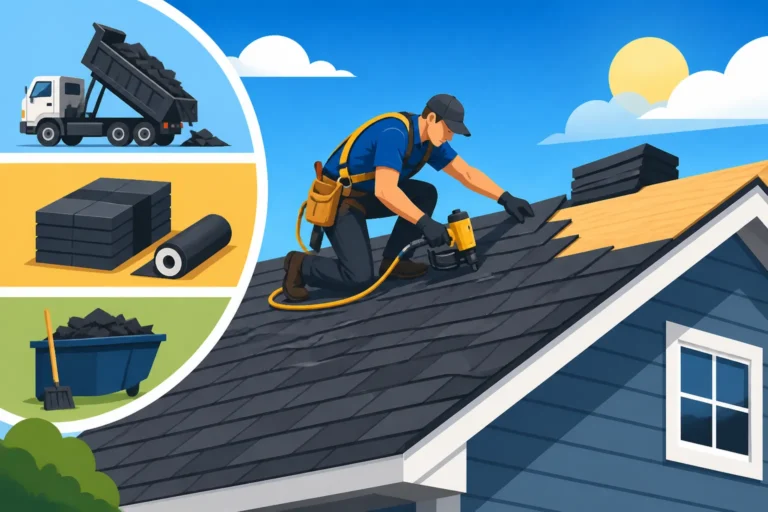
It's helpful to understand the step-by-step process of your new roof installation, even if you're not planning to supervise every shingle. This shows the contractor you're an engaged homeowner and helps you confirm they follow industry best practices.
Ask for an overview of their installation methodology.
- Will they be doing a full tear-off, removing all existing layers of shingles? Or do they propose roofing over existing shingles? You should know the pros and cons of :Cost to Roof Over Existing Shingles: if they suggest this.
- What kind of underlayment do they use, and why? Synthetic underlayment, for example, offers superior protection compared to traditional felt.
- How do they handle flashing, especially around vulnerable areas like chimneys and valleys? Proper flashing is critical for preventing leaks.
- What is their nailing pattern for the shingles? Does it meet or exceed local building codes for wind resistance?
- Will they install new drip edge and starter shingles? These seemingly small details are vital for a durable roof system.
- What types of roof ventilation components will they install or inspect? Good ventilation extends the life of your roof and helps with energy efficiency. You can read more about :How Asphalt Shingles Are Installed: Step by Step: to familiarize yourself with the process.
A professional contractor will be happy to walk you through each phase, demonstrating their expertise and commitment to a high-quality installation.
Diving into Materials and Warranties
Choosing the right materials and understanding your warranty coverage are monumental aspects of your roofing project. These decisions directly impact your roof's lifespan, appearance, and your long-term peace of mind.
Shingle Options and Accessories
Asphalt shingles come in a dazzling array of styles, colors, and performance levels. Don't let a contractor rush you into a decision without fully understanding your options.
Ask about the different types of asphalt shingles they offer.
- Will they provide samples so you can see them against your home's exterior?
- What are the pros and cons of 3-tab, architectural (also known as dimensional), and designer shingles? You should also ask about the relative cost differences, such as the :3-Tab vs Architectural Shingle Cost Compared:.
- Are there any "cool roof" shingle options available that might help with energy efficiency, especially if you live in a hot climate?
- What about impact-resistant or Class 4 shingles, particularly if your area experiences frequent hail storms? These can sometimes even lead to :Do Class 4 Shingles Lower Insurance Premiums: in some regions.
- What specific brands do they primarily work with (e.g., GAF, Owens Corning, CertainTeed)? Why do they recommend those brands?
- What about other essential components like hip and ridge caps, which provide both protection and a finished look?
A good contractor will discuss these options, factoring in your budget, aesthetic preferences, local climate, and desired longevity. They should explain how different choices affect both the upfront cost and the long-term value of your roof.
Understanding Manufacturer and Workmanship Warranties
Warranties are your safety net. There are typically two types: the manufacturer's warranty covering the materials, and the contractor's workmanship warranty covering the installation. It’s crucial to understand both.
Ask for detailed information on both warranties.
- What exactly does the manufacturer's warranty cover? How long is the coverage period, and is it prorated?
- What are the terms of the contractor's workmanship warranty? How long does it last, and what specific issues does it cover if they arise due to improper installation? Our article on :Roofing Warranty: Workmanship vs Manufacturer: delves into this important distinction.
- Is the contractor certified by the shingle manufacturer (e.g., GAF Master Elite, Owens Corning Platinum Preferred)? These certifications often unlock enhanced manufacturer warranties that offer longer coverage or cover labor costs in addition to materials.
- What steps do you need to take to register your manufacturer's warranty? Is there a transfer fee if you sell your home?
- What could potentially void your warranty? For example, improper attic ventilation or subsequent modifications to the roof by an uncertified professional can often void manufacturer warranties.
Don't just skim the warranty document; ask the contractor to walk you through it, clarifying any confusing clauses. This ensures you know exactly what protection you have for your significant investment.
Underlayment, Flashing, and Ventilation
While shingles are the most visible part of your roof, the components underneath and around them are just as critical for long-term performance and protection against the elements.
Ask about these vital supporting elements:
- What type of underlayment will be installed beneath the shingles? Will it be traditional asphalt-saturated felt or a modern synthetic underlayment? What are the benefits of their chosen material?
- Will they install ice and water shield? Where will it be placed – typically along eaves, valleys, and around penetrations? This is particularly important in colder climates prone to ice dams.
- How will they address flashing around chimneys, vents, and walls? Will existing flashing be replaced or reused? Replacement is usually recommended for optimal protection.
- What is their plan for roof ventilation? Will they inspect existing vents and recommend upgrades if necessary? Proper attic ventilation, using components like ridge vents or soffit vents, is crucial for preventing heat and moisture buildup, which can prematurely age your roof and increase energy bills.
These often-overlooked details are the backbone of a watertight and durable roofing system. Ensure your contractor pays as much attention to these elements as they do to the shingles themselves.
Unpacking Costs and Payment Structures
The cost of a new roof is often the biggest concern for homeowners. It’s a substantial investment, and understanding every line item in an estimate and the associated payment terms is absolutely critical to avoid sticker shock and financial disputes down the line.
Getting a Detailed, Transparent Estimate
A vague estimate is a major red flag. You need to know exactly what you're paying for. A detailed estimate shows professionalism and transparency.
Demand a written, itemized estimate.
- Does the estimate break down costs for materials (shingles, underlayment, flashing, vents, etc.), labor, tear-off, and disposal fees? Our guide on :How Much Does an Asphalt Shingle Roof Cost: provides a good overview of what costs to expect.
- How is the cost calculated – by the square (a roofing square is 100 square feet) or a flat fee?
- Are there separate charges for any special considerations like a steep roof pitch or multiple stories?
- Does it include all necessary permits? Who is responsible for pulling the permit?
- What specific brand and style of shingles are quoted? Make sure it matches what you discussed.
- What about the cost of :Cost of Roof Tear-Off and Disposal: of the old roof? Is that included or an additional charge?
Compare estimates from several contractors carefully. It’s not just about the bottom line; it's about comparing apples to apples. If one bid is significantly lower than others, ask why. It might indicate corners being cut or cheaper materials being used. Platforms like Modernize can help you collect multiple, comparable quotes from vetted contractors.
Understanding the Payment Schedule and Deposit
How and when you pay for your roof replacement is as important as the total cost. You want a payment schedule that aligns with project milestones, protecting both you and the contractor.
Ask about their typical payment schedule.
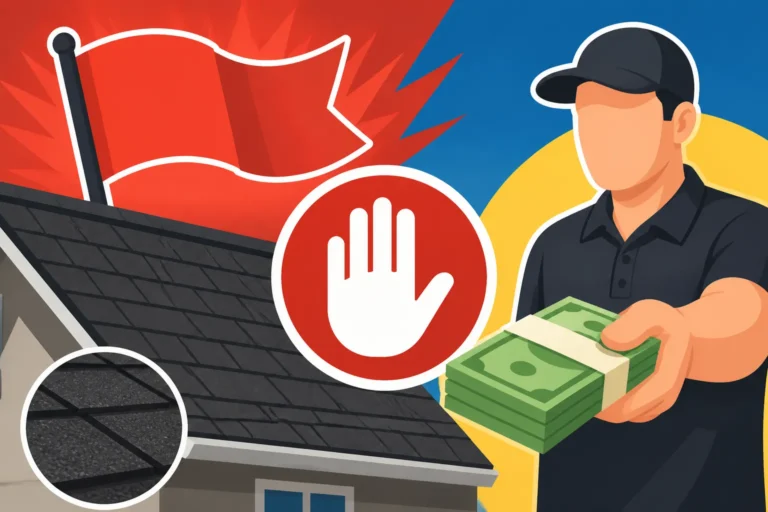
- How much of a deposit do they require upfront? While a deposit is normal, usually 10-30% of the total project cost, beware of contractors who demand 50% or more, or even full payment upfront. This is a common warning sign of a scam. Our article on :Roofing Deposit: How Much Is Normal: offers more insight.
- Will payments be tied to specific project milestones (e.g., X% upon delivery of materials, Y% upon completion of tear-off, Z% upon final inspection)? This protects your investment by ensuring work is completed before payment.
- What are the accepted payment methods?
- Will there be a lien waiver provided upon final payment? This protects you from subcontractors or suppliers who might claim they weren't paid by the main contractor.
A reputable contractor will have a clear, reasonable payment schedule. Always get everything in writing before any money changes hands.
What About Potential Hidden Costs
No one likes surprises, especially when it comes to home renovations. While some unexpected issues can arise, a good contractor will minimize potential hidden costs and communicate them clearly if they do.
Inquire about potential additional costs.
- What happens if unforeseen damage is discovered after the old roof is torn off, such as rotted decking or compromised framing? How will this be communicated, and what is the process for approving and billing for these additional repairs?
- Are there any fees for changes you might request during the project?
- What about permits? Are they included, or is that a separate cost? Our guide on :Hidden Costs in a Roof Replacement: can help you anticipate these issues.
- What about the cost of additional materials like new flashing for solar panels or satellite dishes if they need to be reinstalled?
A transparent contractor will discuss these possibilities upfront, giving you a realistic understanding of potential cost fluctuations and how they handle them.
Post-Installation Procedures and Customer Service
The job isn't truly done until the last nail is cleaned up and you're satisfied with the final result. A reputable contractor stands by their work and offers continued support.
Cleanup and Debris Disposal
A roof replacement can be a messy business, with old shingles, nails, and other debris. You don't want to find rogue nails in your tires or flowerbeds months later.
Ask about their cleanup process.
- How will they protect your landscaping, driveways, and surrounding property during the tear-off and installation? Will they use tarps or plywood?
- How often will they clean up during the project, and what does the final cleanup entail?
- How will they dispose of the old roofing materials? Is this cost included in the estimate?
- Will they use magnetic sweepers to collect nails around your property, including garden beds and grassy areas?
A thorough cleanup is a mark of a professional contractor and ensures your property is left in the same or better condition than they found it.
Post-Installation Follow-Up and Support
Even after the final payment, you want to know the contractor will be available if issues arise.
Inquire about their post-installation support.
- Do they offer a final walkthrough with you to ensure you're happy with the work and to answer any remaining questions?
- Who should you contact if you notice a problem or have a question after the crew has left?
- What is their typical response time for warranty claims or service calls?
- Will they provide all relevant warranty documentation, maintenance tips, and care instructions for your new roof?
Good customer service extends beyond the project's completion, demonstrating a contractor's commitment to their clients and the quality of their work.
Handling Disputes and Problems
No one wants to think about problems, but knowing how a contractor handles them can tell you a lot about their reliability. Even with the best planning, issues can sometimes pop up.
Ask about their process for resolving disputes or addressing dissatisfaction.
- What is their internal complaint resolution procedure?
- If a problem arises, who is the primary contact person, and what steps will they take to rectify the situation?
- What is the timeline for addressing and resolving potential issues?
A transparent and established process for problem-solving is a sign of a professional company that values its reputation and customer satisfaction. It's much better to know this upfront than to be scrambling if something goes wrong. If you ever face a situation where a :Roofer Won't Finish the Job: What to Do:, having these questions answered beforehand can make a big difference.
Navigating Permits and Site Logistics
Beyond the actual roofing work, there are important administrative and logistical details that can significantly impact your project. Understanding these upfront prevents legal issues, delays, and unexpected costs.
Roofing Permits and Local Building Codes
Obtaining the correct permits and adhering to local building codes are legal necessities. Skipping these steps can lead to fines, problems with home insurance, or issues when selling your home.
Ask about permits and code compliance.
- Who is responsible for pulling the necessary roofing permits – the homeowner or the contractor? In almost all cases, a reputable contractor will handle this, ensuring it's done correctly. You can read more about :Do You Need a Permit to Replace a Roof: and who typically handles it.
- What local building codes apply to your specific project? This could include requirements for underlayment, nailing patterns for wind resistance, or specific ventilation standards.
- Will the work be inspected by the city or county building department? When will these inspections occur, and what do they check for?
- What happens if the project fails inspection? Who is responsible for correcting the issues?
Ensuring proper permits are obtained and all work meets or exceeds local codes is crucial for the safety and legality of your new roof.
Protecting Your Property During the Project
A roof replacement involves heavy materials, tools, and a lot of activity, all of which can pose risks to your home and landscaping. A proactive contractor will have a clear plan for property protection.
Inquire about property protection measures.
- How will they shield your windows, siding, and outdoor furniture from falling debris?
- Will they cover delicate plants or garden features?
- Where will their dumpsters or waste bins be placed, and how will they ensure they don't damage your driveway or lawn?
- What steps will they take to secure the job site each evening, especially if the roof is left open or partially completed?
A thoughtful contractor will explain these measures, demonstrating their respect for your property and their commitment to a safe and clean work environment.
On-Site Crew Management
The crew performing the work is just as important as the company you hire. Knowing about their practices and supervision can provide additional peace of mind.
Ask about their on-site operations.
- Will there be a supervisor on site at all times during the project? This ensures quality control and immediate problem-solving.
- Are the crew members employees of the company or subcontractors? While using subcontractors isn't inherently bad, understanding this distinction is important, especially regarding insurance and accountability.
- How do they manage safety on the job site? Are their workers trained in fall protection and other safety protocols?
- What is their policy regarding smoking, loud music, or use of your facilities (like restrooms)? Setting these expectations upfront can prevent discomfort or issues during the project.
A well-managed crew reflects a well-managed company, leading to a more efficient, safer, and higher-quality installation.
Essential Questions for Your Roofing Consultation
To help you organize your thoughts, here's a quick reference table of essential questions to ask during your roofing consultation.
| Category | Key Questions | Why It Matters |
|---|---|---|
| Credentials & Experience | Are you licensed, bonded, and insured? Can I see proof? Can you provide recent references? How many years have you been in business? Do you specialize in asphalt roofing for homes like mine? |
Protects you from liability; ensures legal and reputable operation; indicates reliability and expertise. |
| Project Scope & Process | What did your inspection reveal, and why do you recommend this solution? What is the detailed project timeline? Will you perform a full tear-off? What underlayment, flashing, and ventilation components will you use? |
Ensures all issues are addressed; sets realistic expectations; confirms quality installation practices. |
| Materials & Warranties | What shingle options do you offer, and why? Can I see samples? What are the specifics of the manufacturer and workmanship warranties? Are you manufacturer-certified? |
Ensures you choose the right materials; guarantees protection for your investment; indicates high-quality installation. |
| Costs & Payment | Can I get a written, itemized estimate with a full breakdown? What is your payment schedule, and what deposit is required? Are permits included? What happens if unforeseen damage is found? |
Prevents hidden costs; protects your financial investment; ensures transparency. |
| Post-Installation | What is your cleanup and debris disposal plan? How do you protect my property? What is your post-installation follow-up process? How do you handle disputes or problems? |
Ensures a tidy job site; protects your home; confirms continued support and accountability. |
| Logistics & Safety | Who pulls the permits, and what inspections are required? Will there be a supervisor on site? What safety measures do you employ for your crew? |
Ensures legal compliance; guarantees proper oversight; protects workers and property. |
By asking these questions, you’ll not only gather crucial information but also get a clearer sense of the contractor's professionalism, communication style, and overall approach to their work. This due diligence is the best way to ensure your roofing project is a success.
Disclaimer
The information provided in this guide is intended for general informational purposes only and does not constitute professional advice. Roofing projects can be complex and are subject to local building codes and regulations which vary by location. Always consult with a qualified and licensed roofing contractor and relevant local authorities before making any decisions related to your roof.